
The 30 Richest Places to Live in Philadelphia: Comprehensive Wealth Analysis by Neighborhood
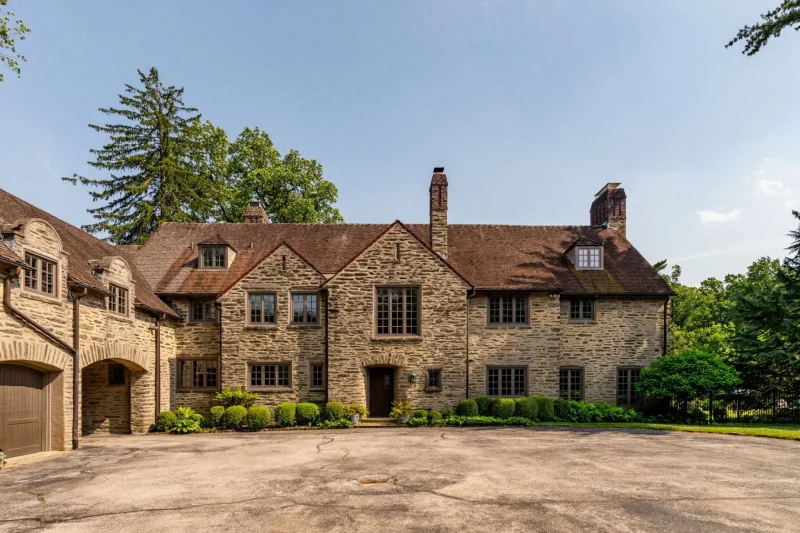
Philadelphia’s diverse neighborhoods showcase a remarkable range of economic prosperity, from historic districts with colonial charm to modern residential developments.
The city’s wealthiest communities span from established areas like Society Hill and Rittenhouse Square to emerging affluent neighborhoods that offer unique lifestyle advantages.
These neighborhoods attract residents through a combination of architectural significance, cultural amenities, and proximity to the city’s business districts.
The distribution of wealth across Philadelphia reflects both the city’s rich historical legacy and its ongoing urban development.
Factors such as school quality, transportation access, and neighborhood amenities play crucial roles in determining property values and resident demographics.
Understanding these affluent communities provides insight into Philadelphia’s evolving residential landscape and the lifestyle preferences of its most prosperous residents.
Here are the 30 richest places to live in Philadelphia:
1. Riverfront
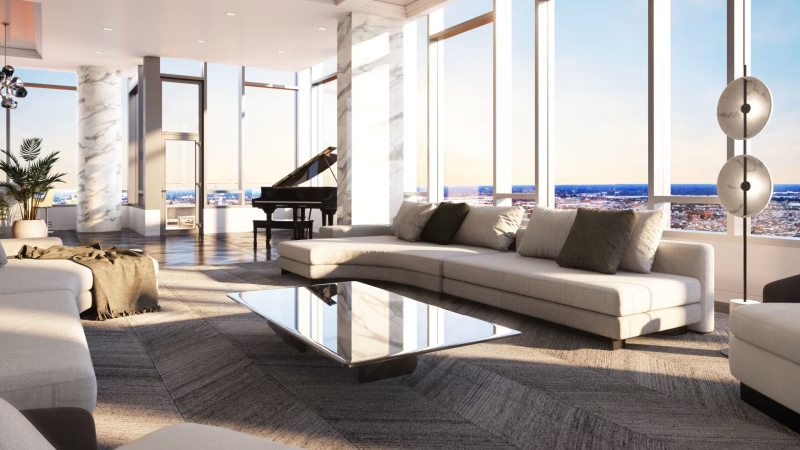
Riverfront stands as Philadelphia’s wealthiest neighborhood according to recent census data. The area attracts affluent residents with its prime location and upscale amenities.
The median home sale price in this exclusive neighborhood reaches $751,000. Property values reflect the desirability of waterfront living and luxury accommodations.
Riverfront features elegant homes that showcase beautiful architecture. Tree-lined streets and well-maintained properties characterize this affluent community.
The neighborhood offers residents access to top-rated schools and exclusive amenities. These features contribute to its reputation as one of Philadelphia’s most expensive areas.
Luxury real estate listings in Riverfront command premium prices. The combination of location, amenities, and housing quality makes it Philadelphia’s richest residential area.
2. Society Hill
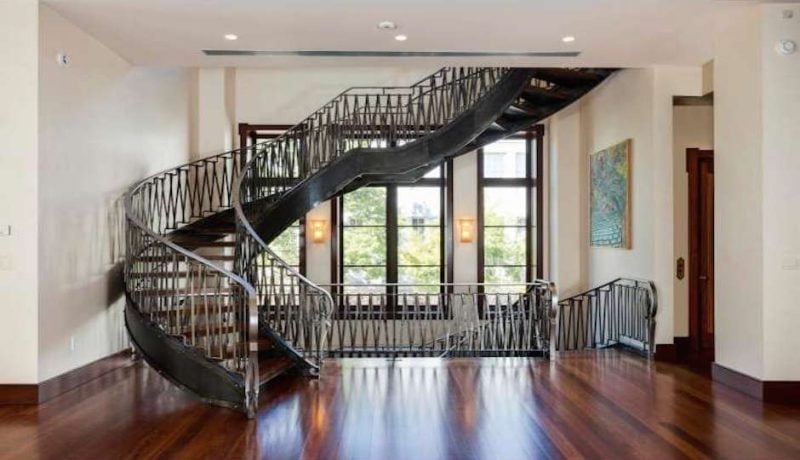
Society Hill ranks as the third richest neighborhood in Philadelphia. The area sits alongside the Delaware River between Washington Square West, Queen Village, and Old City.
The average home price in Society Hill reaches $1,009,076. This historic neighborhood features the beautiful row homes that Philadelphia is known for.
Residents include affluent professionals and long-time Philadelphians. They are drawn to the area’s rich history and elegant charm.
The neighborhood offers proximity to major landmarks like Independence Hall and the Philadelphia Museum of Art. Despite this central location, residents enjoy quiet, tree-lined streets.
Society Hill maintains an upscale, community-focused atmosphere. The blend of historic architecture and modern amenities attracts wealthy buyers seeking both luxury and heritage.
3. Rittenhouse Square
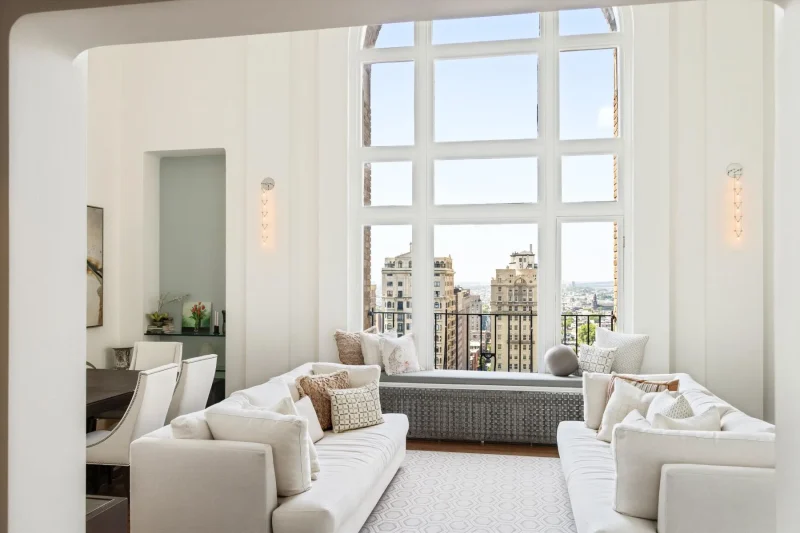
Rittenhouse Square ranks among Philadelphia’s most prestigious and expensive neighborhoods. The area centers around one of William Penn’s original five public parks, creating an elegant focal point for the community.
Real estate prices reflect the neighborhood’s desirability. Homes average $564,000, making it the second-most expensive area in Philadelphia. The market offers luxury condos in high-rise buildings alongside historic townhouses and renovated brownstones.
The central location provides convenient access to Center City’s amenities. Residents enjoy proximity to high-end boutiques, fine dining establishments, and major office buildings. The neighborhood attracts professionals seeking sophisticated urban living.
Rittenhouse Square Park serves as the area’s crown jewel. This green space hosts picnics, outdoor concerts, and community events throughout the year. The combination of luxury housing and prime location has established Rittenhouse Square’s reputation since the mid-19th century.
4. Chestnut Hill
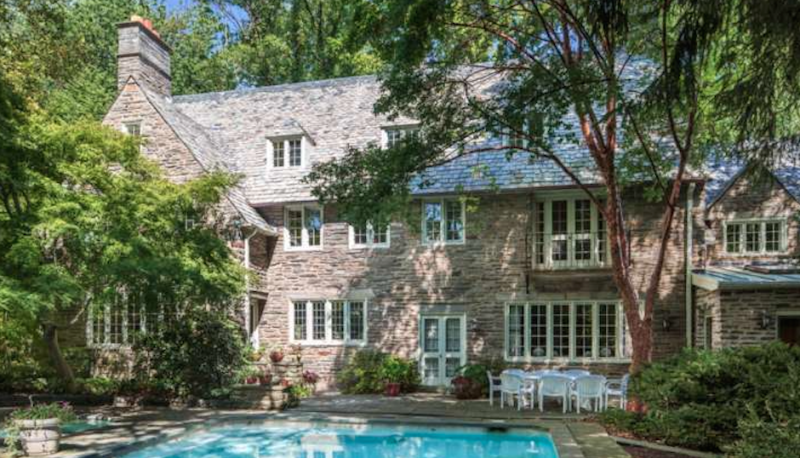
Chestnut Hill consistently ranks as Philadelphia’s wealthiest neighborhood. The median household income exceeds $100,000, reflecting the affluent residents who call this area home.
Property values in Chestnut Hill are substantial. The average listing price reaches $1,460,103, making it one of the most expensive neighborhoods in the city.
Located in northwest Philadelphia, Chestnut Hill offers convenient access to Center City. The neighborhood maintains a suburban feel despite its urban location.
Germantown Avenue serves as the neighborhood’s main corridor. This street features boutique shops, restaurants, and cafes that create a walkable downtown atmosphere.
The area attracts homebuyers with its diverse housing options. Historic stone houses and Victorian homes provide architectural variety throughout the tree-lined streets.
5. Logan Square
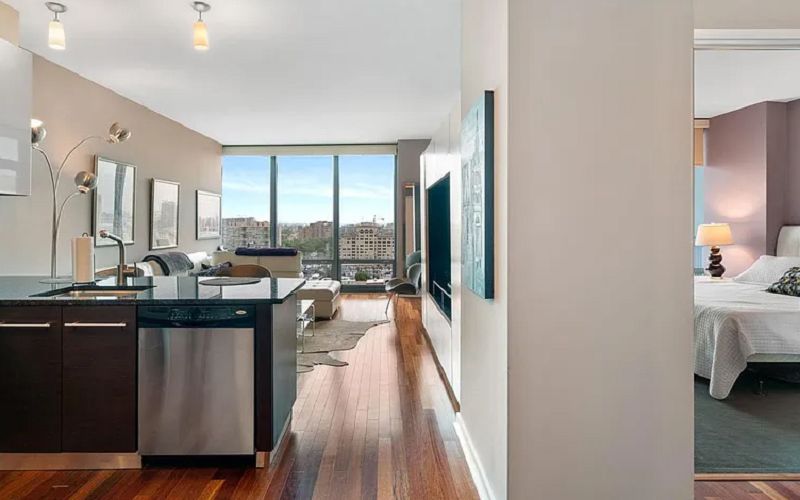
Logan Square stands as one of Philadelphia’s most prestigious neighborhoods. The area features magnificent high-rise buildings and sweeping views of the Benjamin Franklin Parkway.
The neighborhood serves as the gateway to Center City’s arts corridor. Residents enjoy proximity to cultural landmarks and world-class museums.
Logan Square offers luxury living through its upscale residential towers. The median home sale price reaches $405,000, reflecting the area’s desirability among affluent buyers.
The ZIP code that includes Logan Square ranks among the city’s wealthiest areas. This designation places it alongside other high-end neighborhoods like Rittenhouse Square and Fitler Square.
The location provides excellent access to Philadelphia’s business district. Professionals appreciate the short commute to major office buildings and corporate headquarters throughout Center City.
6. Fairmount-Spring Garden
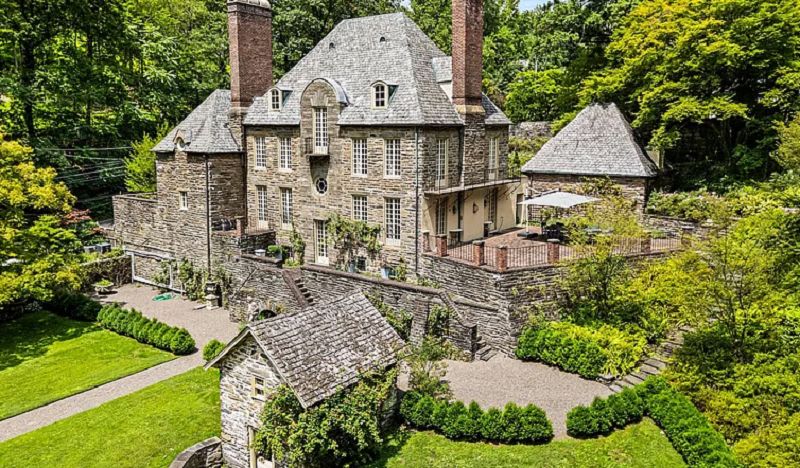
Fairmount-Spring Garden stands among Philadelphia’s most desirable residential areas. The neighborhood consistently appears on lists of the city’s wealthiest communities.
This area combines historic charm with modern amenities. Tree-lined streets feature well-maintained Victorian and colonial homes that attract affluent buyers.
The neighborhood borders the Philadelphia Museum of Art and Fairmount Park. Residents enjoy easy access to cultural attractions and green spaces.
Property values remain strong in this central location. The area offers convenient access to Center City while maintaining a residential feel.
Local dining and shopping options cater to upscale tastes. The neighborhood attracts professionals and families seeking quality urban living.
Fairmount-Spring Garden benefits from excellent walkability scores. Public transportation connections make commuting throughout the city straightforward.
The community maintains active neighborhood associations. These groups work to preserve the area’s character and property values.
7. Schuylkill
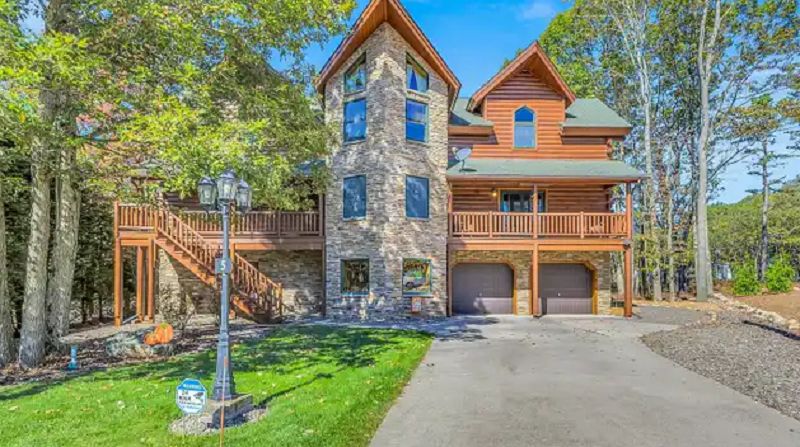
Home prices in this area exceed Philadelphia’s city average of $296,499 by a significant margin. The neighborhood attracts buyers willing to pay premium prices for desirable location and amenities.
Education levels reflect the area’s prosperity. Approximately 73% of adults hold bachelor’s degrees or higher, compared to just 31% nationally.
The neighborhood’s strategic location near the Schuylkill River provides both scenic views and convenient access to Center City. Tree-lined streets and well-maintained properties characterize the residential landscape.
Schuylkill Southwest appeals to professionals and families seeking upscale urban living. The combination of high incomes, educational attainment, and premium housing costs establishes it among Philadelphia’s wealthiest communities.
8. City Center East
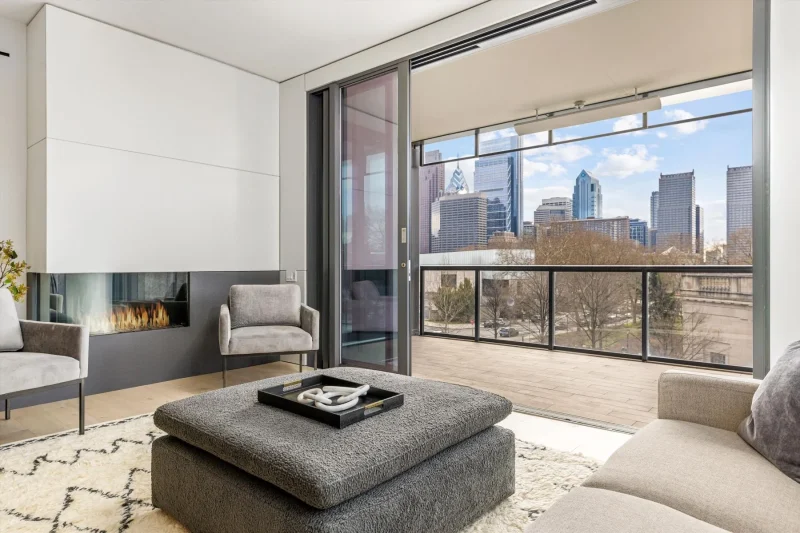
City Center East stands as one of Philadelphia’s most expensive residential areas. Home prices in this neighborhood significantly exceed the city’s average of $350,750.
The market consistently ranks City Center East among the most desirable places to live in Philadelphia. This reflects strong demand from affluent residents seeking premium urban living.
The neighborhood’s central location provides easy access to downtown amenities and business districts. Residents benefit from proximity to major employment centers and cultural attractions.
Real estate values remain elevated due to limited housing inventory and high demand. The area attracts professionals and wealthy individuals who value urban convenience and luxury accommodations.
City Center East offers a blend of modern residential developments and established properties. The neighborhood maintains its appeal through quality housing options and prime positioning within the city’s core.
9. City Center West
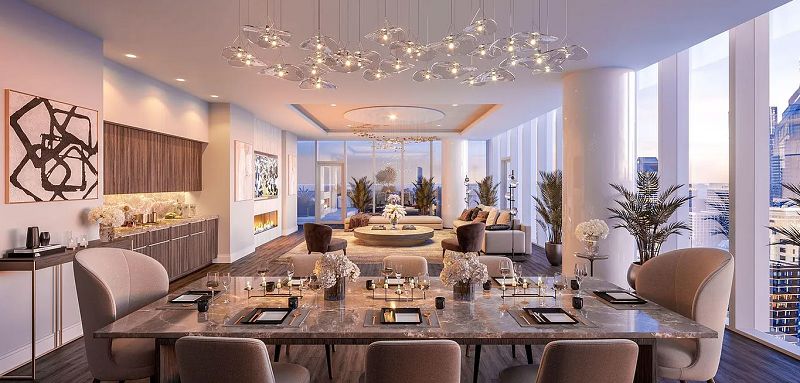
City Center West stands as one of Philadelphia’s most affluent residential areas. The neighborhood encompasses the western portion of Center City’s core business district.
Property values in City Center West consistently rank among the city’s highest. Luxury high-rise condominiums and converted historic buildings dominate the housing market.
The area attracts wealthy professionals who value proximity to major employers and cultural institutions. Residents enjoy walking distance access to Rittenhouse Square and Logan Square.
City Center West offers premium amenities including upscale restaurants, boutique shopping, and exclusive fitness centers. The neighborhood maintains excellent public transportation connections throughout Philadelphia.
High-income earners choose this location for its urban convenience and prestige. The area’s central positioning provides easy access to both business districts and entertainment venues.
10. Washington Square West
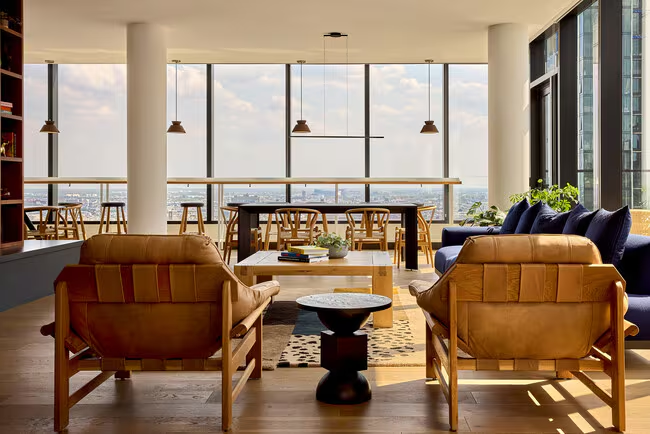
Washington Square West ranks among Philadelphia’s most affluent neighborhoods with a population of 14,127 residents. The area sits alongside the Delaware River in what’s also known as Center City East.
This historic neighborhood contains many of Philadelphia’s most significant historical artifacts and sites. The dense urban environment attracts residents who prefer city living with easy access to cultural attractions.
Most residents in Washington Square West rent their homes rather than own them. The neighborhood offers a walkable lifestyle with proximity to restaurants, shops, and business districts.
The area’s central location provides convenient access to other wealthy Philadelphia neighborhoods like Society Hill and Old City. Washington Square West maintains its status as one of the best places to live in Pennsylvania due to its urban amenities and historical significance.
11. Old City
Old City stands as one of Philadelphia’s most prestigious historic neighborhoods. The area attracts affluent residents who value both luxury living and proximity to the city’s founding sites.
Historic cobblestone streets line the neighborhood alongside upscale residential developments. Many converted warehouses now serve as expensive loft apartments and condominiums.
The neighborhood sits adjacent to Society Hill, another wealthy area in the city. Old City’s location provides easy access to Center City’s business district and cultural attractions.
Property values remain consistently high due to the area’s historic significance and modern amenities. Residents enjoy walkable streets filled with art galleries, upscale restaurants, and boutique shopping.
The neighborhood maintains its colonial character while offering contemporary luxury living options. Young professionals and established families both find Old City appealing for its unique blend of history and modern convenience.
12. Pennsport
Pennsport sits in South Philadelphia between the Delaware River and Interstate 95. The neighborhood has experienced significant gentrification over the past decade.
Historic rowhouses line many streets in this waterfront community. New residents have invested in renovations and property improvements throughout the area.
The neighborhood offers easy access to Center City Philadelphia via public transportation. Pennsport’s location provides convenient commuting options for professionals.
Local businesses and restaurants have opened to serve the growing population. The community maintains a mix of long-time residents and newcomers.
Property values have risen as demand for housing in the area increased. The neighborhood attracts buyers seeking affordability compared to other gentrified Philadelphia areas.
Pennsport provides river access and views for some properties. The area continues to develop while preserving elements of its industrial heritage.
13. Bella Vista
Bella Vista ranks as one of Philadelphia’s most desirable neighborhoods for affluent residents. The area sits just south of Center City, offering convenient access to downtown amenities.
The neighborhood attracts educated professionals, with 71% of adults holding bachelor’s degrees or higher. This compares to just 31% nationwide, reflecting the area’s appeal to high earners.
Home prices in Bella Vista typically fall in the $500,000 median range. The tree-lined streets feature beautiful historic rowhomes that maintain their architectural charm.
Bella Vista earned recognition as the 7th best place for young professionals in the Philadelphia area. The neighborhood combines historic character with modern conveniences.
Residents enjoy proximity to excellent dining, shopping, and cultural attractions. The area’s vibrant atmosphere draws homebuyers seeking an upscale urban lifestyle with easy access to Center City’s business district.
14. Fitler Square
Fitler Square stands as Philadelphia’s wealthiest neighborhood. The area sits between Center City and the Schuylkill River, offering residents prime location benefits.
Tree-lined streets define this predominantly residential enclave. Historic architecture and charming townhomes create an intimate small-town atmosphere within the urban setting.
The neighborhood features diverse housing options including single-family homes, row houses, and upscale condominiums. Some properties date back to the 19th century, adding historical character to the area.
Fitler Square maintains exceptional walkability with easy access to the Schuylkill River Trail. Residents can quickly reach University City and the shops of nearby Rittenhouse Square.
The real estate market remains highly competitive and desirable. Properties command premium prices due to the neighborhood’s prestige and convenient location just steps from Center City’s business district.
15. Bridesburg
Bridesburg is an urban neighborhood located in Northeast Philadelphia. The area is primarily composed of medium-sized townhomes and single-family houses with three to four bedrooms.
Most residential properties in Bridesburg are owner-occupied. This indicates strong community stability and investment in the neighborhood.
The neighborhood features a mix of small studio apartments to two-bedroom units alongside larger family homes. This housing variety attracts different demographics and income levels.
Bridesburg’s location in Northeast Philadelphia provides residents with access to the city’s employment centers. The area offers spacious lots compared to more central Philadelphia neighborhoods.
The neighborhood represents good value for families seeking homeownership in Philadelphia. Bridesburg maintains its appeal through affordable housing options while remaining connected to the broader metropolitan area.
16. Manayunk
Manayunk sits along the Schuylkill River in northwest Philadelphia. The neighborhood features Victorian-era homes and converted mill buildings that attract middle to upper-middle-class residents.
Main Street serves as the commercial heart of Manayunk. The strip offers boutique shopping, restaurants, and nightlife venues that draw visitors from across the city.
The area’s housing stock includes renovated row homes and modern condominiums. Many properties offer river views and proximity to the Schuylkill River Trail.
Manayunk’s median home prices typically range in the mid-$300,000s to low $400,000s. The neighborhood appeals to young professionals and families seeking a blend of urban amenities and suburban feel.
The community hosts an annual arts festival that showcases local talent. Residents enjoy easy access to Center City via SEPTA regional rail service.
17. Queen Village
Queen Village ranks among Philadelphia’s wealthiest neighborhoods, located approximately 1.5 miles southeast of Center City. The community attracts many of the city’s most affluent residents seeking an upscale residential environment.
The neighborhood is renowned for its tree-lined streets and well-preserved historical architecture. These features contribute significantly to the area’s desirability and elevated property values.
Real estate prices in Queen Village average close to $543,000, reflecting the premium that buyers pay for this location. The combination of historic charm and proximity to downtown Philadelphia drives consistent demand.
The area sits strategically between several other notable neighborhoods, including Society Hill. This positioning provides residents with easy access to both historic attractions and modern amenities throughout the greater Philadelphia region.
Queen Village maintains its reputation as a thriving community that successfully balances historical preservation with contemporary living standards.
18. Graduate Hospital
Graduate Hospital, known locally as “G-Ho,” ranks as one of Philadelphia’s most expensive neighborhoods. The area has undergone significant revitalization in recent years.
The neighborhood sits strategically near the Schuylkill River and Center City. This location provides convenient access to downtown offices and major universities like University of Pennsylvania and Drexel.
Graduate Hospital attracts business professionals and educators due to its prime positioning. The community offers an urban-suburban mix that appeals to wealthy residents.
Recent development has brought beautifully restored historic homes alongside sleek new construction. Hip boutiques and chef-driven restaurants line the streets, adding to the area’s upscale appeal.
The neighborhood maintains excellent walkability scores. Most residents own their homes, contributing to the area’s stable, affluent character and high property values.
19. Fox Chase
Fox Chase represents one of Philadelphia’s more affordable wealthy neighborhoods while maintaining strong property values. The area attracts families seeking suburban characteristics within city limits.
Home prices in Fox Chase-Burholme cost less than comparable neighborhoods with similar populations. Properties here remain below Philadelphia’s average of $296,499, making it accessible to middle and upper-middle class residents.
The neighborhood benefits from its northeastern Philadelphia location. Residents enjoy quieter streets and more spacious properties compared to center city areas.
Fox Chase appeals to buyers who want neighborhood stability without premium price tags. The area provides good value for families seeking quality housing in a well-established community.
Local amenities include parks and convenient transportation access. The neighborhood maintains its residential character while offering proximity to major Philadelphia employment centers.
20. Germantown
Germantown represents a historically significant neighborhood with mixed economic conditions. The area has a median household income of $39,816, placing it in the 15th percentile nationally.
This income level reflects the neighborhood’s current economic challenges. Many residents face financial constraints compared to other Philadelphia areas.
Educational attainment in Germantown shows 25% of adults hold bachelor’s degrees or higher. This rate falls below the national average of 31%.
The neighborhood sits along Germantown Avenue, which extends through multiple Philadelphia districts. Historic architecture and cultural landmarks define much of the area’s character.
Housing costs remain relatively affordable compared to Philadelphia’s wealthier sections. This accessibility attracts residents seeking budget-friendly options within the city limits.
Germantown’s economic position places it among Philadelphia’s more affordable neighborhoods rather than its wealthiest areas.
21. Mount Airy
Mount Airy stands as one of Philadelphia’s notable middle-income neighborhoods in the northwest section of the city. The area offers diverse housing options that attract residents seeking both affordability and community character.
Home prices in Mount Airy average around $390,000, showing steady growth over recent years. This price point positions the neighborhood competitively within Philadelphia’s real estate market.
The neighborhood provides residents with convenient access to transportation and local amenities. Mount Airy’s tree-lined streets feature a mix of architectural styles, from Victorian homes to more contemporary properties.
Local businesses and restaurants contribute to the area’s community feel. The neighborhood attracts families and professionals who value its balance of urban convenience and residential charm.
Mount Airy’s location offers easy connections to Center City while maintaining its distinct neighborhood identity. The area continues to see interest from buyers seeking value in Philadelphia’s housing market.
22. Tremont
Tremont stands as one of Philadelphia’s notable affluent neighborhoods in the northern sections of the city. The area features well-maintained residential streets with a mix of historic and contemporary housing options.
Property values in Tremont reflect the neighborhood’s desirable status among Philadelphia’s wealthier communities. Single-family homes and townhouses dominate the residential landscape, attracting families and professionals seeking quality living spaces.
The neighborhood benefits from its proximity to major transportation corridors and commercial districts. Residents enjoy convenient access to shopping centers, dining establishments, and essential services within the surrounding area.
Tremont’s tree-lined streets and maintained public spaces contribute to its appeal among higher-income residents. The community maintains a suburban feel while remaining connected to Philadelphia’s urban amenities and employment centers.
Local schools and educational facilities serve the neighborhood’s families. The area’s demographic profile includes professionals, business owners, and established residents who value the neighborhood’s stability and residential character.
23. East Falls
East Falls ranks among Philadelphia’s wealthier neighborhoods, consistently appearing on lists of the city’s richest areas. This Northwest Philadelphia community combines historic charm with modern desirability.
The neighborhood offers a unique mix of architectural styles and tree-lined streets. Home values in East Falls align closely with Philadelphia’s average of $350,750, making it accessible compared to other affluent areas.
East Falls attracts residents seeking quality amenities and convenient location. The area features local retail shops, restaurants, and easy access to Center City.
Income levels in East Falls vary by specific area within the neighborhood. The community maintains its appeal through well-maintained properties and active neighborhood engagement.
The area’s proximity to the Schuylkill River adds natural beauty and recreational opportunities. East Falls continues drawing professionals and families who value both urban convenience and neighborhood character.
24. Marian Anderson
Marian Anderson is a small neighborhood located in South Philadelphia. The area was named after the renowned African American opera singer who broke racial barriers in classical music.
This residential community features a mix of rowhomes and small apartment buildings. The neighborhood maintains affordable housing options compared to other parts of the city.
Local amenities include several corner stores and small businesses that serve the community. Public transportation access connects residents to Center City and other parts of Philadelphia.
The area has seen gradual development over recent years. New businesses and community organizations have established themselves in the neighborhood.
Marian Anderson offers residents a quiet residential environment within the larger South Philadelphia region. The community maintains its historical significance while adapting to modern urban living.
25. Northern Liberties
Northern Liberties has emerged as one of Philadelphia’s most expensive neighborhoods with a median home sale price of $525,000 in 2024. This represents a 10.5% increase from $475,000 in 2023.
The neighborhood attracts buyers seeking modern urban living. It has gained recognition as one of the city’s hippest enclaves for homebuyers.
Northern Liberties offers residents an urban feel with extensive dining and entertainment options. The area features numerous bars, restaurants, coffee shops, and parks throughout the community.
The neighborhood has experienced significant new residential development in recent years. This surge in construction has contributed to its rising property values and desirability.
Public transit access makes Northern Liberties particularly appealing to residents. The combination of transportation convenience and an artsy atmosphere has helped establish its reputation as a desirable Philadelphia neighborhood.
26. South Philadelphia
South Philadelphia represents a middle-income area within the city’s economic landscape. The neighborhood maintains a median household income of $63,627.
This income level places South Philadelphia at approximately the 47th percentile nationally. The area performs close to the average for median income across the United States.
Educational attainment in South Philadelphia shows 27% of adults hold bachelor’s degrees or higher. This figure sits slightly below the national average of 31%.
The neighborhood offers affordable housing options compared to Philadelphia’s wealthier districts. South Philadelphia attracts residents seeking reasonably priced living arrangements within city limits.
The area features diverse housing stock ranging from traditional row homes to newer developments. Local amenities include neighborhood shops, restaurants, and public transportation access.
27. Roxborough
Roxborough sits in Northwest Philadelphia as a historic neighborhood with varied income levels throughout its boundaries. The area features a mix of residential properties ranging from modest row homes to larger single-family houses.
Income distribution in Roxborough shows notable variation by specific location within the neighborhood. Some sections command higher property values and attract residents with greater purchasing power.
The neighborhood benefits from its proximity to Wissahickon Valley Park, which adds natural appeal and recreational opportunities. This green space contributes to property desirability in nearby residential areas.
Roxborough’s housing stock includes both older properties with character and newer developments. The neighborhood maintains a community feel while offering access to Center City through public transportation connections.
Property values reflect the neighborhood’s mixed-income character, with certain blocks commanding premium prices due to location and amenities.
28. Spring Garden
Spring Garden ranks as a notable affluent neighborhood in Philadelphia with a median household income of $91,809. This places the area in the 73rd percentile nationwide for household earnings.
The neighborhood has a population of approximately 8,100 residents. Most residents live in rental properties rather than owned homes.
Education levels in Spring Garden significantly exceed national averages. About 78% of adults hold bachelor’s degrees or higher, compared to just 31% across the United States.
Spring Garden offers residents a dense urban environment with easy access to city amenities. The neighborhood sits within Philadelphia County and provides convenient access to downtown areas.
The area attracts professionals and educated residents who value urban living. Spring Garden’s income levels reflect the educational attainment of its population, making it one of Philadelphia’s more prosperous neighborhoods.
29. University City
University City sits in West Philadelphia as a prominent academic and residential district. The neighborhood centers around the University of Pennsylvania and Drexel University campuses.
Home prices in University City remain below Philadelphia’s city average of $350,750. This makes the area more accessible compared to other wealthy neighborhoods in the city.
The district attracts professors, graduate students, and young professionals who value proximity to major universities. Many residents work in healthcare, education, and research sectors.
University City features a mix of historic rowhouses and modern apartment buildings. The neighborhood offers walkable streets with cafes, restaurants, and bookstores catering to the academic community.
The area benefits from ongoing development and investment from its anchor institutions. This creates stability and growth potential for property values over time.
30. East Passyunk
East Passyunk has emerged as one of Philadelphia’s most desirable neighborhoods for young professionals and food enthusiasts. The area offers a dense urban environment where most residents own their homes.
The neighborhood attracts residents seeking walkable convenience and community charm. Local dining options and small businesses line the main corridors, creating a vibrant street life.
Housing prices reflect the area’s growing popularity among buyers. The neighborhood provides an accessible entry point into Philadelphia’s competitive real estate market.
East Passyunk’s population of approximately 9,253 residents contributes to its close-knit community atmosphere. The area maintains its authentic Philadelphia character while adapting to modern urban living preferences.
Transportation access and proximity to Center City make it appealing for commuters. The neighborhood successfully balances residential comfort with urban amenities.
Key Factors Influencing Affluence in Philadelphia
Philadelphia’s wealthiest neighborhoods achieve their status through a combination of strong real estate appreciation, proximity to high-quality amenities, and access to major employment centers. The city’s median household income of $93,976 places it in the 88th percentile nationally, driven by education levels where 41% of adults hold bachelor’s degrees or higher.
Real Estate Market Trends
Philadelphia’s affluent neighborhoods benefit from consistent property value appreciation and strategic location advantages. Areas like Riverfront and the Main Line maintain their wealth status through limited housing inventory and high demand from educated professionals.
Historic architecture and well-maintained housing stock contribute significantly to property values. Many wealthy neighborhoods feature century-old homes with distinctive architectural styles that command premium prices.
Proximity to Center City drives real estate demand in affluent areas. Neighborhoods within easy commuting distance to downtown Philadelphia consistently show stronger property appreciation rates.
The city’s real estate market rewards areas with established reputations for exclusivity. Long-standing wealthy enclaves benefit from generational wealth and social prestige that maintains property values even during market downturns.
Access to Amenities and Services
Top-rated school districts serve as primary drivers of neighborhood affluence in Philadelphia. Families with higher incomes gravitate toward areas with excellent educational opportunities for their children.
Healthcare facilities and specialized medical services cluster around wealthy neighborhoods. Access to premier hospitals and medical centers increases property desirability and supports higher income residents.
Cultural amenities including museums, theaters, and fine dining establishments concentrate in affluent areas. These neighborhoods often feature historic sites and charming architectural details that enhance quality of life.
Transportation infrastructure plays a crucial role in maintaining neighborhood wealth. Areas with convenient access to highways, public transit, and airports attract residents who value mobility and connectivity.
Local Economic Drivers
Philadelphia’s major employment hubs directly influence neighborhood wealth distribution. The city’s healthcare, education, and financial services sectors provide high-paying jobs that support affluent residential areas.
Universities and research institutions create economic anchors for surrounding neighborhoods. Knowledge-based industries generate well-compensated positions that drive housing demand in nearby affluent areas.
The city’s port operations and logistics industry contribute to regional wealth. Professional services supporting these industries employ residents who can afford premium housing options.
Government employment at federal, state, and local levels provides stable, well-paying positions. Many affluent Philadelphia neighborhoods house employees from these secure employment sectors.
Lifestyle and Community Features
Philadelphia’s wealthiest neighborhoods offer distinctive architectural heritage, abundant recreational amenities, and strong community bonds. These areas combine historic preservation with modern conveniences, creating environments that attract affluent residents seeking both cultural richness and contemporary living standards.
Architectural Styles and Historic Charm
The city’s most affluent neighborhoods showcase Georgian colonial, Federal, and Victorian architectural styles that reflect centuries of American history. Chestnut Hill features stone mansions and Tudor Revival homes dating to the late 1800s.
Society Hill preserves 18th-century brick townhouses with original shutters, decorative ironwork, and cobblestone streets. Many properties maintain their historical facades while incorporating modern interior renovations.
Rittenhouse Square displays elegant pre-war high-rises alongside restored brownstones from the 1920s. The neighborhood’s tree-lined streets feature uniform building heights that create visual harmony.
Historic district designations protect these architectural treasures from inappropriate development. Property owners must follow strict preservation guidelines when making exterior modifications.
Recreation and Green Spaces
Rittenhouse Square Park provides 2.4 acres of manicured lawns, walking paths, and seasonal flower displays in the heart of the city. The park hosts farmers markets and outdoor concerts throughout the year.
Fairmount Park system offers over 2,000 acres of trails, recreational facilities, and cultural attractions within minutes of wealthy residential areas. Residents access tennis courts, golf courses, and rowing clubs along the Schuylkill River.
Private clubs serve affluent communities with exclusive amenities. The Philadelphia Cricket Club and Merion Golf Club provide championship golf courses and social facilities for members.
Chestnut Hill features the Wissahickon Valley Park with 50 miles of hiking and biking trails through old-growth forests. The area maintains its suburban character while remaining connected to urban amenities.
Community Safety and Engagement
Wealthy Philadelphia neighborhoods maintain lower crime rates compared to city averages through active community policing and neighborhood watch programs. Private security services supplement public safety measures in select areas.
Homeowner associations organize community events, maintain common areas, and advocate for neighborhood interests. These groups coordinate holiday celebrations, block parties, and charitable fundraising activities.
Local business districts create pedestrian-friendly environments with boutique shopping and dining options. Main Street programs in areas like Chestnut Hill support small businesses and preserve neighborhood character.
Educational involvement remains high among affluent residents who participate in school board meetings, volunteer programs, and fundraising campaigns for local institutions.


