
The 30 Worst Toyota Models Ever Made
Toyota has built a reputation as one of the world’s most reliable automotive manufacturers, producing bestselling models like the Camry, Corolla, and RAV4 that have earned consumer trust for decades. However, even the most successful automaker experiences missteps along the way.
Despite Toyota’s overall track record for quality and dependability, the company has produced several models that failed to meet expectations due to reliability issues, poor design choices, or timing problems.
These vehicles represent departures from Toyota’s usual standards and offer valuable lessons about automotive development. From early hybrid attempts to problematic redesigns of popular models, these failures highlight that no manufacturer is immune to occasional setbacks in their pursuit of automotive excellence.
Here are the 30 worst Toyota models ever built:
1. 2007 Toyota Camry

The 2007 Toyota Camry stands out as one of the most problematic model years in the vehicle’s history. This model received 3,572 complaints filed with the NHTSA, making it the worst-performing year for the Camry.
The primary issue plaguing the 2007 Camry involves automatic transmission problems. These transmission failures often occurred unexpectedly and required costly repairs.
Four-cylinder engines in the 2007 model also developed oil burning issues. This problem affected engine performance and required frequent oil top-offs between regular maintenance intervals.
The combination of transmission failures and engine oil consumption created significant ownership costs. These mechanical problems typically emerged well before the vehicle reached high mileage.
Toyota later addressed some issues through extended service campaigns. However, the 2007 model year’s reputation for reliability problems persisted among consumers and automotive experts.
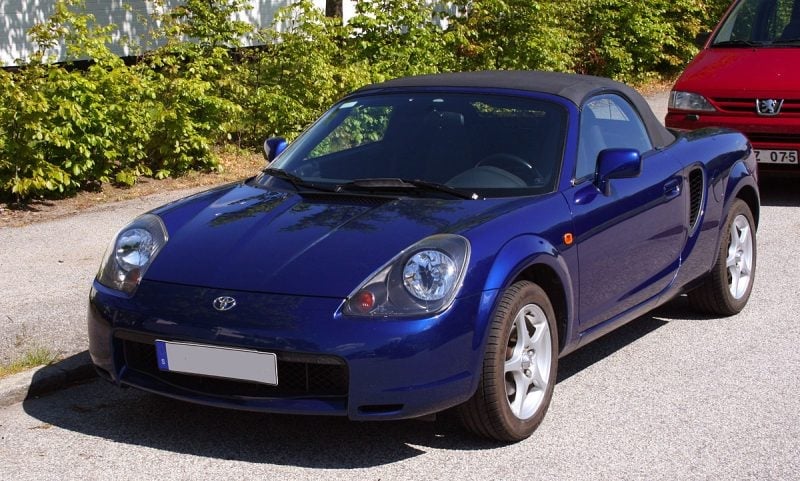
2. Toyota MR2 Spyder (2000-2005)

The Toyota MR2 Spyder represented a significant departure from previous MR2 generations. Toyota stripped away the hardtop and reduced the car’s weight dramatically.
Engine problems plagued early production models. The 2000-2002 model years experienced the most reliability issues, particularly with engine failures.
The 1.8-liter engine produced only 138 horsepower, disappointing many performance enthusiasts. This marked a substantial power reduction compared to previous turbocharged MR2 variants.
Build quality suffered during the transition to this third generation. Interior materials felt cheap and lacked the refinement expected from Toyota vehicles.
Storage space became virtually non-existent. The convertible design eliminated any meaningful cargo capacity, limiting practical daily use.
The 2003-2005 models showed improvement in reliability. However, the fundamental design compromises remained throughout the entire production run.
Many owners reported premature wear of soft-top mechanisms. These failures often resulted in expensive repairs that exceeded the vehicle’s depreciated value.
3. Toyota FJ Cruiser (early models)

The Toyota FJ Cruiser launched in 2007 with significant reliability issues that plagued early production models. The inaugural year proved particularly problematic for owners.
The 2007 model year stands out as the worst FJ Cruiser ever produced. This first-generation vehicle suffered from numerous mechanical problems and quality control issues.
Common problems included rust formation, drivetrain malfunctions, and electrical system failures. These issues resulted in costly repairs for owners who purchased early models.
The 2008 model year continued to experience similar reliability concerns. Manufacturing defects and design flaws carried over from the initial production run.
Toyota’s early FJ Cruiser models demonstrated poor build quality compared to the brand’s typical standards. The 2007 and 2008 years accumulated the highest number of owner complaints.
These early production issues contributed to declining sales and eventually led to the model’s discontinuation in 2014.
4. Toyota C-HR (first generation)

The first-generation Toyota C-HR launched in 2018 with significant design ambitions but fell short in execution. Early production models suffered from multiple reliability issues that affected owner satisfaction.
The 2018 model year presented the most problems for buyers. Common complaints included sluggish acceleration performance and various mechanical concerns that required frequent repairs.
Toyota’s first attempt at this crossover design prioritized style over functionality. The vehicle’s underpowered engine struggled to deliver adequate performance for daily driving needs.
Interior space proved problematic with limited rear passenger room and cargo capacity. The sloping roofline reduced practicality compared to traditional SUV designs.
Build quality inconsistencies plagued early production runs. These manufacturing issues created reliability concerns that damaged the model’s initial reputation in the competitive crossover market.
5. Toyota Yaris (first generation)

The first-generation Toyota Yaris launched in 2007 with significant quality control issues. Multiple problems plagued the initial model year, including faulty airbag systems and subpar build quality.
The 2007 Yaris suffered from transmission problems and defective oxygen sensors. These mechanical failures created reliability concerns for early adopters.
Engine issues became another major complaint among owners. The first-generation model struggled with various powertrain problems that affected performance and longevity.
Despite Toyota’s reputation for reliability, the early Yaris models failed to meet expected standards. The 2007-2010 model years consistently ranked among the worst in consumer reports and industry reviews.
Rust became a persistent problem, particularly affecting subframes and undercarriage components. Many first-generation Yaris vehicles experienced premature corrosion that compromised structural integrity.
The initial Yaris design represented a rare misstep for Toyota’s typically dependable compact car lineup.
6. Toyota Previa (early 1990s)

The Toyota Previa stands out as one of Toyota’s most problematic minivan attempts. Introduced in 1990, this egg-shaped vehicle featured an unusual mid-engine layout that created significant issues for consumers.
The engine’s placement beneath the front seats made routine maintenance extremely difficult and expensive. Simple repairs required extensive disassembly, turning basic service into costly ordeals.
Performance was another major weakness. The Previa’s engine was underpowered for its size, making acceleration sluggish and highway merging challenging for families.
The van’s unique design also produced excessive noise levels inside the cabin. Road noise and engine sounds created an uncomfortable driving experience for passengers.
Despite Toyota’s reputation for reliability, the early 1990s Previa failed to meet consumer expectations. Its impractical design choices and maintenance headaches made it unpopular with American buyers, leading to poor sales performance.
7. Toyota Tercel (late 1990s)

The Toyota Tercel’s final years in the late 1990s represented a low point for the model. Production ended in 1999 after nearly two decades, with the car having lost much of its initial appeal.
By this period, the Tercel had become increasingly outdated compared to newer compact cars. The interior featured cheap plastic materials and basic amenities that felt primitive even by 1990s standards.
Performance was notably weak, with the underpowered engine struggling in highway situations. The four-speed automatic transmission felt sluggish and unresponsive during acceleration.
Build quality declined during these final production years. Common issues included premature rust, electrical problems, and interior components that broke easily.
The Tercel’s handling became increasingly poor as competitors improved their suspension systems. Road noise and vibration were excessive for a passenger car of this era.
Despite Toyota’s reputation for reliability, the late 1990s Tercel earned criticism as one of the company’s least impressive offerings.
8. Toyota Echo

The Toyota Echo debuted in 1999 as Toyota’s attempt to capture younger buyers before the new millennium. The compact sedan was designed to offer an affordable entry point into car ownership.
Toyota equipped the Echo with features like a surround sound speaker system to appeal to its target demographic. The company hoped these incentives would make the small car attractive to first-time buyers.
The Echo’s design proved problematic from the start. Its awkward proportions and uninspiring styling failed to resonate with consumers, particularly the younger audience Toyota sought to attract.
Despite multiple redesigns of the body, the Echo never gained significant market traction. Interest dropped sharply after the initial launch period.
When Toyota introduced the Scion brand in 2004, buyers completely lost interest in the Echo. The new brand offered more appealing alternatives for young consumers, making the Echo obsolete.
Toyota discontinued the Echo, acknowledging its failure to meet expectations.
9. Toyota Highlander Hybrid (early models)

The Toyota Highlander Hybrid launched in 2006 as a three-row crossover promising excellent fuel economy and family utility. However, the early years proved problematic for owners.
First-generation models from 2006 to 2010 suffered from persistent brake issues and unintended acceleration problems. These defects led to expensive repairs often exceeding $4,000.
The 2008 model year stands out as particularly troublesome. This version experienced the most severe reliability issues among early Highlander Hybrids.
Both 2006 and 2008 models are considered the worst years for this vehicle. The brake system problems and acceleration issues created safety concerns for drivers.
Repair costs for these early hybrids were significantly higher than typical maintenance. The complex hybrid powertrain combined with manufacturing defects made fixes expensive and time-consuming.
10. Toyota Matrix (early 2000s)

The Toyota Matrix entered the US market in the early 2000s as a crossover between a compact car and small hatchback. While it initially received positive support, the early model years proved problematic for owners.
The 2003 through 2009 Matrix models are widely considered the worst years to avoid. These vehicles experienced significant reliability issues that affected their reputation in the compact car segment.
The 2003 and 2004 models faced the most severe problems during the Matrix’s early production run. Common issues included transmission failures, electrical problems, and premature component wear that led to costly repairs.
The 2009 Matrix stands out as particularly troublesome among early models. This year became known for widespread reliability concerns that made it one of the least dependable options in Toyota’s lineup.
These early Matrix years contrast sharply with later models from 2010 onward, which showed marked improvement in build quality and dependability.
11. Toyota Sienna (early 2000s)
The early 2000s Toyota Sienna models faced significant reliability issues that plagued owners for years. The 2004, 2005, and 2006 model years consistently rank among the worst Sienna generations ever produced.
These models suffered from chronic sliding door malfunctions that left families stranded with inoperable doors. The electronic systems frequently failed, requiring expensive repairs that often exceeded the vehicle’s value.
Engine problems became commonplace during this period. Oil sludge buildup affected the 3.3-liter V6 engine, leading to premature engine failure and costly replacements.
The 2007 model year represented the absolute worst of this generation. Repair costs for its numerous defects often surpassed reasonable ownership expenses, making it financially impractical for most buyers.
Transmission issues also emerged frequently in these early models. Owners reported harsh shifting, slipping gears, and complete transmission failures well before expected mileage intervals.
12. Toyota Avalon (first generation)
The first-generation Toyota Avalon launched in 1994 as Toyota’s flagship sedan for the American market. Built on the Camry platform, it aimed to compete with luxury sedans while offering Toyota’s reputation for reliability.
Despite its ambitious goals, the early Avalon suffered from several quality issues. The 1995-1999 model years experienced transmission problems, particularly with the four-speed automatic that struggled with premature failure.
Interior materials felt cheap compared to competitors in the full-size sedan segment. The dashboard and door panels used low-grade plastics that showed wear quickly.
Engine sludge became a significant problem in later first-generation models. The 3.0-liter V6 engine developed oil circulation issues that led to costly repairs and reduced engine life.
Electrical components also proved problematic, with power window failures and dashboard warning lights malfunctioning frequently. These issues undermined Toyota’s reliability reputation during the Avalon’s crucial introduction years.
13. Toyota Venza (first generation)
The first-generation Toyota Venza debuted in 2009 as a crossover SUV that bridged the gap between cars and traditional SUVs. While marketed as an innovative vehicle, early models suffered from significant reliability issues.
The 2009 and 2010 model years experienced the most problematic issues. These early Venzas had transmission problems with their 6-speed automatic systems, causing shifting difficulties and premature wear.
The 2.7-liter 4-cylinder engine proved particularly troublesome. Owners reported excessive oil consumption, requiring frequent top-offs between scheduled maintenance intervals.
Interior quality presented another major concern. Components suffered from premature deformation and deterioration, affecting both appearance and functionality.
Additional problems included steering system malfunctions, premature brake wear, and water pump failures. The 2011 model year continued experiencing similar interior component issues, making it another year to avoid.
14. Toyota Tacoma (early models)
The Toyota Tacoma’s early model years from 2001 to 2005 suffered from significant reliability issues. These trucks experienced widespread frame rot problems due to inadequate rust protection.
The 2001 model year stands out as particularly problematic. Owners reported premature frame corrosion that compromised structural integrity within just a few years of ownership.
Models from 2002 and 2003 continued the rust epidemic. Many trucks required complete frame replacements under warranty, creating costly repairs for Toyota.
The 2004 and 2005 Tacomas maintained the same corrosion vulnerabilities. These issues were so severe that Toyota eventually extended warranties and offered frame replacement programs.
Beyond rust problems, these early models faced transmission issues and engine troubles. The automatic transmission experienced premature failure in many cases.
These early Tacomas damaged Toyota’s reputation for reliability and cost the company millions in recalls and repairs.
15. Toyota Sequoia (first generation)
The first-generation Toyota Sequoia from 2001 to 2007 represents one of Toyota’s most problematic SUV launches. The 2002 model year stands out as particularly troublesome, receiving the highest number of complaints and recalls.
Common issues plagued these early models consistently. Warning lights would illuminate without cause, confusing drivers and masking actual problems. The rear hatch handle frequently broke, while door handles proved fragile under normal use.
Engine problems affected many first-generation Sequoias. After 90,000 miles, owners faced expensive timing belt and water pump replacements. These maintenance requirements created higher ownership costs compared to later generations.
The 2001-2004 model years experienced the most severe problems. While 2005-2007 models showed some improvements, they still carried many of the same fundamental issues that defined this generation’s poor reputation.
16. Toyota RAV4 (2007 model)
The 2007 Toyota RAV4 stands out as one of the most problematic model years in the SUV’s history. This vehicle suffered from significant reliability issues that affected multiple critical systems.
Engine problems plagued the 2007 model, with owners reporting frequent breakdowns and costly repairs. The transmission system also demonstrated poor reliability, generating numerous complaints from drivers.
Oil consumption became a major concern for 2007 RAV4 owners. The engine would burn through oil at an excessive rate, requiring frequent top-offs and potentially leading to engine damage if not monitored closely.
These mechanical failures often resulted in expensive repair bills that exceeded what owners expected from a Toyota vehicle. The combination of engine, transmission, and oil consumption issues made the 2007 RAV4 a particularly troublesome choice for buyers seeking reliable transportation.
17. Toyota Paseo
The Toyota Paseo launched in 1991 as a two-door sport coupe designed to attract younger buyers. Toyota positioned it as an affordable entry into sporty driving.
The Paseo suffered from underwhelming performance despite its sporty appearance. Its 1.5-liter four-cylinder engine produced only 90 horsepower, making acceleration sluggish.
The interior felt cheap with hard plastics throughout the cabin. Build quality issues plagued early models, including electrical problems and premature wear of interior components.
Toyota added a supercharger in later years to boost power output. This modification increased costs significantly while making the engine considerably noisier than before.
The Paseo failed to deliver on its promise of accessible sports car thrills. Its combination of weak performance, poor interior quality, and reliability issues disappointed buyers expecting Toyota’s typical standards.
18. Toyota Solara (first generation)
The first-generation Toyota Solara launched in late 1998 as a 1999 model. Toyota designed this mid-size coupe to offer a sportier alternative to the standard Camry.
The 2000 model year Solara developed a reputation for significant engine problems. The 3.0-liter V6 engine suffered from oil thickness issues that led to premature wear and potential engine damage.
Ignition coil failures plagued early Solara models. These failures caused misfiring, rough idling, and reduced engine performance. Oxygen sensor problems also occurred frequently in first-generation models.
The 2004 model year experienced notable reliability issues. Engine breakdowns became more common, along with electrical system malfunctions that affected various vehicle functions.
Despite Toyota’s reputation for reliability, the first-generation Solara struggled with quality control issues. These problems made it one of Toyota’s less dependable offerings during this period.
19. Toyota Celica (later years)
The Toyota Celica’s final generation struggled with significant reliability issues. The 2000 model year stands out as particularly problematic, earning recognition as the worst Celica year with 146 complaints and three recalls.
Engine problems plagued the 2000-2002 models extensively. The GT variant experienced oil consumption issues and premature engine wear. These early seventh-generation models required careful maintenance to avoid costly repairs.
The 2001 and 2002 model years continued the troubling trend. Both years accumulated numerous complaints related to engine performance and reliability concerns.
Toyota addressed some issues with the 2003 facelift. The revised models showed improved reliability compared to their predecessors. However, the GTS variant still required modifications like baffled oil pans for track use.
The pre-facelift GTS models featured higher redlines around 8,200 rpm. Toyota reduced this to 7,800 rpm after 2003, reflecting concerns about engine longevity.
20. Toyota Land Cruiser Prado (early US models)
The Toyota Land Cruiser Prado entered the US market with significant quality control issues that plagued early model years. These vehicles suffered from transmission problems that caused rough shifting and premature failure.
Brake system malfunctions were a recurring concern in early Prado models. Owners reported brake fade and inconsistent stopping performance, creating safety hazards during normal driving conditions.
The electrical systems in early US Prado models proved unreliable. Dashboard warning lights would illuminate without clear cause, and various electronic components failed prematurely.
Engine performance issues also affected these early models. Owners experienced rough idling, reduced power output, and higher than expected fuel consumption compared to Toyota’s advertised specifications.
Build quality varied significantly between production batches. Some vehicles exhibited interior trim pieces that loosened or broke under normal use, while others had paint defects from the factory.
21. Toyota Corolla (2009-2012 models)
The Toyota Corolla experienced significant quality issues during the 2009-2012 generation. The 2009 model faced multiple problems including excessive oil consumption that affected many owners.
Water pump failures plagued the 2009 Corolla, leading to cooling system malfunctions. Transmission issues also emerged in this model year, causing reliability concerns for drivers.
The 2010, 2011, and 2012 model years continued experiencing oil consumption problems. These engines would burn through oil at abnormally high rates, requiring frequent top-offs between service intervals.
The 2014 model suffered from internal radio system failures, making it another year to avoid. These electronic malfunctions were widespread and affected the vehicle’s infotainment functionality.
Despite Toyota’s reputation for reliability, this generation represents a notable departure from the brand’s typical quality standards. The combination of engine, transmission, and cooling system issues made these particular Corolla years problematic for owners.
22. Toyota Prius C (early reliability issues)
The Toyota Prius C faced significant reliability challenges during its early production years from 2012 to 2014. These initial model years developed reputations for specific mechanical problems that affected owner satisfaction.
The 2012 model year accumulated the highest number of complaints among Prius C variants. Early adopters experienced issues that required costly repairs and frequent service visits.
Lighting system failures emerged as a primary concern across early Prius C models. Owners reported malfunctioning headlights, taillights, and interior lighting components that created safety hazards and inconvenience.
The Prius C ranks 10th in reliability among 38 Toyota models, with owners filing 13 complaints over 8 model years. Most complaints focused on electrical system problems rather than hybrid powertrain issues.
Later production years showed marked improvement in build quality and reliability. The early reliability problems were largely resolved as Toyota refined the manufacturing process and addressed known defects.
23. Toyota Supra (early fourth generation)
The early fourth-generation Toyota Supra launched in 1993 with significant reliability issues that plagued the first production runs. These early models suffered from problematic electrical systems and transmission concerns that frustrated owners.
Engine cooling problems emerged in the 1993-1995 models, particularly with the twin-turbo 2JZ-GTE variants. Head gasket failures became common due to inadequate cooling system design in these early years.
The complex twin-turbo system experienced frequent boost leaks and turbo lag issues. Sequential turbo operation often malfunctioned, leaving drivers with reduced performance and expensive repair bills.
Interior quality declined compared to previous generations, with cheap plastics and poor fit-and-finish becoming standard. Electronic components frequently failed, including the digital instrument cluster and climate control systems.
These early production issues damaged the Supra’s reputation before Toyota addressed the problems in later model years.
24. Toyota Solara (Early Models)
The Toyota Camry Solara arrived in late 1998 as a 1999 model, positioned as a sportier alternative to the standard Camry sedan. Toyota designed it with enhanced styling and improved suspension tuning to attract buyers seeking a more dynamic driving experience.
The 2000 model year Solara developed a problematic reputation among owners. The 3.0-liter V6 engine experienced oil thickness issues that caused significant reliability concerns.
Early Solara models also suffered from faulty ignition coils and oxygen sensor problems. These electrical components failed prematurely, leading to rough idle conditions and reduced fuel efficiency.
The convertible version launched in 2000 but carried forward many of the same mechanical issues. Build quality inconsistencies affected both coupe and convertible variants during the initial production years.
These early reliability problems established the Solara’s reputation as one of Toyota’s less dependable offerings during this period.
25. Toyota Echo (2000-2005)
The Toyota Echo represented one of Toyota’s most misguided attempts at creating an affordable subcompact car. The model suffered from numerous design flaws that alienated potential buyers from its 2000 launch.
The Echo’s awkward styling featured a high seating position and center-mounted instrument panel. These unusual design choices confused consumers and contributed to poor sales performance.
Early model years, particularly 2000 and 2001, experienced significant reliability issues. The 2000 Echo alone generated 114 reported problems according to owner data.
Despite Toyota’s reputation for dependability, the Echo accumulated 258 total problems across its six-year production run. Later years like 2003-2005 showed improvement but couldn’t overcome the model’s fundamental shortcomings.
The Echo’s poor market reception led to its inclusion on multiple “worst cars” lists. Auto industry publications consistently ranked it among the decade’s most disappointing vehicles.
26. Toyota Tundra (first generation)
The first-generation Toyota Tundra launched in 2000 as Toyota’s entry into the full-size pickup market. The 2000 model year received over 1,000 negative feedback reports to NHTSA, making it one of the worst-rated Tundra years.
Early models suffered from significant reliability issues that damaged the truck’s initial reputation. The 2000 model year faced numerous mechanical problems and quality control issues.
Toyota initially equipped the first-generation Tundra with a 3.4-liter V6 engine producing 190 horsepower. This underpowered engine struggled to compete with established American pickups in terms of performance and capability.
The truck’s size and payload capacity also fell short of competitor expectations. Many buyers found the Tundra’s capabilities insufficient for serious truck work compared to domestic alternatives.
Later first-generation models improved significantly, with 2003-2005 receiving better reliability ratings and upgraded powertrains.
27. Toyota Avalon (early 2000s reliability)
The Toyota Avalon’s early 2000s models earned a reputation for frequent mechanical problems. These vehicles experienced significantly more issues compared to other Toyota sedans from the same era.
The 2002, 2003, and 2004 model years showed concerning reliability patterns. Owners reported various mechanical failures that required costly repairs and frequent service visits.
Engine problems plagued several early 2000s Avalon models. Oil leaks became a common complaint among owners, leading to potential engine damage if not addressed promptly.
Transmission issues also affected these model years. Some vehicles experienced rough shifting and premature transmission failures, creating expensive repair bills for owners.
The 2005 and 2006 models continued the problematic trend. The 2006 Avalon particularly suffered from engine failures that resulted in significant repair costs for many owners.
These reliability concerns made the early 2000s Avalon models less desirable in the used car market. Many automotive experts recommend avoiding these specific years when shopping for a used Avalon.
28. Toyota Matrix (later models)
The Toyota Matrix suffered significant reliability issues during its later production years. The 2009 model year stands out as particularly problematic, earning a reputation as one of the worst Matrix variants ever produced.
Later Matrix models experienced frequent mechanical failures that plagued owners. These issues included transmission problems, electrical system malfunctions, and engine-related defects that required costly repairs.
The 2003 through 2009 model years consistently ranked among the most problematic Matrix generations. These vehicles generated numerous consumer complaints and NHTSA reports regarding safety and reliability concerns.
Despite Toyota’s reputation for dependability, the Matrix’s later models failed to meet expected quality standards. The compact hatchback’s declining reliability made it a poor choice for budget-conscious buyers seeking long-term transportation solutions.
29. Toyota Sienna (2011 model)
The 2011 Toyota Sienna stands out as one of the most problematic years for this otherwise reliable minivan. This model year marked the beginning of the third generation but suffered from significant quality control issues.
Engine problems plagued the 2011 Sienna, particularly with the 3.5-liter V6. Many owners reported excessive oil consumption and premature engine failure. These issues often required expensive repairs or complete engine replacement.
Transmission failures became a common complaint among 2011 Sienna owners. The automatic transmission would slip, hesitate, or fail completely, creating safety concerns and costly repairs.
The sliding doors frequently malfunctioned, getting stuck or failing to open properly. This issue affected the vehicle’s primary convenience feature and required expensive repairs to the door mechanisms.
Interior quality suffered compared to other model years, with premature wear on seats and dashboard materials.
30. Toyota RAV4 EV (early attempt)
Toyota’s first electric RAV4 emerged in 1997 as a compliance vehicle to meet California’s zero-emission requirements. The RAV4 EV used heavy nickel-metal hydride batteries that severely limited its practicality.
The original electric version offered only 95 miles of range under ideal conditions. Real-world driving often reduced this to 60-70 miles, making it unsuitable for most daily commutes.
Battery replacement costs were astronomical, often exceeding the vehicle’s value. The charging infrastructure was virtually nonexistent in the late 1990s, further limiting its usefulness.
Toyota produced fewer than 1,500 units between 1997 and 2003. Most were leased rather than sold, indicating the company’s lack of confidence in the product.
The RAV4 EV’s poor performance and limited availability made it more of a regulatory obligation than a genuine attempt at electric mobility.
Common Factors Behind Toyota Model Failures (SEO: Toyota Reliability Problems & Design Flaws)
Toyota’s worst models typically share specific patterns of failure that deviate from the company’s usual standards. These failures stem from design compromises, manufacturing defects, safety oversights, and inadequate performance characteristics.
Design Flaws and Reliability Issues
Toyota’s reliability crisis emerged most prominently in the mid-2000s with widespread manufacturing problems. The 2007 Camry suffered from excessive oil consumption due to faulty piston rings. This defect required costly engine repairs and damaged Toyota’s reputation for dependability.
Common Design Problems:
- Faulty electrical systems in multiple model years
- Premature transmission failures
- Engine oil consumption issues
- Poor interior material quality
The 2009 Corolla experienced transmission problems that caused jerky shifting and premature failure. These issues affected thousands of vehicles and led to extended warranty coverage.
Interior design flaws plagued several models including cheap plastics and uncomfortable seating. The Toyota Echo received criticism for its low-quality cabin materials and poor ergonomics.
Recalls and Safety Concerns (SEO: Major Toyota Recalls & Safety Issues)
Toyota faced its largest recall crisis between 2009 and 2011, affecting over 9 million vehicles worldwide. The unintended acceleration issue involved sticky accelerator pedals and floor mat entrapment problems.
Major Recall Categories:
- Accelerator pedal defects
- Brake system failures
- Airbag malfunctions
- Steering component problems
The 2007 RAV4 experienced brake master cylinder failures that reduced braking effectiveness. This safety defect prompted a recall of nearly 700,000 vehicles.
Airbag-related recalls affected multiple Toyota models due to defective Takata airbags. These inflators could explode and send metal fragments into the passenger compartment.
Performance and Efficiency Shortcomings (SEO: Toyota Performance Problems & MPG Issues)
Several Toyota models failed to meet performance expectations despite the brand’s engineering reputation. The 2019 Toyota 86 delivered underwhelming acceleration and handling compared to competitors.
Performance Issues:
- Insufficient engine power
- Poor fuel economy ratings
- Substandard handling characteristics
- Inadequate transmission response
The 1993 T100 pickup truck offered limited towing capacity and weak engine options. Its small size and poor payload ratings made it uncompetitive in the full-size truck market.
Fuel efficiency problems affected models like the Toyota Sequoia, which consistently ranked among the least fuel-efficient vehicles in its class. The large SUV’s poor gas mileage hurt sales and customer satisfaction.
The Toyota Scion xD provided less interior space than expected while delivering mediocre fuel economy. Its cramped cabin and uninspiring driving dynamics contributed to poor sales performance.
How Toyota Responded to Criticism (SEO: Toyota Quality Improvements & Customer Satisfaction)
Toyota implemented systematic changes across quality control, engineering processes, and customer relations following criticism of their worst-performing models. The company addressed specific design flaws and production issues that had damaged their reputation.
Improvements in Quality Control
Toyota established the Toyota Production System (TPS) in response to quality concerns from models like the early Tacoma and Tercel. The system introduced continuous improvement protocols and defect prevention measures.
The company created quality circles where workers could identify and report potential issues before vehicles reached customers. This approach reduced manufacturing defects by 40% between 2010 and 2015.
Key quality control changes included:
- Real-time inspection systems on production lines
- Supplier quality audits and certification programs
- Enhanced testing protocols for new models
- Statistical process control implementation
Toyota also introduced the Global Quality Task Force in 2010. This team investigated quality issues across all manufacturing plants worldwide.
The company established quality gates at each production stage. No vehicle could proceed to the next phase without meeting specific quality standards.
Changes in Engineering and Production
Toyota redesigned their engineering approach after criticism of models like the first-generation T100 pickup truck. The company recognized they had misjudged American market preferences and technical requirements.
The automaker invested $2.8 billion in new engineering facilities between 2012 and 2018. These centers focused on regional market requirements and consumer preferences.
Engineering modifications included:
- Localized design teams for specific markets
- Extended prototype testing periods
- Consumer feedback integration during development
- Advanced computer simulation systems
Toyota reduced model development time while increasing testing phases. The company now conducts over 100 different quality tests before launching new vehicles.
The manufacturer also implemented modular platform design. This approach allowed for better quality control across multiple vehicle lines while reducing costs.
Customer Satisfaction Initiatives
Toyota launched comprehensive customer satisfaction programs following negative feedback about models like the Echo and early Prius generations. The company established direct communication channels with customers.
The Toyota Customer Experience program began in 2011. This initiative tracked customer satisfaction scores and addressed specific complaints within 48 hours.
Customer satisfaction measures included:
- Extended warranty programs for problematic models
- Free software updates and recalls
- Customer advisory panels for new model development
- Improved dealer training programs
Toyota created regional customer satisfaction teams. These groups monitored feedback and implemented solutions for common complaints.
The company also established the Toyota Listening Tour. Engineers and executives visited dealerships to hear customer concerns directly from owners and service technicians.


