
The Best Motorcycles for Beginners Who Want to Ride Long Term
Choosing your first motorcycle sets the foundation for years of riding enjoyment. The best beginner motorcycles balance manageable power, forgiving handling, and features that remain relevant as your skills develop.
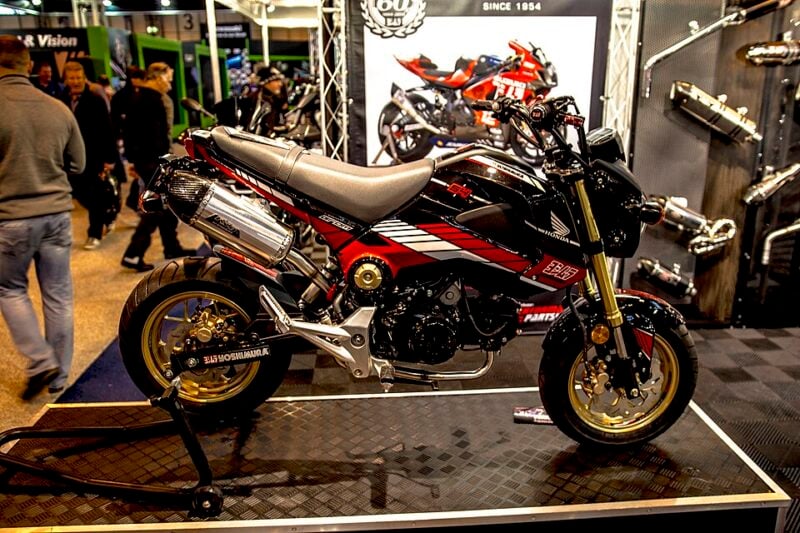
This makes models like the Kawasaki Z400, Yamaha YZF-R3, and Honda Grom popular choices for new riders. Many new riders make the mistake of buying a bike they quickly outgrow or one that intimidates them from the start.
A manageable bike keeps you safe while encouraging learning and enjoyment, which are essential for building confidence on the road.
Understanding what makes a motorcycle suitable for beginners involves more than just engine size. You need to consider comfort, weight, seat height, and the type of riding you plan to do, whether that’s daily commuting, weekend adventures, or gradually working up to longer tours.
If you’re unsure if which motorcycle makes sense to be your first ride, you’ve come to the right place. Let’s take a closer look at some of the best beginner motorcycles the road has to offer:
What Makes a Motorcycle Ideal for Beginners
The right beginner motorcycle balances manageable power with intuitive controls, weighs enough to feel stable without being too heavy to handle, and includes modern safety features that build confidence rather than create complexity.
Key Safety Features
Anti-lock braking systems (ABS) rank among the most critical safety features for new riders. ABS prevents wheel lockup during emergency braking, which reduces the risk of losing control when you need to stop quickly. Many beginner-friendly motorcycles now include this technology as standard equipment.
Traction control systems help prevent rear wheel spin during acceleration, particularly on wet or loose surfaces. This feature gives you extra confidence when learning throttle control. Some motorcycles also offer multiple riding modes that adjust power delivery and electronic intervention levels based on conditions.
Essential safety features include:
- Anti-lock braking systems (ABS)
- Traction control
- LED lighting for better visibility
- Low seat height for easier ground reach
- Sturdy crash protection or frame sliders
Engine Size and Power Considerations
Engine displacement between 250cc and 500cc provides sufficient power for highway riding without overwhelming new riders. Bikes in this range accelerate predictably and forgive throttle mistakes better than larger engines. Twin-cylinder engines typically deliver smoother, more linear power than high-revving single cylinders.
Power delivery matters more than peak horsepower numbers. A 300cc parallel twin producing 30-35 horsepower offers manageable acceleration that lets you focus on developing riding skills. Avoid motorcycles with aggressive power bands that deliver sudden surges of acceleration.
Fuel injection systems provide more consistent throttle response than carburetors, especially during cold starts and varying altitudes. Modern fuel-injected bikes require less maintenance and start reliably in all conditions.
Weight and Maneuverability
Motorcycles weighing between 300 and 450 pounds wet offer the best balance for beginners. This weight range provides enough stability at highway speeds while remaining manageable at parking lot speeds and stop lights. You should be able to hold the bike upright with both feet flat or nearly flat on the ground.
Seat height significantly affects your confidence and control. A seat height between 30 and 32 inches works well for average-height riders, though taller and shorter riders need to adjust accordingly. Being able to plant your feet firmly when stopped prevents tip-overs and reduces anxiety.
The bike’s center of gravity affects how easily you can maneuver at low speeds. Narrower bikes with centralized mass feel lighter than their actual weight suggests. Test the bike by walking it backward and practicing U-turns in a parking lot before committing to a purchase.
User-Friendly Technology
Digital instrument clusters should display essential information clearly without requiring you to take your eyes off the road for long periods. Basic displays showing speed, RPM, fuel level, and gear position work better than cluttered screens with excessive data. Some motorcycles include gear position indicators that help you learn smooth shifting patterns.
Standard transmission controls follow universal patterns that transfer easily between different bikes. Avoid motorcycles with unconventional shift patterns or clutch systems until you’ve mastered basic riding skills. Cable-operated clutches generally provide better feedback than hydraulic systems for learning proper clutch control.
Adjustable levers let you customize reach to fit your hand size, reducing fatigue on longer rides. Simple maintenance requirements like easy-access oil filters and conventional chain drive systems help you learn basic motorcycle care without specialized tools or extensive mechanical knowledge.
Prioritizing Comfort and Ergonomics for Long-Term Riding
Physical comfort directly affects your ability to ride safely and enjoyably over months and years. Beginner riders who ignore ergonomics often develop chronic pain or fatigue that can end their riding journey prematurely.
Riding Position and Seat Height
Your riding position determines how much strain you place on your wrists, back, and neck during every ride. Standard and adventure motorcycles typically offer an upright seating position that distributes your weight evenly across your seat, pegs, and handlebars. Sport bikes force you into a forward-leaning position that puts excessive pressure on your wrists and lower back, making them poor choices for beginners planning regular rides.
Seat height matters more than most new riders realize. You should be able to plant at least one foot flat on the ground when stopped, which gives you stability and confidence at traffic lights and parking lots. Bikes with seat heights between 28 and 32 inches work well for riders of average height, while shorter riders should look for models with adjustable or lowered seat options.
Motorcycles that offer supreme comfort prioritize seat design alongside riding position. Look for wide, well-padded seats that support your sit bones rather than thin racing-style saddles that become painful after 30 minutes.
Suspension Quality
Quality suspension absorbs road imperfections and reduces the jarring impacts that cause rider fatigue. Modern motorcycles use either telescopic forks in front with twin shocks in rear, or more advanced systems like monoshock rear suspension. Better suspension systems feature adjustable preload settings that let you fine-tune the bike’s response to your weight and riding style.
Budget bikes often skimp on suspension components, using basic damping systems that feel harsh over bumps and rough pavement. Mid-range motorcycles typically include better-quality suspension that handles everyday road conditions without beating you up. You don’t need premium fully-adjustable suspension as a beginner, but you should avoid bikes with noticeably stiff or underdamped suspension during your test ride.
Vibration Reduction Features
Engine vibration transmits through the handlebars, seat, and footpegs into your hands, body, and feet. Excessive vibration causes numbness in your hands, muscle fatigue, and general discomfort that worsens over time. Single-cylinder engines produce more vibration than parallel-twins or larger multi-cylinder engines, though modern balancer shafts help reduce this effect significantly.
Rubber mounting systems isolate the engine from the frame to minimize vibration transfer. Many manufacturers use counterbalancers, rubber handlebar grips, and isolated footpegs to further reduce what reaches you. Sport bikes designed for daily riding incorporate these features despite their performance focus, while touring and adventure bikes make vibration reduction a core design priority.
Essential Features to Look For in a First Motorcycle
Beginner motorcycles need practical characteristics that support long-term ownership: minimal upkeep demands, low fuel consumption, and proven dependability that keeps you riding instead of wrenching.
Low Maintenance Requirements
Your first motorcycle should have straightforward maintenance needs that don’t require specialized tools or constant attention. Models with chain drives need regular cleaning and lubrication every 300-600 miles, while shaft drives require minimal maintenance but cost more upfront.
Air-cooled engines have fewer components that can fail compared to liquid-cooled systems. They don’t need coolant changes or radiator repairs. However, liquid-cooled engines run more consistently across temperature ranges.
Look for bikes with accessible oil filters and drain plugs. Honda, Kawasaki, and Yamaha typically design beginner-friendly motorcycles with service intervals of 4,000-6,000 miles for oil changes.
Avoid motorcycles with aggressive riding positions that wear tires quickly. Standard and upright bikes distribute weight evenly, extending tire life to 8,000-12,000 miles for average riders.
Fuel Efficiency
Smaller displacement engines between 250cc and 500cc deliver 50-70 miles per gallon in real-world conditions. This fuel economy makes daily riding affordable and extends your range between fill-ups.
Parallel-twin engines balance power delivery with efficiency better than V-twins in the beginner displacement range. Single-cylinder engines offer the best fuel economy but produce more vibration on highways.
Reliability and Durability
Japanese manufacturers lead in reliability ratings for entry-level motorcycles. Honda, Yamaha, Kawasaki, and Suzuki have decades of proven designs that run 50,000+ miles with basic maintenance.
The Honda Grom and Kawasaki Z400 exemplify this dependability with simple mechanical designs and widespread parts availability. These bikes hold resale value well, which matters when you eventually upgrade.
Check for models with strong owner communities. Popular bikes have extensive forum support, detailed service guides, and affordable aftermarket parts. Avoid first-year models or recently redesigned bikes that haven’t proven their durability.
Look for motorcycles with at least five years of production history. This track record reveals common issues and confirms the manufacturer worked out initial problems.
So which bikes made the cut? Let’s find out!
Best Motorcycle Types for Beginner Riders
Different motorcycle styles offer distinct advantages for new riders planning to stay in the saddle for years. Standard motorcycles provide versatile everyday riding, cruisers deliver comfortable ergonomics, adventure bikes handle varied terrain, and sport touring models balance performance with long-distance capability.
Standard Motorcycles
Standard motorcycles sit you in an upright, neutral position that reduces strain on your wrists, back, and shoulders. This makes them beginner-friendly options that you can ride comfortably for extended periods.
The seat height on most standards ranges from 29 to 32 inches, allowing riders of average height to plant both feet firmly on the ground at stops. Engine sizes typically fall between 300cc and 650cc, delivering enough power for highway speeds without overwhelming new riders.
You’ll find controls positioned within easy reach and handling characteristics that feel predictable. Standards work equally well for city commuting, weekend rides, and light touring. Their simple design means lower maintenance costs and easier repairs compared to more specialized motorcycles.
Popular models like the Honda CB500F and Yamaha MT-03 offer fuel efficiency around 55-70 mpg. The lightweight design, usually between 350-450 pounds, makes these bikes manageable in parking lots and at low speeds.
Cruisers
Cruisers position your feet forward and hands at a relaxed height, creating a laid-back riding posture. The low seat height, often 26 to 28 inches, gives you confidence when stopping and maneuvering at slow speeds.
These motorcycles feature torque-focused engines that deliver power at lower RPMs. You won’t need to shift gears as frequently, which simplifies riding while you’re still developing clutch control and throttle management skills.
Entry-level cruisers range from 250cc to 750cc, with V-twin engines providing smooth power delivery. The weight distribution sits low to the ground, improving stability and making the bike feel planted during turns.
Cruisers excel at relaxed-pace riding on highways and back roads. Wind protection is minimal on most models, so speeds above 70 mph can become tiring on longer trips. Customization options are extensive, letting you modify your bike as your preferences evolve.
Models like the Honda Rebel 500 and Kawasaki Vulcan S offer accessible pricing and manageable weight between 400-500 pounds.
Adventure Bikes
Adventure bikes combine on-road comfort with off-road capability through taller suspension and knobby tire options. The upright seating position gives you excellent visibility in traffic and reduces fatigue on multi-hour rides.
These motorcycles typically feature larger fuel tanks, often holding 4-6 gallons, which extends your range between fill-ups to 200+ miles. The taller seat height, usually 31 to 34 inches, can challenge shorter riders but provides ground clearance for rough roads.
Engine sizes for beginner-appropriate adventure bikes range from 300cc to 700cc. The parallel-twin or single-cylinder engines deliver linear power that’s easier to control than high-revving sport bike motors.
Wind protection from adjustable fairings and spacious luggage capacity make these bikes suitable for weekend tours and daily commuting. You’ll handle gravel roads, dirt paths, and wet pavement more confidently than on street-only motorcycles.
The versatility means you won’t outgrow an adventure bike quickly as your skills improve. Weight typically ranges from 400-500 pounds, with narrower profiles than cruisers that make them easier to balance.
Sport Touring Motorcycles
Sport touring bikes blend performance-oriented handling with comfort features for extended rides. Full fairings provide wind and weather protection, while adjustable windscreens let you customize airflow based on your height and riding speed.
These motorcycles include integrated luggage systems or mounting points for hard cases. The seating position leans you slightly forward but maintains enough upright posture to avoid wrist pain on long days.
Engine sizes suitable for beginners range from 500cc to 700cc, offering smooth power delivery across the RPM range. You’ll access highway passing power when needed without dealing with the aggressive nature of pure sport bikes.
Suspension on sport touring models absorbs road imperfections better than standards or sport bikes. The added weight, typically 450-550 pounds, provides stability at highway speeds but requires more effort in parking lots.
These bikes work well if you plan regular trips exceeding 100 miles. Features like heated grips, adjustable levers, and multiple riding modes appear on many models, adding convenience as you gain experience.
Top Entry-Level Bikes That Grow With You
The right beginner motorcycle offers manageable power now while delivering enough performance to remain engaging for years. These four models balance approachable handling with capabilities that won’t leave you wanting an upgrade after just one season.
Honda CB500 Series
The Honda CB500 lineup includes the CB500F, CB500X, and CBR500R, all sharing the same reliable 471cc parallel-twin engine. This powerplant produces 47 horsepower and 32 lb-ft of torque, providing enough acceleration for highway merging and spirited riding without overwhelming new riders.
Your choice between the three models depends on your riding style. The CB500F offers upright ergonomics for city commuting, while the CB500X adds wind protection and a taller suspension for light adventure riding. The CBR500R features a sportier riding position with a small fairing.
All three bikes weigh around 420 pounds wet, making them manageable at parking lot speeds. The fuel-injected engine delivers excellent reliability, and Honda’s reputation for low maintenance costs means you’ll spend more time riding than wrenching. The seat height ranges from 30.9 to 32.7 inches depending on the model, accommodating most rider heights.
These bikes hold their value well on the used market, which matters when you eventually decide to sell or trade up.
Kawasaki Versys-X 300
The Versys-X 300 combines adventure bike versatility with beginner-friendly displacement. Its 296cc parallel-twin engine produces 39 horsepower, which works well for both urban traffic and weekend trips on backroads.
This bike stands out for its upright seating position and 7.9 inches of ground clearance, allowing you to tackle unpaved roads with confidence. The 19-inch front wheel improves stability on loose surfaces compared to standard street bikes. At 386 pounds, the Versys-X remains light enough for newer riders to handle confidently.
The adjustable windscreen reduces fatigue on longer rides, and the bike’s fuel economy typically exceeds 60 mpg. Hard luggage mounts come standard, making it practical for touring as your skills develop. The 32.1-inch seat height may challenge shorter riders, though Kawasaki offers a lower accessory seat.
Yamaha MT-07
The MT-07 pushes the upper limit of beginner-appropriate bikes with its 689cc parallel-twin engine producing 74 horsepower. This power output demands respect from new riders but provides room to grow for years.
Key specifications:
- Weight: 403 pounds (wet)
- Seat height: 31.7 inches
- Torque: 50 lb-ft at 6,500 rpm
- Fuel capacity: 3.7 gallons
The crossplane crankshaft design delivers strong low-end torque, meaning you don’t need to rev the engine hard for quick acceleration. This characteristic makes the bike forgiving in traffic while remaining exciting on twisty roads. The naked styling keeps the price reasonable while the upright ergonomics suit riders from 5’6″ to well over 6 feet tall.
Yamaha’s build quality ensures the MT-07 will handle whatever you throw at it, from daily commuting to track days. The bike’s popularity means aftermarket parts and accessories are abundant and affordable.
Royal Enfield Himalayan
The Himalayan takes a different approach with its 411cc single-cylinder engine producing just 24 horsepower. This modest output might seem limiting, but the bike’s 240-pound dry weight and relaxed character make it ideal for developing fundamental riding skills.
Single-cylinder engines teach you throttle control and smooth shifting better than multi-cylinder bikes that mask rider inputs. The Himalayan’s long-travel suspension handles everything from potholes to fire roads, and the 31.5-inch seat height allows most riders to plant both feet firmly at stops.
Fuel injection ensures reliable starting in all conditions, while the simple air-cooled design means maintenance stays straightforward and inexpensive. The bike includes a small windscreen, metal bash plate, and rear rack from the factory.
Royal Enfield’s growing dealer network in North America has improved parts availability. The Himalayan won’t win any races, but it excels at building your confidence across varied terrain and riding conditions.
Motorcycle Ownership: Practical Considerations for Beginners
New riders need to budget for ongoing expenses like insurance premiums, plan for eventual resale, and understand how different models hold their value and accommodate modifications over time.
Insurance Costs and Factors
Your insurance premiums will vary significantly based on several key factors. The motorcycle’s engine size directly impacts rates, with bikes under 500cc typically costing less to insure than larger displacement models. Your age, riding experience, and location also play major roles in determining costs.
Sport bikes and supersport models command the highest insurance rates due to their performance capabilities and accident statistics. Standard and cruiser motorcycles generally offer more affordable coverage. You should expect to pay between $200 and $1,500 annually for basic coverage as a beginner rider.
Key factors affecting your premium:
- Engine displacement and horsepower
- Motorcycle type and classification
- Your driving record and claims history
- Coverage level (liability vs. comprehensive)
- Anti-theft devices and safety features
Taking a certified motorcycle safety course often qualifies you for insurance discounts ranging from 10% to 15%. Some insurers also offer lower rates if you store your bike in a garage or install an approved alarm system.
Resale Value
Japanese manufacturers like Honda, Kawasaki, and Yamaha consistently maintain strong resale values due to their reliability and widespread appeal. Models like the Honda CB series and Kawasaki Ninja 400 typically retain 60% to 70% of their original value after three years.
Popular beginner bikes hold their value better than niche models because they attract a larger pool of potential buyers. Well-maintained motorcycles with service records and original parts command premium prices in the used market. Low mileage matters, but consistent maintenance documentation proves more valuable to buyers.
Limited edition colors and special variants may seem appealing initially, but standard colorways typically sell faster. You’ll recover more of your investment by keeping the bike clean, addressing minor damage promptly, and avoiding modifications that can’t be easily reversed.
Customization Potential
Beginner-friendly motorcycles offer varying levels of customization based on aftermarket support and design flexibility. Models with large enthusiast communities provide access to more parts, tutorials, and technical guidance for modifications.
The Honda Grom and Kawasaki Z400 benefit from extensive aftermarket catalogs with options for exhaust systems, suspension upgrades, and aesthetic enhancements. Royal Enfield and Triumph models attract riders interested in classic styling modifications and performance tuning.
Common beginner modifications:
- Slip-on exhaust systems
- Handlebar and mirror upgrades
- Seat replacements for comfort
- LED lighting improvements
- Tank pads and frame sliders
Simple bolt-on modifications preserve resale value while allowing personalization. Permanent changes like frame modifications or engine work can reduce your bike’s appeal to future buyers and complicate insurance claims. Start with reversible upgrades that enhance comfort and safety before considering performance modifications.
Progressing as a Rider: Skills and Training for Growth
Structured training programs build foundational competencies, while hands-on maintenance knowledge helps you understand your motorcycle’s mechanics and prevent roadside issues.
Beginner Rider Courses
You should enroll in a Motorcycle Safety Foundation (MSF) Basic RiderCourse or equivalent program before purchasing your first bike. These courses provide 15-20 hours of instruction combining classroom learning with controlled practice environments. You’ll master clutch control, throttle management, braking techniques, and low-speed maneuvers on training motorcycles.
Most beginner rider training programs cover emergency stopping, swerving, and hazard recognition. Many states offer insurance discounts for completing certified courses, and some waive the riding portion of licensing tests. You’ll gain confidence in a safe setting before navigating public roads.
The course fee typically ranges from $150-$400 and includes motorcycle use and helmets. You can retake sections if needed, ensuring you understand each skill before advancing.
Advanced Training Opportunities
After gaining road experience, you should pursue intermediate and advanced courses to refine your abilities. Track days let you practice aggressive braking, cornering, and body positioning at higher speeds without traffic concerns. Performance riding schools teach trail braking, throttle control through turns, and reading road surfaces.
Developing essential motorcycle skills continues throughout your riding career. You can take courses focused on specific scenarios like off-road riding, touring, or inclement weather handling. Police-style motor officer training emphasizes precision at low speeds and maximum control.
Online platforms offer instructional video content you can review at your own pace. These supplement hands-on practice with technique breakdowns and safety analysis.
Maintenance Skills to Learn
You need to perform basic maintenance tasks to keep your motorcycle reliable during long-term ownership. Start by learning how to check and adjust chain tension, change oil, and inspect brake pads. These tasks save money and help you identify potential problems early.
Essential maintenance skills include:
- Tire pressure monitoring and tread inspection
- Battery charging and terminal cleaning
- Coolant level checks and fluid replacement
- Air filter cleaning or replacement
- Spark plug inspection
You should familiarize yourself with your specific model’s service manual. Understanding your motorcycle’s mechanical systems makes you more confident during rides and capable of handling minor roadside repairs.
Long-Term Enjoyment and Community
Building connections with other riders and expanding your riding experiences beyond daily commutes creates lasting satisfaction with your motorcycle investment. The social aspects of motorcycling and opportunities for adventure help maintain enthusiasm years after your first ride.
Joining Motorcycle Clubs
Motorcycle clubs provide structured environments where you can learn from experienced riders while building friendships around shared interests. Most clubs organize regular meetings, maintenance workshops, and safety training sessions that accelerate your skill development.
You’ll find clubs dedicated to specific bike brands, riding styles, or general enthusiast groups in most areas. Brand-specific clubs like Honda Riders Club of America or Harley Owners Group offer technical support and organized events tailored to your motorcycle. Local riding clubs typically welcome all bike types and focus on community rides and social gatherings.
Membership benefits often include discounts at gear shops, insurance reductions, and access to private riding events. Many clubs maintain online forums where members share maintenance tips, route recommendations, and troubleshooting advice. These resources become valuable when you encounter mechanical issues or plan unfamiliar routes.
Participating in Group Rides
Group rides introduce you to new roads and riding techniques while providing safety through numbers and collective experience. Experienced riders in the group demonstrate proper lane positioning, cornering techniques, and traffic management you can observe and apply.
Most group rides follow established protocols with designated leaders and sweep riders who ensure no one gets left behind. You’ll learn hand signals, staggered formation riding, and communication methods that make group travel safer. Start with shorter local rides before committing to full-day excursions.
Charity rides and poker runs offer beginner-friendly group experiences with planned stops and moderate pacing. These events typically feature route cards, support vehicles, and scheduled breaks that reduce pressure on new riders.
Exploring Touring and Travel Options
Adventure bikes designed for long journeys expand your riding possibilities beyond local roads once you’ve built foundational skills. Even smaller displacement motorcycles can handle weekend trips with proper luggage solutions and route planning.
Start with overnight trips within 150-200 miles to test your comfort on extended rides. You’ll identify necessary gear modifications, discover your preferred riding duration, and learn what luggage capacity you actually need. Popular beginner touring routes include scenic byways with frequent towns for rest stops and services.
Motorcycle camping combines affordable travel with access to remote locations cars cannot reach. Soft luggage systems and compact camping gear allow you to tour without expensive hard cases. Plan routes with established campgrounds until you’re comfortable with backcountry options.
Conclusion
Selecting a beginner motorcycle doesn’t mean choosing a bike you’ll outgrow in months. The best starter bikes balance approachable power with features that keep you engaged as your skills develop.
Focus on these key factors when making your decision:
- Engine size: 300cc to 500cc offers enough power for highway riding while remaining manageable
- Seat height: Your feet should comfortably touch the ground at stops
- Weight: Lighter bikes are easier to handle at low speeds and in parking situations
- Ergonomics: Upright riding positions reduce fatigue on longer rides
Many beginner-friendly motorcycles from manufacturers worldwide include features designed to grow with you. The Honda Grom exemplifies this approach with its forgiving nature and reliable 125cc engine, making it an excellent learning tool.
Your first motorcycle sets the foundation for your riding journey. Setting a realistic budget and selecting manageable engine sizes helps ensure safe and enjoyable experiences from day one.
The right bike keeps you interested without overwhelming your developing abilities. Sport cruisers can serve as perfect long-term bikes as you unlock their full potential over time. Test ride multiple options before committing, and prioritize bikes that feel natural and confidence-inspiring from the first time you sit on them.


