
The Cost to Maintain a Range Rover Sport After 5 Years: Ownership Breakdown
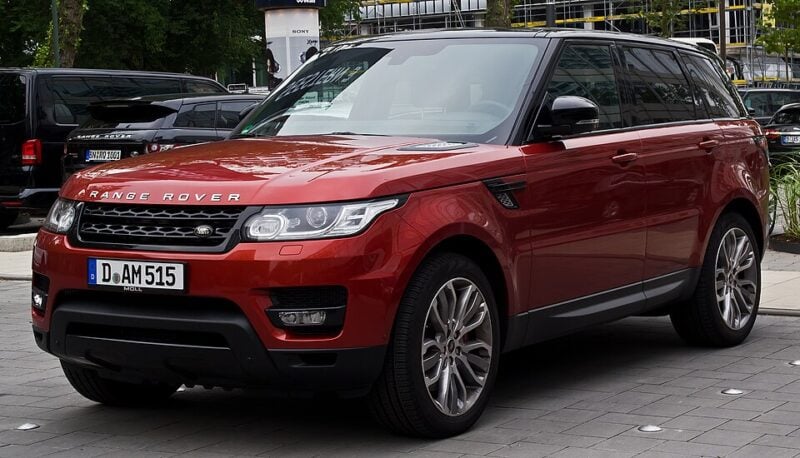
The Range Rover Sport commands attention on the road, but owning this luxury SUV requires understanding the financial commitment beyond the purchase price.
After five years of ownership, you can expect to spend approximately $6,784 on maintenance and repairs for your Range Rover Sport, according to CarEdge data on Range Rover maintenance.
Your maintenance costs will vary based on several factors including how you drive, where you have the vehicle serviced, and whether you stay current with the recommended service intervals.
The Range Rover Sport maintenance schedule typically calls for service every 7,500 to 15,000 miles or every 12 to 24 months depending on your specific model year and driving conditions.
Understanding what drives these costs helps you budget effectively and make informed decisions about ownership.
This guide breaks down the annual expenses you’ll face, common repairs that emerge after five years, and practical strategies to keep your costs manageable while maintaining your vehicle’s performance and value.
Let’s break down the costs, from maintenance to insurance, and everything in between:
Average Annual Maintenance Costs for a Range Rover Sport After 5 Years
Range Rover Sport owners typically face annual maintenance costs of $1,179 once their vehicle passes the five-year mark. These expenses increase compared to earlier ownership years as wear-and-tear components require replacement and warranty coverage expires.
Breakdown of Typical Yearly Expenses
Your Range Rover Sport’s maintenance budget after five years includes several recurring costs. Routine oil changes, brake pad replacements, and tire rotations form the foundation of your annual expenses.
The estimated cost to maintain and repair a Range Rover Sport ranges from $105 to $6,187, with an average of $415 per visit. Major services become more frequent after the five-year point, including transmission fluid changes, coolant system flushes, and air filter replacements.
Common Post-5-Year Expenses:
- Brake system repairs and replacements
- Suspension component maintenance
- Battery replacement
- Tire purchases
- Fluid changes and filter replacements
- Electronic system diagnostics
You’ll also encounter unexpected repairs as components age. Air suspension systems, electronic modules, and drivetrain components often require attention during this period.
Comparison With Earlier Years’ Maintenance Costs
Your maintenance expenses increase significantly after year five. During the first five years, Range Rover Sport owners spend approximately $6,784, which averages to about $1,357 annually.
After the five-year mark, your costs escalate as factory warranty protection ends. The 10-year maintenance total reaches $18,795, meaning years six through ten average approximately $2,402 per year, a substantial increase from the earlier period.
This jump occurs because expensive components like transmissions, differentials, and engine accessories require service or replacement. Your vehicle also loses manufacturer warranty coverage, leaving you responsible for all repair costs.
Regional Variations in Maintenance Costs
Your location impacts how much you pay for Range Rover Sport maintenance. Urban areas with higher labor rates typically charge $150-$200 per hour for service, while smaller markets may offer rates between $100-$130 per hour.
Dealership service centers generally cost 20-30% more than independent European specialists. Parts availability also varies by region—coastal metropolitan areas usually have better access to components, reducing wait times and expedited shipping fees.
Climate affects your maintenance needs too. You’ll face additional expenses in northern regions where salt and harsh winters accelerate corrosion and require more frequent undercarriage treatments. Southern climates with extreme heat stress cooling systems and air conditioning components more heavily.
Common Repair and Replacement Needs After 5 Years
Range Rover Sport vehicles typically require attention to specific systems and components once they pass the five-year mark. Air suspension systems, electrical components, and engine-related parts are among the most common items needing service or replacement during this period.
Most Frequently Replaced Parts
Your Range Rover Sport’s air suspension system often requires repairs or replacement after five years of use. The air suspension compressor and air struts are particularly prone to failure, with replacement costs ranging from $1,500 to $3,000 per component.
Electrical components represent another frequent concern. You may need to replace the battery, alternator, or various sensors as these items deteriorate with age. Window regulators and door lock actuators commonly fail between years five and seven.
Engine-related components like the coolant reservoir, thermostat housing, and various hoses often need replacement. The supercharger coolant pump is a known weak point in V6 and V8 models. Transmission issues can also emerge, with some owners experiencing problems with the ZF eight-speed automatic transmission requiring costly repairs or rebuilds.
Wear and Tear Components
Brake components require regular attention on your Range Rover Sport. You’ll need to replace brake pads every 30,000 to 50,000 miles, while rotors typically last 50,000 to 70,000 miles depending on your driving habits.
Tires wear faster on heavier luxury SUVs and usually need replacement every 40,000 to 50,000 miles. The steering and suspension bushings begin showing signs of wear around the five-year mark, potentially causing handling issues or unusual noises.
Your climate control system may require servicing, including AC compressor replacement or refrigerant recharge. The cabin air filter needs replacement annually, while the engine air filter should be changed every 15,000 to 30,000 miles.
Typical Labor Costs for Repairs
Labor rates for Range Rover Sport repairs vary significantly by location and service provider. Dealership rates typically range from $150 to $225 per hour, while independent luxury specialists charge $100 to $175 per hour.
Air suspension repairs require 3 to 5 hours of labor per corner, adding $450 to $1,125 in labor alone. Transmission work can involve 8 to 15 hours of labor, resulting in $1,200 to $3,375 in labor charges before parts.
Electrical diagnostics and repairs are particularly time-intensive. Your technician may spend 2 to 4 hours diagnosing electrical gremlins, which translates to $300 to $900 just for identifying the problem.
Service Schedule and Routine Maintenance Requirements
The Range Rover Sport follows a structured maintenance timeline that begins at 16,000 miles or 12 months and continues at regular intervals throughout ownership. Your maintenance costs will depend on how closely you adhere to the recommended service intervals and the specific services required at each milestone.
Recommended Maintenance Intervals
Your Range Rover Sport requires its first service at 16,000 miles or 12 months, whichever comes first. After this initial service, you’ll need to schedule maintenance every 16,000 miles or annually.
The maintenance schedule varies by trim level and age of your vehicle. Major services occur at specific mileage points, with more comprehensive inspections required at 32,000, 48,000, and 64,000 miles. At 80,000 miles, you’ll face a particularly extensive service that includes multiple system checks and component replacements.
Land Rover designates different service types based on mileage thresholds. Minor services typically include oil changes and basic inspections, while major services involve more thorough examinations of drivetrain components, suspension systems, and electronic systems.
Essential Fluids and Filters
Your Range Rover Sport requires several critical fluid and filter changes throughout its service life. Engine oil and filter changes occur at every service interval, using manufacturer-specified synthetic oil formulations.
The following fluids require periodic replacement:
- Brake fluid: Every 3 years regardless of mileage
- Coolant: Every 10 years or 150,000 miles
- Transmission fluid: Check and replace as needed during major services
- Differential fluid: Inspect during major services
Air filters, cabin filters, and fuel filters need replacement based on your driving conditions. If you frequently drive in dusty environments or stop-and-go traffic, you’ll need to replace these filters more frequently than the standard intervals suggest.
Importance of Regular Inspections
Regular inspections help identify potential problems before they become expensive repairs. Your scheduled maintenance includes comprehensive checks of brake components, suspension systems, and tire wear patterns.
During each service, technicians inspect battery health, electrical systems, and all fluid levels. They also examine belts, hoses, and other wear items that could fail between service intervals. The 51.26% chance of requiring a major repair within the first 10 years makes these preventive inspections particularly valuable.
Tire rotations and wheel alignments occur during regular services to maximize tire life and maintain handling characteristics. Your service includes diagnostic scans to check for stored fault codes that might indicate emerging issues with engine management, transmission control, or other electronic systems.
Long-Term Reliability and Potential Issues
The Range Rover Sport has documented reliability challenges that become more apparent after the five-year mark. Electrical and mechanical system problems have been particularly common, though newer models show improvement.
Known Reliability Concerns for Range Rover Sport
The Range Rover Sport carries a reputation for higher ownership and maintenance costs compared to competitors in the luxury SUV segment. With proper maintenance, you can expect the vehicle to reach up to 200,000 miles, though this requires consistent attention to emerging issues.
Common problems you’ll encounter include:
- Excessive vibrations during operation
- Fuel system malfunctions
- Faulty door lock mechanisms
- Electrical system failures
Your 10-year maintenance and repair costs average $18,795, which exceeds the luxury SUV industry average by $6,342. This higher expense reflects both the complexity of Range Rover systems and the premium pricing of replacement parts.
Major System Failures to Watch For
Electrical systems present the most significant reliability concern in your Range Rover Sport. These failures often affect multiple components simultaneously, from infotainment systems to critical safety features.
The suspension system requires particular attention, as air suspension components wear faster than traditional setups. Engine-related issues vary by model year, with some generations experiencing turbocharger failures and oil consumption problems.
Transmission concerns also emerge, particularly in higher-mileage vehicles. You should monitor for rough shifting or delayed engagement, as transmission repairs rank among the costliest fixes you’ll face.
Warranty Considerations After 5 Years
After five years of ownership, your Range Rover Sport will have exceeded the factory warranty period, requiring you to budget for all repairs and maintenance out of pocket or through an extended warranty plan.
Expiration of Standard Warranty
Your Range Rover Sport comes with a manufacturer warranty that covers 4 years or 50,000 miles, whichever occurs first. This means at the five-year mark, you’re operating without factory coverage for defects or component failures.
The standard warranty also includes roadside assistance for the same duration. Minor service adjustments like wheel alignments and balancing are covered for only 1 year or 12,500 miles, which expires well before the five-year ownership period.
Once the warranty expires, you become responsible for all repair costs. Given that the Range Rover Sport has a 51.26% chance of requiring a major repair in the first 10 years, this represents a significant financial consideration.
Certified Pre-Owned Program Benefits
If you purchased a certified pre-owned Range Rover Sport, you may have additional warranty coverage that extends beyond the original factory terms. Land Rover’s CPO program typically adds coverage to qualifying vehicles, though the specific terms vary by model year and mileage at purchase.
CPO warranties often provide limited powertrain coverage and may include complimentary maintenance services. However, these benefits usually don’t extend to the five-year mark for most used vehicles. You should review your CPO documentation to determine exactly when your coverage expires and what components remain protected.
Extended Warranty Options
Extended warranty costs for a Range Rover Sport vary based on coverage level, vehicle age, and mileage. Third-party providers typically offer plans ranging from $3,000 to $6,000 for comprehensive coverage extending several years beyond the factory warranty.
You can purchase extended warranties from Land Rover dealerships or independent providers. Some owners report paying around $5,000 for extended coverage adding 10 years and 51,000 miles of protection. Prepaid maintenance plans cost approximately $2,000 for five years of scheduled services.
Evaluate whether an extended warranty makes financial sense by comparing the total cost against your vehicle’s repair history and the average annual repair costs of $1,179 for the Range Rover Sport. Consider your driving habits, maintenance history, and risk tolerance when deciding.
Cost Comparison With Competing Luxury SUVs
Range Rover Sport maintenance expenses typically exceed those of most competing luxury SUVs, with costs driven by specialized components and premium service requirements. Understanding how these expenses compare to similar vehicles helps you make an informed ownership decision.
Maintenance Cost Benchmarks
The Range Rover Sport’s maintenance costs are generally higher than other luxury SUVs due to advanced technology and specialized components. Over a ten-year period, Range Rover costs about $8,000 more to maintain than the industry average.
Luxury car maintenance averages $12,000 over time, but Range Rover models often exceed this benchmark. Your Range Rover Sport faces a greater than 50% chance of requiring a major repair within the first five years of ownership.
Several luxury SUVs offer lower maintenance costs while delivering comparable performance and features. These alternatives can save you thousands of dollars over your ownership period without sacrificing the premium experience you expect from a luxury vehicle.
Factors Affecting the Cost Differences
Premium Parts Requirements set Range Rover apart from competitors. You’ll need specialized components that command higher prices than parts used in other luxury SUVs. The brand’s commitment to using high-quality materials translates directly to your maintenance bills.
Service Complexity increases costs significantly. Your Range Rover Sport requires technicians with specialized training and diagnostic equipment. Many competing luxury SUVs use more standardized systems that reduce labor time and expertise requirements.
Brand Positioning influences pricing structures across the luxury segment. Range Rover’s ultra-premium market position means service centers charge accordingly for maintenance and repairs. You’ll find that brands positioned slightly lower in the luxury tier often maintain more competitive service pricing while still offering high-end features.
Strategies to Minimize Maintenance Expenses
Strategic service choices and selective hands-on maintenance can reduce your Range Rover Sport ownership costs by thousands of dollars over five years. The key lies in balancing professional expertise with practical self-maintenance where appropriate.
Choosing the Right Service Provider
Independent Land Rover specialists typically charge 30-40% less than dealership service departments for the same work. These shops employ certified technicians who previously worked at dealerships and use OEM or equivalent parts.
You should verify that any independent shop has specific Land Rover diagnostic equipment and software. Generic scan tools cannot access all Range Rover Sport systems or perform required module programming.
Warranty considerations matter significantly. If your vehicle is under factory warranty or an extended service contract, unauthorized repairs may void coverage. Review your warranty terms before choosing an independent provider.
For routine maintenance like oil changes and brake pad replacements, independent mechanics can save substantial costs while maintaining service quality. Reserve dealership visits for complex electrical diagnostics, software updates, and warranty-covered repairs.
DIY Maintenance Opportunities
Basic maintenance tasks you can perform include cabin air filter replacement, engine air filter changes, and windshield washer fluid refills. These services cost $50-150 at shops but require only $15-30 in parts.
Battery maintenance extends electrical system life. Keep terminals clean with a wire brush and apply dielectric grease to prevent corrosion. Check battery voltage monthly with a multimeter.
You can also handle tire pressure monitoring, tire rotations every 5,000-7,500 miles, and visual brake inspections. However, brake fluid changes and transmission services require specialized equipment and should remain with professionals.
Avoid attempting repairs involving the air suspension system, advanced electronics, or engine internals. Mistakes on these systems create expensive problems that exceed initial savings.
Impact of Driving Habits on Maintenance Costs
How you drive your Range Rover Sport directly affects how much you’ll spend on upkeep. City driving and challenging terrain place different demands on your vehicle compared to highway cruising.
Urban Versus Highway Driving
Stop-and-go city driving increases wear on several key components of your Range Rover Sport. Your brakes experience more frequent use in urban environments, leading to faster pad and rotor degradation. The transmission shifts more often in city traffic, which accelerates fluid breakdown and requires more frequent servicing.
Highway driving typically reduces maintenance frequency because components operate at steady speeds with less stress. Your engine runs at consistent RPMs, and braking occurs less often. However, you’ll accumulate mileage faster on highways, which means you’ll reach service intervals sooner based on odometer readings.
Key differences include:
- Brake life: City driving can reduce brake pad lifespan by 30-40% compared to highway use
- Oil change intervals: Frequent short trips in the city prevent oil from reaching optimal temperature
- Fuel system: Urban driving increases carbon buildup in the engine
Effect of Climate and Terrain
Driving habits and the conditions you drive in can impact the wear and tear on your Range Rover Sport significantly. Off-road use accelerates maintenance needs through exposure to mud, water, and rocks that damage undercarriage components and seals.
Harsh climates create additional challenges. Cold weather thickens fluids and stresses the battery, while extreme heat degrades rubber components and coolant. Coastal areas expose your vehicle to salt corrosion, requiring more frequent undercarriage cleaning and protection treatments.
If you have a tendency to go off-road or drive in harsh conditions, your Range Rover Sport may require more frequent repairs or part replacements. Regular off-roading demands inspection of suspension components, differential fluids, and protective skid plates after each excursion.
Resale Value and Depreciation Factors Related to Maintenance
Range Rover Sport vehicles experience significant value loss over time, with maintenance records playing a crucial role in determining final resale prices. A well-documented service history can mean the difference between a strong resale value and a disappointing return on your investment.
How Maintenance History Affects Resale
Your maintenance records directly impact what buyers will pay for your Range Rover Sport. Prospective buyers view comprehensive service documentation as proof that your vehicle received proper care throughout its life.
A complete maintenance history includes oil changes, brake services, fluid replacements, and any major repairs with receipts from authorized service centers. When you maintain detailed records, you demonstrate that your vehicle hasn’t been neglected. This transparency builds buyer confidence and justifies a higher asking price.
Buyers specifically look for evidence of regular servicing at recommended intervals. Missing service records raise red flags about potential hidden problems. The maintenance and condition of an asset play a vital role in determining its depreciation rate and resale value, making your service history one of your most valuable selling tools.
Vehicles with gaps in maintenance documentation typically sell for 10-15% less than comparable models with complete records. You protect your investment by keeping every service receipt and repair invoice organized.
Depreciation Trends After 5 Years
A Land Rover Range Rover will depreciate 74% after 5 years and have a 5 year resale value of $46,296. This steep depreciation rate applies similarly to Range Rover Sport models, representing one of the highest depreciation rates in the luxury SUV segment.
The first year typically sees the steepest value drop, with your Range Rover Sport losing approximately 30-35% of its original price. Years two through five continue this downward trend at a more moderate pace. Your vehicle’s condition and maintenance adherence directly influence where it falls within this depreciation range.
Proper maintenance helps your Range Rover Sport retain value at the higher end of resale estimates. Neglected maintenance accelerates depreciation beyond typical rates, as buyers discount prices to account for anticipated repair costs they’ll face after purchase.
