
The Cost to Maintain a Volvo XC90 After 5 Years: What Owners Should Expect
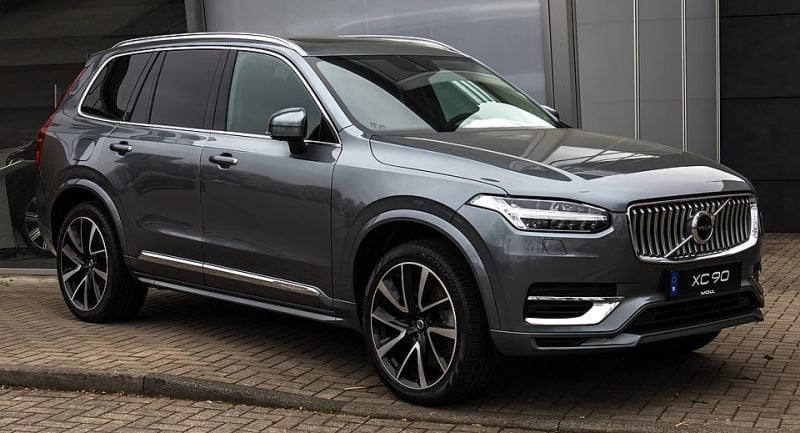
If like Volvo then you must know how great their SUVs have become. Speaking of which, the Volvo XC90 stands as a premium luxury SUV that combines Swedish engineering with advanced safety features and refined comfort.
If you’re considering buying one or already own this vehicle, understanding the long-term financial commitment is essential for making informed decisions about your investment.
Over a five-year ownership period, you can expect to spend approximately $6,000 to $8,000 on maintenance for your Volvo XC90, though this figure varies based on driving habits, service choices, and whether you stick to recommended intervals.
New Volvo XC90 buyers receive complimentary factory scheduled maintenance for the first three years, which helps reduce initial ownership costs.
This guide breaks down what you’ll actually pay for routine services, potential repairs, and the difference between dealership and independent shop pricing.
You’ll learn about common maintenance intervals, major component replacements, and practical strategies to minimize expenses while keeping your XC90 running reliably.
Is the XC90 still a great vehicle to own after five years? Let’s find out!
Average Cost to Maintain a Volvo XC90 After 5 Years
Over a five-year period, you can expect to spend between $6,000 and $8,000 on routine maintenance for your Volvo XC90. This figure includes scheduled services, consumables, and typical wear items but excludes major repairs or warranty-covered work.
Total Maintenance Expenses
The estimated maintenance cost for a Volvo XC90 reaches approximately $13,195 over 10 years, which means you’re looking at roughly $6,500 to $7,000 during the first five years of ownership. This amount covers oil changes, filter replacements, brake pad changes, tire rotations, and fluid services.
Your first three years may cost less if you purchased new, since Volvo provides complimentary factory scheduled maintenance during this period. After the complimentary period ends, annual service visits typically range from $800 to $1,500 depending on what your vehicle needs.
Major service intervals occur at 30,000 and 60,000 miles, where costs increase due to more extensive inspections and part replacements. These appointments often include cabin air filters, engine air filters, and comprehensive brake inspections that add to your expense.
Comparison With Other Luxury SUVs
Your XC90 maintenance costs sit in the middle range compared to other luxury SUVs. BMW X5 and Mercedes-Benz GLE owners typically spend 15-25% more on maintenance during the same period.
Lexus RX350 owners generally pay 20-30% less for maintenance, making it one of the most affordable luxury options. Audi Q7 costs align closely with the XC90, while Land Rover Discovery owners face significantly higher expenses.
The XC90 offers better value than German competitors but costs more than Japanese luxury brands. You’ll find that Volvo maintenance expenses remain predictable with fewer surprise repairs compared to some rivals.
Year-by-Year Breakdown
Year 1: $500-$800 (mostly covered by complimentary maintenance)
Year 2: $600-$900 (oil changes and inspections)
Year 3: $800-$1,200 (includes 30,000-mile service)
Year 4: $1,200-$1,800 (brake service typically needed)
Year 5: $1,500-$2,200 (60,000-mile major service)
Your costs increase progressively as components age and require replacement. Brake pads usually need replacement between 40,000 and 60,000 miles, adding $400-$700 to your maintenance bill. Tires typically last 50,000 miles and cost $800-$1,200 for a complete set.
Common Service Intervals and Their Costs
The Volvo XC90 follows a 10,000-mile or annual service interval, whichever comes first. Over five years, you’ll encounter routine maintenance like oil changes, brake services, and tire work that form the foundation of your ownership costs.
Oil Changes and Fluid Replacements
Your XC90 requires synthetic oil changes every 10,000 miles or annually. These services typically cost between $150 and $200 at a Volvo dealership, though independent shops may charge less.
Oil changes include engine oil and filter replacement, along with fluid level checks for coolant, brake fluid, and windshield washer fluid. Your transmission fluid generally doesn’t need replacement until 60,000 miles, but it’s inspected during regular services.
Coolant flushes occur around 60,000 miles and cost approximately $200 to $300. Brake fluid should be replaced every two to three years at $100 to $150 per service. These fluid replacements prevent corrosion and maintain optimal system performance throughout your vehicle’s lifespan.
Brake System Maintenance
Brake pad replacement typically occurs between 30,000 and 50,000 miles depending on your driving habits. Front brake pads and rotors cost $400 to $600 for parts and labor, while rear brakes run $350 to $500.
You may need brake rotor resurfacing or replacement during pad changes. Rotors wear faster on heavier vehicles like the XC90, especially if you drive in mountainous areas or tow regularly.
Brake fluid replacement is part of your regular maintenance cycle. Annual brake inspections during routine services help catch wear early, preventing more expensive repairs like caliper replacements that can exceed $300 per wheel.
Tire Rotations and Replacements
Tire rotations should occur every 7,500 to 10,000 miles and cost $50 to $75 at most service centers. Many dealerships include rotations with oil changes, reducing your overall maintenance expenses.
You’ll likely need one set of replacement tires during the first five years. Quality all-season tires for the XC90 range from $800 to $1,200 for a complete set, plus $100 to $150 for mounting and balancing.
Tire lifespan depends on your driving patterns and road conditions. Highway driving extends tire life beyond 50,000 miles, while city driving with frequent stops may require replacement around 40,000 miles.
Mechanical Wear and Major Repairs
After five years of ownership, your XC90 faces increased risks of costly mechanical failures, particularly in the powertrain and suspension systems. These repairs typically range from $1,000 to several thousand dollars depending on the component affected.
Engine and Transmission Issues
The XC90’s turbocharged engines can develop problems with turbocharger seals, oil leaks, and timing chain wear after 60,000 to 80,000 miles. Turbocharger replacement alone costs between $2,000 and $4,000 including labor.
Transmission issues present another concern, especially in earlier model years. The eight-speed automatic transmission may experience rough shifting, delayed engagement, or complete failure. Transmission repairs range from $800 for minor solenoid replacements to $5,000 or more for a complete rebuild or replacement.
Hybrid variants face additional complications with their electric motor integration and battery systems. Battery degradation becomes noticeable after five years, though complete replacement remains rare during this timeframe.
Suspension and Steering Components
Air suspension systems in XC90s equipped with this option frequently require attention after five years. Air struts can leak or fail, costing $800 to $1,500 per corner to replace.
Standard suspension models experience wear in control arm bushings, ball joints, and struts, with replacement costs between $400 and $1,200 depending on which components fail.
Steering rack issues occasionally surface, particularly in vehicles exposed to harsh winter conditions. Power steering rack replacement runs $1,200 to $2,500 including parts and labor.
The 37.44% probability of major repairs within 10 years means you should budget for at least one significant repair during your ownership period.
Electronics and Software Maintenance
The XC90’s advanced technology requires regular software updates and occasional electrical diagnostics. These costs typically range from complimentary updates to several hundred dollars for complex electrical troubleshooting.
Infotainment System Updates
Your XC90’s Sensus infotainment system receives periodic over-the-air updates for the first few years, typically at no cost. These updates improve functionality, add features, and fix bugs in the navigation, connectivity, and entertainment systems.
After the complimentary period ends, you may need to visit a Volvo dealer for major software updates. These dealer-installed updates usually cost between $100 and $200 per visit. The frequency depends on how often Volvo releases significant updates, which typically happens once or twice per year.
Some updates you can download yourself through Wi-Fi or USB, while others require dealer equipment to install. Your smartphone integration features like Apple CarPlay and Android Auto generally update automatically through your phone.
Electrical Diagnostics
Electrical issues in the XC90 require specialized diagnostic equipment that most independent shops don’t have. Dealer diagnostic fees typically range from $150 to $250 per hour, with most diagnostics taking one to two hours.
Common electrical concerns include sensor malfunctions, battery drain issues, and module communication errors. The diagnostic process itself doesn’t fix problems but identifies what needs repair. Once diagnosed, actual repair costs vary widely based on which component failed.
Your XC90 has multiple electronic control modules that can trigger warning lights. Battery health monitoring is particularly important, as a weak battery can cause numerous electrical fault codes that mimic more expensive problems.
Warranty Coverage and Extended Options
Volvo provides a 5-year unlimited mileage warranty on the XC90, which covers thousands of components and includes complimentary roadside assistance. After this period expires, you can purchase extended coverage that adds up to seven more years or 150,000 miles of protection.
Standard Volvo Warranty
The 5-year unlimited mileage warranty covers your XC90 regardless of how many miles you drive during that period. This comprehensive coverage includes replacement and repair of thousands of vehicle components with no deductible for warranty-related visits.
You receive complimentary roadside assistance throughout the warranty period. The coverage applies to major systems including the engine, transmission, electrical components, and most mechanical parts that may fail under normal use.
This warranty transfers to subsequent owners if you sell the vehicle before the 5-year period ends. The unlimited mileage aspect makes it particularly valuable if you drive more than the typical 12,000-15,000 miles per year.
Extended Warranty Benefits
Volvo extended warranty plans can provide up to seven additional years or 150,000 miles of coverage after your factory warranty expires. The Platinum plan offers the highest level of protection, covering engine, transmission, drive axle, transfer case, hybrid elements, electronics, navigation, steering, heating, and cooling systems.
Extended warranty costs range from $1,800 to $7,000 depending on your XC90’s model year, mileage, and coverage level selected. The price varies based on whether you choose basic powertrain coverage or comprehensive Platinum protection.
You can purchase extended coverage from Volvo dealerships or third-party providers. Available plans can extend coverage up to 11 years or 150,000 miles total, giving you protection well beyond the standard warranty period.
If you’re going to be spending your hard earned money on maintenance, how can you save?
Dealer vs. Independent Garage Costs
When maintaining your Volvo XC90, choosing between a dealership and an independent garage significantly impacts your expenses. The cost differences between dealer and independent service can affect your long-term budget.
Dealerships typically charge premium rates for their services. A standard oil change at a Volvo dealership runs $120-$180, while an independent Volvo specialist might charge $80-$120 for the same service.
Key Cost Differences:
Independent garages often provide comparable quality work at lower prices. You’ll find reduced labor rates and more competitive parts pricing. Many independent shops specialize in European vehicles and have technicians trained specifically for Volvo maintenance.
Dealerships offer certain advantages despite higher costs. You get access to the latest technical service bulletins, genuine OEM parts, and mechanics who work exclusively on Volvos. They also maintain detailed service records in Volvo’s system, which can boost resale value.
Your choice depends on your XC90’s age and warranty status. For newer vehicles under warranty, dealership service protects your coverage. Once your warranty expires, a reputable independent shop can deliver quality maintenance while reducing your annual costs by 25-40%.
Factors Influencing Maintenance Costs
Your driving patterns and where you live significantly impact how much you’ll spend maintaining your Volvo XC90 over five years.
Driving Habits and Conditions
How you drive your XC90 directly affects maintenance frequency and costs. Frequent short trips prevent the engine from reaching optimal operating temperature, which can lead to increased oil contamination and wear on components.
Stop-and-go city driving puts more strain on brakes, transmission, and suspension compared to highway cruising. Several factors including driving habits can influence your total maintenance expenses throughout ownership.
Aggressive acceleration and hard braking accelerate wear on brake pads, rotors, and tires. If you regularly tow heavy loads or drive in mountainous terrain, expect to replace brake components and fluids more frequently.
Cold weather starts and dusty conditions also increase maintenance needs. Your air filters will require more frequent replacement in dusty environments, while extreme temperatures affect battery life and fluid viscosity.
Geographical Location
Where you live determines both parts availability and labor rates for your XC90. Urban areas with multiple Volvo dealerships typically offer more competitive pricing than rural locations with limited service options.
Labor rates vary significantly by region, with coastal metropolitan areas charging $150-200 per hour compared to $100-130 in smaller markets. The cost of maintaining a Volvo depends partly on your local repair shop rates.
States that use road salt in winter accelerate corrosion on undercarriage components and brake lines. You’ll face higher repair costs for rust-related issues if you live in the Snow Belt.
Areas with extreme temperatures require more frequent coolant system maintenance and battery replacements. Proximity to authorized Volvo service centers also affects whether you’ll pay premium dealership rates or find independent specialists with lower labor costs.
Owner Tips for Reducing Maintenance Expenses
Following a consistent preventive care schedule and choosing quality replacement parts can significantly lower your XC90’s long-term costs while protecting its resale value.
Regular Preventive Care
Staying ahead of scheduled maintenance prevents small issues from becoming expensive repairs. Your Volvo XC90 maintenance schedule includes specific intervals for oil changes, filter replacements, and fluid checks that keep critical systems running properly.
Checking tire pressure monthly and rotating tires every 10,000 miles extends tire life and improves fuel efficiency. You should also inspect brake pads regularly, as catching wear early prevents damage to rotors that costs substantially more to replace.
New XC90 owners receive complimentary factory scheduled maintenance for three years or 36,000 miles, which covers basic services at no cost. Taking full advantage of this coverage establishes a solid maintenance foundation for your vehicle’s future.
Address warning lights and unusual noises immediately rather than waiting. Early diagnosis typically results in simpler, less expensive fixes compared to ignoring symptoms until major component failure occurs.
Using Genuine Parts
Genuine Volvo parts maintain your warranty coverage and ensure proper fit with your XC90’s systems. While aftermarket alternatives may cost less initially, they can cause compatibility issues or fail prematurely, resulting in repeat repairs.
Key advantages of OEM parts:
- Designed specifically for your vehicle’s specifications
- Include manufacturer warranties on parts and labor
- Maintain vehicle resale value
- Ensure proper integration with electronic systems
You can purchase genuine parts directly from Volvo dealers or authorized online retailers at competitive prices. Some independent shops use OEM parts while charging lower labor rates than dealerships, offering a middle ground between cost and quality.
Critical components like brake pads, sensors, and engine parts especially benefit from genuine specifications. Less critical items such as wiper blades or air filters offer more flexibility for quality aftermarket options.
Long-Term Reliability and Resale Value Impact
The XC90 demonstrates strong value retention compared to many luxury SUVs. After five years, the XC90 retains approximately 55% of its original value, with a resale value around $30,394 based on an initial purchase price of $67,920.
Your maintenance investment pays dividends when it comes time to sell. Volvo’s reputation for safety and durability directly influences resale prices, as buyers associate the brand with quality construction and longevity.
Key factors affecting your XC90’s resale value:
- Complete maintenance records showing regular servicing
- Documented repairs at authorized Volvo service centers
- Overall vehicle condition and mileage
- Market demand for SUVs versus sedans
The 90 Series vehicles show the strongest residual values in Volvo’s lineup. Your XC90 benefits from broader consumer preference for SUVs, which typically outperform sedans in the used market.
Reliability plays a central role in maintaining value. The annual maintenance cost averages $660 per year for the XC90, which is reasonable for a luxury SUV. This moderate cost reflects the vehicle’s solid engineering and fewer unexpected repairs.
Your diligence with preventive maintenance directly impacts long-term reliability. Regular oil changes, brake services, and addressing minor issues promptly prevent costlier problems. This approach keeps your XC90 running smoothly and preserves its market value when you decide to sell or trade.
Summary of Volvo XC90 Maintenance After 5 Years
After five years of ownership, you can expect to spend a considerable amount on maintaining your Volvo XC90. The 10-year maintenance cost totals approximately $13,195, which means you’re looking at roughly $6,500-$7,000 for the first five years.
Your costs during this period will include both routine maintenance and some larger service intervals. The XC90 follows a 10,000-mile or annual service interval, whichever comes first.
Typical 5-Year Maintenance Includes:
- Oil changes and filter replacements
- Brake pad inspections and potential replacement
- Tire rotations and alignment checks
- Cabin and engine air filter changes
- Fluid replacements (coolant, transmission, brake)
- Battery service or replacement
- Spark plug replacement (around 60,000-75,000 miles)
One significant advantage is that new XC90 owners receive complimentary factory scheduled maintenance for the first three years or 36,000 miles. This substantially reduces your out-of-pocket expenses during the initial ownership period.
The 2018-2024 XC90 generation combines Scandinavian engineering with premium technology, which influences maintenance requirements. Your costs will be higher than mainstream brands but align with other luxury SUVs in the same segment.
You should budget accordingly for dealer visits, as Volvo maintenance requires specific parts and expertise. Planning for these expenses helps you avoid surprises and keeps your XC90 running reliably throughout your ownership experience.

