
The Maintenance Cost of a Yamaha MT-09 Per Year: Breakdown for Owners
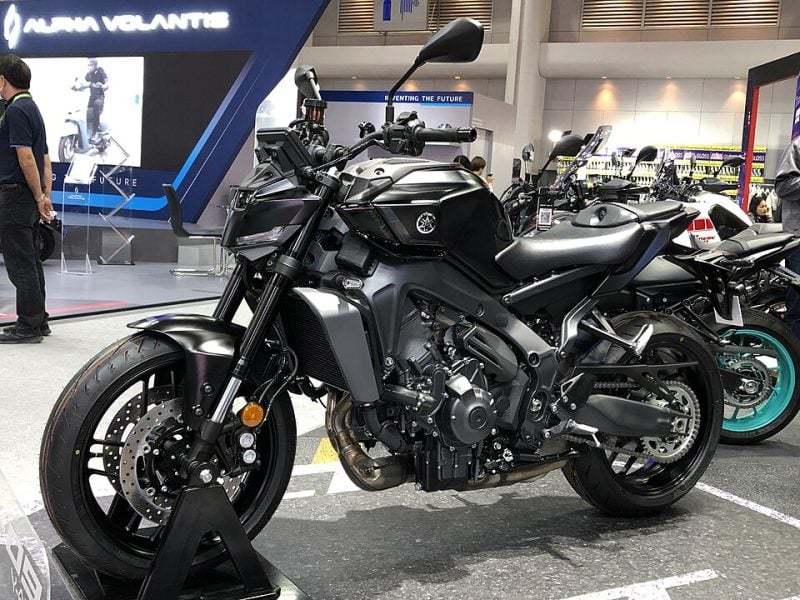
If you’re wishing to own an exciting and fun motorcycle, the Yamaha MT-09 stands out as a popular naked sport bike known for its powerful triple-cylinder engine and engaging ride characteristics.
However, if you own or are considering purchasing this motorcycle, understanding the financial commitment beyond the initial price tag is essential for budgeting and long-term planning.
Annual maintenance costs for a Yamaha MT-09 typically range from $400 to $800 for routine service, though this can vary significantly based on your service intervals, whether you choose dealer or independent mechanics, and your riding habits.
Basic service appointments at dealerships can cost several hundred dollars even for standard oil changes and inspections, while additional wear items like tires and brake pads will add to your yearly expenses.
This guide breaks down the specific maintenance procedures you’ll encounter, from routine oil changes to major service intervals, and examines the cost differences between professional servicing and DIY approaches.
You’ll also learn about choosing between genuine Yamaha parts and aftermarket alternatives, how ownership costs evolve over time, and practical strategies to keep your MT-09 running reliably without overspending.
Let’s get riding…..
Annual Maintenance Cost Overview
The Yamaha MT-09 requires approximately $500 to $1,200 annually for routine maintenance when you handle basic tasks yourself, though costs can climb to $1,500 or more if you rely exclusively on dealership service.
Your specific expenses depend heavily on mileage, riding conditions, and whether you perform your own maintenance work.
Typical Yearly Expenses
Your annual maintenance for a Yamaha motorcycle typically ranges from $200 to $600 for standard models, though the MT-09’s performance-oriented nature places it toward the higher end of this spectrum.
You’ll need to budget for regular oil changes every 3,000 to 6,000 miles, which cost $60 to $100 per service when done professionally.
Chain maintenance, brake inspections, and fluid changes represent your most frequent expenses. If you cover 8,000 to 10,000 miles annually, you’ll likely need two oil changes, at least one chain and sprocket service, and possibly brake pad replacement. Your tire replacement costs run $300 to $700 depending on brand selection and whether you mount them yourself.
The MT-09’s valve check intervals occur at significant mileage points, so most years won’t include this expense. However, when valve adjustments are due, you should budget an additional $400 to $800 for this service.
Factors Influencing Maintenance Costs
Your maintenance expenses vary significantly based on whether you perform work yourself or visit a dealership. Basic maintenance like oil changes and chain maintenance becomes far more affordable when handled in your garage, potentially cutting costs by 50% or more.
Your riding style directly impacts component wear. Aggressive throttle use and hard braking accelerate brake pad wear, chain stretch, and tire degradation. Track days or spirited canyon riding will push you toward the higher end of maintenance budgets.
Environmental conditions also affect your costs. Salt exposure from coastal or winter riding accelerates corrosion and requires more frequent cleaning and lubrication. Dusty conditions necessitate more frequent air filter changes and chain maintenance.
Comparison to Other Naked Bikes
The MT-09 sits in the middle range for motorcycle maintenance costs among naked bikes. Japanese manufacturers like Yamaha generally cost less to maintain than European brands, where annual expenses can exceed $2,000 for similar displacement bikes.
Compared to premium naked bikes from Ducati or BMW, your MT-09 offers significant savings on both parts and labor. However, it requires slightly more maintenance investment than smaller displacement Japanese nakeds like the MT-07. The MT-09’s triple-cylinder engine uses more oil and has more complex valve timing than parallel-twin alternatives, modestly increasing service costs.
Routine Maintenance Procedures
Regular upkeep on your MT-09 centers on three critical areas: engine oil service, brake system care, and chain maintenance. These procedures form the foundation of keeping your motorcycle reliable and safe throughout the year.
Oil and Filter Changes
You should change the oil and filter on your MT-09 every 6,000 miles or annually, whichever comes first. The bike requires approximately 2.9 quarts of oil when changing both the oil and filter together.
Using the correct oil specification is essential for engine longevity. Yamaha recommends 10W-40 or 10W-50 motorcycle-specific oil that meets JASO MA standards. Avoid automotive oils as they contain friction modifiers that can damage wet clutch systems.
The oil change process on newer MT-09 models takes about 30 minutes if you perform it yourself. You’ll need a 17mm socket for the drain plug and an oil filter wrench. Many riders choose to do this maintenance themselves to save on labor costs, which typically range from $50 to $100 at dealerships.
Fresh oil maintains proper engine temperature, reduces wear on internal components, and ensures smooth clutch operation. Neglecting this service interval can lead to increased engine wear and potential transmission issues.
Brake Inspections and Replacements
Your brake pads require inspection every 6,000 miles and replacement when they reach 1mm thickness. Front pads typically wear faster than rear pads due to the weight distribution during braking.
Brake fluid needs replacement every two years regardless of mileage. The MT-09 uses DOT 4 brake fluid, and contaminated fluid compromises braking performance and can damage internal brake components.
Key inspection points include:
- Pad thickness measurement
- Rotor surface condition and minimum thickness
- Fluid color and contamination level
- Caliper piston movement
- Brake line condition
A complete brake pad replacement on both front and rear costs between $150 and $300 in parts. Professional installation adds another $100 to $200 in labor charges.
Chain Lubrication and Adjustment
You need to lubricate your chain every 300 to 600 miles depending on riding conditions. Wet or dirty environments require more frequent attention than dry, clean roads.
Chain adjustment becomes necessary when slack exceeds the specified range of 35-45mm at the midpoint between sprockets. A properly tensioned chain prevents premature wear on sprockets and ensures smooth power delivery.
Clean the chain before applying lubricant to remove old grease and road debris. Apply chain-specific lubricant to the inside of the chain while slowly rotating the rear wheel. Allow the lubricant to penetrate for several minutes before riding.
Chain replacement intervals typically occur between 15,000 and 20,000 miles. A new chain and sprocket set costs $150 to $250, with installation adding another $100 to $150 if done professionally.
Replacement of Wear Parts
Tires and brake components represent the most frequent wear-related expenses for your MT-09, with costs varying based on riding style and component quality. These parts require periodic replacement to maintain safe operation.
Tire Replacement Costs
You’ll need to replace tires on your MT-09 approximately every 5,000 to 10,000 miles depending on your riding habits and tire compound. Sport-oriented tires wear faster than sport-touring options.
Budget between $250 and $400 for a set of quality tires. Premium brands like Michelin, Pirelli, and Dunlop typically cost $150 to $200 per tire. Budget-friendly options start around $100 per tire but may wear more quickly.
Professional installation and balancing adds $30 to $80 per tire at most dealerships and shops. Some shops charge a flat rate for both tires. If you ride 8,000 miles annually and replace tires every 6,000 miles, you’re looking at roughly $350 to $500 per year in tire-related expenses.
Brake Pad and Rotor Expenses
Brake pads on your MT-09 typically last 10,000 to 20,000 miles under normal riding conditions. Aggressive riding or frequent city use accelerates pad wear significantly.
Front brake pads cost $40 to $80 per set, while rear pads run $30 to $60. Quality aftermarket options from EBC or Vesrah fall in the middle of this range. OEM Yamaha pads tend to cost slightly more.
Brake rotors last considerably longer than pads, usually requiring replacement every 30,000 to 50,000 miles. You’ll spend $100 to $200 per rotor when replacement becomes necessary. Most riders replace front rotors as a pair for even braking performance.
Labor for brake pad installation costs $50 to $100 if you choose professional service. For average mileage riders, annual brake maintenance costs approximately $50 to $100 when amortized over the component lifespan.
Scheduled Service Intervals
The Yamaha MT-09 maintenance schedule follows specific mileage and time-based intervals that determine your annual service costs. Your bike requires attention based on whichever comes first—miles or months—making calendar-based services important even for low-mileage riders.
Recommended Yamaha MT-09 Service Schedule
Your first service occurs at 600 miles or one month after purchase. This initial check ensures everything is properly adjusted after the break-in period.
The second service happens at 4,000 miles or 6 months, whichever you reach first. Subsequent services follow at regular intervals, typically every 4,000 miles or six months for oil changes and basic maintenance items.
Major services occur at longer intervals. Valve clearance inspections are required at specific mileage points depending on your model year. The 2021 and newer MT-09 models with the 890cc engine have different intervals than earlier 847cc versions.
Your owner’s manual specifies both distance and time requirements for each service item. Following the time-based schedule matters if you ride infrequently, as fluids and components degrade even when the bike sits unused.
Service Labor and Workshop Fees
Labor rates at authorized Yamaha dealerships typically range from $100 to $150 per hour. Your location significantly affects these costs, with urban areas generally charging higher rates than rural shops.
A basic oil change service takes approximately one hour of labor. First service costs typically run between $200 and $300 including parts and labor. This covers the oil change, filter replacement, chain adjustment, and multi-point inspection.
Major services requiring valve checks or additional maintenance items cost more due to increased labor time. You can reduce costs by using independent mechanics who often charge lower hourly rates than dealerships while still maintaining your warranty requirements.
Common Repairs and Unexpected Costs
The MT-09 faces specific repair needs related to its electrical components and cooling system that can add several hundred dollars to your annual maintenance budget. These repairs typically arise after the first few years of ownership and vary based on riding conditions.
Electrical System Repairs
Your MT-09’s electrical system can develop issues with the stator, regulator/rectifier, and battery connections. The stator and regulator/rectifier are known weak points on some model years, with replacement costs ranging from $300 to $800 depending on whether you choose OEM or aftermarket parts.
Battery replacement becomes necessary every 3-4 years at a cost of $80 to $150. You should also watch for corroded connectors and loose grounds, which can cause intermittent starting problems or electrical failures.
Headlight and taillight assemblies occasionally fail, particularly on earlier models. LED replacements cost $100 to $200 for the headlight assembly. If you experience charging system failures, diagnostic fees at dealerships typically add $100 to $150 to your repair bill before parts and labor.
Cooling System Maintenance
The MT-09’s liquid cooling system requires coolant replacement every two years at approximately $50 to $100 when performed by a shop. Radiator damage from road debris is common on naked bikes like the MT-09, with replacement costs between $200 and $400.
Water pump seals can deteriorate after 20,000 to 30,000 miles, requiring replacement at $150 to $300 including labor. You should inspect coolant hoses annually for cracks or bulging, as hose replacement costs around $50 to $100.
Thermostat failures occur less frequently but cost $100 to $200 to repair when they happen. Setting aside $300 to $500 annually for unexpected repairs helps you cover these cooling system issues along with other unforeseen maintenance needs.
DIY Maintenance vs Professional Service
Yamaha MT-09 owners can significantly reduce annual maintenance expenses by handling basic tasks themselves, though professional service provides expertise for complex work. The choice between DIY and professional maintenance often depends on your mechanical skills, available tools, and the specific service required.
Cost Savings with DIY Maintenance
You can save substantial money by performing routine maintenance tasks yourself. Basic maintenance like oil changes and chain maintenance are straightforward tasks that don’t require professional expertise.
Oil and filter changes cost approximately $40-60 in materials when done yourself, compared to $100-150 at a dealership. Chain lubrication and adjustment takes minimal investment in supplies, usually under $20 for quality chain lube and cleaner. Brake pad replacement can save you $100-200 per axle since you only pay for parts rather than labor rates of $80-120 per hour.
Common DIY Tasks for MT-09:
- Oil and filter changes
- Chain cleaning and lubrication
- Air filter replacement
- Brake pad inspection and replacement
- Coolant checks and top-offs
You need basic tools including sockets, wrenches, and torque wrenches to perform these tasks correctly. The initial tool investment of $150-300 pays for itself after just a few maintenance cycles.
Pros and Cons of Professional Servicing
Professional maintenance brings peace of mind through expert service from technicians trained specifically on Yamaha motorcycles. Certified mechanics have diagnostic equipment and experience that helps identify potential problems before they become expensive failures.
Advantages of professional service:
- Warranty protection – Dealer service maintains your warranty coverage
- Proper diagnostics – Advanced tools detect issues you might miss
- Expertise – Technicians know common MT-09 problems
- Documentation – Service records improve resale value
Disadvantages include:
- Higher costs – A 4,000 mile service can cost around $500
- Scheduling delays during busy seasons
- Potential for unnecessary service recommendations
Complex repairs are best left to certified mechanics to avoid costly mistakes, particularly for valve adjustments, fuel injection work, and electrical diagnostics. You should budget $300-500 annually for professional services even if you handle basic maintenance yourself.
Genuine Yamaha Parts vs Aftermarket Options
When maintaining your MT-09, you’ll face choices between OEM components manufactured by Yamaha and third-party alternatives. The price gap between these options can be substantial, and your decisions will affect both immediate expenses and long-term ownership costs.
Price Differences
Genuine Yamaha parts typically cost 20-50% more than aftermarket equivalents for common MT-09 maintenance items. A factory oil filter runs $12-18, while aftermarket versions cost $8-12. Brake pads show even wider gaps: OEM front pads range from $80-110, compared to $40-70 for quality aftermarket options.
The price premium extends to wear items you’ll replace regularly. Genuine Yamaha air filters cost $35-45, versus $20-30 for aftermarket alternatives. Chain and sprocket kits demonstrate similar patterns, with OEM sets at $250-350 and aftermarket at $150-250.
For critical engine components, genuine Yamaha parts carry the brand’s warranty and meet factory specifications. Aftermarket suppliers offer varying quality levels, from budget options to premium brands that match or exceed OEM standards at competitive prices.
Impact on Long-Term Costs
Choosing cheaper parts doesn’t always reduce your annual maintenance budget. Low-quality aftermarket brake pads may wear 30-40% faster than OEM versions, requiring more frequent replacement that eliminates initial savings.
The cost of genuine components is minor compared to potential engine damage from failed parts. A faulty oil filter or substandard spark plugs can cause issues costing hundreds or thousands in repairs. Premium aftermarket brands from established manufacturers often provide reliable alternatives at lower prices than OEM.
Your warranty status matters significantly. Using non-OEM parts on a bike under factory warranty may void coverage for related failures, potentially costing you thousands. Once your warranty expires, quality aftermarket parts become viable for routine maintenance while reserving genuine Yamaha components for critical engine internals.
Maintenance Cost Trends Over Ownership
Your MT-09’s maintenance expenses will shift considerably as you accumulate miles and years of ownership. Early ownership typically involves lower costs focused on routine services, while higher mileage brings more frequent component replacements and potential repairs.
Cost Fluctuations by Mileage
Your first year of ownership generally represents the lowest maintenance period. During this time, you’ll primarily handle basic oil changes, chain adjustments, and the initial service inspection. Most riders spend about $900 to $2,000 per year on motorcycle maintenance, with first-year costs often falling on the lower end.
As you reach 6,000 to 12,000 miles, your expenses increase moderately. You’ll need to replace wear items like tires, brake pads, and possibly the chain and sprockets. These components can add several hundred dollars to your annual budget beyond routine services.
Beyond 20,000 miles, your costs become less predictable. Major service intervals require valve adjustments, coolant replacement, and more comprehensive inspections. Years requiring these major services can cost several times your baseline budget. You should budget roughly $1,000 annually as a safe baseline while expecting occasional spikes for major maintenance.
Considerations for Older MT-09 Models
Older MT-09 models introduce additional cost variables you need to account for. Parts availability becomes a concern as your bike ages, and you may face longer wait times or higher prices for specific components. Depreciation works in your favor for purchase price but means less valuable bikes justify smaller repair investments.
Pre-2021 models with the 847cc engine have different maintenance schedules than newer 890cc versions. You’ll want to follow the specific intervals for your model year to avoid premature wear or unexpected failures. Older bikes also develop age-related issues like fork seal leaks, electrical problems, and corrosion that add unplanned expenses regardless of mileage.
Tips to Minimize Maintenance Costs
Regular upkeep and smart riding habits can significantly reduce your annual expenses while extending your MT-09’s lifespan. Performing routine tasks yourself and addressing minor issues before they escalate will keep your bike running efficiently without frequent trips to the mechanic.
Preventive Care Recommendations
Performing regular inspections between service intervals helps you catch potential problems early. Check your chain tension and lubrication every 500 miles, as a poorly maintained chain can damage your sprockets and cost hundreds in replacement parts.
Monitor your tire pressure weekly. Properly inflated tires last longer and improve fuel efficiency, saving you money on both replacements and gas. Keep your tires at the manufacturer-recommended PSI for optimal performance.
Change your oil at the recommended intervals rather than waiting for warning signs. Fresh oil prevents engine wear that leads to expensive repairs down the line. You can handle basic oil changes yourself to save on labor costs.
Clean and lubricate your cables regularly to prevent corrosion and binding. Replace air filters on schedule to maintain engine efficiency and avoid fuel system problems that require costly diagnostics.
Best Practices for Longevity
Warm up your engine before aggressive riding. Cold engines experience accelerated wear, particularly on internal components that are expensive to replace. Give your MT-09 at least two minutes to reach operating temperature.
Avoid excessive idling, which wastes fuel and creates carbon buildup in your engine. Carbon deposits reduce performance and can require professional cleaning services that add to your maintenance budget.
Store your motorcycle properly during extended periods of non-use. Use a quality cover, add fuel stabilizer, and connect a battery tender to prevent corrosion and electrical issues. Proper storage eliminates problems like seized brake calipers or dead batteries that require replacement.
Keep detailed maintenance records to track when services are due. Following the factory schedule prevents both premature part replacement and delayed maintenance that causes cascading failures.
Summary of Annual MT-09 Ownership Expenses
Your annual Yamaha MT-09 ownership costs extend beyond the initial purchase price. Regular maintenance forms the foundation of your yearly expenses, with scheduled services occurring at specific intervals based on mileage and time.
Routine Maintenance Costs
You’ll need to budget for oil changes, which typically occur every 4,000 miles or annually. A first service visit can cost around $254 CAD, including oil, filter, and labor for chain adjustments and inspections. Subsequent services vary depending on what the maintenance schedule requires at each interval.
Your consumable parts represent another annual expense category. Chain maintenance, brake pad replacements, and tire changes occur based on your riding habits and mileage. Tire costs fluctuate based on brand preference and performance requirements.
Additional Operating Expenses
Insurance premiums vary significantly based on your location, age, riding history, and coverage level. Fuel costs depend on your annual mileage and current gas prices in your area.
Registration fees and potential storage costs add to your yearly total. You should also account for protective gear replacement and accessories that wear over time.
Cost Variables
Your actual annual expenses depend on several factors. Riding frequency, maintenance choices between dealer and independent shops, and whether you perform basic tasks yourself all influence your total costs. The newer 890cc models may have different service requirements compared to earlier 847cc versions.


