
What is the Annual Property Tax on a $3 Million Home in Florida? Calculating Your Tax Liability
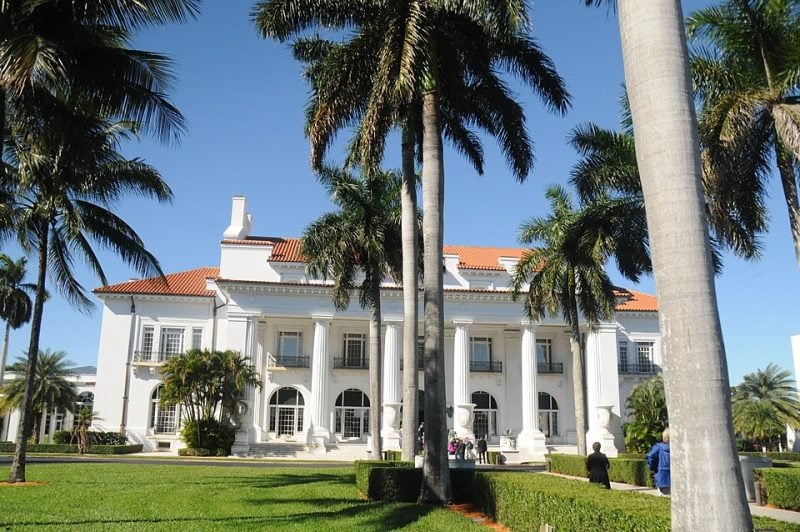
Florida homeowners purchasing luxury properties need to understand the financial obligations beyond the purchase price.
For a $3 million home in Florida, you can expect to pay approximately $22,200 to $33,300 in annual property taxes, depending on your county and available exemptions.
This calculation is based on Florida’s property tax rates that average 1.11% statewide, though local variations significantly impact your final bill.
Your actual property tax burden depends on several factors that can either increase or decrease this estimate. County millage rates, homestead exemptions, and annual market assessments all play a role in determining what you’ll pay each year. Understanding these variables helps you budget accurately and potentially reduce your tax liability through legitimate exemptions.
This guide walks you through the calculation process, explores regional differences across Florida counties, and identifies savings opportunities available to high-value homeowners. You’ll learn about assessment timelines, payment schedules, and when consulting with property tax professionals makes financial sense for your luxury property investment.
Understanding Property Taxes in Florida
Florida’s property tax system operates without a state-level property tax, relying instead on local governments to set rates based on millage and assessed property values. Property taxes in Florida are managed at the county level, with rates varying significantly depending on your specific location and local service needs.
How Property Taxes Are Calculated
Your property tax calculation in Florida starts with the assessed value determined by your county property appraiser. This assessed value represents the fair market value of your property as of January 1st each year.
The calculation uses millage rates, where one mill equals $1 per $1,000 of assessed value. You multiply your assessed value by the total millage rate and divide by 1,000 to determine your annual tax bill.
Florida offers a homestead exemption that can reduce your taxable value by up to $50,000 if the property is your primary residence. The first $25,000 applies to all property taxes, while the second $25,000 applies only to non-school taxes.
If you qualify for homestead exemption, your assessment increases are capped at 3% annually under the Save Our Homes benefit. This protection can result in substantial savings over time as your property value appreciates.
Key Factors Affecting Tax Rates
Your location determines the specific millage rates you pay, as counties, cities, school districts, and special districts each levy their own rates. The average effective property tax rate in Florida is approximately 0.82% for primary residences.
Factors that influence your rate include:
- County of residence and municipal boundaries
- School district millage requirements
- Special assessment districts for services like water management or fire protection
- Voter-approved bond measures and levies
Properties without homestead exemption face higher effective rates because they don’t receive the same assessment caps and exemptions. Investment properties and second homes typically pay more per dollar of assessed value.
Role of County and Local Taxing Authorities
Your county property appraiser establishes property values and administers exemptions, while your county tax collector processes payments and maintains records. These offices operate independently to ensure proper checks and balances.
Local taxing authorities including county commissions, city councils, school boards, and special districts each set their own millage rates annually. They determine rates based on budget needs for schools, emergency services, infrastructure, and other community services.
The Florida Department of Revenue oversees these local operations to ensure compliance with state law. Each taxing authority must hold public hearings before adopting millage rates, giving you the opportunity to understand and comment on proposed tax changes.
Calculating the Annual Property Tax on a $3 Million Home
Florida property taxes depend on assessed value, applicable exemptions, and local millage rates that vary by county and municipality. The calculation involves multiplying your taxable value by the combined millage rate from various taxing authorities.
Breakdown of Millage Rates
Millage rates represent the amount per $1,000 of assessed property value. One mill equals $1 in taxes for every $1,000 of taxable value.
Your total millage rate combines several components. These include county general taxes, school district levies, municipal taxes if you live within city limits, and special district assessments for services like water management or fire protection.
In Florida, total millage rates typically range from 15 to 25 mills depending on your location. Miami-Dade County averages around 20 mills, while some counties like Walton maintain rates closer to 10 mills. You can calculate property taxes based on assessed value and local rates.
Each taxing authority sets its own millage rate annually. Your county commissioners, school board, and city council all vote on their respective portions of your total tax bill.
Typical Tax Rates for High-Value Homes
Florida’s median home value sits at $182,400, but luxury properties face different tax considerations. Without exemptions, a $3 million home would be assessed at its full market value.
The effective tax rate in Florida averages 0.80% to 1.10% statewide. For a $3 million property, this translates to approximately $24,000 to $33,000 annually before any exemptions.
Coastal counties with higher property values often have lower millage rates. Conversely, rural counties may assess higher rates to fund services. Palm Beach County typically charges around $21,000 annually on a $3 million home, while Broward County may assess closer to $27,000.
Estimating Annual Tax Bills
To estimate your annual property tax, start with your home’s assessed value of $3 million. Subtract any exemptions you qualify for, such as the homestead exemption worth up to $50,000.
With a $50,000 homestead exemption, your taxable value becomes $2,950,000. Multiply this by your area’s total millage rate. At 20 mills (0.020), you would pay $59,000 annually.
Sample calculation:
- Assessed value: $3,000,000
- Homestead exemption: -$50,000
- Taxable value: $2,950,000
- Millage rate: 20 mills (0.020)
- Annual tax: $59,000
You can use property tax calculators by zip code to get location-specific estimates. Contact your county assessor’s office for precise millage rates and exemption eligibility in your area.
Homestead Exemptions and Savings Opportunities
Florida homeowners can reduce property taxes on a $3 million home through homestead exemptions that lower the assessed taxable value by up to $50,000. Additional protections include annual assessment caps and specialized exemptions for qualifying residents.
Eligibility Requirements
You must establish Florida as your permanent residence and occupy the property as your primary home on January 1 of the tax year to qualify for homestead exemption. You need to apply by March 1 to receive benefits for that year.
Your property must be your principal residence, which means you cannot claim homestead exemptions on vacation homes, rental properties, or investment properties. You also need to hold legal or beneficial title to the property.
Florida residency requires demonstrating your intent to make the state your permanent home. Common documentation includes a Florida driver’s license, vehicle registration, and voter registration all showing the homestead property address.
How Exemptions Reduce Your Tax Liability
The homestead exemption can save homeowners up to $50,000 on the taxable value of their primary residence. The first $25,000 applies to all taxing authorities, while the second $25,000 excludes school board taxes and only applies to assessed values exceeding $50,000.
For a $3 million home, you would pay taxes on $2,950,000 after the full exemption. At a typical millage rate of 20 mills (2%), this exemption saves approximately $750 to $1,000 annually.
The Save Our Homes provision provides additional savings by capping annual assessed value increases at 3% per year, regardless of market value growth. This protection compounds over time, creating substantial tax savings as property values rise.
Additional Exemptions for Seniors and Veterans
Homeowners 65 and older may qualify for additional exemptions depending on county ordinances and income limitations. Some counties offer extra exemptions ranging from $25,000 to $50,000 for qualifying seniors.
Veterans with service-connected disabilities rated at 10% or higher receive exemptions proportional to their disability percentage. A 100% disabled veteran may receive a total exemption from property taxes. Surviving spouses of military members or first responders killed in the line of duty also qualify for full exemptions if they meet specific criteria.
Disabled individuals confined to wheelchairs or legally blind qualify for an additional $500 exemption. You must apply separately for these specialized exemptions through your county property appraiser’s office.
Regional Variations in Florida Property Tax Rates
Property tax rates across Florida’s 67 counties range significantly, with some counties charging nearly double what others collect. Miami-Dade County collects the highest property tax at an average of $2,756 annually (1.02% of median home value), while Dixie County has the lowest at $503 per year (0.51% of median home value).
Comparing Tax Rates by County
Florida’s average property tax rate is 0.73%, which means a $3 million home would typically generate around $21,900 in annual property taxes. However, your actual bill depends heavily on your county’s specific rate.
The median property tax paid across all counties is $1,885, but this figure reflects lower-valued properties. For high-value properties like a $3 million home, you’ll see substantially higher bills even in lower-tax counties.
High-Tax Counties:
- Miami-Dade: 1.02% rate
- Broward and Palm Beach: Among the higher rates in South Florida
- Orange County: Higher rates due to urban infrastructure demands
Low-Tax Counties:
- Dixie: 0.51% rate
- Several rural North Florida counties: 0.60-0.70% range
Cities with the Highest and Lowest Taxes
Within counties, individual cities and municipalities add their own millage rates on top of county taxes. Cities with extensive services like police, fire departments, parks, and public works typically levy higher combined rates.
South Florida cities generally show the highest overall tax burdens when combining county and municipal rates. Miami, Fort Lauderdale, and West Palm Beach residents pay premium rates that can push your $3 million home’s taxes to $30,000 or more annually.
Rural areas in the Panhandle and North Central Florida offer the lowest combined rates. These areas lack additional city millage rates, keeping your total obligation closer to the base county rate of $15,000-$18,000 on a $3 million property.
Payment Schedules and Deadlines for Florida Property Taxes
Property taxes in Florida are payable from November 1 through March 31 each year, with early payment discounts available if you pay before the final deadline. Understanding these dates helps you avoid penalties and maximize potential savings on your $3 million home.
When Property Taxes Are Due
Florida property tax bills arrive in November, and you have until March 31 to pay without penalty. This deadline applies consistently across all Florida counties, whether you own property in Miami, Tampa, Orlando, or any other location.
You can save money by paying early through a discount structure:
- 4% discount: Pay in November
- 3% discount: Pay in December
- 2% discount: Pay in January
- 1% discount: Pay in February
- No discount: Pay in March
These savings can be substantial on a $3 million property. For example, a 4% discount on a $30,000 annual tax bill would save you $1,200.
Consequences of Late Payments
If you miss the March 31 deadline, your taxes become delinquent on April 1. Florida counties add interest charges and penalties to unpaid balances, which accumulate quickly.
Counties conduct tax certificate sales beginning on or before June 1 for properties with delinquent taxes. Investors purchase these certificates, creating liens against your property. You must then redeem the certificate by paying the original tax amount plus interest rates up to 18% annually.
Continued non-payment can lead to a tax deed sale, where you could lose ownership of your property entirely. The financial and legal consequences make timely payment critical for protecting your investment in a high-value home.
Impact of Market Value Assessments on Annual Tax Owed
Property appraisers in Florida determine your home’s market value annually, which directly influences your tax bill through the assessed value calculation. The relationship between these valuations and your final tax obligation involves specific caps and exemption rules that can significantly reduce what you owe.
How Appraisals Affect Taxes
Your property’s market value serves as the starting point for calculating your annual property tax. The county property appraiser evaluates your home each year to establish this baseline figure.
Florida law limits how much your assessed value can increase annually. If you have a homestead exemption, your property’s assessed value cannot increase more than 3% per year, regardless of how much the market value rises. Non-homestead residential properties face a 10% annual cap.
For a $3 million home, these caps create substantial tax savings during periods of rising property values. If your home’s market value jumps from $3 million to $3.3 million in one year, your assessed value would only increase by 3% (or $90,000) if you hold a homestead exemption. This assessed value, minus any exemptions you qualify for, becomes your taxable value.
Research shows that a 1% change in market value results in less than 0.30% change in assessed values over three years, demonstrating how assessment systems buffer homeowners from market volatility.
Appealing Property Value Assessments
You have the right to challenge your property’s assessed value if you believe the appraiser’s determination is inaccurate. The appeal process typically begins with contacting your county property appraiser’s office to discuss the valuation.
You’ll need evidence to support your case, such as recent comparable sales in your neighborhood, photographs showing property condition issues, or documentation of needed repairs. Professional appraisals can strengthen your position, though they come with additional costs.
Filing deadlines are strict in Florida. You must submit your initial petition within 25 days of receiving your Notice of Proposed Property Taxes, usually mailed in late August. Missing this window means waiting until the next assessment cycle.
If successful, lowering your taxable value decreases your tax bill proportionally. A reduction from $3 million to $2.8 million in taxable value saves you $2,000 annually at a 1% millage rate. Many property owners find professional tax consultants worth the investment for high-value properties.
Trends in Florida Property Taxes for Luxury Homes
Florida’s luxury property tax landscape has experienced notable stability in recent years, though property tax rates average 1.11% statewide with significant county-level variations affecting high-value homes differently across regions.
Recent Increases or Decreases in Tax Rates
Your luxury home’s property tax burden has remained relatively stable across most Florida counties, though assessed values have climbed significantly in premium markets. Miami-Dade County collects the highest property tax in Florida, levying an average of $2,756 on median-value homes at a 1.02% rate, but luxury properties face substantially higher bills due to their elevated assessments.
Monroe County leads the state with residents contributing a median of $3,943 annually. Property owners with mortgages in this county pay an average of $4,291, while those owning homes outright pay $3,585.
The millage rates themselves haven’t seen dramatic shifts in most counties, but your property’s assessed value growth has driven tax increases. High-end coastal markets have experienced the most significant assessment increases, particularly in South Florida and the Keys.
Potential Legislative Changes
You should monitor ongoing discussions about homestead exemption expansions and assessment caps that could affect luxury properties. Current legislative proposals focus on increasing exemption amounts for primary residences, though these changes typically benefit lower-value homes more than multi-million dollar properties.
Florida’s Save Our Homes amendment already caps assessment increases at 3% annually for homesteaded properties, providing you with protection against rapid value appreciation. Non-homesteaded properties, including second homes and investment properties, don’t receive this protection and face full market-value assessments.
Proposed reforms targeting portability benefits and supplemental exemptions for senior citizens continue moving through the legislative process, but comprehensive changes to luxury property taxation remain limited.
Additional Costs and Considerations for High-Value Homeowners
Owning a $3 million home in Florida involves expenses that extend far beyond property taxes. Hidden costs of homeownership can reach $18,118 annually, or approximately $1,510 per month on top of your mortgage payment.
Homeowners Insurance and Wind Coverage
Your insurance premiums will be substantial for a high-value property. Florida’s coastal location means you may need separate windstorm or hurricane coverage, which can add thousands of dollars annually. Luxury homes often require specialized coverage for high-end finishes, custom features, and valuable personal property.
Maintenance and Repairs
Property maintenance costs, insurance, and utilities represent ongoing expenses you should budget for carefully. A $3 million home typically features premium materials, landscaping, and systems that require professional upkeep. Pool maintenance, advanced HVAC systems, and security systems add to your monthly expenses.
HOA and Community Fees
Many luxury communities in Florida charge substantial homeowners association fees. These fees can range from several hundred to several thousand dollars monthly, covering amenities like golf courses, marina access, security patrols, and common area maintenance.
Utilities and Services
Your utility costs will reflect the size and features of your property. Air conditioning a large Florida home year-round, maintaining pool equipment, and powering smart home systems contribute to higher electric bills. You should also budget for pest control, lawn service, and housekeeping staff.
Opportunity Costs
Consider the capital tied up in your property and whether those funds might generate returns elsewhere.
Consulting with Property Tax Professionals in Florida
When dealing with property taxes on a $3 million home, you may benefit from professional guidance. Tax professionals can help you navigate Florida’s complex property tax system and identify opportunities to reduce your tax burden.
Property tax consultants specialize in several key areas that directly impact your annual tax bill. They review your property’s assessed value to ensure accuracy and can challenge assessments that appear inflated. These professionals understand how property appraisal works in Florida and can determine if your home has been valued correctly.
You should consider consulting with professionals who offer these services:
- Assessment appeals – Filing formal challenges to your property’s valuation
- Exemption applications – Ensuring you receive all applicable tax exemptions
- Portability transfers – Helping you transfer Save Our Homes benefits from a previous property
- Tax planning – Strategizing to minimize your long-term property tax obligations
Property tax attorneys provide another layer of expertise. They represent you in disputes with the property appraiser’s office and can handle complex legal issues related to your assessment. You might need an attorney if your informal appeals are unsuccessful or if you face unusual valuation circumstances.
The cost of hiring these professionals varies. Some work on contingency, meaning they only charge a percentage of the tax savings they achieve for you. Others charge flat fees or hourly rates. For a $3 million property, the potential savings often justify the professional fees.


.jpg)