The Best Suburbs Near Greenville, South Carolina to Live In: Guide to Family-Friendly Neighborhoods
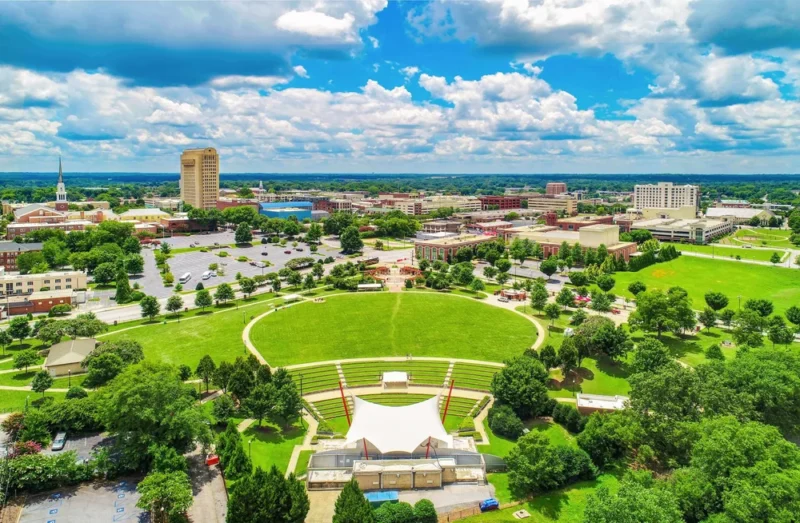
Greenville, South Carolina has become one of the fastest-growing metro areas in the Southeast, attracting families, young professionals, and retirees with its blend of Southern charm, economic opportunity, and mountain views.
The challenge isn’t finding reasons to move here, but rather determining which of the many surrounding communities best matches your lifestyle and budget.
The best suburbs near Greenville include established communities like Simpsonville and Greer for families, Travelers Rest for outdoor enthusiasts, and emerging areas like Fountain Inn and Piedmont for affordable housing options.
Each suburb offers distinct advantages, from top-rated schools and family amenities to proximity to downtown Greenville’s thriving arts scene and employment centers.
This guide examines the characteristics that make each suburb unique, helping you narrow down your options based on what matters most to you.
Whether you prioritize school quality, outdoor recreation access, commute times, or home prices, understanding the best areas around Greenville will help you make an informed decision about where to call home.
Factors to Consider When Choosing a Greenville Suburb
When selecting a suburb near Greenville, you need to evaluate your daily commute options, the quality of local schools, safety ratings, and the types of amenities that match your lifestyle preferences.
Commute and Accessibility
Your daily commute impacts your quality of life significantly. If you work in downtown Greenville, suburbs like Simpsonville and Mauldin offer reasonable drive times of 15-25 minutes during peak hours. Five Forks provides even closer access to the city center.
Highway access matters for your convenience. Interstate 85 runs through the Greenville area, connecting suburbs on the eastern side. Woodruff Road serves as a major commercial corridor linking multiple communities.
Public transportation options remain limited in most Greenville suburbs. You’ll likely need a personal vehicle for daily activities. Consider proximity to major employers in your industry when evaluating neighborhoods around Greenville.
School District Quality
School districts vary significantly across Greenville County. Greenville County Schools serves most suburban areas, but individual schools within the district show different performance levels. You should research specific elementary, middle, and high schools assigned to each neighborhood.
Key metrics to review:
- Standardized test scores
- Teacher-to-student ratios
- Graduation rates
- Special programs and extracurricular activities
Some suburbs fall within highly-rated school zones that attract families. These areas typically command higher home prices due to demand. You can access school ratings through the South Carolina Department of Education website and third-party education ranking sites.
Private school options exist throughout the area if public schools don’t meet your needs. Factor in tuition costs when budgeting for these family-friendly suburbs.
Neighborhood Safety
Crime statistics differ notably between Greenville suburbs. You should check local police department websites for crime maps and incident reports in specific neighborhoods you’re considering. Violent crime rates generally remain low in most suburban areas compared to urban centers.
Property crime like vehicle break-ins and theft occurs more frequently in certain communities. Neighborhoods with active homeowners associations often maintain private security patrols. Well-lit streets and established community watch programs contribute to safer environments.
Your insurance costs reflect the safety profile of your chosen suburb. Contact insurance providers for quotes based on specific addresses to understand these variations.
Lifestyle Amenities
The amenities available in each suburb shape your daily experiences. Some communities feature extensive shopping and dining options along corridors like Woodruff Road and Pelham Road. Others offer quieter settings with fewer commercial developments.
Common amenities to evaluate:
- Parks and recreational facilities
- Restaurants and entertainment venues
- Shopping centers and grocery stores
- Healthcare facilities
- Community centers and libraries
Proximity to outdoor activities matters if you value recreation. Several suburbs sit near the Blue Ridge Mountains, providing access to hiking and nature activities. Greenville’s park system includes trails, sports fields, and lakes throughout various communities.
Walkability varies significantly between suburbs. Newer developments often lack sidewalks and pedestrian infrastructure. Older, established neighborhoods sometimes offer more walkable areas with local shops and parks within walking distance.
Popular Family Neighborhoods
Several suburbs around Greenville stand out for their combination of quality schools, safe streets, and community amenities that appeal to families raising children. These neighborhoods offer distinct characteristics while maintaining proximity to Greenville’s urban center.
Simpsonville’s Residential Appeal
Simpsonville ranks among the top suburbs for families in the Greenville area due to its balance of affordability and access to quality education. The city sits about 14 miles southeast of downtown Greenville along Interstate 385, making commutes manageable for working parents.
You’ll find a mix of established neighborhoods and newer developments with homes ranging from modest single-family houses to larger properties. The city maintains several parks and recreational facilities, including Heritage Park and Discovery Island Waterpark, which provide year-round activities for children.
Schools in the area serve students through the Greenville County School District, with several highly rated elementary and middle schools drawing families to specific neighborhoods. The retail corridor along Fairview Road offers convenient shopping and dining options without requiring trips into central Greenville.
Mauldin’s Community Atmosphere
Mauldin provides a family-friendly environment with established neighborhoods and a strong sense of community involvement. Located just south of Greenville along Interstate 385, this city of approximately 25,000 residents maintains a suburban character while offering urban conveniences.
The city’s park system includes Sunset Park and Mauldin Sports Center, where youth sports leagues and community events bring residents together throughout the year. Your children can participate in baseball, soccer, and other organized activities within walking distance of many residential areas.
Housing stock primarily consists of single-family homes built from the 1970s through present day, with prices typically lower than comparable properties in northern Greenville suburbs. The city’s downtown area has seen revitalization efforts, adding local restaurants and shops that create gathering spaces for families.
Fountain Inn’s Growing Charm
Fountain Inn combines small-town character with growing development that attracts families seeking more space and newer construction. This city of roughly 10,000 residents sits about 18 miles south of Greenville along Highway 418, offering a quieter pace than closer-in suburbs.
Recent residential growth has brought new subdivisions with modern amenities and competitive pricing for families looking to maximize square footage. You’ll find homes on larger lots compared to denser developments closer to Greenville’s core.
The city maintains its historic downtown with local businesses and hosts community events like the annual Younts Center for Performing Arts programs. Schools serving the area fall under Greenville County Schools, though the city’s continued expansion has prompted discussions about additional educational facilities to accommodate growth.
Suburbs Known for Outdoor Recreation
Several suburbs surrounding Greenville provide exceptional access to trails, parks, and waterways that make outdoor activities a daily possibility. These communities attract residents who prioritize hiking, biking, and water-based recreation.
Travelers Rest’s Natural Beauty
Travelers Rest sits at the gateway to the Blue Ridge Mountains, making it ideal if you want immediate access to mountain trails and scenic landscapes. The town connects directly to the Swamp Rabbit Trail, a 22-mile paved greenway perfect for cycling, running, and walking.
You’ll find the Poinsett Bridge Heritage Preserve nearby, featuring the state’s oldest surviving bridge and woodland trails. Paris Mountain State Park borders the community, offering hiking trails that range from easy to challenging, along with a lake for fishing and kayaking.
The downtown area has transformed into a hub for outdoor enthusiasts, with outfitters, bike shops, and cafes catering to active lifestyles. Travelers Rest has a vibrant downtown with easy access to nature preserves and mountain recreation.
Taylors’ Parks and Trails
Taylors provides well-maintained community parks and trail systems without requiring you to drive into the mountains. The suburb features multiple neighborhood parks with sports fields, playgrounds, and picnic areas distributed throughout residential areas.
Lake Conestee Nature Preserve sits partially within Taylors’ boundaries, offering over 400 acres of wetlands and forests with boardwalk trails and wildlife observation areas. You can spot over 200 bird species and explore trails that wind through diverse ecosystems.
The community’s proximity to Greer’s parks and recreational areas expands your options further. Local greenways connect neighborhoods, making it practical to walk or bike for errands and recreation.
Pelzer’s River Access
Pelzer borders the Saluda River, giving you direct access to water-based activities like kayaking, fishing, and tubing. The river creates natural recreation opportunities that distinguish this smaller community from other suburbs.
Public river access points allow you to launch kayaks and canoes without membership fees or permits. The Saluda River flows through scenic areas with gentle rapids suitable for beginners and families.
You’ll find less crowded trails and fishing spots compared to more populated suburbs. The community maintains a rural character with open spaces and undeveloped riverfront areas that provide a more secluded outdoor experience.
Best Areas for Young Professionals
Young professionals moving to the Greenville area will find strong opportunities in neighborhoods that balance career accessibility with social amenities and affordable housing options. Two suburbs stand out for their distinct advantages in workplace proximity and modern lifestyle offerings.
Greer’s Urban Offerings
Greer provides young professionals with a strategic location between Greenville and Spartanburg, positioning you within easy reach of major employment centers. The city sits near major highway corridors and is just minutes from the Greenville-Spartanburg International Airport, making it ideal for careers requiring frequent travel.
Downtown Greer has developed into a vibrant area for young professionals with its walkable streets lined with locally-owned restaurants, craft breweries, and coffee shops. You’ll find regular community events and farmers markets that create networking opportunities outside of work.
The housing market in Greer offers more affordable options compared to central Greenville. You can choose from renovated historic homes near downtown or newer apartment complexes with modern amenities. The cost of living remains reasonable while still providing access to quality dining and entertainment venues that support an active social life.
Five Forks’ Modern Developments
Five Forks attracts young professionals through its newer residential developments and proximity to major employers in the Greenville area. The neighborhood features contemporary townhomes and apartments designed for modern lifestyles with amenities like fitness centers and community spaces.
Your commute options from Five Forks are excellent, with quick access to Interstate 85 and major business districts. The area includes shopping centers, restaurants, and entertainment venues within a short drive, reducing your need for lengthy trips into downtown.
The neighborhood appeals to career-focused individuals who prioritize convenience and newer construction. You’ll find yourself among other young professionals and families in a rapidly growing area that continues to add retail and dining options to meet demand.
Affordable Living Options
Piedmont and Easley offer compelling value for homebuyers seeking lower costs without sacrificing access to Greenville’s amenities, with median home prices well below the regional average and rental rates that accommodate various budgets.
Piedmont’s Housing Market
Piedmont stands out among affordable suburbs of Greenville for its competitive housing prices. The town offers single-family homes at price points significantly lower than Greenville proper, making it attractive for first-time buyers and young families.
You’ll find a mix of older established neighborhoods and newer developments in Piedmont. The housing stock includes ranch-style homes, traditional two-stories, and modest starter homes on quarter-acre lots. Many properties feature renovated interiors while maintaining affordable price tags.
The town’s proximity to major employers along the I-85 corridor adds to its appeal without inflating costs. Property taxes remain reasonable compared to neighboring municipalities. Rental options exist but the market favors homeownership, with more purchase opportunities than long-term leases available throughout the community.
Easley’s Budget-Friendly Living
Easley provides diverse affordable neighborhoods with both rental and purchase options. The median home cost sits below $211,008, offering substantial savings compared to many Greenville area locations.
You’ll discover established neighborhoods near downtown Easley with older homes requiring minimal updates alongside newer construction on the town’s outskirts. Apartment complexes and townhome communities provide rental alternatives starting around $900-$1,100 monthly.
The town benefits from its own commercial district, reducing your dependence on Greenville for daily needs. Grocery stores, medical facilities, and local businesses keep living costs manageable. Easley’s location along Highway 123 provides straightforward access to Greenville while maintaining lower housing costs than communities closer to the city center.
Luxury and Upscale Suburbs
The most expensive gated communities in Greenville are concentrated in the mountain foothills and affluent suburbs, offering exceptional amenities and prestigious addresses. These neighborhoods provide privacy, world-class golf courses, and custom-built estates that cater to discerning buyers.
Chanticleer’s Prestigious Properties
Chanticleer stands as one of Greenville’s most exclusive residential communities, featuring sprawling estates on large lots with mountain views. The neighborhood offers a private golf course designed by Tom Fazio, known for its challenging layout and impeccable maintenance.
You’ll find homes here typically ranging from $1 million to over $5 million, with custom-built residences showcasing architectural diversity from traditional Southern estates to contemporary designs. The community maintains strict architectural guidelines to preserve property values and aesthetic cohesion.
The location provides quick access to downtown Greenville while maintaining a secluded, rural atmosphere. Residents enjoy amenities including tennis courts, a clubhouse, and extensive walking trails throughout the property.
Thornblade’s Exclusive Community
Thornblade features an 18-hole championship golf course and offers some of the area’s most sought-after luxury real estate. The gated community includes approximately 500 homesites, with properties ranging from $800,000 to several million dollars.
You’ll have access to comprehensive country club amenities including a fitness center, swimming pools, and dining facilities exclusively for members. The Tom Fazio-designed golf course serves as the community’s centerpiece, attracting serious golfers from across the region.
The neighborhood sits in a prime location between Greenville and Simpsonville, providing convenient access to major employers and shopping districts. Homes here vary from custom estates to newer construction, all maintaining high standards of quality and design that appeal to executives and professionals seeking upscale living.
Suburbs with Historic Appeal
Several communities near Greenville preserve architectural heritage and historical character through well-maintained districts and traditional neighborhoods. These areas feature vintage homes, established tree-lined streets, and connections to the region’s textile and railroad history.
Downtown Greenville’s Heritage Districts
You’ll find multiple historic neighborhoods within walking distance of downtown’s central business district. The West End district showcases Victorian-era homes built during Greenville’s textile boom in the late 1800s and early 1900s. Many of these residences feature original hardwood floors, decorative millwork, and wraparound porches.
The North Main area contains homes dating from the 1920s through 1940s, with architectural styles including Craftsman bungalows and Colonial Revival designs. You can walk to Falls Park, local restaurants, and cultural venues from these neighborhoods. Hampton-Pinckney is another established area with homes built primarily between 1910 and 1950.
Key Features:
- Original architectural details preserved in many homes
- Tree-canopy streets established over decades
- Walking distance to downtown amenities
- Active neighborhood associations focused on preservation
Laurens Road Corridor
The Laurens Road area developed as one of Greenville’s first suburban corridors in the mid-20th century. You’ll find ranch-style homes and mid-century modern architecture from the 1950s and 1960s throughout this section. The corridor connects to Paris Mountain State Park and provides access to family-friendly neighborhoods with mature landscaping.
Several pockets along Laurens Road contain homes with original brick facades, carports, and spacious yards typical of post-war suburban development. The area maintains its character while offering convenient access to shopping centers and medical facilities. Property values remain accessible compared to newer developments, making this corridor attractive for buyers seeking established communities.
Retiree-Friendly Communities
Several suburbs near Greenville offer peaceful settings and dedicated amenities that cater specifically to older adults seeking an active yet relaxed lifestyle. Powdersville and Central stand out for their combination of affordability, accessibility to healthcare, and specialized senior programs.
Powdersville’s Quiet Lifestyle
Powdersville provides a serene environment that appeals to retirees looking for slower-paced living without sacrificing convenience. The town sits just 15 minutes from downtown Greenville, giving you easy access to world-class medical facilities and cultural attractions.
You’ll find several active adult communities in the Greenville area that offer low-maintenance homes and resort-style amenities. These neighborhoods typically feature clubhouses, fitness centers, and organized social activities designed for the 55+ population.
The cost of living in Powdersville remains lower than many comparable retirement destinations in the Southeast. Property taxes are reasonable, and you can find single-family homes ranging from modest ranches to upscale villas. The town’s location along major highways makes travel simple, whether you’re visiting family or exploring the Blue Ridge Mountains nearby.
Central’s Senior Amenities
Central offers retirees a small-town atmosphere with growing services tailored to older residents. The town provides multiple senior centers that host regular activities, health screenings, and educational programs throughout the year.
You’ll benefit from Central’s proximity to Greenville’s excellent healthcare system, which has made the broader area an attractive retirement destination. Medical specialists and hospitals are within a 20-minute drive.
The community maintains well-kept parks and walking trails that encourage active living. Central’s downtown area features local shops and restaurants within walking distance of many residential neighborhoods. Housing options include both traditional subdivisions and age-restricted communities, with prices generally more affordable than coastal South Carolina markets.
Future Growth and Real Estate Trends
Northern Greenville County is experiencing significant expansion with new residential developments and infrastructure improvements, while surrounding areas like Piedmont and Fountain Inn are attracting investors with rising property values and enhanced amenities.
Expansion in Northern Greenville County
The northern corridor of Greenville County continues to see substantial residential and commercial growth. Travelers Rest and the areas along Highway 25 are experiencing increased development activity as families seek more affordable housing options with convenient access to downtown Greenville.
New master-planned communities are breaking ground in this region, offering modern amenities and walkable neighborhoods. The expansion of retail centers and restaurants along the northern corridor supports the growing population.
Infrastructure improvements, including road widening projects and enhanced utilities, are making these areas more attractive to developers and homebuyers. Greenville and Anderson are recognized as top real estate hot spots nationally, reflecting the region’s strong market performance.
Property values in northern Greenville County have shown steady appreciation as demand continues to outpace inventory in many neighborhoods.
Emerging Developments in the Surrounding Area
Smaller suburbs around Greenville including Piedmont, Fountain Inn, Inman, and Woodruff are gaining momentum as emerging real estate markets. These communities offer lower entry points for homebuyers while maintaining proximity to Greenville’s employment centers.
Fountain Inn has seen particular growth with new subdivisions and townhome developments catering to first-time buyers and young families. The town’s downtown revitalization efforts are attracting businesses and creating a more vibrant community atmosphere.
Piedmont and Inman are experiencing similar growth patterns with new construction projects and improved local amenities. These neighborhoods show strong potential for appreciation due to their affordability and accessibility.
Commercial development is following residential growth in these areas, with new shopping centers and medical facilities enhancing quality of life for residents.
How to Evaluate Neighborhood Fit
Choosing the right suburb requires evaluating multiple factors that align with your lifestyle and priorities. Start by identifying what matters most to your household before touring potential neighborhoods.
Key Factors to Consider:
- Commute time to your workplace or frequent destinations
- School quality and ratings if you have children
- Property values and recent home appreciation trends
- Walkability and access to parks, trails, and recreation
- Shopping and dining options within reasonable distance
- Crime rates and overall safety statistics
- Community amenities like pools, clubhouses, or social events
Visit neighborhoods at different times of day to observe traffic patterns, noise levels, and resident activity. Talk to current residents about their experiences living in the area. Their insights can reveal details you won’t find in online research.
Review local zoning plans and upcoming development projects. These can impact your future property value and neighborhood character. Check housing metrics like days on market and homeownership rates to understand market dynamics.
Consider the balance between home price and lifestyle amenities you’ll actually use. A larger home in a remote suburb may cost less but require more driving for daily activities.
Test your potential commute during rush hour. A neighborhood that seems close on weekends might add significant travel time during weekday traffic. Drive the route multiple times to get an accurate picture of what your daily routine would involve.