
The Best Cruiser Motorcycles for Long Highway Rides in 2026: Top Models for Comfort and Performance
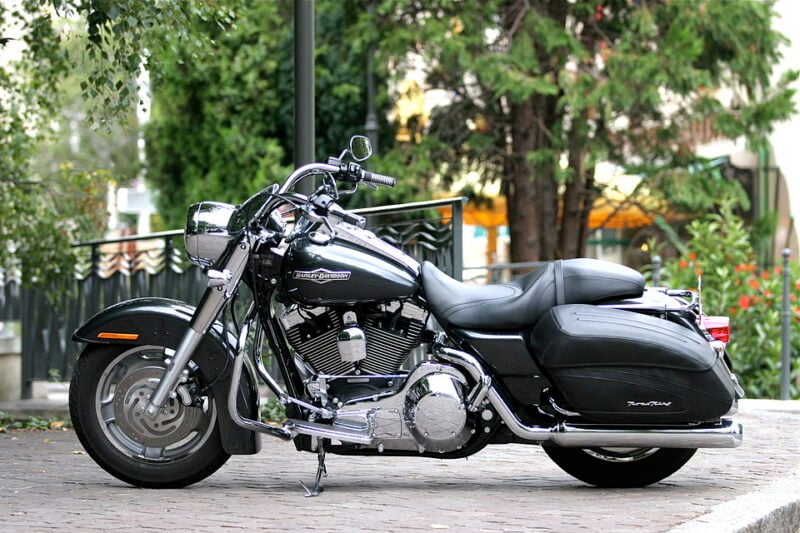
Cruiser motorcycles have evolved significantly for long-distance highway travel, combining classic styling with modern engineering to deliver comfort and capability across hundreds of miles.
The best cruiser motorcycles for long highway rides in 2026 feature powerful engines ranging from 1200cc to 1900cc, advanced rider aids, comfortable ergonomics designed for all-day riding, and integrated touring technology that makes extended journeys more enjoyable.
Models from established manufacturers now incorporate features previously reserved for dedicated touring bikes while maintaining the relaxed riding position and aesthetic appeal that define the cruiser category.
When you’re planning cross-country trips or regular long-distance rides, selecting the right cruiser requires understanding how various factors work together to create a capable highway machine.
Cruiser motorcycles designed for touring prioritize smooth power delivery, wind protection, and rider comfort over extended periods. You’ll find that 2026 models offer improvements in fuel efficiency, electronic rider aids, and connectivity features that weren’t available just a few years ago.
This guide examines the key characteristics that separate exceptional highway cruisers from standard models, covering everything from powertrain options and ergonomic design to storage solutions and the latest safety innovations.
You’ll learn about specific models that excel in long-distance performance, what current owners report about reliability over thousands of miles, and how to match your riding style with the right motorcycle for your highway adventures.
What Defines a Great Cruiser Motorcycle for Long Highway Rides
A cruiser built for sustained highway travel needs an engine that delivers effortless power at speed, seating that supports your body for hours, and bodywork that shields you from wind fatigue.
Engine Performance and Smoothness
Your engine needs to produce strong low-end and mid-range torque for confident highway merging and passing. Most capable highway cruisers feature V-twin engines ranging from 1200cc to 1900cc that generate between 80 and 120 foot-pounds of torque.
The engine’s vibration characteristics matter significantly during multi-hour rides. Excessive vibration causes hand numbness, fatigue, and discomfort. Look for engines with counterbalancers or rubber mounting systems that reduce vibration transmitted to the handlebars and footpegs.
Fuel capacity directly impacts your riding range between stops. Models with 4.5 to 6-gallon tanks and fuel efficiency of 40-50 mpg allow you to cover 180-250 miles between fill-ups. This range keeps you moving on interstates without constant refueling stops.
Six-speed transmissions give you better highway cruising options than five-speed units. The additional gear lets you maintain lower RPMs at 70-80 mph, reducing engine noise and improving fuel economy while decreasing long-term engine wear.
Ergonomics and Rider Comfort
Your seating position determines whether you can ride comfortably for 300+ miles. Cruisers designed for long-distance travel position footpegs in a neutral or slightly forward location that doesn’t strain your knees or hips.
Seat design affects your endurance more than any other comfort factor. You need a seat at least 2.5 inches thick with dual-density foam that supports your sit bones without creating pressure points. Seats measuring 12-14 inches wide provide adequate surface area for weight distribution.
Handlebar placement should let your arms hang naturally with a slight bend at the elbows. Bars positioned too far forward force you to support your upper body weight with your arms, causing shoulder and wrist fatigue within an hour.
Key ergonomic measurements:
- Seat height: 25-28 inches for most riders
- Handlebar reach: 18-22 inches from seat
- Footpeg position: neutral to 6 inches forward
Adjustable components like handlebars, seats, and foot controls let you customize the riding position to match your body dimensions.
Wind Protection and Aerodynamics
Wind blast at highway speeds drains your energy and creates neck strain. A windscreen measuring 16-20 inches tall deflects air over your helmet and shoulders, reducing buffeting and turbulence around your upper body.
The windscreen’s angle matters as much as its height. Screens angled 15-25 degrees from vertical create a smooth air pocket without directing wind directly into your face. Adjustable windscreens let you modify airflow based on your height and riding speed.
Fairings provide superior wind protection compared to standalone windscreens. Full or quarter fairings shield your legs and torso from crosswinds while also housing speakers and storage compartments. Models with integrated fairings maintain better stability in gusty conditions.
Your cruiser’s overall aerodynamic profile affects high-speed stability and fuel economy. Bikes built for touring feature streamlined bodywork that reduces drag and improves handling at speeds above 65 mph.
Top Cruiser Motorcycles for Highway Riding in 2026
Long-distance highway cruising demands motorcycles with substantial engine power, superior wind protection, and comfort features that reduce rider fatigue. These four models represent the best options for riders who prioritize extended highway performance and touring capabilities.
2026 Harley-Davidson Road Glide
The Road Glide features a frame-mounted fairing that provides exceptional wind protection at highway speeds. This design reduces buffeting and allows you to maintain comfort during extended rides.
The Milwaukee-Eight 117 engine delivers 125 horsepower and substantial low-end torque for confident highway passing. You’ll find the power delivery smooth and predictable across the entire rev range.
Key Highway Features:
- Frame-mounted shark-nose fairing
- RDRS cornering-enhanced ABS
- Electronically adjustable rear suspension
- Cruise control with speed-sensitive volume control
The infotainment system includes GPS navigation and smartphone integration through a 6.5-inch touchscreen. Your audio experience remains clear even at highway speeds thanks to wind-compensating speakers.
The top power cruisers of 2026 emphasize aggressive performance alongside traditional styling. You get 6.6 gallons of fuel capacity, providing approximately 220 miles between fill-ups when cruising at highway speeds.
Indian Pursuit Elite
The Pursuit Elite represents Indian’s flagship touring cruiser with a 108-cubic-inch PowerPlus engine producing 122 horsepower. You benefit from Indian’s ProTour geometry, which creates a balanced riding position for all-day comfort.
The fully adjustable fairing and windscreen allow you to customize wind protection based on your height and riding conditions. Electronic controls let you adjust the windscreen while riding.
Comfort and Technology:
- Heated and cooled seats for rider and passenger
- 7-inch Ride Command touchscreen
- Adaptive cruise control
- Electronically adjustable Fox suspension
Storage capacity reaches 37 gallons across saddlebags and the trunk, giving you ample space for extended trips. The bike weighs 916 pounds wet, but low center of gravity makes handling manageable at lower speeds.
Yamaha Star Venture
The Star Venture uses a 1,854cc V-twin engine that produces smooth, consistent power for highway cruising. Yamaha designed this touring cruiser specifically for two-up comfort on long rides.
You get a comprehensive electronics package including adaptive headlights that pivot based on lean angle. The premium audio system delivers 80 watts through four speakers with independent volume controls for rider and passenger.
The adjustable air suspension automatically compensates for load and riding conditions. You can also manually adjust preload through handlebar-mounted controls to fine-tune your ride quality.
Standard Equipment:
- Electrically adjustable windscreen
- Heated grips and seats
- GPS navigation
- 32 gallons of storage
The transcontinental fairing design shields you from wind and weather while maintaining excellent visibility. Your passenger benefits from a dedicated backrest, armrests, and floorboards for maximum comfort.
Honda Gold Wing Tour
The Gold Wing Tour features a 1,833cc horizontally-opposed six-cylinder engine that delivers unmatched smoothness for highway cruising. You experience virtually zero vibration at any speed.
Honda’s dual-clutch transmission option eliminates clutch operation entirely, reducing fatigue on long rides. You can choose between manual mode with paddle shifters or fully automatic operation.
The seven-speed DCT adapts shift points based on riding conditions and throttle input. Your cornering ability benefits from a low center of gravity despite the bike’s 836-pound curb weight.
Advanced Features:
- Apple CarPlay integration
- Airbag system
- Electrically adjustable suspension
- Hill start assist
The most powerful cruiser bikes from popular brands showcase significant horsepower across multiple manufacturers. You get 110 liters of storage space with the Tour model, enough for extended trips without additional luggage.
The infotainment system includes a 7-inch display with navigation, Bluetooth audio streaming, and satellite radio capability. Wind protection from the adjustable fairing rivals full-dress touring motorcycles from any manufacturer.
Performance and Powertrain Options
Cruiser motorcycles for highway riding rely on different engine configurations that affect power delivery, torque characteristics, and overall riding experience. The choice between traditional V-twin layouts, multi-cylinder engines, and emerging electric powertrains depends on your priorities for acceleration, cruising smoothness, and maintenance requirements.
V-Twin Engines
V-twin engines remain the most common powertrain choice for cruiser motorcycles built for comfort and performance. These engines deliver strong low-end torque that makes highway merging and passing effortless without constant gear changes.
Modern V-twins range from 750cc to over 1,800cc in displacement. Larger displacement models produce the massive torque figures that define the cruiser riding experience, with some engines exceeding 120 lb-ft at low RPMs.
Air-cooled V-twins offer simpler maintenance and traditional aesthetics, while liquid-cooled versions run cooler in traffic and provide more consistent performance during extended highway rides. You’ll notice V-twins produce characteristic vibration and exhaust notes that many riders prefer, though this can lead to fatigue on extremely long trips.
Key V-Twin Advantages:
- Immediate throttle response at cruising speeds
- Lower maintenance costs compared to multi-cylinder engines
- Proven reliability for cross-country touring
- Wide aftermarket support for customization
Inline-Six and Boxer Engines
Multi-cylinder engines provide different characteristics than traditional V-twins for long-distance highway travel. Inline-six configurations deliver exceptionally smooth power with minimal vibration, reducing rider fatigue during all-day rides.
Boxer engines, particularly those with 1,802cc displacement, offer a lower center of gravity that improves handling stability at highway speeds. The horizontally-opposed cylinder layout also provides better cooling airflow and distinctive styling.
These engines typically rev higher than V-twins and produce peak power in different RPM ranges. You’ll experience smoother acceleration through the power band and less vibration transmitted through the handlebars and footpegs during sustained highway cruising.
The trade-off includes increased mechanical complexity and higher maintenance costs. Multi-cylinder cruisers also tend to weigh more than comparable V-twin models, though the additional weight often contributes to improved highway stability.
Electric and Hybrid Powertrains
Electric cruiser motorcycles are entering the market with instant torque delivery and silent operation. These bikes eliminate traditional engine maintenance requirements like oil changes and valve adjustments entirely.
Range remains the primary consideration for highway use, with most electric cruisers offering 80-150 miles per charge under mixed riding conditions. Highway speeds drain batteries faster than city riding, so you’ll need to plan charging stops for trips exceeding 100 miles.
Electric motors provide perfectly linear power delivery without gear changes, though some riders miss the engagement of traditional shifting. Charging infrastructure along major highways continues expanding, but coverage remains inconsistent in rural areas.
Electric Cruiser Considerations:
- Zero engine heat during summer riding
- Reduced operating costs per mile
- Higher initial purchase price
- Limited long-distance capability without charging planning
Comfort and Long-Distance Ergonomics
Highway cruising demands motorcycles designed around rider comfort, with seat padding, handlebar positioning, and suspension calibration working together to reduce fatigue over multi-hour rides. The right ergonomic setup transforms a grueling interstate haul into an enjoyable journey.
Seat Design and Adjustability
Your seat determines whether you’ll arrive refreshed or aching after 300 miles of highway riding. Quality cruiser seats feature dense foam layering that supports your sit bones without bottoming out, typically measuring 26-28 inches in height for easy ground reach.
Premium touring cruisers offer adjustable seat positions that move forward or backward by 1-2 inches, accommodating different leg lengths and riding postures. Look for contoured designs with dual-density foam that places firmer support at pressure points while providing softer cushioning elsewhere.
Heated seats add significant value for year-round riders, maintaining comfort when ambient temperatures drop below 60°F. Width matters too—seats spanning 12-14 inches provide better weight distribution than narrow sport-style perches that concentrate pressure in smaller areas.
Handlebar Reach and Controls
Handlebar placement directly affects shoulder tension and arm fatigue on extended highway stretches. Ideal cruiser bars position your hands slightly below shoulder height with elbows bent at 90-120 degrees, eliminating the forward lean that strains your lower back.
Pull-back risers bring controls closer to your torso, reducing the stretch required to grip throttle and clutch. Most comfortable setups place grips 18-22 inches from your chest when seated naturally.
Electronic cruise control becomes essential for rides exceeding 100 miles, letting you rest your throttle hand and maintain consistent speeds. Adjustable levers accommodate different hand sizes, while heated grips combat numbness in cold weather. Your controls should fall naturally under your fingers without requiring wrist rotation or extended reaches that accelerate fatigue.
Suspension Tuning for Highways
Highway-focused suspension must absorb road imperfections while maintaining stability at 70-80 mph speeds. Air-adjustable rear shocks let you compensate for passenger weight and luggage loads, preventing the wallowing that occurs when springs compress too easily.
Front fork travel of 4-5 inches handles expansion joints and pavement irregularities without transmitting harsh impacts to your handlebars. Look for suspension systems offering preload adjustability that lets you fine-tune ride quality based on load conditions.
Longer wheelbases between 63-67 inches smooth out highway bumps better than compact geometries, though they sacrifice some low-speed maneuverability. Progressive-rate springs provide plush small-bump compliance while stiffening under heavier compression to prevent bottoming on larger obstacles.
Technology and Touring Features
Modern cruiser motorcycles integrate sophisticated electronics and connectivity options that enhance safety and convenience during extended highway journeys. These technological advancements transform long-distance riding from a test of endurance into a connected, safer experience.
Advanced Rider Assistance Systems
Today’s touring cruisers prioritize advanced technology features that directly impact your safety on long highway stretches. Adaptive cruise control maintains your set speed while automatically adjusting distance from vehicles ahead, reducing fatigue during multi-hour rides. Traction control systems monitor wheel slip and intervene when conditions deteriorate, giving you confidence in varied weather.
Blind spot monitoring alerts you to vehicles in adjacent lanes through visual or haptic warnings. Cornering ABS adjusts braking pressure based on lean angle, preventing wheel lockup during emergency stops in curves. Some models feature tire pressure monitoring systems that display real-time pressure readings for both wheels on your instrument cluster.
Collision warning systems use radar or cameras to detect potential frontal impacts and alert you before emergency braking becomes necessary. These features work together to reduce rider workload and improve situational awareness during the long hours you spend on interstate highways.
Integrated Infotainment and Connectivity
Premium touring cruisers now include full-color TFT displays that present navigation, music, phone calls, and bike information in customizable layouts. Bluetooth connectivity allows you to pair your smartphone for hands-free calling and audio streaming through integrated speaker systems or your helmet. Many systems support voice commands so you can change songs, answer calls, or adjust navigation without removing your hands from the controls.
GPS navigation with turn-by-turn directions appears directly on your instrument cluster, eliminating the need for handlebar-mounted devices. USB charging ports keep your devices powered throughout your journey. Some manufacturers offer companion smartphone apps that enable ride planning, performance tracking, and vehicle diagnostics from your phone.
Weather updates and traffic alerts feed directly to your display through connected services. These infotainment systems transform your cruiser into a mobile command center that keeps you informed and entertained across thousands of highway miles.
Fuel Efficiency and Range Considerations
Modern cruisers balance performance with practical fuel consumption, with most models achieving between 40-50 MPG on highway runs while offering tank capacities that support 150-250 mile ranges between fill-ups.
Fuel Tank Capacities
Cruiser motorcycles typically feature fuel tanks ranging from 3.5 to 6 gallons, with touring-oriented models offering larger capacities for extended riding. The Harley-Davidson Road Glide carries a 6-gallon tank, while the Indian Chief series typically holds 5.5 gallons. Mid-size cruisers like the Honda Rebel 1100 feature 3.6-gallon tanks, which is adequate for regional rides but requires more frequent stops on cross-country journeys.
Larger fuel tanks directly impact your riding range and trip planning. A 5-gallon tank paired with 45 MPG highway efficiency gives you approximately 225 miles before reserve, allowing you to skip fuel stops in remote areas. When selecting a cruiser for highway travel, you should match tank size to your typical riding distances and the availability of gas stations along your preferred routes.
Highway Mileage Ratings
Fuel-efficient cruisers deliver 45-55 MPG during steady highway riding, though larger displacement engines typically see lower numbers. The Honda Rebel 500 achieves up to 65 MPG, making it exceptional for fuel economy, while heavyweight touring cruisers with 1,800cc+ engines average 38-45 MPG.
Your actual mileage depends on riding speed, wind conditions, cargo weight, and throttle management. Cruisers maintain optimal performance through sustained high-speed operation when properly maintained. Highway speeds of 65-75 mph typically yield better fuel economy than aggressive acceleration or city riding.
Engine displacement and fuel range characteristics require careful evaluation when planning long-distance routes. You should calculate your effective range by multiplying conservative MPG estimates by usable tank capacity, then plan fuel stops with a safety margin of 30-40 miles.
Luggage and Storage Solutions
Cruiser motorcycles typically offer integrated saddlebag mounts and ample frame space for cargo, with modern models providing 20-40 liters of standard capacity per side. Aftermarket systems expand this significantly through mounting racks, quick-release mechanisms, and modular accessories.
Standard Saddlebags
Most 2026 cruisers come equipped with hard or leather saddlebags that mount directly to the bike’s frame. Hard saddlebags offer 25-35 liters per side and provide superior weather protection with lockable lids, making them ideal for securing valuables during fuel stops. Leather saddlebags deliver classic aesthetics but require regular maintenance and often need rain covers.
Factory-installed bags integrate seamlessly with your bike’s turn signals and exhaust positioning. Many manufacturers now include quick-release systems that let you remove bags in under 30 seconds without tools. Look for models with internal organizational pockets and reinforced mounting brackets that prevent sagging on rough highway surfaces.
Key features to verify:
- Lockable latches or zippers
- Heat shields between bag and exhaust
- Reflective trim for night visibility
- Waterproof construction or included rain covers
Customizable Storage Add-Ons
Beyond standard saddlebags, you can add 30-60 liters of additional motorcycle luggage capacity through sissy bar bags, tank bags, and tail packs. Tank bags with magnetic or strap mounts provide 8-15 liters of space for items you need quick access to during rides.
Luggage racks bolt to most cruiser frames and accept soft or hard top cases ranging from 25-45 liters. These waterproof storage options sit higher than saddlebags, improving weight distribution for highway stability. Roll-top bags compress when partially full, preventing cargo shift at speeds above 70 mph.
Mounting systems vary by manufacturer, so verify compatibility with your specific model year before purchasing. Universal racks require custom fitting, while bike-specific mounts install in 15-20 minutes using existing bolt points.
Safety Innovations for 2026
Modern cruiser motorcycles now integrate advanced braking and stability technologies that significantly reduce accident risks during extended highway travel. These systems work together to provide better control in emergency situations and challenging road conditions.
Braking Systems and ABS
Anti-lock braking systems have become standard equipment on most 2026 cruiser motorcycles, preventing wheel lockup during hard stops on highways. The latest ABS units feature cornering capabilities that adjust braking force based on your lean angle, allowing you to brake safely while navigating curves at speed.
Many manufacturers now include linked braking systems that distribute braking force between front and rear wheels automatically. This technology proves particularly valuable on heavy cruisers where improper brake balance can cause instability. You’ll find that newer systems respond faster and modulate pressure more smoothly than previous generations.
Premium cruiser models offer adjustable ABS modes that let you customize intervention levels for different riding conditions. Rain mode provides earlier intervention, while sport mode allows more rider control before the system activates.
Traction and Stability Control
Traction control systems monitor wheel slip and reduce power delivery when your rear tire loses grip on wet or uneven pavement. These systems use sensors that detect rotation differences between wheels dozens of times per second, making corrections before you notice any loss of traction.
Stability control builds on traction management by monitoring additional factors like throttle position, gear selection, and bike angle. The system can prevent rear wheel spin during acceleration and reduce power if it detects instability during cornering.
You can typically disable or adjust these systems through handlebar controls or digital displays. Most riders keep traction control active during highway cruising, especially when weather conditions deteriorate or road surfaces become unpredictable.
Customization and Personalization Trends
Cruiser motorcycles have always been prime candidates for customization, and 2026 continues this tradition with fresh approaches to personalization. You’ll find that modern riders are blending classic aesthetics with contemporary performance upgrades.
Popular Customization Categories:
- Performance exhaust systems for enhanced sound and power delivery
- Suspension upgrades for improved highway comfort on extended rides
- Ergonomic modifications including custom seats and handlebar adjustments
- Lighting enhancements with LED accent and safety lighting
- Windshield and fairing additions for better wind protection
The bobber style has gained significant momentum as riders strip down their cruisers to create minimalist, heritage-inspired machines. You can achieve this look through seat modifications, fender removals, and chopped-down components.
Technology integration represents another major trend. You’ll see riders adding smartphone mounts, GPS systems, and USB charging ports to maintain connectivity during long highway journeys. These additions complement rather than compromise the classic cruiser aesthetic.
Custom paint schemes and wrap designs allow you to express individual style while protecting your motorcycle’s finish. Bold graphics, matte finishes, and vintage color schemes remain particularly popular choices.
Comfort-focused customization matters most for highway riders. You should consider upgraded footpegs, backrests for passengers, and saddlebag systems that don’t interfere with your bike’s lines. These practical modifications enhance your long-distance riding experience without sacrificing the cruiser’s distinctive appearance.
Aftermarket support for cruiser customization remains robust across major manufacturers, giving you extensive options regardless of which model you choose.
Owner Experiences and Long-Term Reliability
When you’re investing in a cruiser for highway touring, real-world reliability matters more than manufacturer claims. Long-distance riders consistently report that certain models maintain performance through thousands of miles while others develop issues early.
Key Reliability Factors to Consider:
- Engine durability during sustained highway speeds
- Cooling system performance on extended trips
- Electrical system stability for accessories and navigation
- Transmission longevity under varying load conditions
You’ll find that cruisers balancing comfort and performance typically require robust engineering in critical components. The best performers feature precision-manufactured cooling systems that prevent overheating during long hauls.
Owner feedback reveals that certain long-distance cruisers demonstrate exceptional dependability through extended travel periods. These bikes maintain optimal performance without unexpected breakdowns or costly repairs.
Your maintenance schedule becomes crucial for longevity. Regular oil changes, valve adjustments, and brake inspections prevent minor issues from becoming major failures. Many experienced riders report that consistent upkeep extends their cruiser’s lifespan beyond 100,000 miles.
Determining which cruiser will carry you over the long term requires research into common failure points and warranty coverage. You should examine owner forums and maintenance records to identify patterns in component wear and replacement costs. The most reliable models show minimal unexpected repairs and retain their value better than alternatives.
Choosing the Best Cruiser Motorcycle for Your Highway Adventure
Your ideal highway cruiser depends on how you plan to ride and what you can realistically afford to own and maintain over time.
Matching Riding Style and Needs
Your riding habits should dictate which cruiser features matter most. If you primarily take weekend trips of 200-300 miles, you need a comfortable seat and wind protection but can sacrifice some storage capacity. Daily commuters benefit from lighter bikes with better fuel economy and easier maneuverability in traffic.
Consider your physical dimensions when selecting a bike. Seat height ranges from 25 to 30 inches on most cruisers, and your ability to flat-foot the bike at stops affects confidence and safety. Handlebar reach and footpeg position determine whether you’ll experience back pain or numbness on long rides.
Engine size impacts your highway experience significantly. Bikes with 750cc to 1000cc engines provide adequate power for sustained 70-75 mph cruising. Larger 1200cc to 1900cc engines offer effortless passing power and better performance when carrying a passenger or luggage, though they typically consume more fuel.
Budget and Total Cost of Ownership
Purchase price represents only the starting point of your financial commitment. Entry-level cruisers start around $7,000 to $10,000, while premium touring cruisers reach $20,000 to $35,000. Factor in insurance costs, which vary based on engine size, your age, and riding experience.
Maintenance schedules differ significantly between manufacturers. Some bikes require valve adjustments every 6,000 miles at $300-500 per service, while others go 12,000 miles or more. Tire replacement costs $400-600 per set, and cruiser tires typically last 8,000 to 12,000 miles depending on riding style.
Fuel consumption affects your ongoing expenses, especially for highway use. Smaller cruisers achieve 45-55 mpg, while heavyweight models average 35-42 mpg. Calculate your expected annual mileage to determine real-world fuel costs. Depreciation also matters if you plan to upgrade within a few years, as some brands retain value better than others.
Conclusion
Selecting the right cruiser motorcycle for long highway rides depends on your specific needs and preferences. You should prioritize features like adjustable suspension, comfortable seating, and adequate wind protection when making your decision.
The models covered in this guide represent cruisers that balance comfort and performance effectively for extended travel. Each motorcycle offers distinct advantages, from robust powertrains to ergonomic riding positions.
Before purchasing, consider these key factors:
- Seat comfort for multi-hour rides
- Engine torque for effortless highway cruising
- Windscreen effectiveness to reduce fatigue
- Fuel tank capacity for longer range between stops
- Luggage options for your gear
You’ll benefit from visiting local dealerships to test ride different models. A bike that feels comfortable in the showroom may perform differently after several hours on the interstate. Pay attention to how the handlebars, footpegs, and seat work together for your body type.
Your budget matters, but don’t compromise on essential comfort features if you plan frequent long-distance travel. Features like floorboards and well-padded seats significantly impact your riding experience over hundreds of miles.
The right cruiser transforms highway travel from exhausting to enjoyable. You deserve a motorcycle that lets you arrive refreshed and ready to ride again tomorrow.


