The Most Reliable Used Luxury Cars Under $35,000: Expert-Tested Models That Won’t Break the Bank
Luxury cars are known for steep depreciation, which creates opportunities for budget-conscious buyers to own premium vehicles at accessible prices.
The most reliable used luxury car under $35,000 is the 2020 Lexus IS 350, which earns an 8.7 reliability rating, while the 2020 Mercedes-Benz E-Class coupe leads among midsize options with a 7.8 rating.
These vehicles offer the refinement and features you’d expect from luxury brands without the new-car price tag. Finding a dependable used luxury car requires more than just setting a budget.
You need to understand what makes certain models hold up better over time, which brands offer the best combination of reliability and prestige, and how to evaluate potential purchases before committing. The right choice depends on whether you prioritize sedan comfort or SUV versatility.
This guide walks you through the most reliable options in both categories, explains what to look for during inspections, and shows you how to minimize long-term ownership costs.
You’ll learn practical strategies for getting the best value while avoiding common pitfalls that turn luxury bargains into expensive mistakes.
Defining Reliability For Used Luxury Cars
Reliability in the luxury car market centers on consistent performance, reasonable maintenance costs, and longevity beyond 100,000 miles. Understanding what makes a luxury vehicle dependable requires looking beyond brand prestige to examine repair frequencies, parts availability, and real-world ownership experiences.
What Reliability Means In The Luxury Segment
Reliability for luxury cars differs from mainstream vehicles because you’re evaluating premium components and complex technology systems. A reliable luxury car maintains its advanced features—adaptive suspension, high-end infotainment, and performance systems—without constant repairs.
You should expect your luxury vehicle to perform consistently while managing higher parts costs compared to non-luxury brands. The 2020 Lexus IS 350 achieves an 8.7 reliability rating, demonstrating that some luxury models match or exceed mainstream reliability standards.
Reliability scores typically combine predicted mechanical issues, owner satisfaction surveys, and repair frequency data. For used luxury cars, this means fewer unexpected breakdowns and lower annual repair costs relative to the vehicle’s value.
Factors That Influence Reliability
Maintenance history stands as the most critical factor affecting used luxury car reliability. You need complete service records showing regular oil changes, transmission services, and manufacturer-recommended maintenance intervals.
Model-specific engineering plays a major role in long-term dependability. Some luxury brands design simpler, proven drivetrains while others incorporate experimental technology that creates reliability issues.
Previous ownership patterns matter significantly. A single-owner vehicle driven primarily on highways typically outlasts a multi-owner car used for short city trips. Annual mileage between 10,000-15,000 miles indicates normal use without excessive wear.
Parts availability and repair costs directly impact your ownership experience. European luxury brands often require specialized tools and expensive proprietary parts, while Japanese luxury manufacturers typically offer better parts accessibility.
Common Misconceptions About Used Luxury Cars
Many buyers assume all luxury cars become unreliable after their warranty expires, but certain used luxury models combine comfort with dependable performance. Brand reputation doesn’t always predict individual model reliability, some Mercedes-Benz models prove highly dependable while others require frequent repairs.
You shouldn’t equate high repair costs with poor reliability. A luxury car might need infrequent repairs but use expensive parts, creating different ownership economics than unreliable vehicles requiring constant fixes.
The myth that all luxury cars need dealer-only service inflates perceived costs. Many independent specialists handle routine maintenance and repairs at lower rates while maintaining quality standards. Age alone doesn’t determine reliability, a well-maintained 7-year-old luxury car often outperforms a neglected 3-year-old model.
Top-Rated Used Luxury Sedans Under $35,000
The 2020 Lexus IS 350 leads the luxury sedan segment with an 8.4 quality rating and a price around $31,062, while the 2021 Lexus ES 350 ranks as the top midsize option with a 7.9 quality rating. These sedans offer proven reliability alongside premium features at accessible price points.
Consistently Reliable Models
The 2020 Lexus IS 350 stands out as the most reliable used luxury small and compact car under $35,000 with an 8.7 reliability rating. This sport sedan combines responsive handling with Lexus’s reputation for long-term durability.
The 2021 Lexus ES 350 provides a more spacious alternative in the midsize category. It delivers a quieter cabin and smoother ride compared to the sportier IS model. Both vehicles feature naturally aspirated V6 engines that avoid the complexity of turbocharged systems.
The 2020 Mercedes-Benz E-Class coupe earns a 7.8 reliability rating in the midsize luxury segment. While slightly less reliable than Lexus models, it offers advanced technology and a more engaging driving experience. You’ll find strong build quality and comprehensive safety features across these top-rated options.
Model Years To Target
Optimal Purchase Windows:
- 2020-2021 Lexus models: Peak value with modern features and remaining warranty coverage
- 2019-2020 Mercedes-Benz E-Class: Mature platform with resolved early production issues
- 2020-2022 Acura sedans: Updated infotainment systems and competitive pricing
You should focus on vehicles from the 2020 model year for the best balance of depreciation and reliability. These cars have completed their steepest value drops while retaining current safety technology and connectivity features. The 2021 model year adds incremental updates without significant price premiums.
Avoid first-year releases of redesigned platforms. Wait until the second or third production year when manufacturers have addressed initial quality concerns. Late-generation models also provide excellent value as they incorporate refinements from years of production feedback.
Sedan Features That Stand The Test Of Time
Premium leather upholstery maintains its appearance better than cloth alternatives when properly maintained. Heated and ventilated front seats add comfort across all seasons without complex mechanical systems prone to failure.
Durable Technology Features:
- Adaptive cruise control with collision mitigation
- LED headlights with auto high-beam
- Blind spot monitoring systems
- Keyless entry and push-button start
- Dual-zone automatic climate control
Navigation systems in 2020-2021 models support smartphone integration through Apple CarPlay and Android Auto. This connectivity extends the useful life of factory infotainment systems. You’ll appreciate parking sensors and backup cameras that simplify maneuvering in tight spaces.
Premium audio systems from manufacturers like Mark Levinson and Burmester deliver superior sound quality. These systems use higher-quality components that outlast standard equipment. Adjustable suspension settings allow you to prioritize comfort or sportiness based on driving conditions.
Manufacturer Reputation Summaries
Lexus maintains the strongest reputation for reliability among luxury brands. You can expect lower maintenance costs and fewer unscheduled repairs compared to European competitors. The brand’s conservative engineering approach prioritizes durability over cutting-edge innovation.
Mercedes-Benz offers sophisticated engineering and advanced technology features. Repair costs run higher than Japanese luxury brands, but build quality remains excellent. You should budget for premium parts and specialized service requirements.
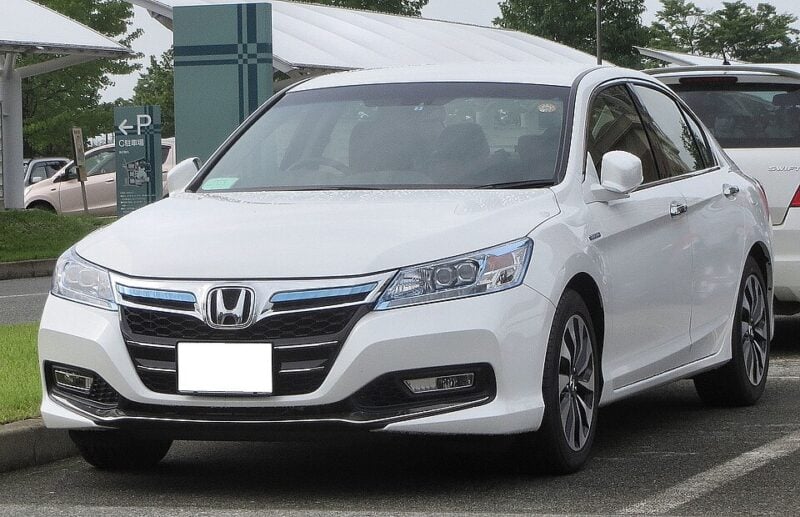
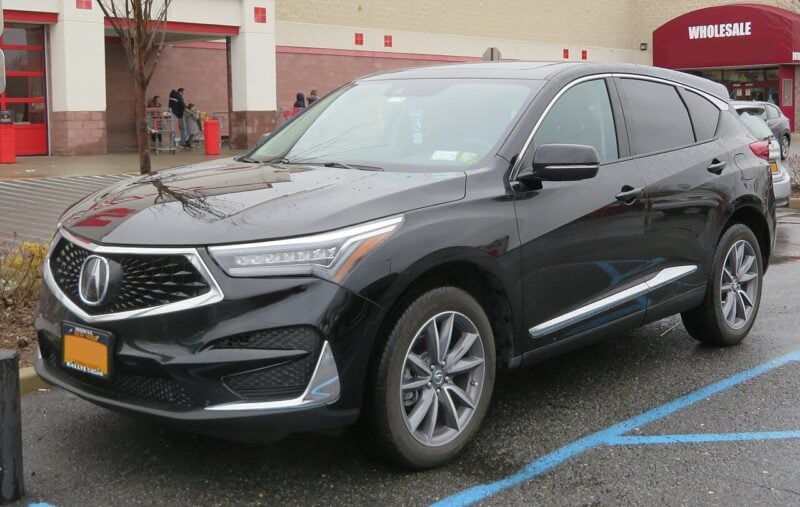
Acura provides reliable performance with less prestige than German brands. Honda’s luxury division shares components with mainstream models, reducing parts costs. The 2022 Acura RDX ranks highly in the SUV segment with an 8.2 rating, demonstrating the brand’s commitment to quality across its lineup.
BMW delivers engaging driving dynamics with higher ownership costs. You’ll find more aggressive depreciation works in your favor as a used buyer. Maintenance intervals require strict adherence to preserve reliability.
Dependable Used Luxury SUVs And Crossovers
Luxury SUVs in the used market combine premium features with practical versatility, and several models stand out for their proven reliability records and strong value retention under $35,000.
Best-Rated Luxury SUV Options
The 2020 Lexus RX 350 leads the reliability rankings with an 8 out of 10 reliability score and an average used price of $34,032. Its three-row counterpart, the RX 350L, offers similar dependability at $33,830.
You’ll find the Acura MDX delivers exceptional reliability in the three-row segment. This SUV features a proven V6 engine and a reputation for minimal mechanical issues over high-mileage ownership.
The Audi Q5 represents German engineering at its most reliable, particularly models from 2017-2019. These years avoided earlier problematic transmissions while maintaining sophisticated all-wheel-drive systems.
Top Picks by Category:
- Best Overall: Lexus RX 350
- Best Three-Row: Acura MDX
- Best German Option: Audi Q5
- Best Value: Infiniti QX60
The Mercedes-Benz GLE-Class from 2016-2018 provides a sophisticated styling approach with better-than-average reliability for the brand. You can expect solid build quality and robust powertrains in these model years.
Key Features That Enhance Longevity
Quality powertrains form the foundation of reliable luxury SUVs. The Lexus RX uses a naturally aspirated 3.5L V6 that avoids turbocharger complexity and delivers proven durability beyond 200,000 miles.
Simple transmission designs contribute significantly to long-term dependability. Conventional automatic transmissions in models like the Acura MDX require less frequent maintenance than dual-clutch or continuously variable designs.
Reliability-Enhancing Components:

Premium materials in cabin construction resist wear better than economy-grade components. Leather seats in luxury SUVs maintain their appearance longer, and higher-quality plastics don’t crack or fade as quickly.
Advanced safety systems add value without compromising reliability when you choose models from 2018 onward. Blind-spot monitoring, adaptive cruise control, and automatic emergency braking function reliably in well-engineered luxury SUVs.
Noteworthy Performance And Comfort Attributes
You’ll experience refined ride quality in the Lexus RX 350 through its well-tuned suspension that balances comfort with controlled handling. The cabin remains exceptionally quiet even at highway speeds, reducing driver fatigue on long trips.
Power delivery in the Acura MDX feels responsive without sacrificing fuel efficiency. The 3.5L V6 produces 290 horsepower while achieving up to 27 mpg highway, offering genuine performance alongside practicality.
Interior space varies significantly among midsize luxury SUVs. The Infiniti QX60 maximizes third-row usability with genuine adult-sized seating, while the Audi Q5 prioritizes cargo flexibility over passenger count.
Cargo capacity reaches 68 cubic feet in the Lexus RX when rear seats fold flat. The Mercedes GLE provides configurable storage solutions with underfloor compartments and adjustable cargo rails.
Technology integration in 2018+ models includes Apple CarPlay and Android Auto compatibility. You’ll find intuitive infotainment systems in the Acura MDX and Lexus RX that don’t require constant software updates.
All-wheel-drive systems deliver confident traction in various conditions. The Audi Quattro system stands out for its performance-oriented torque distribution, while Lexus opts for a more conservative approach favoring reliability over sporty dynamics.
Factors Affecting the Long-Term Value Of Luxury Vehicles
Understanding value retention requires examining depreciation patterns, ongoing maintenance expenses, and documentation quality. These elements directly impact what you’ll pay upfront and how much your vehicle will be worth years later.
Depreciation Trends In The Luxury Segment
Luxury vehicles typically lose 50-60% of their original value within the first five years of ownership. However, certain luxury models retain value surprisingly well compared to others in their class.
Key depreciation factors include:
- Brand reputation – Lexus and Porsche consistently show slower depreciation rates than competitors
- Initial pricing – Cars with higher MSRPs experience steeper dollar-amount drops
- Market demand – Popular body styles like SUVs hold value better than sedans
- Model year updates – Vehicles lose more value when redesigned versions launch
Mileage plays a critical role in determining resale value. Luxury cars with under 50,000 miles maintain stronger pricing than high-mileage equivalents. Limited production models and special editions often buck typical depreciation trends due to their rarity.
Maintenance And Repair Costs
Premium vehicles require specialized parts and trained technicians, making routine service more expensive than mainstream brands. You should budget $1,200-$2,500 annually for maintenance on most luxury cars.
German brands like BMW, Mercedes-Benz, and Audi typically carry higher repair costs than Japanese luxury manufacturers. Lexus vehicles offer near-luxury reliability with lower service expenses. Extended warranties become valuable assets when purchasing used luxury cars, particularly for models outside their original coverage period.
Common high-cost repairs include air suspension systems ($1,500-$3,000), adaptive cruise radar sensors ($800-$2,000), and specialized brake systems ($600-$1,200 per axle). European vehicles often require dealer-specific diagnostic equipment, limiting your independent mechanic options.
Importance Of Service History
Complete maintenance records directly correlate with higher resale values and lower ownership risks. You should verify all scheduled services were completed at manufacturer-recommended intervals.
Documentation should include oil changes, brake services, transmission fluid exchanges, and any warranty repairs. Gaps in service history raise red flags about deferred maintenance or potential hidden issues. Vehicles serviced at authorized dealerships typically command premium pricing over those with independent shop records.
Digital service histories through manufacturer apps provide verifiable proof of maintenance completion. Missing documentation on cars under $35,000 can indicate previous neglect, potentially leading to expensive repairs shortly after purchase.
What To Inspect Before Buying
A thorough inspection of mechanical systems, electronic features, and accident history protects your investment and reveals potential repair costs before purchase. Professional pre-purchase inspections identify issues that may not appear during a basic test drive.
Must-Check Mechanical Components
Start with the engine compartment by checking for fluid leaks, worn belts, and corroded battery terminals. Look under the vehicle for oil spots or transmission fluid puddles that indicate seal failures.
Examine the suspension by pushing down on each corner of the car. The vehicle should bounce once and settle without continued movement. Listen for clunking sounds when driving over bumps, which suggest worn bushings or struts.
Test the brakes thoroughly during your drive. They should feel firm and responsive without pulsing or pulling to one side. Check brake pad thickness through the wheel spokes if visible, and inspect rotors for deep grooves or warping.
Key fluid checks include:
- Engine oil color and level
- Transmission fluid condition
- Coolant clarity and fill level
- Power steering fluid
- Brake fluid reservoir
The timing belt or chain represents a major expense on luxury vehicles. Verify replacement records or budget for this service if the vehicle approaches its recommended interval, typically between 60,000 and 100,000 miles.
Technology And Infotainment Durability
Luxury cars rely heavily on complex electronics that can fail expensively. Test every button, switch, and screen function during your inspection.
Verify the navigation system updates properly and displays accurate maps. Check that the backup camera provides a clear image without distortion or dead pixels. Test parking sensors by approaching objects slowly to confirm they alert at appropriate distances.
Climate control systems in luxury vehicles often use multiple zones and automatic adjustments. Set each zone to different temperatures and verify the system responds correctly. Listen for unusual noises from the blower motor or air distribution doors.
Inspect the infotainment screen for responsiveness to touch inputs and check that Bluetooth pairing works with your phone. Premium audio systems should produce clear sound without crackling or dead speakers.
Electronic systems to verify:
- Adaptive cruise control activation
- Lane departure warnings
- Heated and ventilated seat functions
- Power window and sunroof operation
- Keyless entry and push-button start
Luxury vehicle electronics become outdated quickly, so ensure software updates are available for your model year.
Signs Of Previous Accidents Or Repairs
Paint inconsistencies reveal previous bodywork even on detailed luxury cars. Look for color variations between panels in direct sunlight and check for overspray on rubber seals or plastic trim.
Run your finger along body panel gaps around doors, fenders, and the hood. Uneven spacing or misaligned panels indicate replacement after an accident. Original factory gaps remain consistent across the entire vehicle.
Check for wrinkled metal or fresh welds in the engine bay and trunk, particularly around the frame rails and shock towers. These areas show structural damage that affects safety and resale value.
A vehicle history report shows reported accidents, but not all damage gets documented. Physical inspection remains essential for spotting problems that reports miss.
Examine all airbag covers for proper fit and manufacturer markings. Replaced airbags sometimes use aftermarket covers that don’t match original quality. Look under seats and in door panels for deployment sensors that appear disturbed or recently reconnected.
Ownership Costs And Extended Warranty Considerations
Luxury vehicles typically demand higher insurance premiums than standard cars, and extended warranty protection becomes increasingly valuable as these sophisticated vehicles age beyond their factory coverage periods.
Insurance Insights For Luxury Cars
You’ll pay substantially more to insure a luxury vehicle compared to mainstream models. Premium sedans and SUVs often cost 20-40% more annually due to expensive replacement parts, advanced safety systems, and higher repair labor rates.
Your insurance costs will vary based on the specific model’s safety ratings and theft statistics. Sports-oriented luxury cars like the BMW M-series typically command the highest premiums, while luxury SUVs from Lexus or Acura generally fall into more moderate insurance brackets.
Consider bundling your auto insurance with other policies to reduce costs. You should also shop quotes from multiple carriers, as rates for the same luxury vehicle can vary significantly between insurers.
Availability And Value Of Extended Warranties
Luxury car maintenance costs run higher than standard vehicles, making warranty coverage particularly important for used models. Most factory warranties expire after three years or 36,000 miles, leaving older luxury cars vulnerable to expensive repairs.
You can purchase extended warranties from manufacturers, dealerships, or third-party providers. Manufacturer-backed coverage typically offers the most comprehensive protection but costs more upfront. Third-party warranties provide more flexibility in pricing and coverage levels.
Key warranty considerations:
- Coverage scope – Powertrain-only vs. comprehensive bumper-to-bumper
- Deductible amounts – Higher deductibles lower monthly costs
- Repair facility restrictions – Some plans require authorized dealerships
- Transferability – Added value if you sell the vehicle
Research extended warranty companies for used cars before purchasing to compare coverage terms and customer satisfaction ratings.
Smart Buying Strategies For Luxury Cars Under $35,000
Purchasing a used luxury vehicle requires different tactics than buying a standard car, from understanding certification programs to knowing where dealers have negotiation flexibility. The right approach can save you thousands while ensuring you get a well-maintained vehicle.
Certified Pre-Owned Versus Private Sale
CPO programs from luxury manufacturers offer warranties that typically extend up to six years or 100,000 miles total. These programs include multi-point inspections ranging from 150 to 300 checkpoints depending on the brand. You’ll pay 10-15% more than private party prices, but you get roadside assistance and loaner vehicles during repairs.
Private sales eliminate dealer markups but require more due diligence on your part. You need to obtain a pre-purchase inspection from an independent mechanic familiar with the specific luxury brand. Request complete service records and run a vehicle history report through Carfax or AutoCheck.
Key differences:
- CPO: Higher price, manufacturer warranty, inspected, financing available
- Private: Lower price, sold as-is, requires independent inspection, cash or personal financing needed
The CPO route makes sense for vehicles with complex systems like turbocharged engines or air suspension that cost thousands to repair.
Negotiation Tips Specific To Luxury Vehicles
Luxury dealerships often have higher profit margins built into their used inventory than volume brands. You can typically negotiate 8-12% off the asking price on non-CPO vehicles. Research the vehicle’s wholesale value using trade-in guides to understand the dealer’s actual cost basis.
Point out specific maintenance items that will need attention soon. Luxury cars often need brake rotors at 30,000 miles costing $800-1,200, or transmission services at 40,000 miles running $400-600. Use these upcoming costs as leverage.
Avoid negotiating monthly payments. Focus on the total out-the-door price including all fees. Dealers can manipulate payment figures by extending loan terms while keeping the overall price high.
Sources For Trustworthy Listings
Consumer Reports identifies reliable used vehicles based on testing and owner surveys. Manufacturer CPO websites let you search certified inventory directly from franchise dealers. CarGurus and Autotrader provide price analysis showing whether listings are above or below market value.
Avoid auction sites unless you’re experienced with inspecting vehicles remotely. Stick to dealers with strong online reviews specifically mentioning their used luxury inventory. Check Google reviews and filter for recent feedback within the past six months.
Look for luxury SUVs from reputable sources that specialize in premium brands. Single-brand specialists often have better service records and knowledge than general used car lots.
Conclusion
Finding a reliable luxury vehicle within your budget doesn’t require compromising on quality or performance. The 2020 Lexus IS 350 stands out with an 8.7 reliability rating, making it the top choice for small and compact luxury cars under $35,000.
You can access premium features and advanced technology at prices that fit your financial goals. Luxury cars under $35,000 are becoming increasingly popular among buyers who want high-end vehicles without excessive spending.
Your options extend beyond sedans to include luxury SUVs that offer additional space and versatility. Models like the Toyota Highlander and Acura MDX provide premium features at budget-friendly prices.
When you shop for a used luxury vehicle, prioritize these factors:
- Reliability ratings from trusted sources
- Maintenance history and service records
- Mileage under 60,000 for best value
- Certified pre-owned programs when available
Luxury vehicles depreciate faster than standard cars, which works in your favor as a used car buyer. You gain access to features like leather interiors, advanced safety systems, and powerful engines at significantly reduced prices.
Your research should include test drives and professional inspections before finalizing any purchase. This approach ensures you select a vehicle that meets your needs while staying within your $35,000 budget.