
The Best Luxury SUVs That Hold Their Value Over Time: Top Models for Smart Investment
Luxury SUVs represent significant investments, and understanding which models retain their value can save you tens of thousands of dollars over the life of your vehicle.
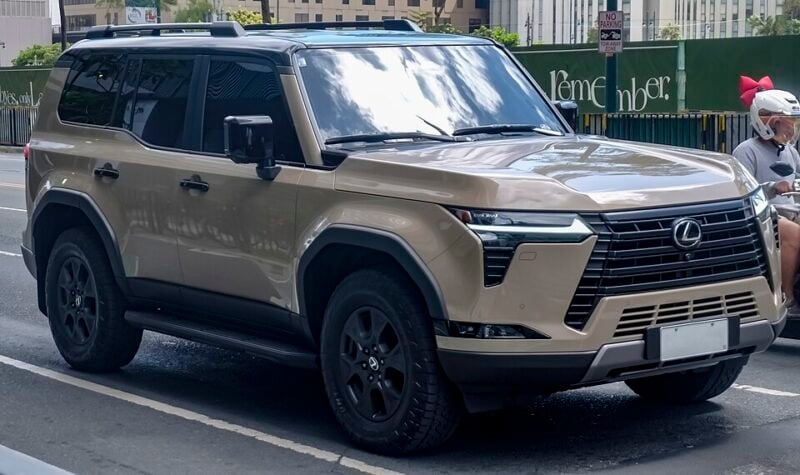
The top luxury SUVs that hold their value best include the Mercedes-Benz G-Class, Toyota Land Cruiser, and Lexus GX, with these models retaining approximately 60-70% of their original value after five years compared to the industry average of 40-50%.
Most new cars lose 10-15% of their value immediately after purchase, but the depreciation rates among luxury SUVs vary widely, with some losing over half their value in five years while others maintain much stronger resale prices.
Your choice of brand, model, and features directly impacts how much money you’ll recoup when it’s time to sell or trade in. This guide examines the specific factors that influence value retention, identifies the brands and models with the strongest resale performance, and provides actionable strategies to maximize your luxury SUV’s worth over time.
You’ll discover current market trends shaping 2026 values and learn how to make informed decisions that protect your investment.
Which cars made the cut? Let’s find out!
What Makes a Luxury SUV Hold Its Value
Luxury SUVs depreciate at different rates based on several measurable factors, with brand reputation and manufacturing quality playing decisive roles in long-term value retention. Understanding these elements helps you make informed purchasing decisions that protect your investment.
Depreciation Rates Explained
Most luxury SUVs lose 40-50% of their original value within the first five years of ownership. However, certain models buck this trend significantly.
The top luxury SUVs for resale value retain 60-70% of their worth after five years. The Mercedes-Benz G-Class, for example, maintains exceptional value due to limited production and high demand. Toyota’s luxury division vehicles also perform well, with models retaining approximately 55-65% of their purchase price.
The steepest depreciation occurs in year one, when luxury SUVs typically lose 20-25% of their value. Years two through five see more gradual declines of 8-12% annually.
Your depreciation exposure depends heavily on the specific model you choose, as some brands have built reputations for holding value while others drop precipitously.
Influential Factors in Value Retention
Several concrete factors determine how well your luxury SUV maintains its worth over time:
- Reliability ratings from Consumer Reports and J.D. Power
- Maintenance costs averaging between $800-$1,200 annually
- Fuel efficiency, especially hybrid powertrains
- Technology features that remain current
- Safety ratings and advanced driver assistance systems
The Toyota Land Cruiser’s average yearly maintenance cost of approximately $843 contributes to its strong resale position. Lower ongoing expenses make used models more attractive to buyers, which supports higher resale prices.
Supply and demand dynamics also matter. Limited production runs create scarcity that preserves value. The Ford Bronco demonstrates this principle, as production constraints have kept used prices elevated since its reintroduction.
Brand Reputation and Reliability
Your luxury SUV’s brand directly impacts its resale value through established reliability records and buyer perception.
Lexus consistently ranks at the top for dependability, which translates to strong resale performance. The 2025 Lexus RX ranks among the best premium SUVs for resale value due to its upscale comfort and exceptional build quality. Toyota and its luxury division have cultivated decades of trust through low failure rates and longevity.
Mercedes-Benz maintains value in specific segments, particularly with the G-Class, where brand prestige offsets typical luxury depreciation. However, many European luxury brands face steeper depreciation due to higher repair costs and complex technology that becomes outdated or expensive to maintain.
Recall history significantly affects perception. Vehicles with zero or minimal recalls command premium resale prices because buyers view them as less risky investments.
Criteria for Evaluating Value Retention
Luxury SUVs maintain their worth through specific measurable factors that directly impact what you’ll receive when selling or trading in your vehicle. Brand reputation, reliability ratings, and market positioning determine how these premium vehicles perform in the resale market.
Market Demand and Resale Value
The relationship between market demand and resale value determines how much your luxury SUV will be worth years after purchase. Vehicles from brands with strong reputations for quality and performance typically command higher prices in the used market.
Geographic location affects demand significantly. Luxury SUVs with all-wheel drive systems retain value better in regions with harsh winters, while convertible or performance-oriented models may depreciate faster in those same areas.
Limited production runs and special editions often maintain higher resale values due to scarcity. SUVs that hold their value well typically offer a compelling mix of reliability, quality, and desirability that keeps buyers interested years after initial release.
Consumer preferences shift over time, affecting which features command premium prices. Currently, hybrid and electric powertrains, advanced safety systems, and updated infotainment technology significantly influence resale values.
Ownership Costs and Maintenance
Your total cost of ownership extends beyond the purchase price and directly affects net value retention. Insurance premiums for luxury SUVs vary widely based on repair costs, theft rates, and safety ratings.
Fuel efficiency impacts long-term value, especially as gas prices fluctuate. Luxury SUVs with efficient powertrains or hybrid systems typically maintain stronger resale values because they promise lower operating costs for future owners.
Repair and maintenance expenses differ dramatically between brands. Some luxury manufacturers require specialized service centers with premium parts pricing, while others use more widely available components.
Key ownership cost factors:
- Annual maintenance schedules and associated costs
- Parts availability and pricing
- Insurance premium ranges
- Fuel economy ratings
Warranty and Service Programs
Factory warranty coverage protects your investment and transfers value to subsequent owners. Comprehensive warranties that extend beyond the typical three-year period make vehicles more attractive in the used market.
Certified pre-owned programs from manufacturers provide additional warranties and quality assurances that boost resale values. These programs often include extended powertrain coverage, roadside assistance, and vehicle history verification.
Complimentary maintenance programs reduce ownership costs during the initial years and demonstrate manufacturer confidence in vehicle reliability. Some luxury brands offer free scheduled maintenance for the first several years, which enhances perceived value.
Transferable warranties add measurable value when you sell your luxury SUV. Buyers pay premiums for vehicles with remaining factory coverage or the option to purchase extended warranties at reasonable rates.
Top Luxury SUV Brands Known for Holding Value
Certain luxury brands have built reputations for producing SUVs that resist depreciation better than their competitors. Lexus, Land Rover, and Porsche consistently lead the market in value retention through a combination of reliability, brand prestige, and sustained consumer demand.
Lexus
Lexus SUVs maintain their value exceptionally well due to Toyota’s reputation for reliability and lower maintenance costs compared to European luxury brands. The brand’s full-size and mid-size SUV models typically retain 60% or more of their original value after five years.
You’ll find that Lexus vehicles require less frequent repairs and have lower annual maintenance expenses than most luxury competitors. This reliability translates directly into stronger resale values when you decide to sell or trade in your vehicle.
The GX and LX models particularly stand out for value retention. Their body-on-frame construction and proven powertrains appeal to buyers seeking durability over flashy technology updates.
Land Rover
Land Rover’s premium positioning and off-road capability help certain models hold their value better than typical luxury SUVs. The brand attracts buyers who prioritize rugged performance and British luxury styling.
The Range Rover and Range Rover Sport benefit from strong brand recognition and a devoted customer base willing to pay premium prices in the used market. These models combine luxury appointments with genuine off-road credentials that few competitors can match.
However, you should note that Land Rover vehicles generally have higher maintenance costs than Japanese luxury brands. The 2021 Toyota Land Cruiser averages about $843 annually in maintenance costs, while Land Rover models typically exceed this figure.
Porsche
Porsche SUVs command strong resale values thanks to the brand’s performance heritage and limited production volumes. The Cayenne and Macan attract buyers who want sports car dynamics in an SUV package.
You’ll benefit from Porsche’s carefully managed brand image and exclusivity. The company doesn’t flood the market with inventory, which helps maintain demand in the secondary market.
The Cayenne’s blend of performance, luxury, and practicality makes it particularly desirable among used luxury SUV shoppers. Models equipped with popular options like air suspension and premium audio systems hold value even better than base configurations.
Best Performing Individual Luxury SUV Models
Lexus models from Toyota’s premium division and select European SUVs demonstrate exceptional value retention through robust engineering, brand reputation, and strong market demand. These vehicles consistently outperform competitors in resale metrics while delivering the performance and luxury features buyers expect.
Lexus GX and LX
The Lexus GX and LX represent your best options for long-term value retention in the luxury SUV segment. Both models benefit from Toyota’s legendary reliability and build quality, which translates directly into higher resale values compared to European competitors.
The LX, Lexus’s flagship SUV, builds on the proven Land Cruiser platform. You’ll find this model retains value exceptionally well due to its body-on-frame construction, which appeals to buyers seeking genuine off-road capability alongside luxury appointments. The GX follows a similar philosophy with its rugged underpinnings and premium interior finishes.
Your maintenance costs remain reasonable for luxury SUVs, with both models requiring less frequent repairs than competitors. The GX typically costs less to maintain annually while offering three-row seating capability. The LX commands higher resale percentages due to its exclusivity and full-size dimensions.
Both models feature conservative styling that ages well, avoiding dated design trends. You’ll appreciate that these vehicles maintain strong demand in the used market, particularly in regions where durability and reliability rank as top priorities.
Land Rover Range Rover
The Range Rover holds its value through brand prestige and distinctive design rather than reliability metrics alone. Your investment in a Range Rover centers on its combination of luxury refinement, off-road capability, and status symbol appeal that few competitors match.
You’ll find newer Range Rover models equipped with advanced technology and refined interiors that justify their premium pricing. The vehicle’s aluminum architecture reduces weight while maintaining structural rigidity, contributing to better performance and efficiency. Your Range Rover offers air suspension that adapts to different driving conditions, from highway cruising to challenging terrain.
The brand’s heritage dating back decades supports strong resale values, particularly for well-maintained examples. You should budget for higher maintenance costs compared to Japanese luxury SUVs, as Land Rover vehicles typically require more frequent service visits. Limited production numbers for certain trim levels and special editions help maintain exclusivity in the resale market.
Your Range Rover’s depreciation curve tends to stabilize after the initial ownership period, making certified pre-owned examples attractive to value-conscious buyers seeking the brand’s cachet.
Porsche Cayenne
The Porsche Cayenne delivers sports car performance in an SUV package while maintaining stronger resale values than most luxury crossovers. Your Cayenne benefits from Porsche’s engineering excellence and the brand’s devoted enthusiast base, which creates consistent demand in the used market.
You’ll experience driving dynamics that exceed expectations for a vehicle of this size and weight. The Cayenne’s turbocharged engines provide impressive power output, while the available hybrid variants offer efficiency without sacrificing performance. Your vehicle comes standard with features like adaptive suspension and precise steering that deliver the engaging feel Porsche owners expect.
Build quality matches other Porsche products, with high-grade materials throughout the cabin and meticulous assembly. You can expect your Cayenne to require maintenance at premium shop rates, though the intervals align with typical luxury vehicle schedules. The model’s versatility as both a daily driver and weekend performance vehicle broadens its appeal to potential buyers.
Porsche’s brand strength in the luxury performance segment supports your Cayenne’s value retention better than competitors from traditional luxury manufacturers.
Comparison of Value Retention Among Luxury SUVs
Luxury SUV depreciation patterns vary significantly based on powertrain configuration and seating capacity. Understanding these differences helps you make informed purchasing decisions that protect your investment over time.
Traditional vs Hybrid and Electric Models
Traditional gasoline-powered luxury SUVs have established depreciation curves that buyers and analysts understand well. Models with proven reliability records and strong brand reputations typically retain value better than average luxury SUVs, with some maintaining over 65% of their original purchase price after five years.
Hybrid luxury SUVs often command premium resale values due to fuel efficiency and lower operating costs. You benefit from reduced depreciation when manufacturers combine hybrid technology with established luxury nameplates that already have strong reputations for durability and quality.
Electric luxury SUVs present a more complex picture. Battery technology improvements and changing government incentives create uncertainty around long-term values. Your resale prospects depend heavily on battery warranty coverage, charging infrastructure development, and whether newer models significantly outperform your vehicle’s range and features.
Three-Row SUVs vs Two-Row SUVs
Three-row luxury SUVs typically depreciate faster than their two-row counterparts due to their higher initial prices and more limited buyer pool. You face steeper percentage losses on premium seven-seater models, though absolute resale values may still remain substantial given the elevated starting prices.
Two-row luxury SUVs generally offer better percentage-based value retention. Their lower entry prices, broader market appeal, and reduced complexity contribute to stronger residual values. You’ll find that compact and midsize two-row models from brands with strong reliability reputations perform particularly well in the resale market.
Family-focused buyers create consistent demand for three-row models, which helps stabilize their resale values despite higher depreciation rates. Your vehicle’s specific features, condition, and market timing significantly impact whether you achieve results above or below category averages.
Tips for Maximizing Luxury SUV Resale Value
Maintaining detailed service records and avoiding unnecessary modifications are two of the most effective ways to preserve your luxury SUV’s worth when it comes time to sell.
Regular Maintenance and Care
Keeping up with scheduled maintenance according to your manufacturer’s guidelines directly impacts resale value. You should maintain comprehensive records of all service visits, repairs, and part replacements. Potential buyers pay premium prices for vehicles with complete documentation.
Focus on addressing minor issues before they become major problems. Small paint chips, interior scratches, and worn components signal neglect to buyers. Regular detailing preserves both exterior paint and interior materials like leather and wood trim.
Store maintenance receipts from authorized dealerships whenever possible. Luxury SUV buyers specifically look for dealer service history because it demonstrates proper care with genuine parts. You can expect better offers when you present organized maintenance documentation.
Pay attention to high-wear items that buyers inspect closely. Fresh tires from premium brands, properly functioning air conditioning, and scratch-free infotainment screens all contribute to higher resale values. Strategies to maintain resale value include regular care and attention to market trends.
Smart Customization Choices
Avoid permanent modifications that limit your buyer pool. Aftermarket exhaust systems, lifted suspensions, or custom paint jobs typically decrease value rather than increase it. Most luxury SUV buyers prefer factory specifications.
Choose popular, neutral colors when purchasing. Black, white, silver, and gray vehicles consistently command higher resale prices than bold or unusual colors. The same principle applies to interior color schemes.
Keep original parts if you make any changes. You can swap back to factory components before selling, which reassures buyers about the vehicle’s condition. Window tinting and quality floor mats represent acceptable additions that most buyers appreciate.
Factory-installed options add value, but dealer-added accessories often don’t. Navigation systems, premium sound packages, and advanced safety features built at the factory appeal to resale buyers more than aftermarket equivalents.
Trends Influencing Luxury SUV Values in 2026
Technology integration and changing buyer priorities are reshaping which luxury SUVs maintain their worth. Electric powertrains and advanced safety systems now play a critical role in resale value performance.
Impact of Technology Advancements
Electric and hybrid powertrains have become major value drivers for luxury SUVs in 2026. Vehicles equipped with efficient battery systems and extended range capabilities command higher resale prices than their traditional combustion counterparts. You’ll find that models with over-the-air update capabilities maintain stronger value because they stay current without requiring dealership visits.
Advanced driver assistance systems directly influence long-term worth. Features like adaptive cruise control, lane-keeping assist, and automated parking have shifted from premium options to expected standard equipment. SUVs lacking these technologies depreciate faster as buyers view them as outdated.
Infotainment systems with seamless smartphone integration and large, responsive touchscreens preserve value better than older interface designs. You should prioritize vehicles with wireless connectivity and digital instrument clusters if resale value matters to you. The quality of materials used in these tech components also affects durability perceptions, with premium brands using better displays and processors that age more gracefully.
Shifts in Consumer Preferences
Three-row luxury SUVs are experiencing increased demand as buyers seek versatile family vehicles without sacrificing premium features. The 2026 Range Rover Long Wheelbase exemplifies this trend with seating for seven passengers and generous legroom across all rows. Your vehicle will hold value better if it offers configurable seating arrangements.
Fuel efficiency has become non-negotiable for value retention. Buyers scrutinize MPG ratings and total ownership costs more carefully than in previous years. Even in the luxury segment, you’ll notice that models achieving better fuel economy through hybrid systems or efficient turbocharged engines depreciate slower.
Compact and subcompact luxury SUVs continue gaining market share due to urban parking constraints and lower operating costs. These smaller models often retain higher percentage values because their lower entry prices make them accessible to more buyers in the used market.
Conclusion
Selecting a luxury SUV that maintains its value requires careful consideration of multiple factors. Brand reputation, reliability ratings, and market demand all play significant roles in determining how well your vehicle will hold its worth over time.
Key factors that influence resale value include:
- Manufacturer reliability and warranty coverage
- Maintenance costs and parts availability
- Market demand and brand prestige
- Vehicle condition and mileage
Your choice should align with both your lifestyle needs and long-term financial goals. Luxury SUVs typically lose 10-15% of their value when ownership first changes hands, with depreciation continuing over time.
The models that retain 60% or more of their value after five years stand out as exceptional investments. You’ll find that vehicles with strong reliability records and lower maintenance costs consistently perform better in the resale market.
Before making your purchase, research current depreciation trends and compare total ownership costs. Consider how long you plan to keep the vehicle and whether you prioritize features over resale value. Your budget should account for not just the purchase price but also insurance, maintenance, and potential depreciation.
Making an informed decision now will benefit you financially when it’s time to sell or trade in your luxury SUV. The right choice balances your desire for premium features with practical considerations about value retention.


