Best Luxury SUVs for Families With Three Rows in 2026: Top Picks for Comfort and Space
Luxury three-row SUVs have become the go-to choice for families who need space without compromising on premium features and driving refinement.
The best luxury SUVs with three rows for 2026 combine seating for up to eight passengers with advanced safety systems, powerful engines, and upscale interiors that make every journey comfortable.
Whether you’re shuttling kids to activities or taking extended road trips, these vehicles offer the perfect balance of practicality and sophistication.
Choosing the right luxury SUV with three rows requires evaluating multiple factors beyond just passenger capacity. You’ll want to consider how each model handles daily driving, what technology features matter most to your family, and whether fuel efficiency or performance takes priority.
The 2026 model year brings updated options across price points, from midsize models ideal for city driving to larger SUVs built for maximum cargo space.
This guide examines the top contenders in the luxury three-row segment, breaking down their strengths in key areas like interior quality, driver assistance features, and ownership costs.
You’ll discover which models excel at specific tasks and learn how new hybrid and electric powertrains are reshaping what’s possible in this competitive category.
Key Features in Luxury Family SUVs
Premium family SUVs distinguish themselves through advanced materials, comprehensive safety systems, and thoughtful seating configurations that accommodate both daily carpools and extended road trips.
Cabin Comfort and Materials
Luxury three-row SUVs prioritize premium materials throughout the cabin. You’ll find Nappa leather upholstery, real wood trim, and soft-touch surfaces on dashboards and door panels. These materials create a refined atmosphere while withstanding the wear of family life.
Climate control systems in these vehicles typically include tri-zone or quad-zone automatic temperature settings. This allows you to maintain different temperatures for front passengers, second-row occupants, and third-row riders simultaneously. Many models feature heated and ventilated front seats, with heated second-row seats becoming increasingly common.
Advanced sound insulation separates luxury SUVs from mainstream options. Acoustic glass, additional insulation in floor panels, and active noise cancellation technology reduce road and wind noise. This creates a quieter cabin environment for conversations and entertainment during long drives.
Premium audio systems from brands like Harman Kardon, Bose, or Burmester deliver concert-quality sound. These systems often include 15 to 20 speakers strategically positioned throughout all three rows.
Safety Technology
Modern luxury SUVs integrate multiple safety systems that actively prevent collisions and protect occupants. Standard features now include adaptive cruise control, automatic emergency braking, blind-spot monitoring, and lane-keeping assist. These systems work together to reduce driver workload and prevent accidents.
Advanced driver assistance systems go beyond basic safety features. You’ll find intersection assistance that detects cross-traffic, evasive steering support that helps you avoid obstacles, and traffic sign recognition. Night vision systems available on select models use infrared cameras to detect pedestrians and animals beyond headlight range.
Parking assistance technologies include 360-degree camera systems, automated parking features, and rear cross-traffic alert. These features prove particularly valuable when maneuvering larger three-row SUVs in tight spaces or busy parking lots.
Structural safety remains paramount in family vehicles. Modern luxury SUVs incorporate high-strength steel frames, multiple airbags (often 8 to 10 throughout the cabin), and crumple zones engineered to protect all three rows of passengers.
Passenger Space and Seating Flexibility
Third-row access determines daily usability for families. Better luxury SUVs feature second-row captain’s chairs or sliding bench seats that move forward easily, creating a wide entry path to the third row. Power-folding third-row seats activate via buttons in the cargo area, at the seatback, or through key fob controls.
Legroom varies significantly between models, with the most spacious offering 30 to 36 inches in the third row. Adult passengers need at least 32 inches of legroom for comfortable highway travel. Second-row space typically provides 38 to 40 inches of legroom when properly adjusted.
Cargo capacity requires careful consideration for family needs. Behind the third row, you’ll typically find 15 to 25 cubic feet of space for groceries and sports equipment. Folding the third row expands capacity to 45 to 60 cubic feet, while folding both rear rows creates 85 to 95 cubic feet for larger items.
Convenience features include USB charging ports at all seating positions, individual reading lights, and rear-seat entertainment systems. Wireless device charging pads, multiple cupholders per row, and storage compartments keep family essentials organized and accessible.
Top Picks for Three-Row Luxury SUVs in 2026
The Mercedes-Benz GLS leads with commanding presence and advanced technology, while the BMW X7 offers driver-focused dynamics with generous space. The Audi Q7 brings refined efficiency and updated digital systems, and the Lexus TX delivers reliability with family-friendly features.
2026 Mercedes-Benz GLS Experience
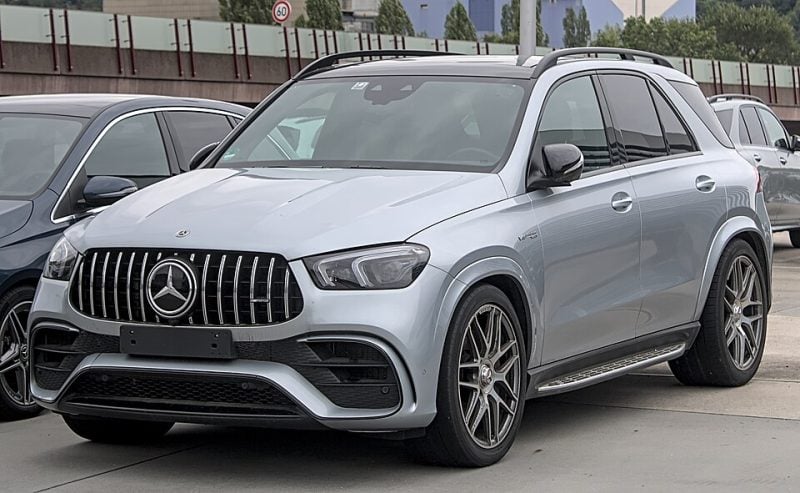
The 2026 Mercedes-Benz GLS stands as the flagship three-row luxury SUV from Stuttgart, offering you seating for up to seven passengers in a cabin defined by premium materials and meticulous craftsmanship. You’ll find standard leather upholstery, genuine wood trim, and ambient lighting that creates an upscale atmosphere throughout all three rows.
The GLS comes with multiple powertrain options to suit your needs. The base GLS 450 delivers a 3.0-liter turbocharged inline-six with mild-hybrid technology producing 375 horsepower. If you need more power, the GLS 580 upgrades to a 4.0-liter twin-turbo V8 generating 483 horsepower.
Key Technology Features:
- MBUX infotainment system with dual 12.3-inch displays
- Augmented reality navigation
- Burmester surround sound system
- Wireless Apple CarPlay and Android Auto
Your third-row passengers benefit from available power-folding seats and climate controls. The air suspension system provides excellent ride comfort while maintaining composed handling for a vehicle of this size.
2026 BMW X7 Highlights
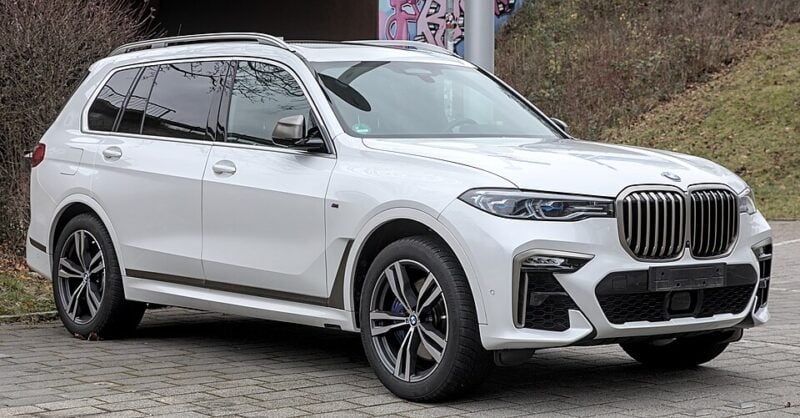
The BMW X7 gives you a driver-focused luxury SUV that doesn’t compromise on interior space or versatility. You get standard seating for seven with available captain’s chairs in the second row that reduce capacity to six but enhance comfort for individual passengers.
BMW equips the X7 xDrive40i with a 3.0-liter turbocharged inline-six producing 375 horsepower and 398 lb-ft of torque. The performance-oriented M60i variant features a 4.4-liter twin-turbo V8 with 523 horsepower for those who prioritize acceleration and power.
The cabin showcases BMW’s commitment to luxury with available Vernasca or Merino leather, open-pore wood trim, and crystal glass controls. You’ll appreciate the panoramic sky lounge LED roof that illuminates at night with thousands of fiber-optic lights.
Your iDrive 8 system features a curved display housing a 12.3-inch digital instrument cluster and 14.9-inch touchscreen. The system responds to touch, voice commands, and traditional rotary controller inputs based on your preference.
Third-row access proves easy thanks to one-touch power-folding second-row seats. When you need cargo space, both rear rows fold relatively flat to create substantial hauling capacity.
2026 Audi Q7 Innovations
The 2026 Audi Q7 brings refined European engineering with updated technology and efficient powertrains. You receive standard seven-passenger seating in a cabin that emphasizes clean lines and digital integration throughout the dashboard.
Audi’s 3.0-liter turbocharged V6 produces 335 horsepower paired with a 48-volt mild-hybrid system that improves fuel efficiency and provides smoother start-stop functionality. The Quattro all-wheel-drive system comes standard, distributing power intelligently between all four wheels.
Standard Technology Suite:
- Virtual Cockpit Plus with 12.3-inch digital display
- Dual touchscreen MMI system (10.1-inch upper, 8.6-inch lower)
- Wireless smartphone integration
- Bang & Olufsen premium audio (available)
Your Q7 includes Audi’s latest driver assistance features with adaptive cruise control, lane-keeping assist, and traffic sign recognition. The progressive steering adjusts its ratio based on speed to enhance both parking maneuverability and highway stability.
The second-row bench slides and reclines to optimize legroom distribution between rows two and three. While the third row suits children or shorter adults best, it remains usable for occasional trips with full-size passengers.
2026 Lexus TX Features
The Lexus TX represents the brand’s newest entry in the three-row luxury SUV segment, purpose-built for families who prioritize reliability and comfort. You can choose between TX 350 with a 2.4-liter turbocharged four-cylinder producing 275 horsepower or the TX 500h hybrid generating a combined 366 horsepower.
Lexus designs the TX cabin with family functionality in mind. You get standard synthetic leather upholstery with available semi-aniline leather on higher trims. The second row offers either a bench seat for three or captain’s chairs that ease third-row access through a wide center aisle.
Your technology interface centers on a 14-inch touchscreen running the latest Lexus Interface system with cloud-based navigation and over-the-air update capability. A 12.3-inch digital gauge cluster provides customizable information displays directly in your sight line.
Practical Family Features:
- Power-folding third row with one-touch operation
- Second-row sunshades on Premium and Luxury trims
- Available 21-speaker Mark Levinson audio system
- Hands-free power liftgate
The TX hybrid variant delivers impressive fuel economy without sacrificing interior space, making it ideal if you prioritize lower running costs. Lexus includes its Safety System+ 3.0 as standard equipment with enhanced pedestrian detection and intersection support.
Comparing Performance and Driving Dynamics
Luxury three-row SUVs balance power with efficiency while delivering composed handling for daily driving and long road trips. Your choice between engine types, transmission configurations, and drivetrain systems will directly impact fuel costs, towing capacity, and overall driving experience.
Engine Options and Efficiency
Most luxury three-row SUVs offer turbocharged four-cylinder or six-cylinder engines as standard equipment. The BMW X7 provides a 3.0-liter turbocharged inline-six producing 375 horsepower, while the Mercedes-Benz GLS 450 uses a similar six-cylinder mild-hybrid setup generating 362 horsepower.
You’ll find V8 options in models like the Cadillac Escalade and Lincoln Navigator, which deliver over 400 horsepower but consume significantly more fuel. The Escalade’s 6.2-liter V8 achieves approximately 15 mpg city and 20 mpg highway.
Plug-in hybrid variants are becoming more common in this segment. The BMW X7 xDrive50e and Mercedes-Benz GLS 580e offer electric-only ranges between 30-50 miles, reducing fuel costs for shorter commutes. These models maintain strong performance with combined outputs exceeding 480 horsepower while achieving better efficiency in mixed driving conditions.
Transmission and Ride Quality
Eight-speed and ten-speed automatic transmissions are standard across the luxury three-row segment. These gearboxes provide smooth shifts and help optimize fuel economy during highway cruising. The Lincoln Navigator’s ten-speed automatic is particularly refined, with imperceptible gear changes during normal driving.
Air suspension systems appear on most premium models, allowing you to adjust ride height and firmness based on road conditions. You can raise the vehicle for off-road clearance or lower it for easier passenger entry and improved aerodynamics at highway speeds.
Adaptive dampers continuously monitor road surfaces and adjust suspension settings in real time. This technology keeps your ride comfortable over rough pavement while reducing body roll during cornering.
Handling and All-Wheel Drive Systems
All-wheel drive comes standard on most luxury three-row SUVs, distributing power between front and rear axles for improved traction. Rear-biased systems in the BMW X7 and Mercedes-Benz GLS deliver more engaging handling by sending most power to the rear wheels under normal conditions.
Torque vectoring technology routes power to individual wheels during cornering, helping larger SUVs feel more agile than their size suggests. The Audi Q7 uses a quattro system with torque vectoring to reduce understeer when navigating tight turns.
Weight remains the primary challenge for handling dynamics in this class. Even with advanced suspension technology, three-row luxury SUVs weighing 5,500-6,000 pounds cannot match the nimbleness of smaller two-row models. Your best option for spirited driving comes from choosing lighter models with rear-wheel-drive architecture and performance-oriented suspension tuning.
Interior Design and Practicality
Luxury three-row SUVs must balance premium materials with functional layouts that accommodate families comfortably. The best models offer thoughtful seating configurations, advanced technology systems, and flexible cargo arrangements that adapt to daily needs.
Seating Arrangements for Families
Most luxury three-row SUVs offer either a seven or eight-passenger configuration. Seven-seat layouts typically include captain’s chairs in the second row, providing easier access to the third row and individual comfort for middle-row passengers. Eight-seat versions feature a bench in the second row, maximizing capacity for larger families.
Third-row access varies significantly between models. Look for power-folding second-row seats or walk-in features that tilt and slide forward with a single button press. Your tallest passengers will appreciate models with adequate third-row legroom, though most luxury SUVs reserve this area primarily for children or occasional adult use.
Premium materials like Nappa leather, open-pore wood trim, and soft-touch surfaces define the cabin experience. Many 2026 models include heated and ventilated seats across all three rows, along with adjustable lumbar support and memory functions for the first two rows.
Infotainment and Connectivity
Large touchscreens ranging from 12 to 15 inches dominate dashboards in current luxury SUVs. Most systems include wireless Apple CarPlay and Android Auto as standard features. You’ll find dual-screen configurations in higher trims, with a second display for climate controls or passenger entertainment.
Rear-seat entertainment systems have evolved beyond simple DVD players. Many vehicles now offer screens mounted in the front seatbacks with streaming capability through built-in Wi-Fi hotspots. Multiple USB-C ports and wireless charging pads throughout the cabin keep devices powered during long trips.
Premium audio systems from brands like Bang & Olufsen, Burmester, and Mark Levinson deliver concert-quality sound. Voice assistants and natural language processing allow you to control navigation, climate, and media functions without taking your hands off the wheel.
Cargo Space Solutions
Space behind the third row typically ranges from 10 to 20 cubic feet in most luxury three-row SUVs. With the third row folded, you gain 40 to 50 cubic feet for groceries, sports equipment, or luggage. Maximum cargo capacity with both rear rows down reaches 80 to 90 cubic feet in midsize models.
Power-folding third-row seats are standard on most luxury models, allowing you to reconfigure the space remotely. Hands-free liftgates open with a foot gesture under the rear bumper when your arms are full. Underfloor storage compartments keep valuables hidden and organize smaller items.
Adjustable cargo rails, tie-down hooks, and removable dividers help secure items during transport. Some models include configurable second-row seats that slide and recline independently, letting you prioritize either passenger comfort or cargo volume based on immediate needs.
Advanced Safety and Driver Assistance
Luxury three-row SUVs now come equipped with sophisticated safety systems that protect your entire family, from automatic emergency braking to blind-spot monitoring for all three rows. These vehicles integrate advanced driver-assistance systems and cutting-edge safety technology that makes transporting children and passengers less stressful.
Standard and Available Safety Features
The safest luxury SUVs with three rows earn top ratings from both NHTSA and IIHS, indicating comprehensive crash protection. Most luxury models include automatic emergency braking with pedestrian detection, adaptive cruise control, and lane-keeping assist as standard equipment.
You’ll find rear cross-traffic alert particularly useful when backing out of tight parking spots with limited visibility. Many models add surround-view cameras that display a 360-degree view of your vehicle, making it easier to navigate crowded school parking lots or tight garages.
Premium packages often include front and rear parking sensors, automatic high beams, and traffic sign recognition. Some luxury SUVs offer night vision systems that detect pedestrians and animals in low-light conditions, alerting you to potential hazards before they become visible.
Family-Oriented Driver Aids
Rear-seat reminder systems alert you to check the back rows before exiting, preventing you from accidentally leaving children or pets in the vehicle. Many luxury SUVs include rear door child safety locks that can be controlled electronically from the driver’s seat.
Rear occupant alert uses motion sensors to detect movement in the back seats after you’ve locked the vehicle. This technology can send smartphone notifications if activity is detected, providing an additional safety layer for families.
Safe exit assist prevents rear passengers from opening doors when vehicles or cyclists are approaching from behind. Teen driver settings let you set speed limits, audio volume caps, and receive driving reports when young family members use the vehicle.
Luxury and Convenience Amenities
Premium materials and advanced technology define the cabin experience in three-row luxury SUVs, while thoughtful design features make accessing the third row easier for passengers of all ages.
Premium Sound and Climate Controls
High-end audio systems have become standard equipment in luxury SUVs designed for families. Most manufacturers partner with premium audio brands to deliver concert-quality sound throughout the cabin. You’ll find systems ranging from 12 to 23 speakers strategically positioned to create immersive listening environments.
Multi-zone climate control systems allow you to set different temperatures for the driver, front passenger, and rear compartments. Many three-row luxury SUVs for 2026 include dedicated climate controls for third-row passengers, ensuring comfort regardless of seating position.
Advanced features like heated and ventilated seats extend to all three rows in top-tier models. Air quality systems with HEPA filtration remove allergens and pollutants, while ambient lighting packages let you customize the cabin atmosphere with multiple color options. Wireless phone charging, multiple USB-C ports throughout all rows, and rear-seat entertainment screens keep everyone connected during longer journeys.
Third-Row Accessibility Enhancements
Power-folding second-row seats eliminate the physical effort required to access the third row. You can activate these systems using buttons on the seats themselves, door panels, or key fobs before passengers even approach the vehicle.
Second-row captain’s chairs create a natural walk-through passage to the rear, though they reduce overall seating capacity from eight to seven passengers. Bench configurations maximize capacity while still offering tilt-and-slide mechanisms for third-row entry.
Wide door openings and lower step-in heights make climbing into the rear seats easier for children and older adults. Some models feature memory settings that automatically return second-row seats to their preferred positions after folding.
Hybrid and Electric Options in 2026
Families seeking three-row luxury SUVs now have access to multiple electrified powertrains that reduce fuel costs while maintaining performance and space. Both plug-in hybrid and fully electric models deliver the seating capacity you need without sacrificing efficiency.
Plug-In Hybrid Choices
Plug-in hybrid luxury SUVs give you the flexibility to run on electric power for short trips while having a gasoline engine for longer journeys. These vehicles typically offer 20 to 40 miles of electric-only range, enough for most daily commutes.
Many luxury SUVs offer hybrid powertrains, with some models using electric motors to boost performance alongside efficiency. You can charge these vehicles overnight using a standard home outlet or Level 2 charger.
Popular three-row plug-in options include the BMW X7 xDrive50e, Mercedes-Benz GLS 580e, and Volvo XC90 Recharge. These models combine premium materials and advanced technology with reduced emissions. Your fuel savings will depend on how often you charge and the length of your typical drives.
Fully Electric Family SUVs
Electric three-row luxury SUVs eliminate trips to the gas station entirely while providing quiet, powerful acceleration. Electric luxury 3-row SUVs for 2026 have been tested extensively for real-world performance and value.
Most electric models now offer 250 to 350 miles of range per charge. You’ll find fast-charging capabilities that can add significant range in 20 to 30 minutes at DC fast-charging stations.
Leading options include the Mercedes-Benz EQS SUV, BMW iX, and Rivian R1S. These vehicles provide spacious third rows suitable for adults on shorter trips and children on longer journeys. Charging infrastructure continues to expand, making electric SUVs more practical for families who travel frequently.
Ownership Experience
Luxury three-row SUVs require significant financial commitment beyond the purchase price, with warranty coverage and depreciation patterns varying substantially between manufacturers. Understanding these long-term costs helps you make a more informed decision.
Warranty and Maintenance Programs
Most luxury three-row SUVs come with a basic warranty covering four years or 50,000 miles, though some manufacturers offer more comprehensive protection. Genesis stands out with a 10-year/100,000-mile powertrain warranty, while Infiniti provides six years or 70,000 miles of coverage. BMW, Mercedes-Benz, and Audi typically include complimentary scheduled maintenance for three to four years.
You’ll find that complimentary maintenance programs cover oil changes, brake fluid, and routine inspections during the coverage period. These programs can save you $1,500 to $3,000 over the first few years of ownership.
Extended warranty options become available as your factory coverage nears expiration. Luxury brands often offer certified pre-owned warranties that extend protection for an additional year or more. You should review what specific components each warranty covers, as some exclude wear items like brake pads while others provide more comprehensive protection.
Resale Value Considerations
Luxury three-row SUVs typically retain 45% to 55% of their original value after five years, though certain brands perform better than others. Lexus models consistently lead in resale value, often retaining 50% to 60% of their purchase price. BMW and Mercedes-Benz typically depreciate faster, holding around 40% to 48% of their value.
Your vehicle’s resale value depends heavily on mileage, condition, and market demand. Popular configurations with desirable options packages hold their value better than base models or those with unusual color combinations. You’ll maximize resale value by maintaining complete service records and addressing any mechanical issues promptly.
Electric luxury SUVs face more uncertainty in resale projections due to battery technology advances and evolving tax incentives. Three-row models from established luxury brands generally depreciate more predictably than those from newer manufacturers.
Market Trends and Upcoming Releases
The luxury three-row SUV market in 2026 shows significant growth as manufacturers respond to family buyers seeking premium features with practical seating. You’ll find more choices than ever, with compact crossovers to massive three-row vehicles available at dealerships.
Electric and hybrid powertrains are becoming standard options across luxury brands. Many automakers now offer electrified versions of their popular three-row models, giving you better fuel economy without sacrificing interior space or towing capacity.
Key Market Developments:
- Advanced driver assistance systems now include features specifically designed for family use
- Premium materials and quieter cabins address comfort concerns for longer trips
- Technology integration focuses on rear-seat entertainment and connectivity
- Pricing remains competitive as more brands enter the three-row luxury segment
Several manufacturers are introducing new SUV models that target family buyers specifically. You can expect refined interiors with improved third-row access and genuine adult-sized seating in the back.
The Range Rover Long Wheelbase exemplifies current trends, offering seating for up to seven passengers with generous legroom across all three rows. This design philosophy is spreading across the segment as brands recognize that families need functional space, not just additional seats.
Expert testing teams evaluate over 200 data points when rating these vehicles, focusing on real-world performance rather than specifications alone. Your research should include test drives that specifically evaluate third-row comfort and accessibility with your family’s needs in mind.
Final Considerations for Family Buyers
When selecting a luxury three-row SUV for your family, you need to balance multiple priorities that extend beyond initial appeal. Your budget should account for ownership costs including insurance, maintenance, and fuel expenses that can vary significantly between models.
Test drive your top choices with your family present. You’ll want to verify that third-row access works for your specific needs, as some designs require more flexibility than others. Pay attention to how easily car seats install in the second row, especially if you have younger children.
Key factors to evaluate before purchasing:
- Safety ratings – Review crash test scores and available driver assistance features
- Warranty coverage – Compare manufacturer warranties and roadside assistance programs
- Fuel efficiency – Consider hybrid options if you drive frequently
- Technology updates – Verify that infotainment systems support your devices
- Resale value – Research depreciation rates for models you’re considering
Your family’s specific requirements should drive the decision. If you regularly transport seven passengers, prioritize models with generous second-row legroom and usable third-row seating. Families who need cargo space more than passenger capacity might prefer captain’s chairs in the second row.
Schedule maintenance appointments during your decision process. Understanding dealer locations and service costs helps you avoid surprises after purchase. You should also verify parts availability for models with recent redesigns or newer market entries.
Consider your typical driving conditions. Urban families benefit from models with good maneuverability and parking cameras, while those in harsh climates need capable all-wheel-drive systems.