
The Best SUVs for Road Trips and Long-Distance Comfort: Top Models for 2026
Choosing the right SUV for a road trip can transform hours of highway driving from exhausting to enjoyable. The difference comes down to specific features that matter most when you’re covering serious distance with passengers and cargo.
The best SUVs for long-distance comfort combine supportive seating, refined ride quality, advanced safety systems, and sufficient cargo space to handle extended journeys without fatigue or compromise.
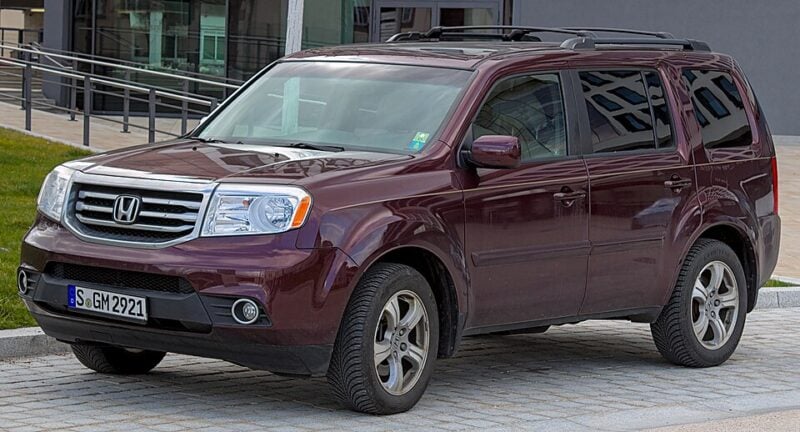
Models like the Honda Pilot, Kia Telluride, and Hyundai Palisade have earned recognition for delivering these essential qualities. Your choice depends on balancing comfort priorities with practical considerations including fuel efficiency, reliability, and total ownership costs.
Understanding which features provide the most value for your specific travel needs helps narrow down options from the dozens of SUVs marketed as road-trip ready.
Which SUV is right for you? Let’s find out!
Key Features for Long-Distance Comfort
The difference between an exhausting drive and an enjoyable journey often comes down to specific comfort features. Premium seating, effective sound dampening, and advanced climate systems work together to reduce fatigue and keep you refreshed during extended travel.
Seating Ergonomics and Adjustability
Your seats serve as your primary contact point during hours of driving. Look for SUVs with multi-way power adjustable driver seats that offer at least 8-way adjustment, though 12-way or 16-way systems provide more precise positioning for your body type.
Lumbar support should be adjustable in both height and depth to maintain proper spinal alignment. Memory foam cushioning distributes pressure evenly across your body, preventing the numbness and discomfort that develops after several hours behind the wheel.
Second-row passengers benefit from seats that recline and slide forward or backward. The 2026 Honda Pilot features a stowable second-row seat designed specifically for long-distance comfort. Heated and ventilated seats add another layer of comfort by regulating body temperature during varying weather conditions.
Cabin Noise Insulation
Road noise, wind turbulence, and engine sounds create fatigue during long drives. Premium SUVs use acoustic glass in windshields and side windows to block external noise before it enters the cabin.
Active noise cancellation systems use microphones and speakers to generate sound waves that counteract unwanted frequencies. The Mercedes-Benz G-Class EV is well-insulated against road noise and features premium materials that absorb sound rather than reflect it.
Thicker door seals, sound-deadening materials in the floor and wheel wells, and isolated engine mounts all contribute to a quieter interior. You should aim for cabin noise levels below 65 decibels at highway speeds for comfortable conversation without raising your voice.
Climate Control Technologies
Multi-zone climate control allows each passenger to set their preferred temperature. Three-zone systems separate driver, passenger, and rear cabin controls, while four-zone systems split the rear into left and right sections.
Heated steering wheels warm your hands without requiring you to increase overall cabin temperature. Rear climate vents ensure backseat passengers receive adequate airflow rather than just recycled air from the front. Air filtration systems remove pollen, dust, and odors to maintain fresh air quality throughout your journey.
Top Performing SUVs for Extended Travel
Full-size SUVs deliver maximum passenger and cargo capacity, while mid-size models balance space with fuel efficiency, and compact options provide maneuverability without sacrificing essential comfort features for long drives.
Best-Rated Full-Size SUVs
The 2026 Honda Pilot stands out among eight-seater SUVs designed for long-distance road trips, featuring a stowable second-row seat and optional second-row comfort amenities. You’ll find that full-size SUVs provide the most spacious cabins for families or groups traveling together.
These vehicles typically offer three rows of seating with room for seven to eight passengers. The cargo areas in full-size models can accommodate multiple suitcases, camping gear, and sports equipment without requiring a roof carrier.
Full-size SUVs come equipped with advanced infotainment systems and premium sound systems that make entertainment accessible throughout the cabin. You can expect features like wireless charging, multiple USB ports, and rear-seat entertainment screens in many current models.
The ride quality in full-size SUVs benefits from longer wheelbases that smooth out road imperfections. Many models include adaptive suspension systems that adjust to road conditions automatically.
Best-Rated Mid-Size SUVs
Mid-size SUVs balance space, comfort, and fuel efficiency for long-distance driving, making them popular choices for extended travel. You’ll get enough room for five to seven passengers while achieving better gas mileage than full-size alternatives.
These SUVs typically feature comfortable seating with adequate legroom in both front and rear rows. The cargo capacity accommodates weekend trips or week-long vacations without feeling cramped.
Mid-size models offer advanced safety features including adaptive cruise control, lane-keeping assist, and blind-spot monitoring. You can drive longer distances with less fatigue thanks to these driver-assistance technologies.
The fuel economy in mid-size SUVs generally ranges from 22 to 28 mpg on highways, reducing the frequency of fuel stops during long trips. Many manufacturers now offer hybrid versions that further improve efficiency.
Best-Rated Compact SUVs
Compact SUVs provide easier parking and maneuvering while maintaining essential comfort features for road trips. You’ll appreciate the nimble handling when navigating city streets or tight parking spaces at tourist destinations.
These smaller SUVs typically seat five passengers comfortably with adequate cargo space for luggage. The rear seats often fold flat to create additional storage when you’re traveling with fewer passengers.
Compact models deliver the best fuel economy in the SUV category, often exceeding 30 mpg on highways. You can travel longer distances between fuel stops while keeping transportation costs lower.
Modern compact SUVs include technology features comparable to larger models, such as smartphone integration, navigation systems, and premium audio options. The smaller dimensions don’t mean sacrificing connectivity or entertainment during your journey.
Interior Space and Passenger Amenities
The best road trip SUVs provide ample room for passengers to stretch out and store their belongings while offering entertainment and connectivity features that keep everyone comfortable during extended drives. Modern SUVs designed for long-distance travel prioritize spacious cabins, advanced infotainment systems, and rear-seat entertainment options.
Legroom and Cargo Capacity
You need sufficient legroom in all three rows if you’re traveling with a full load of passengers. The 2026 Honda Pilot offers an eight-seater configuration with a stowable second-row seat that provides flexibility for both passengers and cargo.
Second-row legroom typically ranges from 38 to 41 inches in midsize SUVs, while full-size models can offer up to 42 inches. Third-row space varies significantly, with some models providing adult-friendly seating and others better suited for children.
Cargo capacity becomes critical when packing for extended trips. You should look for SUVs that offer at least 15-20 cubic feet behind the third row for luggage. When you fold the rear seats down, the best models provide 80-100 cubic feet of total cargo space.
Many modern SUVs include underfloor storage compartments and adjustable cargo systems that help you organize gear efficiently. Roof rails and available cargo boxes expand your hauling capacity without sacrificing interior passenger space.
Technology and Infotainment Systems
State-of-the-art infotainment systems have become standard in modern SUVs designed for traveling. You’ll find touchscreens ranging from 10 to 15 inches that support wireless Apple CarPlay and Android Auto.
Navigation systems with real-time traffic updates help you avoid delays and find stops along your route. Voice control allows you to adjust settings, make calls, and send messages without taking your hands off the wheel.
Key connectivity features include:
- Multiple USB ports and wireless charging pads
- Wi-Fi hotspots for streaming and browsing
- Bluetooth connectivity for multiple devices
- Digital driver displays with customizable layouts
You should prioritize SUVs with intuitive interfaces that don’t require extensive learning curves. The best systems respond quickly to inputs and integrate seamlessly with your smartphone apps.
Rear Seat Entertainment Options
Rear-seat entertainment keeps passengers occupied during long stretches of highway driving. Many SUVs offer available dual-screen systems mounted on the front seatbacks with 10-12 inch displays.
You can stream content from smartphones or tablets directly to these screens. Built-in DVD or Blu-ray players remain available in some models, though streaming capabilities have become more popular.
Wireless headphones allow rear passengers to watch different content without disturbing the driver. HDMI inputs let you connect gaming consoles or other devices for additional entertainment options.
Some premium SUVs include rear-seat tablet holders and dedicated control panels that give passengers independent climate and audio controls. These amenities to hold electronics and entertain passengers make a significant difference on trips lasting several hours or multiple days.
Ride Quality and Suspension Systems
Advanced suspension technology directly impacts how comfortable your journey feels, while proper tire selection ensures stability and noise reduction across varying road conditions.
Adaptive Suspension Features
Adaptive suspension systems adjust damping rates in real-time to absorb road imperfections while maintaining vehicle control. The Mercedes-Benz GLE uses air suspension to elevate ride comfort by continuously adapting to road surfaces and driving conditions.
These systems monitor wheel movement, body roll, and acceleration hundreds of times per second. When you encounter a pothole or rough pavement, the suspension softens to cushion the impact. During cornering or highway driving, it firms up to reduce body lean and improve stability.
Long-travel suspension designs maintain composure over bumps and potholes, providing passengers with a controlled ride. The Subaru Outback exemplifies this approach by prioritizing passenger comfort without sacrificing capability on challenging terrain.
Key adaptive suspension benefits:
- Reduced cabin noise and vibration
- Improved handling on curves
- Better load-leveling when carrying cargo
- Enhanced comfort on deteriorated roads
Tire and Wheel Considerations
Your tire selection affects ride comfort as much as the suspension itself. Larger wheel diameters with low-profile tires create a firmer, harsher ride because there’s less sidewall cushioning between the wheel and road surface.
Optimal tire specifications for comfort:
- 17-18 inch wheels for daily driving
- 55-65 aspect ratio sidewalls
- All-season or touring tire compounds
- Proper inflation per manufacturer specs
Touring tires prioritize quiet operation and smooth ride characteristics over aggressive tread patterns. You’ll notice less road noise and vibration with these designs compared to performance-oriented alternatives. Regular tire rotation every 5,000-7,000 miles prevents uneven wear that creates vibrations and compromises comfort during extended trips.
Safety and Driver Assistance Innovations
Modern SUVs designed for road trips integrate sophisticated safety technologies that reduce driver fatigue and enhance protection during long-distance travel. These systems work together to monitor your surroundings, maintain safe distances, and intervene when necessary to prevent accidents.
Advanced Cruise Control Systems
Adaptive cruise control has evolved beyond simple speed maintenance to become an essential companion for highway driving. The system uses radar and cameras to automatically adjust your speed based on traffic flow, maintaining a preset following distance from vehicles ahead.
Most 2026 SUVs feature predictive cruise control that reads road signs and GPS data to slow down before curves or speed limit changes. Some systems can bring your vehicle to a complete stop in traffic and resume automatically when flow returns. The Honda Pilot offers comfort amenities that complement these cruise features for extended highway journeys.
You’ll find the technology particularly valuable during multi-hour drives where constantly adjusting your speed becomes mentally exhausting. Premium systems include traffic jam assist that handles stop-and-go situations with minimal driver input.
Lane Keeping and Traffic Assist
Lane centering assistance actively steers your SUV to keep it positioned in the center of your lane rather than simply warning you about drift. This technology uses forward-facing cameras to detect lane markings and applies subtle steering corrections during highway travel.
Traffic assist combines lane centering with adaptive cruise control to create a semi-autonomous driving experience on well-marked roads. You maintain responsibility for monitoring the road, but the system handles routine steering and speed adjustments. The technology proves especially helpful during long stretches of monotonous highway driving where attention naturally wavers.
Most systems require you to touch the steering wheel every 15-30 seconds to confirm your engagement. Advanced versions use capacitive sensors or driver-facing cameras to monitor your attention more naturally.
Emergency Braking and Collision Avoidance
Automatic emergency braking systems scan the road ahead for potential collisions with vehicles, pedestrians, and cyclists. When the system detects an imminent impact and you haven’t responded, it applies maximum braking force to avoid or mitigate the collision.
Modern systems can detect crossing traffic at intersections, recognize stationary objects at highway speeds, and identify pedestrians in low-light conditions. NHTSA tests vehicles for both crash protection and these advanced driver assistance features in their 2026 assessments.
Blind spot monitoring with rear cross-traffic alert adds another layer of protection during lane changes and backing maneuvers. These systems alert you to vehicles in adjacent lanes or approaching from the sides when reversing out of parking spaces.
Fuel Efficiency and Range
Modern SUVs deliver impressive fuel economy through hybrid powertrains and efficient engine designs, with some models achieving over 40 mpg on highway drives. Your choice between hybrid, plug-in hybrid, or traditional fuel options will determine both your fuel costs and driving range on long trips.
Hybrid and Plug-In Hybrid Options
Hybrid SUVs combine gasoline engines with electric motors to maximize fuel efficiency without range anxiety. The 2025 Honda CR-V Hybrid achieves 5.1L/100 km on the highway, making it one of the most economical choices for extended travel.
Key Hybrid Benefits:
- Reduced fuel stops during long journeys
- Regenerative braking recovers energy in stop-and-go traffic
- Electric-only mode for short distances in most plug-in models
Plug-in hybrids offer additional flexibility with larger battery packs that provide 20-50 miles of electric-only range. You can complete daily driving on electricity while maintaining gasoline backup for road trips. The Kia Niro delivers capability without sacrificing fuel economy for both weekend getaways and longer drives.
Modern hybrid and plug-in hybrid powertrains now appear in many three-row SUVs, allowing families to maximize efficiency without compromising passenger space.
Diesel Versus Gasoline Models
Diesel engines typically deliver 20-30% better fuel economy than comparable gasoline engines, particularly on highway driving. You’ll find longer driving ranges with diesel SUVs due to higher energy density in diesel fuel and larger fuel tank capacities.
Gasoline engines offer lower initial purchase prices and reduced maintenance costs over time. They run quieter than older diesel models and don’t require diesel exhaust fluid refills. Gasoline SUVs also provide better cold-weather starting and more responsive acceleration in city driving.
Consider diesel when:
- You drive primarily highway miles
- You keep vehicles for 150,000+ miles
- Diesel fuel availability matches your routes
Choose gasoline if:
- You split driving between city and highway
- You prefer lower upfront costs
- You want simpler maintenance requirements
Your total cost of ownership depends on fuel prices in your region, annual mileage, and planned ownership duration. Diesel models require longer ownership periods to offset their higher purchase prices through fuel savings.
Road Trip Convenience and Cargo Solutions
Modern SUVs offer adaptable storage systems and hauling options that transform how you pack and travel. The right combination of interior flexibility and external carrying capacity ensures you can bring everything needed for extended journeys without compromise.
Flexible Storage Configurations
Split-folding rear seats represent the foundation of versatile cargo management in road trip SUVs. Most models feature 60/40 or 40/20/40 configurations that let you balance passenger seating with cargo space based on your specific needs.
Three-row SUVs provide additional flexibility when the third row folds flat into the floor. The Toyota Highlander accommodates up to eight passengers while offering substantial cargo space when you fold the rear seats down. You can prioritize people on the way to your destination and convert to maximum storage for shopping or equipment on the return trip.
Underfloor storage compartments add hidden space for valuables or items you need to access less frequently. Many SUVs include adjustable cargo floors that create two-tier systems, letting you organize gear by height and frequency of use. Sliding second-row seats in models like the Kia Telluride extend your options further, allowing you to shift the balance between passenger legroom and cargo depth.
Roof Racks and Towing Capabilities
Factory-installed roof rails support aftermarket racks and cargo boxes that expand your carrying capacity upward. Cross bars rated for 150 to 200 pounds accommodate rooftop carriers, kayaks, bikes, or ski equipment without consuming interior space.
Towing capacity varies significantly across SUV classes, with midsize models designed for road trips typically rated between 3,500 and 6,000 pounds. This range covers most travel trailers, boat trailers, and toy haulers that families use for extended adventures. Full-size SUVs often exceed 8,000 pounds of towing capacity when properly equipped.
Integrated trailer brake controllers and tow/haul transmission modes improve safety and performance when pulling heavy loads. Backup cameras with trailer guidance systems help you maneuver in tight campground spaces or parking areas.
Luxury Features and Premium Offerings
Premium SUVs elevate road trip comfort through high-end amenities that reduce fatigue and enhance the driving experience. These features transform long journeys into relaxing adventures rather than endurance tests.
Massage and Heated Seats
Multi-contour massage seats have become increasingly common in luxury SUVs designed for long-distance travel. These systems typically offer multiple massage programs that target different muscle groups in your back, lumbar region, and thighs.
You’ll find heated and ventilated seats in most premium models, with some offering up to five heating levels and three ventilation settings. The combination of heat therapy and air circulation helps maintain optimal body temperature during extended drives across varying climates.
Key seat features to look for:
- Lumbar support adjustment – Essential for maintaining proper spine alignment
- Thigh extension – Provides additional leg support on long stretches
- Side bolster adjustment – Keeps you secure during cornering
- Memory settings – Saves your preferred position for multiple drivers
The best systems integrate massage patterns with heating elements, allowing you to customize your comfort level throughout your journey. This combination helps prevent the stiffness and discomfort that typically develops after several hours behind the wheel.
Panoramic Sunroofs and Ambient Lighting
Panoramic sunroofs create an open, airy cabin atmosphere that reduces the confined feeling common on long trips. Most luxury SUVs now offer glass panels that extend from the front seats to the second or third row, flooding the interior with natural light.
You can control these sunroofs with one-touch operation, and many include power sunshades that block heat while maintaining visibility. Some models feature dual-panel designs that allow front and rear passengers independent control over their sections.
Ambient lighting systems use multiple colors and brightness levels to set the cabin mood. You’ll typically find LED strips along the dashboard, door panels, footwells, and cup holders. These systems often offer 30 to 64 color options that you can customize through the infotainment screen.
The lighting serves practical purposes beyond aesthetics. Soft illumination reduces eye strain during night driving and helps passengers locate items without using harsh overhead lights. Many systems automatically adjust brightness based on exterior light conditions, maintaining consistent visibility without distraction.
Reliability and Maintenance Considerations
When planning extended road trips, you need an SUV that won’t leave you stranded far from home. Reliable SUVs for road trips are known for their low maintenance requirements and long-lasting performance, making them ideal travel companions.
Key Reliability Factors
Your choice should prioritize vehicles with proven track records. According to mechanic Chris Pyle, the Kia Telluride and Ford Explorer rarely have mechanical issues and represent solid options for 2026. Both models deliver dependable performance without frequent repair needs.
Maintenance Cost Considerations
You should evaluate both repair frequency and associated costs before purchasing. Long-lasting SUVs that rarely need repairs minimize your ownership expenses over time. Consider these factors:
- Warranty coverage for major components
- Scheduled maintenance intervals and costs
- Parts availability in different regions
- Labor rates for common repairs
Brand Reputation Matters
Research shows that Chevrolet and Lexus score the most top spots for SUV reliability. These manufacturers consistently produce vehicles that withstand high mileage without major problems.
Your road trip experience improves significantly when you drive a vehicle you can trust. Look for SUVs with strong reliability ratings from Consumer Reports’ annual auto surveys, which provide data-driven insights based on actual owner experiences. This research helps you make informed decisions and avoid models with known issues.
Value for Money and Ownership Costs
When selecting an SUV for road trips, you need to consider more than just the sticker price. Long-term ownership costs including fuel economy, maintenance, and depreciation significantly impact your total investment.
The Kia Telluride represents exceptional value for road trippers. Both the Kia Telluride and Ford Explorer are recommended as top 2026 SUVs for road trips, with both priced under $45,000 and achieving 20-25 MPG. The Telluride also earns strong marks for reliability with an 85/100 score in quality and reliability from J.D. Power.
Your fuel costs matter significantly on extended trips. Most SUVs designed for road trips balance size with efficiency, typically delivering between 20-28 MPG on highway driving. This means you can expect to spend less at the pump compared to older SUV models.
Key ownership factors to evaluate:
- Initial purchase price and available incentives
- Estimated fuel costs based on your typical mileage
- Scheduled maintenance requirements
- Warranty coverage length and terms
- Projected resale value after 3-5 years
The Hyundai Santa Fe offers competitive pricing with generous cargo space and comfortable seating for long-distance travel. When comparing the best SUVs for value, you should prioritize vehicles that combine reasonable upfront costs with low maintenance needs and strong reliability ratings.
Dealership experience also affects your ownership costs. Vehicles with better dealer networks typically provide easier access to service and parts, reducing your downtime and repair expenses over the life of your SUV.


_IMG_4032.jpg)