
The Best SUVs for Snow and Winter Driving in 2026: Models With Superior All-Weather Performance
Winter driving demands more from your vehicle than sunny summer commutes. Snow, ice, and freezing temperatures test your SUV’s traction, ground clearance, safety systems, and ability to keep you comfortable when conditions turn harsh.
The best SUVs for snow in 2026 combine all-wheel or four-wheel drive systems, sufficient ground clearance, advanced traction control, and winter-specific safety features that work together to maintain control on slippery roads.
These vehicles go beyond basic capability by offering heated seats, climate control, and cargo space for winter gear while delivering the confidence you need when roads become treacherous.
This guide examines what makes an SUV truly winter-capable, from drivetrain technology and safety innovations to tire selection and maintenance practices. You’ll discover which 2026 models excel in snow, how to maximize fuel efficiency in cold weather, and which accessories enhance your winter driving experience.
Key Features of SUVs Ideal for Winter Conditions
Winter-capable SUVs rely on specific mechanical and comfort features to handle snow and ice safely. The most effective vehicles combine drivetrain technology, chassis design, electronic safety systems, and cabin amenities that work together in challenging conditions.
All-Wheel Drive and Four-Wheel Drive Systems
All-wheel drive (AWD) and four-wheel drive (4WD) systems distribute power to all four wheels, giving you better traction on slippery surfaces. AWD typically operates automatically, sensing wheel slip and redirecting power as needed without driver input.
4WD systems often require manual engagement and are designed for more serious off-road and deep snow situations. These systems usually offer low-range gearing for crawling through deep snow at reduced speeds.
Many modern SUVs built for snow and ice driving include selectable drive modes that optimize power delivery for specific conditions. You can switch between settings like Snow, Ice, or Winter mode to adjust throttle response and transmission shift points.
Key AWD/4WD considerations:
- Full-time AWD provides constant power distribution
- Part-time 4WD offers better fuel economy when not engaged
- Torque vectoring can direct power to individual wheels
- Electronic locking differentials improve traction in deep snow
Ground Clearance and Underbody Protection
Higher ground clearance allows you to drive through deeper snow without the vehicle’s undercarriage dragging or getting stuck. Most SUVs designed for winter conditions offer at least 8 inches of ground clearance, with many providing 9 to 11 inches.
Underbody protection shields critical components like the oil pan, transmission, and fuel tank from damage when driving over hidden obstacles beneath snow. Skid plates made from steel or aluminum provide this protection on off-road-oriented models.
The elevated ride height also improves visibility in snowy conditions, letting you see further ahead and spot potential hazards earlier. This positioning helps you navigate through unplowed roads and parking lots where snow accumulation varies.
Traction Control and Stability Systems
Electronic traction control prevents wheel spin by automatically applying brakes to spinning wheels and reducing engine power. This system helps you maintain forward momentum when accelerating on ice or packed snow.
Electronic stability control (ESC) monitors your steering input and the vehicle’s actual direction, applying individual brakes to specific wheels when it detects a skid. The system helps prevent both understeer and oversteer situations that commonly occur on slippery roads.
Anti-lock braking systems (ABS) pulse the brakes rapidly during hard braking, preventing wheel lockup and maintaining steering control. You can still steer around obstacles while braking on ice, which is impossible with locked wheels.
Advanced winter safety features include:
- Hill descent control for steep, slippery slopes
- Hill start assist to prevent rollback
- Brake assist for emergency stops
- Cornering brake control for stability in turns
Heated Seats and Climate Comfort
Heated seats and climate control features keep you comfortable during winter drives and reduce the physical stress of cold weather. Front and rear heated seats warm passengers quickly without waiting for the entire cabin to heat up.
Heated steering wheels improve grip comfort and reduce the need to wear bulky gloves that can interfere with vehicle control. This feature becomes available within minutes of starting the vehicle.
Automatic climate control maintains your selected temperature regardless of outside conditions, and dual-zone or tri-zone systems let different passengers set individual preferences. Heated mirrors and windshield defrosters clear ice and condensation quickly for better visibility.
Remote start systems let you warm the cabin and clear windows before entering the vehicle, eliminating the need to scrape ice while standing in cold weather.
Top-Rated 2026 SUV Models for Snowy Roads
Several standout SUVs deliver exceptional winter performance through advanced all-wheel drive systems, superior ground clearance, and specialized traction technologies. These models balance capability with comfort, safety features, and value across different price points.
Best Overall Performance
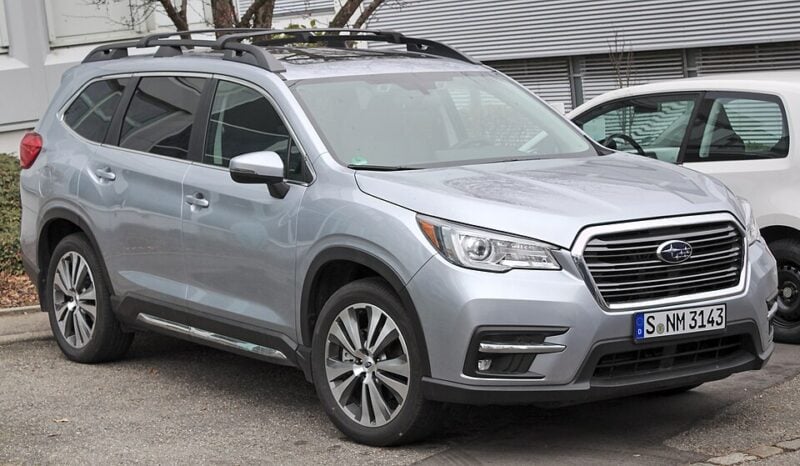
The Subaru Ascent leads the pack for comprehensive winter capability. Its standard Symmetrical All-Wheel Drive system continuously monitors traction and distributes power to all four wheels, giving you confidence on icy roads and through deep snow.
You get 8.7 inches of ground clearance, which helps you navigate unplowed streets and snow-covered parking lots. The X-Mode feature enhances stability on slippery surfaces by controlling the engine, transmission, and brakes simultaneously.
The Ascent seats up to eight passengers and includes heated seats, a heated steering wheel, and excellent visibility from the elevated seating position. Winter drivers appreciate the responsive handling that doesn’t sacrifice comfort during long drives through harsh conditions.
Most Reliable for Severe Winter
The Toyota 4Runner handles the most challenging winter conditions with body-on-frame construction and a robust four-wheel drive system. You can select between part-time 4WD for normal conditions and full-time 4WD with a locking center differential for severe weather.
Ground clearance reaches 9.6 inches, allowing you to push through deeper snow than most competitors. The available Kinetic Dynamic Suspension System adjusts to terrain changes, maintaining tire contact on uneven, snow-covered roads.
Key reliability features include:
- Proven 4.0L V6 engine with consistent cold-weather starting
- Multi-terrain select with dedicated snow mode
- Crawl control for maintaining steady speeds on icy inclines
- Heavy-duty components built for extreme conditions
Best Value for Winter Driving
The Mazda CX-50 delivers impressive winter capability at a competitive price point. Its i-Activ AWD system predicts loss of traction before it happens by monitoring factors like outside temperature, wiper usage, and throttle input.
You benefit from 8.6 inches of ground clearance and Off-Road Mode that adjusts throttle response and traction control for snowy conditions. The turbocharged engine options provide strong torque for accelerating safely on slippery roads.
Standard safety features include all-speed radar cruise control and lane-keeping assist that work effectively in winter weather. The CX-50 starts thousands less than luxury competitors while including heated front seats and a heated steering wheel in most trim levels.
Highest Luxury Features
The BMW X5 xDrive40i combines winter performance with premium amenities. The intelligent xDrive all-wheel drive system works with Dynamic Stability Control to maintain traction while preserving the responsive handling BMW is known for.
You access winter-specific luxury through heated and ventilated front seats, heated rear seats, a heated steering wheel, and a heated windshield washer system. The Panoramic Sky Lounge LED roof creates ambient lighting that brightens dark winter days.
Advanced driver assistance includes 4WD/AWD technology that optimizes performance in snow mode. The air suspension automatically adjusts ride height, lowering for highway stability or raising for additional clearance in deep snow. Premium sound insulation keeps road noise minimal even when driving through slush and over snow-packed roads.
Safety Innovations for Snow and Ice
Modern SUVs integrate sophisticated electronic systems that monitor wheel slip, predict potential skids, and automatically adjust braking force to individual wheels during winter conditions. These technologies work alongside collision prevention systems specifically calibrated for reduced traction scenarios.
Advanced Braking Technologies
Anti-lock braking systems have evolved significantly beyond their original design. Today’s ABS variants feature sensors that detect snow and ice conditions, adjusting brake pressure up to 15 times per second to prevent wheel lockup while maintaining steering control.
Electronic brake-force distribution works in tandem with ABS to allocate braking power based on weight distribution and road conditions. When you brake on a slippery surface, the system compensates for weight transfer and applies optimal pressure to each wheel independently.
Brake assist systems now include winter-specific algorithms that recognize emergency braking attempts on low-traction surfaces. These systems apply maximum braking force faster than most drivers can physically manage, reducing stopping distances by several feet in critical situations. Many 2026 models also feature hill descent control that maintains steady speeds on icy downhill grades without requiring constant brake pedal input.
Driver Assistance and Collision Avoidance
Forward collision warning systems calibrated for winter conditions account for extended stopping distances on snow and ice. The best vehicles for winter weather combine AWD systems with standard safety features like forward collision warning and automatic emergency braking.
Automatic emergency braking in 2026 SUVs uses radar and camera data to detect vehicles, pedestrians, and obstacles ahead. The systems calculate stopping distances based on current traction levels and intervene when necessary, even on ice-covered roads.
Lane departure warning and lane keeping assist adapt their sensitivity for winter driving. When the system detects snow accumulation obscuring lane markings, it relies more heavily on surrounding vehicle positions and road edge detection. Blind spot monitoring extends its detection range in poor visibility conditions, alerting you to vehicles approaching through snow or sleet.
Winter Tire Assistance Features
Tire pressure monitoring systems in modern SUVs alert you to pressure drops that occur naturally in cold temperatures. For every 10-degree Fahrenheit temperature drop, tire pressure decreases by approximately one PSI, making these monitors essential for winter safety.
Traction control systems now feature specific winter or snow modes that allow controlled wheel slip for improved grip in deep snow. Rather than cutting power immediately when wheels spin, these modes permit measured slip that helps tires dig through to firmer surfaces beneath.
Some 2026 models include tire type recognition that adjusts stability control parameters based on whether you’ve installed winter tires. These systems detect the different handling characteristics of snow tires and modify intervention thresholds accordingly. Dashboard displays also provide real-time traction status indicators showing which wheels are losing grip, helping you understand vehicle behavior on slippery surfaces.
SUV Tire Recommendations for Winter
The right tires can transform your SUV’s winter performance, with dedicated snow tires offering up to 50% better traction on ice compared to all-season options. Proper tire selection and maintenance are essential for safe winter driving.
Best Snow Tires
Winter tires use specialized rubber compounds that remain flexible in temperatures below 45°F, providing superior grip on snow and ice. The Michelin X-Ice Snow SUV stands out as a top-rated studless winter tire with a 40,000-mile warranty and 60-day satisfaction guarantee.
Bridgestone Blizzak and Continental VikingContact models also rank among the best winter tire options for SUVs in 2026. These tires feature deep tread patterns with thousands of biting edges that dig into snow and ice.
You should install winter tires on all four wheels to maintain balanced handling. Mixing tire types creates unpredictable vehicle behavior, especially during emergency maneuvers or hard braking on slippery surfaces.
All-Weather Tire Options
All-weather tires carry the three-peak mountain snowflake symbol, indicating they meet winter traction standards while remaining suitable for year-round use. These tires offer a compromise between dedicated winter tires and standard all-season models.
All-weather tires work well if you experience occasional winter weather but don’t want to swap tires seasonally. They provide adequate snow traction while maintaining reasonable performance in dry and wet conditions.
However, dedicated winter tires for SUVs still outperform all-weather options in severe winter conditions. Consider your typical weather patterns and driving needs when choosing between these tire categories.
Tire Pressure Management
Cold temperatures cause tire pressure to drop approximately 1 PSI for every 10°F decrease. You need to check your tire pressure at least monthly during winter, preferably when tires are cold.
Underinflated tires reduce traction, increase stopping distances, and accelerate tread wear. Your SUV’s recommended tire pressure appears on a sticker inside the driver’s door jamb or in your owner’s manual.
Many modern SUVs include tire pressure monitoring systems (TPMS), but these typically alert you only when pressure drops 25% below recommended levels. Manual checks help you maintain optimal pressure before the warning light activates.
Fuel Efficiency and Hybrid Options in Winter SUVs
Winter-capable SUVs no longer require compromising on fuel economy, as hybrid technology now delivers strong efficiency even in snow-ready vehicles. Cold temperatures affect battery performance and overall mileage, but modern systems have adapted with improved thermal management.
Hybrid and Electric SUVs for Cold Climates
Hybrid powertrains deliver improved fuel economy without sacrificing the all-wheel drive systems you need for winter conditions. The 2026 Hyundai Tucson Hybrid offers athletic performance with solid efficiency numbers, making it a practical choice for year-round driving.
The Jeep Wrangler Plug-in Hybrid provides 10.8 inches of ground clearance while maintaining hybrid efficiency. Many plug-in hybrid SUVs now offer more than 30 miles of electric range, giving you flexibility for daily commutes even when temperatures drop.
Key Hybrid Features for Winter:
- Standard or optional AWD systems
- Minimum 5.5 inches ground clearance
- 40+ mpg combined ratings available
- Heated seats and steering wheels
You’ll find heated components help maintain comfort while the hybrid system manages power delivery between gas and electric modes based on traction needs.
Impact of Cold Weather on Fuel Economy
Cold weather reduces fuel economy across all vehicle types, but the impact varies by powertrain. Battery capacity in hybrids and EVs decreases in freezing temperatures, typically by 20-40% when temperatures fall below 20°F.
Your hybrid SUV will use more gasoline in winter as the engine runs longer to generate cabin heat and warm the battery pack. Plug-in hybrids face the steepest efficiency drops since their larger batteries require more energy to reach optimal operating temperature.
Winter Efficiency Factors:
- Engine takes longer to reach operating temperature
- Increased use of heating systems
- Battery chemistry performs poorly in cold
- Thicker oil creates more resistance
You can minimize these losses by parking in a garage, using remote start to warm the vehicle while plugged in, and maintaining proper tire pressure as cold air causes PSI to drop.
Interior Comfort and Storage for Winter Gear
When you’re driving through winter conditions, interior comfort becomes essential. The best SUVs for snow offer roomy, supportive seats and helpful features like automatic climate control, heated seats, and heated steering wheels to keep you warm during cold weather commutes.
Key Comfort Features to Look For:
- Heated and ventilated front seats – Warm up quickly after clearing snow
- Heated steering wheel – Keep your hands comfortable without bulky gloves
- Rear heated seats – Ensure passenger comfort on long winter trips
- Multi-zone climate control – Allow different temperature preferences throughout the cabin
Storage space matters significantly when you need to carry winter equipment. You’ll want adequate room for items like ice scrapers, snow brushes, emergency kits, blankets, and extra clothing layers.
Essential Storage Considerations:
Your SUV should provide easy access to storage compartments even when wearing thick winter gloves. Look for models with power liftgates that open with a foot gesture, allowing you to load gear when your hands are full.
Cargo area tie-downs and underfloor storage bins help organize winter equipment and keep smaller items from sliding around during slippery road conditions.
Maintenance Tips for Winter-Ready SUVs
Your SUV needs specific preparation before winter weather arrives. Start by checking your battery, as cold temperatures reduce its capacity by up to 35 percent. Have it tested and replaced if it’s more than three years old.
Winter tires make a significant difference in snow and ice performance. They should be installed when temperatures consistently drop below 45 degrees Fahrenheit. Check that all four tires have adequate tread depth of at least 6/32 inches for optimal winter traction.
Your fluid levels require attention before the cold sets in. Use washer fluid rated for freezing temperatures and ensure your coolant mixture can protect down to at least -30 degrees Fahrenheit. Check your oil viscosity too, as thicker summer-weight oil can struggle in frigid conditions.
Essential Winter Maintenance Checklist:
- Test battery strength and clean corroded terminals
- Inspect wiper blades and replace if streaking occurs
- Verify all lights function properly for reduced visibility conditions
- Check brake pads and rotors for adequate stopping power
- Examine belts and hoses for cracks or wear
- Top off power steering and brake fluids
Keep your gas tank at least half full during winter months. This prevents fuel line freeze-ups and ensures you have fuel if stranded. Replace your cabin air filter so your defroster works efficiently.
Properly equipped SUVs perform better when maintained correctly. Schedule a pre-winter inspection with your mechanic to catch potential issues before they become problems on icy roads.
Essential Accessories for Cold Weather Driving
Having the right SUV is only part of winter preparedness. You need reliable accessories to handle the unique challenges that snow and ice present.
Emergency and Safety Equipment
Your vehicle should have a comprehensive emergency kit designed for winter conditions. Winter car accessories should include items like windshield covers, jumper cables, a flashlight, and a first aid kit. You’ll want to add winter-specific items such as an ice scraper, snow brush, and traction aids like sand or cat litter.
A portable shovel can help you dig out from snow banks. Flares or reflective triangles ensure other drivers can see you if you’re stranded on the roadside.
Comfort Items for Extended Trips
Cold weather can turn a minor delay into a serious comfort issue. Heated blankets that plug into your 12-volt outlet provide warmth for all passengers, even those in the back seat.
Keep extra gloves, hats, and blankets in your cargo area. Pack non-perishable snacks and bottled water in case you’re stuck waiting for help.
Traction and Maintenance Tools
Quality winter wiper blades and windshield washer fluid rated for freezing temperatures are essential. You should check your tire pressure regularly since cold air causes pressure to drop.
A portable tire inflator gives you peace of mind on remote winter roads. Consider keeping a set of tire chains if you frequently drive in mountainous areas with heavy snowfall.
Conclusion
Selecting the right SUV for winter conditions requires evaluating several key factors that directly impact your safety and confidence on snowy roads. Ground clearance and all-wheel drive systems work together to help you navigate through deep snow and maintain traction on icy surfaces.
Your choice should align with your specific needs and budget. If you frequently drive in severe winter weather, prioritizing models with proven snow performance becomes essential.
Key considerations include:
- All-wheel or four-wheel drive capability
- Adequate ground clearance for deep snow
- Advanced traction and stability control systems
- Winter tire compatibility
- Balanced weight distribution
The best SUVs for snow in 2026 span multiple price ranges and sizes, from compact crossovers to full-size models. Each offers distinct advantages depending on whether you prioritize fuel efficiency, passenger space, or off-road capability.
Remember that even the most capable SUV benefits from proper winter tires and cautious driving habits. Technology assists your winter driving, but it cannot override the laws of physics on ice and snow.
Your investment in a winter-capable SUV pays dividends in peace of mind during the coldest months. Research family-friendly options thoroughly and test drive vehicles in various conditions when possible. The right SUV transforms winter driving from a stressful ordeal into a manageable part of your daily routine.


