
Is the Toyota 4Runner Reliable After 150,000 Miles? A Data-Driven Analysis
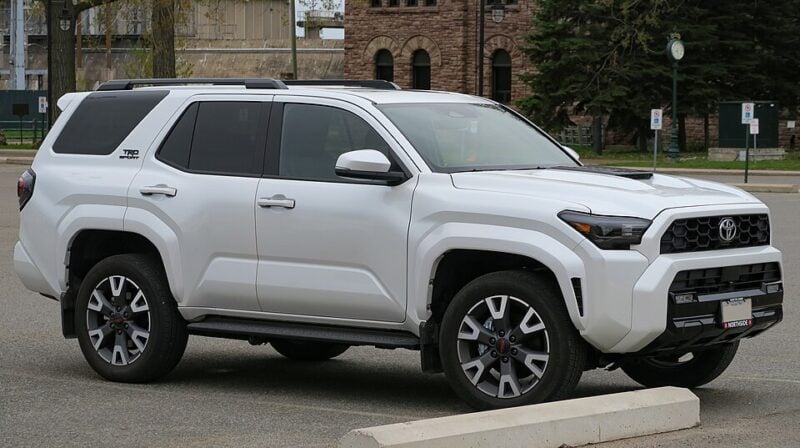
The Toyota 4Runner has built a reputation for durability, but many potential buyers wonder if that reliability holds up when the odometer reaches six figures.
Yes, the Toyota 4Runner remains highly reliable after 150,000 miles when properly maintained, with many owners reporting their vehicles running strong well past 200,000 or even 300,000 miles.
This longevity isn’t just marketing talk, it’s backed by real owner experiences and the 4Runner’s proven body-on-frame construction.
If you’re considering buying a high-mileage 4Runner or already own one approaching this milestone, understanding what to expect is crucial for making informed decisions.
4Runners generally start experiencing more significant problems around the 150,000-mile mark, but with the right approach to maintenance and repairs, these issues are manageable and won’t necessarily sideline your vehicle.
This guide examines the factors that contribute to the 4Runner’s long-term dependability, real-world ownership data, common problems you might encounter, and what it takes to keep your
4Runner running reliably beyond 150,000 miles. You’ll also learn how maintenance costs compare to other SUVs and whether investing in a high-mileage 4Runner makes financial sense.
Let’s take a drive, shall we?
Toyota 4Runner Longevity and Reliability
The Toyota 4Runner typically reaches 250,000 to 350,000 miles with proper maintenance, and reliability ratings remain strong even as these SUVs age past the 150,000-mile mark. Your 4Runner’s ability to exceed this mileage threshold depends on the model year you own and how well you maintain it.
Typical Lifespan Expectations
With proper care, you can expect your 4Runner to last between 200,000 to 300,000 miles. Many owners report keeping their vehicles for 15 to 20 years, demonstrating the SUV’s exceptional durability.
The strong build quality and proven design contribute to this longevity. Your 4Runner’s body-on-frame construction and rugged drivetrain components are engineered for long-term use rather than planned obsolescence.
You’ll find that reaching 150,000 miles represents roughly the midpoint of your 4Runner’s potential lifespan. This is significantly different from many other SUVs, where major problems often emerge around this mileage.
Reliability Ratings for Older 4Runners
The most reliable 4Runner models come from the late 5th generation, specifically 2017 through 2024 years featuring the 4.0L V6 engine. These models receive excellent reliability ratings from J.D. Power.
Your 4Runner maintains its reputation for dependability as it ages. The vehicle consistently ranks among the top SUVs for long-term reliability across automotive research organizations.
However, certain model years perform better than others. You should avoid the 2010 model due to issues with the automatic transmission and electrical systems.
Historical Performance Beyond 150,000 Miles
Your 4Runner can often reach 250,000 to 350,000 miles when you follow recommended maintenance schedules. Real-world ownership data supports these mileage capabilities across multiple generations.
The key to achieving these numbers lies in adherence to major services at 30,000, 60,000, and 90,000 miles. You’ll need to continue this pattern throughout your vehicle’s life.
Common high-mileage issues typically involve routine wear items rather than catastrophic failures. Your suspension components, radiator, and timing belt will need replacement, but the engine and transmission usually remain reliable with regular fluid changes.
Key Reliability Factors After 150,000 Miles
The 4Runner’s performance beyond 150,000 miles depends on several critical components that determine whether your vehicle remains dependable or becomes a maintenance burden. Major components like the engine and transmission remain dependable even after 150,000 miles when properly maintained.
Engine Durability and Common Issues
You can expect the Toyota 4Runner’s engine to last at least 200,000 miles with regular maintenance. The 4.0L V6 engine found in most modern 4Runners demonstrates exceptional longevity when oil changes occur every 5,000 miles and coolant flushes happen on schedule.
Common engine issues after 150,000 miles include timing chain noise, valve cover gasket leaks, and oxygen sensor failures. These problems rarely cause catastrophic failure but require attention to prevent further damage.
Secondary air injection system failures occur in some models, triggering check engine lights without affecting drivability. Oil consumption may increase slightly, though most owners report minimal issues if maintenance intervals were followed consistently.
Transmission Performance in High-Mileage Models
The 4Runner’s transmission is built to last anywhere from 100,000 to 120,000 miles or more, though many examples exceed 200,000 miles with proper fluid changes. The five-speed and six-speed automatic transmissions used in 4Runners prove more durable than competitors.
Transmission fluid changes every 60,000 miles significantly extend lifespan. You should watch for delayed shifting, slipping between gears, or unusual noises during gear changes.
Fourth generation models occasionally experience transmission cooler line leaks, while fifth generation units show fewer common problems. Most high-mileage transmission issues stem from deferred fluid maintenance rather than design flaws.
Suspension and Frame Integrity
Toyota suspension systems are very reliable and can last up to 100,000 miles or more, with the average easily exceeding 50,000 miles. Your body-on-frame construction provides superior durability compared to unibody crossovers.
Ball joints, control arm bushings, and shock absorbers typically need replacement between 100,000 and 150,000 miles. X-REAS equipped models require specialized suspension components that cost more to replace.
The frame itself rarely develops structural issues, though older models from rust-prone regions need inspection for corrosion. Leaf springs in the rear suspension maintain integrity longer than coil springs in many competing vehicles.
Electrical System Reliability
Electrical problems become more common after 150,000 miles, though 4Runners experience fewer issues than high-mileage Explorers that suffer from electronic problems. You may encounter alternator failure, battery drain issues, or malfunctioning sensors.
Window regulators and door lock actuators fail more frequently in older models. Dashboard warning lights occasionally appear due to corroded ground connections rather than actual component failures.
The 4Runner’s simpler electrical architecture compared to modern vehicles reduces complexity and potential failure points. Most electrical issues remain minor annoyances rather than major reliability concerns that leave you stranded.
What do real life owners say??
Ownership Experiences and Real-World Data
Owner reports consistently show 4Runners reaching well beyond 150,000 miles with proper maintenance, while the used market reflects strong demand for high-mileage examples that remain mechanically sound.
Owner Testimonials on High-Mileage Toyota 4Runners
You’ll find numerous accounts of 4Runners exceeding 200,000, 300,000, and even 400,000 miles with minimal major issues. Owners frequently report that their vehicles withstand harsh conditions while maintaining low ownership costs.
Real-world 4Runner owner experiences reveal a pattern of dependability when vehicles receive regular maintenance at recommended intervals. Many drivers keep their 4Runners as daily vehicles long past the 150,000-mile mark.
Third-generation models with 250,000 miles remain in active use, though they typically require attention to wear items. The average 4Runner lifespan reaches 195,788 miles, with a 47.8 percent chance of reaching at least 200,000 miles. Your 4Runner will likely need maintenance for aging components like suspension parts, but the powertrain often continues functioning well beyond these mileage figures.
Used Market Analysis for 4Runners Over 150,000 Miles
High-mileage 4Runners maintain stronger resale values compared to most SUVs in their class. You’ll notice that well-maintained examples over 150,000 miles command premium prices relative to competing models with similar odometer readings.
The reliability rating of 4.0 out of 5.0 supports market confidence in higher-mileage units. Your annual repair costs average $514, which sits below typical ownership expenses for midsize SUVs.
Market data shows buyers actively seek 4Runners with documented maintenance histories, even when mileage exceeds 150,000. Models with service records sell faster than comparable vehicles lacking maintenance documentation. You can expect vehicles driven an average of 13,108 miles annually during their first decade to remain viable options in the used market well into their second hundred thousand miles.
Maintenance Considerations for Long-Term Reliability
Proper maintenance intervals and fluid changes become critical as your 4Runner approaches and exceeds 150,000 miles. Understanding which components require attention and when to address them helps prevent costly breakdowns and extends the vehicle’s lifespan well beyond the high-mileage threshold.
Essential Routine Maintenance Requirements
Your 4Runner follows Toyota’s maintenance schedule with major services at 30,000, 60,000, and 90,000 miles, and these intervals continue throughout the vehicle’s life. At 150,000 miles, you need to repeat the 60,000-mile service requirements.
Oil changes remain the foundation of engine longevity. You should change your oil every 5,000 miles with conventional oil or up to 10,000 miles with synthetic oil, though many owners prefer shorter intervals on high-mileage vehicles.
Air filter replacement every 30,000 miles keeps your engine breathing properly. Spark plugs typically last 60,000 to 100,000 miles depending on whether you have standard or platinum plugs.
Critical fluid services include:
- Coolant flush every 100,000 miles
- Brake fluid replacement every 30,000 miles
- Power steering fluid check and replacement as needed
- Differential fluid change every 30,000 to 60,000 miles
Transmission, differential, and transfer case fluids require replacement under heavy use or towing conditions to ensure reliability beyond 150,000 miles.
Timing Belt and Timing Chain Longevity
Fourth-generation 4Runners equipped with the 4.0L V6 engine use a timing chain rather than a timing belt. The timing chain typically lasts the lifetime of the engine and doesn’t require scheduled replacement like a belt.
You should listen for rattling noises from the front of the engine during startup, which may indicate chain wear. Most timing chains on the 4.0L V6 remain reliable past 200,000 miles when properly maintained with regular oil changes.
Earlier 4Runner models with the 3.4L V6 also used timing chains. If you own a 4Runner with a 2.7L four-cylinder engine, it uses a timing chain as well.
Signs of Wear and Preventative Measures
Watch for common issues on high-mileage 4Runners including transmission problems and suspension wear. You may notice delayed shifting or rough engagement from the transmission, which often indicates the need for fluid service.
Inspect your suspension components including ball joints, tie rod ends, and control arm bushings every 30,000 miles. These wear items affect handling and safety as mileage accumulates.
Check for fluid leaks around the engine, transmission, and differentials during each oil change. Early detection prevents minor seepage from becoming major failures.
Dashboard warning lights require immediate attention. Ignoring check engine lights or other warnings can turn simple repairs into expensive overhauls on high-mileage vehicles.
Common Issues After 150,000 Miles and Solutions
While Toyota 4Runners are built for longevity, certain problems typically emerge around the 150,000-mile mark. Understanding these issues and their fixes helps you maintain your vehicle effectively.
Frequent Problems Reported in Higher Mileage 4Runners
Your 4Runner may experience transmission issues as it ages, with automatic transmission problems being among the most frequently reported concerns. You might notice rough shifting, delayed engagement, or slipping between gears.
Suspension components typically wear out after extended use. Ball joints, tie rod ends, and control arm bushings deteriorate from years of off-road use and daily driving.
The exhaust system often requires attention at higher mileages. Your catalytic converter, oxygen sensors, and exhaust manifold may fail or develop leaks that trigger check engine lights.
Cooling system components like the radiator, water pump, and thermostat commonly need replacement. You should also watch for oil leaks from valve cover gaskets and rear main seals. The power steering system may develop leaks or require pump replacement as hoses and seals age.
Repair Costs and Typical Fixes
Transmission repairs represent your most expensive potential cost, ranging from $1,500 to $3,500 for rebuilds or replacements. Regular fluid changes every 30,000 miles can prevent many transmission issues.
Suspension repairs cost between $200 and $800 depending on which components need replacement. You can extend suspension life by inspecting components during regular maintenance intervals.
Common repair costs you should expect:
- Catalytic converter replacement: $800-$2,000
- Water pump replacement: $300-$600
- Timing belt service: $600-$1,000
- Valve cover gaskets: $200-$400
- Ball joint replacement: $300-$500 per side
Performing preventative maintenance on your high-mileage 4Runner reduces unexpected repair costs. Regular fluid changes, inspections, and addressing minor issues promptly prevents them from becoming major failures.
Comparing Toyota 4Runner Reliability to Competing SUVs
The 4Runner holds its own against competitors in the midsize SUV segment, though some rivals now challenge its traditional reliability advantage. Understanding how it performs relative to both non-Toyota competitors and Toyota’s own SUV lineup helps you make an informed purchase decision.
How the 4Runner Stacks Up Against Similar SUVs
The 4Runner has long been considered one of the most reliable midsize SUVs available, but the competitive landscape has shifted. One Kia SUV now officially outranks the 4Runner in reliability ratings, breaking Toyota’s decades-long dominance in this category.
When comparing the 4Runner to traditional competitors like the Jeep Grand Cherokee, Ford Explorer, and Chevrolet Tahoe, the Toyota typically shows better long-term durability. The 4Runner’s body-on-frame construction gives it an edge in structural longevity compared to many crossover SUVs with unibody designs.
The average reliability score across all 4Runner model years is 80 out of 100, which places it above average in the segment. However, you’ll find that its reliability advantage is most apparent when compared to other midsize SUVs and trucks, not necessarily against all Toyota vehicles.
Toyota 4Runner Versus Toyota Land Cruiser and Highlander
Within Toyota’s own SUV lineup, the 4Runner occupies a middle position for reliability. The Land Cruiser traditionally matches or exceeds the 4Runner’s dependability, though it comes at a significantly higher price point. Both vehicles share similar body-on-frame construction and benefit from Toyota’s conservative engineering approach.
The Highlander crossover SUV offers comparable reliability to the 4Runner but in a different package. You should only choose the 4Runner over models like the RAV4 if you need increased room, clearance, or off-road capabilities. The Highlander and RAV4 often provide better fuel economy and similar reliability ratings without the 4Runner’s off-road focus.
Key Differences:
- 4Runner: Body-on-frame, better off-road capability, lower fuel economy
- Highlander: Unibody construction, better on-road comfort, improved fuel efficiency
- Land Cruiser: Premium features, similar durability, higher cost
Resale Value and Cost of Ownership Over Time
The 4Runner maintains exceptional resale value even at high mileage, with depreciation rates significantly lower than most SUVs in its class. Your long-term ownership costs remain competitive due to reliable performance and strong market demand for used models.
Depreciation Trends Beyond 150,000 Miles
The 4Runner experiences most of its depreciation in the first five years, with rates varying between sources. According to data, the 5-year depreciation ranges from 19% to 33.8%, depending on market conditions and specific model year.
After reaching 150,000 miles, your 4Runner’s depreciation curve flattens considerably. The vehicle has already absorbed the steepest portion of its value loss, meaning each additional mile has minimal impact on resale price.
The 4Runner ranks among the top 10 vehicles for both 5-year and 7-year value retention. This positioning reflects strong buyer confidence in high-mileage examples. Your well-maintained 4Runner with 150,000+ miles can still command premium pricing compared to competitors with similar odometer readings.
Long-Term Cost Benefits of 4Runner Ownership
Your total ownership costs extend beyond the purchase price to include fuel, insurance, maintenance, and repairs. The 4Runner’s reliability after 150,000 miles helps offset higher fuel consumption typical of body-on-frame SUVs.
Maintenance costs remain predictable due to the 4Runner’s proven drivetrain and widespread parts availability. You benefit from Toyota’s extensive dealer network and aftermarket support, keeping repair expenses manageable even as mileage increases.
The strong resale market means you retain more equity in your vehicle. When you decide to sell or trade, the 4Runner’s status as the SUV with best resale value in its segment helps recover a larger portion of your initial investment compared to depreciation-prone alternatives.
Summary and Final Thoughts
The Toyota 4Runner remains a dependable choice even after crossing the 150,000-mile threshold. Many owners have successfully driven their vehicles well beyond this point, with some 4Runners surpassing 400,000 and even 500,000 miles.
Your success with a high-mileage 4Runner depends heavily on maintenance history. A well-maintained vehicle with documented service records will serve you far better than one with gaps in care. Toyota recommends major services at 30,000, 60,000, and 90,000-mile intervals, and following this schedule is crucial for maximizing reliability.
Key factors to consider before purchase:
- Complete maintenance records showing regular oil changes and scheduled services
- Single-owner vehicles typically have more consistent care
- Inspection of common wear items like suspension components and drivetrain
- Clean Carfax report without major accidents
The 4Runner’s body-on-frame construction and proven drivetrain contribute to its longevity. If you drive approximately 15,000 miles annually, your 4Runner could provide around 20 years of service.
When evaluating a high-mileage 4Runner purchase, focus on the vehicle’s condition rather than the odometer reading alone. A thorough pre-purchase inspection by a qualified mechanic will reveal potential issues. Remember that certain model years have better track records than others, so research specific years to target or avoid based on known reliability patterns.


