
How Much Does It Cost to Start a Food Truck Business in 2026? Breakdown of Startup Expenses
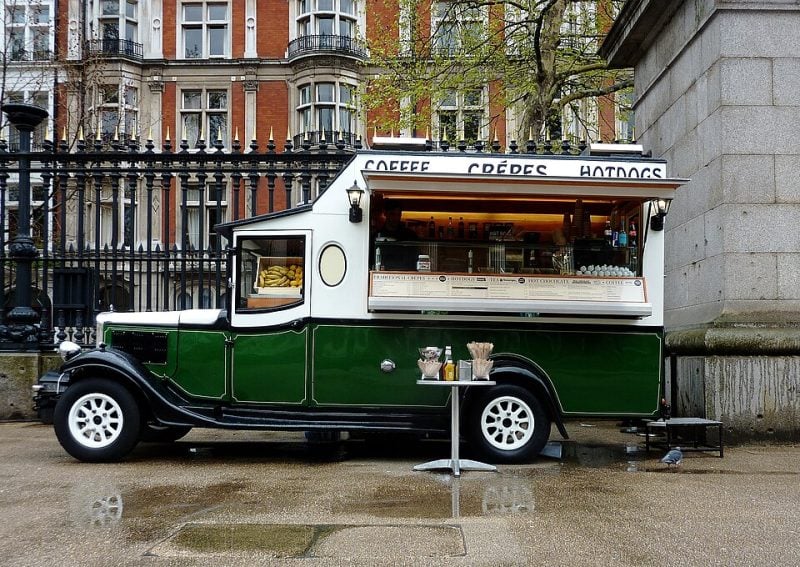
It sounds like a lot of fun. And yes, it can be loads of fun. However, starting a food truck business requires a significant financial commitment. Understanding the exact costs upfront helps you plan effectively and avoid disaster down the road.
The total investment to launch a food truck in 2026 typically ranges from $50,000 to $200,000, depending on whether you buy new or used equipment, your location’s permit requirements, and the complexity of your menu.
Beyond the initial purchase of your vehicle and kitchen equipment, you’ll face expenses for licenses, permits, insurance, commissary space, and marketing.
The cost breakdown varies considerably based on where you operate, as cities have different regulatory requirements and parking fees. Regional factors also influence equipment prices and ongoing operational expenses.
This guide walks you through every major expense category you’ll encounter when launching your food truck business, from one-time investments to recurring monthly costs.
You’ll also discover practical strategies to reduce your initial investment and learn how food truck costs compare to opening a traditional restaurant, helping you make an informed decision about your venture.
Ready to dig into all of the expenses? Let’s get some lunch!
Average Start-Up Costs for Food Truck Businesses in 2026
The total investment to start a food truck business ranges from $50,000 to $200,000 in 2026, with most operators planning around $100,000 to $150,000 for a fully operational setup. Your specific costs depend on whether you purchase new or used equipment, your location’s permit requirements, and the type of cuisine you plan to serve.
Typical Cost Ranges
You’ll find that basic setups with used vehicles and essential equipment typically cost $60,000 to $100,000, while fully built new mobile kitchens can exceed $150,000. The truck itself represents your largest expense at $30,000 to $100,000.
Equipment costs add another $10,000 to $30,000 for commercial-grade appliances, refrigeration, and cooking surfaces. You’ll also need to budget for permits, licenses, and initial inventory.
Insurance, commissary fees, and point-of-sale systems contribute to your upfront costs. Most lenders and advisors recommend maintaining a cash buffer of 10% to 20% of your total startup costs for unexpected expenses during your first months of operation.
Current Market Trends Impacting Costs
Supply chain stabilization in 2026 has helped moderate equipment prices compared to previous years. However, permit fees continue to increase in popular urban markets where food truck regulations have become more stringent.
Labor costs and ingredient prices remain elevated, affecting your operating capital needs. Many municipalities now require additional health and safety certifications, adding $2,000 to $5,000 to startup expenses.
Electric and hybrid food trucks are gaining popularity, with premium pricing of 15% to 25% above traditional gas-powered vehicles. These options offer long-term fuel savings but require higher initial investment.
Breakdown by Food Truck Type
Specialty cuisine trucks require more expensive equipment and typically cost $120,000 to $200,000 due to specialized cooking appliances and ventilation systems.
Basic service trucks for items like coffee, ice cream, or prepackaged foods range from $50,000 to $90,000. These operations need minimal cooking equipment and simpler permit requirements.
Full-service kitchen trucks serving complex menus fall in the $100,000 to $150,000 range. You’ll need commercial grills, fryers, prep stations, and comprehensive refrigeration systems for these operations.
Major One-Time Expenses
The largest upfront costs for your food truck business fall into three main categories: acquiring the truck itself, equipping your mobile kitchen, and securing the necessary legal permissions to operate. Food truck startup costs range from $50,000-$200,000 depending on these core investments.
Food Truck Purchase or Lease
Your truck represents the single biggest expense you’ll face. A used food truck typically costs $30,000-$60,000, while a new custom-built vehicle runs $75,000-$150,000 or more depending on size and features.
Basic truck options include:
- Used trucks: $30,000-$60,000 (may need additional repairs)
- New trucks: $75,000-$100,000 (standard models)
- Custom builds: $100,000-$200,000+ (specialized layouts)
You can also lease instead of buying outright. Monthly lease payments range from $800-$2,000 depending on the truck’s value and lease terms. This option reduces your initial capital requirement but increases ongoing monthly expenses.
Kitchen Equipment and Appliances
Commercial-grade kitchen equipment costs $10,000-$30,000 for a fully operational setup. You need items that meet health code requirements while fitting within your limited space.
Essential equipment includes grills, fryers, refrigeration units, food warmers, prep tables, and fire suppression systems. Your menu determines specific needs. a coffee truck requires espresso machines and grinders, while a taco truck needs griddles and steam tables.
Core equipment costs:
- Cooking appliances: $5,000-$12,000
- Refrigeration: $2,000-$6,000
- Ventilation/hood system: $2,000-$8,000
- Small wares and utensils: $1,000-$4,000
Don’t overlook point-of-sale systems ($500-$2,000) and generator backup power ($1,500-$5,000).
Initial Licensing and Permits
Licensing and permit costs vary significantly by location but typically total $2,000-$10,000 initially. You need multiple permits before serving your first customer.
Required permits include a business license ($50-$400), food handler permits ($100-$500), health department permits ($100-$1,000), and parking permits ($500-$3,000 annually). Many cities also require vehicle inspections, fire safety certifications, and seller’s permits.
You’ll also need initial insurance coverage. General liability and commercial auto insurance combined cost $3,000-$8,000 annually, though you’ll pay a portion upfront.
Ongoing Operating Expenses
Beyond your initial investment, you’ll face recurring costs that directly impact your monthly cash flow and profitability. These expenses include inventory purchases, employee wages, and vehicle upkeep that require consistent budgeting.
Food and Beverage Inventory
Your food and beverage costs typically represent 25-35% of your total revenue. If you generate $10,000 in monthly sales, you should expect to spend $2,500-$3,500 on inventory.
These percentages vary based on your menu complexity and ingredient sourcing. Premium ingredients like organic produce or specialty proteins push costs toward the higher end, while simpler menus with bulk purchasing keep expenses lower.
You’ll need to establish relationships with reliable suppliers and implement inventory tracking systems. Managing waste through proper storage and portion control directly affects your bottom line. Many food truck operators order inventory 2-3 times per week to maintain freshness while minimizing spoilage.
Staffing and Payroll
Labor costs typically account for 25-35% of your revenue, similar to inventory expenses. For a truck generating $15,000 monthly, you might spend $3,750-$5,250 on payroll.
Your staffing needs depend on your operating hours and menu complexity. A basic operation might run with just you and one employee, while busier trucks during peak hours require 3-4 team members. Hourly wages for food truck staff range from $12-$18 for entry-level positions, with experienced cooks earning $15-$22 per hour.
Don’t forget payroll taxes, which add approximately 15-20% to your base wage costs. Workers’ compensation insurance is another required expense that varies by state and typically costs $800-$2,500 annually.
Regular Maintenance and Repairs
Vehicle maintenance is essential for keeping your truck operational and avoiding costly breakdowns. Budget $200-$500 monthly for routine maintenance including oil changes, tire rotations, and brake inspections.
Your generator requires servicing every 150-200 hours of operation, costing $150-$300 per service. Propane tanks need regular refilling, averaging $50-$150 monthly depending on usage. Kitchen equipment like refrigerators, griddles, and fryers require periodic maintenance and occasional repairs.
Set aside an additional emergency fund of $2,000-$5,000 for unexpected repairs. Major equipment failures or engine problems can cost several thousand dollars and shut down operations for days if you’re unprepared.
Location and Parking Considerations
Where you operate your food truck significantly impacts your monthly expenses, with urban markets commanding premium fees while rural areas offer lower costs but potentially less foot traffic. You’ll need to budget for parking permits, vendor fees, and commissary kitchen access as part of your ongoing operational costs.
Urban Versus Rural Costs
Urban food truck parking typically costs between $500 and $3,000 per month depending on the city and location desirability. Prime spots in major metropolitan areas like New York, Los Angeles, or San Francisco command the highest prices, while secondary cities offer more affordable options.
You’ll find that parking costs vary based on regulations and location demand, with some cities requiring daily permits at $50-$200 per day. Urban areas also require multiple permits and licenses that can add $1,000-$5,000 annually to your operating budget.
Rural locations offer significantly lower parking fees, often $100-$500 monthly or free parking at private events and festivals. However, you’ll face reduced customer volume and may need to travel between multiple locations to maintain consistent revenue. Fuel costs become a larger consideration when serving dispersed rural communities.
Vendor and Commissary Fees
Commissary kitchen rental is mandatory in most jurisdictions for food preparation and storage. These facilities charge $400-$1,200 monthly for basic access, including water hookups, waste disposal, and storage space for your truck overnight.
Private event vendor fees range from $100-$500 per event, with organizers sometimes taking a percentage of sales instead of or in addition to flat fees. Food truck parks and regular vendor spots require monthly contracts between $800-$2,500 depending on expected foot traffic and amenities provided.
You should budget an additional $200-$600 monthly for permits that allow you to operate in specific zones or districts. Some high-traffic areas use lottery systems or cap the number of vendors, making consistent spots competitive and potentially costly to secure.
Marketing and Branding Expenses
Your food truck’s visual identity and marketing strategy require significant upfront investment, with branding and marketing materials costing $3,800 to $12,000 to properly launch your business. These expenses establish your presence in the market and attract your first customers.
Logo and Truck Wrap Design
A professional truck wrap is your most important marketing investment, serving as a mobile billboard that advertises your business wherever you park. You’ll spend $3,000 to $8,000 for a full wrap design and installation that includes eye-catching graphics, your logo, menu highlights, and contact information.
Your logo design typically costs $300 to $2,500 depending on whether you hire a freelance designer or a professional branding agency. This foundational element appears on your truck, packaging, uniforms, and all marketing materials. You should budget separately for branded items like menu boards, business cards, and packaging materials, which add another $500 to $1,500 to your initial costs.
Digital Marketing Campaigns
Website development costs $500 to $2,000 for a basic site that displays your menu, location schedule, and contact information. Your website serves as your digital home base where customers can find current information about your food truck.
Social media advertising requires an ongoing monthly budget of $200 to $800 to reach local customers through platforms like Instagram and Facebook.
Launch promotions and events add another $500 to $1,500 to your initial marketing expenses, covering grand opening specials, promotional giveaways, and local event sponsorships. You’ll need to maintain consistent digital engagement to build your customer base during your first months of operation.
Insurance and Regulatory Requirements
Operating a food truck requires specific insurance coverage and compliance with health regulations. Food truck business insurance typically costs between $250 – $400 per month, while permit and licensing fees vary significantly by location and can range from a few hundred to several thousand dollars annually.
Types of Insurance Needed
You need several types of insurance to protect your food truck business. General liability insurance covers bodily injury and property damage claims from customers or the public. Commercial auto insurance is mandatory and covers your truck while driving and during accidents.
Property insurance protects your equipment, inventory, and the truck itself from theft, fire, or weather damage. Workers’ compensation insurance becomes necessary once you hire employees, covering medical costs and lost wages for work-related injuries.
Business insurance requirements for food trucks vary by state law and contracts, with penalties for non-compliance including fines, license suspension, and personal liability for claims. Your actual costs depend on your truck’s value, business equipment, revenue, and operational risk factors. Product liability insurance is also important since it covers claims related to foodborne illness or contamination from items you serve.
Health and Safety Compliance
Some states like California and Florida require a Certified Food Protection Manager to be involved in operations to ensure all food safety regulations are followed. You must obtain a business license, food handler’s permits for all staff, and a health department permit after passing inspections.
Your truck needs regular health inspections that examine food storage temperatures, sanitation practices, and proper equipment installation. Fire safety permits and commissary agreements are typically required since most jurisdictions mandate that food trucks use licensed commercial kitchens for food prep and storage.
Many cities enforce rules about hours of operation and length of operation, with four consecutive hours being a common limit for food trucks. Zoning permits determine where you can park and operate, while some locations require special event permits for festivals or private properties.
Costs for Technology and Payment Systems
Modern food trucks require digital infrastructure to process transactions efficiently and meet customer expectations. Budget between $1,500 and $4,000 for initial technology setup, with ongoing monthly fees ranging from $100 to $300.
Point-of-Sale Systems
You’ll need a reliable POS system to handle orders, payments, and sales tracking. Hardware costs for a basic tablet-based system start around $500 to $800, including a card reader, receipt printer, and tablet mount. More robust systems with kitchen display screens and multiple terminals can reach $2,000 to $3,000.
Software subscriptions typically cost $50 to $150 per month depending on features. Basic plans cover payment processing and sales reporting, while premium tiers add inventory management, employee scheduling, and customer relationship tools.
Transaction fees represent your largest ongoing expense. Credit card processing typically costs 2.6% to 3.5% plus $0.10 to $0.30 per transaction. If you process $10,000 in monthly sales, expect $260 to $350 in processing fees alone.
Mobile Ordering and App Fees
Mobile ordering capabilities help you serve customers faster and reduce wait times. Third-party platforms like DoorDash or Uber Eats charge 15% to 30% commission per order, which significantly impacts profit margins on delivery sales.
Building your own branded mobile ordering app costs $3,000 to $10,000 upfront, with monthly maintenance fees of $50 to $200. This option eliminates commission fees but requires you to drive customer adoption.
QR code ordering systems offer a middle-ground solution at $20 to $60 monthly. Customers scan a code to view your menu and place orders directly, avoiding third-party commissions while keeping technology costs manageable.
Seasonal and Regional Variations in Startup Costs
Your location significantly impacts how much you’ll spend to launch a food truck. Starting a food truck in the United States typically ranges from $53,560 to $173,100, with regional differences playing a major role in where you fall within that spectrum.
Urban markets like New York, Los Angeles, and San Francisco require higher upfront investments due to stricter regulations and increased competition. You’ll face higher permit fees, insurance costs, and equipment expenses in these metropolitan areas. Rural and suburban locations generally offer lower startup costs but may have reduced customer traffic.
Key Regional Cost Factors:
- Permit and licensing fees vary by city and county
- Insurance premiums differ based on state requirements
- Real estate costs for commissary kitchens and parking
- Local health department inspection fees
- Competition levels affecting truck purchase prices
Seasonal timing affects your initial cash needs. Launching during peak food truck season (spring and summer) means you can generate revenue faster, but you’ll face more competition for used trucks and parking spots.
Starting in winter months often provides access to better deals on equipment and trucks, though you’ll need sufficient capital to sustain operations through slower months.
Climate considerations also influence your budget. You’ll need additional weatherproofing, heating systems, or covered serving areas in regions with harsh winters. Warmer climates may require enhanced refrigeration and air conditioning, adding to both startup and operational expenses.
Strategies for Reducing Initial Investment
You can significantly lower your food truck startup costs by making strategic decisions during the planning phase. Starting a food truck instead of a traditional restaurant already reduces overhead, but additional tactics can further minimize your initial investment.
Consider purchasing a used food truck rather than buying new. A quality pre-owned vehicle with existing kitchen equipment can cost 30-50% less than a new build. You’ll need to inspect it thoroughly and budget for potential repairs, but the savings often justify this approach.
Start with a simplified menu that requires fewer specialty equipment pieces. You can always expand your offerings as revenue grows. Focus on dishes that use overlapping ingredients to reduce inventory costs and minimize waste.
Key cost-cutting tactics include:
- Leasing equipment instead of purchasing outright
- Operating part-time initially to test your concept
- Sharing commissary kitchen space with other food truck operators
- Buying used or refurbished cooking equipment
- Handling your own social media marketing instead of hiring agencies
- Starting in your local area to avoid extensive travel costs
Securing small business funding through grants or microloans can also help you avoid high-interest financing options. Many communities offer special programs for food entrepreneurs.
Negotiate with suppliers for better pricing on bulk ingredients. Building relationships with local vendors often leads to discounts and favorable payment terms. You should also consider optimizing your business model by keeping fixed costs low while maintaining quality standards that attract customers.
Cost Comparison: Food Truck vs. Brick-and-Mortar Restaurant
When you’re deciding between a food truck and a traditional restaurant, the cost difference is significant. Food trucks typically cost $50,000 to $150,000 to start, including the vehicle, equipment, permits, and initial inventory.
In contrast, brick-and-mortar restaurants can cost $180,000 to $800,000 or more, with prime locations and extensive renovations pushing costs even higher. The average small restaurant ranges from $175,000 to $375,000 at minimum.
Initial inventory costs also differ substantially:
- Food trucks: $1,000 to $5,000 for accounting, legal, and consulting services
- Restaurants: $5,000 to $20,000 for initial inventory of food and supplies
Your potential revenue varies by model. The average brick-and-mortar restaurant earns about $1,350 daily, translating to roughly $40,500 monthly or $486,000 annually. Food trucks typically earn $250,000 to $500,000 per year, or $20,000 to $42,000 monthly.
The lower startup costs make food trucks an attractive entry point for new entrepreneurs. You’ll need less capital upfront and face reduced financial risk. However, restaurants offer higher daily revenue potential once established, though they require substantially more initial investment.
Final Considerations Before Starting a Food Truck Business
Before launching your mobile food venture, evaluate whether this business model aligns with your lifestyle and capabilities. Food trucks demand long hours on your feet, often in extreme weather conditions, and require physical stamina for food prep and service.
Insurance is non-negotiable. Commercial insurance for food truck operations costs between $2,000 and $5,500 annually. This protects you from liability claims, property damage, and business interruptions that could financially devastate your operation.
Consider these critical factors before committing:
- Competition in your area – Research existing food trucks and gaps in the market
- Seasonal fluctuations – Weather and local events significantly impact revenue
- Physical demands – You’ll work in tight spaces with heavy equipment
- Regulatory environment – Some cities have restrictive food truck ordinances
- Time commitment – Most operators work 60-80 hours weekly during peak season
Your menu concept should be refined and tested before investing in equipment. Simple menus with 5-8 items reduce prep time, minimize waste, and speed up service. Specialized equipment tied to elaborate dishes increases both startup costs and operational complexity.
Location strategy matters more than many beginners realize. You need consistent, legal parking spots with high foot traffic. Private property often requires negotiated agreements with landowners, while public spaces typically involve permits and competition for prime spots.
Financial reserves beyond startup costs provide a safety net. Most food trucks take 3-6 months to reach consistent profitability, so you need working capital to cover slow periods and unexpected repairs.


