How to Choose the Right Laboratory Centrifuge for Your Workflow
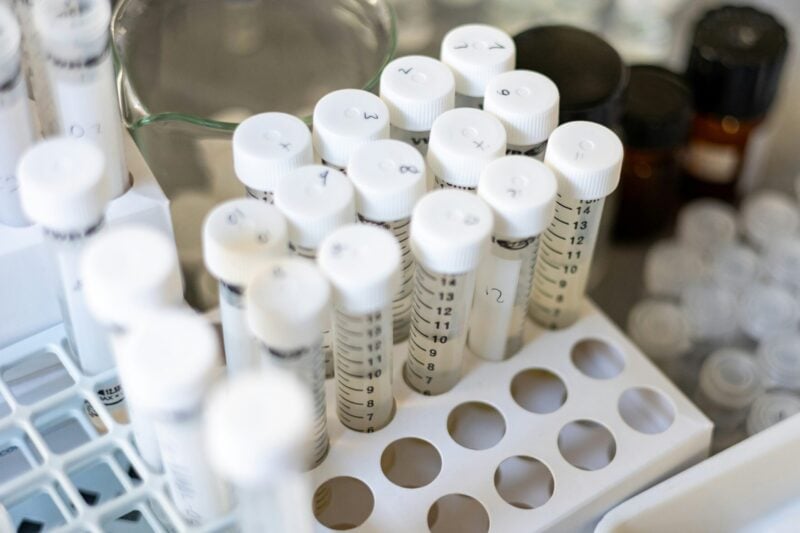
Selecting a centrifuge requires more than comparing maximum speed ratings. Sample volume, tube format, rotor design, temperature control, and bench space all affect daily performance. The right model protects sample integrity, supports repeatable separation, and fits the laboratory’s workload. However, performance is only part of the decision.
A careful choice also accounts for safety controls, maintenance, and expected growth. Reviewing available laboratory centrifuges helps laboratories avoid paying for unused capacity or replacing equipment too soon. Start by defining the workflow in measurable terms. The following steps break that process into practical checkpoints.
1. Define the Sample Requirements
Laboratories that process small volumes need a centrifuge matched to their tube format, rotor capacity, and required speed. A practical review of laboratory centrifuges helps teams compare microcentrifuges, mini centrifuges, benchtop models, and floor models without treating one format as universal. The decision should reflect sample type, daily workload, available space, and the controls required by each method. This keeps the purchase tied to actual laboratory tasks.
Sample containers often determine rotor compatibility. A workflow using polymerase chain reaction tubes differs from one using microplates, milliliter tubes, or larger vessels. The centrifuge must accommodate the laboratory’s containers without adapters that reduce capacity or complicate routine handling.
The required separation force also matters. Speed alone does not determine performance because rotor radius affects the force applied to a sample. A model with a lower maximum speed can suit a method if its rotor produces the required separation conditions.
2. Match the Centrifuge to Daily Throughput
A microcentrifuge suits small-volume molecular biology work, including nucleic acid purification and protein isolation. Its compact footprint fits crowded benches and mobile workstations. A mini centrifuge suits brief spins and low-capacity tasks where a full-size unit would occupy unnecessary space.
Benchtop centrifuges support a broader range of work, such as cell culture processing, cell pellet recovery, and routine sample preparation. Floor-standing systems suit laboratories that process larger batches or need greater capacity. Capacity should reflect the number of samples processed per run, rather than the largest possible batch.
Workload also affects rotor selection. Fixed-angle rotors suit many pelleting tasks, while swing-out rotors support applications that require level separation. Swinging-bucket rotors accommodate certain tube and plate formats, so the rotor must match both the container and the method.
3. Check Speed, Temperature, and Controls
A centrifuge with settings up to 16,000 rpm supports high-speed applications, but the laboratory should confirm the required force for each protocol. The selected model also needs controls that operators can set accurately and repeat consistently.
Digital display panels control speed, time, and temperature. Refrigerated models suit samples that require temperature control during processing. A non-refrigerated model fits workflows where temperature does not affect sample quality.
Low-vibration operation supports a quieter work area and steadier placement on the bench. Imbalance detection and auto-locking lids support lab safety during operation. These controls do not replace proper balancing, so staff still need a clear loading procedure for every rotor.
4. Review Rotor and Accessory Compatibility
Rotor swaps should remain simple when one laboratory performs several types of separation. A centrifuge that accepts microtubes, polymerase chain reaction strips, microplates, and swinging buckets supports multiple workflows without requiring separate equipment for each format.
Adapters, buckets, and additional rotors affect usable capacity. Laboratories should confirm which accessories fit the selected model and whether the required configuration is included or purchased separately. Product documentation provides the final compatibility check.
An inventory of existing tubes and plates prevents avoidable purchasing errors. It also shows whether the laboratory needs a flexible rotor system or a simpler configuration for one repeatable method.
5. Consider Space, Safety, and Future Use
Available space affects more than the footprint listed in a product description. Operators need room to load samples, open the lid, change rotors, and clean around the unit. Benchtop and compact models suit small work areas, while floor models require a dedicated position.
Safety controls should match the laboratory’s operating procedures. Imbalance detection helps identify incorrect loading, and an auto-locking lid prevents access during a run. Operators should also review cleaning requirements, rotor care, and the maintenance process before purchase.
Future needs deserve attention without driving unnecessary capacity. A laboratory that expects more microplates might need a compatible rotor, while a facility expanding cell culture work might need greater tube capacity. Growth plans should influence the configuration, not encourage an oversized purchase without a clear use case.
Conclusion
The right centrifuge matches the sample format, separation force, temperature needs, throughput, rotor configuration, and available space. Laboratories should list current protocols, record container types, estimate samples per run, and identify temperature requirements before comparing models. This checklist creates a defensible equipment choice and reveals missing accessories early. Before ordering, staff should confirm each product’s specifications and rotor compatibility for every planned application, then document the operating procedure for routine use.