
Is the Toyota Land Cruiser Worth Buying With Over 150,000 Miles? A Practical Reliability Assessment
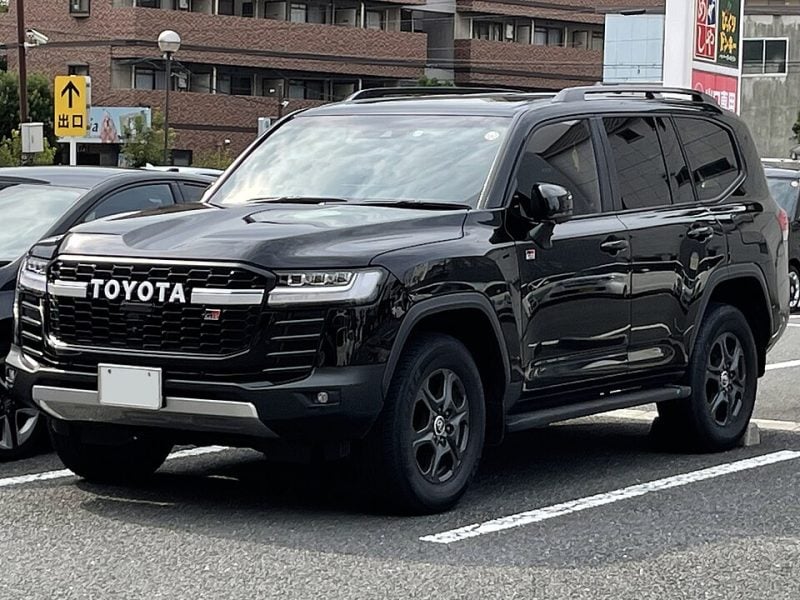
Are you into the big boys? The huge cars? The ones that make you feel like you’re on safari? The Toyota Land Cruiser stands apart from most SUVs when it comes to high-mileage purchases. But what about when you reach the 150,000 mile mark?
Yes, a Toyota Land Cruiser is worth buying with over 150,000 miles because these vehicles are engineered to routinely reach 300,000 miles or more with proper maintenance, and they maintain strong resale value even at higher mileages.
You might hesitate when you see a six-figure odometer reading on most vehicles. However, the Land Cruiser operates by different rules than typical SUVs. The question isn’t whether a Land Cruiser can handle 150,000 miles, but rather what you need to know before making this investment.
This article examines the real-world longevity of these vehicles, what ownership actually costs at higher mileages, and which specific components deserve your attention during inspection.
You’ll also discover how the Land Cruiser compares to competing SUVs and what current owners report about their high-mileage experiences.
Let’s take a look under the hood!
Understanding the Toyota Land Cruiser’s Longevity
The Land Cruiser’s reputation for durability stems from its robust engine design, proven transmission systems, and how well previous owners maintained the vehicle. These three factors determine whether a high-mileage example will continue to perform reliably.
Engine Durability at High Mileage
Toyota equipped Land Cruisers with engines designed for extreme conditions and extended service life. The inline-six and V8 powerplants found in various generations feature forged internal components, reinforced cylinder blocks, and conservative tuning that prioritizes longevity over peak performance.
At 150,000 miles, a properly maintained Land Cruiser engine typically shows minimal wear. The oil passages are generously sized to ensure adequate lubrication even under stress. Timing chains rather than belts in most models eliminate a common failure point.
You should expect these engines to easily last 300,000 miles or more when serviced according to schedule. Many owners report exceeding 500,000 miles on original engine blocks with only standard maintenance and minor component replacements.
Transmission Reliability Over Time
Land Cruiser transmissions are built to handle heavy loads and difficult terrain. Both automatic and manual variants use heavy-duty components with larger clutch packs, stronger planetary gears, and advanced cooling systems.
The automatic transmissions feature dedicated oil coolers that maintain optimal operating temperatures during towing or low-speed off-road work. This thermal management prevents the breakdown of transmission fluid that causes most automatic transmission failures.
Manual transmissions in Land Cruisers use syncromesh designs with robust gear teeth and bearings rated for commercial use. At 150,000 miles, you may need to replace the clutch assembly, but the transmission itself typically requires only fluid changes to continue operating properly.
Maintenance History and Its Impact
A documented maintenance history determines whether a Land Cruiser with 150,000 miles will reach 250,000 to 300,000 miles without major repairs. Regular oil changes using the correct viscosity prevent sludge buildup in the engine and variable valve timing components.
Critical maintenance intervals include:
- Engine oil and filter every 5,000 miles
- Differential fluid every 30,000 miles
- Transfer case fluid every 30,000 miles
- Transmission fluid every 60,000 miles
- Coolant flush every 100,000 miles
Neglected maintenance accelerates wear on critical components. A Land Cruiser missing service records may need immediate attention to suspension bushings, wheel bearings, and steering components that wear predictably with mileage.
Evaluating Value and Cost of Ownership
High-mileage Land Cruisers retain value differently than typical SUVs, and understanding the financial implications of ownership beyond 150,000 miles helps you make an informed purchasing decision. The costs extend beyond the purchase price to include depreciation curves, maintenance expenses, and insurance considerations.
Depreciation After 150,000 Miles
Land Cruisers depreciate slower than most vehicles, but the pattern changes significantly after crossing the 150,000-mile threshold. Toyota Land Cruisers typically lose 35% of their value over five years, but this depreciation rate slows considerably once a vehicle reaches higher mileage.
Once your Land Cruiser exceeds 150,000 miles, the depreciation curve flattens substantially. You’ll lose less money per year compared to a newer model because most of the initial value loss has already occurred.
The vehicle’s condition matters more than mileage at this point. A well-maintained Land Cruiser with 150,000 miles can hold its value better than a neglected one with 100,000 miles. Documentation of regular maintenance adds resale value.
Key factors affecting depreciation:
- Service history – Complete records increase value retention
- Rust and body condition – Structural integrity matters more than cosmetic issues
- Original vs. modified – Stock vehicles typically hold value better
- Regional demand – Areas with off-road culture pay premium prices
Long-Term Maintenance Costs
Your maintenance expenses increase predictably after 150,000 miles as major components reach the end of their service life. Expect to replace items like the timing belt (if not already done), water pump, and suspension components within the next 50,000 miles.
Budget between $1,500 and $3,000 annually for maintenance on a high-mileage Land Cruiser. This includes routine services plus addressing wear items that fail more frequently at this stage.
Common maintenance items beyond 150,000 miles:
- Transmission service every 30,000-50,000 miles
- Differential fluid changes
- Brake system overhauls
- Steering components and ball joints
- Engine gaskets and seals
- HVAC system repairs
Parts availability remains excellent for Land Cruisers, though you’ll pay premium prices for OEM components. Aftermarket options exist for many parts and can reduce costs by 30-40%.
Insurance Implications
Insurance costs for high-mileage Land Cruisers depend more on the vehicle’s value and your driving record than the odometer reading. Your premiums will likely be lower than insuring a newer model because the actual cash value has decreased.
Comprehensive and collision coverage becomes less cost-effective on vehicles with 150,000+ miles. If your Land Cruiser’s value falls below $10,000, you might consider dropping these coverages and keeping only liability insurance.
Theft remains a concern regardless of mileage. Land Cruisers are frequently targeted for parts, which can keep comprehensive insurance premiums higher than expected for an older vehicle.
Key Areas to Inspect on a High-Mileage Land Cruiser
Just because the car has made it through 6 figures of miles doesn’t mean you can take your eye off the ball. Let’s start with suspension….
The suspension system and undercarriage take the most punishment on any Land Cruiser, especially those driven off-road. Rust formation in critical structural areas can compromise vehicle safety and value regardless of mechanical condition.
Suspension and Undercarriage Condition
Check all suspension components for excessive wear, including ball joints, bushings, and tie rod ends. Land Cruisers with over 150,000 miles often need replacement of these parts, particularly if the vehicle has seen regular off-road use.
Inspect the shock absorbers for leaks and test their damping capability. Worn shocks cause poor handling and accelerate wear on other suspension components.
Examine the undercarriage for damage to the differential housings, transfer case, and skid plates. Dents or cracks in these areas indicate hard impacts that may have caused internal damage. Look for fresh oil leaks around axle seals and the transfer case, which are common high-mileage issues.
Test drive the vehicle over bumps and rough roads to identify clunking noises or excessive body roll. These symptoms point to worn bushings or failing suspension components that will need immediate attention.
Rust and Corrosion Risks
Inspect the frame rails thoroughly for surface rust, scaling, or structural corrosion. Pay special attention to the rear frame sections and crossmembers where moisture accumulates. Light surface rust is manageable, but flaking or perforated metal requires professional evaluation.
Check brake lines, fuel lines, and coolant hoses for corrosion or deterioration. These components become brittle with age and exposure to road salt. Exhaust components should be inspected for damage or leaks, as corrosion often starts from the inside out.
Examine the body-to-frame mounting points and the area around the fuel tank for rust damage. Look inside the wheel wells and door jambs where dirt and moisture collect. Vehicles from coastal regions or snow belt states typically show more advanced corrosion than those from dry climates.
Comparing the Land Cruiser to Similar SUVs
The Land Cruiser competes with several capable off-road SUVs, but its legendary reliability sets it apart even at high mileage. Understanding how its longevity and resale costs compare to alternatives helps you make an informed purchasing decision.
Reliability Versus Competitors
Land Cruisers consistently outperform competitors in long-term durability studies. The platform shares its robust body-on-frame construction with the Toyota Sequoia, but the Land Cruiser typically sees harder use and still maintains better resale values.
When comparing the Land Cruiser to competitors like the Ford Bronco and Jeep Wrangler, you’ll find the Toyota requires fewer major repairs past 150,000 miles. The Jeep Wrangler, while capable off-road, experiences more transmission and electrical issues at high mileage. Ford Broncos offer strong personality but lack the decades-long reliability track record.
The Kia Telluride provides modern features at lower prices, but it doesn’t match the Land Cruiser’s proven ability to exceed 300,000 miles with proper maintenance. You’re buying different philosophies: the Telluride focuses on comfort and technology, while the Land Cruiser prioritizes mechanical simplicity and durability.
Typical Costs of Other High-Mileage SUVs
High-mileage alternatives typically cost less upfront but require different financial considerations. A 150,000-mile Jeep Wrangler sells for $15,000-$22,000, roughly $5,000-$8,000 less than a comparable Land Cruiser.
However, you’ll face higher maintenance costs with the Wrangler. Expect to budget $2,000-$3,500 annually for repairs compared to $1,200-$2,000 for the Land Cruiser. The Ford Bronco (older generations) at similar mileage ranges from $12,000-$18,000 but commonly needs transmission work costing $3,000-$4,500.
The Dodge Durango offers more interior space at lower prices ($10,000-$16,000 at 150,000 miles), but reliability ratings drop significantly after 120,000 miles. Your total five-year ownership cost for these alternatives often exceeds the Land Cruiser despite lower purchase prices, making Toyota’s premium worthwhile for long-term value.
Pros and Cons of Buying a Land Cruiser With Over 150,000 Miles
High-mileage Land Cruisers offer unique advantages due to their reputation for durability, but they also come with specific considerations you need to evaluate before purchasing.
Benefits of Choosing a High-Mileage Model
Lower Purchase Price
You’ll pay significantly less for a Land Cruiser with over 150,000 miles compared to lower-mileage examples. This makes the model more accessible if you’ve been priced out of the market for newer versions.
Proven Durability Track Record
Toyota designed the Land Cruiser with exceptional longevity in mind. Vehicles that hold value past 150K miles include the Land Cruiser due to its overengineering, and many owners report these SUVs functioning well beyond 200,000 miles. You’re buying a vehicle with a documented history of reliability.
Strong Resale Value
Even at high mileage, Land Cruisers remain in high demand on the used market. If you maintain the vehicle properly, you’ll retain more of your investment compared to most other SUVs at similar mileage levels.
Potential Drawbacks and Concerns
Maintenance Requirements Increase
You’ll face more frequent repairs and preventive maintenance needs as components age. Systems like suspension, cooling, and transmission will likely need attention or replacement soon after purchase.
Thorough Inspection Essential
Anything over 200,000 miles should be thoroughly inspected, and this applies to vehicles approaching that threshold. You need to verify the maintenance history and check for deferred repairs that could become expensive problems.
Unknown Previous Use
You won’t always know how the previous owner used the vehicle. Off-road use, towing, or operation in harsh conditions accelerates wear on critical components even if the odometer shows regular highway miles.
Expert and Owner Opinions
The Toyota Land Cruiser has earned strong praise from both automotive experts and long-term owners. Experts note the Land Cruiser’s manageable proportions make it easier to handle than larger SUVs while maintaining excellent off-road capability.
Many owners report impressive longevity with their vehicles. One former Ford F-150 driver who recently purchased a 2025 Land Cruiser completed a 1,400-mile trip with positive results, demonstrating confidence in the model’s reliability.
Common owner experiences include:
- High mileage longevity with minimal major issues
- Strong performance in both on-road and off-road conditions
- Excellent build quality that stands the test of time
When it comes to high-mileage purchases, experts suggest a cautious approach. Anything over 200,000 miles should be thoroughly inspected, though many Land Cruisers continue running well beyond this threshold.
Some buyers prefer waiting for newer models to prove themselves. One Sequoia owner with 260,000 miles mentioned waiting three to four years before purchasing a Land Cruiser to ensure no quality issues emerge.
If you’re seeking a reliable 4WD SUV for off-road adventures, the Land Cruiser is almost guaranteed to last well over 300,000 miles in its lifetime. This track record makes 150,000 miles seem relatively moderate for this vehicle.
Resale Value and Future Market Trends
The Toyota Land Cruiser demonstrates exceptional resale value compared to most SUVs. According to depreciation data, a Land Cruiser depreciates approximately 35% after five years, retaining a resale value of around $39,497 from an initial price of $61,131.
This retention rate outperforms the average used vehicle significantly. Current market data shows used Land Cruisers selling for an average of $63,697, which is 131.21% higher than the average used car price.
Key factors supporting strong resale value:
- Reputation for durability and reliability
- Limited production numbers creating scarcity
- Strong enthusiast community and demand
- Proven capability in diverse conditions
- Lower depreciation curves than competing SUVs
When you purchase a Land Cruiser with over 150,000 miles, you’re buying into a vehicle that has already experienced its steepest depreciation. The high resale values stem from the vehicle’s proven longevity and capability.
Market trends in 2026 indicate continued strong demand for Land Cruisers, particularly well-maintained examples. Classic models like the FJ40, FJ60, and FZJ80 have seen notable price appreciation in the collector market.
Your high-mileage Land Cruiser will likely maintain value better than similarly-aged competitors. However, condition matters more than mileage for these vehicles. A well-documented maintenance history and minimal modifications typically command premium pricing in the resale market.
Final Thoughts on Purchasing Wisdom
When you’re evaluating a Land Cruiser with over 150,000 miles, your decision should rest on verifiable maintenance records and current condition rather than the odometer alone. The Land Cruiser is engineered to last over 25 years regardless of mileage, making it unique among SUVs.
Key factors that matter most:
- Complete service history documenting regular oil changes and major service intervals
- Absence of structural rust on the frame and body panels
- Condition of the interior and overall cleanliness
- Evidence of proper maintenance by previous owners
You should expect to invest in immediate maintenance after purchase. Budget for fluid changes, potential suspension components, and brake system refresh. These costs are normal and don’t indicate a bad purchase.
Price expectations need to align with reality. High-mileage Land Cruisers command premium prices compared to other brands because of their proven longevity. If you find one significantly below market value, investigate why rather than assuming you’ve found a deal.
Your inspection must be thorough. Hire a mechanic familiar with Land Cruisers or visit a Toyota specialist. They’ll identify issues that general mechanics might overlook, particularly with the transfer case, differentials, and suspension components.
The purchase makes sense if you plan to keep the vehicle long-term and maintain it properly. You’re not buying transportation for three years—you’re acquiring a vehicle that can serve you for another decade or more with appropriate care.




_front.jpg)