
Maintenance Cost of a Ducati Monster 937 Per Year: Complete Ownership Guide
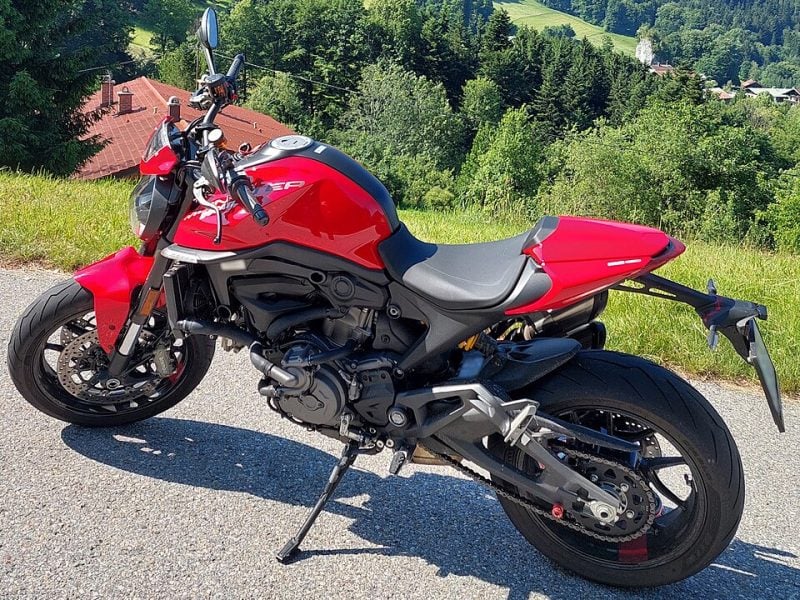
As one of the most exciting brands in all of motorcycles, The Ducati Monster 937 represents a significant step forward in the Italian manufacturer’s naked bike lineup. However, if you’re going to own of these babies, it requires looking beyond the purchase price.
For riders covering typical annual mileage, you can expect to spend between $800 and $1,500 per year on maintenance for a Ducati Monster 937, depending on whether you perform some work yourself or rely entirely on dealership service.
This range accounts for routine maintenance, scheduled service intervals, and normal wear items like tires and brake pads.
The modern Monster 937 benefits from updated technology that has reduced some of the traditional expenses associated with Ducati ownership.
The liquid-cooled Testastretta engine requires less frequent valve adjustments than older air-cooled models, and the elimination of timing belts in favor of timing chains has removed one of the most expensive maintenance tasks from the ownership equation.
Your actual yearly costs will vary based on how many miles you ride, whether you tackle basic maintenance yourself, and where you live. Understanding the breakdown of these expenses helps you budget appropriately and avoid surprises when service intervals approach.
Let’s get riding!
Average Annual Maintenance Cost of a Ducati Monster 937
Annual maintenance costs for your Ducati Monster 937 typically range from $600 to $1,500 depending on mileage and service requirements. Your total expenses will vary based on whether you need major or minor services in a given year.
Typical Yearly Expenses Breakdown
Your basic routine maintenance costs between $100 and $300 for oil changes and minor services. These intervals occur more frequently and form the foundation of your maintenance budget.
If you ride approximately 7,500 to 12,000 miles per year, you’ll encounter at least one major service interval. A 6,000 mile service costs about $300 in parts and fluids, while a 12,000 mile service runs approximately $430.
Your annual costs should account for:
- Oil and filter changes: $100-$300 per service
- Routine inspections: Included in service intervals
- Consumables: Brake pads, tires, chain maintenance as needed
- Desmodromic valve service: $600-$1,000 when due
Major and Minor Service Intervals
Your Monster 937 follows Ducati’s Transparent Maintenance schedule, which specifies exact service requirements at predetermined intervals. Minor services occur more frequently and include oil changes, filter replacements, and basic inspections.
Major services involve valve adjustments due to the Desmodromic valve system unique to Ducati motorcycles. These technical services require specialized knowledge and tools.
The Monster 937 requires valve checks at specific mileage points. You’ll need to budget for these more extensive services, which take longer and cost more than basic maintenance.
Factors Affecting Maintenance Costs
Your location significantly impacts service costs, as dealership labor rates vary by region. Basic maintenance ranges from $200 to $500 depending on complexity and local labor rates.
Your riding habits directly influence maintenance frequency. Higher annual mileage means you’ll reach service intervals faster, increasing yearly costs. Aggressive riding also accelerates wear on consumable parts like brake pads and tires.
Whether you choose dealership service or independent mechanics affects your expenses. Dealerships offer specialized expertise but typically charge premium rates. DIY maintenance can reduce costs if you have mechanical skills and tools.
Routine Service Tasks and Their Cost
Regular maintenance on the Ducati Monster 937 includes oil changes, chain adjustments, brake inspections, and tire replacements that occur at predictable intervals. Understanding these costs helps you budget accurately for ownership.
Oil Changes and Fluid Replacements
The Monster 937 requires oil and filter changes every 9,000 miles or 15,000 km, whichever comes first, or every two years based on time. You’ll need approximately 3.8 liters of high-quality motorcycle oil and a genuine Ducati oil filter.
Expect to pay between $80 and $150 for parts if you perform the work yourself. Dealership labor adds $100 to $200 to the total cost, bringing a complete oil change to $180 to $350 at a service center.
Coolant replacement occurs less frequently, typically every two years or at the 18,000-mile service interval. Brake fluid and clutch fluid should be changed every two years regardless of mileage to prevent moisture contamination. These fluid services add $50 to $100 in parts and $75 to $150 in labor when done professionally.
Chain and Sprocket Maintenance
Chain maintenance is one of the most frequent tasks you’ll perform on your Monster 937. The chain requires cleaning and lubrication every 600 miles or after riding in wet conditions.
A quality chain cleaning kit costs $20 to $40, while premium chain lubricant runs $12 to $18 per can. Chain adjustment is necessary every 1,000 miles and takes minimal time if you have the proper tools.
Chain and sprocket replacement typically occurs between 15,000 and 25,000 miles depending on your maintenance habits and riding style. A complete chain and sprocket kit costs $200 to $400 for quality parts. Professional installation adds $150 to $250 in labor, though many riders handle this task themselves with basic tools and mechanical knowledge.
Brake System Service
Brake pad inspection should occur at every service interval, with replacement needed based on wear rather than mileage. Front brake pads typically last 8,000 to 12,000 miles, while rear pads last 12,000 to 18,000 miles.
Quality brake pads cost $40 to $80 per axle for aftermarket options or $60 to $100 for OEM Ducati parts. Labor for brake pad replacement runs $75 to $150 per axle at dealerships.
Brake rotor replacement becomes necessary when thickness falls below specifications, usually between 20,000 and 30,000 miles. Rotors cost $150 to $250 each, with the Monster 937 using dual front rotors and a single rear rotor.
Tire Replacement and Balancing
Sport-touring tires on the Monster 937 provide a balance between performance and longevity. Rear tire life ranges from 4,000 to 8,000 miles, while front tires last 6,000 to 12,000 miles depending on riding style.
Quality sport-touring tires cost $150 to $250 for the rear and $130 to $200 for the front. Mounting, balancing, and disposal fees add $25 to $50 per tire at most shops.
Replacing both tires simultaneously costs $350 to $550 total including installation. Annual tire expenses vary significantly based on your mileage, but riders covering 10,000 miles per year should budget $400 to $600 for rubber.
Scheduled Maintenance Intervals and Pricing
The Ducati Monster 937 follows a time- and mileage-based maintenance schedule with service costs ranging from basic oil changes to comprehensive Desmo valve services. Your actual expenses will depend on whether you choose dealer service or independent mechanics, plus the specific interval requirements.
6,000-Mile and 12,000-Mile Services
Your Monster 937 requires service every 12 months or 9,000 miles (15,000 km), whichever comes first. The basic annual service includes an oil and filter change, general inspection, and fluid level checks. You can expect to pay between $300 and $500 for this routine maintenance at most dealers.
The 12,000-mile service adds more comprehensive checks beyond the standard oil change. This interval typically includes brake fluid replacement, air filter inspection, and a more thorough multi-point inspection of critical systems. These services generally cost between $500 and $700 depending on your location and dealer pricing.
At 18,000 miles, you’ll face additional maintenance items like coolant replacement and more extensive brake system service. Each service interval builds upon the previous one, with costs increasing as more components require attention. Following the earlier of time-based or distance-based intervals ensures your bike remains in optimal condition.
Desmo Service Requirements
The Desmo service interval is 30,000 km or 18,000 miles, which represents the most significant maintenance expense for your Monster 937. This service involves checking and adjusting the desmodromic valve clearances, a task that requires specialized tools and expertise. You should budget between $1,200 and $1,800 for this major service at a Ducati dealer.
The desmodromic valve system uses mechanical closing instead of valve springs, requiring periodic inspection to maintain proper clearances. Unlike older Ducati models with belt-driven camshafts, the 937 engine uses a timing chain that doesn’t require replacement. This design change eliminates the traditional belt service costs that older Monster owners faced every few years.
Your valve service interval is notably extended compared to previous Ducati models, which often required valve checks every 7,500 to 15,000 miles. This longer service interval reduces your annual maintenance burden significantly.
Dealer vs. Independent Shop Costs
Ducati dealers typically charge premium rates for service, with labor costs ranging from $120 to $180 per hour depending on your region. The Transparent Maintenance plan provides detailed pricing in advance and specifies the time needed for each service, helping you budget accordingly. Dealer service ensures factory-trained technicians and genuine Ducati parts.
Independent shops specializing in Italian motorcycles often charge 20% to 40% less than dealers for the same services. You might pay $80 to $120 per hour for labor at a qualified independent mechanic. However, not all independent shops have the specialized tools required for Desmo valve adjustments.
Dealer service maintains your warranty coverage and provides documentation that helps with resale value. Independent mechanics can offer more flexible scheduling and personalized service, but you need to verify their experience with Ducati motorcycles before committing to major services.
Wear and Tear Components
Regular replacement of wear components on your Ducati Monster 937 represents a significant portion of annual maintenance costs. These parts deteriorate through normal use and require scheduled attention to maintain safety and performance.
Clutch Pack Replacement
The clutch system on your Monster 937 experiences constant friction and heat during operation. Clutch plates typically last between 15,000 to 25,000 miles depending on your riding style and whether you frequently ride in stop-and-go traffic.
Signs of clutch wear include slipping during acceleration, difficulty finding neutral, or a spongy lever feel. The clutch pack replacement involves both friction plates and steel plates to ensure proper engagement.
Typical clutch replacement costs include:
- Parts: $200-$350 for a complete clutch kit
- Labor: $300-$500 depending on dealer rates
- Total: $500-$850 per replacement
If you ride aggressively or commute daily in urban environments, you may need replacement closer to the 15,000-mile mark. Smooth shifting techniques and avoiding excessive slipping can extend clutch life significantly.
Battery Life and Replacement
Your Monster 937 uses a lithium-ion or traditional lead-acid battery depending on the model year. Battery lifespan typically ranges from 3 to 5 years under normal conditions.
Cold weather, infrequent riding, and leaving accessories powered while the engine is off accelerate battery degradation. A battery tender maintains optimal charge during storage periods and extends overall life.
Replacement batteries cost between $80-$200 for quality options. Lithium batteries command higher prices but offer weight savings and longer service life. You can replace the battery yourself in under 15 minutes with basic tools.
Suspension Checks and Servicing
The suspension requires periodic inspection for leaks, proper damping, and seal condition. Fork seals typically need replacement every 20,000-30,000 miles or sooner if you ride on rough roads frequently.
Fork oil should be changed every 12,000-15,000 miles to maintain consistent damping performance. Degraded oil leads to harsh ride quality and reduced control during aggressive cornering.
Rear shock servicing costs $200-$400 including oil and seal replacement. Front fork service runs $300-$500 for both legs including seals, bushings, and fresh oil. Many riders notice improved handling immediately after suspension servicing.
Unexpected Repairs and Unplanned Expenses
Beyond scheduled maintenance, the Monster 937 can present repair costs that vary based on how you ride and where components fail. Parts availability has improved with Ducati’s modern supply chain, though certain items still carry premium pricing compared to Japanese motorcycles.
Common Reliability Issues
The Monster 937 benefits from Ducati’s Testastretta engine platform, which has proven more reliable than earlier generations. Most owners report solid performance, though certain areas warrant attention.
Electrical issues occasionally surface, particularly with sensors and wiring connections. The quicklifier and dash electronics can develop faults that require diagnostic work at dealerships. These repairs typically range from $200 to $600 depending on the component affected.
Clutch wear depends heavily on riding style. Aggressive riding or frequent city use accelerates wear, potentially requiring replacement between 15,000 and 25,000 miles. A complete clutch service costs $800 to $1,200 including parts and labor.
Fuel system components like pumps and injectors rarely fail but command high replacement costs when they do. Brake components wear at normal rates, with front pads lasting 8,000 to 12,000 miles at $100 to $150 per set.
Extended Warranty Considerations
Ducati offers extended warranty coverage that can cap your repair expenses beyond the standard two-year manufacturer warranty. Extended plans typically cost $800 to $1,500 depending on coverage length and deductible structure.
These warranties cover mechanical and electrical failures but exclude wear items like clutches, brakes, and tires. Coverage makes financial sense if you plan to keep the bike beyond 20,000 miles or lack tools and expertise for DIY repairs.
Compare the warranty cost against potential major repairs. An engine rebuild or transmission issue could exceed $3,000, making the warranty worthwhile for risk-averse owners. However, modern Ducatis demonstrate improved reliability compared to older models, reducing the likelihood of catastrophic failures.
Parts Availability and Pricing
Ducati parts cost more than Japanese equivalents but remain accessible through dealerships and online retailers. OEM parts arrive within days for common items, though specialized components may require one to two weeks.
Aftermarket options exist for items like levers, exhaust systems, and body panels at lower prices than OEM. Engine internals and electronics typically require genuine Ducati parts to maintain proper function and warranty coverage.
Expect to pay premium prices: a replacement headlight assembly runs $400 to $600, while fairings cost $300 to $800 each. Gaskets, seals, and small hardware items align more closely with industry standards at $10 to $50 per piece. Parts choices and regional labor rates significantly influence your total repair costs when unexpected issues arise.
Do-It-Yourself Maintenance Savings
Taking on maintenance tasks yourself can reduce your Monster 937 ownership costs by 50-70% compared to dealership service rates. Basic maintenance requires modest tool investment but delivers substantial long-term savings through eliminated labor charges.
Essential Tools Needed
You’ll need a quality metric socket set ranging from 8mm to 19mm, with both standard and deep sockets. A torque wrench capable of 10-100 Nm specifications is critical for proper bolt tightening on the Monster 937.
Invest in a good set of metric Allen keys, oil filter wrench, and drain pan for fluid changes. A rear paddock stand costs $50-100 but makes wheel removal and chain maintenance significantly easier. You’ll also want a chain cleaning brush and maintenance stand.
Digital calipers help measure brake pad thickness and chain wear accurately. Budget $200-400 for a complete basic toolkit that covers most routine Monster 937 maintenance tasks.
Maintenance Tasks Suitable for Home Mechanics
Oil and filter changes are straightforward on the Monster 937 and cost about $50-100 in materials versus dealership rates of $150-250. You’ll perform this service every 9,000 miles or annually.
Chain cleaning and adjustment takes 30 minutes every 600 miles. Air filter replacement requires minimal tools and saves $75-100 in labor charges. Brake fluid flushes every two years cost $30 in fluid versus $150-200 at shops.
Coolant changes, spark plug replacement, and brake pad installation are manageable with basic mechanical skills. Avoid attempting valve service or desmodromic system work without specialized training and equipment.
Impact on Annual Costs
DIY maintenance on a Monster 937 ridden 5,000-7,000 miles annually reduces costs from approximately $400-600 to $150-250. Labor typically accounts for 60-70% of dealership service bills.
Your first-year tool investment adds $200-400 but amortizes over the bike’s lifetime. Performing simple tasks yourself eliminates trip costs to the dealership and scheduling delays.
Major services still require professional attention every 18,000 miles for valve clearance checks. This balanced approach keeps your Monster 937 properly maintained while maximizing cost efficiency.
Insurance and Registration as Part of Yearly Costs
Beyond routine maintenance, you need to budget for insurance and registration when calculating the true annual cost of owning a Ducati Monster 937. These expenses can add significantly to your yearly ownership costs.
Insurance for a Ducati Monster 937 typically runs higher than comparable Japanese motorcycles. Ducati insurance costs are elevated due to several factors including premium parts that increase repair costs, higher theft rates, and the performance capabilities of these bikes. Your specific premium depends on your age, riding history, location, and coverage levels.
Key Insurance Cost Factors:
- Your riding experience and claims history
- Where you live and store the bike
- Coverage type (liability only vs. comprehensive)
- Deductible amounts you select
- Anti-theft devices installed
Annual insurance premiums for a Monster 937 can range from $800 to $2,500 or more. Younger riders or those in urban areas typically pay toward the higher end. You can reduce costs by maintaining a clean riding record, taking safety courses, and bundling policies.
Registration fees vary by state but generally fall between $50 and $200 annually. Some states charge more for newer or higher-value motorcycles.
When you add insurance and registration together, expect to budget $850 to $2,700 per year on top of your maintenance expenses. This makes these ownership costs roughly equal to or exceeding your annual maintenance budget depending on your insurance profile.
Regional Variations in Maintenance Cost
Your location significantly impacts what you’ll pay for Ducati Monster 937 maintenance. Labor rates vary considerably across different regions and countries.
In metropolitan areas with high costs of living, dealership labor rates typically range from $120 to $180 per hour. Rural areas often have lower rates, sometimes dropping to $80 to $100 per hour. This difference means the same service could cost you several hundred dollars more depending on where you live.
Regional factors affecting your maintenance costs include:
- Local labor rates and cost of living
- Availability of certified Ducati technicians
- Competition among service centers
- Distance from parts distribution centers
- State or regional taxes on parts and services
Dealerships in major cities charge premium rates due to higher overhead costs. Independent mechanics specializing in Italian motorcycles may offer more competitive pricing, though you should verify their experience with the Monster 937’s specific systems.
Factors that influence service prices extend beyond just labor. Parts availability varies by region, affecting both cost and wait times. Areas with limited Ducati dealerships may face longer shipping times and higher parts markup.
Your choice between dealership service and independent shops also varies by location. Some regions have numerous qualified options, while others may have only one authorized service center within hundreds of miles. This limited competition can drive prices higher in less populated areas.
Exchange rates and import duties affect international owners differently than those in the United States or Europe where Ducati has stronger distribution networks.
Long-Term Cost of Ownership Considerations
Beyond routine maintenance, you need to account for several factors that impact your total ownership costs over time. The Monster 937’s Desmodromic valve system requires technical service every 7,500 miles, with major services typically ranging from $600 to $900 at dealerships.
Your annual mileage directly affects maintenance frequency. If you ride 10,000 miles per year, you’ll hit major service intervals more frequently than someone who rides 5,000 miles annually.
Key Long-Term Expenses:
- Tires: Sport-oriented tires wear faster and need replacement every 5,000-8,000 miles
- Brake components: Pads and rotors require periodic replacement based on riding style
- Chain and sprockets: Typically need replacement every 15,000-20,000 miles
- Coolant and brake fluid: Require replacement at specific intervals regardless of mileage
Insurance costs vary significantly based on your location, age, and riding history. You should expect higher premiums compared to standard motorcycles due to the Monster 937’s performance classification.
The Transparent Maintenance plan from Ducati provides detailed service schedules and costs upfront, helping you budget more accurately. Modern Ducati motorcycles have extended service intervals compared to older models, reducing the frequency of expensive valve adjustments.
Parts and accessories for the Monster 937 carry premium pricing. You’ll pay more for genuine Ducati components compared to universal aftermarket alternatives, though quality and fitment are typically superior.


