
The 30 Best School Districts in California: Rankings and Performance Analysis
California’s public education system serves millions of students across nearly 1,000 school districts, each varying in size, resources, and academic performance.
Parents and families researching educational options face the challenge of identifying which districts consistently deliver high-quality instruction and student outcomes.
School district rankings rely on measurable factors including standardized test scores in mathematics and reading, graduation rates, teacher qualifications, and overall academic achievement.
Several California districts have earned national recognition for their commitment to educational excellence, attracting families who prioritize strong academic foundations for their children.
This article examines 30 of California’s highest-performing school districts based on academic data and student achievement metrics. The rankings span districts from Northern to Southern California, representing diverse communities that share a commitment to educational quality.
Here are the 30 best school districts in California:
1. Palo Alto Unified School District
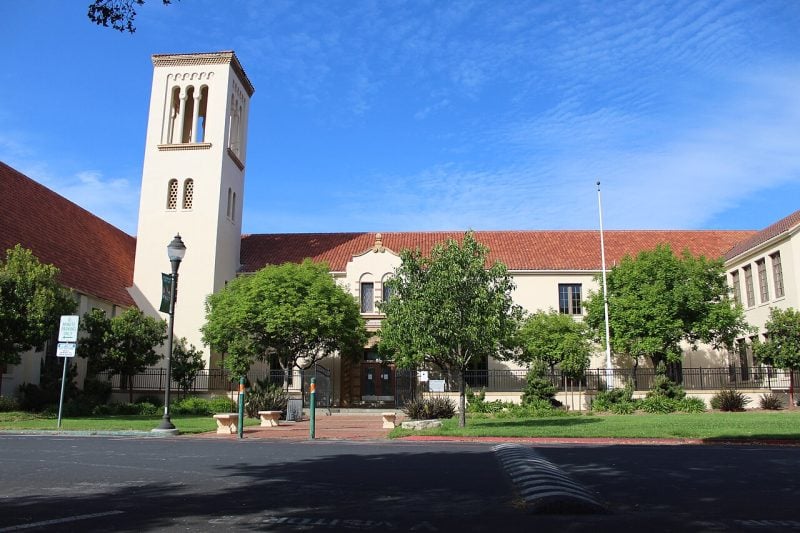
Palo Alto Unified School District consistently ranks as one of California’s top educational systems. According to recent Niche rankings, the district holds the #8 position nationally and ranks first in the state.
The district performs better than 97.3% of school districts in California based on comprehensive evaluations of student achievement and school quality. Its strong performance stems from high math and reading proficiency test scores across its schools.
Located in the Bay Area, Palo Alto Unified serves students through multiple campuses that demonstrate academic excellence. The district has maintained its reputation for quality education over successive years, regularly appearing in top rankings from various educational research organizations.
Niche includes Palo Alto Unified among approximately 300 California school districts that earned recognition in its nationwide evaluation of over 11,000 districts.
2. Los Gatos-Saratoga Union High School District
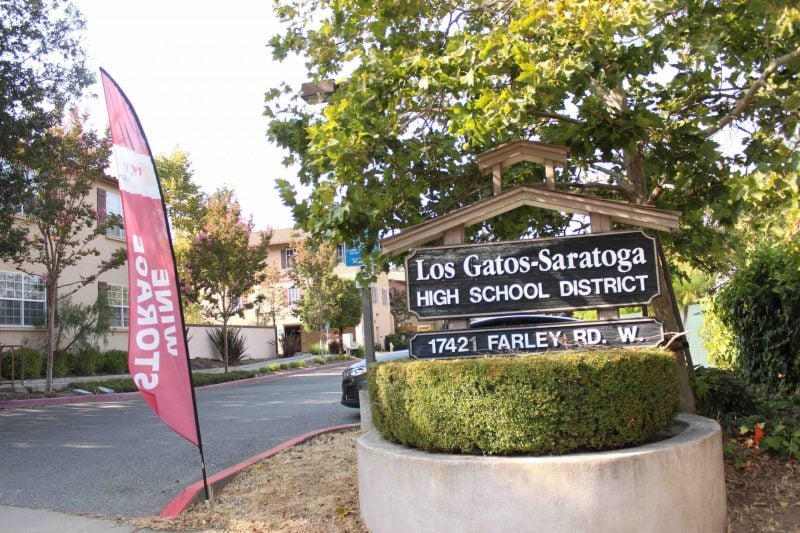
The Los Gatos-Saratoga Union High School District serves students in grades 9-12 in the greater San Jose area. The district operates two high schools: Los Gatos High and Saratoga High.
Both schools have earned 5-star ratings from SchoolDigger. Saratoga High ranks 22nd out of 2,335 high schools statewide, while Los Gatos High ranks 100th.
The district enrolls approximately 3,183 students with a student-teacher ratio of 20 to 1. According to state test scores, 73% of students demonstrate proficiency in math and 86% in reading.
The district ranks better than 98.7% of districts in California. Total minority enrollment stands at 43%, with 11% of students classified as economically disadvantaged.
Teachers emphasize character development alongside academic achievement, focusing on respect, honesty, and resilience.
3. Irvine Unified School District
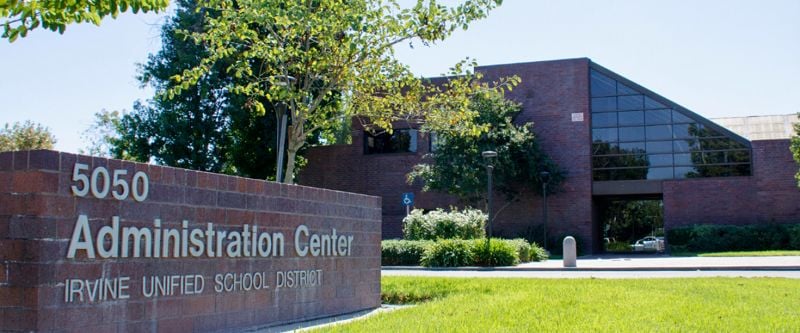
Irvine Unified School District serves approximately 36,000 students across 44 schools in Orange County. The district operates 30 elementary schools, 6 middle schools, 7 high schools, and 1 alternative school.
IUSD ranks #68 out of 1,908 school districts in California based on combined math and reading proficiency testing data. The district holds the top ranking among Orange County school districts in recent evaluations.
The district has earned recognition with 70 California Distinguished and Gold Ribbon Schools. IUSD was established on June 6, 1972, and serves most of Irvine along with portions of Tustin and unincorporated Orange County areas.
Academic performance remains strong throughout the district, with many schools ranking among the state’s top performers. The district’s high schools have received national recognition for their achievements.
4. San Marino Unified School District
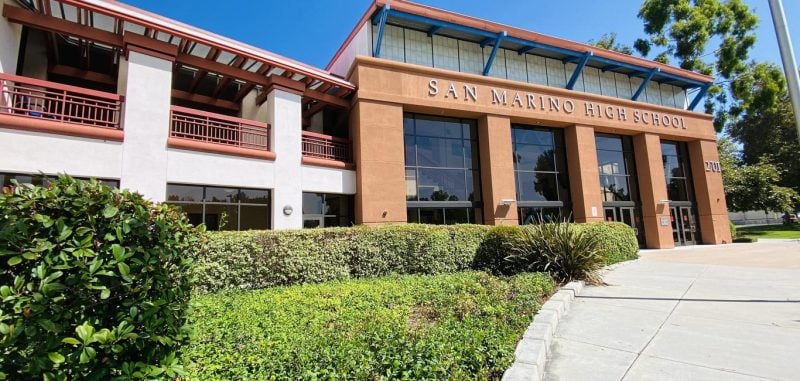
San Marino Unified School District consistently ranks among California’s top-performing school systems. The district serves approximately 2,928 students across four public schools and maintains an impressive 10/10 average testing ranking, placing it in the top 1% statewide.
Recent 2025 CAASPP results demonstrate the district’s academic excellence, with 86% of students meeting or exceeding standards in English language arts and 85% in mathematics. These scores position San Marino among the highest-performing unified districts in California.
Niche has awarded San Marino Unified an A+ overall grade in its 2026 Best School Districts rankings. The district ranks better than 99.4% of California school districts according to SchoolDigger data.
San Marino’s sustained academic performance and high rankings make it a standout choice for families prioritizing educational quality.
5. Cupertino Union School District
Cupertino Union School District serves approximately 14,588 students across 25 public schools in Santa Clara County. The district operates seventeen elementary schools, five middle schools, and one K-8 school spanning the communities of Cupertino, San Jose, Sunnyvale, Santa Clara, Saratoga, and Los Altos.
The district’s average testing ranking stands at 10/10, placing it in the top 1% of public schools in California. It ranks better than 96.6% of districts statewide.
This performance reflects the district’s consistent academic achievement across its schools. Parents and students have access to highly rated educational programs at both elementary and middle school levels.
The district’s location in Silicon Valley’s technology hub contributes to its strong educational resources and community support for academic excellence.
6. Lafayette School District
The Lafayette School District serves approximately 3,200 students from kindergarten through eighth grade across four elementary schools. The district focuses its instructional approach on core subjects including reading, language arts, mathematics, and science.
Lafayette has earned recognition for its strong academic performance and top-rated schools. Students benefit from excellent community support for education and a full range of services tailored to individual needs.
High school students in Lafayette typically attend schools within the Acalanes Union High School District. Acalanes High ranks in the 97.2 percentile statewide, demonstrating the area’s commitment to educational excellence.
The district maintains dedicated maintenance, grounds, and custodial staff to support quality learning environments. Parents and families seeking strong academic programs in the Bay Area often consider Lafayette for its consistent performance and educational standards.
7. San Ramon Valley Unified School District
San Ramon Valley Unified School District ranks among California’s top-performing districts, placing 87th out of 1,565 districts statewide with a 5-star rating. The district serves students across 36 schools, including 22 elementary schools, 8 middle schools, and 5 high schools.
Academic performance stands as a district hallmark, with students achieving a 71% math proficiency rate compared to the state average of 34%. Reading proficiency reaches 79%, well above California’s 47% average. The district’s testing ranking places it in the top 5% of public schools statewide.
Dougherty Valley High School exemplifies the district’s excellence, ranking 37th among 2,309 California high schools. Niche recently recognized San Ramon Valley Unified as the second-best district in Contra Costa County and 30th in the state, reflecting its consistent high performance across multiple metrics.
8. Tamalpais Union High School District
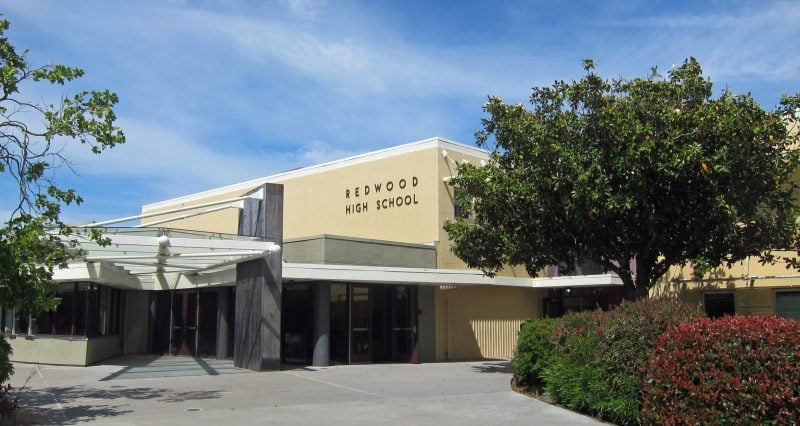
The Tamalpais Union High School District serves students in grades 9-12 across five high schools in central and southern Marin County. The district headquarters are located on the Redwood High School property in Larkspur.
With 4,703 students enrolled for the 2025-26 school year, the district ranks in the top 10% of California public schools. It achieved a testing ranking of 10/10, reflecting strong academic performance across its schools.
The district offers diverse educational options including traditional high schools, an alternative school, and a continuation school. This variety allows it to meet different student needs within the community.
Tamalpais Union High School District serves students from ten elementary districts throughout the region. The district’s mission focuses on developing critical thinkers who become caring, collaborative, and knowledgeable community members.
9. Beverly Hills Unified School District
Beverly Hills Unified School District serves approximately 3,066 students across six public schools in one of California’s most prestigious communities. The district ranks in the top 10% of California public schools with an average testing ranking of 10/10.
The district operates 15 elementary schools, 8 middle schools, and 7 high schools throughout Beverly Hills. It performs better than 91.2% of districts statewide, demonstrating consistent academic achievement.
Beverly Hills Unified provides students with access to advanced educational programs and well-maintained facilities. The district’s location and resources attract families who prioritize educational excellence.
The schools benefit from strong community support and funding that enables comprehensive academic offerings. Students in this district typically have access to robust extracurricular programs alongside core academics.
10. Pleasanton Unified School District
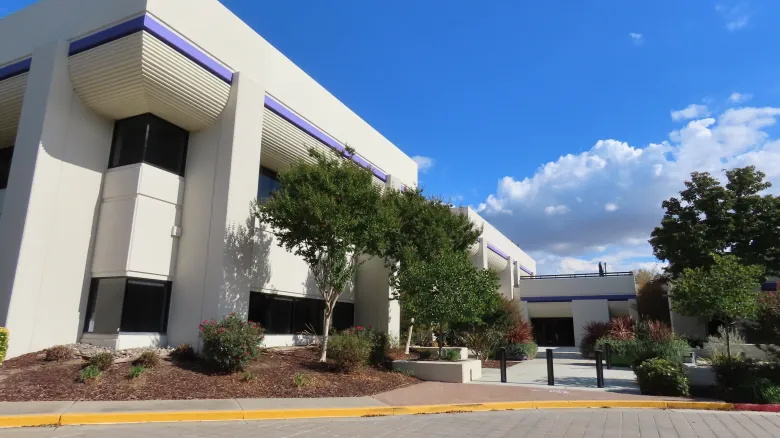
Pleasanton Unified School District ranks among California’s top-performing districts, consistently placing in the top 5% statewide. The district holds the #1 position in Alameda County and ranks 17th across California according to recent evaluations.
The district serves students through 16 schools, including 9 elementary schools, 3 middle schools, 3 high schools, and 1 alternative school. Walnut Grove Elementary and Henry P. Mohr Elementary stand out as particularly high-achieving institutions at the elementary level.
Strong academics define the district’s reputation. High test scores and effective college preparation programs distinguish Pleasanton Unified from other Bay Area districts. Teachers receive widespread recognition for their expertise and commitment.
The district’s success stems from a combination of academic rigor and community support. Parents and educators consistently report satisfaction with the educational programs offered throughout Pleasanton Unified.
11. La Cañada Unified School District
La Cañada Unified School District consistently ranks among California’s top-performing districts. According to recent rankings, it placed as the best school district in Los Angeles County and achieved top status statewide in 2026.
The district ranks in the top 1% of California’s school districts based on combined math and reading proficiency scores. This performance reflects strong academic programs and high student achievement levels across all schools.
La Cañada Unified serves the community of La Cañada Flintridge in Los Angeles County. The district’s schools receive high ratings from multiple educational evaluation services, highlighting their effectiveness in preparing students for college and future careers.
Parents seeking academically rigorous programs often consider this district. The combination of experienced educators, community support, and well-resourced schools contributes to its strong performance metrics year after year.
12. Burlingame School District
The Burlingame School District serves the affluent Peninsula community of Burlingame, California. The district operates several highly-rated elementary schools that consistently rank among the best in the state.
Burlingame Intermediate and Franklin Elementary both hold rankings in the 97th percentile statewide. Lincoln Elementary ranks in the 94.6 percentile, while McKinley Elementary scores in the 88.9 percentile.
Students from the district feed into San Mateo Union High School District, with many attending Burlingame High School. This high school ranks in the top 3% of California high schools and holds a 5-star rating. The school demonstrates high graduation rates and test scores that exceed both district and state averages.
The district’s strong performance across multiple schools reflects the community’s commitment to education and available resources.
13. Mark West Union School District
Mark West Union School District serves approximately 1,339 students across four elementary schools in Sonoma County. The district operates San Miguel Elementary, Mark West Elementary, John B. Riebli Elementary, and Mark West Charter, all providing education from kindergarten through sixth grade.
The district’s average testing ranking places it in the top 50% of California public schools, with a 7/10 rating. This performance reflects the district’s commitment to academic achievement and student development.
Mark West Union School District emphasizes personalized learning and student engagement. The educational program incorporates music and enrichment opportunities designed to challenge students and help them reach their academic potential.
Located in Santa Rosa, the district benefits from community involvement and support. The schools serve students in a suburban setting, providing access to quality education in Sonoma County.
14. Mill Valley School District
The Mill Valley School District serves the city of Mill Valley in Marin County, operating six elementary schools that consistently rank among California’s top performers. The district works alongside the Tamalpais Union High School District to provide comprehensive K-12 education for the community.
Schools like Old Mill Elementary, Park Elementary, and Tamalpais Valley Elementary have earned recognition for their academic achievements and strong test scores. The district benefits from active family engagement through the Mill Valley PTA Council, which connects parents across all six schools.
Both the Mill Valley Elementary and Tamalpais Union High districts maintain high state rankings. The schools serve a community known for its educational priorities and resources that support student learning.
Teachers receive support from involved parent communities that help shape positive school cultures. The district’s location in Marin County provides students with access to quality educational facilities and programs.
15. Brentwood Union School District
Brentwood Union School District serves over 9,600 students across 12 public schools in Brentwood, California. The district includes 8 elementary schools and 3 middle schools, providing education through eighth grade.
The district ranks 421 out of 1,568 school districts statewide and holds a 4 out of 5 star rating. Its average testing ranking places it in the top 30% of California public schools, demonstrating consistent academic performance across its campuses.
Notable schools within the district include J. Douglas Adams Middle School and R. Paul Krey Elementary School, both recognized for strong test scores. The district office operates at 255 Guthrie Lane in Brentwood, maintaining regular hours Monday through Friday.
Families in Brentwood benefit from this well-rated district that emphasizes academic achievement while serving a growing community in Contra Costa County.
16. Poway Unified School District
Poway Unified School District consistently ranks among California’s top-performing school systems. The district holds the #21 position out of 466 districts statewide and ranks #2 in the San Diego region.
With 39 schools serving the community, Poway Unified operates 26 elementary schools, 6 middle schools, and 7 high schools. The district earned an A+ grade from Niche and maintains a 5-out-of-5-star rating from SchoolDigger.
Poway Unified ranks #82 out of 1,908 California school districts based on combined math and reading proficiency data. Nationally, the district places #115 out of more than 10,000 districts.
The district’s strong academic performance reflects its commitment to educational excellence across all grade levels. Students benefit from comprehensive programs designed to support both college readiness and career preparation.
17. Newport-Mesa Unified School District
Newport-Mesa Unified School District serves over 17,000 students across 32 public schools in Costa Mesa and Newport Beach. The district includes 22 elementary schools, 2 middle schools, and 7 high schools.
The district ranks 9th among Orange County school districts and 65th statewide in California. State test results show 58% of students achieving proficiency in reading and 47% in math.
Newport-Mesa Unified maintains a student-teacher ratio of 19 to 1. The district earned a 4 out of 5-star rating from SchoolDigger, placing it in the top 20% of California public school districts based on testing performance.
Students have access to various extracurricular programs that extend learning beyond traditional classroom settings. The district emphasizes creating dynamic educational environments where students can explore their interests and develop practical skills.
18. Sunnyvale School District
Sunnyvale School District serves students in Santa Clara County with a comprehensive educational system. The district includes eight elementary schools for transitional kindergarten through fifth grade, two middle schools for sixth through eighth grade, and a preschool program.
The district ranks better than 68.6% of school districts in California according to recent assessments. Its approach focuses on knowing every student by name, strength, and need to prepare them for high school success.
Located in Silicon Valley, Sunnyvale benefits from proximity to renowned universities like Stanford and Santa Clara University. This geographic advantage provides students with access to educational resources and opportunities beyond the district itself.
Schools like Cherry Chase Elementary, West Valley Elementary, and Louis E. Stocklmeir Elementary represent some of the top-performing institutions in the area. The district continues to show improvement in statewide rankings.
19. San Juan Unified School District
San Juan Unified School District serves northern Sacramento County and ranks as California’s 10th largest district. The district educates over 38,000 students across 68 public schools, including numerous elementary schools, eight K-8 schools, eight middle schools, and nine high schools.
The district employs more than 5,000 staff members who support early learning, TK-12, and adult education programs. San Juan Unified’s average testing ranking places it in the top 50% of California public schools, with a 6/10 rating.
School performance varies throughout the district, with several top-rated schools based on academic measures and student outcomes. The district is located in Orangevale and surrounding communities, providing educational services to a substantial student population in the Sacramento region.
20. Fremont Union High School District
Fremont Union High School District serves approximately 9,600 students across six high schools in the Sunnyvale area. The district consistently ranks among the top-performing high school districts in California, with all its schools placing in the top 335 statewide.
Academic achievement is notably strong, with 82% of students demonstrating proficiency in reading and 74% in math according to state assessments. The district maintains a student-teacher ratio of 23 to 1 and has earned a 10/10 testing ranking, placing it in the top 5% of California public schools.
The district’s success stems from its focus on both excellence and equity, providing targeted student supports while emphasizing continuous improvement. High graduation rates and low dropout rates reflect the effectiveness of these approaches across all six member schools.
21. Chino Valley Unified School District
Chino Valley Unified School District serves approximately 25,480 students across 35 public schools in the Chino area. The district ranks in the top 20% of California school districts for academic performance, with an average testing ranking of 9/10.
The district has gained recognition for strong academic programs and technology integration. Notable schools include Ruben S. Ayala High School, Chino Hills High School, and Magnolia Junior High School. Career technical education programs and athletics are additional district strengths.
According to state test scores, 44% of students demonstrate proficiency in math while 59% show proficiency in reading. The district maintains a student-teacher ratio of 23 to 1.
Inland Valley residents have voted Chino Valley Unified the region’s favorite school district for two consecutive years, reflecting community satisfaction with educational services.
22. Redwood City School District
Redwood City School District serves students in grades K-8 and has demonstrated steady improvement in reading and mathematics according to California Assessment of Student Performance and Progress results. The district is recognized for its innovative programs and diverse student body.
North Star Academy, serving grades 3-8, stands out as one of the district’s notable schools. Roy Cloud School offers education for grades K-8 and contributes to the district’s reputation for academic excellence.
The district operates multiple schools across Redwood City, with several institutions receiving high rankings among California elementary schools. Students who complete eighth grade typically transition to Sequoia Union High School District for their high school education.
Redwood City School District continues to focus on student achievement and maintaining strong academic standards across its schools.
23. Capistrano Unified School District
Capistrano Unified School District ranks #141 out of 1,908 school districts in California, placing it in the top 10% statewide. The district’s ranking is based on combined math and reading proficiency testing data from the 2022-2023 school year.
Located in Orange County, Capistrano Unified has shown consistent improvement in recent state rankings. The district performs better than 87.5% of California school districts according to current assessments.
Students in Capistrano Unified benefit from a range of highly-rated public schools at both elementary and secondary levels. The district’s high schools have received particular recognition for their academic programs and college readiness preparation.
Capistrano Unified serves communities in the Trabuco Canyon area and surrounding regions. The district maintains policies that prohibit discrimination and harassment while promoting an inclusive learning environment for all students.
24. Arroyo Grande Unified School District
The Lucia Mar Unified School District serves Arroyo Grande, ranking 574 out of 1,565 school districts in California with a 3-star rating. The district operates eight schools spanning elementary through high school levels.
Branch Elementary and Harloe Elementary stand out as top performers within the district, each placing in approximately the 78th-79th percentile statewide. Ocean View Elementary also receives recognition among the area’s higher-performing schools.
Arroyo Grande High School serves as one of five high schools in the district, with a student body where 51% represent minority enrollment and 49% qualify as economically disadvantaged. The school ranks in the 59th percentile among California high schools.
The district’s location on California’s Central Coast provides students access to both academic programs and community resources. Parents considering the area will find a mix of school performance levels across different campuses.
25. Lemoore Union High School District
Lemoore Union High School District has served students in California’s Central Valley for over a century. The district operates two public high schools serving approximately 1,917 students for the 2025-26 school year.
The district’s average testing ranking stands at 5 out of 10, placing it in the bottom 50% of California public schools. This ranking reflects the academic challenges faced by the district in comparison to other California school systems.
Despite these statistical rankings, Lemoore Union High School District remains committed to providing educational resources and opportunities to its students. The district continues to work on serving the families and young people of Lemoore with various programs and support services.
The schools operate in Kings County and focus on meeting the needs of their local community through traditional high school programming.
26. Santa Clara Unified School District
Santa Clara Unified School District serves approximately 14,200 K-12 students across 30 schools in Santa Clara, California. The district includes 19 elementary schools, 4 middle schools, 6 high schools, and 1 alternative school.
The district’s average testing ranking places it in the top 20% of public schools in California. About 80% of the student body represents minority enrollment, while 20.9% of students are economically disadvantaged.
Santa Clara Unified maintains a reputation for academic excellence and community involvement. The district demonstrates commitment to student achievement through its consistent performance metrics and comprehensive educational offerings.
Families in the area have access to a range of educational programs that support both academic and personal development. The district also serves an additional 6,000 students through preschool and adult school programs.
27. Danville School District
Schools in Danville operate under the San Ramon Valley Unified School District, which ranks 97th out of 1,568 districts in California. The district has earned a 5-star rating from SchoolDigger, reflecting its strong academic performance.
Danville is home to 13 schools within this district. The city’s educational institutions consistently demonstrate high test scores and academic achievement across grade levels.
Families choose Danville for its mix of educational options, including public, private, charter, and Montessori schools. The area’s schools regularly place among the top performers in state testing.
The San Ramon Valley Unified School District ranks as the second-best district in Contra Costa County. This recognition stems from comprehensive reviews of state and federal education data.
28. Pleasant Hill School District
Pleasant Hill’s public schools operate under the Mt. Diablo Unified School District, which serves the city and surrounding communities. The district ranks 759 out of 1,565 school districts in California and holds a 3 out of 5-star rating.
The city contains 12 schools spanning elementary through high school levels. Several elementary schools have earned recognition for their performance, including Sequoia Elementary, Valhalla Elementary, and Strandwood Elementary.
The district’s schools serve diverse neighborhoods throughout Pleasant Hill, from Poets Corner to Gregory Gardens. Parents can access school ratings and performance data to compare options within the area.
While the Mt. Diablo Unified School District maintains average statewide rankings, individual schools within Pleasant Hill show varying levels of academic achievement. The district provides comprehensive K-12 education for families residing in the Pleasant Hill area.
29. Santa Monica-Malibu Unified School District
Santa Monica-Malibu Unified School District serves approximately 8,630 students across 17 public schools for the 2025-26 school year. The district has earned recognition as one of California’s top-performing school systems.
Niche ranked SMMUSD 18th among 490 California school districts in its 2025 rankings. The district also placed seventh in Los Angeles County, demonstrating strong academic performance in a competitive region.
The district’s average testing ranking stands at 10/10, placing it in the top 10% of public schools statewide. This performance metric reflects consistent achievement across its elementary, middle, and high school campuses.
Both Santa Monica High School and Malibu High School have received recognition from U.S. News & World Report as top-performing high schools nationally. Several elementary and middle schools within the district have similarly earned rankings among California’s best public schools.
30. Mountain View Whisman School District
Mountain View Whisman School District serves 4,572 students across 12 public schools in the Silicon Valley area. The district formed in 2001 through a merger of Mountain View School District and Whisman School District, which were originally founded in 1854 and 1869 respectively.
The district receives strong testing rankings, scoring 10/10 among California public schools and placing in the top 10% statewide. It operates with approximately 30 administrators, 331 teachers and certificated staff, and 319 classified employees.
For the 2024-2025 school year, the district manages a general fund budget with revenue sources including $84.5 million from LCFF sources, $1.9 million from federal sources, and $8.4 million from other state sources. The district ranks better than 78.7% of school districts throughout California.
Understanding California’s School Districts
California operates 953 school districts supporting over 2,586 high schools, creating a complex educational landscape shaped by public funding mechanisms, geographic boundaries, and distinct governance structures that vary significantly across the state’s diverse communities.
Public vs. Private School Districts
California’s public school districts serve the majority of students and receive funding primarily from state and local sources. These districts must follow state curriculum standards, administer standardized testing, and maintain accountability through publicly reported performance metrics.
Public districts operate under elected school boards that make decisions about curriculum, hiring, and budget allocation. They accept all students within their boundaries regardless of academic performance or ability to pay. The state had 953 public school districts during the 2023-24 academic year, ranging from small unified districts serving single communities to large urban systems educating hundreds of thousands of students.
Private schools operate independently and do not form traditional districts in the same manner. They set their own admission standards, charge tuition, and maintain flexibility in curriculum choices. These institutions are not bound by the same testing requirements or accountability measures that govern public education.
How District Boundaries Are Determined
School district boundaries follow geographic lines established through historical decisions, county boundaries, and municipal borders. These lines determine which students attend which schools based solely on residential address.
California uses three main district types: unified districts serving grades K-12, elementary districts covering K-8, and high school districts for grades 9-12. Some areas maintain separate elementary and high school districts, requiring students to transition between systems.
Boundary changes require formal processes involving school boards, community input, and sometimes county committee approval. Districts rarely alter established boundaries due to the complexity of redistributing resources and managing enrollment shifts.
Funding and Resource Allocation
California school districts receive funding through a Local Control Funding Formula that provides base grants per student with additional funds for English learners, low-income students, and foster youth. This formula replaced the previous revenue limit system in 2013.
Property taxes contribute significantly to local district funding, creating disparities between wealthy and less affluent areas. State funds aim to equalize resources, but districts in areas with higher property values often generate more local revenue.
Districts allocate resources based on student needs, staffing requirements, facilities maintenance, and program offerings. Larger districts typically offer more specialized programs and services, while smaller districts may provide more personalized attention despite having fewer resource options.
Factors That Distinguish Top School Districts
California’s leading school districts share measurable characteristics that set them apart, from standardized test performance to the quality of teaching staff and the strength of family engagement in schools.
Academic Performance Metrics
Standardized test scores remain the primary benchmark for evaluating district quality. California uses the Smarter Balanced Assessment Consortium tests for English Language Arts and mathematics, with top districts typically showing 70-85% of students meeting or exceeding standards compared to the state average of approximately 50%.
The California School Dashboard provides a comprehensive evaluation system beyond test scores. This tool examines college and career readiness indicators, including graduation rates, A-G course completion, and college entrance exam participation. Elite districts often maintain graduation rates above 95% while ensuring students complete rigorous coursework.
Advanced Placement and International Baccalaureate program availability also differentiates top districts. High-performing districts typically offer 15-30 AP courses and maintain pass rates of 70% or higher on AP exams, compared to the state average near 55%.
Teacher Qualifications and Ratios
Teacher credentials significantly impact student outcomes in California’s best districts. These districts employ educators with advanced degrees at rates 20-30% higher than state averages, with many teachers holding subject-specific credentials and National Board Certification.
Student-to-teacher ratios in top districts typically range from 18:1 to 22:1, lower than the state average of approximately 24:1. Smaller class sizes enable more individualized instruction and stronger teacher-student relationships.
Teacher retention rates in elite districts frequently exceed 90%, indicating stable learning environments. These districts invest in ongoing professional development, offering 50-80 hours of training annually compared to the state minimum of 40 hours.
Community and Parental Involvement
Parent participation rates in school activities and governance distinguish exceptional districts. Top districts report parent-teacher conference attendance rates above 85% and maintain active Parent-Teacher Association chapters with participation from 40-60% of families.
Community funding supplements state resources in many high-performing districts. Local education foundations raise $500 to $2,000 per student annually, supporting programs in arts, technology, and additional staffing that state funding cannot cover.
Volunteer hours contribute substantially to district quality. Leading districts document 30,000 to 100,000 volunteer hours annually, supporting classroom activities, enrichment programs, and campus improvements.


