The 30 Best School Districts in Colorado: Rankings and Performance Analysis
Colorado ranks among the top states for public education, with 185 school districts serving families across diverse communities from urban centers to mountain towns.
Parents selecting a school district consider factors like academic performance, available resources, and specialized programs that align with their children’s needs.
This guide examines 30 of Colorado’s highest-performing school districts based on test scores, program offerings, and educational outcomes.
The districts featured represent a range of sizes and locations, providing families with comprehensive information to make informed decisions about their children’s education.
Each district brings unique strengths to Colorado’s educational landscape, from advanced placement opportunities to technology integration and character development programs.
Understanding how these districts compare helps families identify the best educational fit for their circumstances. The following analysis explores individual district characteristics, ranking methodologies, and performance metrics that distinguish top-performing school systems in the state.
Here are the 30 best school districts in Colorado:
1. Cherry Creek School District No. 5
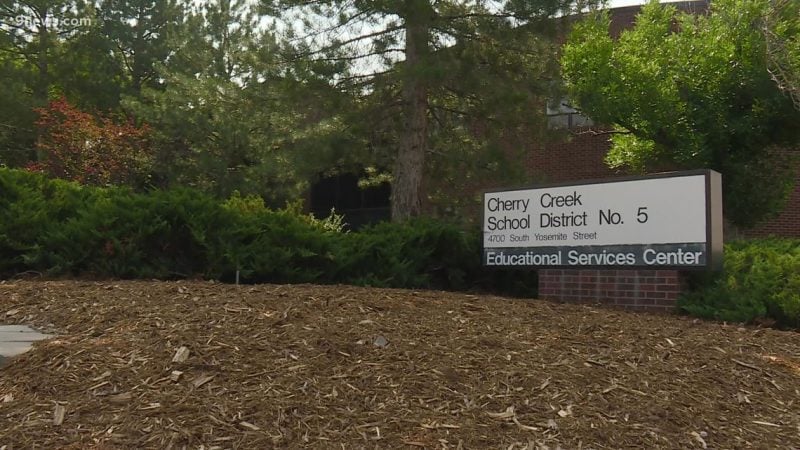
Cherry Creek School District No. 5 serves over 52,000 students across 71 public schools in the Denver metro area. The district spans 108 square miles and covers eight municipalities in Arapahoe County.
The district ranks in the top 20% of Colorado public schools with an average testing ranking of 9/10. It maintains an Accredited status from the Colorado Department of Education, indicating it meets expectations on the majority of performance metrics.
Cherry Creek Schools emphasizes college and career preparedness across its diverse student population. The district operates nine high schools serving grades 9-12, several of which rank among the state’s top performers.
The district’s schools vary in size, academic performance, and demographics. Cherry Creek Schools focuses on inclusive excellence and serves more than 300,000 residents throughout its coverage area.
2. School District No. 1 Denver

School District No. 1, commonly known as Denver Public Schools, serves 88,258 students across 197 public schools for the 2025-26 school year. The district maintains an average testing ranking of 6/10, placing it in the top 50% of public schools in Colorado.
Denver Public Schools offers diverse educational opportunities throughout the metropolitan area. The district serves students from elementary through high school levels across the city.
Recent rankings show the district has made modest improvements in statewide comparisons. The large size of the district provides families with numerous school options and specialized programs to meet different educational needs and preferences.
As Colorado’s largest urban school district, it continues to focus on college preparation and student success initiatives.
3. Cheyenne Mountain School District No. 12
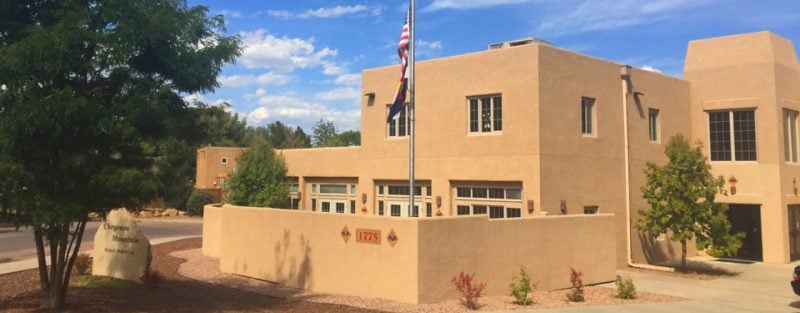
Cheyenne Mountain School District No. 12 earned recognition as the number one school district in Colorado by Niche.com for 2025. Located on the west side of Colorado Springs, the district serves 3,763 students across nine public schools.
The district’s average testing ranking stands at 10/10, placing it in the top 1% of public schools statewide. Cheyenne Mountain High School maintains a position among the top 25 high schools in Colorado with a 5-star rating. The school reports an 84.2% four-year graduation rate and a 1.9% dropout rate.
The district’s middle school consistently ranks in the top 30 middle schools across the state. Both schools demonstrate strong academic performance through their test scores and student outcomes.
Cheyenne Mountain School District 12 serves the southwest Colorado Springs area, combining academic excellence with a supportive educational environment.
4. Boulder Valley School District
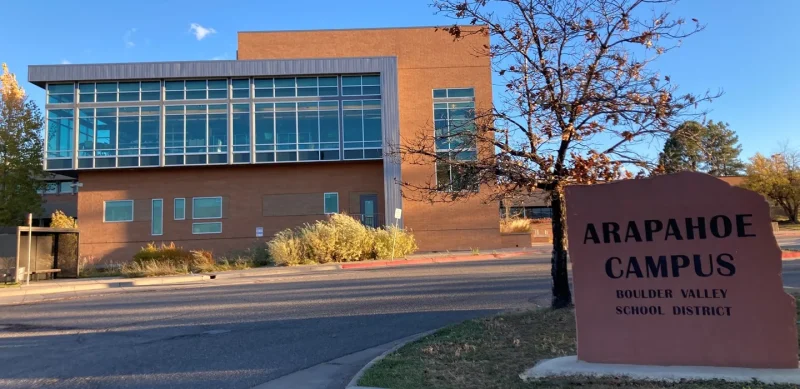
Boulder Valley School District consistently ranks among Colorado’s top educational systems, placing in the top 9% of districts statewide. The district earned an “Accredited with Distinction” rating from the Colorado Department of Education in 2024, marking its first time receiving this top designation since 2018.
The district serves the Boulder area with 31 schools, including elementary, middle, and high schools. Boulder Valley frequently ranks as one of the leading large Front Range school districts based on state and national academic measurements.
The district emphasizes academic excellence through a comprehensive curriculum that supports critical thinking and innovation. Schools within Boulder Valley demonstrate strong performance on standardized assessments, though individual school data shows some variation in outcomes across the district.
Boulder Valley’s 5-star rating from SchoolDigger reflects its commitment to maintaining high educational standards throughout its schools.
5. Douglas County School District
Douglas County School District stands as Colorado’s third-largest school district, serving over 61,000 students from preschool through twelfth grade. The district operates throughout Douglas County with multiple schools providing education across various communities.
Recent rankings show the district performing better than 92.2% of school districts in Colorado. The district encompasses two separate school districts within Douglas County, managing a total of 79 schools with approximately 58,721 students enrolled.
Douglas County schools have earned recognition for innovative educational approaches tailored to student needs. Teachers and staff work to implement various programs designed to prepare students for college and career readiness.
The district offers families access to public schools that consistently rank among the state’s better-performing institutions. Multiple schools within the district have received high ratings based on test scores and academic performance metrics.
6. St. Vrain Valley School District
St. Vrain Valley School District serves approximately 33,000 students across 60 schools and programs in the Longmont area and nearby communities. As Colorado’s seventh-largest district, it spans 411 square miles and operates 55 public schools for the 2025-26 school year.
The district has earned national recognition for innovation, workforce pathways, and technology integration. Its average testing ranking places it in the top 30% of public schools in Colorado, with an 8/10 rating.
St. Vrain Valley Schools ranks better than 76.5% of districts statewide. The district demonstrates strong college readiness outcomes, with several high schools receiving recognition for preparing students for postsecondary success.
The district maintains high academic standards while serving a diverse student population. Parents and educators value its commitment to both traditional academics and career-focused programs.
7. Jefferson County Public Schools
Jefferson County School District No. R-1 serves over 73,000 students across 143 public schools. The district maintains a strong academic reputation with an average testing ranking of 9/10, placing it in the top 20% of Colorado public schools.
The district encompasses 208 total schools, including 46 high schools, 25 middle schools, and 128 elementary schools. This extensive network provides families throughout Jefferson County with numerous educational options.
Top-performing schools in the district include Dennison Elementary School, Evergreen High School, and D’Evelyn Junior/Senior High School. These institutions consistently demonstrate high academic achievement based on standardized test scores and performance metrics.
Jefferson County Public Schools ranks among Colorado’s larger districts with approximately 85,944 students enrolled across two districts within the county. The district’s size and resources contribute to its ability to offer diverse programming and educational opportunities.
8. Poudre School District
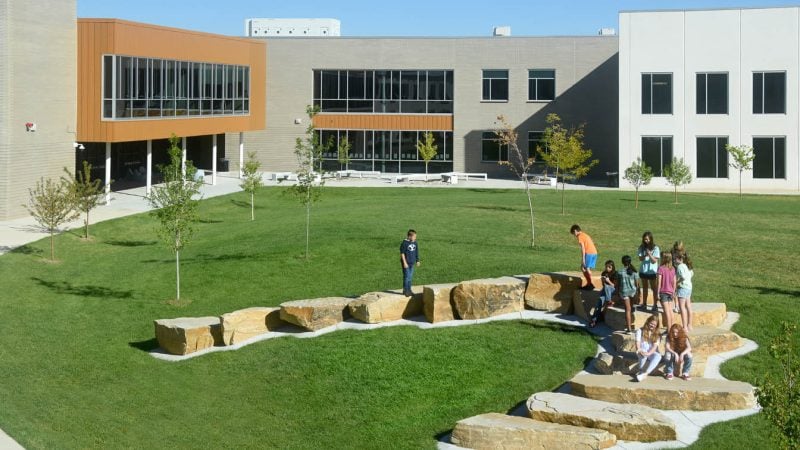
Poudre School District serves over 28,000 students across 52 public schools in the Fort Collins area. The district consistently earns recognition as one of Colorado’s top-performing school systems.
Niche ranked Poudre School District as the eighth-best district in Colorado for 2026. The district’s average testing ranking places it in the top 10% of public schools statewide.
Academic performance remains a strong point for the district. Poudre ranks among Colorado’s top 10 districts for math and top 15 for English Language Arts based on CMAS testing results. Multiple elementary and middle schools within the district have earned spots among Colorado’s top 200 public schools according to U.S. News & World Report.
The district demonstrates solid performance across standardized assessments, including CMAS, PSAT, and SAT testing.
9. Academy School District 20
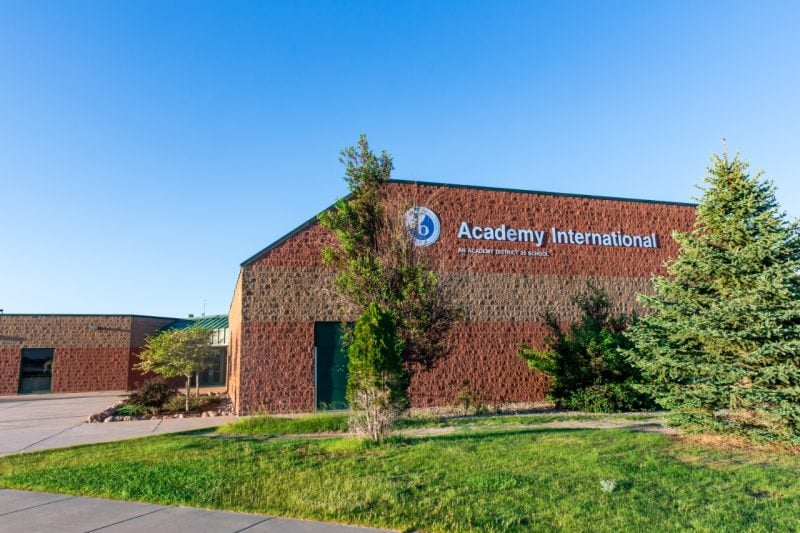
Academy School District 20 serves approximately 26,000 students across nearly 40 schools in the Pikes Peak Region. Founded in 1957, the district has earned Colorado’s highest education performance ranking, Accredited with Distinction, every year since the rating’s inception.
The district ranks 13th out of 115 districts statewide and holds a 4-star rating. It includes 22 elementary schools, 8 middle schools, and 9 high schools serving students from preschool through 12th grade.
Academy District 20’s average testing ranking places it in the top 10% of public schools in Colorado. The district operates in El Paso County and is recognized as one of Colorado Springs’ most sought-after school districts.
Families are drawn to the district for its strong academic performance, diverse school options, and modern facilities.
10. Douglas County RE-1
Douglas County School District No. RE-1 ranks 9th out of 115 districts in Colorado and holds a 5 out of 5 star rating from SchoolDigger. The district serves 61,625 students across 91 public schools in the Parker area for the 2025-26 school year.
The district’s average testing ranking places it in the top 5% of public schools statewide. Schools within Douglas County RE-1 include elementary, middle, and high school levels, with several institutions recognized for preparing students for college success.
The district maintains a focus on continuous improvement through regular performance management and planning. Douglas County RE-1 schools demonstrate strong academic outcomes, with multiple campuses earning recognition for their effectiveness in supporting student learning and college readiness.
11. San Miguel RE-1 School District
San Miguel RE-1 School District serves students in Telluride and surrounding areas of San Miguel County. The district operates several schools including Telluride High School, Telluride Middle School, and Telluride Intermediate School.
The district enrolls approximately 801 students in grades PreK through 12. It maintains a student-teacher ratio of 15 to 1, which allows for more individualized attention in the classroom.
Per student spending in the district is $12,433. This investment supports educational programs and resources across all grade levels.
The schools in this district have received recognition for their performance. Telluride’s mountain location provides unique educational opportunities while maintaining academic standards. The district serves both the town of Telluride and the nearby community of Norwood through its network of public schools.
12. Mapleton Public Schools
Mapleton Public Schools serves over 7,000 students across 25 square miles in one of Colorado’s fastest-growing counties. The district operates in suburban and light industrial communities with expanding neighborhoods and developments.
The district maintains a small-by-design approach for its brick-and-mortar schools and offers one online school serving grades 2-12. Mapleton received a preliminary accreditation rating of Accredited with Improvement Plan for the 2025-26 school year. The district has earned this rating for three of the past four years.
Notable schools in the district include Academy High School, Global Leadership Academy, and Big Picture College and Career Academy. These institutions focus on preparing students for college and career success through various educational approaches.
Mapleton’s location in Adams County positions it within a dynamic region experiencing consistent growth and development.
13. Falcon School District 49
Falcon School District 49 serves approximately 24,000 students across the northeastern region of El Paso County. The district encompasses portions of Colorado Springs, Falcon, and Peyton, covering 133 square miles of rapidly growing communities.
District 49 operates 21 district-run schools and nine authorized charter schools. This portfolio includes specialized programs in STEM, Core Knowledge, and Arts education. The district features notable institutions like Pikes Peak Early College and Springs Studio of Academic Excellence, which utilize a blended education model.
Several schools within the district demonstrate strong academic performance. Liberty Tree Academy, Meridian Ranch Elementary School, and Pikes Peak School Expeditionary Learning have earned recognition for their results. The district also provides specialized support through programs like the Academy for Literacy, Learning & Innovation Excellence, designed for students with language-based learning differences.
14. Adams 12 Five Star Schools
Adams 12 Five Star Schools serves over 34,000 students across 54 schools in the northern Denver metro area. The district spans five cities: Broomfield, Federal Heights, Northglenn, Thornton, and Westminster.
With 35 elementary schools, 7 middle schools, 8 high schools, and 4 alternative schools, the district offers varied educational options for families. Its average testing ranking places it in the top 50% of Colorado public schools.
The district operates through its Blueprint initiative, which focuses on creating improved learning environments through both operational improvements and facility investments. This approach aims to enhance experiences for students, staff, and families throughout the system.
Adams 12 Five Star Schools receives annual performance ratings from the Colorado Department of Education. These ratings evaluate student achievement, growth on state tests, graduation rates, and dropout rates as part of the state accountability system.
15. Cherry Creek Innovation Campus
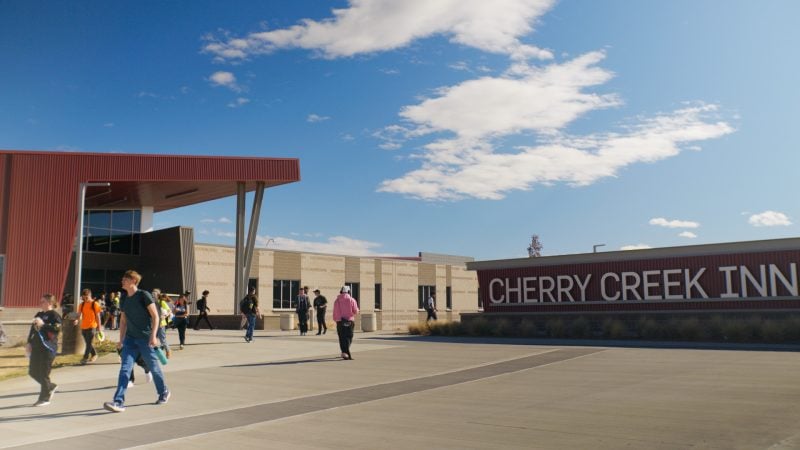
The Cherry Creek Innovation Campus serves 11th and 12th grade students across the Cherry Creek School District as a specialized career and technical education facility. Located in Centennial, the campus opened in 2019 after district voters approved its construction in 2016.
CCIC offers seven distinct career programs that provide hands-on training and real-world application of technical skills. The facility was designed to prepare students for evolving workforce demands through immersive work-based learning experiences.
The campus received recognition in November as one of the top 100 most impactful, innovative education programs globally and ranked among the top ten in the United States. Cherry Creek School District has also earned placement on Forbes’ America’s Best-In-State Employers list for five consecutive years through 2025.
Students gain access to industry-standard equipment and curriculum designed around actual career pathways, making CCIC a significant resource for college and career readiness in the Denver metro area.
16. Eagle County Schools
Eagle County School District No. RE-50 serves 6,495 students across 22 public schools in the Edwards area. The district includes 16 elementary schools, 7 middle schools, and 11 high schools throughout the county.
The district’s average testing ranking places it in the top 50% of public schools in Colorado. Eagle County Charter Academy stands out as a top performer, earning a 4-star rating with consistently high test scores in its K-8 program. Brush Creek Elementary School and Basalt High School also rank among the county’s best-performing institutions.
The district maintains a foundation focused on developing creative minds, compassion, and enthusiasm for learning. However, performance gaps exist between top-tier schools and lower-performing campuses like Gypsum Elementary, Edwards Elementary, and Avon Elementary.
17. Garfield School District RE-2
Garfield School District RE-2 serves 4,786 students across 10 public schools in western Colorado, including communities like Rifle, Silt, and New Castle. The district operates 6 elementary schools, 2 middle schools, and 2 high schools.
The district’s average testing ranking stands at 3/10, placing it in the bottom 50% of Colorado public schools. Performance varies significantly across campuses, with schools like Elk Creek Elementary and Riverside School demonstrating stronger academic results compared to other district facilities.
Recent rankings show the district positioned worse than 79.1% of Colorado districts. Garfield School District RE-2 maintains equal opportunity policies regarding race, color, national origin, sex, and disability in all activities and programs. The district serves students from diverse backgrounds across Garfield County’s western slope region.
18. Littleton Public Schools
Littleton Public Schools serves over 13,000 students across 21 public schools in the County of Arapahoe. The district includes 27 elementary schools, 9 middle schools, and 5 high schools.
The district’s average testing ranking places it in the top 5% of public schools in Colorado for the 2025-26 school year. This performance reflects strong academic standards across its schools.
Littleton operates alongside Jefferson County School District, creating a diverse educational landscape in the area. The district maintains schools like Heritage Elementary School, Stone Mountain Elementary School, and Northridge Elementary School, which consistently rank among the top-performing institutions in the region.
The combination of solid test scores and comprehensive school offerings makes Littleton Public Schools a notable district in Colorado’s educational system.
19. Mesa County Valley School District 51
Mesa County Valley School District 51 serves over 20,000 students across 43 schools in western Colorado. As the largest district between Salt Lake City and Denver, it operates 27 elementary schools, 7 middle schools, 7 high schools, and 2 alternative schools.
The district employs approximately 3,500 staff members who support a diverse student population. Recent statewide rankings show the district performing better than 65.2% of Colorado districts, with a notable 12-slot improvement in recent assessments.
Academic outcomes vary across schools within the district. Several elementary and high schools demonstrate strong performance in college readiness metrics, while other campuses show room for growth in student achievement measures.
The district emphasizes academic excellence and continual improvement throughout its programs. Geographic isolation between major urban centers positions District 51 as a significant educational provider for the Mesa County Valley region.
20. School District 27J
School District 27J serves the Brighton area with 33 public schools and an enrollment of approximately 23,139 students for the 2025-26 school year. The district stands out among Colorado school systems for its continued enrollment growth while many neighboring districts face declining student populations.
The district’s average testing ranking places it at 4/10, positioning it in the bottom half of Colorado public schools. Despite this ranking, 27J continues to expand its programs and offerings as new students join the system.
The district’s growth trajectory creates opportunities for innovation and program development. School District 27J operates under the oversight of the Colorado Department of Education, which evaluates performance through official frameworks that determine accreditation ratings.
The district serves families in Brighton and surrounding communities, providing educational services across elementary, middle, and high school levels.
21. Thompson School District
Thompson School District serves over 15,000 students across 31 schools in Northern Colorado, making it the 17th largest district in the state. The district provides education from pre-kindergarten through 12th grade, with a focus on college and career readiness through collaborative partnerships.
The district’s average testing ranking stands at 7/10, placing it in the top 50% of public schools in Colorado. Recent data shows Thompson School District has improved its statewide position, now ranking better than 62.6% of districts across the state.
The district serves multiple communities in Northern Colorado, including Berthoud. It emphasizes high-quality education while contributing to the economic vitality and civic life of the region. Thompson School District operates 33 public schools for the 2025-26 school year, supporting not only enrolled families but also the broader community.
22. Boulder Valley School District RE-2
Boulder Valley School District RE-2 serves approximately 28,000 students across 57 schools. The district stretches from the foothills of the Rocky Mountains to the Denver suburbs, covering a diverse geographic area.
For two consecutive years, Boulder Valley has earned Colorado’s highest accreditation rating of “Accredited with Distinction.” Only 9% of districts across the state receive this honor. The district was the sole Denver metro area school system to achieve this top performance rating.
Boulder Valley ranks better than 93% of Colorado districts in statewide comparisons. The district earned recognition for academic growth, student achievement, and other performance indicators measured by the Colorado Department of Education.
Top-ranked schools within the district include Summit Middle Charter School, High Peaks Elementary School, and Bear Creek Elementary School. The district emphasizes innovation, critical thinking, and a well-rounded curriculum that supports diverse student needs.
23. Aurora Public Schools
Aurora Public Schools serves as Aurora’s original and most diverse school district, with a history spanning over 110 years. The district operates numerous schools across the city, providing educational opportunities for a large student population.
Aurora Quest K-8 stands out as the district’s highest-performing school. It functions as a public magnet school with a focus on gifted and talented education. The school has earned recognition as a top-rated middle school in Colorado.
The district encompasses elementary, middle, and high schools throughout Aurora. It operates alongside other school districts in the area, including Cherry Creek School District No. 5. Aurora Public Schools continues to serve families seeking public education options in this diverse community.
The district offers various programs and educational approaches to meet different student needs. Parents can explore school ratings and performance data when selecting schools within the district.
24. Jeffco Public Schools
Jeffco Public Schools serves as Colorado’s second-largest school district, educating approximately 75,000 students across 145 schools in Jefferson County. The district ranks in the top 20% of public schools in Colorado with an average testing ranking of 9/10.
Located in the Denver metro area, Jeffco operates with a workforce of 14,000 employees, making it the largest employer in Jefferson County. The district has demonstrated steady performance improvements, recently advancing six positions in statewide rankings.
Jeffco Public Schools encompasses a diverse range of educational options, from elementary through high school levels. Several schools within the district have earned top rankings, including Dennison Elementary School, Evergreen High School, and D’evelyn Junior/Senior High School. The district serves communities throughout Jefferson County and maintains its headquarters in Golden, Colorado.
25. Fremont RE-2 School District
Fremont RE-2 School District serves approximately 1,400 students across preschool through 12th grade in the Florence and Penrose areas. The district encompasses several communities including Williamsburg, Rockvale, Coal Creek, and Wetmore.
The district operates three public schools with around 220 teachers, administrators, and support staff. Its location provides convenient access to Canon City, Pueblo, and Colorado Springs, with Denver about two hours away.
Fremont RE-2 maintains a testing ranking that places it in the bottom half of Colorado public school districts. The district adheres to non-discrimination policies covering disability, race, creed, color, sex, sexual orientation, marital status, national origin, religion, ancestry, and special education needs.
The district’s consolidated structure allows it to serve multiple small communities throughout Fremont County with unified educational programs and resources.
26. Westminster Public Schools
Westminster Public Schools serves approximately 8,000 students across 20 public schools in the district. The system includes 15 elementary schools, 1 middle school, and 2 high schools, along with additional alternative education options.
The district currently ranks 109 out of 115 districts in Colorado and holds a testing ranking of 1/10 among state public schools. These metrics indicate the district faces challenges in academic performance compared to other Colorado school systems.
Notable schools within the district include Standley Lake High School, which offers numerous Advanced Placement courses with a focus on STEM education. The Academy of Charter Schools provides a K-12 charter option known for its academic rigor and emphasis on character education.
Westminster Public Schools maintains a non-discrimination policy covering race, color, religion, national origin, sex, sexual orientation, gender identity, age, and disability in all programs and activities.
27. Roaring Fork Schools
Roaring Fork School District No. Re-1 serves approximately 5,800 students across 14 schools in the communities of Glenwood Springs, Carbondale, and Basalt. The district includes 7 elementary schools, 3 middle schools, and 4 high schools.
Each community within the district offers a PreK-12 school continuum, providing consistency throughout students’ educational journeys. The district serves a diverse student population, with students of color representing nearly 59% of enrollment.
The district’s testing performance ranks in the bottom half of Colorado public schools, with an average testing ranking of 5 out of 10. This places Roaring Fork Schools behind more than 57% of districts statewide.
The district focuses on maintaining strong school communities within each of its three geographic areas. Students benefit from the continuity of staying within their local school system from preschool through graduation.
28. Clear Creek School District RE-1
Clear Creek School District RE-1 serves approximately 652 students across five public schools in the mountainous region near Georgetown and Evergreen. The district ranks in the top 50% of Colorado school districts with an average testing ranking of 7/10.
The district operates on a unique four-day school week with Friday designated as Compass Day. This schedule allows students to engage in outdoor learning activities that take advantage of the mountain environment.
Clear Creek School District RE-1 currently ranks #66 out of 179 school districts in Colorado based on combined math and reading proficiency scores. The district emphasizes community-connected experiences alongside traditional academics.
Enrollment for upcoming school years remains open as the district continues to serve families in Clear Creek County. The combination of alternative scheduling and location-based learning distinguishes this district from traditional five-day programs.
29. Pueblo City Schools
Pueblo City Schools serves students across Pueblo, Colorado, operating as one of three main districts in the area. The district encompasses 47 schools total within the Pueblo region, including elementary, middle, and high school options.
The district offers both traditional public schools and charter alternatives. Notable institutions include The Connect Charter School, which focuses on project-based learning with real-world applications. Swallows Charter Academy High School also ranks among the district’s higher-performing options.
Students in Pueblo City Schools have access to various educational pathways. The district’s proximity to Colorado State University Pueblo and Pueblo Community College provides opportunities for dual enrollment and college preparation programs.
Recent CMAS test scores from the 2024-25 school year show the district’s performance levels. The district continues working to improve student outcomes across its schools.
30. Harrison School District 2
Harrison School District 2 serves over 12,000 students across 29 public schools in Colorado Springs. The district maintains a student-teacher ratio of 15 to 1, which allows for reasonable classroom sizes.
According to state test scores, 26% of students demonstrate proficiency in math while 41% show proficiency in reading. The district holds an above-average rating among Colorado school districts and ranks in the top 50% for testing performance statewide.
Harrison School District 2 participates in Colorado’s accountability system, which evaluates districts based on student achievement, growth metrics, graduation rates, and dropout rates. The district creates annual improvement plans as part of the state’s continuous improvement framework.
Located in El Paso County, the district provides educational services for students from pre-kindergarten through 12th grade throughout the Colorado Springs area.
Understanding School District Rankings
School district rankings in Colorado rely on measurable academic performance data and resource allocation metrics. These rankings help families compare educational quality across the state’s 185 school districts.
Factors That Influence District Rankings
Academic performance serves as the primary factor in most Colorado school district rankings. Standardized test scores in mathematics and English proficiency determine how students compare to state benchmarks. Districts with higher percentages of students meeting or exceeding proficiency standards typically rank higher.
Key ranking factors include:
- SAT and ACT scores
- State proficiency test results in math and reading
- Graduation rates and college preparation programs
- Teacher qualifications and average salaries
- Per-student spending and resource allocation
- Access to extracurricular activities and advanced coursework
Teacher quality and compensation also impact rankings significantly. Districts that attract and retain experienced educators through competitive salaries often demonstrate better student outcomes. The student-to-teacher ratio and availability of specialized programs contribute to a district’s overall rating.
How Rankings Are Determined in Colorado
Ranking organizations use different methodologies to evaluate Colorado’s school districts. Most systems focus on the percentage of schools within a district that place in the top tier statewide. Schools receive individual rankings based on combined math and reading proficiency scores, which then aggregate to determine district-level performance.
Rating scales vary by organization, with some using letter grades and others employing numerical rankings. The state assesses students through standardized mathematics and English tests during the academic year. Districts are compared only against other Colorado schools rather than national standards.
Some ranking systems weight multiple criteria, including academic performance, teacher resources, and student opportunities. These composite scores provide a broader view of district quality beyond test scores alone.
Comparing Academic Performance and Resources
Colorado school districts vary significantly in their academic outcomes and resource allocation, with top performers distinguishing themselves through superior test scores, robust enrichment programs, and substantial investments in learning infrastructure. Understanding these differences helps families identify districts that align with their educational priorities.
Standardized Test Scores
State proficiency tests in math and reading form the foundation of Colorado’s school district rankings. The Colorado Department of Education’s annual Performance Frameworks evaluate districts based on student achievement, growth metrics, graduation rates, and dropout statistics.
Top-tier districts like Cheyenne Mountain School District 12 consistently demonstrate proficiency rates well above state averages. These districts typically show 75-85% of students meeting or exceeding grade-level expectations in core subjects. Districts receive letter grades ranging from A+ to F, with performance heavily weighted toward standardized assessment results.
Key performance indicators include:
- Combined math and reading proficiency scores
- Year-over-year student growth percentiles
- College entrance exam participation and scores
- Post-secondary enrollment rates
Schools within high-performing districts often place in the top 5% statewide, reflecting sustained academic excellence across multiple campuses rather than isolated success at individual schools.
Extracurricular and Enrichment Opportunities
Leading Colorado districts provide extensive Advanced Placement and International Baccalaureate programs that prepare students for college-level coursework. Access to these rigorous academic tracks serves as a distinguishing feature among top-ranked districts.
Arts programs, athletic offerings, and outdoor education initiatives receive substantial support in well-resourced districts. Colorado’s unique emphasis on experiential learning includes partnerships with mountain programs, environmental education centers, and cultural institutions. Districts with comprehensive extracurricular portfolios typically offer 20-30 different clubs, competitive sports teams across multiple seasons, and performance opportunities in music, theater, and visual arts.
Smaller districts may concentrate resources on fewer offerings, while larger systems provide broader program diversity. Teacher-to-student ratios in specialized programs often indicate the depth of district commitment to enrichment activities.
Technology and Facility Investments
Per-student spending varies considerably across Colorado districts, directly impacting technology availability and infrastructure quality. Higher-performing districts typically allocate $12,000-$15,000 per student annually, enabling consistent technology upgrades and facility maintenance.
Modern learning environments feature one-to-one device programs, high-speed internet connectivity, and specialized spaces for STEM education. Districts prioritizing technology integration provide professional development ensuring teachers effectively utilize digital tools for instruction.
Facility investments include:
- Updated science laboratories and maker spaces
- Climate-controlled buildings with energy-efficient systems
- Athletic facilities and performing arts venues
- Library media centers with current print and digital collections
Teacher salaries correlate strongly with district resources, affecting recruitment and retention of experienced educators. Competitive compensation packages in top districts attract qualified candidates and reduce turnover rates.