The 30 Best School Districts in Massachusetts: Rankings and Analysis
Massachusetts consistently ranks among the top states for education in the nation, with numerous school districts demonstrating exceptional academic performance and student outcomes.
The state’s commitment to educational excellence is reflected in its rigorous standards, well-funded programs, and highly qualified teaching staff across its 400 school districts.
This ranking of the 30 best school districts in Massachusetts is based on academic achievement, test scores, graduation rates, and overall educational quality.
Families considering relocation within the state or seeking information about their local schools can use these rankings to understand which districts have established track records of success.
The districts featured represent communities that have invested significantly in their educational infrastructure and student support systems.
These top-performing school districts span various regions throughout Massachusetts, from suburban communities west of Boston to districts in other parts of the state.
Each district brings unique strengths and approaches to education while maintaining high standards for student achievement and college preparation.
Here are the 30 best school districts in Massachusetts:
1. Lexington Public Schools
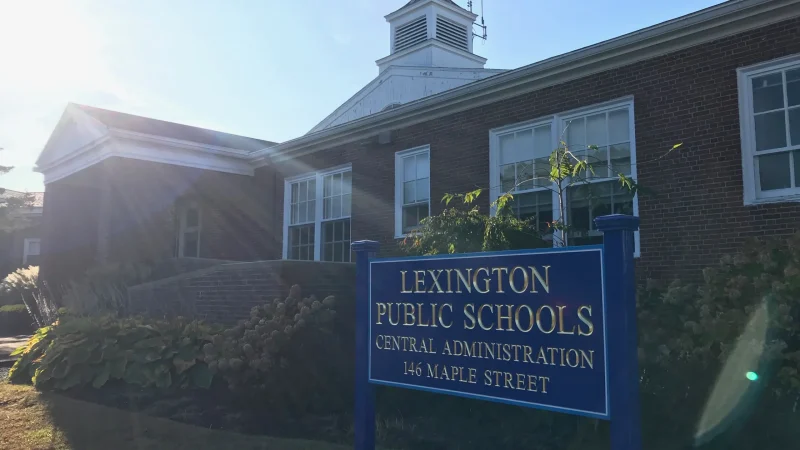
Lexington Public Schools consistently ranks among the top school districts in Massachusetts. The district serves approximately 6,805 students across 10 public schools, spanning elementary through high school levels.
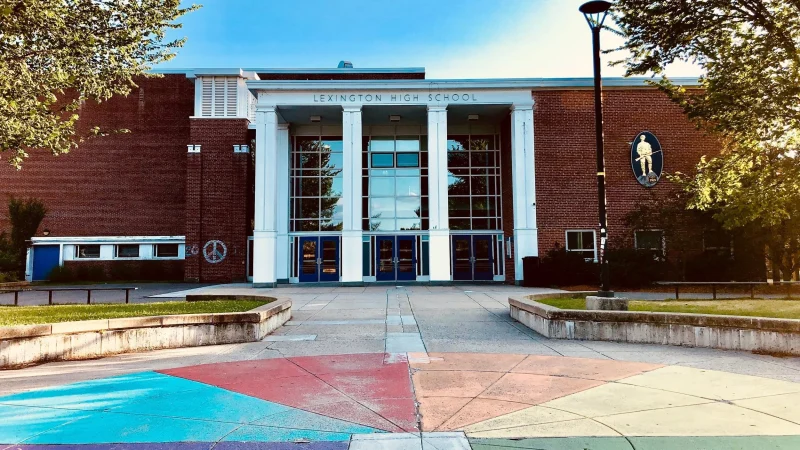
The district’s academic performance places it in the top 1% of public schools statewide, with an average testing ranking of 10/10. Several schools within the district have earned individual recognition, including Lexington High School, William Diamond Middle School, and Jonas Clarke Middle School.
The district’s reputation stems from strong academic achievement and quality instruction. Lexington’s schools maintain high standards across grade levels, contributing to the community’s recognition as a destination for families prioritizing education.
Parents and educators alike regard the district as a model for public education in the state. The schools benefit from community support and resources that enable comprehensive educational programming.
2. Wellesley Public Schools

Wellesley Public Schools serves approximately 4,100 students across 10 schools in the Greater Boston area. The district maintains a 10:1 student-teacher ratio and includes eight elementary schools, one middle school, and Wellesley Senior High School.
The district consistently ranks among Massachusetts’ top performers. Its average testing ranking places it in the top 5% of public schools statewide. Wellesley Senior High School holds a position as one of the state’s leading secondary institutions.
The district benefits from strong community support and well-maintained facilities across all grade levels. Students have access to comprehensive academic programs supported by experienced teaching staff.
Wellesley’s location near prestigious colleges like Wellesley College and Babson College contributes to the area’s educational environment. The district’s sustained academic performance and resources make it a notable choice for families prioritizing public education quality.
3. Acton-Boxborough Regional School District
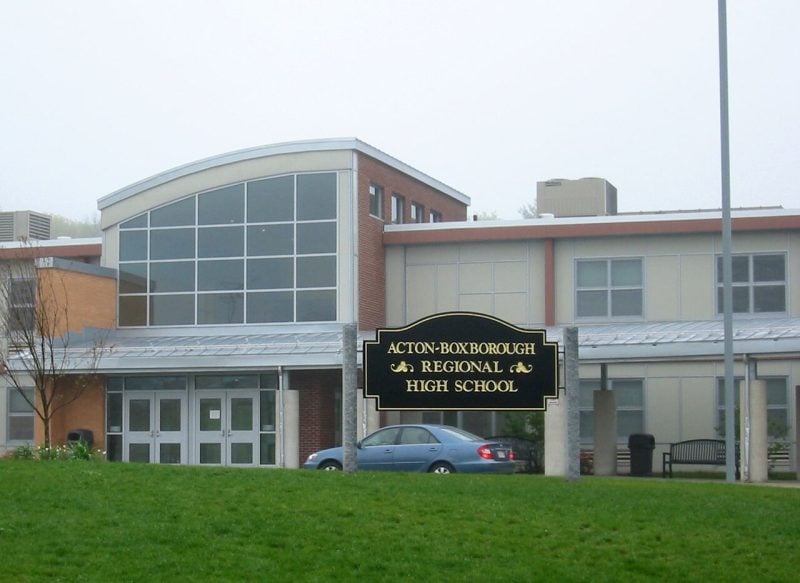
The Acton-Boxborough Regional School District serves students across nine schools, including seven elementary schools, one middle school, and one high school. The district ranks in the top 10% of Massachusetts school districts, placing 27th out of 393 based on combined math and reading proficiency scores for the 2022-2023 school year.
Academic performance remains consistently strong throughout the district. Schools demonstrate exceptional achievement levels, with students showing high proficiency in core subjects. The district has earned a 5-star rating from SchoolDigger and ranks 36th out of 356 districts statewide.
The high school prepares students effectively for college enrollment and success. Families value the district’s comprehensive educational programs and strong academic outcomes. The combination of high-performing schools and consistent results makes Acton-Boxborough a notable choice for families prioritizing educational excellence.
4. Southborough Public Schools
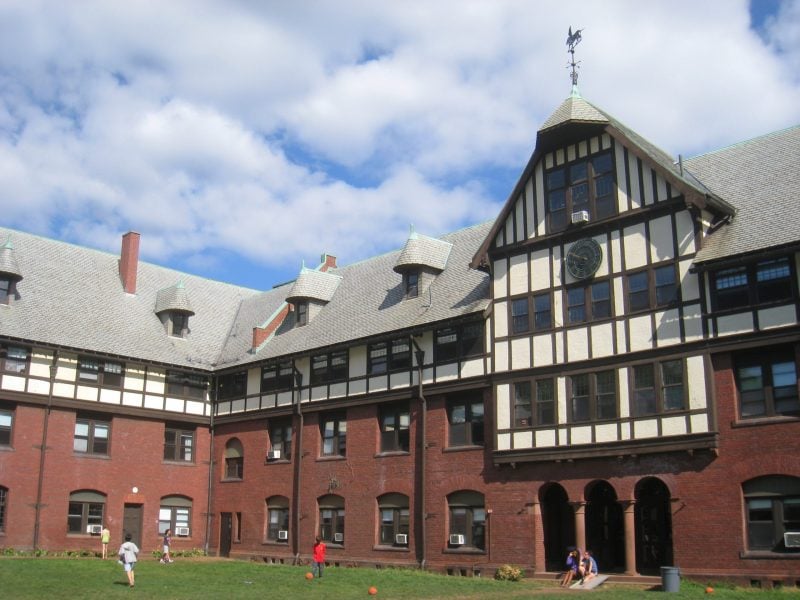
Southborough Public Schools ranks as the 5th best district out of 356 in Massachusetts. The district serves approximately 1,304 students across four schools, including three elementary schools and one middle school.
The district’s average testing ranking stands at 10/10, placing it in the top 5% of public schools statewide. This performance reflects the district’s commitment to academic excellence and student achievement.
Schools within the district include Albert S. Woodward Memorial School, Margaret A. Neary Elementary, and P. Brent Trottier Middle School. Each school contributes to the district’s strong reputation for quality education.
The district operates jointly with Northborough for regional programs, ensuring students receive comprehensive educational opportunities. Families seeking high-performing schools consistently recognize Southborough as a top choice in the state.
5. Weston Public Schools
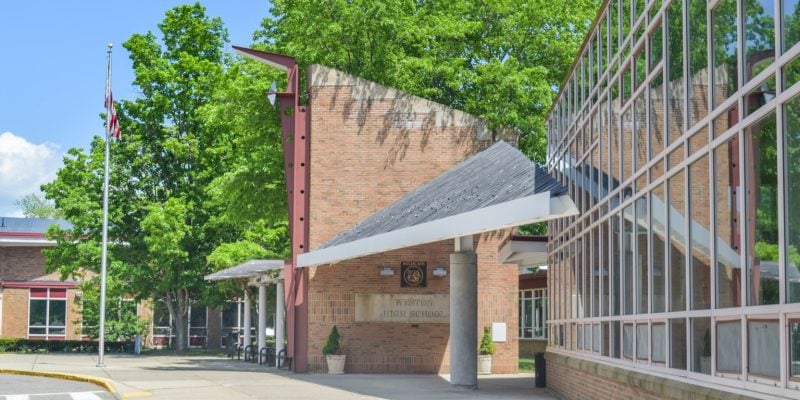
Weston Public Schools serves approximately 2,036 students across five schools in the district. The system includes Country Elementary, Woodland Elementary, Field Elementary, Weston Middle School, and Weston High School.
The district maintains a student-teacher ratio of 12 to 1. According to state test scores, 76% of students demonstrate proficiency in both math and reading.
Weston Public Schools receives high marks for academics, teachers, resources, and college preparation. The district’s average testing ranking places it in the top 5% of public schools in Massachusetts. Weston High School consistently ranks among the top 25 high schools in the state and placed 2nd in Niche’s 2025 rankings of Massachusetts public high schools.
Led by Superintendent Karen Zaleski, the district operates under a non-discrimination policy covering race, color, national origin, sex, gender identity, disability, religion, and sexual orientation.
6. Concord-Carlisle Regional School District
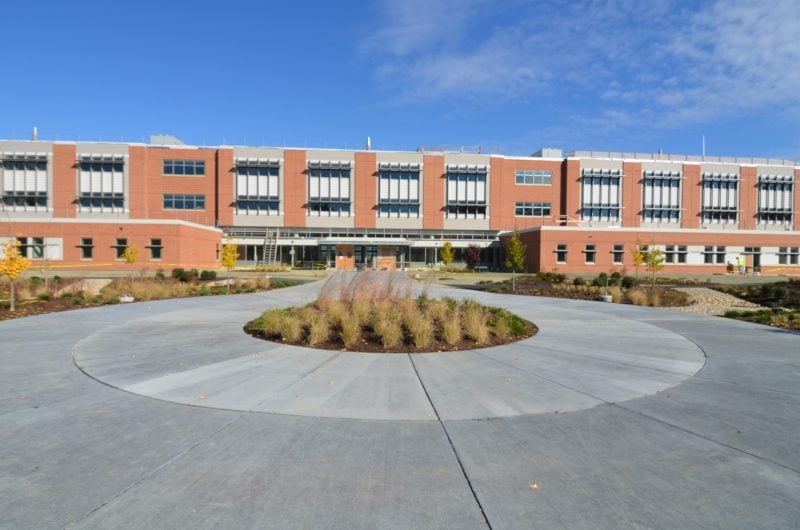
Concord-Carlisle Regional School District ranks among the top school districts in Massachusetts, placing second out of 393 districts statewide based on combined math and reading proficiency scores. The district performs better than 97.7% of school districts across the state.
Concord-Carlisle High School has earned particular recognition for its STEM programs. U.S. News and World Report named it the number one STEM-focused school in Massachusetts and thirteenth nationwide.
The district has shown significant improvement in recent rankings. Boston magazine ranked Concord-Carlisle High School fifth in the state in 2024, jumping from 28th place in 2023. This represented the largest advancement among the top 25 high schools in that publication’s rankings.
The district emphasizes helping students achieve their potential through varied learning pathways while developing a strong sense of self and community responsibility.
7. Newton Public Schools

Newton Public Schools serves approximately 11,752 students across 22 public schools in the district. The district consistently ranks in the top 10% of public schools in Massachusetts, with an average testing ranking of 10/10.
The system includes two highly-rated high schools: Newton North and Newton South. Both schools are recognized for strong academic programs and offer extensive Advanced Placement courses. Newton North consistently appears among the top public high schools in the state.
The district’s middle schools, including Bigelow Middle School, also maintain strong performance records. Newton Public Schools partners with community organizations to provide after-school programs and additional learning opportunities for students.
The district’s overall performance places it better than 90.2% of districts statewide. Students benefit from diverse extracurricular activities and comprehensive educational resources throughout the system.
8. Needham Public Schools

Needham Public Schools serves approximately 5,700 students across eight schools in the district. The system includes five elementary schools, two middle schools (with a dedicated Grade 6 school), and Needham High School.
The district ranks 14th out of 348 school districts in Massachusetts and holds a 5-star rating from SchoolDigger. Its average testing ranking places it in the top 5% of public schools statewide.
Needham’s strong academic performance has made it a draw for families considering the area. The district consistently demonstrates high achievement across grade levels, with students regularly exceeding state averages on standardized assessments.
The school system’s reputation as one of Massachusetts’ top-performing districts reflects its commitment to educational excellence. The Needham School Committee maintains open communication with community members regarding district initiatives and performance.
9. Sudbury Public Schools

Sudbury Public Schools operates five schools serving approximately 2,539 students for the 2025-26 school year. The district consistently ranks in the top 10% of Massachusetts public schools, with an average testing ranking of 10/10.
The district has shown notable improvement in recent rankings, jumping nine positions in statewide assessments. It now performs better than 94.3% of districts across Massachusetts.
Sudbury’s schools are concentrated among the communities with the highest number of top-ranked public schools in the state. The district serves students from elementary through high school with a strong focus on academic achievement.
Parents and students benefit from the district’s consistent performance across multiple rating systems and metrics. The schools maintain high standards while serving the educational needs of the Sudbury community.
10. Wayland Public Schools
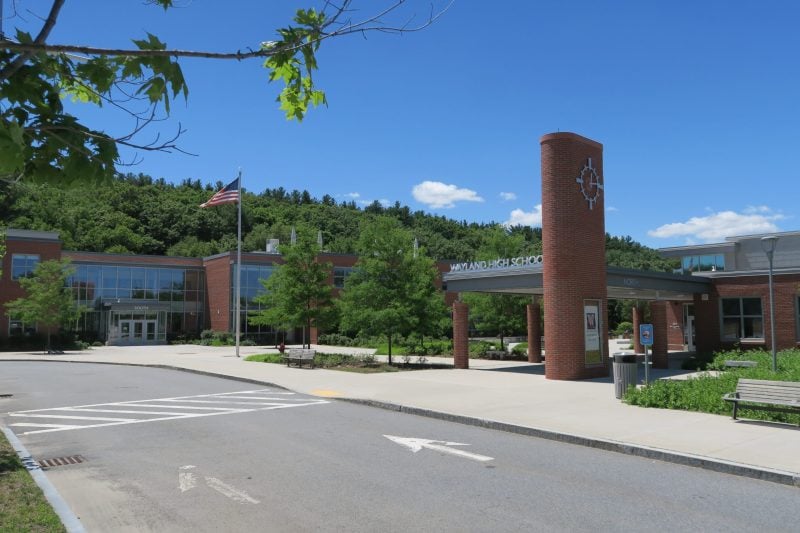
Wayland Public Schools serves the town of Wayland with a mission centered on fostering personal and civic responsibility, love of learning, and empathy in its students. The district provides a rigorous academic environment focused on knowledge and skill development.
Wayland High School ranks 19th out of 348 Massachusetts high schools and holds a 5-star rating. The school demonstrates strong academic performance with a 100% four-year graduation rate and a 0% dropout rate.
The district includes several well-regarded schools, including Wayland High School, Wayland Middle School, and Loker School. These institutions consistently perform well on standardized assessments and maintain high academic standards.
Wayland Public Schools emphasizes creating a stimulating learning environment that prepares students for future success. The district’s combination of strong test scores, excellent graduation rates, and comprehensive programming contributes to its standing among Massachusetts’ top school systems.
11. Dover-Sherborn Regional School District
Dover-Sherborn Regional School District ranks among the top school districts in Massachusetts, consistently earning recognition for academic excellence. The district serves students from Dover and Sherborn, providing education through Chickering Elementary and the regional middle and high schools.
Dover-Sherborn Regional High School ranks 8th out of 348 Massachusetts high schools. The regional middle school performs similarly well, placing 18th out of 493 middle schools statewide. Both institutions maintain strong academic standards with small class sizes that support student learning.
The district ranks 11th out of 393 school districts in Massachusetts based on combined math and reading proficiency scores. Students benefit from a curriculum designed to prepare them for college success, with strong community support enhancing the educational environment.
Families seeking quality public education often consider Dover-Sherborn for its proven track record and commitment to student achievement.
12. Carlisle Public Schools
Carlisle Public Schools ranks among the top districts in Massachusetts, holding the 2nd position out of 348 districts statewide. The district serves approximately 608 students and maintains a 5-star rating from SchoolDigger.
The Carlisle School, the district’s primary institution, has consistently performed at an exceptional level. It ranks among the top 100 elementary schools in Massachusetts and reached as high as 21st place in the 2023-2024 school year.
The district’s average testing ranking stands at 10 out of 10, placing it in the top 5% of public schools across the state. This performance reflects strong academic standards and effective educational practices.
Students in Carlisle benefit from a highly-rated educational environment that emphasizes academic achievement. The district’s small size allows for focused attention on student success while maintaining competitive results against much larger school systems throughout Massachusetts.
13. Bedford Public Schools
Bedford Public Schools serves approximately 2,559 students across four public schools in the district. The system has earned recognition for its academic performance, ranking 18th among Massachusetts school districts and 16th in the Boston area according to recent evaluations.
The district’s average testing ranking places it in the top 10% of public schools statewide. This performance reflects consistently strong results in both math and reading proficiency assessments.
Bedford’s schools draw on public data and community feedback to maintain their standing among the state’s educational leaders. The district serves the town of Bedford, providing educational programs from kindergarten through high school.
Parents and students benefit from a well-established educational framework that emphasizes academic achievement. The district’s placement in various ranking systems demonstrates its commitment to maintaining quality instruction and student outcomes across all grade levels.
14. Lincoln-Sudbury Regional School District
Lincoln-Sudbury Regional School District ranks within the top 1% of all school districts in Massachusetts. The district serves students from the towns of Lincoln and Sudbury through its flagship institution, Lincoln-Sudbury Regional High School.
The high school consistently earns recognition as one of the state’s top-performing institutions. It maintains a 5-star rating and ranks among the top 31 high schools in Massachusetts.
Academic achievement remains strong across standardized assessments. The school reports a 98.9% four-year graduation rate, significantly exceeding state averages.
Lincoln-Sudbury Regional High School serves approximately 1,462 students in grades 9-12. The district’s performance places it among the top 5% of public schools statewide, reflecting its commitment to educational excellence and student success.
15. Maynard Public Schools
Maynard Public Schools serves approximately 1,200 students across three institutions: Green Meadow Elementary, Fowler Middle School, and Maynard High School. The district provides education from pre-kindergarten through 12th grade in this small Massachusetts community.
The district has shown notable improvement in recent rankings, moving up 55 positions in statewide comparisons. It currently performs better than 65.5% of districts in Massachusetts. The average testing ranking stands at 5 out of 10, placing it in the middle range of public schools across the state.
Maynard High School offers various programs, clubs, activities, and pathways for students. The district emphasizes community engagement and maintains open communication with families throughout the school year.
The three schools work together to provide educational continuity as students progress through different grade levels. Families in Maynard have access to comprehensive public education options within their local district.
16. Watertown Public Schools
Watertown Public Schools serves 2,717 students across five schools in grades PK through 12. The district maintains a favorable student-teacher ratio of 10 to 1, which allows for more individualized attention in classrooms.
According to state testing data, 46% of students demonstrate proficiency in math and 47% in reading. The district’s average testing ranking places it in the top 50% of public schools statewide.
Recent rankings show Watertown has improved its position among Massachusetts school districts, now performing better than 63% of districts in the state. The district is classified as above average based on academic performance and student outcomes.
Notable schools within the system include Watertown High School, James Russell Lowell, and Hosmer. These institutions contribute to the district’s solid standing in the competitive Massachusetts educational landscape.
17. Arlington Public Schools
Arlington Public Schools serves approximately 5,997 students across 11 public schools for the 2025-26 school year. The district has earned an average testing ranking of 10/10, placing it in the top 10% of public schools in Massachusetts.
The district operates several well-regarded institutions, including Arlington High School, John A. Bishop Elementary School, and Ottoson Middle School. These schools consistently receive high rankings and positive reviews from families in the area.
Located just north of Boston, Arlington offers families a blend of public school options within a single unified district. The community benefits from the district’s strong academic performance and commitment to student achievement.
Parents considering Arlington Public Schools will find a district that maintains high educational standards while serving a diverse student population in the Greater Boston metropolitan area.
18. Norwood Public Schools
Norwood Public Schools serves students from pre-kindergarten through 12th grade across eight schools in the district. The system includes six elementary schools, one middle school, and one high school.
The district works in partnership with town administrators to uphold Massachusetts education laws and regulations set by the state Board of Elementary and Secondary Education. A school committee provides governance and oversight for district operations.
Norwood’s schools offer a range of educational opportunities for the community’s students. The district maintains ongoing policy development and welcomes input from residents through the superintendent’s office.
The school system has been evaluated in various state rankings that assess Massachusetts districts based on academic performance metrics and community reviews. Norwood continues to serve its local population with public education options throughout the town.
19. Hopkinton Public Schools
Hopkinton Public Schools serves approximately 4,006 students across six schools in the district. The student-teacher ratio stands at 14 to 1, providing students with accessible support from educators.
The district has earned recognition in state rankings, with Niche awarding it an A+ grade. Academic performance shows 71% of students achieving proficiency in math and 78% in reading. These metrics place Hopkinton among the top-performing districts in Massachusetts.
The district includes four elementary schools, one middle school, and one high school. Hopkinton has also received acknowledgment as a strong place to teach in the state.
The schools maintain consistent academic standards across grade levels. Families choosing Hopkinton benefit from a well-resourced public education system with established programs and experienced teaching staff.
20. Shrewsbury Public Schools
Shrewsbury Public Schools ranks No. 16 among Massachusetts school districts according to Niche’s 2025 rankings. The district serves approximately 5,921 students across 9 public schools, including 6 elementary schools, 2 middle schools, and 1 high school.
The district’s average testing ranking stands at 9/10, placing it in the top 20% of public schools statewide. Floral Street School and Spring Street School are particularly notable, ranking among the top elementary schools in Massachusetts.
Shrewsbury High School maintains strong performance metrics alongside the district’s elementary and middle school programs. The district demonstrates consistent academic achievement across all grade levels.
The schools benefit from a community-focused approach to education. Parents and students have access to well-regarded programs that support college preparation and academic development throughout the K-12 experience.
21. Belmont Public Schools
Belmont Public Schools serves approximately 4,424 students across seven public schools in the district for the 2025-26 school year. The district includes four elementary schools, one middle school, and one high school.
The district’s testing performance ranks 10/10, placing it in the top 5% of public schools across Massachusetts. Multiple schools within Belmont have earned five-star ratings from SchoolDigger, reflecting strong academic achievement throughout the system.
Belmont High School, Mary Lee Burbank, and Winn Brook are among the district’s top-ranked institutions. The schools consistently demonstrate high performance on state assessments and maintain strong academic standards.
The district’s schools rank among the top performers in the state, with several receiving recognition for their educational quality. Families in Belmont benefit from access to well-regarded public education options at all grade levels.
22. Mansfield Public Schools
Mansfield Public Schools serves approximately 3,371 students across five schools, ranging from elementary through high school. The district consistently earns high marks, with an average school ranking of 8/10, placing it in the top 30% of Massachusetts public schools.
Mansfield High School stands out as a top performer, ranking among the top 100 schools in the state. The school maintains an impressive 98.6% four-year graduation rate. Harold L. Qualters Middle School also ranks among the top 100 schools statewide.
Academic performance across the district exceeds state averages. Math proficiency stands at 58%, compared to the Massachusetts average of 42%. Reading proficiency reaches 55%, surpassing the state average of 45%.
The district’s testing ranking of 8/10 reflects its commitment to academic excellence and college preparation.
23. Andover Public Schools
Andover Public Schools serves over 5,400 students across 11 schools in the district. The system includes six elementary schools, three middle schools, and two high schools. With a student-teacher ratio of 12 to 1, the district provides relatively small class sizes compared to many Massachusetts districts.
The district ranks in the top 10% of public schools statewide based on testing performance. According to state assessments, 65% of students demonstrate proficiency in math and 66% in reading.
Andover Public Schools has earned recognition for its consistent academic performance and college preparation programs. The district’s high schools receive particular attention for their success in preparing students for higher education. Several schools within the district maintain top rankings among Massachusetts public schools, reflecting the community’s strong commitment to educational excellence.
24. Westwood Public Schools
Westwood Public Schools operates seven public schools serving approximately 2,881 students in the district. The district ranks 21st out of 351 districts in Massachusetts and maintains a five-star rating from SchoolDigger.
The district’s average testing ranking stands at 10/10, placing it in the top 5% of public schools statewide. Westwood High School has earned recognition among the top 25 public high schools in Massachusetts according to recent rankings.
The school community emphasizes excellence across academic programs, co-curricular activities, and professional development. Schools within the district include Westwood High School, Martha Jones Elementary, and William E. Sheehan Elementary.
Parents and students benefit from strong educational outcomes and well-regarded programs throughout the elementary, middle, and high school levels.
25. Medfield Public Schools
Medfield Public Schools serves approximately 2,600 students across five schools, including three elementary schools, Blake Middle School, and Medfield High School. The district consistently ranks among the top-performing systems in Massachusetts.
According to state test scores, 71% of students demonstrate proficiency in math and 70% in reading. The district maintains a student-teacher ratio of 12 to 1, which supports personalized attention in the classroom.
The district’s average testing ranking places it in the top 10% of public schools statewide. Multiple schools within the system have earned five-star ratings and top state rankings from educational evaluation organizations.
Medfield Public Schools has built a reputation for strong academic performance and college preparation. The district’s schools regularly receive recognition for effectively preparing students for post-secondary education and helping them succeed in college enrollment and retention.
26. Natick Public Schools
Natick Public Schools operates eight schools serving approximately 5,300 students in the Massachusetts town of Natick. The district maintains strong academic standards, with schools averaging a 9 out of 10 ranking among Massachusetts public schools.
For the 2025-26 school year, the district’s testing performance places it in the top 10% of public schools statewide. The system includes five elementary schools, two middle schools, and one high school.
Student demographics show that 30% of enrolled students are minorities, primarily Asian and Hispanic populations. This percentage falls below the state average of 47%. The district maintains a student-teacher ratio of approximately 14 to 1.
Natick’s schools benefit from consistent academic performance across grade levels. The district’s reputation for delivering quality education has made it a recognized name among Massachusetts school systems.
27. Framingham Public Schools
Framingham Public Schools serves students across the city with 23 schools, including 5 high schools, 4 middle schools, and 14 elementary schools. The district has experienced challenges in recent statewide rankings, dropping 15 positions and currently ranking below 90% of districts in Massachusetts.
The Massachusetts Department of Elementary and Secondary Education releases annual report cards for each school and district, providing transparency in performance metrics. Framingham High School appears among the district’s notable institutions, along with Hemenway and King Elementary School.
Miriam F. McCarthy School has garnered positive recognition for its specialized teachers and inclusive environment, particularly in supporting students with disabilities. The district continues to serve its diverse student population while working to improve its standing among Massachusetts school systems.
28. Marlborough Public Schools
Marlborough Public Schools serves approximately 4,729 students across seven public schools in the district. The system includes elementary, middle, and high school options for families in the Marlborough area.
The district’s academic performance places it in the middle range among Massachusetts school systems. Test score rankings indicate room for improvement compared to top-performing districts in the state.
Marlborough Public Schools operates under a non-discrimination policy that covers race, gender, religion, national origin, color, homelessness, sexual orientation, gender identity, age, and disability. This applies to all education programs, services, activities, and employment practices.
The district provides educational services to a diverse student population. Families considering Marlborough can access detailed rankings and performance data through various educational rating platforms that track test scores and other metrics.
29. Newton South High School District
Newton South High School operates within the Newton Public Schools system, which ranks in the top 10% of Massachusetts school districts. The district placed 33rd out of 393 districts based on combined math and reading proficiency scores for the 2022-2023 school year.
The school consistently ranks among the top public high schools in Massachusetts. Its academic programs include a wide range of Advanced Placement courses for college-bound students. The institution benefits from dedicated faculty members and serves a diverse student body.
Newton South partners with community organizations to provide after-school programs and additional learning opportunities. These partnerships help create supportive environments and expand educational resources for students and staff.
The district’s 22 schools include 16 elementary schools, 4 middle schools, and 2 high schools. SchoolDigger rates all schools in the district at 4 or 5 stars, reflecting strong educational outcomes across all grade levels.
30. Quincy Public Schools
Quincy Public Schools serves approximately 9,695 students across 19 schools in the district. The system includes 12 elementary schools, 5 middle schools, and 2 high schools that educate a diverse student population.
The district’s average testing ranking places it in the top 50% of public schools in Massachusetts. Several schools have earned recognition for their performance, including North Quincy High School, Wollaston School, and Central Middle School.
Elementary schools such as Montclair, Charles A. Bernazzani, and Merrymount consistently appear among the district’s higher-rated institutions. Atlantic Middle and Francis W. Parker schools also serve students in the area.
The district operates as a traditional public school system, providing education to students throughout the city of Quincy. Academic performance varies across individual schools within the district.
Factors That Define Top School Districts
Massachusetts school districts earn their rankings through measurable academic outcomes, qualified teaching staff, and comprehensive programming that extends beyond core curriculum. These elements work together to create environments where students can achieve their full potential.
Academic Performance Metrics
Standardized test scores remain the primary benchmark for evaluating school district quality in Massachusetts. Districts track student performance on state assessments in mathematics and reading, with top-performing districts consistently placing in the top 5% statewide. These scores provide comparable data across different communities and demographic groups.
College readiness indicators offer another critical measure of district effectiveness. High-performing districts maintain graduation rates above 95% while ensuring students meet or exceed SAT benchmarks and Advanced Placement participation thresholds. The student-teacher ratio also influences academic outcomes, with many leading districts maintaining ratios between 12:1 and 14:1.
Key Academic Indicators:
- State test proficiency rates
- Graduation rates
- College acceptance rates
- AP course enrollment and scores
- Student-teacher ratios
Faculty Qualifications and Support
Teacher quality directly impacts student achievement across all grade levels. Top Massachusetts districts recruit educators with advanced degrees and specialized certifications in their subject areas. These districts invest in ongoing professional development, allowing teachers to stay current with educational research and teaching methodologies.
Competitive compensation packages help districts attract and retain experienced faculty members. Leading school systems provide teachers with adequate planning time, modern instructional resources, and collaborative environments. Administrative support structures enable teachers to focus on instruction rather than bureaucratic tasks.
Districts that prioritize teacher evaluation systems and mentorship programs typically demonstrate stronger student outcomes. Faculty stability rates indicate whether teachers choose to remain in a district long-term, reflecting both job satisfaction and institutional quality.
Extracurricular and Enrichment Programs
Comprehensive programming beyond standard academics distinguishes exceptional school districts. Strong districts offer diverse athletic teams, competitive music and arts programs, and academic clubs that align with student interests. These opportunities develop leadership skills and allow students to explore potential career paths.
STEM initiatives, world language programs, and specialized learning tracks provide advanced students with appropriate challenges. Districts serving gifted learners often implement accelerated coursework and partnerships with local colleges for dual enrollment options. Support services for students requiring additional assistance ensure all learners receive appropriate resources.
Access to technology, modern facilities, and well-stocked libraries creates an environment conducive to exploration and growth. The breadth and quality of these supplementary programs reflect a district’s commitment to developing well-rounded students prepared for higher education and career success.
Navigating School District Rankings
School district rankings in Massachusetts draw from standardized test scores, graduation rates, and college readiness metrics. Parents benefit from understanding both the data behind these rankings and how they align with individual family priorities.
Common Methodologies and Data Sources
Rankings typically evaluate Massachusetts’ 302 school districts using mathematics and English proficiency test results as primary indicators. Organizations like Niche and SchoolDigger compile data from the U.S. Department of Education, focusing on state test scores, graduation rates, and college readiness measures.
Most ranking systems assign weights to different factors. Academic performance usually carries the heaviest emphasis, with some methodologies incorporating teacher quality ratings and student-to-teacher ratios. Rankings may also calculate the percentage of schools within a district that place in the top 5% statewide.
The data comes from official state assessments and federal reporting requirements. Some platforms supplement statistical analysis with student and parent reviews to provide context beyond raw numbers.
Understanding Rankings Versus Personal Needs
A top-ranked district may not suit every family’s circumstances. Families should consider commute times, specific program offerings, and school culture alongside overall rankings.
Districts excelling in STEM programs might rank lower overall but provide better fits for students with specific interests. Some families prioritize smaller class sizes or particular extracurricular activities that rankings don’t capture fully.
Geographic constraints often matter more than ranking differences of a few positions. A district ranked 15th that offers convenient access and strong community connections can serve a family better than a top-5 district requiring lengthy commutes. Parents should use rankings as starting points for research rather than definitive answers, visiting schools and speaking with current families to assess fit.