The 30 Best School Districts in Michigan: Rankings and Performance Analysis
Michigan’s educational landscape offers families a range of high-performing school districts known for strong academics, dedicated staff, and comprehensive programs.
Selecting the right district can significantly impact a student’s academic growth and overall experience. With numerous options across the state, understanding which districts consistently deliver quality education helps families make informed decisions.
This guide examines 30 of Michigan’s top school districts, evaluating their academic performance, resources, and educational environments to help families identify districts that align with their priorities.
The selected districts span suburban Detroit communities, mid-Michigan areas, and western regions of the state. Each district brings distinct strengths while maintaining a commitment to student achievement.
Rankings draw from multiple sources including test score data, college readiness metrics, and community reviews. The districts featured represent a mix of large systems serving thousands of students and smaller communities with more intimate learning environments.
Understanding what sets these districts apart provides valuable context for families considering relocation or exploring educational options within Michigan.
Comparing states? See the 30 best school districts in Minnesota and the 30 best school districts in Colorado.
Here are the 30 best school districts in Michigan:
1. Bloomfield Hills School District
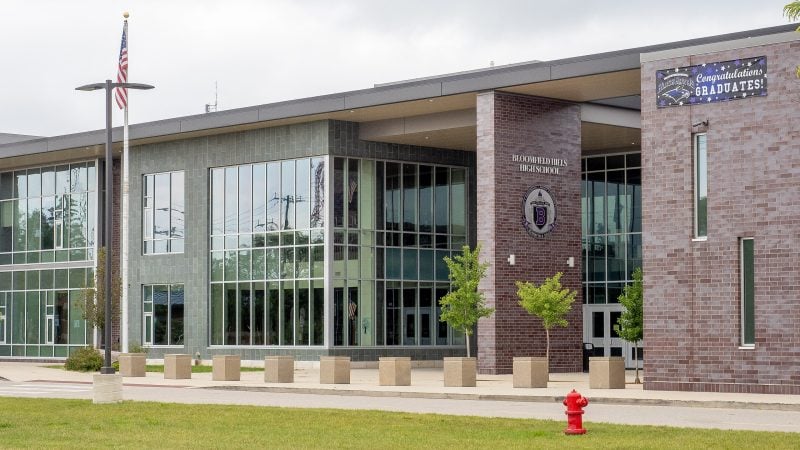
Bloomfield Hills School District consistently ranks among Michigan’s top educational systems. The district holds the 18th position out of 613 school districts statewide and maintains a 5-star rating from SchoolDigger.
The district operates eight schools serving students from elementary through high school. International Academy, located within the district, stands out as one of the state’s premier public high schools, offering a rigorous International Baccalaureate program.
Academic performance across the district reflects strong test scores and college readiness metrics. The district’s specialized programs include the Wing Lake Developmental Center, which provides tailored support for students with unique learning needs.
Bloomfield Hills Schools demonstrates a commitment to educational excellence through low dropout rates and comprehensive programming. The district’s reputation attracts families seeking quality public education in Michigan.
2. Ann Arbor Public Schools
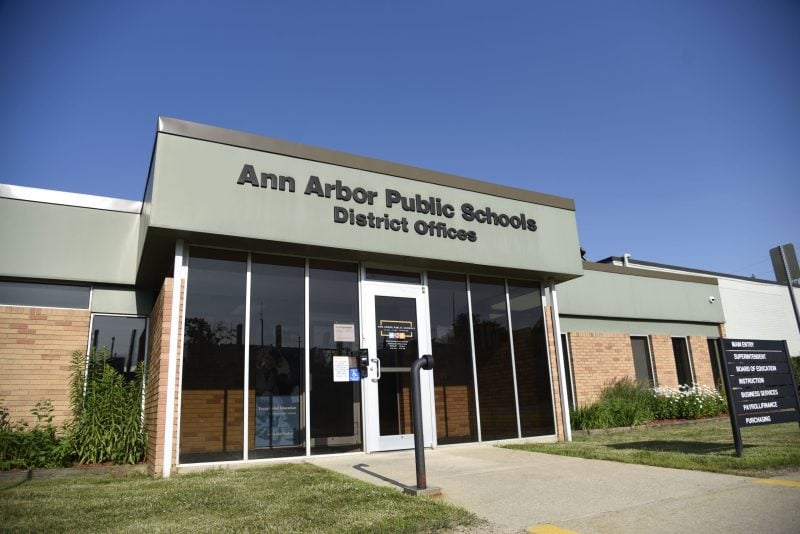
Ann Arbor Public Schools serves approximately 19,090 students across 44 public schools in Ann Arbor and parts of eight surrounding townships. The district covers 125 square miles and includes 21 elementary schools, 5 middle schools, and 5 high schools.
The district consistently ranks among Michigan’s top-performing school systems. Schools like Angell School and Bach Elementary stand out at the elementary level for their strong academic performance.
Ann Arbor has one of the highest concentrations of top-ranked public schools in Michigan. About 79% of K-12 students in Ann Arbor attend public schools, compared to the state average of 90%.
The district is recognized for rigorous academics, college readiness programs, and experienced teaching staff. These factors contribute to its reputation as a leading educational institution in the state.
3. Troy School District
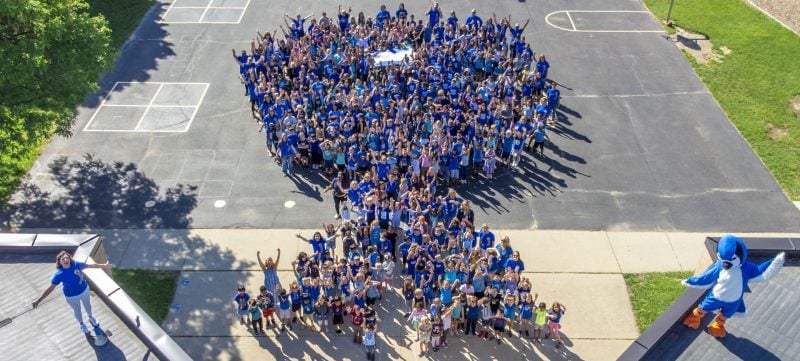
Troy School District operates 20 schools serving students from preschool through 12th grade in Oakland County. The district includes 13 elementary schools, 4 middle schools, and 3 high schools.
The district consistently ranks among Michigan’s top performers. It holds a 5-star rating from SchoolDigger and ranks 43rd out of 613 districts statewide. Based on combined math and reading proficiency data, Troy School District placed 15th out of 846 Michigan districts for the 2022-2023 school year.
Troy School District draws recognition for its academic programs and experienced teaching staff. The district maintains strong test scores and college readiness metrics across its schools.
Parents and students rate the district highly, contributing to its reputation as one of Michigan’s premier educational systems. The community provides substantial support for educational initiatives throughout the district.
4. Plymouth-Canton Community Schools
Plymouth-Canton Community Schools serves over 16,000 students across the Plymouth area with 14 elementary schools, five middle schools, and three high schools. The district ranks in the top 15% of Michigan school districts based on academic performance.
State test results show 57% of students achieving proficiency in math and 67% in reading. The district maintains a student-teacher ratio of 19 to 1, allowing for reasonable class sizes across its campuses.
Plymouth-Canton has demonstrated consistent academic quality, with testing rankings placing it in the top 5% of Michigan public schools. The district serves families in Plymouth and Canton, providing comprehensive educational programming from prekindergarten through grade 12.
The schools within this district have received recognition for college preparation, with several high schools noted for helping students successfully transition to and persist in higher education.
5. Northville Public Schools
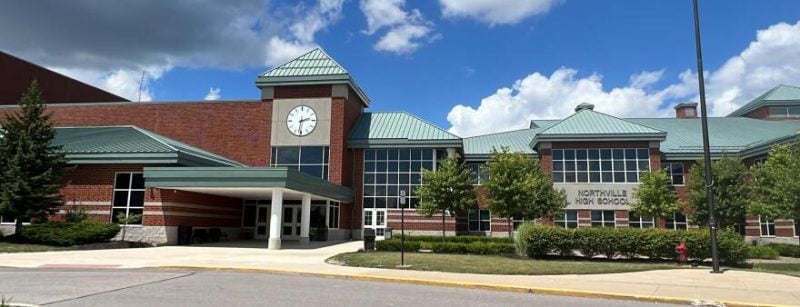
Northville Public Schools consistently ranks as one of Michigan’s top-performing districts. The district holds the #1 position among 846 school districts statewide based on combined math and reading proficiency scores from the 2022-2023 academic year.
The district serves students across 10 schools, including six elementary schools, two middle schools, one high school, and one alternative school. Students demonstrate strong academic performance, scoring well above state averages across all subjects on standardized assessments like M-STEP and PSAT.
The district’s success stems from its commitment to dynamic learning environments and evidence-based educational practices. Strong collaboration between students, teachers, and families contributes to the district’s sustained academic excellence. Northville Public Schools ranks better than 98.7% of districts across Michigan, making it a top choice for families prioritizing educational quality.
6. Okemos Public Schools
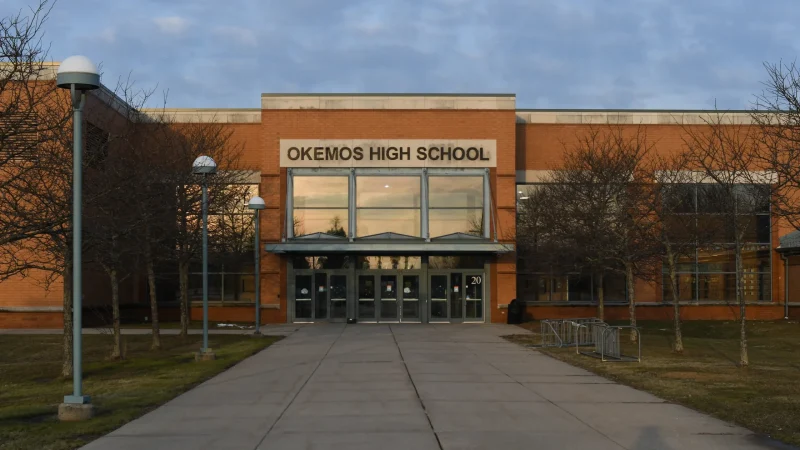
Okemos Public Schools serves over 4,500 students across eight schools in the south-central portion of Michigan’s lower peninsula. The district shares a border with Michigan State University and is located near Lansing, the state capital.
The district ranks 31st out of 610 school districts in Michigan and holds a 5-star rating from SchoolDigger. Niche ranked Okemos as the number one school district in the Lansing area in 2024. The district includes four elementary schools, two middle schools, and one high school.
Testing performance places the district in the top 5% of public schools statewide, with an average testing ranking of 10/10. The schools serve students in the Okemos community with a focus on academic excellence and comprehensive educational resources.
7. Portage Public Schools
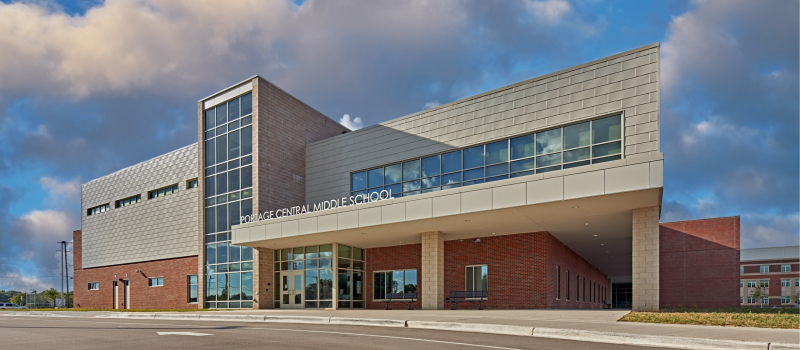
Portage Public Schools serves students in Portage, Michigan, operating 16 schools across the district including elementary, middle, and high schools. The district consistently performs above state averages in key academic areas.
The district’s average testing ranking places it in the top 20% of public schools in Michigan with a 9/10 rating. Students achieve a math proficiency score of 48%, compared to the state average of 35%. Reading proficiency stands at 59%, well above Michigan’s 46% statewide average.
Portage Central High School and Portage West Middle School rank among the top-performing schools in the state. The district provides additional educational opportunities through partnerships like the Kalamazoo RESA Career Connect Campus, offering students specialized career training options.
8. Forest Hills Public Schools
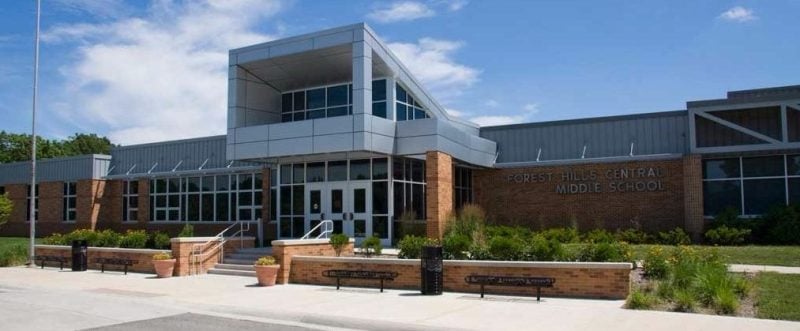
Forest Hills Public Schools serves the Grand Rapids area, covering portions of Ada, Cascade, Cannon, and Grand Rapids townships, along with parts of Grand Rapids and Kentwood. The district operates 18 schools that educate approximately 9,022 students for the 2025-26 school year.
The district’s average testing ranking stands at 10/10, placing it in the top 1% of public schools in Michigan. This performance reflects consistently strong academic outcomes across its eight elementary schools, six middle schools, and four high schools.
Founded in 1956 when residents from 13 neighboring one-room schools consolidated to build a high school, Forest Hills has grown into one of Michigan’s premier districts. The district ranks better than 97% of school districts statewide. All three comprehensive high schools have earned recognition on U.S. News and World Report’s “Best High Schools” list.
9. East Grand Rapids Public Schools
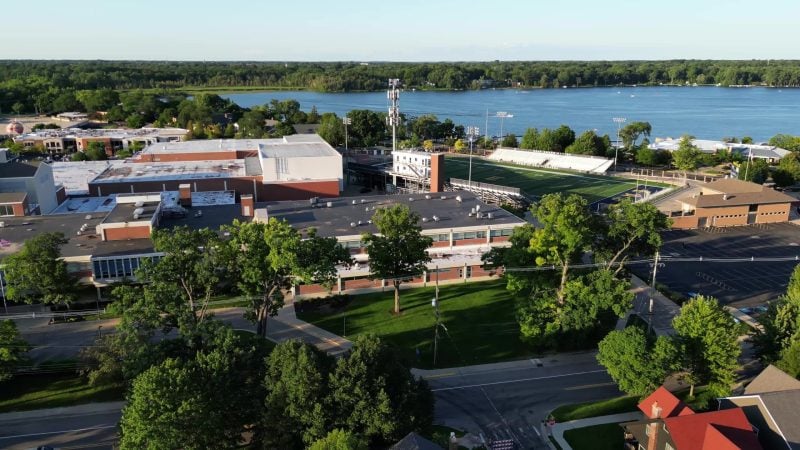
East Grand Rapids Public Schools serves 2,929 students across five schools for the 2025-26 school year. The district ranks 4th out of 613 districts in Michigan and holds a 5-star rating from SchoolDigger.
The district’s average testing ranking is 10/10, placing it in the top 1% of public schools statewide. This performance reflects strong academic preparation and college readiness programs.
East Grand Rapids is known for its community support of public education and walkability. The district includes three elementary schools, one middle school, and one high school serving students from pre-kindergarten through 12th grade.
The schools have received recognition for their college success rates. They demonstrate effectiveness in helping students enroll in college and persist through graduation, including those from low-income families.
10. Novi Community School District
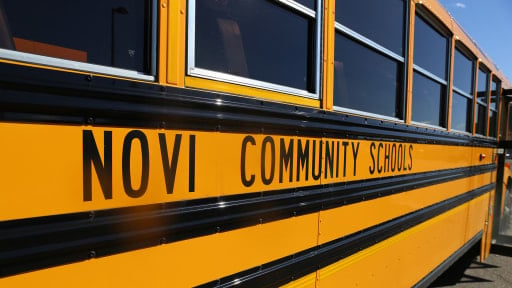
Novi Community School District has earned recognition as one of Michigan’s top-performing school systems. The district serves 6,720 students across grades PK-12 in 10 schools throughout the Novi area.
Niche.com has consistently rated Novi Community School District as the best in Michigan since 2024. The district maintains a student-teacher ratio of 18 to 1, which allows for reasonable class sizes.
The district ranks #11 out of 846 school districts statewide based on combined math and reading proficiency scores from the 2022-2023 academic year. Students benefit from strong academic programs and diverse extracurricular activities.
Novi Community School District also received recognition for having some of the best teachers in Michigan, ranking #20 in that category. The district’s success reflects its commitment to educational quality in Oakland County.
11. West Bloomfield School District
West Bloomfield School District ranks #269 out of 846 school districts in Michigan based on combined math and reading proficiency testing data. The district performs better than 70.8% of districts statewide.
Located in Oakland County, West Bloomfield School District serves students across multiple schools, including elementary, middle, and high school levels. The district focuses on providing diverse educational opportunities and experiences tailored to individual student needs.
West Bloomfield’s ranking places it in the top 50% of Michigan school districts. The district’s performance reflects its commitment to academic achievement and college readiness preparation.
Parents and students considering West Bloomfield School District can expect a comprehensive educational environment with various programs designed to support student success throughout their academic journey.
12. Huron Valley Schools
Huron Valley Schools serves approximately 7,497 students across 16 public schools in Oakland County. The district spans 99.6 square miles, covering areas including Milford, White Lake, Highland, and Commerce Townships.
The district maintains an average testing ranking of 8/10, placing it in the top 30% of Michigan public schools. Student performance exceeds state averages, with math proficiency at 41% compared to Michigan’s 34% and reading proficiency at 52% versus the statewide 46%.
Huron Valley Schools operates eight elementary schools, two middle schools, and four high schools. This includes an alternative high school and the International Academy-West campus. The district has shown upward momentum in recent years, jumping 14 positions in statewide rankings and now performing better than 73.6% of Michigan districts.
13. South Lyon Community Schools
South Lyon Community Schools serves 8,243 students across 13 public schools for the 2025-26 school year. The district includes eight elementary schools, two middle schools, and two high schools.
Both South Lyon High School and South Lyon East High School rank in the top 100 out of 743 Michigan high schools. The district maintains high graduation rates and demonstrates strong academic performance on standardized assessments.
Students in South Lyon Community Schools perform well above state averages on M-STEP and SAT tests. Between 50-70% of students achieve proficient or better scores in core subjects. The district’s average testing ranking is 10/10, placing it in the top 10% of public schools in Michigan.
All schools in the district hold accreditation from the North Central Association of Schools and Colleges.
14. Saline Area Schools
Saline Area Schools serves 4,668 students across 8 public schools for the 2025-26 school year. The district has earned an average testing ranking of 10/10, placing it in the top 5% of public schools in Michigan.
Located in Washtenaw County, the district consistently ranks among Michigan’s best school systems. Students benefit from strong academic programs focused on college readiness and preparation for post-secondary success.
The district operates as a partner in the My Future Fund program through the Washtenaw Intermediate School District. This collaboration with Washtenaw County Government provides additional educational resources and opportunities for students.
Top-performing schools in the district include Harvest Elementary School, Heritage School, and Saline High School. These schools have received recognition for their ability to prepare students for college enrollment and retention, particularly among students from various economic backgrounds.
15. Williamston Community Schools
Williamston Community Schools serves 1,839 students across four public schools in Ingham County. The district earned an overall “A” rating from Niche in 2026, with particular strength in academics and athletics.
The district’s average testing ranking places it in the top 10% of Michigan public schools. Williamston ranked 28th out of 484 districts statewide for best districts for student athletes. For four consecutive years, the district has ranked number one in mid-Michigan on the state scorecard index, most recently scoring 97.49 out of 100.
The district serves Williamston, part of Okemos, and portions of several surrounding townships including Alaiedon, Leroy, Locke, Meridian, Wheatfield, and Williamstown. Schools in the district have earned recognition for preparing students for college success and maintaining consistently high performance across grade levels.
16. Grosse Pointe Public School System
Grosse Pointe Public School System serves 6,344 students across 12 schools in the Detroit metropolitan area. The district ranks 41st out of 613 school districts statewide and holds a 5-star rating from SchoolDigger.
The system’s average testing ranking places it in the top 10% of public schools in Michigan for the 2025-26 school year. Founded in 1921, the district has built a reputation for academic achievement over more than a century of operation.
Grosse Pointe does not participate in Michigan’s School of Choice program. Students must have a parent or guardian residing within district boundaries to enroll. The district constructed 12 new schools over a 30-year period, expanding its infrastructure to meet community needs.
Top-performing elementary schools in the district include George Defer, Lewis Maire, and Richard Elementary School.
17. East Lansing Public Schools
East Lansing Public Schools serves approximately 3,692 students across 8 public schools in the district. The district holds an impressive testing ranking of 9/10, placing it in the top 20% of public schools in Michigan.
Students in East Lansing demonstrate strong academic performance, with a reading proficiency score of 54%, which exceeds the state average of 46%. The math proficiency rate stands at 38%, slightly above Michigan’s public school average of 35%.
The district operates 8 elementary schools, 1 middle school, and 3 high schools, providing educational options for students from diverse backgrounds. Schools in East Lansing maintain an average ranking of 8/10 overall.
The district office is located at 509 Burcham Drive in East Lansing and can be reached at 517-333-7420.
18. Rockford Public Schools
Rockford Public Schools serves approximately 7,600 students across 15 schools in the Rockford area. The district includes 9 elementary schools, 2 middle schools, 2 high schools, and 1 alternative school.
The district holds full accreditation and has earned recognition as a Blue Ribbon District of Excellence. It also maintains designation as an Advanced Placement Achievement District. The district’s average testing ranking places it in the top 5% of public schools statewide.
Notable schools within the district include Valley View Elementary School, Rockford Spanish Immersion, and Crestwood Elementary School. These institutions consistently perform well on state assessments and rankings.
The district’s location in one of Michigan’s more populated regions provides access to resources while maintaining a community-focused educational environment. Parents and students rate the district favorably for its academic programs and college readiness initiatives.
19. Grand Blanc Community Schools
Grand Blanc Community Schools serves the Grand Blanc area with 13 schools enrolling approximately 7,500 students for the 2025-26 school year. The district includes eight elementary schools, three middle schools, one high school, and one alternative school.
The district’s average testing ranking places it in the top 30% of public schools in Michigan, with an 8/10 rating. Several schools within the district demonstrate strong academic performance, including Lillian G Mason Elementary School and Grand Blanc Middle School East.
Grand Blanc Community Schools maintains a mission focused on academic and personal excellence. The district emphasizes discovering students’ individual strengths through an equitable educational system. With a student-to-teacher ratio of approximately 20 to 1, the district provides educational services across all grade levels from pre-kindergarten through 12th grade.
20. Walled Lake Consolidated Schools
Walled Lake Consolidated Schools operates in Michigan’s Oakland County, serving approximately 11,700 students across 20 public schools. The district includes 12 elementary schools, 3 middle schools, and 4 high schools.
The district ranks 93rd out of 613 school districts in Michigan, earning a 4-out-of-5-star rating. Its average testing ranking places it in the top 20% of public schools statewide, with particularly strong performance in core academic areas.
Students in Walled Lake Consolidated Schools benefit from comprehensive educational programs that emphasize college readiness and academic achievement. The district maintains a partnership approach with parents and the community to support student success.
Test scores across the district demonstrate consistent performance in mathematics, language arts, and science. The schools prepare students for post-secondary education while fostering responsible citizenship.
21. Clarkston Community Schools
Clarkston Community Schools serves approximately 6,500 students across 14 schools in Oakland County. The district operates seven elementary schools, one middle school, one junior high school, and Clarkston High School for grades 10-12.
The district ranks in the top 20% of Michigan public schools with an average testing ranking of 9/10. Several schools stand out for their performance, including Independence Elementary School and Sashabaw Middle School, which consistently rank among the state’s top institutions.
The district’s structure is notable, with a junior high serving grades 8-9 before students transition to the high school. This configuration provides additional support during the transition years. Clarkston Community Schools demonstrates strong academic performance across most campuses, though individual school results vary throughout the district.
22. Chelsea School District
Chelsea School District has demonstrated strong performance in recent statewide rankings, placing better than 96.4% of districts across Michigan. The district recently moved up two positions in state rankings, reflecting its commitment to academic excellence.
Schools within the district emphasize college readiness and maintain solid test scores in core subjects. Parents and students consistently provide positive feedback about the educational experience available in Chelsea schools.
The district serves the Chelsea community with a range of elementary, middle, and high school options. Teachers focus on preparing students for post-secondary success through rigorous coursework and comprehensive support programs.
Chelsea School District continues to attract families seeking quality public education in a supportive environment. The district’s upward trajectory in state rankings demonstrates its ongoing dedication to student achievement and educational improvement.
23. Fenton Area Public Schools
Fenton Area Public Schools serves approximately 3,056 students across seven public schools in the Fenton area. The district includes three elementary schools, one middle school, and two high schools, with one being a virtual magnet option.
The district’s average testing ranking places it in the top 20% of public schools in Michigan with a 9/10 rating. This performance reflects consistent academic achievement across its schools.
Fenton Area Public Schools offers a Virtual Academy for K-5 students, providing families with flexible learning options. The district’s schools generally rank in the top half of their respective categories statewide.
The combination of strong test scores, diverse school options, and solid academic programs makes Fenton Area Public Schools a competitive choice among Michigan districts. Parents and students benefit from multiple educational pathways within a single district system.
24. DeWitt Public Schools
DeWitt Public Schools serves approximately 3,100 students just north of Lansing, Michigan’s capital. The district operates five to six buildings that provide education from preschool through twelfth grade.
The district has earned a testing ranking of 10/10 for the 2025-26 school year, placing it in the top 5% of public schools across Michigan. This strong academic performance reflects the district’s commitment to educational excellence.
DeWitt Public Schools includes three elementary schools, one middle school, and one high school. The district’s location near Lansing provides families with access to both quality education and the resources of Michigan’s capital region.
The schools serve the DeWitt community with a focus on preparing students for college and career success. Parents and students have contributed to the district’s reputation through positive reviews and ratings on various educational platforms.
25. Lakeshore Public Schools
Lakeshore Public Schools serves nearly 3,000 students from kindergarten through 12th grade in Stevensville, Michigan. The district focuses on providing academic excellence through rigorous coursework and innovative learning approaches.
The school system emphasizes a well-rounded education that extends beyond traditional academics. Students have access to diverse extracurricular activities that complement their classroom learning. The district maintains strong connections with families and the broader community to support student success.
Lakeshore Public Schools prioritizes creating an environment where students can develop skills needed for an evolving global society. The district’s commitment to both academic achievement and student development has established it as a solid educational option in southwestern Michigan. Parents and educators work collaboratively to ensure students receive comprehensive support throughout their educational journey.
26. Lamphere Public Schools
Lamphere Public Schools serves approximately 2,368 students across seven schools in Madison Heights, Michigan. The district includes four elementary schools, one middle school, and two high schools.
The district ranks 284 out of 613 school districts in Michigan and holds a 3-star rating. Its average testing ranking places it in the top 50% of public schools statewide, with a 7/10 performance rating.
Located in a large suburban setting, Lamphere Public Schools benefits from its Madison Heights location. Recent data shows the district dropped 36 positions in statewide rankings but still performs better than 59.4% of Michigan school districts.
The district demonstrates commitment to its workforce, recently recognizing staff members with service ranging from 10 to 50 years. This recognition reflects the district’s ability to retain experienced educators over extended periods.
27. Jenison Public Schools
Jenison Public Schools operates 11 schools serving students from elementary through high school in the Jenison area. The district earned recognition on the 2026 Niche Best Schools list as a top school district in Michigan.
The district ranks 53rd out of 613 districts in Michigan and holds a 5-star rating from SchoolDigger. This performance reflects consistent academic achievement across its eight elementary schools, one middle school, and two high schools.
Several schools within the district have earned top rankings in the state. Bauerwood School, Rosewood School, and Pinewood School are among the highly rated institutions in the area.
The district serves a community that values educational excellence. Jenison Public Schools maintains its reputation through strong test score performance and comprehensive programming across all grade levels.
28. West Ottawa Public Schools
West Ottawa Public Schools serves over 6,600 students across 13 schools in Ottawa County, spanning 69 square miles that extend to the shores of Lake Michigan. The district includes eight elementary schools, two middle schools, two high schools, and one alternative school.
The district earned recognition as the top-ranked school district in Ottawa County and has been listed among Michigan’s top 20 districts. Its average testing ranking places it in the top 50% of public schools statewide for the 2025-26 school year.
Lakewood Elementary stands out as the district’s highest-ranked building, placing 42nd among Michigan elementary schools. The district serves a diverse student population, with 60% minority enrollment and approximately 50% of students qualifying as economically disadvantaged.
West Ottawa Public Schools is located in Holland, Michigan, roughly 30 minutes southwest of Grand Rapids.
29. Ypsilanti Community Schools
Ypsilanti Community Schools serves approximately 3,132 students across 12 public schools in the Ypsilanti area. The district includes seven elementary schools, two middle schools, and three high schools.
The district holds Cognia accreditation, which provides quality assurance for educational institutions. Rankings place the district at 501 out of 613 in Michigan, with an average testing ranking of 2 out of 10.
Ypsilanti International Elementary School stands out within the district, ranking 675 out of 1,488 elementary schools statewide. The average student-to-teacher ratio across Ypsilanti schools is 18:1.
The district maintains a completion rate of 90.0% for students finishing 8th grade and 88.7% for high school graduation. Test score proficiency averages approximately 34% across district schools.
30. Waterford School District
Waterford School District serves students in Waterford Charter Township and ranks #490 out of 846 school districts in Michigan. The district operates multiple schools serving a diverse student population, placing it in the top 1% for diversity statewide.
The district demonstrates particular strength in graduation rates, ranking in the top 20% across Michigan. It also maintains one of the largest student enrollments in the state, reflecting the size of the community it serves.
Academic performance shows room for improvement, with the district currently positioned in the bottom 50% based on combined math and reading proficiency scores from the 2022-2023 school year. The district has shown some movement in recent rankings, indicating ongoing changes in performance metrics.
Waterford School District provides educational services to a substantial portion of Oakland County’s families, offering various programs across its elementary, middle, and high school campuses.
Key Factors That Define Top Michigan School Districts
Michigan’s strongest school districts distinguish themselves through measurable academic outcomes, qualified teaching staff with adequate resources, and comprehensive programs beyond core curriculum. These elements work together to create environments where students can reach their full potential.
Academic Performance Benchmarks
State test scores and college readiness metrics serve as primary indicators of district quality. Michigan districts use M-STEP assessments to measure student proficiency in mathematics, reading, science, and social studies across grade levels.
Graduation rates provide another critical measure of success. Top districts typically maintain graduation rates above 90%, demonstrating their ability to support students through completion. College enrollment data reveals how well districts prepare students for post-secondary education.
Key performance indicators include:
- Math and reading proficiency percentages
- SAT/ACT average scores
- Advanced Placement (AP) participation and passing rates
- Four-year graduation rates
- College enrollment within 12 months of graduation
Districts that rank highest often show consistent improvement across multiple years rather than isolated spikes in single metrics. The percentage of schools within a district placing in the top 5% statewide indicates systemic excellence rather than isolated success at individual buildings.
Teacher Qualifications and Resources
Qualified educators form the foundation of strong school districts. Michigan’s top districts employ teachers with advanced degrees, specialized certifications, and ongoing professional development opportunities.
Student-to-teacher ratios affect instructional quality and individual attention. Districts maintaining lower ratios typically provide more personalized learning experiences. Bloomfield Hills, among Michigan’s highest-performing districts, benefits from a median family income of $203,117, which supports competitive teacher salaries and comprehensive resources.
Resource allocation priorities:
- Competitive salary scales that attract experienced educators
- Professional development funding
- Modern classroom technology and learning materials
- Support staff including counselors and specialists
- Updated facilities and learning spaces
Teacher retention rates indicate district stability and job satisfaction. Districts with strong retention maintain consistency in instruction and build lasting relationships with students and families.
Extracurricular and Enrichment Opportunities
Programs beyond standard coursework develop well-rounded students with diverse skills. Michigan’s leading districts offer extensive athletics, arts programs, academic competitions, and career preparation pathways.
STEM initiatives, robotics clubs, and coding courses prepare students for technology-driven careers. Fine arts programs including band, orchestra, theater, and visual arts provide creative outlets and skill development. Athletic programs teach teamwork, discipline, and physical fitness across multiple sports and competition levels.
Career and technical education (CTE) programs connect classroom learning to real-world applications. These offerings include business education, healthcare training, skilled trades, and engineering pathways. Districts with comprehensive extracurricular options recognize that student success extends beyond test scores to include social development, leadership skills, and individual interests that shape future paths.
Understanding Michigan’s School District Landscape
Michigan’s 537 public school districts span diverse geographic regions and serve communities with vastly different needs and resources. The state’s educational landscape reflects both urban concentration of highly-ranked districts and rural challenges in maintaining quality programs.
Geographic Diversity and Community Impact
Michigan’s top-performing school districts cluster primarily in the southeastern part of the state, particularly within Oakland County. Oakland County alone accounts for approximately one-fifth of the state’s highest-rated districts, reflecting the concentration of wealth and resources in suburban Detroit communities.
The geographic distribution creates significant disparities in educational access. Urban districts in Detroit, Flint, and Grand Rapids face different challenges than suburban districts like those in Bloomfield Hills or Troy. Rural districts across Northern Michigan and the Upper Peninsula often struggle with smaller tax bases and limited access to specialized programs.
Population density directly influences district resources and program offerings. Districts in densely populated areas typically provide more advanced placement courses, extracurricular activities, and specialized services. These communities benefit from higher property values that generate more substantial funding through local millages.
Public vs. Private School Districts
Michigan’s public school districts operate under state funding formulas and accountability measures, while private schools function independently with their own admission standards and curriculum choices. Public districts receive per-pupil funding from the state, currently averaging around $9,600 per student, though this varies based on local millage support.
Public districts must accept all resident students and follow state-mandated testing requirements. They compete with charter schools and private institutions for enrollment, which directly impacts their funding levels. Rankings typically focus on public districts because they serve the vast majority of Michigan students and maintain consistent reporting standards.
Private schools and charter schools represent alternatives but aren’t considered traditional school districts. They often have selective enrollment processes and different operational structures that make direct comparisons challenging.