The 30 Best School Districts in North Carolina: Rankings and Performance Analysis
North Carolina’s public education system encompasses a diverse array of school districts that serve students across urban, suburban, and rural communities.
Parents and families seeking quality educational opportunities for their children often evaluate districts based on academic performance, available resources, and the overall learning environment.
Understanding which districts consistently demonstrate excellence can help families make informed decisions about where to live and enroll their students.
This ranking of the 30 best school districts in North Carolina examines institutions that have demonstrated strong academic outcomes, innovative programs, and comprehensive support systems for students.
The districts featured range from large metropolitan systems serving tens of thousands of students to smaller county-based districts offering more personalized educational experiences. Each district brings unique strengths to North Carolina’s educational landscape.
The factors that contribute to a district’s success extend beyond standardized test scores. Community involvement, extracurricular offerings, teacher quality, and facility resources all play significant roles in creating environments where students can thrive academically and personally.
Here are the 30 best school districts in North Carolina:
1. Wake County Schools
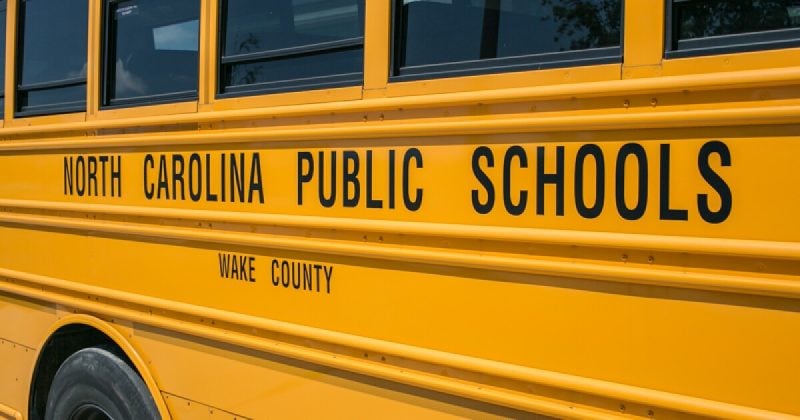
Wake County Schools serves as North Carolina’s largest school district, educating over 191,000 students across 244 public schools for the 2025-26 school year. The district encompasses Raleigh, Cary, Apex, and surrounding communities throughout the county.
The district offers diverse educational options including traditional public schools, specialized magnet programs, early college opportunities, and charter institutions. Wake County Schools ranks in the top tier of North Carolina districts, performing better than 73% of districts statewide according to recent rankings.
Students in Wake County benefit from access to some of the state’s highest-performing schools. The district maintains a strong reputation for college preparation and academic achievement across its elementary, middle, and high school levels. Approximately 90% of K-12 students in Wake County attend public schools, slightly below the state average of 92%.
2. Chapel Hill-Carrboro City Schools
Chapel Hill-Carrboro City Schools serves over 11,000 students across 21 public schools in the Chapel Hill area. The district includes 11 elementary schools, 4 middle schools, and 5 high schools.
The district ranks 30th out of 242 school districts statewide and holds a 4 out of 5 star rating. Its average testing ranking places it in the top 20% of public schools in North Carolina.
Chapel Hill-Carrboro distinguishes itself through strong academic performance and a diverse student population. The schools emphasize college readiness, with several high schools recognized for preparing students for postsecondary success.
The district maintains an A+ rating and focuses on quality education while serving a growing community. Parents value the combination of academic rigor and supportive learning environments available throughout the district’s schools.
3. Asheville City Schools
Asheville City Schools serves approximately 4,000 students across 8 educational campuses in Western North Carolina’s Blue Ridge Mountains. The district has been operating for over 130 years and includes 5 elementary schools, 2 middle schools, and 2 high schools.
The district ranks 76 out of 242 school districts in North Carolina and holds a 3 out of 5-star rating from SchoolDigger. Its average testing ranking places it in the top 50% of public schools statewide, with a 7/10 performance score.
Asheville City Schools has received an A- rating on Niche for its quality education and community involvement. The district maintains a strong focus on equity initiatives to provide all students with access to educational opportunities.
Top-performing schools in the district include Nesbitt Discovery Academy, Early College, and School of Inquiry and Life Sciences.
4. Charlotte-Mecklenburg Schools

Charlotte-Mecklenburg Schools serves Mecklenburg County as the second-largest public school system in North Carolina. The district educates over 147,000 students across 184 schools.
CMS offers strong academic programs that include Advanced Placement courses and early college opportunities. The teacher-to-student ratio ranges from 15 to 31, depending on the school and grade level.
The district has improved its statewide ranking and now performs better than half of all North Carolina school districts. Parents find diverse programs and resources throughout the system, which makes it a popular choice for families in the Charlotte area.
CMS maintains a student-centered approach focused on developing independent learners. The district continues to expand its innovative educational offerings while serving one of the state’s largest metropolitan populations.
5. Durham Public Schools

Durham Public Schools serves over 31,000 students across 57 schools, making it the eighth-largest school system in North Carolina. The district was formed in 1992 through the merger of Durham’s two previous school systems.
The district’s average testing ranking places it in the bottom 50% of public schools statewide, with a 4/10 rating for the 2025-26 school year. However, Durham Public Schools has shown recent improvement, moving up 14 positions in statewide rankings.
The district includes notable institutions such as J D Clement Early College High School, Pearsontown Elementary School, and Research Triangle High School. Students in Durham can choose from traditional public schools, magnet programs, and charter school options across multiple ZIP codes throughout the city.
6. Buncombe County Schools
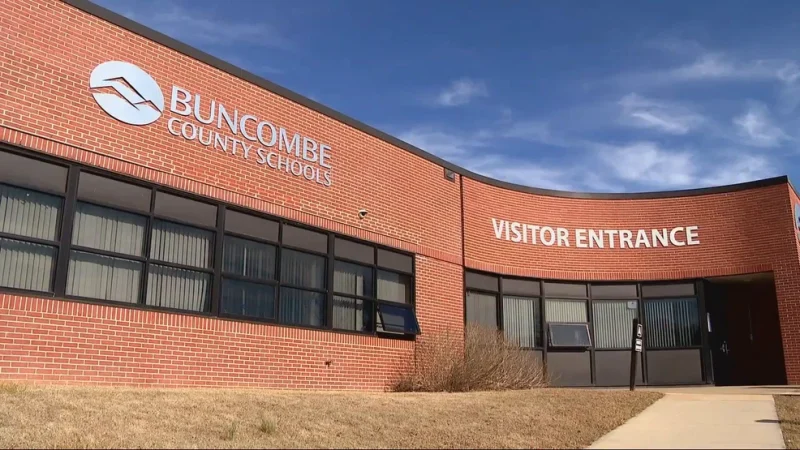
Buncombe County Schools serves as the largest school system in Western North Carolina and ranks as the 13th largest in the state. The district operates 45 schools across six geographic districts: Enka, Erwin, North Buncombe, Owen, Reynolds, and Asheville City Schools.
With over 22,000 students enrolled as of the 2023-24 school year, the district provides comprehensive educational programs throughout the county. The system encompasses elementary, middle, and high schools that serve diverse communities in the Asheville area.
Several schools within the district have earned recognition for academic performance. Nesbitt Discovery Academy, Early College, and School of Inquiry and Life Sciences consistently rank among the top-performing institutions. The district focuses on college preparation, with multiple schools receiving acknowledgment for successfully enrolling students in higher education and supporting their continued academic success.
7. Cary Charter School District
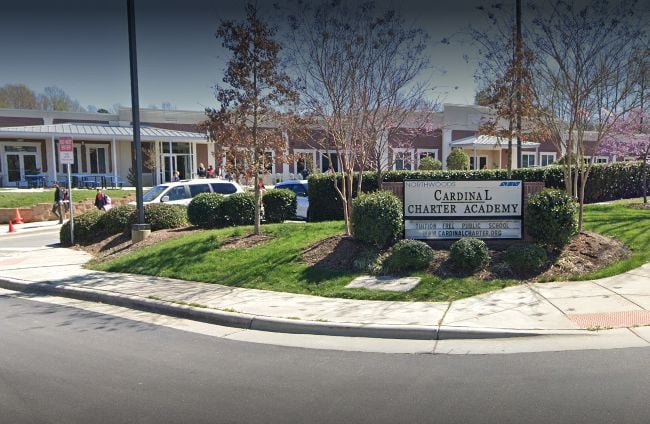
Cary’s charter school landscape includes several highly regarded institutions that provide alternative educational approaches within Wake County. Triangle Math and Science Academy stands out as one of the top-ranked charter schools in the area, consistently earning recognition for its STEM-focused curriculum and academic performance.
Charter schools in Cary operate independently from traditional public school districts while remaining publicly funded and tuition-free. These institutions offer families educational choices that emphasize different teaching methodologies and specialized programs. Cardinal Charter Academy also serves the Cary community with its own distinct educational philosophy.
The charter schools in this region benefit from Cary’s strong educational environment and engaged parent community. They typically maintain smaller class sizes and focused curricula that appeal to families seeking specific academic approaches. These schools compete with Wake County’s traditional public schools while contributing to the area’s overall educational excellence.
8. Bradford Preparatory School District

Bradford Preparatory School District ranks #60 out of 320 school districts in North Carolina, placing it in the top 20% statewide. The district’s ranking is based on combined math and reading proficiency testing data from the 2021-2022 school year.
Located in Charlotte, Bradford Preparatory School operates as a public charter school and serves as the only school within its district. The school is positioned 41st among North Carolina high schools according to available rankings.
Students at Bradford Preparatory have access to Advanced Placement coursework and exams, providing opportunities for college-level academic preparation. The district falls within Mecklenburg County, alongside Charlotte-Mecklenburg Schools.
The combination of strong academic performance and AP course availability contributes to Bradford Preparatory’s standing among North Carolina’s educational institutions.
9. Gaston County Schools
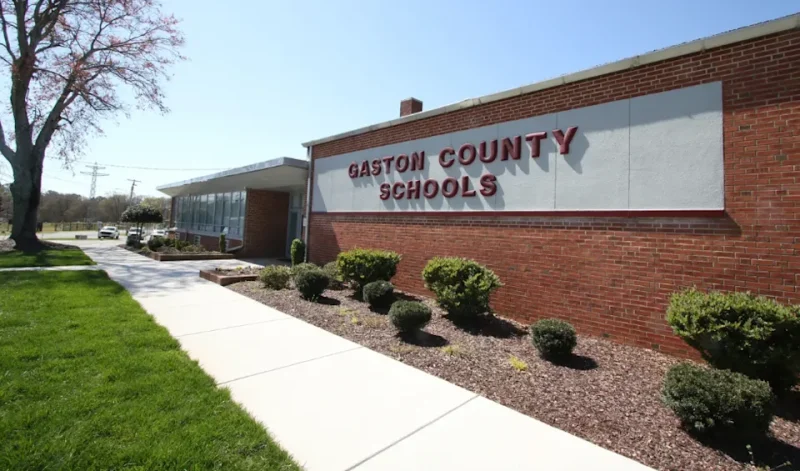
Gaston County Schools serves over 30,000 students across 56 schools, making it the tenth largest public school district in North Carolina. The district operates 30 elementary schools, 11 middle schools, 13 high schools, and 2 alternative schools throughout Gaston County.
The district’s average testing ranking places it in the bottom 50% of North Carolina public schools. However, several individual schools within the district demonstrate strong performance, including Highland School of Technology, Gaston Early College High School, and South Point High School.
Gaston County Schools provides educational opportunities across diverse communities in the western part of the state. The district continues to work toward improving academic outcomes for its student population while managing the needs of a large and varied school system.
10. Orange County Schools
Orange County Schools serves approximately 7,249 students across 14 public schools in Hillsborough, NC. The district includes seven elementary schools, three middle schools, three high schools, and one alternative high school.
The district’s performance shows notable variation among its schools. Hillsborough Elementary and Cedar Ridge High consistently rank among the top schools in North Carolina. The district received recognition as one of only three districts in the state to achieve specific academic improvement metrics for 2024-2025.
Orange County benefits from its location in the central part of the county and proximity to the University of North Carolina at Chapel Hill. The district serves a diverse student population, with over 40 different languages spoken at home besides English.
The county maintains 40 total public schools serving 21,683 students when including all districts in the area.
11. Mecklenburg County Schools
Charlotte-Mecklenburg Schools serves Mecklenburg County with 184 schools and an enrollment of 148,299 students. The district ranks among the largest in North Carolina and has shown improvement in statewide rankings.
Providence High School leads the district with a performance score of 93, followed by Ardrey Kell High at 90. These schools demonstrate the district’s capacity for academic excellence at the secondary level.
The district offers Advanced Placement courses and early college programs. The teacher-to-student ratio ranges from 15 to 31, depending on the school.
Charlotte-Mecklenburg Schools covers all of Mecklenburg County, making it a comprehensive district for families in the Charlotte metropolitan area. The district provides varied educational options across its extensive network of schools.
12. New Hanover County Schools
New Hanover County Schools serves nearly 25,000 students across 43 public schools. The district ranks in the top 50% of North Carolina public schools with an average testing ranking of 7/10.
The district operates 9 high schools, including traditional campuses, early college options, and specialized schools. This variety provides students with different educational pathways based on their goals and interests.
New Hanover County schools have an average ranking of 8/10, placing them in the top 30% statewide. The district currently ranks better than 67.8% of districts in North Carolina.
Minority enrollment stands at 42% of the student body, with Hispanic and Black students representing the largest groups. The district includes 4 separate school districts managing 39 schools throughout the county.
13. Forsyth County Schools
Forsyth County Schools operates as Winston Salem/Forsyth County Schools, serving over 52,000 students across 81 public schools. The district includes 44 elementary schools, 16 middle schools, 17 high schools, and 2 alternative schools.
The district has received a 4-star rating from Carolina School Hub when compared to other North Carolina counties. Performance varies across schools, with standout institutions like Meadowlark Elementary and Atkins Academic & Technical High ranking among the top performers in the state.
The district’s average testing ranking places it in the middle range of North Carolina public school systems. Schools serve students from diverse backgrounds throughout the Winston-Salem area and surrounding Forsyth County communities.
Several schools have earned recognition for college preparation programs, helping students transition successfully to higher education.
14. Alamance-Burlington School System
Alamance-Burlington School System serves nearly 23,000 students across 38 schools in PreK-12 education. The district operates 20 elementary schools, 7 middle schools, 9 high schools, and 1 alternative school. It ranks as the 15th-largest public school district in North Carolina.
The district’s academic performance shows room for improvement. Math proficiency stands at 41% compared to the state average of 51%, while reading proficiency is 39% versus the state’s 50%.
The student-teacher ratio is 16 to 1, providing reasonable class sizes for instruction. The district receives a ranking in the bottom 50% of North Carolina public schools with an average rating of 3 out of 10.
Alamance-Burlington School System maintains a focus on student-centered education while preparing students for future opportunities.
15. Davidson County Schools
Davidson County Schools serves approximately 18,151 students across 36 public schools in the Lexington area. The district has demonstrated notable improvement in recent state rankings, climbing 10 positions and now ranking better than 62.8% of districts in North Carolina.
The district maintains an average testing ranking of 6/10, placing it in the top 50% of public schools statewide. Top-performing schools within the system include Davidson Early College, Ledford Senior High School, and North Davidson High School.
Carolina School Hub has awarded Davidson County 6 stars on a 10-point scale when compared to other North Carolina counties. The district encompasses 42 public schools total, providing educational services throughout the county. Several schools have earned recognition for college readiness programs and strong preparation for post-secondary success.
16. Union County Public Schools
Union County Public Schools serves nearly 41,000 students across 53 schools, making it the sixth-largest public school system in North Carolina. The district operates 30 elementary schools, 9 middle schools, and 13 high schools throughout the county.
UCPS ranks among the top-performing school districts in the state. The district’s average testing ranking places it in the top 20% of public schools in North Carolina. It leads the Charlotte region and the 12 largest school districts in several academic performance areas.
The school system employs approximately 5,000 staff members. Located in Monroe, UCPS has established itself as a leader in educational achievement within the state. The district’s strong academic results reflect its commitment to student success and instructional excellence.
17. Cabarrus County Schools
Cabarrus County Schools serves over 35,000 students across 44 public schools in the Charlotte Metro region. The district employs more than 4,300 staff members dedicated to educational excellence.
The district ranks in the top 30% of North Carolina public schools based on testing performance. Recent rankings show Cabarrus County Schools performing better than 72.7% of districts statewide, marking a significant jump in positioning.
The district includes 29 elementary schools, 10 middle schools, and 21 high schools. Several schools have earned recognition for college preparedness and academic achievement. Cabarrus Early College of Technology and Cox Mill Elementary School rank among the top-performing schools in the county.
The district has received a 7 out of 10 rating when compared to other North Carolina counties, reflecting solid academic standards and student outcomes.
18. Iredell-Statesville Schools
Iredell-Statesville Schools serves over 20,600 students across 38 public schools in Statesville, NC. The district operates with a student-teacher ratio of 16 to 1, providing reasonable class sizes for individual attention.
According to state test scores, 58% of students demonstrate proficiency in math and 54% in reading. The district has shown improvement in recent rankings, moving up 17 positions statewide and now ranking better than 57.9% of districts in North Carolina.
Recent performance data indicates progress, with 20 of 35 schools meeting or exceeding year-to-year academic growth expectations. Schools in the district have an average ranking of 7/10, placing them in the top 50% of public schools statewide.
The district serves a diverse student population, with minority enrollment at 41%. Elementary schools run from 7:20 a.m. to 2:10 p.m., while middle and high schools operate from 8:30 a.m. to 3:20 p.m.
19. Johnston County Schools
Johnston County Public Schools serves approximately 36,894 students across 47 schools in the district. The system has earned recognition for its academic performance, with an average testing ranking of 7 out of 10, placing it in the top 50% of North Carolina public schools.
The district demonstrated strong academic growth during the 2023-2024 school year, with 23 schools achieving placement in North Carolina’s top 20% for academic growth. This performance continued into 2024-2025, when 15 schools maintained similar rankings.
Johnston County Schools ranks better than 61.2% of districts statewide. The student body includes 56% minority enrollment, with Hispanic students representing the largest minority group. The district’s commitment to educational excellence has established it as a competitive option among North Carolina’s public school systems.
20. Rockingham County Schools
Rockingham County Schools serves over 11,000 students across 23 public schools in the Wentworth area. The district receives a 4-star rating when compared to other North Carolina counties.
The district’s average testing ranking places it in the bottom 50% of public schools statewide. John O. Stover III currently serves as superintendent of the school system.
Rockingham County Schools offers several educational options, including Rockingham County Early College High School, which ranks among the district’s top-performing institutions. The system also includes Rockingham County High School and Bethany Elementary School.
Report card data is publicly available for each school in the district. These metrics provide important indicators of school quality and performance across the county.
21. Henderson County Public Schools
Henderson County Public Schools serves as the second largest school district in Western North Carolina, operating 23 schools across the region. The district includes 13 elementary schools, 4 middle schools, and 6 high schools, along with an education center and an early college high school.
With approximately 12,636 students enrolled for the 2025-26 school year, the district maintains a solid academic presence in the state. Henderson County Public Schools ranks 24th among North Carolina school districts and has earned a 3-star rating from SchoolDigger.
The district’s average testing ranking places it in the top 50% of public schools throughout North Carolina. Schools are organized into four geographic districts: East, Hendersonville, North, and West. This structure allows the district to serve communities across Henderson County effectively while maintaining consistent educational standards.
22. Randolph County Schools
Randolph County Schools serves over 15,000 students across 32 public schools in central North Carolina. The district encompasses both rural and suburban communities, offering a diverse educational environment.
Several schools within the system have earned recognition for academic achievement. Randolph Early College High School consistently ranks among the top institutions in the district. Hopewell Elementary School stands out with high test scores, particularly in mathematics, ranking among the top 241 elementary schools statewide.
The district’s average testing ranking falls within the bottom 50% of North Carolina public schools, indicating room for improvement. However, individual schools like Nathanael Greene Elementary School demonstrate strong performance that elevates certain areas of the system.
Randolph County Schools operates with approximately 23,930 total students when accounting for all districts in the county, providing educational services across 15 high schools, 10 middle schools, and 23 elementary schools.
23. Cumberland County Schools
Cumberland County Schools serves as the fifth largest school district in North Carolina, with a total enrollment of 48,434 students across 88 public schools. The district includes 948 pre-kindergarten students, 23,387 elementary students, 11,490 middle school students, and 16,101 high school students.
The district’s testing performance ranks 4 out of 10, placing it in the bottom half of North Carolina public schools. Recent rankings show Cumberland County Schools has declined in statewide comparisons, currently ranking below 59.5% of districts across the state.
Despite these challenges, the district features several standout institutions. Cumberland International Early College, Cumberland Polytechnic, and Cross Creek Early College consistently rank among the top schools in the county. These schools demonstrate the district’s capacity to provide quality educational options for students seeking specialized programs.
24. Greenville County Schools
Greenville County Schools serves the educational needs of students in Greenville, North Carolina, operating 23 schools across the district. The system includes 14 elementary schools, 4 middle schools, 3 high schools, and 2 alternative schools.
The district offers various educational options for families in the area. PCS Early College High School ranks among the top-performing schools in the system, along with Hope Middle School and Wintergreen Intermediate.
Greenville benefits from its proximity to East Carolina University, which brings additional educational resources to the community. The university is particularly recognized for its medical school and nursing programs. Pitt Community College also serves the area, providing two-year degree programs and vocational training opportunities.
The district serves multiple ZIP codes including 27834, 27837, 27858, 28513, and 28590. Families can access detailed information about individual schools through various ranking platforms that track test scores and performance metrics.
25. Edgecombe County Public Schools
Edgecombe County Public Schools serves students in northeastern North Carolina with 15 schools across the district. The system includes six elementary schools, four middle schools, four high schools, and one alternative school.
The district faces notable academic challenges. Math proficiency stands at 29%, compared to the state average of 51%. Reading proficiency reaches 31%, while the North Carolina average is 50%.
Edgecombe Early College High School ranks as the top-performing school in the district. Other notable institutions include G W Carver Elementary School and North East Carolina Prep.
The district holds a 1-star rating and ranks 218 out of 242 districts statewide. Despite these rankings, the schools continue serving their communities in Tarboro and surrounding areas.
26. Franklin County Schools
Franklin County Schools serves nearly 8,000 students across 16 schools in the Research Triangle area. The district provides a blend of small-town atmosphere with suburban convenience, located just outside North Carolina’s capital city.
The district has shown measurable improvement in recent statewide rankings. Franklin County Schools now ranks better than 50.6% of districts across North Carolina after jumping 13 positions in the latest assessments.
Franklin County offers families 17 public schools spanning all grade levels. The district includes several well-regarded institutions like Franklin County Early College, Tar River Elementary School, and Youngsville Elementary School.
The schools serve communities throughout Franklin County with a 4-star rating when compared to other North Carolina counties. Parents and students benefit from the district’s proximity to the Research Triangle while maintaining access to more affordable, community-focused education options.
27. Surry County Schools
Surry County Schools serves approximately 7,314 students across 20 public schools in the Dobson area. The district’s average testing ranking places it in the top 50% of public schools in North Carolina, demonstrating solid academic performance.
The district operates three main school clusters serving different geographic areas. Notable institutions include Surry Early College, Mount Airy High School, and North Surry High School. These schools consistently appear among the top-ranked options in the county.
Surry County Schools offers diverse educational pathways, including traditional elementary, middle, and high schools alongside specialized programs like Meadowview Magnet Middle School. The district maintains a focus on providing accessible education across the county’s rural communities.
Recent rankings indicate the district performs better than 63.6% of school districts statewide. This positions Surry County Schools as a reliable choice for families seeking quality public education in northwestern North Carolina.
28. Wilson County Schools
Wilson County Schools serves over 10,000 students across 25 public schools in the Wilson area. The district achieved its highest state ranking ever for the 2024-2025 school year, placing 34th out of 115 districts in overall proficiency.
Several schools demonstrate exceptional performance within the system. Wilson Early College Academy stands out as a top performer, ranking in the top 5% for growth statewide. Forest Hills Middle also achieved similar recognition for growth metrics.
Lee Woodard Elementary and Wilson Early College Academy represent two of only 66 schools in North Carolina to exceed expected growth every year from 2017 through 2025. Rock Ridge Elementary and Lucama Elementary are additional schools that rank among the district’s best.
The district continues working to improve student outcomes while serving a diverse student population throughout Wilson County.
29. Watauga County Schools
Watauga County Schools serves 4,746 students across 11 public schools in the Boone area. The district has demonstrated strong academic performance with an average testing ranking of 9/10, placing it in the top 20% of public schools statewide.
Recent rankings show the district has improved its standing, now performing better than 80% of North Carolina districts. This upward trajectory reflects the system’s commitment to educational excellence.
Notable schools in the district include Watauga High School, Blowing Rock Elementary School, and Parkway Elementary School. These institutions consistently receive recognition for their test scores and student preparation. The district has earned a 10-star rating from Carolina School Hub when compared to other North Carolina counties.
Parents and students benefit from the district’s focus on college readiness and comprehensive academic programs throughout the school year.
30. Transylvania County Schools
Transylvania County Schools serves approximately 3,300 students across nine public schools in western North Carolina. The district ranks third in the Western Region among traditional school districts, placing it in the top 13.43% statewide.
A notable achievement for the district is its ACT college readiness performance. About 66.1% of students meet ACT college readiness benchmarks, demonstrating strong academic preparation.
The district has shown upward momentum in recent rankings, climbing 16 positions in statewide comparisons. It currently performs better than approximately 60% of North Carolina districts. Testing rankings place the district in the top 50% of public schools across the state.
Transylvania County Schools operates in Rosman and includes institutions like Rosman High School, Brevard High School, and Brevard Academy among its top-performing schools.
Factors That Distinguish Top North Carolina School Districts
Top-performing school districts in North Carolina share measurable characteristics in academic outcomes, staffing quality, and comprehensive support systems. These factors create educational environments where students consistently achieve at higher levels.
Academic Performance Standards
North Carolina’s leading school districts demonstrate excellence through standardized test scores and college readiness metrics. Districts are ranked primarily on their combined math and reading proficiency scores, with top performers placing schools in the statewide top 5%.
These districts maintain rigorous curriculum standards that exceed state minimums. Students in highly-rated districts show higher rates of Advanced Placement exam participation and passing scores. The best districts also track metrics beyond testing, including graduation rates that often exceed 95% and four-year college enrollment rates.
Key performance indicators include:
- Math and reading proficiency rankings
- SAT/ACT average scores
- AP course availability and success rates
- On-time graduation percentages
Data-driven instruction allows administrators to identify learning gaps quickly and adjust teaching strategies. Districts with strong academic performance typically conduct regular assessments throughout the school year rather than relying solely on end-of-year testing.
Teacher Qualifications and Experience
Teacher quality directly impacts district rankings across North Carolina. Top districts attract and retain educators with advanced degrees, with many schools employing teachers where 40-60% hold master’s degrees or higher.
Competitive salaries in leading districts often supplement the state pay scale with local funding. These districts invest in ongoing professional development, providing teachers with specialized training in curriculum areas and instructional technology. Teacher retention rates in top-performing districts typically remain 10-15 percentage points higher than state averages.
Experience levels matter significantly. The best districts balance veteran educators with newer teachers, maintaining average experience levels of 10-15 years. Low student-to-teacher ratios, often around 14:1 or better in elementary grades, allow for more individualized instruction.
Student Support Services
Comprehensive support systems separate leading districts from average performers. Top districts employ full-time counselors, school psychologists, and social workers at ratios that exceed state requirements.
Mental health resources have expanded in high-performing districts, with on-site therapists and crisis intervention teams. Academic support includes tutoring programs, remedial instruction, and gifted education services that serve diverse student needs.
Common support services include:
- Full-time counselors at student-staff ratios below 250:1
- Special education programs with inclusion models
- English Language Learner specialists
- Before and after-school tutoring
- College and career counseling beginning in middle school
Technology integration provides students with devices and internet access, ensuring equitable learning opportunities. Many top districts maintain 1:1 device programs starting in elementary grades.
Community and Extracurricular Opportunities
North Carolina’s top school districts recognize that student success extends beyond classroom instruction. Strong parental engagement and diverse enrichment activities create well-rounded educational experiences that prepare students for college and career readiness.
Parental Involvement Initiatives
Leading districts in North Carolina have established structured frameworks for family engagement that go beyond traditional parent-teacher conferences. Chapel Hill-Carrboro and Wake County maintain active Parent-Teacher Organizations that coordinate volunteer programs, fundraising initiatives, and curriculum advisory committees. These districts provide regular communication channels through digital portals where parents can monitor grades, attendance, and upcoming school events.
Many top-performing districts offer workshops that help parents support learning at home, covering topics such as literacy development, STEM education, and college preparation. Asheville City Schools and other high-ranking systems schedule family engagement nights that bring together parents, teachers, and students for hands-on learning activities. Districts also recruit parent volunteers for classroom assistance, field trip supervision, and mentorship programs that connect families with school communities.
Enrichment Programs and Clubs
North Carolina’s best school districts provide extensive extracurricular offerings that develop skills beyond standardized test performance. Students access competitive athletics, performing arts programs, academic competitions, and specialized clubs aligned with their interests. STEM-focused districts support robotics teams, coding clubs, and science olympiad programs that prepare students for technology careers.
Arts programs include band, orchestra, theater, visual arts, and dance opportunities at multiple skill levels. Leadership development occurs through student government, debate teams, and service learning initiatives that connect students with community organizations. Top districts also offer before and after-school enrichment programs that provide additional academic support and exploration opportunities in areas such as foreign languages, creative writing, and environmental science.