The 30 Best Small Towns to Buy a Home in The U.S.: Affordable Markets and Investment Opportunities
The American dream of homeownership remains strong, with many buyers turning their attention to small towns that offer affordable housing, strong communities, and quality of life.
Small towns across the United States provide opportunities for homebuyers to find properties that would cost significantly more in major metropolitan areas.
This comprehensive analysis examines thirty small towns that offer the best combination of affordability, livability, and long-term value for homebuyers.
These communities span diverse regions from the mountains of Colorado and Montana to the coastal areas of North Carolina and Texas, each offering unique advantages for different types of buyers.
The selection includes college towns, retirement destinations, outdoor recreation hubs, and historic communities that balance small-town charm with modern amenities and economic stability.
Here are the 30 best small towns to buy a home in the U.S.
1. Asheville, North Carolina
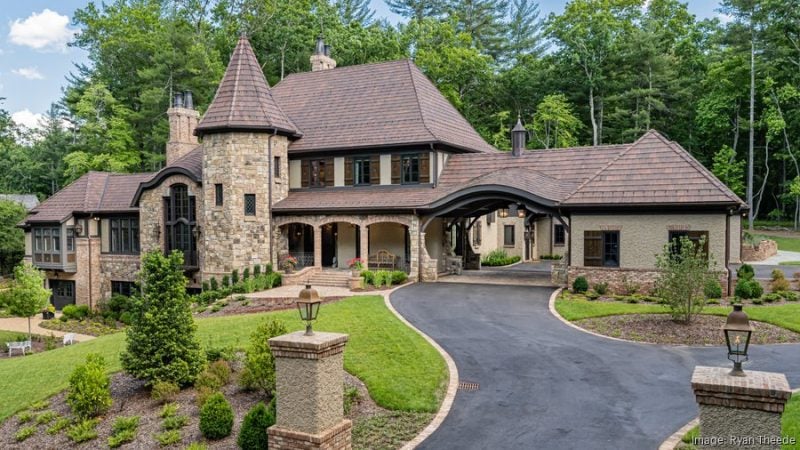
Asheville offers buyers an ideal balance of urban amenities and mountain town charm. The city sits nestled in North Carolina’s Blue Ridge Mountains, providing stunning natural scenery and outdoor recreation opportunities.
Property values in Asheville have remained competitive compared to major metropolitan areas. The local housing market includes diverse options from historic downtown homes to modern mountain properties.
The area attracts residents with its vibrant arts scene and craft brewery culture. Local restaurants and galleries contribute to a thriving downtown district that appeals to various age groups.
Asheville’s location provides easy access to hiking trails, national forests, and scenic mountain drives. The climate features four distinct seasons with mild winters compared to northern mountain regions.
The city’s growing job market spans healthcare, tourism, and technology sectors. This economic diversity helps support a stable housing market for long-term homeowners.
2. Bozeman, Montana
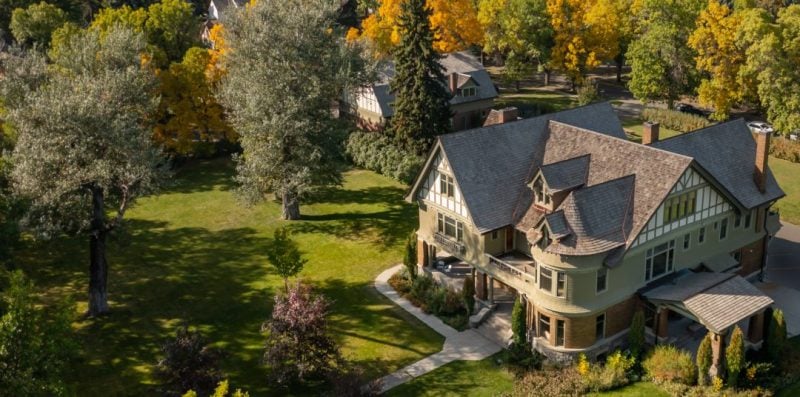
Bozeman offers small-town charm with urban amenities that attract homebuyers seeking a balanced lifestyle. The city serves as a gateway to outdoor recreation while maintaining cultural attractions and dining options.
The median home price in Bozeman reaches approximately $400,000. This pricing reflects the area’s desirability and growth in recent years.
Residents enjoy access to world-class skiing, hiking, and fishing opportunities. Montana State University contributes to the city’s vibrant atmosphere and educated population.
The local economy benefits from diverse industries including technology, healthcare, and education. Job opportunities exist across multiple sectors for professionals and families.
Bozeman’s downtown district features local shops, restaurants, and cultural venues. The community maintains its Western character while embracing modern conveniences and services that larger cities provide.
3. Bend, Oregon
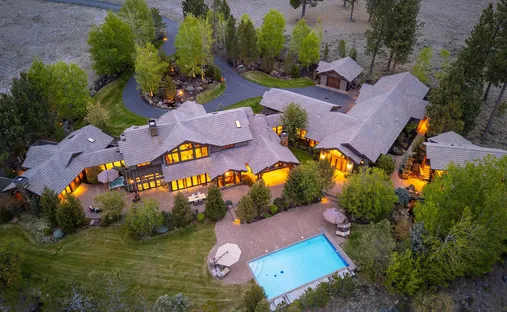
Bend sits in Oregon’s high desert region and attracts buyers seeking outdoor recreation opportunities. The city offers year-round activities including skiing, hiking, and mountain biking.
Home prices in Bend reflect its desirability as a destination for both permanent residents and vacation home buyers. The local real estate market features diverse neighborhoods with different price points and amenities.
The town’s economy centers around tourism, outdoor gear manufacturing, and technology companies. This economic diversity provides stability for the housing market.
Bend’s population has grown steadily as remote workers and retirees relocate to the area. The city maintains its small-town character while offering modern amenities and services.
Buyers can find properties ranging from downtown condos to mountain view homes. The area’s natural beauty and recreational access make it a competitive market for home purchases.
4. Burlington, Vermont
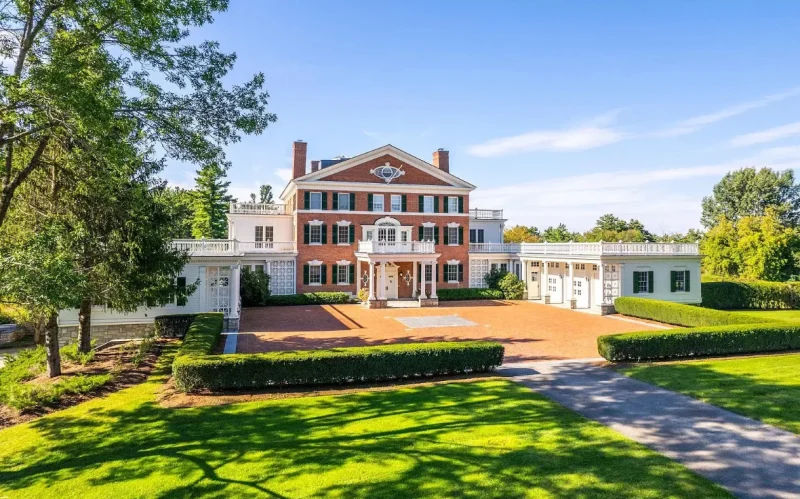
Burlington stands as Vermont’s largest city while maintaining its small-town charm. The city sits on the shores of Lake Champlain with the Adirondack Mountains providing a scenic backdrop.
Home values in Burlington average around $450,000 according to recent market data. This represents a premium compared to rural Vermont communities but reflects the city’s desirable location and amenities.
The downtown area features a vibrant waterfront district with restaurants, shops, and cultural attractions. Church Street Marketplace serves as the pedestrian heart of the city.
Burlington offers modern conveniences alongside New England character. Residents enjoy access to the University of Vermont, which brings educational and cultural opportunities to the community.
The city provides four-season recreation with nearby skiing, hiking trails, and water activities on Lake Champlain. Burlington’s location offers easy access to both outdoor adventures and urban amenities.
5. Coeur d’Alene, Idaho
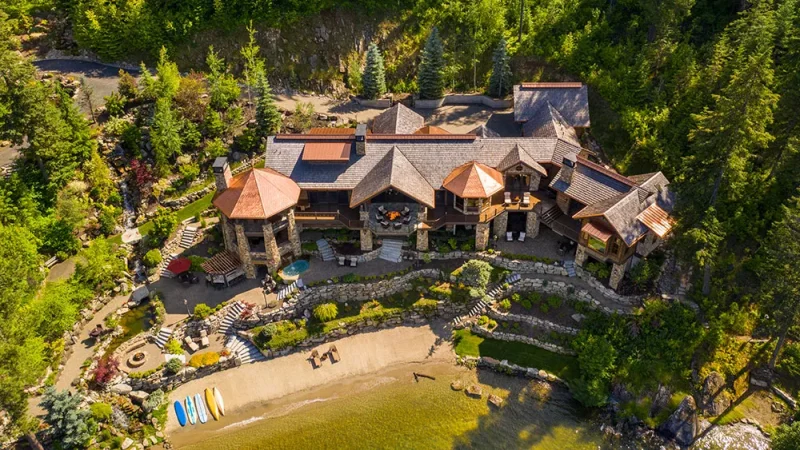
Coeur d’Alene offers scenic beauty with Lake Coeur d’Alene and mountain views. The city provides a balance of natural amenities and small-town atmosphere.
Home prices in Coeur d’Alene exceed Idaho’s state average of $428,568. Buyers can find diverse neighborhoods from historic lakeside areas to riverfront properties.
The Fort Grounds neighborhood features historic lakeside charm. Bellerive offers luxurious riverfront homes for those seeking premium locations.
Nearby communities like Rathdrum provide more affordable alternatives. Post Falls and other surrounding towns offer budget-friendly options within commuting distance.
Kootenai County provides various living environments based on crime rates, schools, and amenities. The area attracts buyers seeking mountain living with urban conveniences.
The region benefits from proximity to Spokane, Washington. This location provides access to larger city amenities while maintaining small-town character.
6. Fayetteville, Arkansas
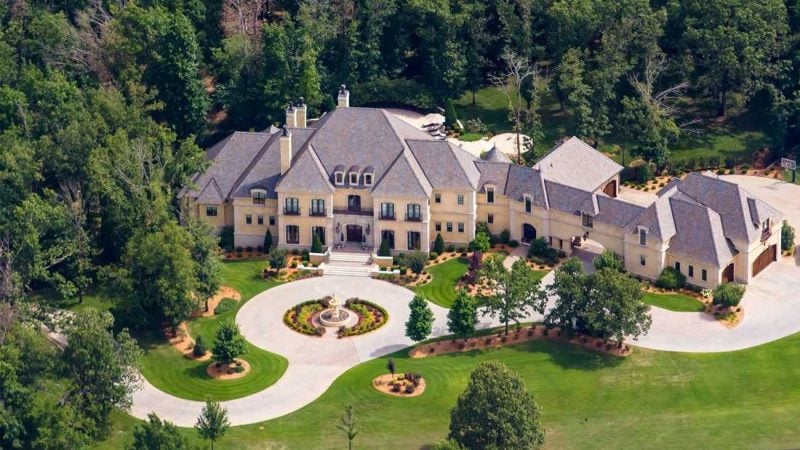
Fayetteville offers homebuyers an attractive combination of affordability and quality living in northwest Arkansas. The city maintains reasonable housing costs compared to national averages while providing access to excellent amenities.
The University of Arkansas brings cultural diversity and educational opportunities to the area. This creates a vibrant atmosphere with restaurants, entertainment venues, and community events throughout the year.
Fayetteville’s job market benefits from both university employment and growing business sectors. The local economy provides stability for residents across various industries.
The surrounding Ozark Mountains offer outdoor recreation opportunities including hiking trails and lakes. Natural beauty enhances the appeal for those seeking both urban conveniences and outdoor activities.
Public schools in the Fayetteville area receive positive ratings. Families find good educational options for children at multiple grade levels.
The city’s downtown district features local shops and dining establishments. Crime rates remain relatively low compared to larger metropolitan areas.
7. Franklin, Tennessee
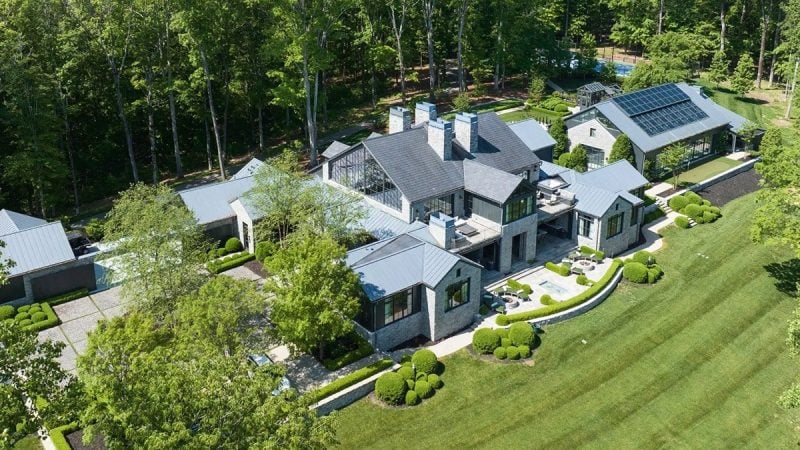
Franklin offers buyers a historic downtown with cobblestone sidewalks and century-old buildings. The town preserves its Southern heritage while providing modern amenities like farm-to-table restaurants and upscale businesses.
The meticulously maintained Main Street frequently appears on best small towns lists. This recognition stems from its blend of historical character and contemporary conveniences.
Home prices in Franklin sit well above Tennessee state averages due to high demand. The competitive real estate market reflects the town’s desirability and quality of life.
Buyers seeking more affordable options can explore nearby communities. Spring Hill, Nolensville, and Thompson’s Station provide cost-effective alternatives while maintaining proximity to Franklin’s amenities.
The town hosts regular festivals, parades, and markets throughout the year. These community events strengthen local connections and enhance the small-town atmosphere that attracts homebuyers.
8. Traverse City, Michigan
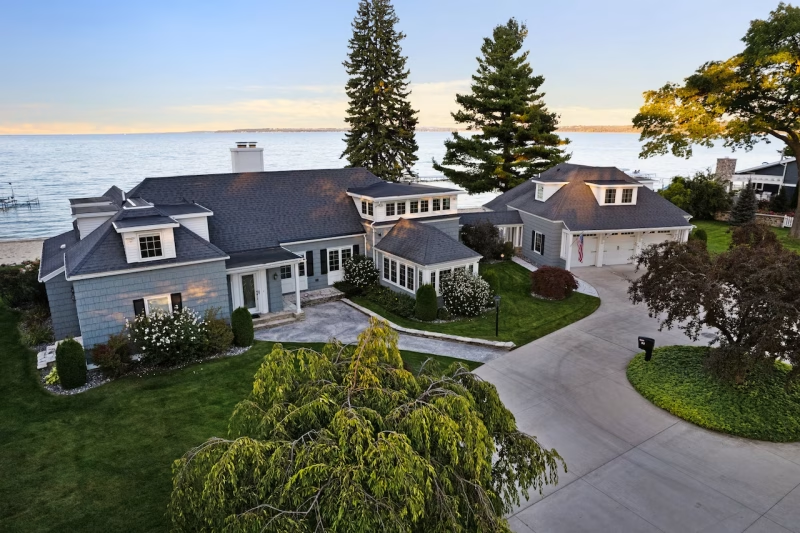
Traverse City sits at the base of Grand Traverse Bay, offering stunning lake views and small-town charm. The city combines natural beauty with a vibrant cultural scene that attracts both visitors and new residents.
Home prices in Traverse City exceed Michigan’s state average of $234,007. The real estate market remains active in 2025, with buyers seeking neighborhoods that balance lifestyle and long-term value.
The area serves as a gateway to Sleeping Bear Dunes National Lakeshore. Traverse City hosts an annual Cherry Festival and features numerous outdoor recreation opportunities throughout the year.
Nearby communities like Suttons Bay on the Leelanau Peninsula provide additional small-town options. These surrounding areas offer artsy downtown districts with local shops and restaurants while maintaining quieter, less touristy atmospheres than the main city.
9. St. George, Utah
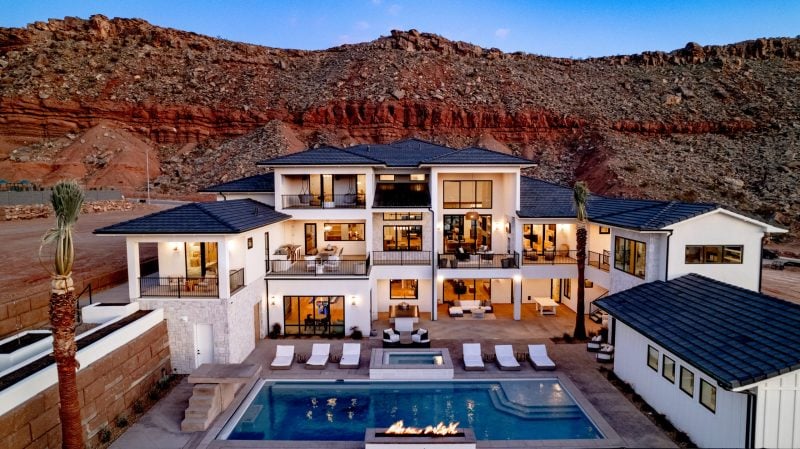
St. George has emerged as one of Utah’s most desirable small cities for homebuyers. The city offers stunning red rock landscapes and exceptional outdoor recreation opportunities.
Home prices in St. George align with Utah’s state average of $479,694. This pricing makes it competitive within the broader Utah market while remaining accessible for many buyers.
The city attracts residents seeking year-round outdoor activities and natural beauty. Desert hiking trails, golf courses, and nearby national parks provide abundant recreation options.
St. George features diverse neighborhoods to suit different preferences. Downtown offers historic charm with mixed housing options, while newer developments provide modern amenities and family-friendly environments.
The area’s growth has brought improved infrastructure and amenities. Residents benefit from quality schools, healthcare facilities, and expanding business opportunities.
Southern Utah’s climate allows for comfortable living throughout most of the year. The region’s scenic beauty and lifestyle benefits continue drawing new residents to this thriving community.
10. Greenville, South Carolina
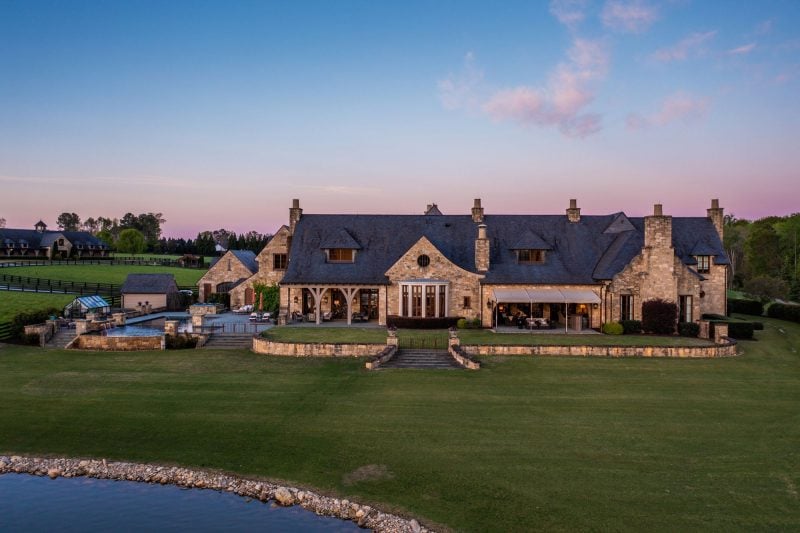
Greenville sits at the base of the Blue Ridge Mountains, offering scenic beauty and small-town charm. The city has earned recognition on multiple “best places to live” lists across the country.
Home buyers find attractive median prices compared to larger metropolitan areas. Property taxes remain reasonable, making homeownership more accessible for families and young professionals.
The downtown area features a walkable business district with local shops and restaurants. Frequent community events create strong neighborhood connections throughout the year.
Greenville provides access to quality school districts that attract families. The location offers convenient transportation links while maintaining a peaceful atmosphere.
Surrounding suburbs like Simpsonville and Travelers Rest expand housing options for different budgets. These nearby communities blend rural tranquility with urban amenities.
The job market supports small businesses and growing industries. Residents enjoy outdoor recreation opportunities in the nearby mountains and parks.
11. Hood River, Oregon
Hood River combines mountain town charm with Columbia River access. The town sits about an hour east of Portland with Mount Hood as its dramatic backdrop.
Home prices reflect the area’s desirability. The median home value reaches approximately $620,000, placing Hood River among the most expensive small towns in the U.S.
The population of 8,350 creates a tight-knit community atmosphere. Residents enjoy outdoor recreation year-round, from windsurfing on the Columbia River to skiing on nearby Mount Hood.
Hood River attracts buyers seeking both natural beauty and accessibility to urban amenities. The town’s location provides easy access to Portland while maintaining small-town character.
Recent rankings highlight Hood River’s appeal as a vacation home destination and one of the best small mountain towns to visit.
12. Iowa City, Iowa
Iowa City offers affordable housing options in a college town setting. The University of Iowa anchors this community of approximately 75,000 residents.
Home values remain reasonable compared to national averages. Property taxes are competitive within the state. The local real estate market benefits from steady demand.
The surrounding suburbs and small towns provide additional housing choices. Areas like Coralville and University Heights offer proximity to the city center.
Employment opportunities exist beyond the university. Healthcare, education, and technology sectors provide jobs for residents.
The city features cultural amenities including theaters, museums, and restaurants. Public transportation connects different neighborhoods. Parks and recreational facilities serve families throughout the area.
Iowa City combines small-town accessibility with urban conveniences. The cost of living supports homebuyers seeking value in the Midwest housing market.
13. Missoula, Montana
Missoula combines outdoor adventure with small-town charm in western Montana. The city sits along the Clark Fork River, offering residents easy access to hiking, fishing, and skiing opportunities.
The median home price in Montana is $522,600, making Missoula competitive within the state market. First-time buyers find neighborhoods that balance affordability with quality of life.
Several nearby towns provide more budget-friendly alternatives within 30 minutes of Missoula. Lolo offers affordable housing just 15 minutes south, with access to Lolo National Forest and Blue Mountain Recreation Area.
The area attracts young professionals and families seeking mountain living without extreme isolation. Missoula provides cultural amenities and services typically found in larger cities.
Housing inventory includes 678 active listings as of recent data. The city’s growth reflects increasing interest in western Montana’s lifestyle and natural beauty.
14. Sarasota, Florida
Sarasota sits on Florida’s Gulf Coast, offering residents stunning beaches and a vibrant arts scene. The city combines relaxation with modern convenience, making it attractive to families, retirees, and professionals.
Home values in Sarasota vary by neighborhood, with beachfront areas commanding premium prices. Siesta Key represents the higher-end market, while suburbs offer more affordable options for buyers.
The area features multiple neighborhoods with distinct characteristics. Palmer Ranch caters to families seeking suburban amenities. Downtown areas provide urban lifestyle benefits with cultural attractions nearby.
Property taxes in Sarasota County remain competitive compared to other coastal Florida markets. The local real estate market shows consistent demand across different price ranges.
Small towns surrounding Sarasota provide additional housing options. These communities offer entertainment and quality of life benefits while maintaining lower costs than prime Sarasota locations.
15. Olympia, Washington
Olympia serves as Washington’s capital city and offers a compelling alternative to expensive Seattle-area housing. The median home price sits at $479,418, which exceeds the national average but remains significantly below Washington’s state average of $577,850.
This historic city combines small-town charm with urban amenities. Downtown Olympia features an artsy atmosphere with numerous parks and recreational opportunities throughout the area.
The location provides strategic advantages for homebuyers. Residents enjoy proximity to Seattle while avoiding the high costs associated with metropolitan living.
Olympia attracts diverse demographics including professionals, families, and retirees. The city offers access to top-rated schools and maintains a more relaxed pace compared to larger Washington cities.
The area’s rich history as one of Western Washington’s oldest cities adds character to neighborhoods. This historical significance, combined with natural beauty and practical amenities, makes Olympia an attractive option for those seeking affordable homeownership in the Pacific Northwest.
16. Durango, Colorado
Durango sits in southwestern Colorado as a scenic mountain town that attracts buyers seeking outdoor recreation and community connection. The town offers diverse housing options from downtown properties to nature-surrounded neighborhoods.
Home prices in Durango average $626,348, significantly higher than the national median of $393,134. This cost reflects the area’s desirability and mountain location premium.
The town caters to active residents with mountain biking, skiing, fishing, and hiking opportunities. Downtown areas provide walkable access to restaurants and shops, while surrounding neighborhoods offer more space and privacy.
Durango’s real estate market includes single-family homes, condominiums, and townhomes across different price ranges. The community attracts retirees, families, and outdoor enthusiasts looking for small-town living with recreational amenities.
Nearby towns like Bayfield, Mancos, and Hesperus provide additional housing options for those wanting proximity to Durango’s attractions at potentially lower costs.
17. Lexington, Kentucky
Lexington offers affordable home prices in the heart of Kentucky’s Bluegrass region. The city combines small-town charm with urban amenities, making it attractive for homebuyers seeking value.
Home prices remain competitive compared to national averages. The local real estate market shows steady growth without extreme volatility.
The city serves as home to the University of Kentucky, providing economic stability. Major employers include healthcare systems and equine-related businesses that support the area’s famous horse industry.
Lexington’s central location offers easy access to Louisville and Cincinnati. Interstate connections make commuting to nearby cities feasible for residents.
The area features a rich cultural scene with bourbon distilleries and horse farms. Buyers can find diverse housing options from historic neighborhoods to newer subdivisions.
Property taxes remain reasonable compared to many other states. The cost of living stays below national averages while maintaining quality amenities and services.
18. Galena, Illinois
Galena stands as a historic gem in northwest Illinois with a population of approximately 3,400 residents. The town was founded in 1826 and gained prominence through lead mining and river commerce.
Over 87% of Galena’s buildings are listed on the National Register of Historic Places. This recognition makes it function as a living museum with well-preserved 19th-century architecture.
The local economy centers around tourism and service industries. Visitors are drawn to the cobblestone streets and charming downtown area nestled in the rolling hills of Jo Daviess County.
Real estate listings show active market availability with properties reflecting the town’s historic character. The combination of small-town atmosphere and historical significance attracts homebuyers seeking unique residential opportunities.
Galena has received recognition as one of the best small towns in Illinois and America. The town offers a blend of historical preservation with modern amenities for residents.
19. Marquette, Michigan
Marquette offers affordable homeownership in Michigan’s Upper Peninsula. The median home price sits around $259,183, significantly below the national median of $393,134.
This small town provides authentic charm without sacrificing amenities. Northern Michigan University brings cultural events, performances, and exhibits to the community. Many activities remain free or low-cost for residents.
Downtown Marquette maintains a relaxed atmosphere with minimal traffic. The area attracts retirees seeking affordable living options. Residents can comfortably live on modest budgets while enjoying small-town benefits.
Harlow Farms represents one of the premier neighborhoods for new construction. These homes, built in 2007 and later, blend naturally into the surrounding landscape. The subdivision offers modern housing options for buyers seeking newer properties.
The local housing market features diverse options including single-family homes, apartments, and condos. Home values have increased steadily with recent growth of 4.3 percent.
20. Beaufort, South Carolina
Beaufort sits on Port Royal Island in South Carolina’s Lowcountry region. The city ranks as the second-oldest in South Carolina and offers significant historical charm.
Southern Living named Beaufort the best small town in the South in 2022. CNN recognized it as one of the Best Small Towns in America in 2023.
The downtown area provides walkable streets with water views throughout. Historic architecture lines many blocks, creating an attractive residential environment.
Property values in Beaufort County show favorable conditions for home buyers. The area maintains lower costs compared to major metropolitan regions while offering coastal access.
Zillow currently lists over 500 homes for sale in the Beaufort market. Options range from historic properties downtown to modern suburban developments.
The town attracts families and retirees seeking small-town living with cultural amenities. Beaufort’s location provides access to beaches while maintaining affordable housing options.
21. Cedarburg, Wisconsin
Cedarburg sits 20 miles north of Milwaukee in Ozaukee County. This historic mill town from the 1840s combines old-world charm with modern amenities.
The downtown features 19th-century limestone buildings housing boutiques, wineries, and coffee shops. The Cedarburg Art Museum occupies a historic red brick building with Romanesque and Queen Anne architectural elements.
Home values have shown strong appreciation while maintaining affordability. The town experienced robust growth with property values increasing significantly from 2020 to 2025.
Cedarburg offers diverse housing options from small-town neighborhoods to waterfront properties. The community maintains a population of approximately 11,500 residents according to recent census data.
The town hosts Wisconsin’s largest Strawberry Festival annually. Buyers can choose from spacious lots in various subdivisions that cater to different lifestyle preferences.
22. Paducah, Kentucky
Paducah offers homebuyers an affordable entry point into Kentucky’s real estate market. The city combines small-town charm with riverside beauty along the Ohio River.
The housing market attracts both local and out-of-state buyers seeking value. Home prices remain well below national averages, making homeownership accessible for families and retirees.
Paducah’s cultural heritage adds appeal beyond affordability. The city features historic architecture and maintains a strong sense of community that draws people from larger metropolitan areas.
Neighborhood quality varies throughout the city, giving buyers options across different price ranges. The market offers opportunities for both primary residences and investment properties.
The city’s location provides access to outdoor recreation while maintaining lower living costs. Paducah ranks among Kentucky’s more affordable housing markets, with many properties available under typical state averages.
23. New Bern, North Carolina
New Bern sits where the Neuse and Trent rivers meet in eastern North Carolina. The city is located about 112 miles east of Raleigh and offers convenient access to both urban centers and coastal areas.
As one of North Carolina’s oldest cities and the state’s first capital, New Bern provides a rich historical backdrop for homebuyers. The downtown area features tree-lined streets with numerous restaurants and growing shopping centers.
Home prices in New Bern remain below North Carolina’s state average of $293,064. This affordability makes it attractive for buyers seeking value in a small town setting.
The community offers proximity to intercoastal waterways that wind through the town. New Bern maintains its small-town character while experiencing steady growth, balancing charm with modern amenities for residents.
24. Harrisonburg, Virginia
Harrisonburg offers affordable housing compared to Virginia’s state average of $417,432. This small city provides better value than many similar-sized communities across the region.
The town sits in the Shenandoah Valley, surrounded by mountains and rural landscapes. James Madison University brings energy and stability to the local economy.
Home buyers find diverse neighborhoods with varying price points. The market analysis shows consistent demand in the most desirable areas of town.
Harrisonburg combines small-town charm with university amenities. Residents enjoy access to cultural events, dining options, and outdoor recreation opportunities.
The housing market remains more accessible than many Virginia locations. First-time buyers and those seeking value often consider this area for its affordability and community features.
25. Bloomsburg, Pennsylvania
Bloomsburg holds the unique distinction of being Pennsylvania’s only officially designated town. This riverside community in Columbia County combines small-town charm with the cultural benefits of a college town.
Bloomsburg University brings youthful energy and educational opportunities to the area. The university creates a stable rental market and adds cultural amenities typically found in larger cities.
The historic downtown features well-preserved architecture and local businesses. Tree-lined streets and the Susquehanna River provide natural beauty throughout the community.
Home buyers benefit from affordable real estate prices compared to Pennsylvania’s major metropolitan areas. The town offers a slower pace of life while maintaining access to modern conveniences.
The presence of the university ensures ongoing economic stability and community events. Bloomsburg provides an ideal setting for those seeking authentic small-town living with educational and cultural resources nearby.
26. Lake Geneva, Wisconsin
Lake Geneva sits just 90 minutes from Chicago and Milwaukee in southeastern Wisconsin. This lakefront community combines small-town charm with sophisticated amenities that attract discerning homebuyers.
USA Today named Lake Geneva one of the top small towns in the Midwest. The recognition stems from its watersports, hiking trails, shops and restaurants that make it popular during warmer months.
Travel + Leisure recently listed Lake Geneva among the top 10 places to buy a lake house in the United States. Waterfront properties have been setting real estate records in the area.
The town offers great real estate opportunities due to its proximity to major cities like Chicago and Milwaukee. Home prices in Lake Geneva exceed Wisconsin’s state average of $260,575.
Lake Geneva provides buyers with picturesque landscapes and natural beauty. The community serves as an elegant retreat for those seeking lakefront living with urban accessibility.
27. Morgantown, West Virginia
Morgantown offers affordable housing opportunities in the heart of West Virginia. Home to West Virginia University, this college town provides steady rental demand and property value stability.
The city features a bustling downtown area with mountain views. The Morgantown Personal Rapid Transit system enhances walkability and creates commuter-friendly transportation options.
Buyers can find diverse property types ranging from starter homes to luxury developments in planned communities. The university presence brings cultural amenities including football games, symphony performances, and art museums.
Low cost of living makes Morgantown attractive for both investors and residents. Public parks and recreational facilities add to the community appeal.
The combination of educational institution stability and affordable real estate prices creates favorable conditions for homebuyers. Mountain location provides scenic beauty while maintaining access to urban conveniences.
28. Northampton, Massachusetts
Northampton strikes an ideal balance for homebuyers seeking small-town charm with urban amenities. The city houses approximately 29,000 residents in western Massachusetts’s Pioneer Valley.
The downtown area features historic brick architecture and diverse retail options. Local businesses thrive alongside cultural venues that rival larger metropolitan areas.
Northampton’s location along the Connecticut River provides natural beauty and recreational opportunities. The presence of Smith College adds intellectual energy and cultural programming to the community.
Housing costs remain reasonable compared to Boston and other major New England cities. This affordability attracts retirees and young professionals looking for quality of life without premium prices.
The town offers walkable neighborhoods and bike-friendly streets. Local breweries, cafes, and restaurants create gathering spaces that foster community connections among residents.
29. Galveston, Texas
Galveston offers coastal living with historic charm along the Gulf of Mexico. The median home price of $320,203 sits below the national average of $393,134.
This island city provides unique character through its blend of old and new communities. Beachfront properties and waterfront neighborhoods create diverse housing options for different lifestyles.
Downtown Galveston attracts real estate investors due to high demand and market activity. Beach-adjacent areas appeal to buyers seeking both permanent residences and vacation properties.
The city combines small-town atmosphere with coastal amenities. Historic districts offer architectural interest while modern developments provide updated conveniences.
Galveston County’s location provides access to employment opportunities in nearby Houston while maintaining a relaxed coastal environment. The area supports various lifestyle preferences from active beachfront living to quiet residential neighborhoods.
30. Manchester, Vermont
Manchester stands as one of Vermont’s most attractive small towns for homebuyers seeking a blend of history and modern amenities. The town offers a picturesque New England setting with well-preserved architecture and tree-lined streets.
The local real estate market provides diverse housing options, from historic colonial homes to modern constructions. Property values remain competitive compared to similar resort towns in the region.
Manchester’s downtown features charming shops, art galleries, and restaurants that create a vibrant community atmosphere. The town maintains excellent infrastructure and municipal services.
Outdoor enthusiasts benefit from proximity to hiking trails, ski resorts, and recreational facilities. The area attracts both year-round residents and seasonal visitors.
The town’s location provides convenient access to major Vermont cities while maintaining its small-town character. Manchester offers quality schools and healthcare facilities that serve families effectively.
Key Factors to Consider Before Buying in a Small Town
Small town home purchases require careful evaluation of living costs, available services, community dynamics, and future property values. These elements directly impact both immediate satisfaction and long-term financial outcomes.
Cost of Living and Affordability
Housing costs in small towns typically run 20-40% lower than metropolitan areas. Median home prices often range from $150,000 to $300,000, depending on location and proximity to larger cities.
Property taxes vary significantly by state and local municipality. Rural areas may have lower tax rates but fewer services. Buyers should research local tax assessments and upcoming municipal projects that could affect rates.
Utility expenses can be higher in remote locations. Internet service may cost more for reliable high-speed connections. Heating costs increase in areas without natural gas infrastructure, relying on propane or oil instead.
Insurance premiums depend on natural disaster risks and distance from fire departments. Some areas face higher premiums due to wildfire, flood, or severe weather exposure.
Access to Amenities and Services
Healthcare access becomes critical in smaller communities. Many towns lack specialists, requiring travel to larger cities for specialized care. Emergency services response times may be longer than urban areas.
Shopping options are typically limited to basic necessities. Residents often drive 30-60 minutes for major retailers, entertainment venues, or dining variety.
Educational quality varies widely among small town school districts. Some offer excellent student-to-teacher ratios and strong community support. Others struggle with limited resources and course offerings.
Public transportation is rarely available. Reliable personal vehicles become essential for daily activities, medical appointments, and employment.
Internet infrastructure affects remote workers significantly. Fiber optic availability should be verified before purchase, as satellite internet may have data caps or weather-related interruptions.
Community and Lifestyle
Small towns foster close-knit relationships where neighbors know each other personally. Community events, local festivals, and volunteer opportunities create strong social bonds.
Privacy expectations differ from urban living. Personal activities become more visible to neighbors. Local news travels quickly through informal networks.
Cultural diversity is often limited compared to larger cities. Religious, ethnic, and lifestyle diversity may be minimal, affecting social comfort for some residents.
Local businesses depend heavily on community support. Residents often feel obligated to shop locally even when prices exceed chain store alternatives.
Political climates can be more homogeneous. Differing viewpoints may face social pressure in tight-knit communities.
Long-Term Investment Potential
Property appreciation in small towns typically lags behind metropolitan markets. Annual appreciation rates often range from 2-4% compared to 5-8% in growing cities.
Economic stability depends on local employers and industries. Towns relying on single major employers face higher volatility risks if businesses relocate or downsize.
Population trends affect future demand. Growing small towns near metropolitan areas show stronger investment potential than declining rural communities.
Resale timelines extend significantly in smaller markets. Properties may sit on the market 3-6 months longer than urban equivalents due to limited buyer pools.
Commercial development plans impact future values. Proximity to planned infrastructure, shopping centers, or major employers can boost long-term appreciation potential.
Challenges and Opportunities Unique to Small Town Homeownership
Small town homeownership presents distinct financial patterns and market dynamics that differ significantly from urban areas. Buyers must understand slower appreciation rates, limited inventory, and the importance of community integration when making purchasing decisions.
Home Value Trends in Rural Areas
Small town property values typically appreciate at slower rates than urban markets. Rural areas often see 2-4% annual appreciation compared to 5-8% in major metropolitan areas.
Market stability becomes a double-edged factor for homeowners. Properties experience fewer dramatic price swings during economic downturns. However, this stability also means reduced potential for rapid equity building.
Key factors affecting rural home values:
- Local employment opportunities
- Population growth or decline trends
- Infrastructure development projects
- Proximity to larger metropolitan areas
Seasonal fluctuations impact certain small towns heavily. Tourism-dependent communities may see property values tied to vacation rental demand. Agricultural towns often reflect commodity price cycles in their real estate markets.
Limited comparable sales data makes accurate property valuation challenging. Appraisers must often look at broader geographic areas to find similar properties. This can create delays in financing and closing processes.
Navigating Local Real Estate Markets
Small town real estate markets operate with significantly fewer active listings than urban areas. Inventory shortages mean buyers often face limited choices within their preferred neighborhoods or price ranges.
Local real estate agents possess deep community knowledge that proves invaluable. They understand neighborhood dynamics, upcoming developments, and off-market opportunities that online platforms miss.
Market characteristics buyers encounter:
- Fewer than 50 active listings in many towns
- Longer days on market for specialized properties
- Limited buyer competition for standard homes
- Strong relationships between agents and sellers
Multiple listing services may not capture all available properties. Word-of-mouth referrals and local newspaper advertisements still play important roles in small town transactions.
Financing options can be more restrictive in rural areas. Some lenders avoid small town markets due to limited comparable sales data and perceived risk factors.
Adapting to Small Town Culture
Community involvement becomes essential for successful integration into small town life. Residents expect newcomers to participate in local events, support community businesses, and contribute to civic organizations.
Integration strategies include:
- Attending town hall meetings
- Joining local service clubs
- Supporting community festivals
- Shopping at locally-owned businesses
Property maintenance expectations often differ from urban areas. Homeowners may need larger lots requiring more upkeep. Snow removal, septic system maintenance, and well water testing become regular responsibilities.
Local building codes and zoning regulations can be less formal but more relationship-based. Permit processes may involve personal conversations with city officials rather than anonymous bureaucratic procedures.
Privacy expectations vary significantly between communities. Some small towns embrace close-knit neighbor relationships, while others respect individual space. Understanding these dynamics helps new residents avoid social missteps.