
The 30 Most Dangerous Jobs in America: Risk Levels and Safety Statistics
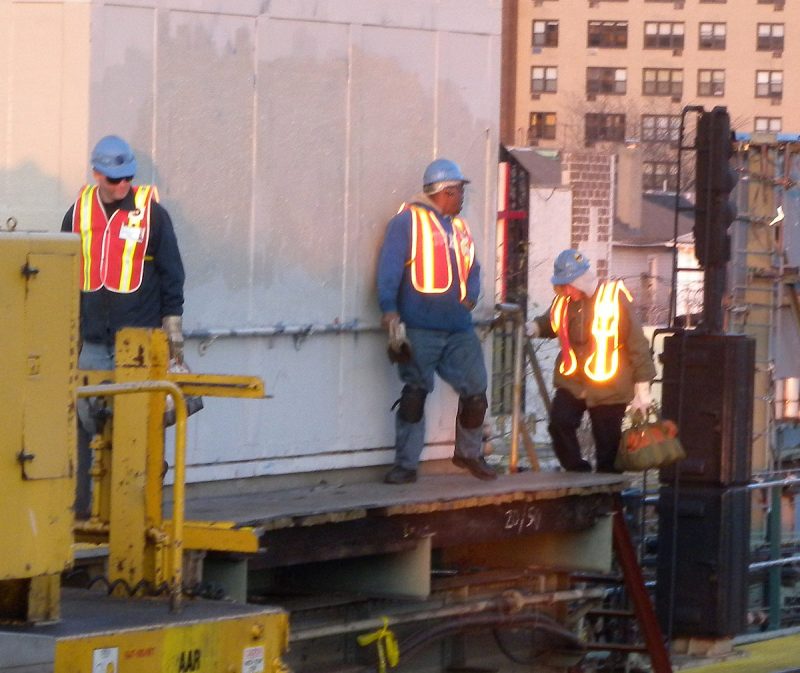
Certain occupations in America carry significantly higher risks of workplace injuries and fatalities compared to traditional office jobs.
Workers in these professions face daily hazards ranging from heavy machinery and hazardous materials to extreme weather conditions and unstable work environments.
This comprehensive analysis examines the 30 most dangerous jobs in America based on workplace fatality rates and injury statistics from federal data.
The list spans multiple industries including construction, transportation, agriculture, and natural resource extraction, where physical demands and environmental risks create potentially life-threatening situations for millions of American workers.
Here are the 30 most dangerous jobs in America:
1. Logging Worker
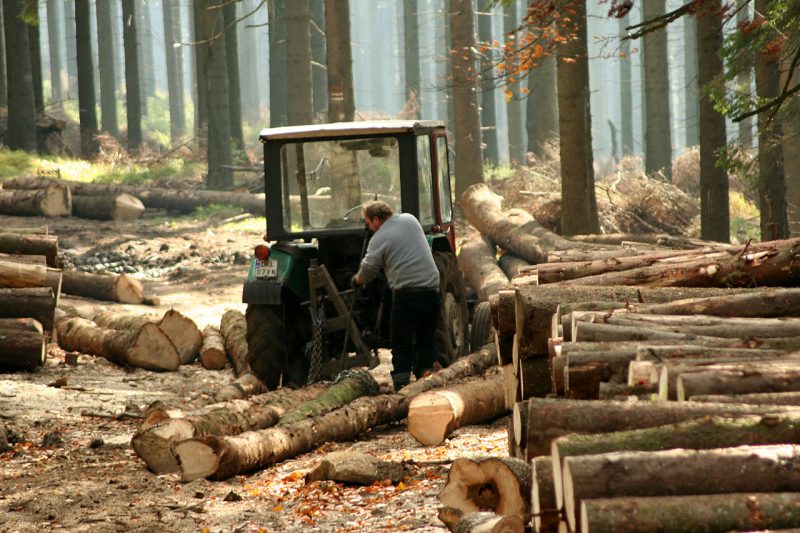
Logging workers consistently rank as having the most dangerous occupation in America. They face a fatal injury rate of approximately 99 per 100,000 full-time equivalent workers.
These workers cut down and transport trees in remote forest locations using chainsaws and heavy machinery. The job requires operating dangerous equipment in challenging outdoor conditions.
The primary hazards include contact with falling timber and equipment malfunctions. Unstable terrain and unpredictable weather conditions increase the risk of accidents.
Emergency response becomes complicated due to the isolated locations where logging operations typically occur. Workers often work far from medical facilities.
The profession records around 52 fatalities annually across the United States. Contact with objects and equipment represents the most common cause of fatal accidents in this field.
2. Roofing Laborer

Roofing ranks as the second most dangerous occupation in America. The Bureau of Labor Statistics reports a fatal injury rate of 57.5 deaths per 100,000 workers.
Roofers face risks more than 16 times higher than average workers. The industry continues to see increases in workplace fatalities each year.
Workers operate at significant heights with limited safety barriers. They handle heavy materials while navigating steep, often slippery surfaces.
Weather conditions add substantial hazards to daily operations. Rain, wind, and extreme temperatures create unstable working environments.
Falls represent the primary cause of roofing fatalities. Equipment failures and structural collapses also contribute to injury rates.
The roofing industry remains among the top three most fatal occupations nationwide. Construction laborers working on roofing projects face similar elevated risks.
3. Fishers and Related Fishing Workers
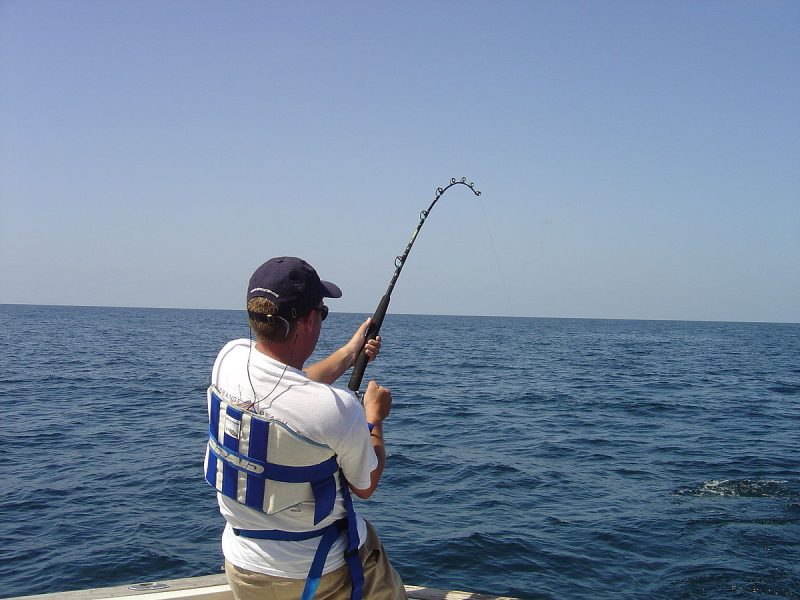
Commercial fishing consistently ranks among America’s deadliest occupations. The fatality rate reaches approximately 100 deaths per 100,000 workers annually.
This rate exceeds the national average for all workers by more than 40 times. In 2017, fishers experienced the highest fatal work injury rate at 99.8 deaths per 100,000 full-time equivalent workers.
Workers face multiple hazards including unpredictable weather conditions and equipment failures. Long hours and strenuous physical labor add to the occupational risks.
Harsh marine environments create dangerous working conditions. Workers operate heavy machinery on unstable platforms while dealing with severe weather patterns.
The median annual wage for fishing workers is approximately $27,110. Despite lower compensation, these workers face extraordinary safety challenges in their daily operations.
4. Construction Trade Helpers
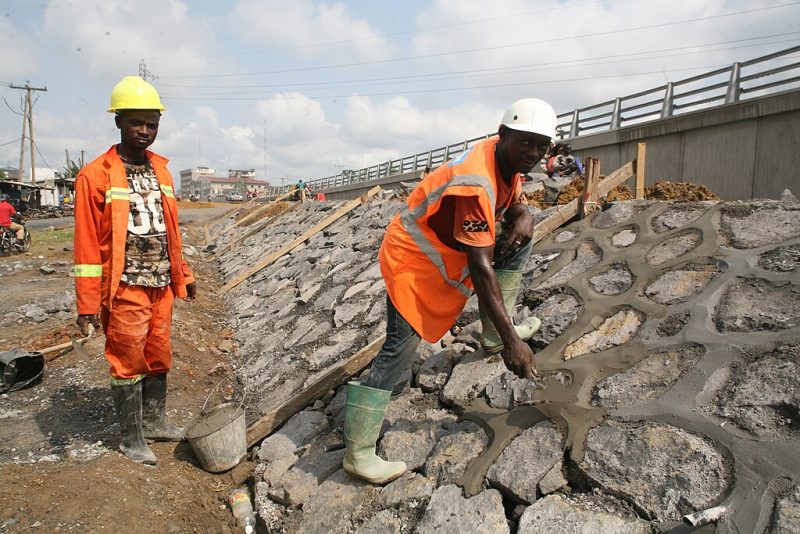
Construction trade helpers face a fatality rate of 38.5 deaths per 100,000 workers. They assist skilled tradespeople like electricians, roofers, and plumbers on job sites.
These workers handle the most physically demanding and hazardous tasks. They load heavy materials, dig trenches, and set up scaffolding systems.
Construction helpers often work at dangerous heights and around heavy machinery. They face risks from falling objects, equipment malfunctions, and structural collapses.
The fatal injury rate for helpers and construction trade workers increased by 3.3 per 100,000 from 2019 to 2020. This occupation requires minimal training, making it accessible but risky.
Workers in this role frequently move between different areas of active construction sites. They encounter multiple hazards including electrical dangers, chemical exposure, and moving vehicles.
5. Aircraft Pilots and Flight Engineers

Aircraft pilots and flight engineers face a fatal injury rate of 35.9 deaths per 100,000 workers. This makes aviation one of the most hazardous professions in America.
The job involves flying and navigating various aircraft including airplanes and helicopters. Pilots conduct pre-flight inspections, ensure proper aircraft balance, and plan fuel requirements for each flight.
Transportation accidents cause most fatalities in this field. The greatest risks come from operating smaller private planes and helicopters rather than commercial jetliners.
Commercial pilots handle diverse assignments including charter flights, aerial photography, firefighting missions, and rescue operations. Unlike airline pilots, they often fly their own equipment and accept jobs for hire.
The fatality rate includes all pilot categories from major airline crews to crop dusters and emergency medical helicopter operators.
6. Truck Drivers
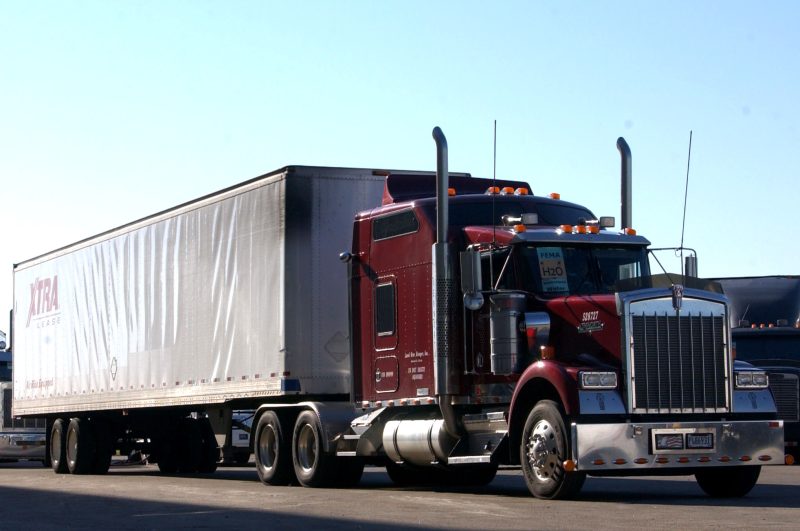
Truck drivers face significant workplace hazards that result in nearly 1,000 fatalities annually. The profession recorded 984 deaths in 2023, making it one of the deadliest occupations in America.
Traffic accidents cause the majority of truck driver fatalities. These crashes often involve jackknifing, rollovers, or collisions with other vehicles on highways and busy roads.
The fatality rate for truck drivers stands at 30.4 deaths per 100,000 workers. This rate reflects the dangerous nature of operating large commercial vehicles across long distances.
Despite the high risk, truck drivers earn a median salary of $57,440 per year. This compensation level places trucking among the lower-paying dangerous occupations in the United States.
Long hours, fatigue, and challenging road conditions contribute to the profession’s safety risks. Weather hazards and heavy traffic further increase the likelihood of serious accidents.
7. Refuse and Recycling Collectors
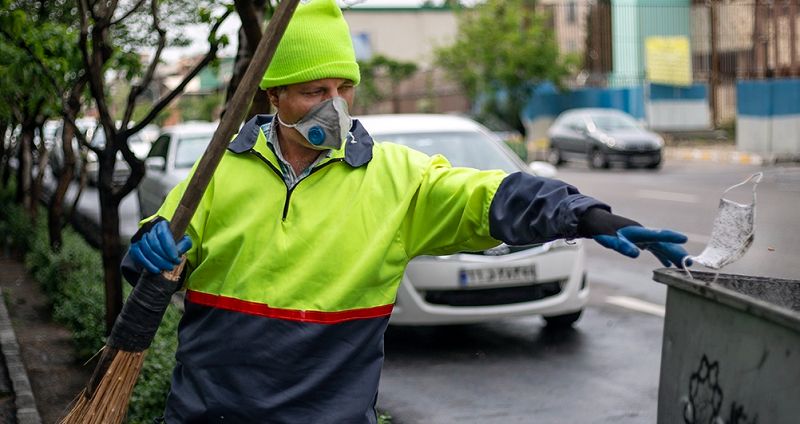
Refuse and recycling collection ranks as the fourth deadliest occupation in America as of 2023. This represents a significant jump from seventh place in 2021.
The fatality rate reached 41.4 deaths per 100,000 workers in 2023. This marks the highest rate since 2018 when it peaked at 44.3 per 100,000.
Workers face multiple hazards including traffic accidents, equipment malfunctions, and exposure to dangerous materials. The mobile nature of the job creates constant exposure to moving vehicles and machinery.
Only logging, fishing, and aircraft pilots recorded higher fatality rates in recent data. The industry reported 55 fatalities in 2022, down slightly from 58 in 2021.
Despite ongoing safety improvements and new technologies, waste collection remains inherently dangerous. Companies continue investing in enhanced training programs and safer equipment to reduce workplace injuries.
8. Iron and Steel Workers
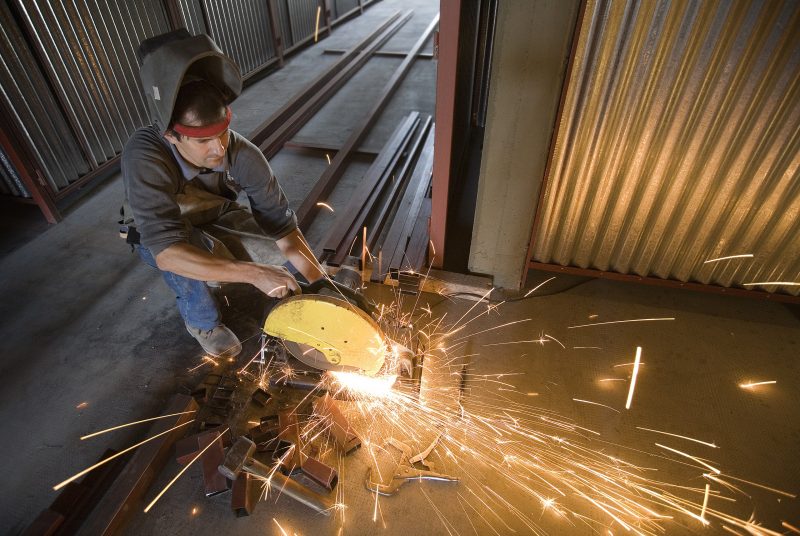
Iron and steel workers construct metal frameworks for buildings and structures. They perform physically demanding tasks at dangerous heights while balancing on narrow steel beams.
Falls represent the leading cause of death in this occupation. Workers must navigate high elevations daily, creating constant risk of serious injury or fatality.
The profession recorded 21.3 fatalities per 100,000 workers. This rate places structural iron and steel work among America’s most hazardous occupations.
Workers face additional risks beyond falls. Exposure to hazardous chemicals and industrial dust threatens their health over time.
The job requires handling heavy materials and operating dangerous equipment. Burns and lacerations occur frequently due to working with hot metal and sharp tools.
Iron and steel workers experience injury rates affecting 1.168% of the workforce annually. The combination of height, heavy materials, and harsh conditions makes this consistently dangerous work.
9. Mining Workers
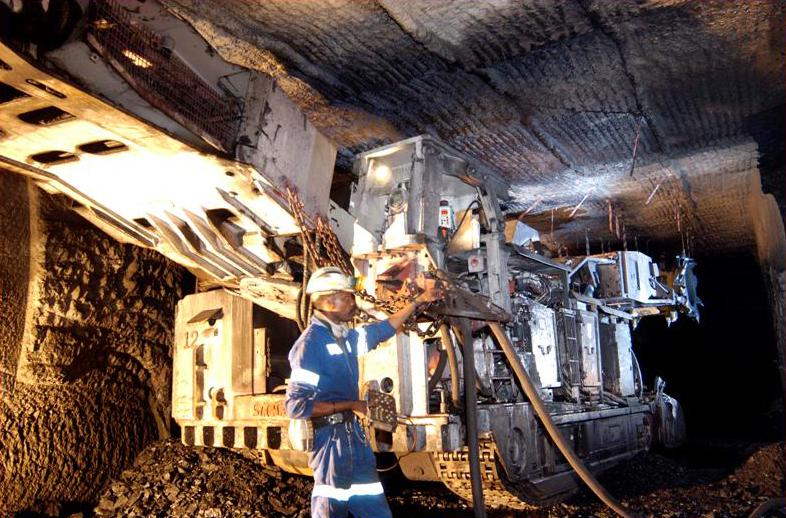
Mining workers face significant workplace hazards with a fatality rate of 21.6 deaths per 100,000 workers. Underground mining machine operators rank among the most dangerous positions in America.
Many mining operations occur in cramped underground shafts where cave-ins can trap workers. The confined spaces limit escape routes during emergencies.
Heavy machinery and equipment create additional risks for miners. Workers operate dangerous tools in environments with poor visibility and unstable ground conditions.
Mining operations in rural locations often have limited oversight. Emergency response times are longer when accidents occur in remote areas.
The industry encompasses various mining activities including coal, metal, and quarry operations. Each type presents unique safety challenges and exposure risks for workers.
10. Farmers and Agricultural Workers
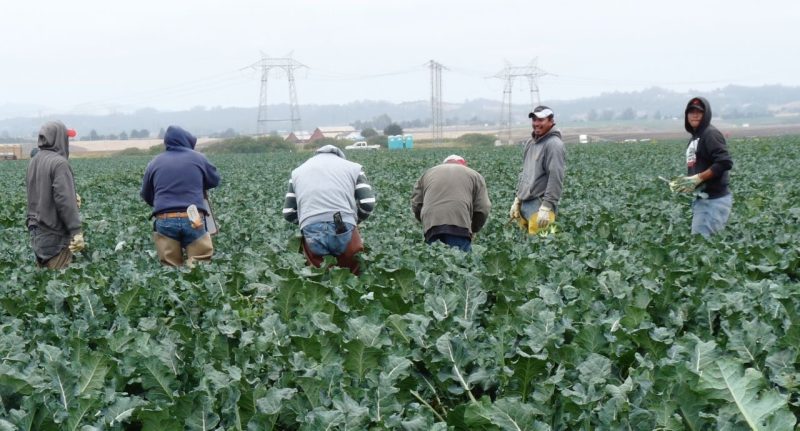
Farmers and agricultural workers face a fatal injury rate of 21.5 per 100,000 workers. This makes farming one of the most hazardous occupations in America.
The agricultural industry reports 23 work-related deaths per 100,000 workers according to the U.S. Bureau of Labor Statistics. This rate is seven times higher than the national average across all industries.
Heavy machinery poses the greatest risk to agricultural workers. Tractors, cultivators, and plows cause severe injuries when operators lose control or become caught in equipment.
Workers regularly encounter lung-harming dust and exposure to harmful bacteria from animal droppings. These environmental hazards contribute to long-term health complications.
Fall harvest season presents the highest danger levels for farming personnel. The combination of long hours, heavy equipment use, and time pressures increases accident risks during this critical period.
11. Roofers
Roofers face significant workplace hazards that place them among America’s most dangerous occupations. They work at extreme heights on sloped surfaces where falls represent the primary safety risk.
Weather conditions create additional dangers for roofing professionals. Rain, wind, and ice make surfaces slippery and unstable. Hot temperatures can cause heat-related illnesses during summer months.
Workers encounter various physical hazards beyond height exposure. Power tools, heavy materials, and electrical lines pose risks during installation and repair projects. Sharp materials like metal sheeting can cause cuts and injuries.
The job requires workers to carry heavy equipment and materials up ladders or steep inclines. This creates strain on the body and increases fall risks when balance becomes compromised.
Safety equipment like harnesses and hard hats are essential but cannot eliminate all risks. Even experienced roofers face dangers from structural failures or unexpected weather changes during projects.
12. Steel Erectors
Steel erectors face extreme dangers while constructing building frameworks and bridges. They work at significant heights assembling heavy steel beams and structural components.
Falls represent the primary cause of fatalities in this profession. Workers navigate narrow beams hundreds of feet above ground with limited safety barriers.
The fatal injury rate reaches 36.1 deaths per 100,000 workers. This places steel erectors among the top five most dangerous occupations in America.
Heavy machinery and equipment create additional hazards. Cranes, welding equipment, and power tools increase risks of crushing injuries and electrocution.
Weather conditions significantly impact safety levels. High winds, rain, and extreme temperatures make already dangerous work more treacherous.
Steel erectors earn a median salary of $58,550 annually. The compensation reflects both the specialized skills required and the inherent dangers of the profession.
13. Delivery and Truck Drivers
Driver and sales workers along with truck drivers face significant workplace dangers on America’s roads. These professionals recorded nearly 1,000 workplace fatalities in recent years, representing the highest absolute number of deaths among civilian occupations.
The fatal work injury rate for truck drivers stands at 26.8 deaths per 100,000 full-time equivalent workers. This places them among the top ten most dangerous occupations by fatality rate.
Long hours behind the wheel create substantial risks. Extended driving periods lead to fatigue and stress, increasing accident probability at high speeds.
Road conditions and traffic patterns expose drivers to constant hazards. Weather, mechanical failures, and other vehicles contribute to workplace dangers.
Despite the high risk, median pay remains modest at approximately $57,440 annually for many positions in this field.
14. Waste Management Workers
Waste collection workers face significant occupational hazards that have consistently placed them among America’s most dangerous jobs. The Bureau of Labor Statistics ranks waste and recycling collection as the fourth deadliest occupation in 2023.
This represents a concerning upward trend from previous years. The industry has fluctuated between fifth and ninth place on the top 10 most dangerous jobs list for nearly two decades.
Only logging, fishing and hunting, and roofing occupations report higher fatality rates. Workers in this field encounter risks from heavy machinery, moving vehicles, and hazardous materials during daily operations.
The industry continues investing in safety training and advanced technology for vehicles and facilities. Despite these ongoing efforts, waste management remains a potentially hazardous occupation that workers and employers must approach with serious safety considerations.
15. Tree Trimmers and Pruners
Tree trimmers and pruners face one of the highest fatality rates among all occupations. They cut and shape trees using chainsaws, handsaws, and other power tools while working at dangerous heights.
The profession’s fatality rate reaches approximately 110 deaths per 100,000 workers. This rate stands 30 times higher than the average across all industries.
Workers encounter multiple hazards daily. Falling branches pose constant threats from above. Climbing tall trees and working on unstable surfaces increases fall risks significantly.
Electrical hazards create additional dangers when trimming near power lines. Equipment malfunctions with chainsaws and other machinery can cause severe injuries.
Weather conditions complicate the work environment. High winds make tree work extremely hazardous, while remote locations delay emergency medical response when accidents occur.
16. Electrical Power-Line Installers
Electrical power-line installers and repairers face one of the most hazardous occupations in America. These workers install, maintain, and repair the electrical infrastructure that delivers power to homes and businesses nationwide.
The profession carries a fatality rate of approximately 20-24 deaths per 100,000 workers. This rate is nearly five times higher than the national average for all occupations.
Workers face multiple serious hazards daily. High-voltage electricity poses the primary threat, with potential for electrocution or severe burns. Many tasks require working at dangerous heights on utility poles and transmission towers.
Weather conditions add another layer of risk. Power outages often occur during storms, requiring emergency repairs in harsh conditions when visibility and stability are compromised.
Falls represent a significant danger due to the elevated nature of the work. Equipment failures and being struck by tools or materials create additional workplace hazards for these essential utility workers.
17. Fall Protection Workers
Fall protection workers install, maintain, and inspect safety systems that prevent falls on construction sites and industrial facilities. They work at extreme heights while setting up guardrails, safety nets, and harness anchor points.
These professionals face constant exposure to the very hazards they help prevent. They must navigate unstable surfaces, scaffolding, and building edges while carrying heavy equipment.
Weather conditions significantly increase risks during installation work. High winds, rain, and ice create treacherous working environments that can turn routine tasks deadly.
Equipment failure poses another major threat to fall protection workers. Faulty anchors, worn cables, or defective harnesses can result in fatal accidents during testing or maintenance procedures.
The irony of their profession means fall protection workers often work without complete safety systems while installing protection for others. This temporary vulnerability creates dangerous exposure periods throughout their workday.
18. Crane Operators
Crane operators face significant workplace hazards with a fatal injury rate of 20.0 per 100,000 workers. They rank among the most dangerous occupations in America.
These workers lift heavy materials on construction sites and industrial facilities. Equipment failure poses a constant threat to their safety.
Falling loads create serious risks for operators and nearby workers. Electrical hazards from power lines add another layer of danger.
The job requires precision and constant attention to detail. Operating at height increases the chance of accidents.
Contact with objects and equipment represents the most common cause of fatal injuries. Busy construction environments compound these risks.
Crane operators work with massive machinery that can weigh thousands of pounds. A single mistake can result in catastrophic consequences for multiple people.
19. Lawn Care and Groundskeeping Workers
Lawn care and groundskeeping workers face significant workplace hazards despite working in seemingly peaceful outdoor environments. These professionals maintain parks, golf courses, athletic fields, and residential properties.
The primary dangers include machinery-related accidents from lawn mowers, trimmers, and other power equipment. Workers frequently suffer cuts, amputations, and crushing injuries from this heavy machinery.
Chemical exposure presents another major risk. Groundskeepers regularly handle pesticides, herbicides, and fertilizers that can cause respiratory problems, skin irritation, and long-term health issues.
Heat-related illnesses affect many workers during summer months. Extended outdoor exposure leads to heat exhaustion, heat stroke, and dehydration.
Falls from ladders and equipment cause numerous injuries each year. Workers also face risks from flying debris, electrical hazards near irrigation systems, and vehicle accidents while transporting equipment between job sites.
The fatality rate for this profession significantly exceeds the national average for all occupations.
20. Roofing Contractors
Roofing contractors face a fatality rate of 57.5 deaths per 100,000 workers. This makes roofing one of the most dangerous construction trades in America.
The primary hazard involves working at significant heights. Falls from roofs account for the majority of fatalities in this profession.
Weather conditions create additional risks. Rain, snow, and wind make roof surfaces slippery and unstable.
Workers handle heavy materials like shingles, tiles, and metal panels. These materials can cause injuries when dropped or improperly lifted.
Power tools and hot tar present burn and laceration risks. Electrical hazards exist when working near power lines or damaged wiring systems.
The combination of height exposure, weather vulnerability, and material handling makes roofing consistently dangerous. Safety equipment like harnesses and proper training help reduce risks but cannot eliminate them entirely.
21. Construction Laborers
Construction laborers face significant workplace hazards daily. They work with heavy machinery, dangerous tools, and hazardous materials that create substantial safety risks.
The fatality rate for construction laborers reached 13 deaths per 100,000 workers in recent years. This makes them one of the most dangerous occupations in America.
Workers navigate uneven terrain and operate near heavy equipment regularly. They encounter falling materials, open trenches, and moving vehicles throughout their shifts.
Construction laborers recorded over 300 fatal injuries in 2022 according to federal statistics. The profession also reported more than 20,000 nonfatal injuries during recent reporting periods.
Height-related accidents represent a major concern for these workers. They frequently work on elevated surfaces without adequate fall protection systems in place.
22. Firefighters
Firefighters face significant workplace dangers despite extensive safety protocols. The profession recorded 6.1 fatalities per 100,000 workers according to Bureau of Labor Statistics data.
These first responders encounter multiple hazards daily. Structural fires expose them to extreme heat, toxic smoke, and collapsing buildings. Wildfire suppression adds risks from unpredictable fire behavior and hazardous terrain.
Vehicle accidents represent another major threat. Firefighters respond to emergency calls at high speeds and work alongside busy roadways during rescue operations.
Exposure to carcinogenic substances poses long-term health risks. Firefighters absorb harmful chemicals through their skin and respiratory systems during fire suppression activities.
The non-fatal injury rate reaches 927 injuries per 100,000 workers annually. Common injuries include burns, smoke inhalation, sprains, and cuts from broken glass or debris.
Modern safety equipment and training protocols have improved firefighter survival rates. However, the inherent dangers of entering burning structures and emergency situations maintain firefighting’s position among America’s riskiest occupations.
23. Police Officers
Police officers face workplace fatality rates more than four times higher than the national average. Law enforcement consistently ranks among the ten most dangerous occupations in the United States.
Officers encounter multiple risk factors during their duties. They face high exposure to intentional violence compared to other professions. The possibility of being shot remains a constant occupational hazard.
In 2019, 86 police officer deaths were recorded nationwide. This figure reflects the real dangers present in law enforcement work.
Beyond physical threats, officers regularly encounter hazardous substances. These include illicit drugs, dangerous chemicals, and various biohazards during investigations and arrests.
Different data systems show varying pictures of law enforcement risks. However, the elevated danger level compared to average occupations remains consistent across reporting methods.
24. Taxi Drivers and Chauffeurs
Taxi drivers and chauffeurs face significant workplace dangers with a fatality rate of 18 per 100,000 workers. This profession ranks among America’s most hazardous occupations.
The primary risk comes from extended time on the road. More driving hours naturally increase the probability of traffic accidents and collisions.
These workers also encounter unique security threats. They frequently work alone, carry cash, and interact with strangers in various neighborhoods throughout their shifts.
Late-night and early-morning hours add another layer of danger. Reduced visibility and potentially impaired drivers create additional hazards on the roads.
Despite these substantial risks, taxi drivers and chauffeurs earn relatively low wages. The average annual salary is approximately $23,150, making this one of the lower-paying dangerous jobs in America.
The combination of high fatality rates and modest compensation highlights the challenging nature of this profession.
25. Derrick Operators, Oil and Gas
Derrick operators work on towering steel structures that support drilling operations in oil and gas fields. These workers face significant safety risks due to the dangerous nature of their work environment.
The fatal injury rate for derrick operators reaches 46 per 100,000 workers. Transportation incidents and contact with heavy equipment represent the most common causes of fatal accidents.
Texas employs the highest number of derrick operators nationwide with 4,410 workers. Louisiana follows as the second-largest employer with 750 derrick operators.
These operators oversee drilling processes and manage equipment at dangerous heights. They work with heavy machinery, hazardous materials, and face exposure to extreme weather conditions.
The combination of working at elevated positions on steel towers and handling powerful drilling equipment creates multiple hazards. Workers must navigate risks from moving machinery, toxic substances, and unpredictable weather patterns.
26. Oil and Gas Extraction Workers
Oil and gas extraction workers face significant workplace hazards while drilling and extracting resources from the earth. The industry has historically ranked among the most dangerous occupations in America.
Motor vehicle crashes cause over 50 percent of work-related deaths in this field. Workers frequently travel between remote job sites on highways and rural roads.
Falls present another major risk factor. Both onshore and offshore workers operate at elevated heights on drilling platforms and equipment.
Workers face exposure to hazardous chemicals and solvent vapors during extraction processes. Heat stroke also poses dangers, particularly for those working in hot climates.
Heavy machinery and equipment malfunctions create additional safety concerns. The remote locations of many work sites can delay emergency response when accidents occur.
From 2013 to 2017, 489 oil and gas extraction workers died on the job according to federal safety data.
27. Structural Iron and Steel Workers
Structural iron and steel workers construct the metal frameworks that form the backbone of buildings, bridges, and other large structures. They work primarily at dangerous heights while handling heavy materials.
These workers face a fatal injury rate of approximately 20-36 fatalities per 100,000 full-time workers. Most workplace deaths result from falls, slips, and trips from elevated positions.
The job requires workers to balance on narrow steel beams and girders while installing, connecting, and welding metal components. They often work hundreds of feet above ground without complete protection from weather conditions.
Physical demands include lifting heavy steel pieces and operating power tools in precarious positions. Workers must maintain precise coordination while performing strenuous tasks at extreme heights.
The median salary for structural iron and steel workers is around $58,550 annually. Despite the significant safety risks, compensation does not always reflect the hazardous nature of this occupation.
28. Logging Equipment Operators
Logging equipment operators face significant workplace hazards while operating heavy machinery in forest environments. They control specialized equipment like fellers, skidders, and delimbers to harvest timber.
These workers encounter multiple dangers daily. Falling trees pose a constant threat, even when operating from enclosed cabs. Equipment malfunctions can occur suddenly in remote locations.
The isolated nature of logging sites increases risks. Medical assistance may be hours away when accidents happen. Poor weather conditions make operations more hazardous.
Heavy machinery operates on uneven terrain with unstable footing. Operators must navigate steep slopes and dense vegetation while managing multi-ton equipment. Mechanical failures can trap workers or cause crushing injuries.
Communication challenges in remote forests delay emergency response times. Equipment operators work closely with ground crews, requiring constant coordination to prevent accidents involving multiple workers and moving machinery.
29. Roofing Sales Workers
Roofing sales workers face unique dangers that combine elements of construction hazards with sales responsibilities. They regularly climb onto residential and commercial roofs to assess damage and provide estimates.
These workers encounter many of the same risks as traditional roofers. Steep slopes, unstable surfaces, and weather exposure create constant fall hazards during property inspections.
Height-related accidents represent the primary safety concern for roofing sales personnel. Falls from roofs can result in serious injuries or fatalities, especially when proper safety equipment is not used.
Weather conditions add another layer of risk. Sales workers often inspect roofs after storms when surfaces may be wet, damaged, or covered with debris that compromises stability.
The pressure to complete multiple assessments daily can lead to rushed inspections. This urgency may cause workers to skip safety protocols or take dangerous shortcuts while examining roof conditions.
30. Commercial Divers
Commercial divers face significant workplace hazards due to their underwater working conditions. They perform essential tasks like ship hull inspections, underwater welding, and marine construction projects.
The profession carries inherent risks from equipment failures and decompression sickness. Divers can experience nitrogen narcosis, oxygen toxicity, or hypothermia during extended underwater work periods.
Emergency situations underwater create life-threatening scenarios. Limited visibility, strong currents, and entanglement hazards add to the occupational dangers these professionals encounter daily.
Commercial divers must complete specialized training and certification programs. They use complex breathing apparatus and safety equipment to minimize risks during underwater operations.
The combination of technical complexity and environmental hazards places commercial diving among America’s most dangerous occupations. Workers in this field face fatality rates significantly higher than most other professions.
Factors Contributing to Job Hazards
Multiple elements combine to create workplace dangers across America’s most hazardous occupations. These include exposure to physical risks, varying safety standards, and differences in worker preparation levels.
Physical Risks and Environmental Dangers
Heavy machinery and equipment pose significant threats in many dangerous occupations. Workers face crushing injuries from bulldozers, excavators, and industrial presses. Moving parts can catch clothing or limbs, leading to severe trauma or death.
Height-related hazards affect construction workers, roofers, and tower climbers. Falls from scaffolding, ladders, and elevated platforms cause numerous fatalities annually. Even safety harnesses fail when improperly secured or maintained.
Transportation incidents represent the leading cause of workplace deaths across multiple industries. Truck drivers face collision risks on highways. Commercial fishermen navigate treacherous waters in unstable vessels.
Hazardous materials exposure threatens workers in chemical plants, mining operations, and waste management. Toxic fumes can cause respiratory damage or death. Explosive materials create risks of burns and blast injuries.
Weather conditions amplify dangers for outdoor workers. Lightning strikes affect utility line workers and roofers. Extreme temperatures cause heat stroke or hypothermia in agricultural and construction workers.
Animal-related risks endanger ranchers, veterinarians, and zoo workers. Large livestock can crush or trample handlers. Wild animals pose unpredictable attack risks during handling or transport.
Workplace Safety Standards and Regulations
OSHA regulations establish minimum safety requirements for most industries since 1970. These standards mandate protective equipment, safety training, and hazard reporting procedures. Compliance reduces workplace fatalities significantly compared to pre-regulation eras.
Industry-specific standards address unique risks in specialized fields. Maritime workers follow Coast Guard regulations. Aviation mechanics adhere to FAA safety protocols. Mining operations comply with Mine Safety and Health Administration requirements.
Enforcement variations create safety gaps across different employers. Some companies exceed safety requirements with additional protective measures. Others maintain only minimum compliance levels, increasing worker risk exposure.
Safety equipment quality directly impacts worker protection levels. Modern harnesses and helmets prevent many injuries when properly manufactured and maintained. Defective or outdated equipment fails during critical moments.
Regular inspections identify potential hazards before accidents occur. Equipment maintenance schedules prevent machinery failures. Workplace audits reveal safety protocol violations requiring immediate correction.
Role of Training and Experience
Comprehensive education requirements prepare workers for high-risk occupations. Logging workers learn proper cutting techniques and equipment operation. Commercial pilots complete extensive flight training and certification programs.
On-the-job experience reduces accident rates as workers develop safety awareness. Seasoned construction workers recognize unstable structures and hazardous conditions. New employees lack this intuitive danger recognition capability.
Certification programs verify worker competency in safety-critical tasks. Welders obtain specialized certifications for different materials and environments. Heavy equipment operators demonstrate proficiency before independent work authorization.
Ongoing training updates address evolving workplace hazards and new safety technologies. Workers learn updated procedures for handling dangerous materials. Emergency response training prepares teams for accident situations.
Safety culture development influences worker behavior beyond formal training requirements. Experienced workers mentor newcomers in practical safety techniques. Companies with strong safety cultures report fewer accidents than those prioritizing speed over caution.
Impact of Dangerous Jobs on Workers’ Lives
Workers in high-risk occupations face significant physical injuries, chronic health conditions, and elevated mental health challenges that extend far beyond the workplace. These health impacts create substantial economic burdens through medical costs and lost wages while disrupting family relationships and social connections.
Physical and Mental Health Effects
Immediate Physical Injuries represent the most visible consequence of dangerous work environments. Workers face higher rates of traumatic injuries including fractures, lacerations, burns, and crush injuries from heavy equipment.
Fatal workplace incidents occur at dramatically higher rates in dangerous occupations. Logging workers experience fatal injury rates approximately 23 times higher than the national average across all occupations.
Chronic Health Conditions develop over time from repeated exposure to workplace hazards. Construction workers frequently develop musculoskeletal disorders from heavy lifting and repetitive motions.
Respiratory diseases affect workers exposed to dust, chemicals, or poor air quality. Coal miners face elevated risks of black lung disease, while construction workers develop silicosis from concrete dust exposure.
Mental Health Challenges emerge from constant exposure to workplace dangers and traumatic incidents. Workers experience higher rates of anxiety, depression, and post-traumatic stress disorder.
Sleep disorders affect many workers in dangerous jobs due to shift work, physical pain, or psychological stress. These conditions compound physical health problems and increase accident risks.
Economic and Social Implications
Medical Expenses create substantial financial burdens for workers and their families. Emergency room visits, surgeries, and ongoing treatment costs often exceed standard insurance coverage limits.
Workers’ compensation provides some coverage but may not fully address long-term care needs or quality-of-life impacts. Prescription medications for chronic pain or mental health conditions add ongoing expenses.
Lost Income affects workers during recovery periods and may become permanent with disability. The average workplace injury results in 8-12 days of missed work, creating immediate financial stress.
Career limitations develop when injuries prevent workers from continuing in their chosen field. Many must accept lower-paying positions that accommodate physical restrictions.
Family Impact extends beyond financial concerns to relationship strain and caregiving responsibilities. Spouses often become primary caregivers while managing household finances independently.
Children in affected families may experience reduced educational opportunities or increased responsibilities at home. Family social activities become limited by medical appointments and physical limitations.
Social Isolation occurs when injuries limit participation in community activities or hobbies. Workers may lose connections with colleagues and social networks built around physical activities.


