
The 30 Most Expensive Restaurants in Texas: Where to Splurge
Texas has grown into one of the country’s most significant dining markets, with cities like Dallas, Houston, and Austin offering meals that rival any major metropolitan area.
You’ll find restaurants serving tasting menus that cost hundreds of dollars per person, along with intimate omakase counters that seat only a handful of guests each night.
These establishments reflect a broader shift in the state’s culinary identity, one built on ambition, imported ingredients, and precise technique.
If you’re looking to understand where your money goes at the state’s priciest tables, this list breaks down the restaurants defining luxury dining in Texas.
You’ll see how chef reputation, rare ingredients, and exclusive settings factor into some of the highest price tags in American dining. Whether you’re planning a special occasion or simply curious about where fine dining stands in the state, this guide gives you a clear picture of what to expect.
For more high-end dining, see the 30 most expensive steakhouses in the U.S., or find out where the money lives with the 30 richest places to live in Texas.
1. Monarch, Dallas
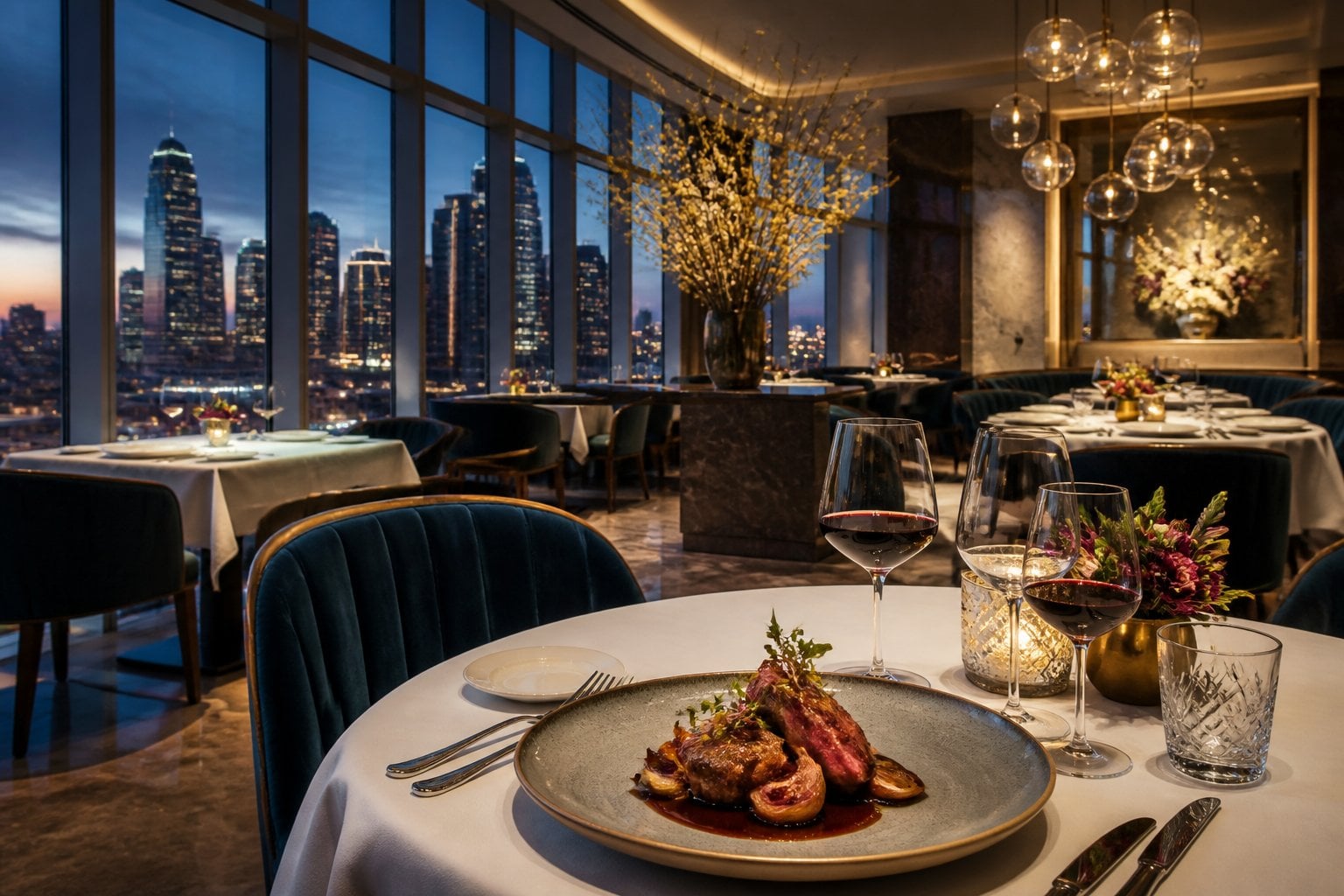
Monarch tops the list of Texas’s most expensive restaurants. You’ll find it on the 49th floor of The National building in downtown Dallas, with floor-to-ceiling windows giving you views across the city.
The restaurant opened in 2021 under Two-Michelin-Star Chef Danny Grant. Its menu centers on modern Italian cuisine, including handmade pastas, wood-fired steaks, and grilled seafood.
You can expect a light, fresh, technique-driven approach to preparation rather than heavy sauces or overly rich plates. The space itself reflects that same restraint, with an elegant design meant to match the food.
Service is a key part of what you pay for here. The staff is trained to deliver refined, attentive hospitality throughout your meal, reinforcing the restaurant’s reputation as one of the most exclusive dining destinations in the state.
2. Tatsu, Dallas
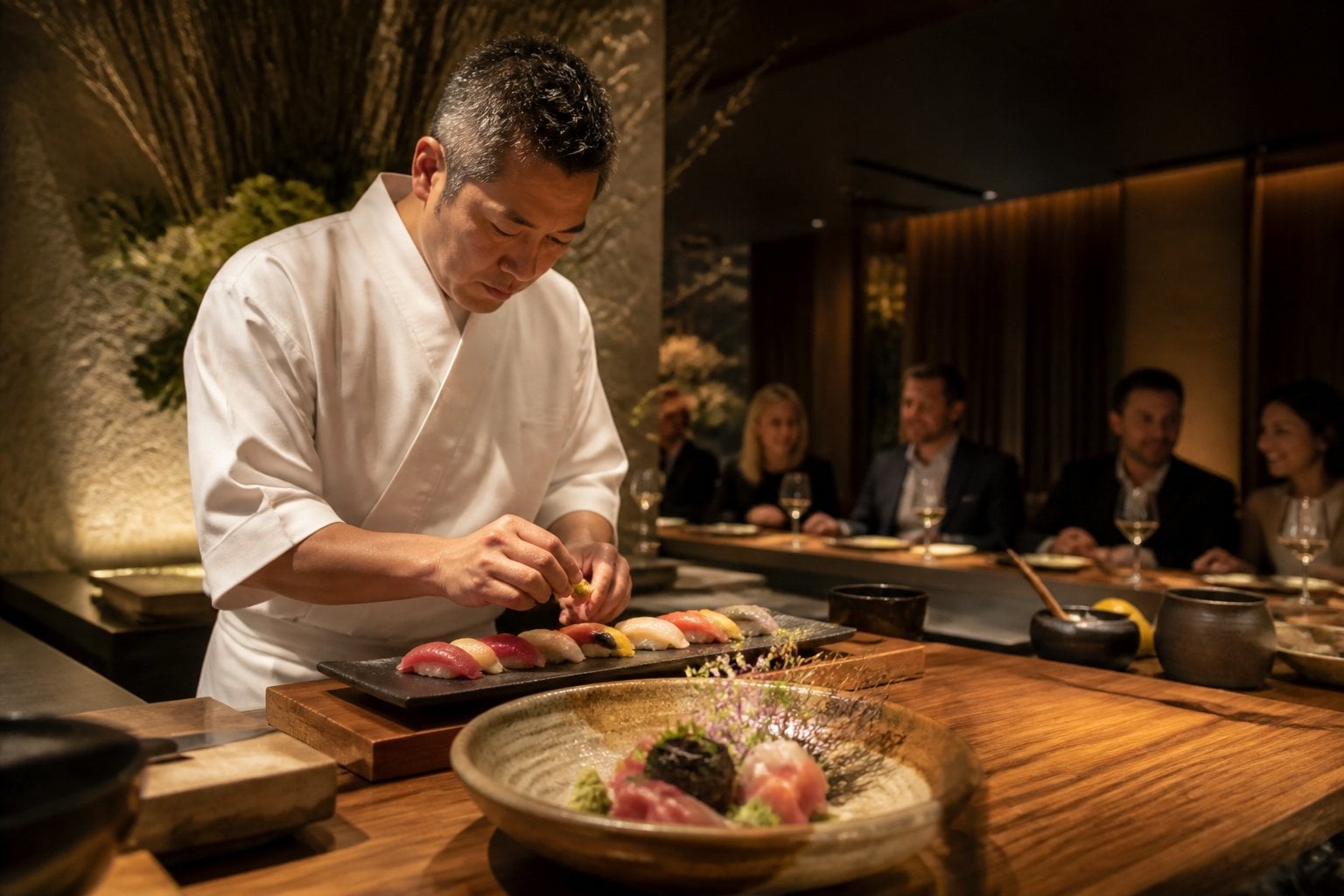
You’ll find Tatsu tucked into Dallas’s Deep Ellum neighborhood, away from the noise of the city’s busier dining strips. This is the only Michelin-starred restaurant in Dallas, earning its star in 2024.
The space is intimate. You’re served omakase style, meaning the chef determines your courses, typically one or two appetizers followed by thirteen to fifteen pieces of nigiri.
Executive chef and owner Tatsuya Sekiguchi runs the kitchen. He trained at his family’s restaurant in Japan, a business with nearly a century of history, and later worked under chef Naomichi Yasuda in New York.
You can expect to pay $185 for the tasting menu, though seating is limited to as few as eight guests per service. That scarcity, combined with the Michelin recognition, has made Tatsu one of the most sought-after reservations in Texas.
3. Georgie by Curtis Stone, Dallas
You’ll find Georgie tucked into the Park Cities area on Travis Street, a project from celebrity chef Curtis Stone with Bruno Davaillon now leading the kitchen. The space impresses before you even order, with mahogany doors, travertine and marble floors, coffered ceilings, and orange upholstered booths. GRT, the Brooklyn-based firm behind the design, earned a Best New Design nod from Eater Awards for this room.
Your meal centers on dry-aged prime beef and butter-poached lobster, backed by a wine list that’s earned a Wine Spectator Excellence Award. You’re paying for sourcing as much as execution here, since the kitchen leans on responsible purveyors, local farmers, and ranchers.
Expect a dining room full of Dallas’s well-dressed regulars. This isn’t a quiet neighborhood spot, and your bill will reflect that.
4. The Mansion Restaurant, Dallas
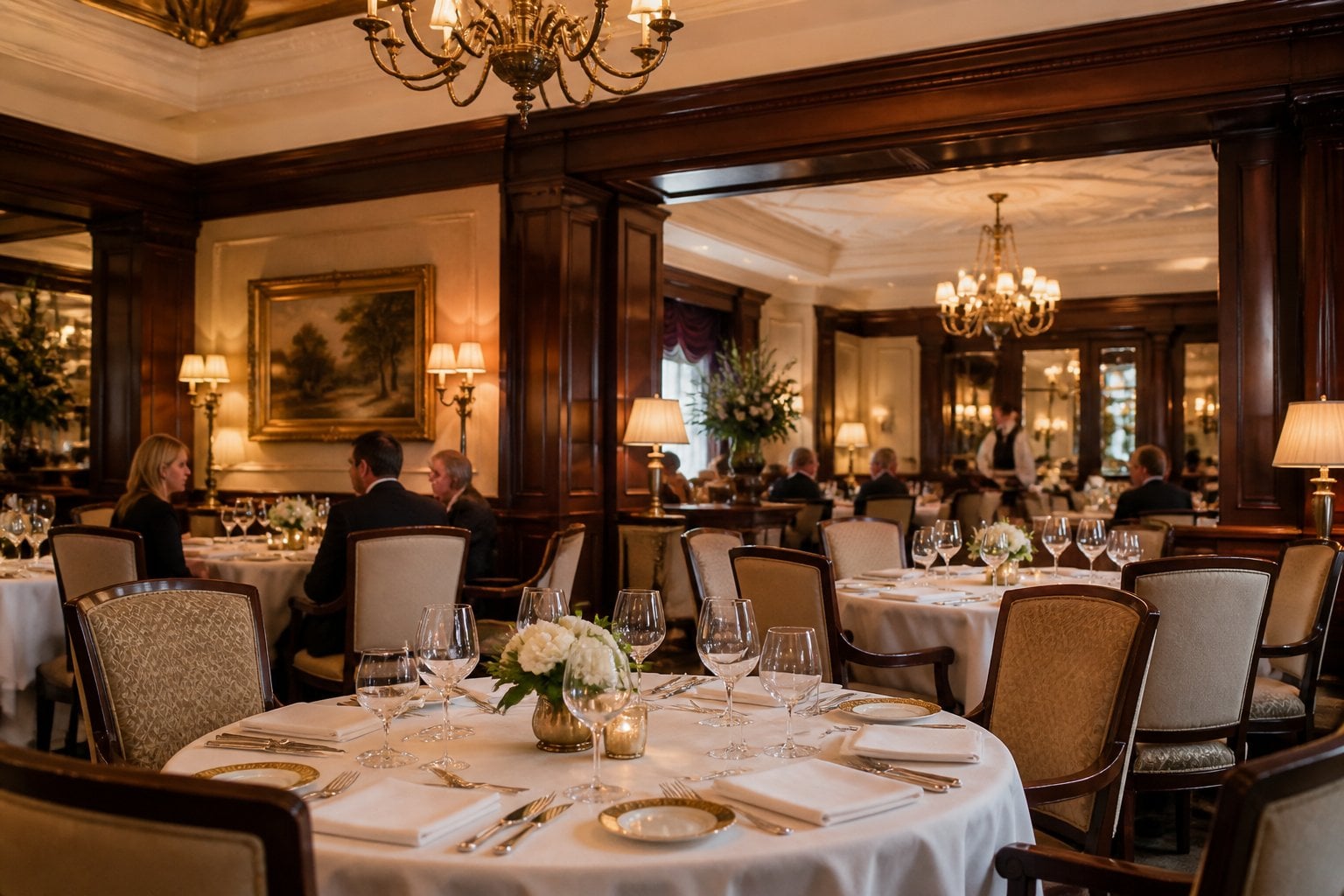
You’ll find The Mansion Restaurant inside the Rosewood Mansion on Turtle Creek, housed in a 1925 estate once owned by cotton magnate Sheppard King and later by oilman Toddie Lee Wynne. This history sets it apart from newer high-end spots in the city.
Executive chef Charles Olalia leads the kitchen with a menu built around contemporary American cuisine and French technique. You can expect Gulf seafood and locally sourced proteins on the menu, prepared with a level of precision that matches the restaurant’s reputation.
The wine program deserves your attention too, with roughly 7,000 bottles on offer. Opinionated About Dining has recognized this list among North America’s top dining programs for three consecutive years.
Business casual attire is expected, and both lunch and dinner service are available. You’re paying for over three decades of consistency here, not just a meal.
5. Fearing’s Restaurant, Dallas
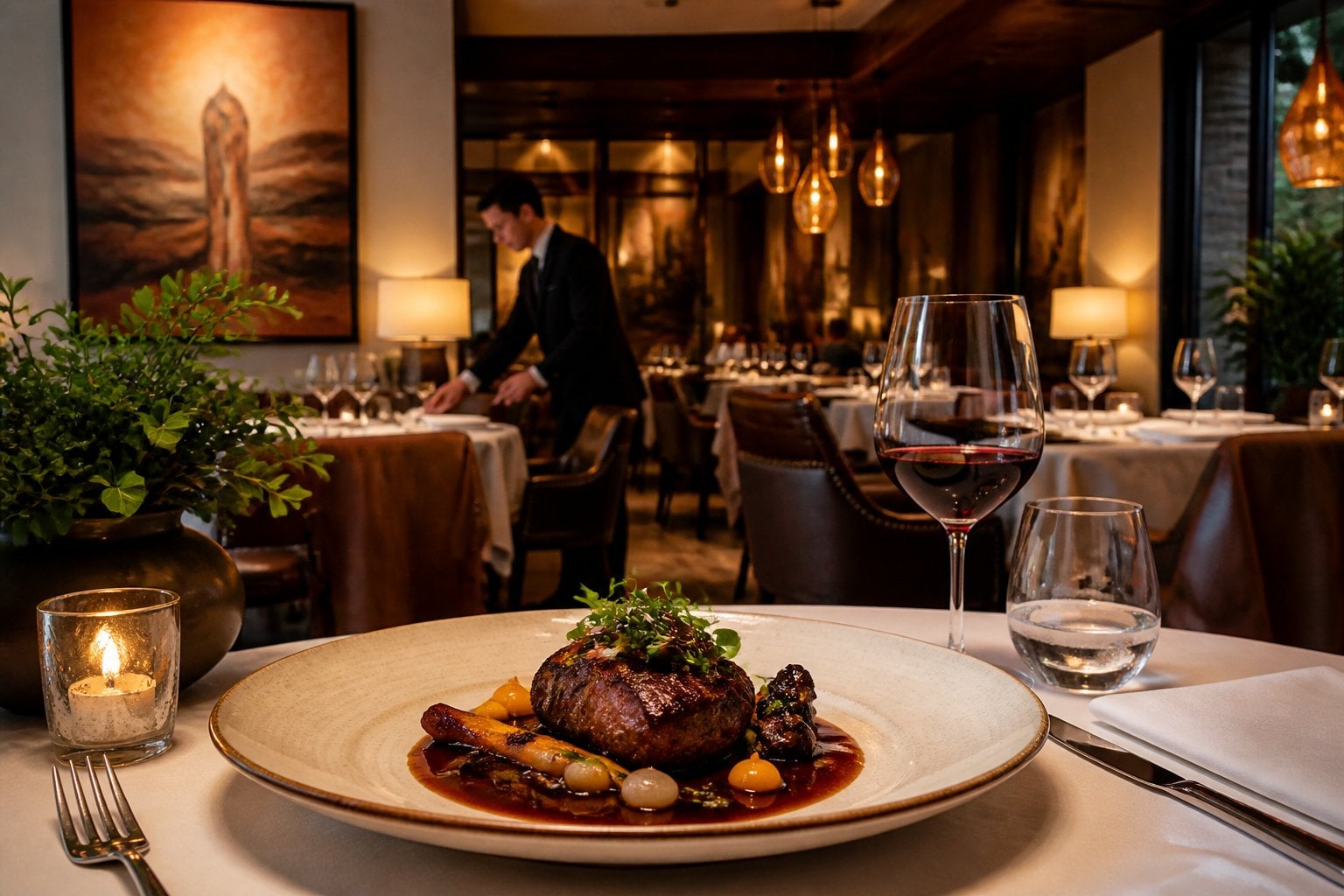
You’ll find Fearing’s inside The Ritz-Carlton, Dallas on McKinney Avenue, where Chef Dean Fearing serves what he calls “Bold Flavors-No Borders” cuisine. Expect to spend between $100 and $140 per person.
Fearing is often described as a pioneer of Modern Texas Cuisine, and his menu reflects that reputation. You’ll see Southwestern influences throughout, alongside dishes like buffalo and antelope paired with more traditional filets.
The dining room was designed by Adam Tihany, and you’ll notice the space spans seven distinct settings within the restaurant. Drapery-hung doorways and dramatically lit art create an atmosphere suited to both casual meals and special occasions.
You can visit for breakfast, lunch, weekend brunch, or a multi-course dinner with wine pairings. Fearing’s has earned recognition in the Texas Michelin Guide and appeared on OpenTable’s list of top 100 hotel restaurants in 2025.
6. The French Room, Dallas
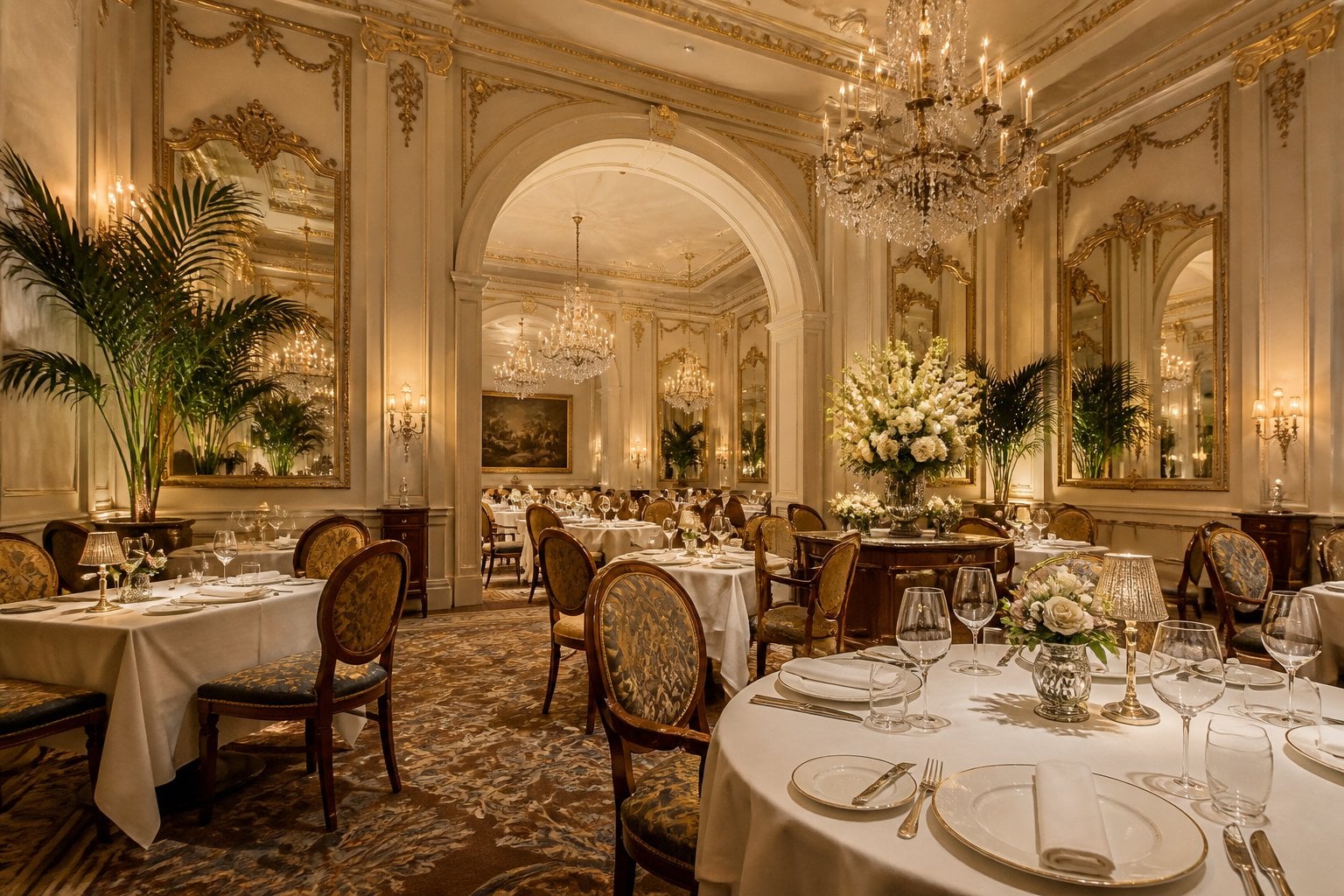
The French Room sits inside the historic Adolphus Hotel in downtown Dallas. You’ll find ornate ceilings, chandeliers, and a formal dining room that reflects the building’s early 20th-century architecture.
The menu focuses on French cuisine with contemporary technique. Multi-course tasting menus are the standard format, and pricing reflects the level of preparation and service involved.
You can also book an afternoon tea service here, which draws on the same attention to detail as the dinner menu. Staff maintain a formal, polished service style throughout your visit.
Reservations are recommended given the restaurant’s reputation and limited seating capacity. The French Room has held a strong standing among Dallas fine dining establishments for years, with consistent recognition in local and national restaurant rankings.
If you’re looking for a special-occasion venue with historic character, this restaurant fits that purpose within the city’s upper tier of dining options.
7. Al Biernat’s, Dallas
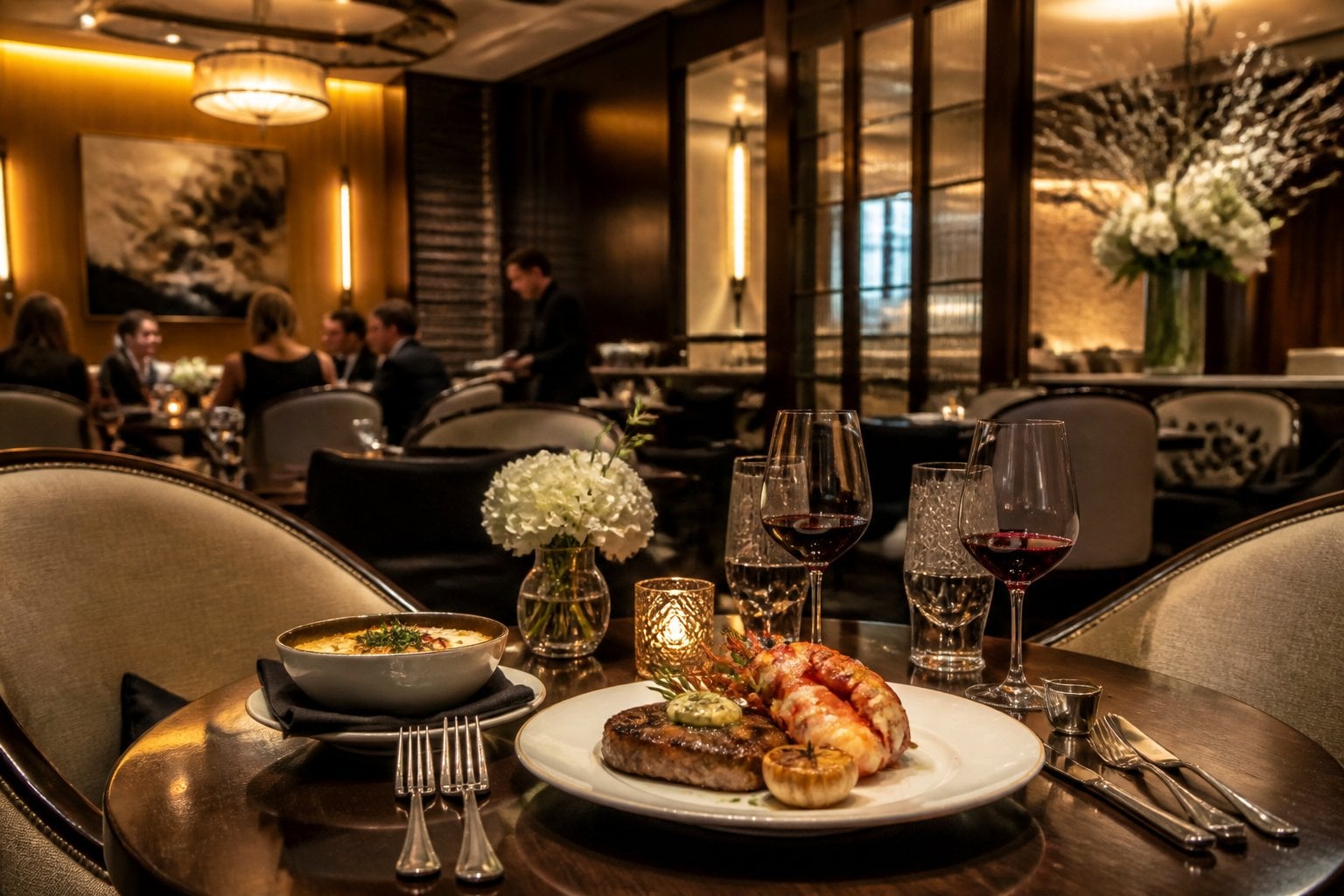
You’ll find Al Biernat‘s in Oak Lawn, where it has served steak and seafood for more than 25 years. A second location opened in 2017 at 5251 Spring Valley Road, nearly double the size of the original at 12,000 square feet.
Your meal here centers on premium steaks alongside seafood options like Australian cold-water lobster tails and a rotating selection of fresh fish. The wine list has earned awards, and you can request a sommelier to help you choose from its rare selections.
The setting includes a wine cellar, fireplaces, and private dining rooms, giving you options for business meetings or special occasions. Service is a defining feature of the experience, consistent with its reputation as one of the most established steakhouses in Dallas.
8. Bullion, Dallas
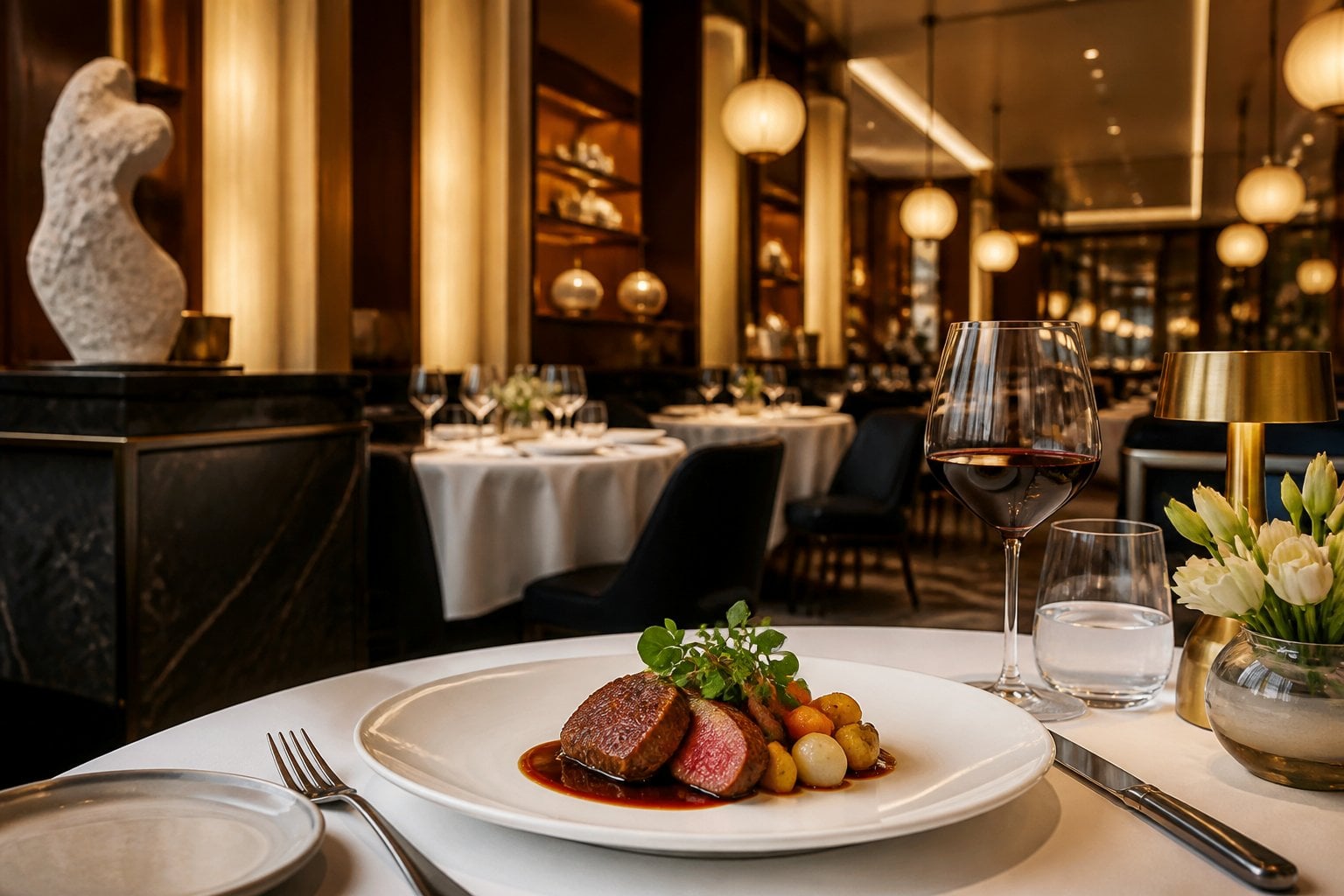
You’ll find Bullion at 400 S Record Street in Dallas’s Arts District, set inside a gold-accented dining room that signals its ambitions before you even open the menu. The restaurant focuses on French-influenced cooking, with an emphasis on technique and structure rather than novelty.
Expect dishes built around classic French methods, refined for a modern audience. The kitchen prioritizes precision, and pricing reflects that level of craft.
You’ll pay a premium here, in line with other top-tier fine dining spots in Dallas. The setting works well for special occasions, including private events; the space has hosted receptions for groups of around 20 or more.
Service is attentive, and staff are generally willing to address concerns directly. If you’re looking for a French dining experience in downtown Dallas with a polished atmosphere, Bullion delivers that consistently.
9. Carte Blanche, Dallas
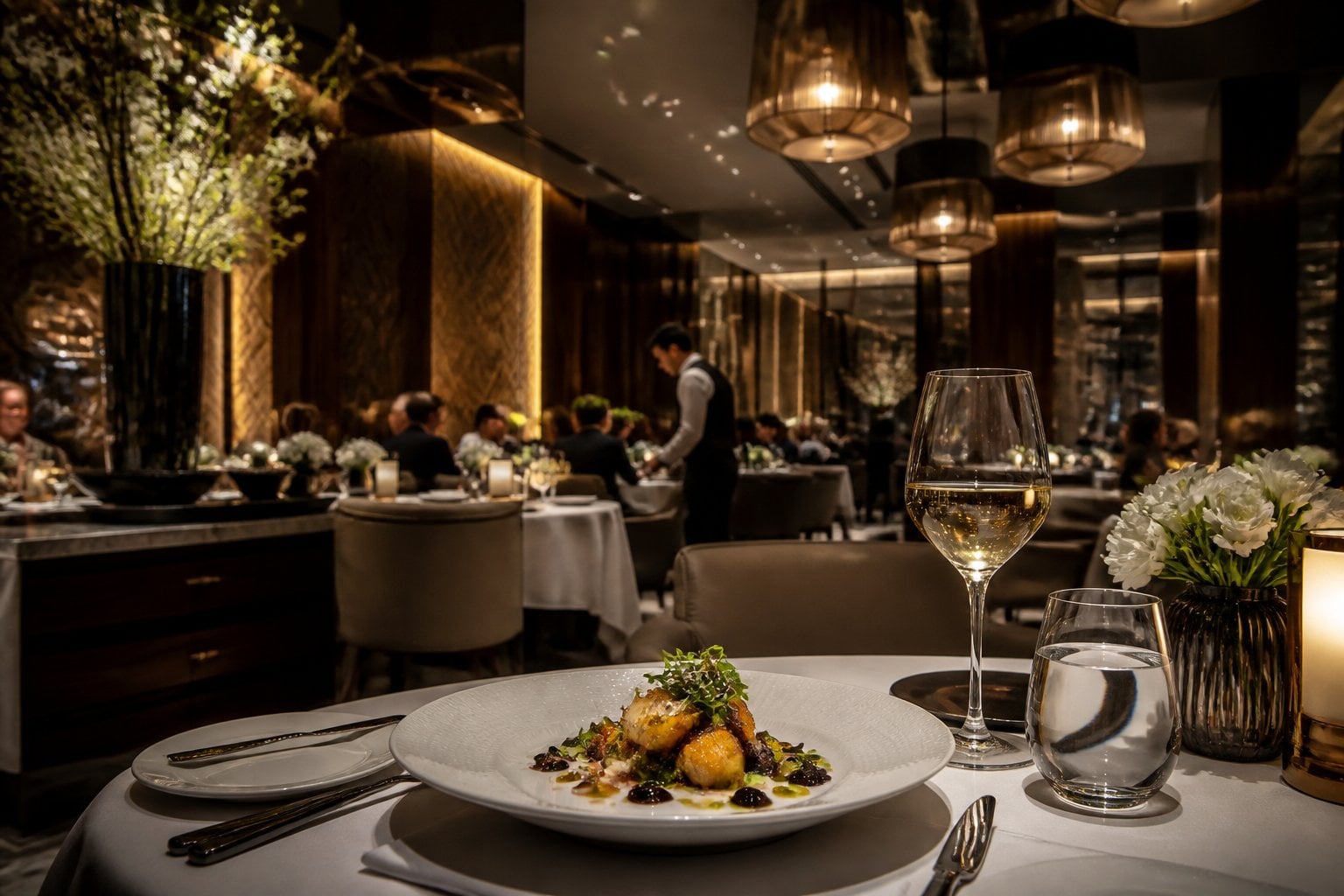
You’ll find Carte Blanche tucked into a space that operates as a pastry shop by day and transforms into a tasting-menu restaurant by night. The dining room feels understated compared to other high-end spots on this list, but the food carries the weight.
Expect to pay around $195 per person for the experience. Your options typically include a four-course or twelve-course tasting menu, giving you flexibility depending on how much time and appetite you bring.
Despite its price point, Carte Blanche remains something of a hidden gem. Many diners in Dallas haven’t discovered it yet, even though it attracts a notably upscale crowd.
If you’re looking for meticulous plating and a kitchen that treats each course with precision, this restaurant delivers that without unnecessary formality. The modern art lining the walls adds another layer to your evening, keeping the atmosphere current rather than stiff.
10. Pappas Bros. Steakhouse, Dallas
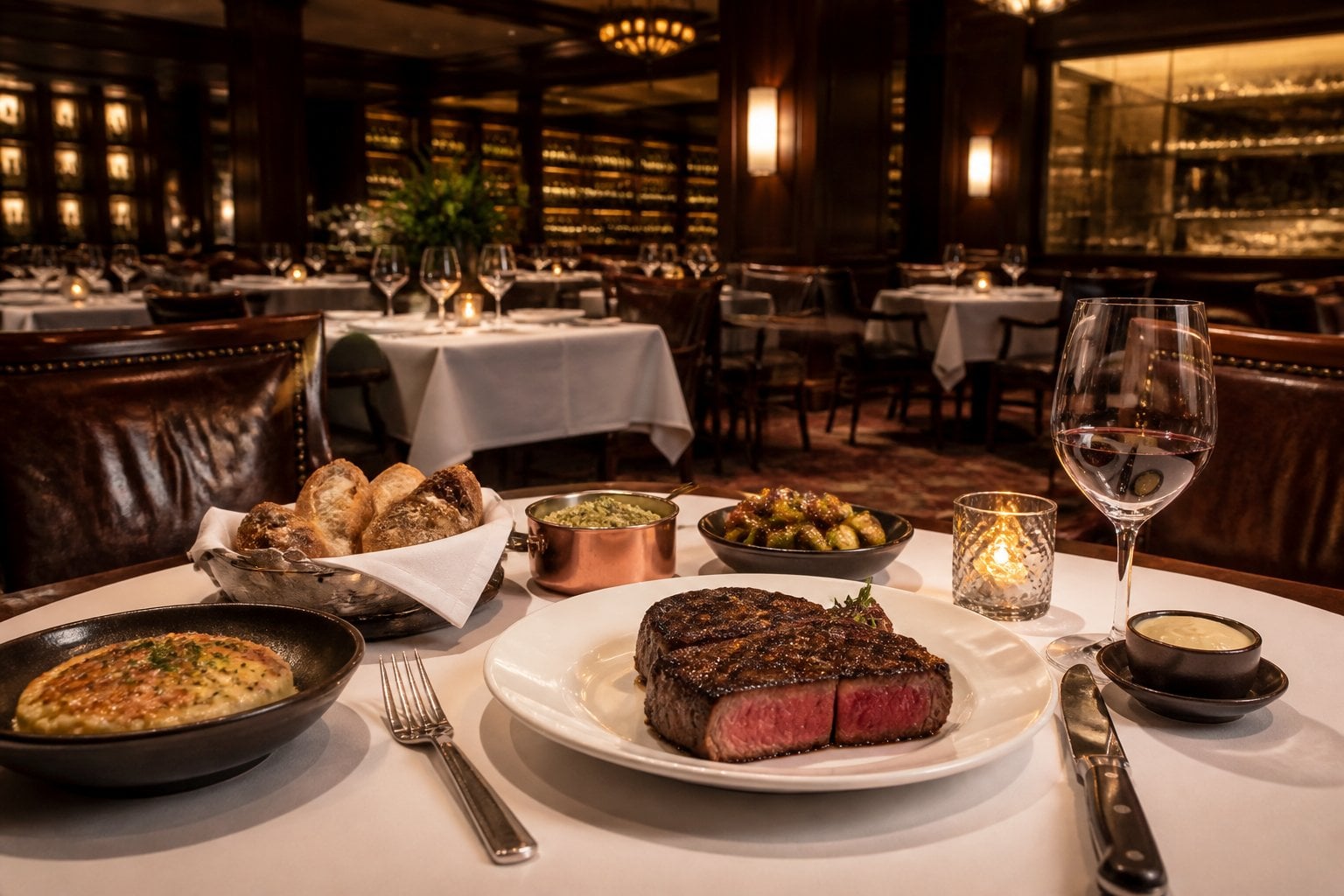
At Pappas Bros. Steakhouse, you get a Houston-born concept that has held its Dallas location to the same standard for over 30 years. The beef is USDA prime, butchered in-house, and dry-aged at least 28 days before it reaches your table.
You’ll notice the wine list right away. It runs nearly 200 pages and features over 4,000 selections, giving you one of the most extensive collections in the region.
The dining room reflects a classic steakhouse setup: large, formal, and built for a traditional fine-dining experience. Service is attentive and consistent, which is part of why the restaurant has earned a 4.7 rating on Tripadvisor.
Pricing sits at the high end for Dallas, with some reviewers calling it the city’s most expensive steak restaurant. You should expect that cost to reflect the quality of the beef, the wine program, and the level of service you receive.
11. Knife, Dallas
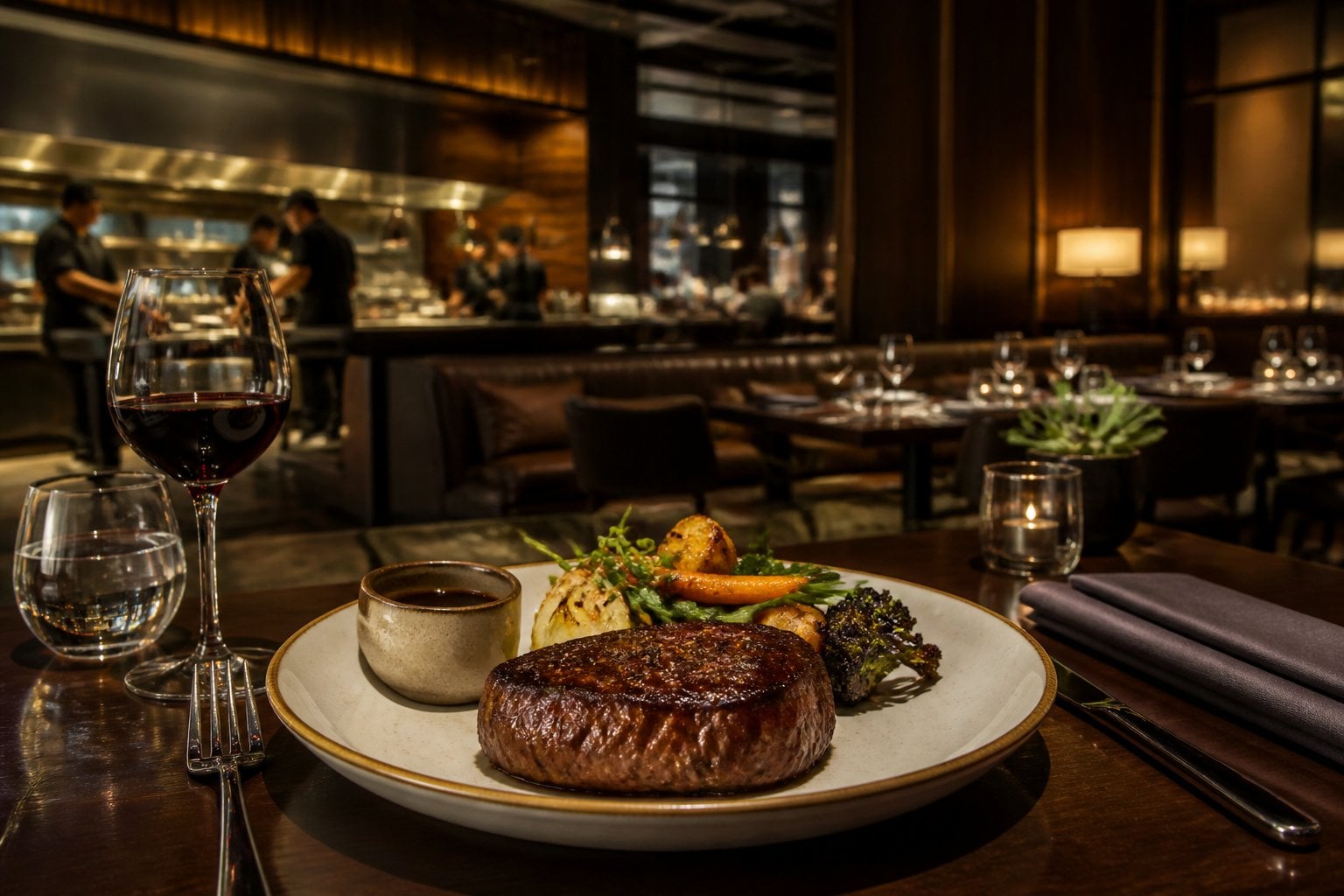
Knife Steakhouse comes from Chef John Tesar, a James Beard-nominated chef with Michelin recognition and two appearances on Bravo’s “Top Chef.” You’ll find his approach to steak here focused on locally sourced, Texas-raised beef, pork, and lamb.
The menu blends classic steakhouse standards with more unusual cuts. You can order dry-aged prime steaks alongside flat iron, Wagyu skirt steak, tri-tip, and culotte. If you want to try something further from the typical menu, options like beef cheeks, oxtail, pig’s head, and Akaushi beef are also available.
Preparation methods vary between cast iron searing and traditional steakhouse broilers, giving you different textures depending on what you order. Knife operates as an independent restaurant rather than part of a larger chain, and it also hosts private dining for business meetings, weddings, and other events.
12. Uchi, Dallas
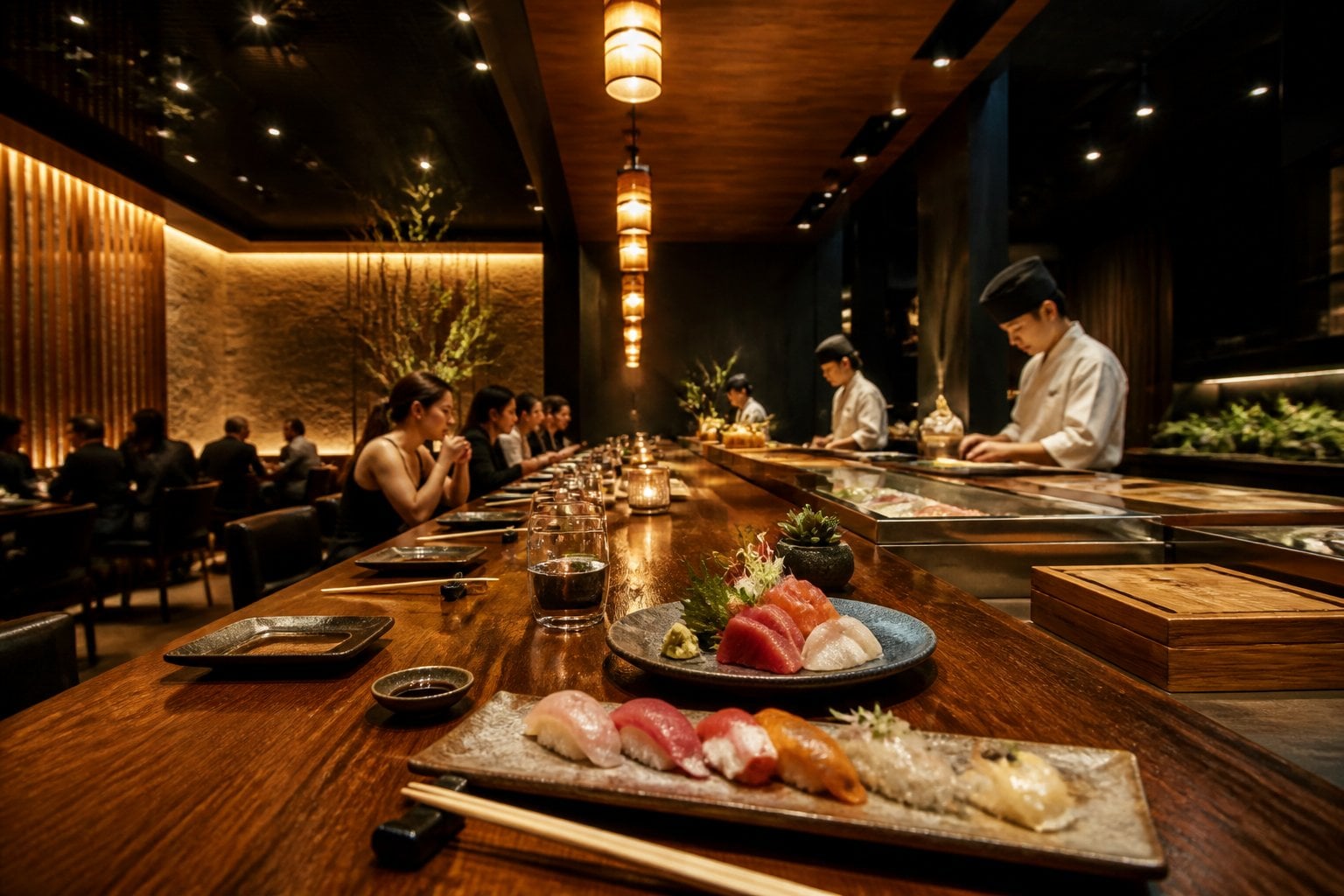
Uchi sits in the Uptown area and brings chef Tyson Cole’s James Beard-winning approach to Japanese cuisine to North Texas. You’ll notice the menu moves away from traditional sushi formats, favoring shareable small plates that mix raw fish with unexpected ingredients.
The gyutoro and otoro tartare are dishes you should look for, since both come up repeatedly as standouts. You can expect a sake list that pairs well with the food, along with vegan options if you’re not eating raw fish.
Prices climb quickly once you start ordering multiple plates, which is typical for this style of dining. The atmosphere stays lively, and service tends to be attentive, making it a place you might choose for a celebration rather than a quiet weeknight dinner.
13. The Charles, Dallas
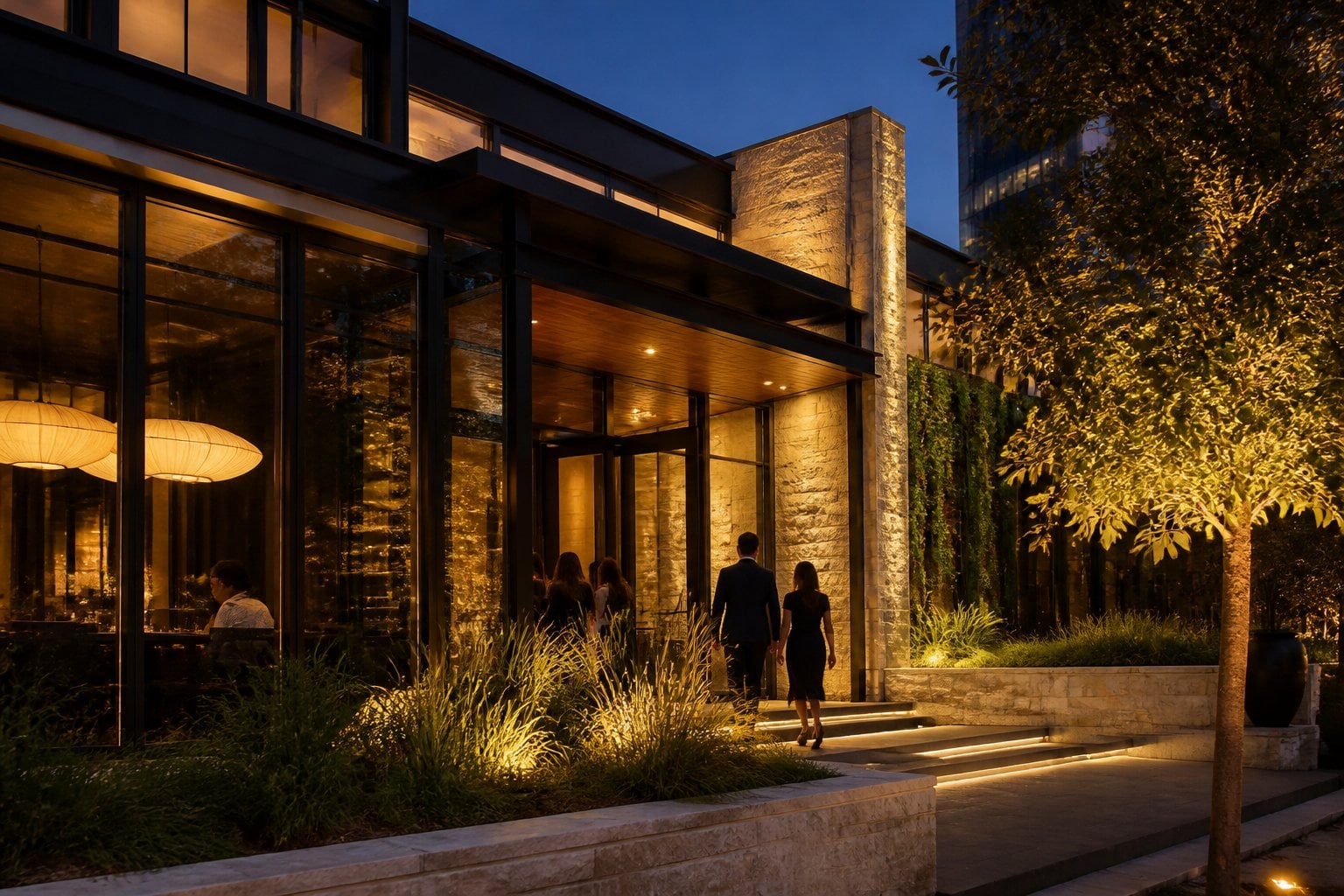
The Charles sits in the Dallas Design District, offering contemporary Italian cuisine in a setting built for casual yet upscale dining. You’ll find a menu focused on quality ingredients and technique rather than flashy presentation.
Reviewers give it a strong 4.5 rating on Tripadvisor, and it ranks among the top restaurants in a city with thousands of dining options. That consistency matters when you’re deciding where to spend on a special meal.
You can expect attentive service and a wine list built to complement the Italian-inspired dishes. The atmosphere works for both business dinners and personal celebrations, striking a balance between formality and comfort.
If you’re planning a visit, reservations are recommended given its popularity. You’ll want to check current hours before booking, as the restaurant’s schedule can shift with seasonal demand.
14. Rye, Dallas
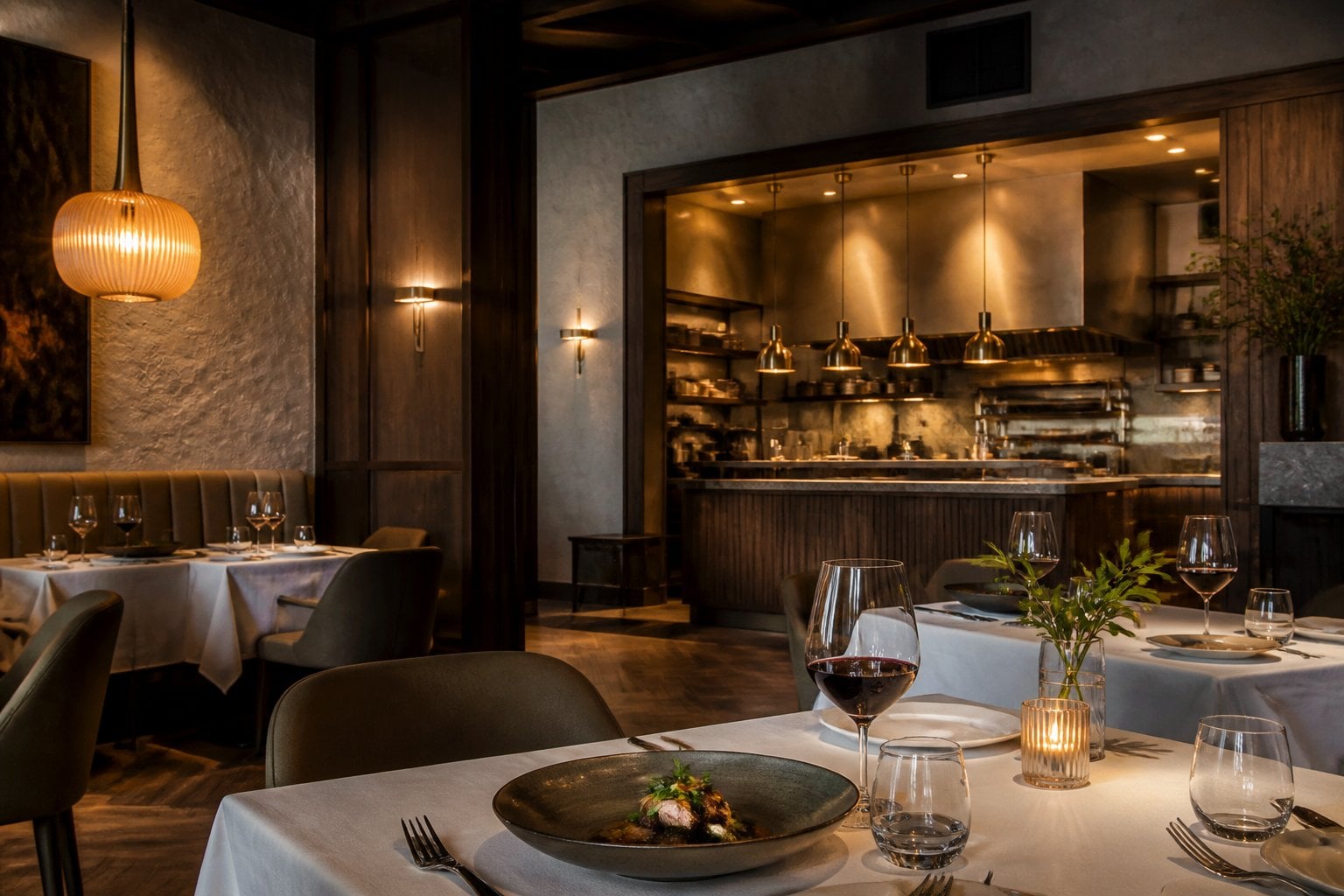
You’ll find Rye tucked into Lower Greenville, a neighborhood known more for casual bars than fine dining. The space has wood plank floors, beamed ceilings, and exposed red brick walls, giving it a relaxed but polished feel.
The menu focuses on seasonal American cooking, with dishes built around quality ingredients rather than elaborate presentation. You can expect the price to reflect the sourcing and technique that goes into each plate.
The cocktail program stands out here. Rye operates Apothecary, a cocktail lounge next door, so your evening can extend from dinner into a more curated drinking experience.
Service is attentive without being stiff, matching the restaurant’s overall approach of comfort paired with craft. If you’re looking for a spot that takes food seriously without overwhelming formality, Rye gives you that balance in a neighborhood setting.
15. Hestia, Austin
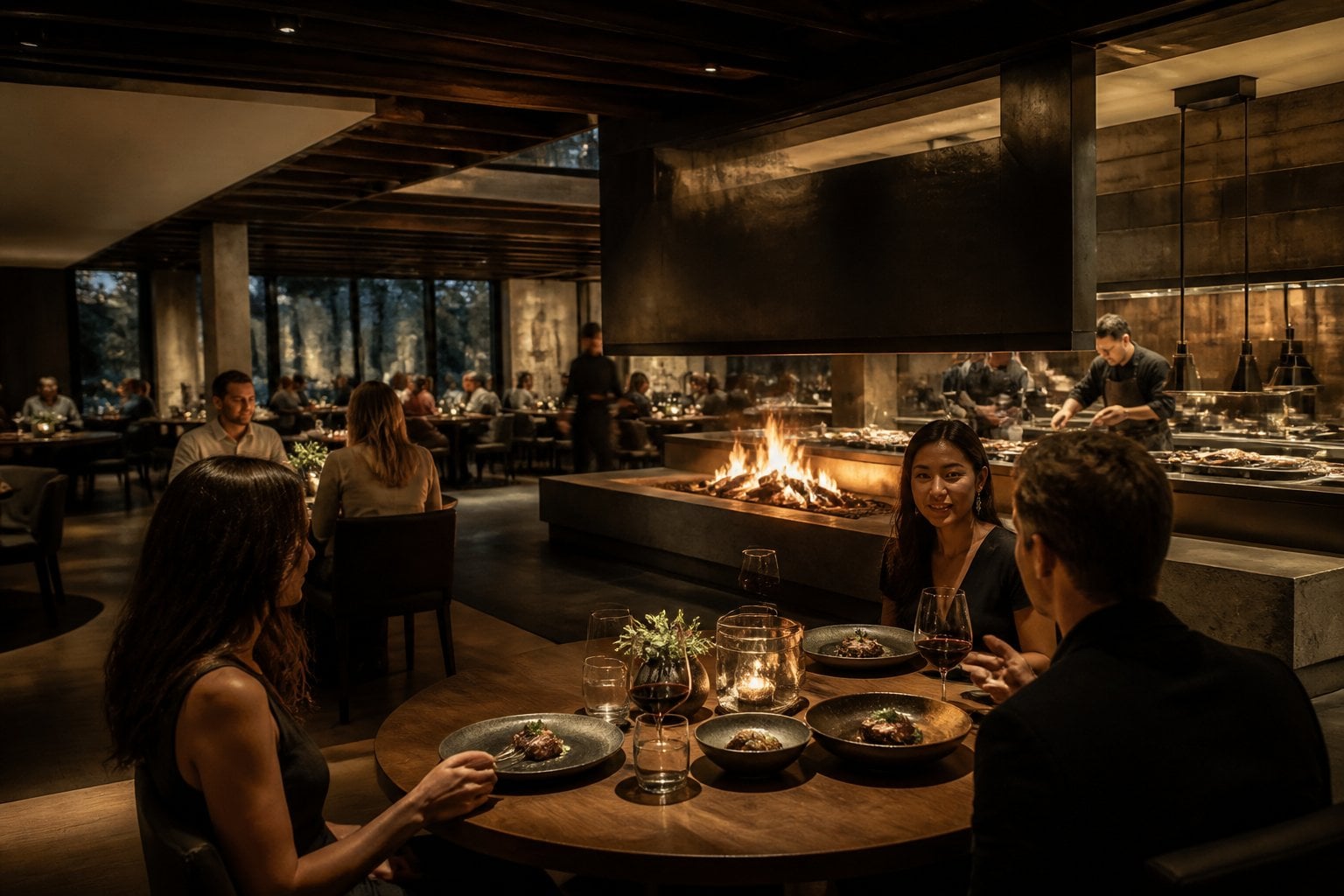
You’ll find Hestia on West 3rd Street in downtown Austin, a short walk from the Lady Bird Lake Hike-and-Bike Trail. A custom 20-foot hearth anchors the open kitchen and dining room, and it shapes nearly every dish on the menu.
Live-fire technique drives the kitchen’s approach to Texas produce and proteins. You can order à la carte or choose the multi-course tasting menu if you want the full range of what the fire-driven cooking can do.
The wine list runs several hundred bottles deep, featuring both established and lesser-known producers. It has earned Wine Spectator’s Best of Award of Excellence since 2023.
Hestia holds a Michelin star, a distinction that reflects the discipline behind its fire-based cooking. The space itself is designed to match the ambition of the food, with a dining room built around that central hearth.
16. Barley Swine, Austin
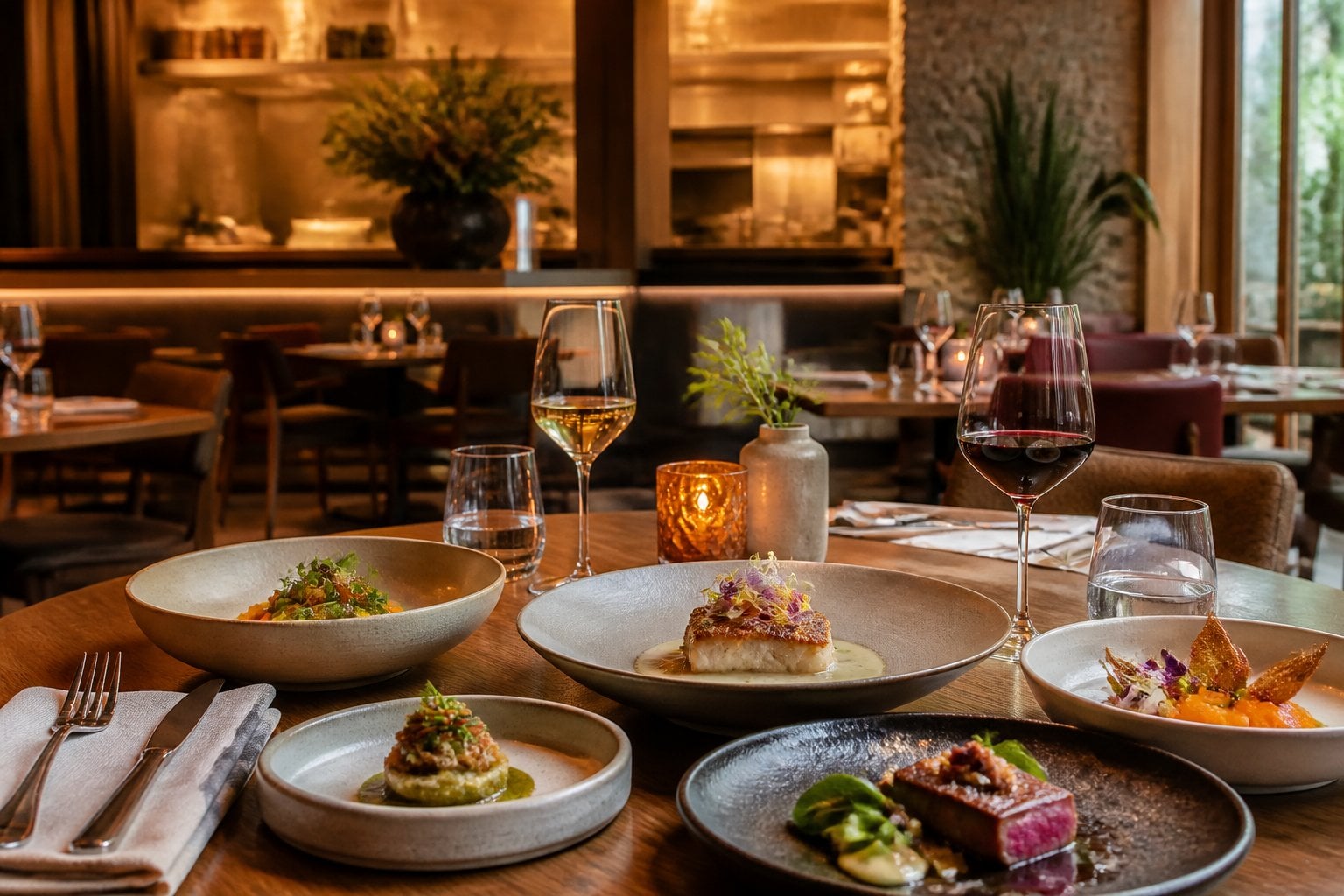
At Barley Swine, you get a tasting menu built around Texas farms and ranches. Chef Bryce Gilmore sources ingredients regionally, and the menu changes with the seasons, so your meal reflects what’s fresh at the time of your visit.
The tasting menu runs $125, and Barley Swine holds a Michelin star, along with a 2025 Opinionated About Dining ranking of #103 in North America. Dinner service starts at 5 PM on Thursdays and Fridays, and 4:30 PM on weekends.
You should know reservations are capped at two and a half hours, and the space itself is small, so seating is limited. If you have allergies or dietary restrictions, you’ll need to give the restaurant 24 hours’ notice for menu adjustments.
For a discount, you can book the first 30 minutes of Sunday service, when $30 is taken off your tasting menu.
17. Suerte, Austin
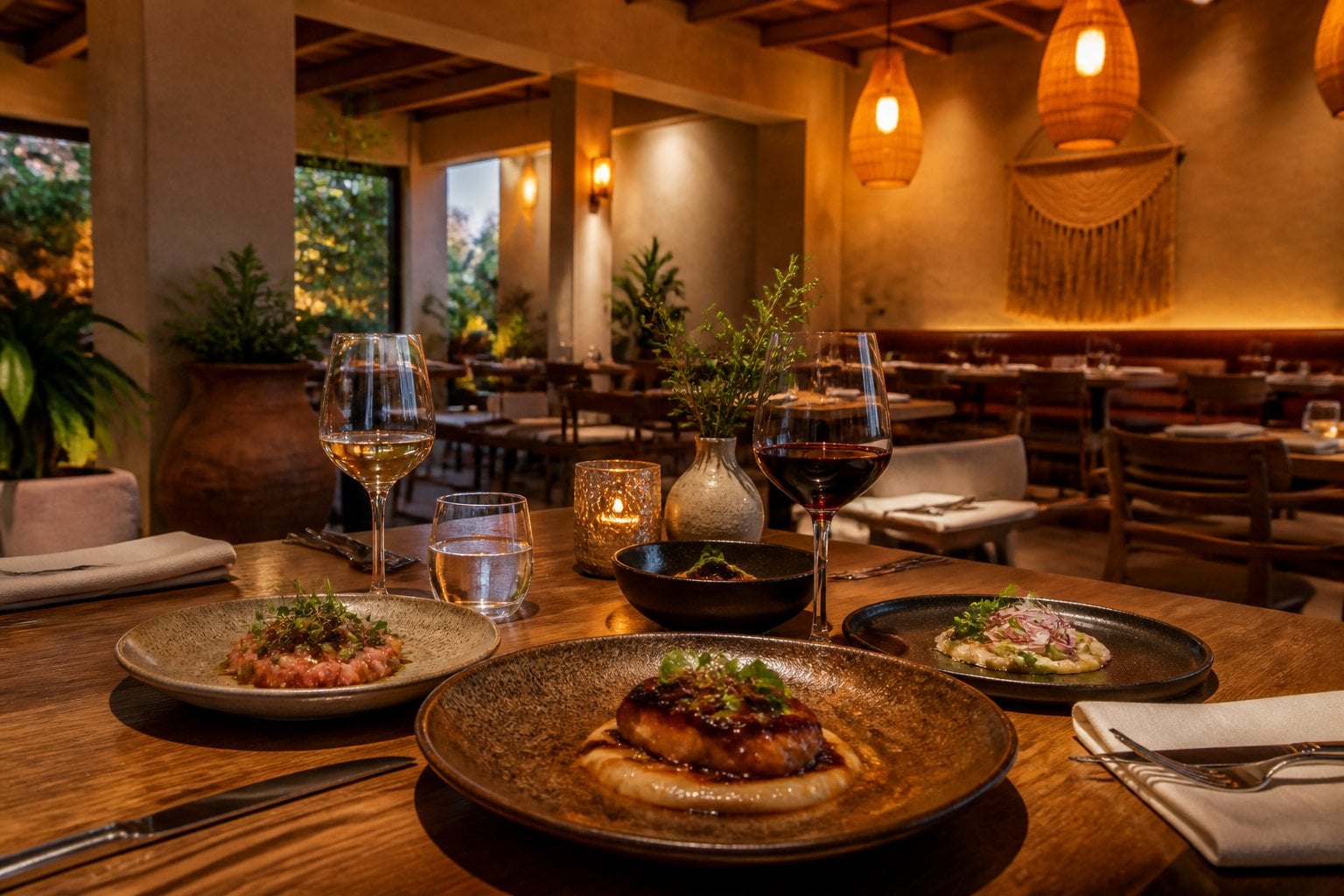
You’ll find Suerte in East Austin, where masa forms the foundation of nearly everything on the menu. Chef Fermín Núñez leads a kitchen that blends traditional Mexican cooking techniques with Texas ingredients sourced from local farmers.
The setting is rustic and contemporary, with an open kitchen that lets you watch the action. A patio overlooking East Sixth Street adds another dimension to the experience.
Expect standouts like tuna tiradito with avocado in a burnt habanero-apple broth, along with masa-based dishes and hearty large plates. The bar rounds things out with a solid selection of Mexican-inspired drinks.
Suerte has earned national recognition and a spot in the MICHELIN Guide. Prices reflect the quality and craft behind each dish, placing it among Austin’s higher-end dining options. It works well for both a special date night and a larger celebration.
18. Uchi, Austin
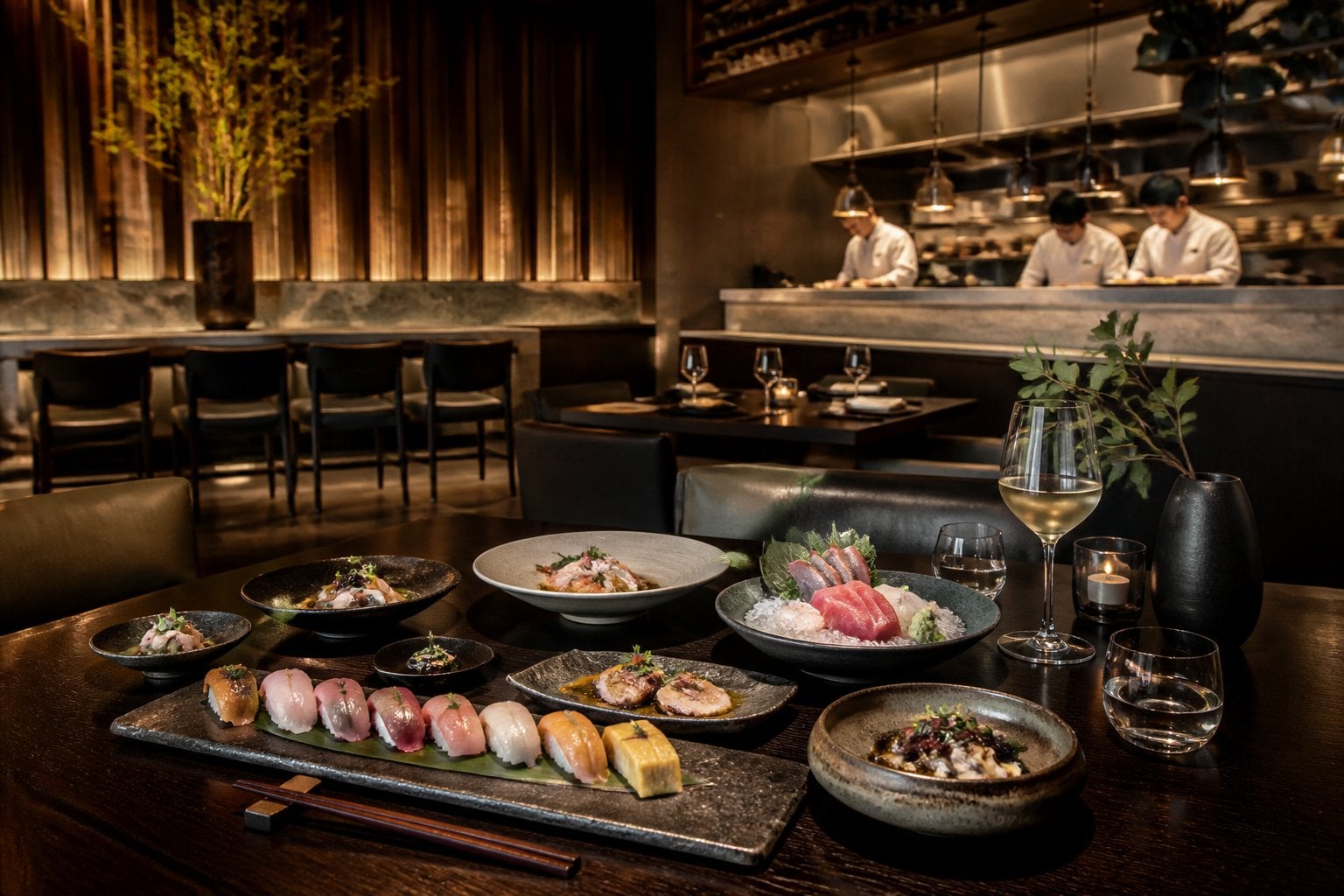
Uchi sits in South Austin, in the original location where Chef Tyson Cole launched the restaurant more than two decades ago. You’ll find a menu built around Japanese cuisine, with sushi as the centerpiece alongside cooked dishes that mix traditional technique with local ingredients.
The prices here reflect the level of preparation involved. Nigiri, sashimi, and specialty rolls run higher than standard sushi menus, and shared small plates add up quickly if you’re ordering for a group.
You can expect a polished dining room and attentive service, which factors into the overall cost. Uchi has built a reputation as one of Austin’s most recognized restaurants, drawing both locals and visitors willing to pay for its inventive approach to Japanese food.
If you’re looking for a high-end meal in Austin, this is a name you’ll hear often.
19. Jeffrey’s, Austin
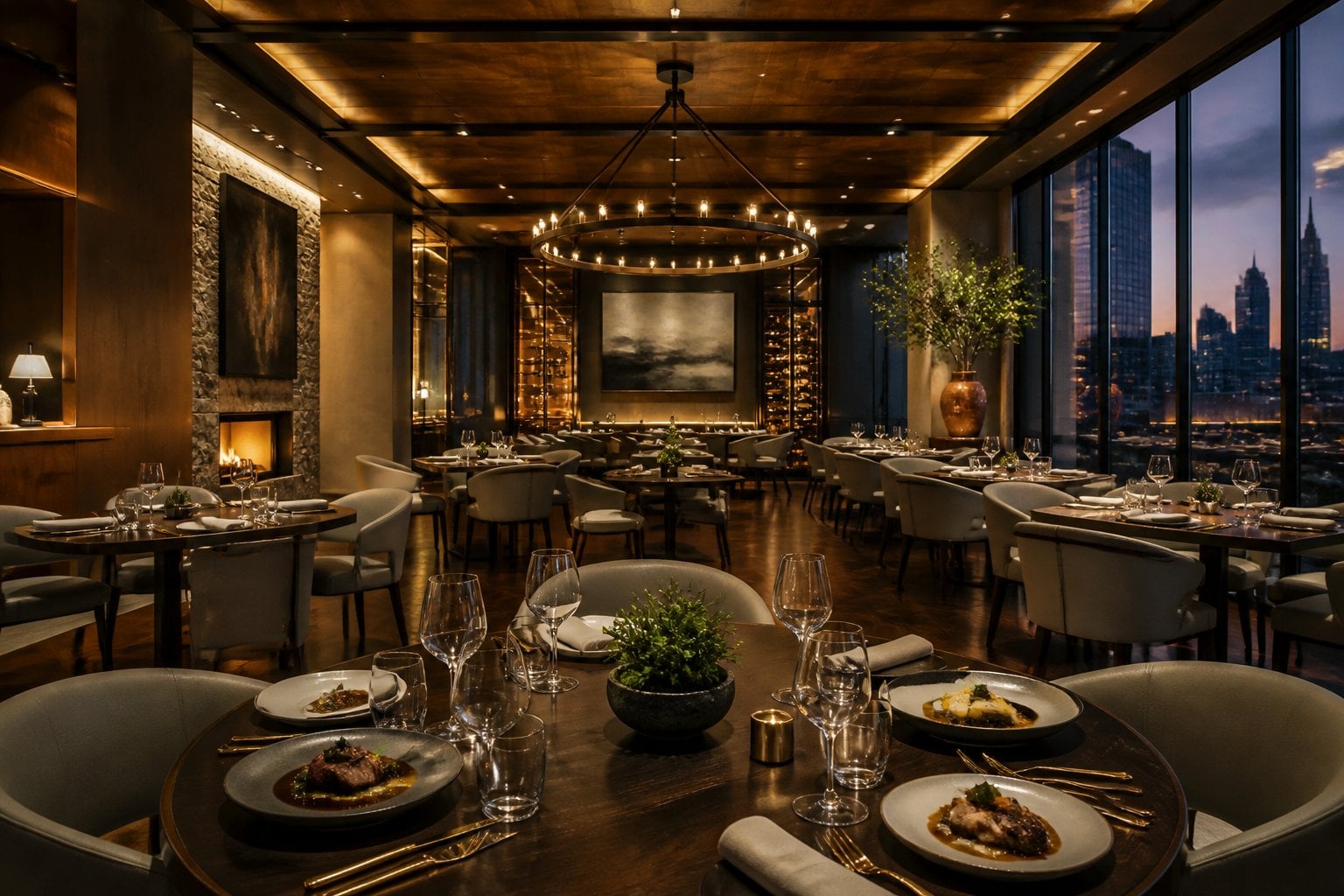
You’ll find Jeffrey’s in Clarksville, a neighborhood restaurant that has operated since 1975. It stands as one of Austin’s earliest fine-dining establishments, and a 2013 renovation under MML Hospitality gave it a fresh look while keeping its reputation intact.
The menu blends French and American cuisine, with dry-aged prime beef as a highlight. You’ll also find caviar on the menu, a rare offering in the Austin dining scene, with prices ranging from $90 to $300 depending on your selection.
Expect steaks prepared with precision, along with classic dishes like soufflés and a wine list built to match the food. Service here is attentive, and many guests choose Jeffrey’s for anniversaries, birthdays, and other milestones worth marking with a proper meal.
If you’re looking for a restaurant with decades of history and a menu that doesn’t chase trends, Jeffrey’s delivers exactly that.
20. III Forks, Austin
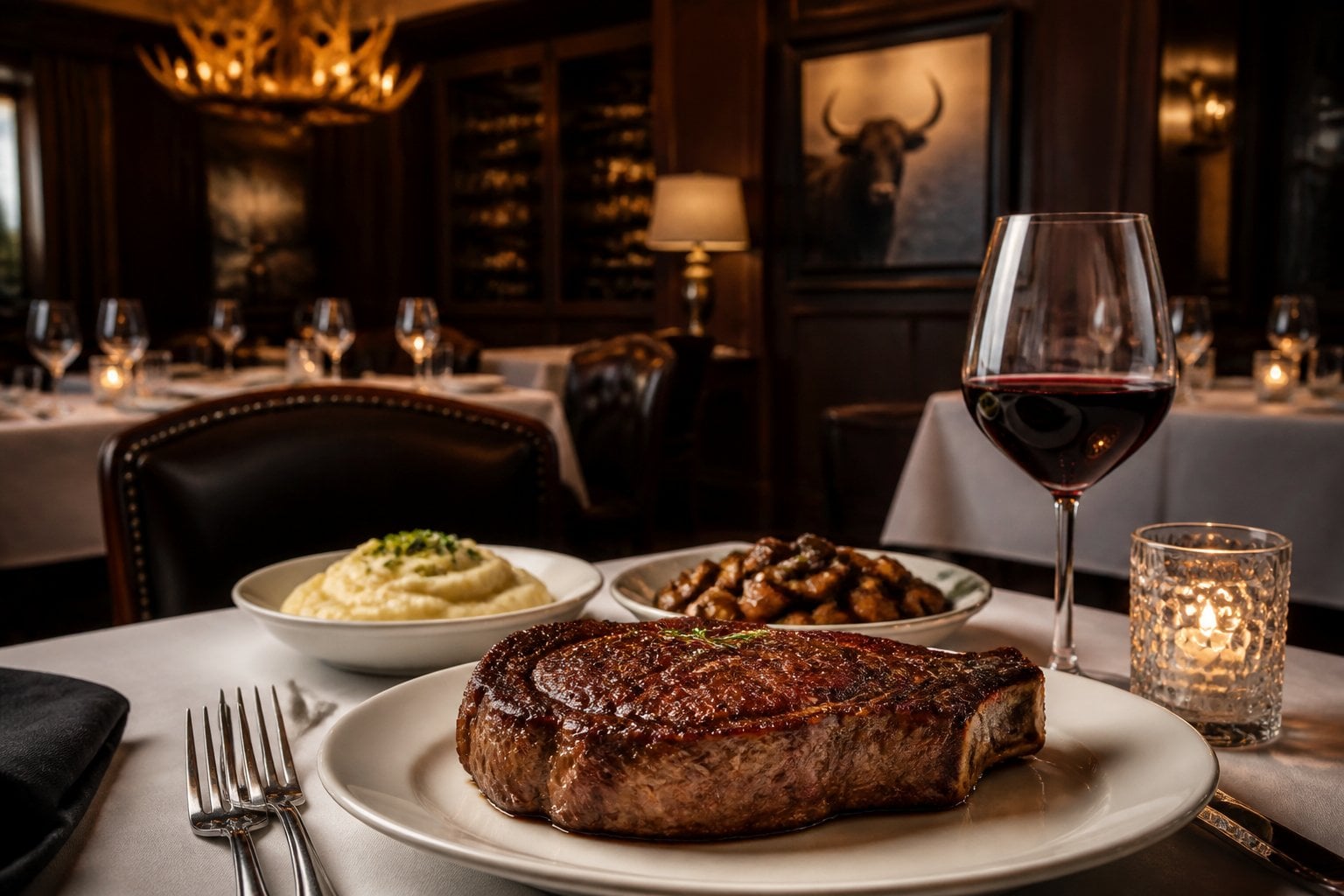
You’ll find III Forks on Lavaca Street at Cesar Chavez in downtown Austin. The steakhouse is built with mahogany and marble finishes, giving it a polished, formal atmosphere.
On the menu, you’ll get USDA Prime steaks, fresh fish, and cold-water lobster. The kitchen focuses on classic steakhouse preparations rather than experimental dishes.
If you’re planning a private event, you can reserve space for up to 60 guests. This makes it a common choice for business dinners and celebrations.
III Forks has earned a reputation as one of Austin’s top fine dining destinations, often listed alongside restaurants like Jeffrey’s and Uchi Austin. You’ll also have access to an award-winning wine list to pair with your meal.
Expect prices that reflect the prime cuts and upscale service you’re getting throughout your visit.
21. Emmer & Rye, Austin
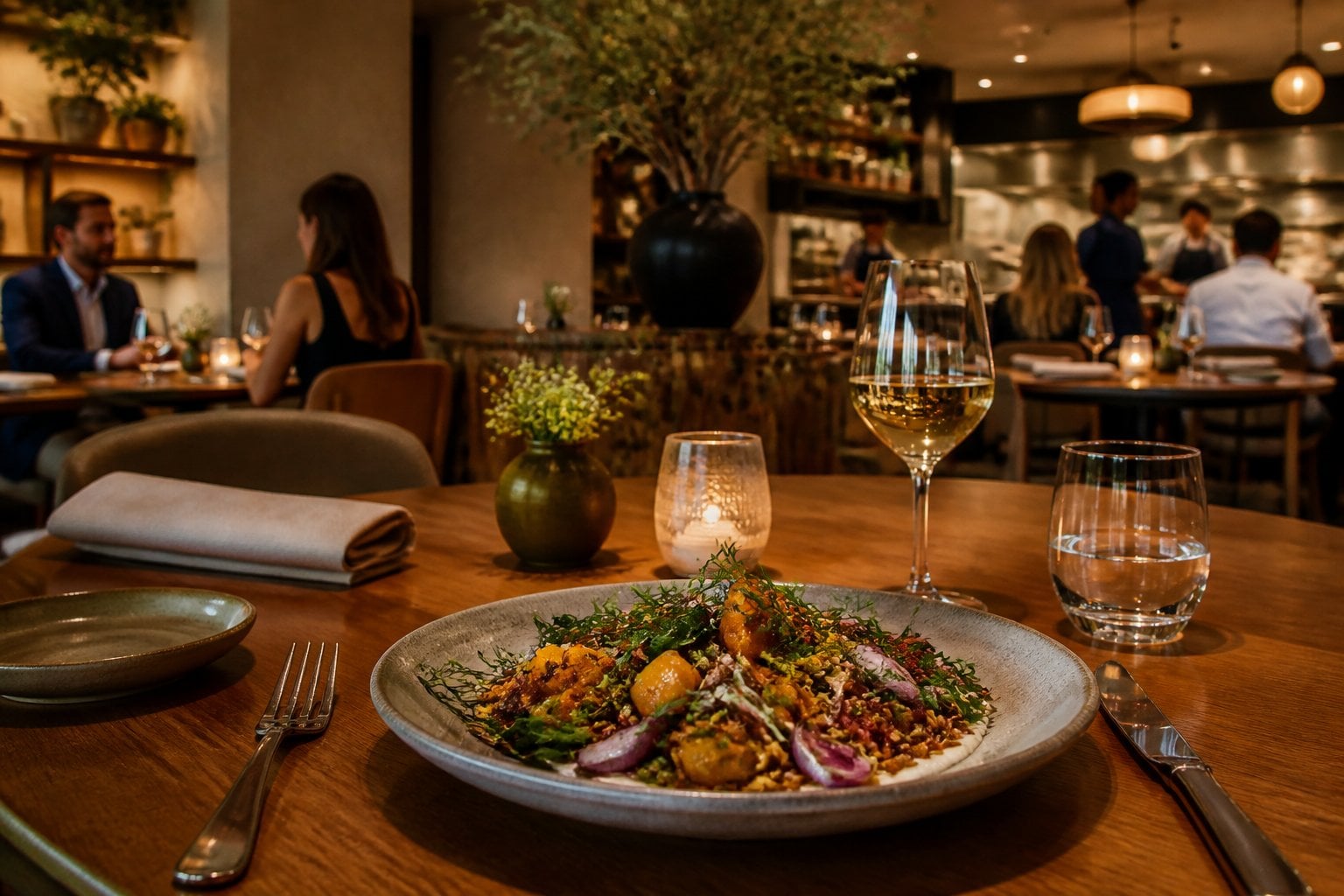
You’ll find Emmer & Rye on Rainey Street, one of Austin’s most recognized farm-to-table restaurants. It holds a Michelin Green Star for sustainability and a Bib Gourmand distinction.
The kitchen mills its own heirloom grains for house-made pastas, breads, and desserts. Whole-animal butchery happens on site, and an in-house fermentation program runs alongside it.
Your menu will change frequently based on what small Texas farms, ranchers, and foragers bring in. Expect a lively, contemporary dining room with both indoor seating and a patio on Rainey Street.
Pricing puts it in the $$$ range, comparable to Olamaie, though with a more interactive, cart-driven energy rather than a formal special-occasion setting. You can also order dim sum-style off circulating carts, a format Emmer & Rye introduced to Austin’s contemporary dining scene.
22. Odd Duck, Austin
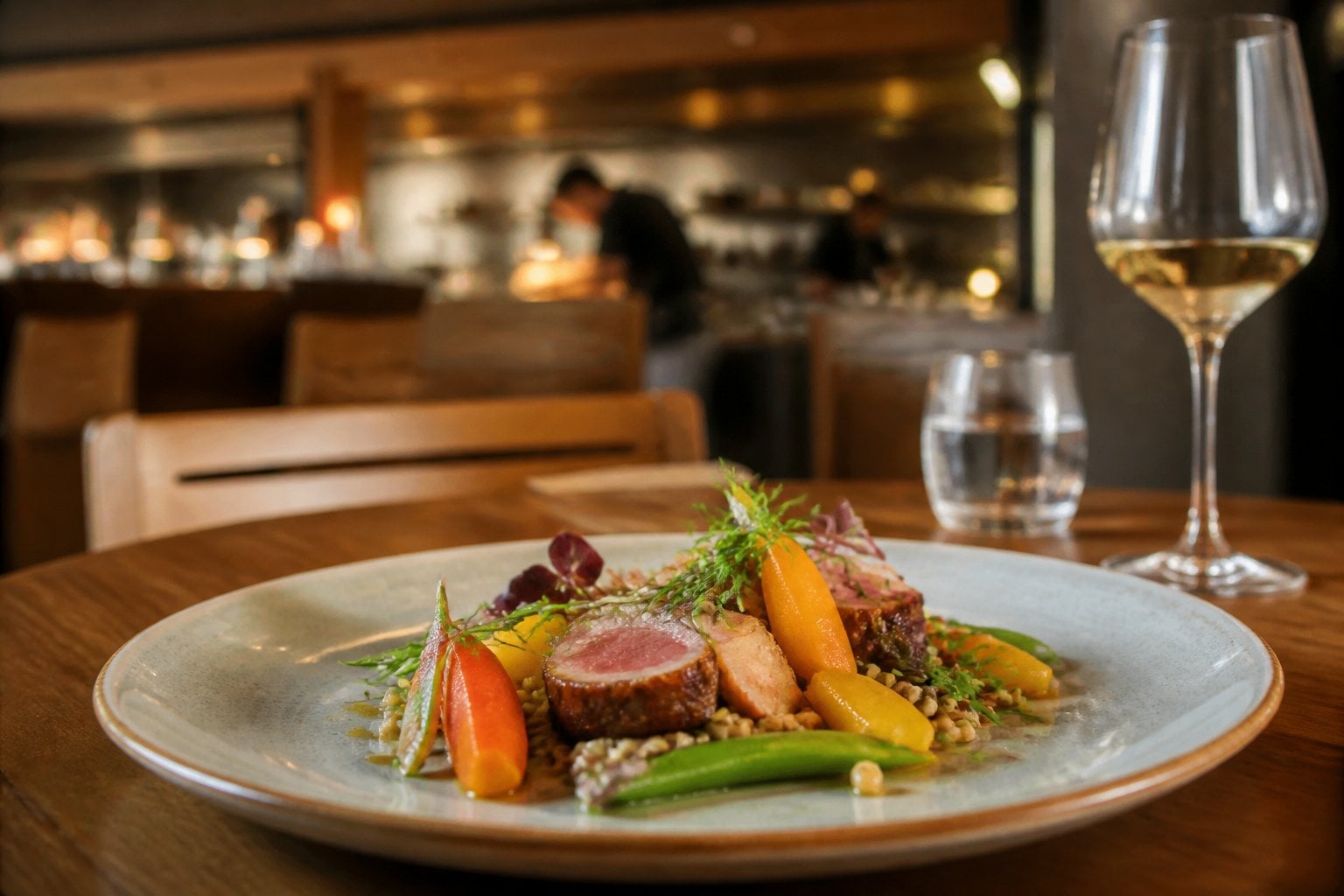
You’ll find Odd Duck on South Lamar, a farm-to-table restaurant that began as a food trailer in 2009 before moving into a permanent space in 2013. The concept has stayed consistent: shareable small plates built around ingredients sourced from Texas farms.
The menu changes with the seasons, so you can expect dishes like redfish ceviche, okra fritters, and cast iron cheddar cornbread depending on when you visit. Prices are moderate compared to other entries on this list, with most plates falling between $14 and $20.
Odd Duck holds a Michelin Bib Gourmand distinction, which recognizes good food at a reasonable price rather than top-tier luxury dining. You’re getting quality cooking and thoughtful sourcing without the highest check totals seen elsewhere in Austin’s fine dining scene.
Service here is attentive but casual, matching the restaurant’s unpretentious approach to elevated Texas cuisine.
23. Craft Omakase, Austin
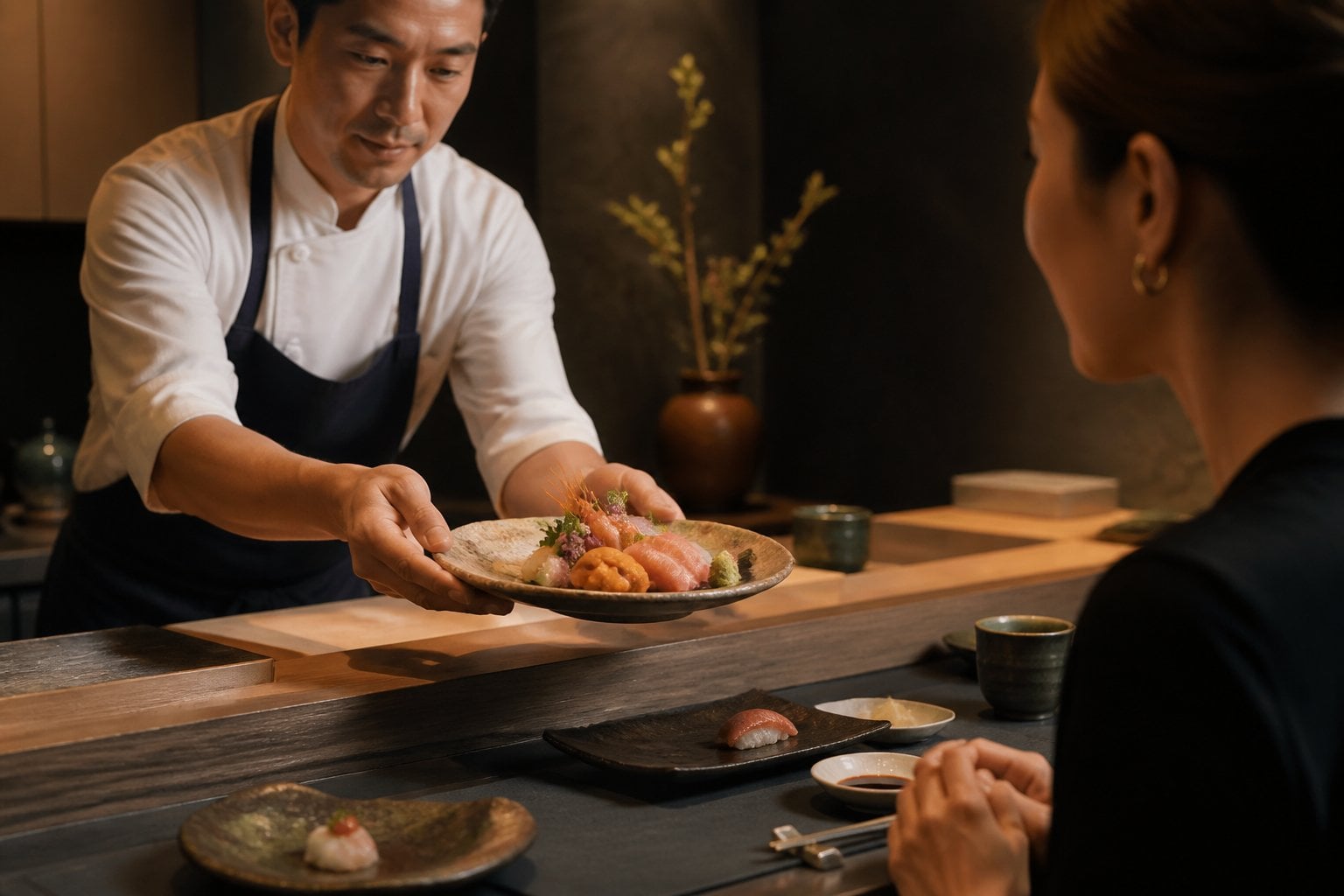
You’ll find this restaurant tucked inside a Rosedale strip mall, a location that gives no hint of what’s inside. Craft Omakase earned a Michelin star in 2024, marking Austin’s first for Japanese cooking.
Chefs Charlie Wang and Nguyen Nguyen, both Uchiko alumni, lead a 22-course seasonal tasting menu priced at $175 per person. You’ll sit at a counter or in the small dining room, watching each course assembled in front of you.
The menu leans heavily on Japan-sourced fish, prepared with a mix of traditional technique and modern touches. You won’t get a rigid, purist edomae experience here; instead, expect some embellishment layered over precise, restrained execution.
Seating is limited, and reservations move quickly given the restaurant’s growing reputation. You’re paying for craftsmanship and consistency, not spectacle.
24. Perry’s Steakhouse & Grille, Houston
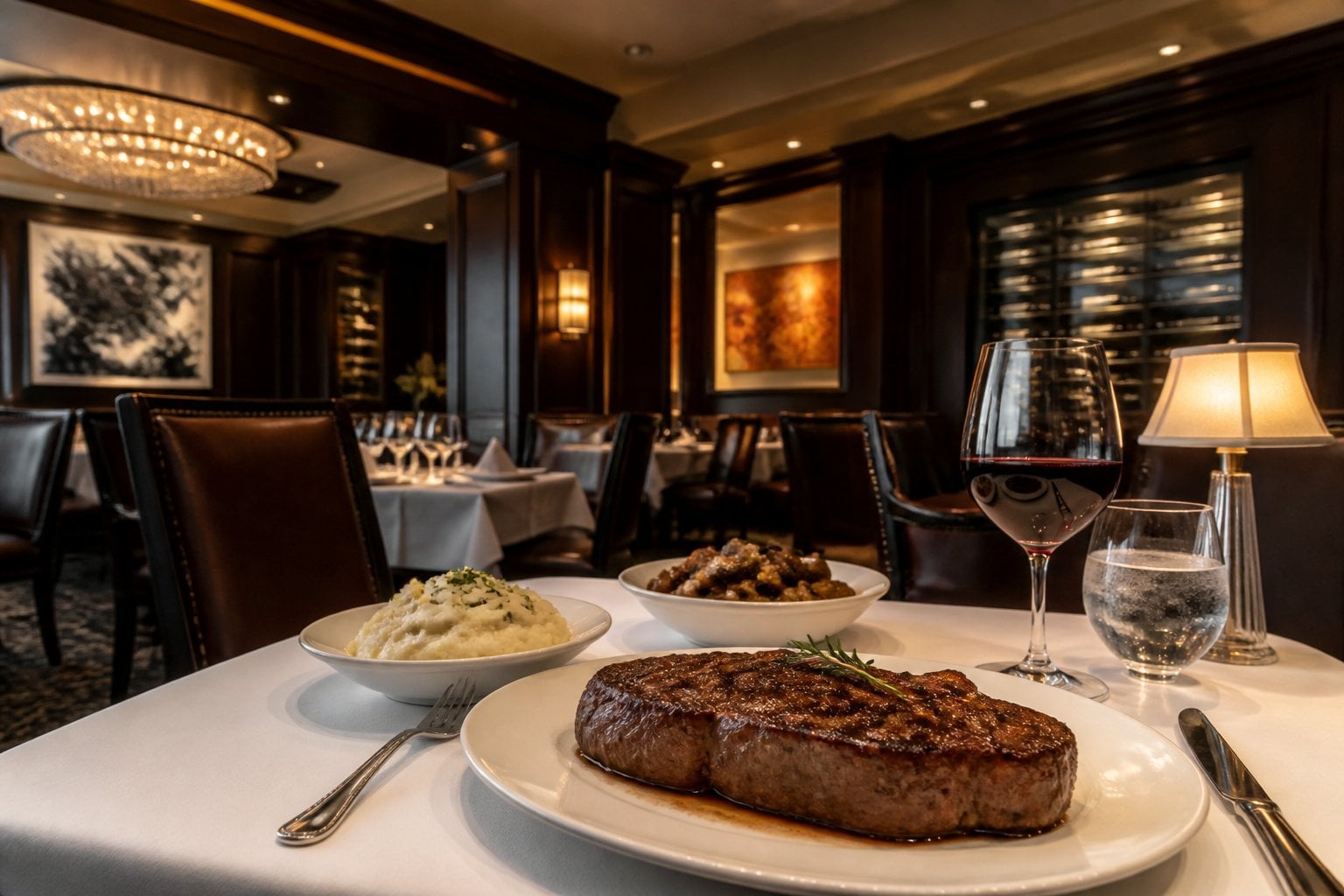
You’ll find Perry’s Steakhouse & Grille in the Champions area of Houston, offering a fine dining experience built around USDA prime steaks. The restaurant traces its roots back to 1979, starting as a small butcher shop before growing into an award-winning steakhouse group.
When you visit, you’ll have access to a piano bar with live entertainment, outdoor patio seating, and six private dining rooms. These spaces work well whether you’re planning a business dinner or a special occasion, accommodating groups from eight to one hundred guests.
Prices reflect the premium cuts and upscale atmosphere you’d expect from a top-tier steakhouse. You can also take advantage of value options like the senior menu before 6pm, a military discount, and the Friday pork chop lunch special until 5pm.
Perry’s holds a 4.3 rating on Tripadvisor, based on hundreds of customer reviews.
25. Mastro’s Steakhouse, Houston
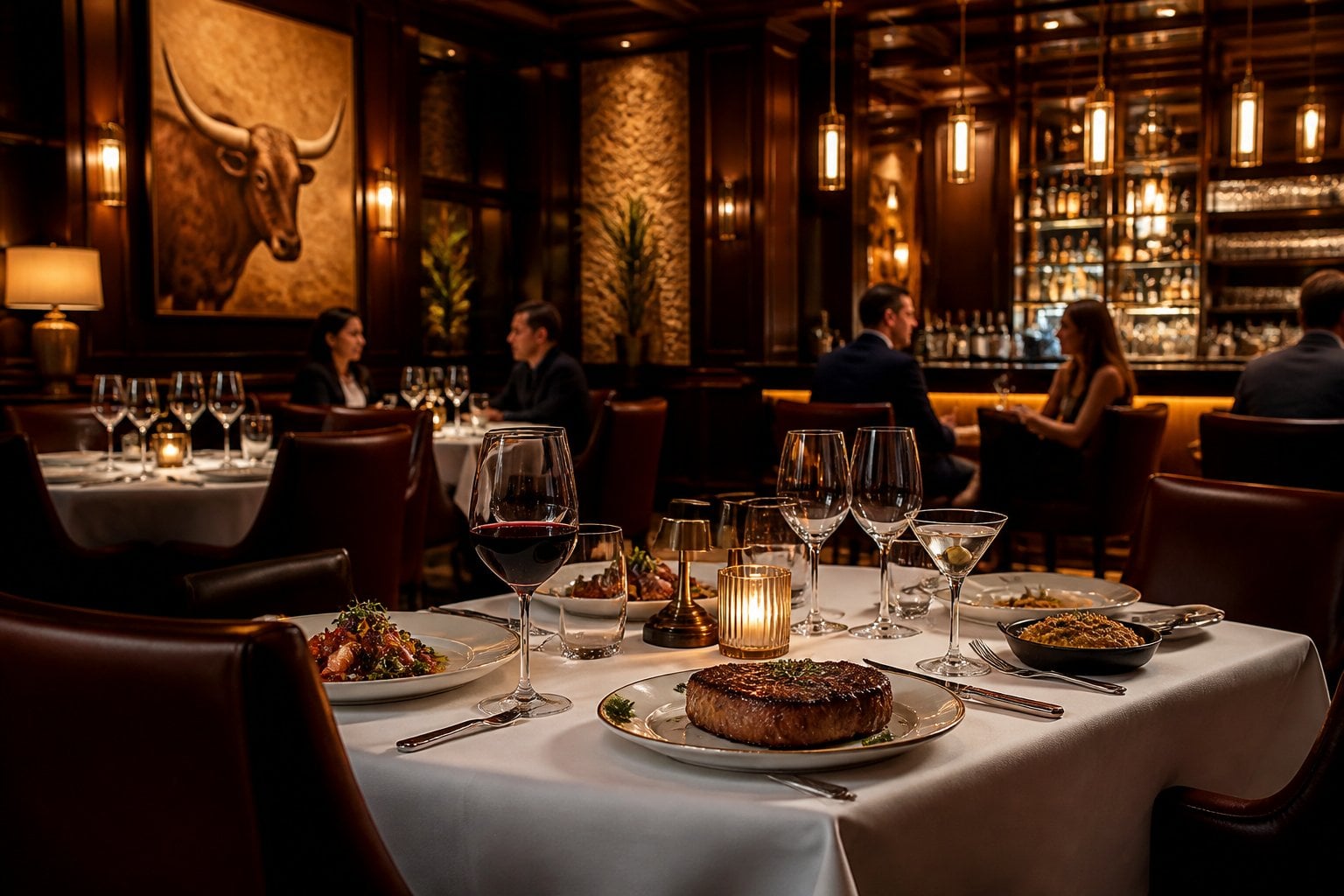
You’ll find this location near The Galleria in Houston’s Uptown district, one of the city’s premier shopping areas. The setting gives you an upscale backdrop for a meal that matches the surroundings.
The menu centers on USDA Prime steaks, wet-aged for 28 days and cooked in a 1,500-degree broiler. Your steak arrives sizzling on a plate heated to 450 degrees, served with clarified butter.
You can expect the same standards Mastro’s is known for nationally: attentive service, a polished atmosphere, and an energetic dining room that often includes live entertainment. This is Texas’ only Mastro’s location, so it’s worth noting if you’re seeking that specific brand experience.
Reviews place it among Houston’s respected steakhouses, though not without some competition from other high-end options nearby. You should expect prices that reflect the premium cuts and full-service experience throughout your visit.
26. Brenner’s on the Bayou, Houston
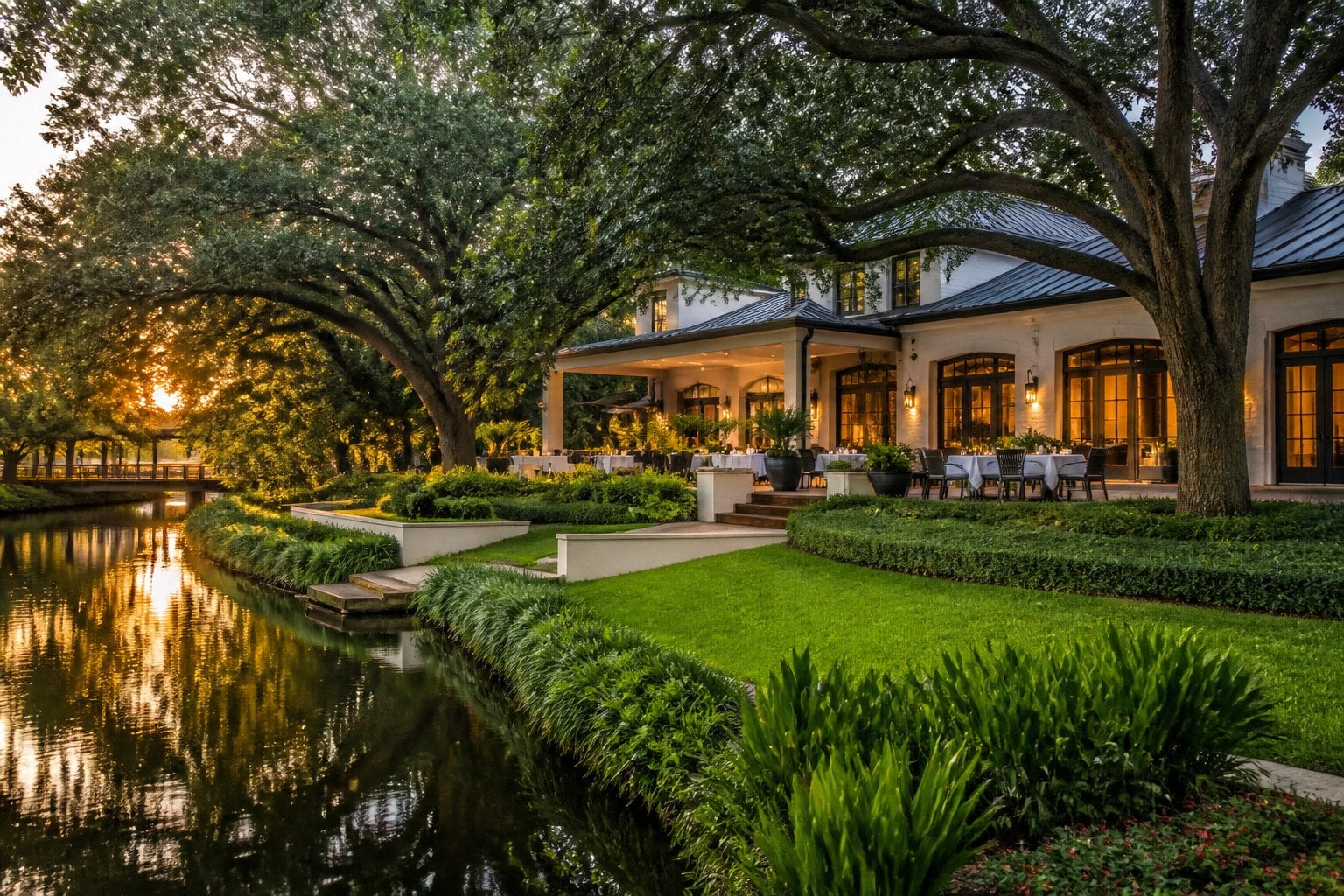
You’ll find Brenner’s on the Bayou along Washington Avenue, overlooking Buffalo Bayou. It has served Houston since 1936, when Herman and Lorene Brenner opened the original Brenner’s Café.
Expect classic steakhouse fare here, including prime cuts and seafood. The wine list has earned recognition for its depth, and you can pair your meal accordingly.
Prices reflect the quality and setting, placing it among the priciest dining options in the city. You should try one of the signature soufflés for dessert, available in Grand Marnier, chocolate, or Chambord.
The dining room offers a cozy yet elegant atmosphere, with the bayou views adding to the experience. It has been ranked among Houston’s top restaurants on Tripadvisor and named a top choice for special occasions.
If you’re planning a celebration or an important dinner, this restaurant gives you a reliable, established option with nearly nine decades of history behind it.
27. March, Houston
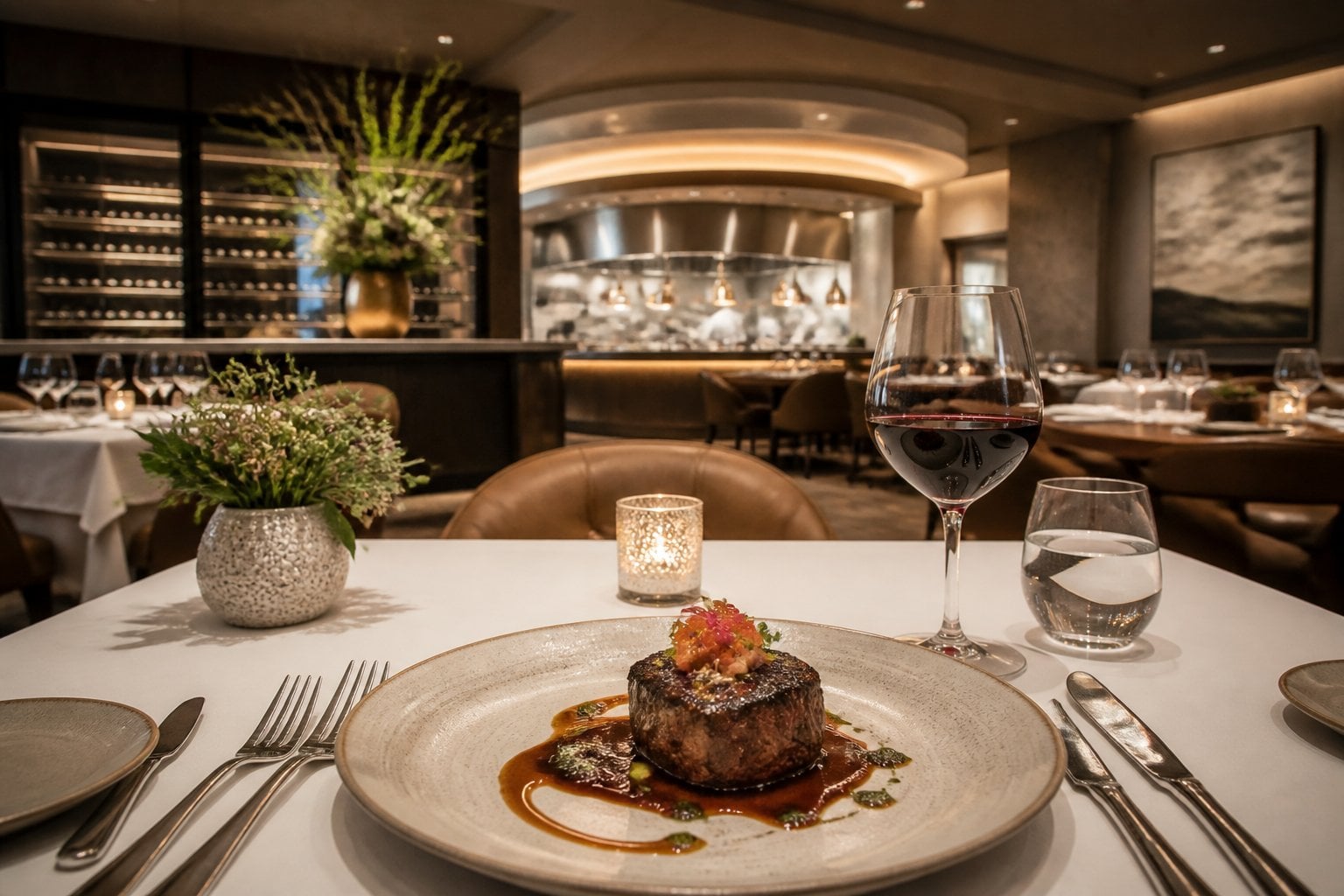
March sits in Houston’s Montrose area, offering a fine dining experience built around a tasting menu format. You’ll find a focus on seasonal ingredients paired with French-influenced technique, though the kitchen draws from broader Mediterranean and global references.
The setting is intimate, with limited seating that keeps the dining room quiet and controlled. You should expect a slower pace here, since multi-course menus take time to move through properly.
Pricing reflects the tasting menu model, with per-person costs running well above typical Houston dining. Wine pairings add further expense, and you’ll want to budget accordingly if you choose that route.
Reservations are recommended well in advance, as tables fill quickly given the restaurant’s limited capacity. If you’re looking for a structured, chef-driven meal rather than an à la carte experience, March fits that description.
28. BCN Taste & Tradition, Houston
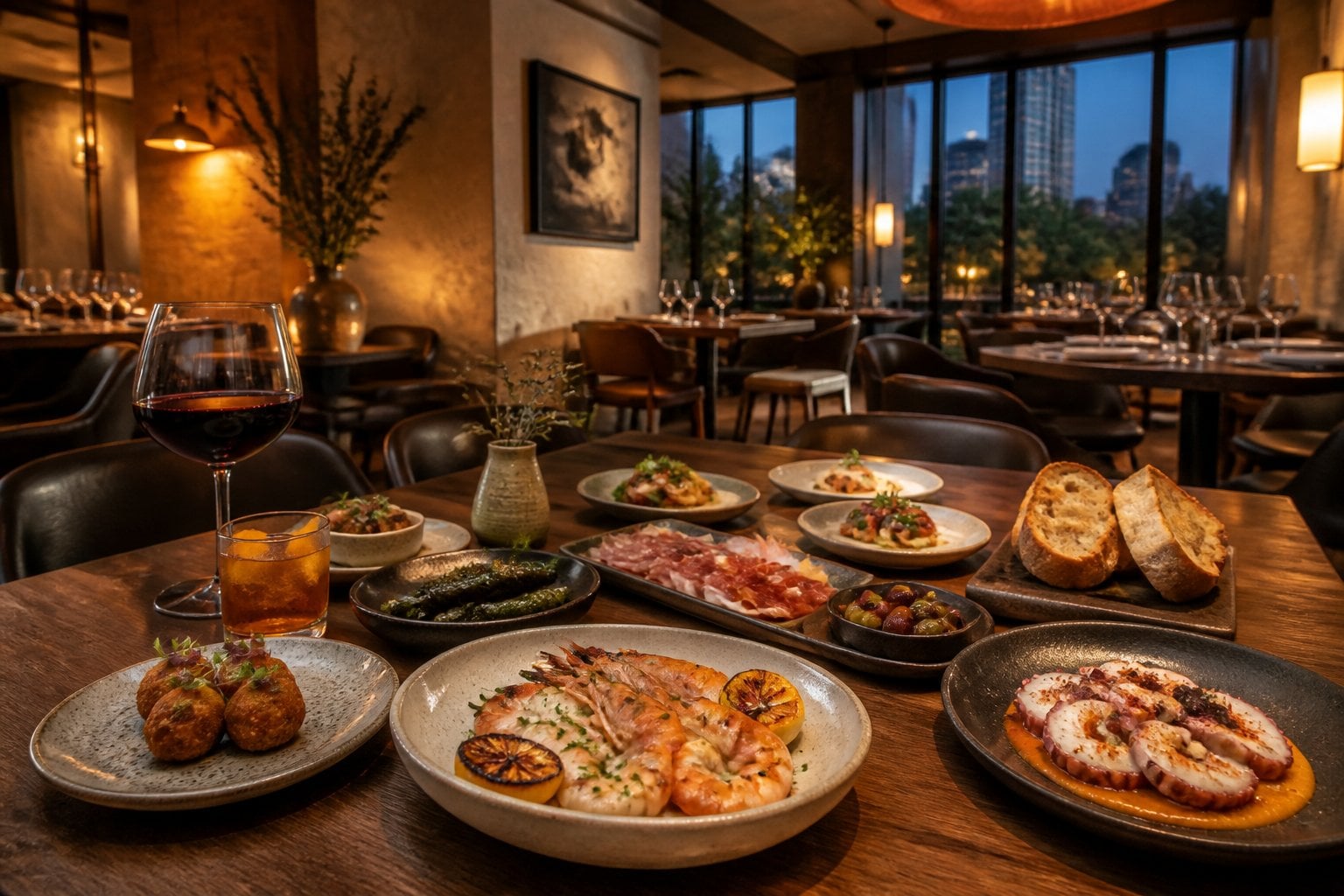
You’ll find this Spanish restaurant tucked inside a 1920s white stucco bungalow in Montrose, a setting that feels more residential than commercial. Chef Luis Roger, who trained under Ferran Adria at elBulli and taught at Aula Gastronomica de l’Emporda in Spain, leads the kitchen here.
The name references Barcelona and the blend of traditional and modern Spanish cooking you’ll encounter on the menu. Seafood dishes stand out, including tender sea cucumber served over lobster rice and thinly sliced octopus paired with potato purée and smoked paprika.
You’ll be served by a staff known for warmth and personality, adding to the experience beyond just the food. BCN has held a Michelin star in both 2024 and 2025, a distinction few Spanish restaurants in the American South can claim. It also earned a spot on OpenTable’s 2025 list of best restaurants in America, the only Houston restaurant to do so.
29. Pappas Bros. Steakhouse, Houston
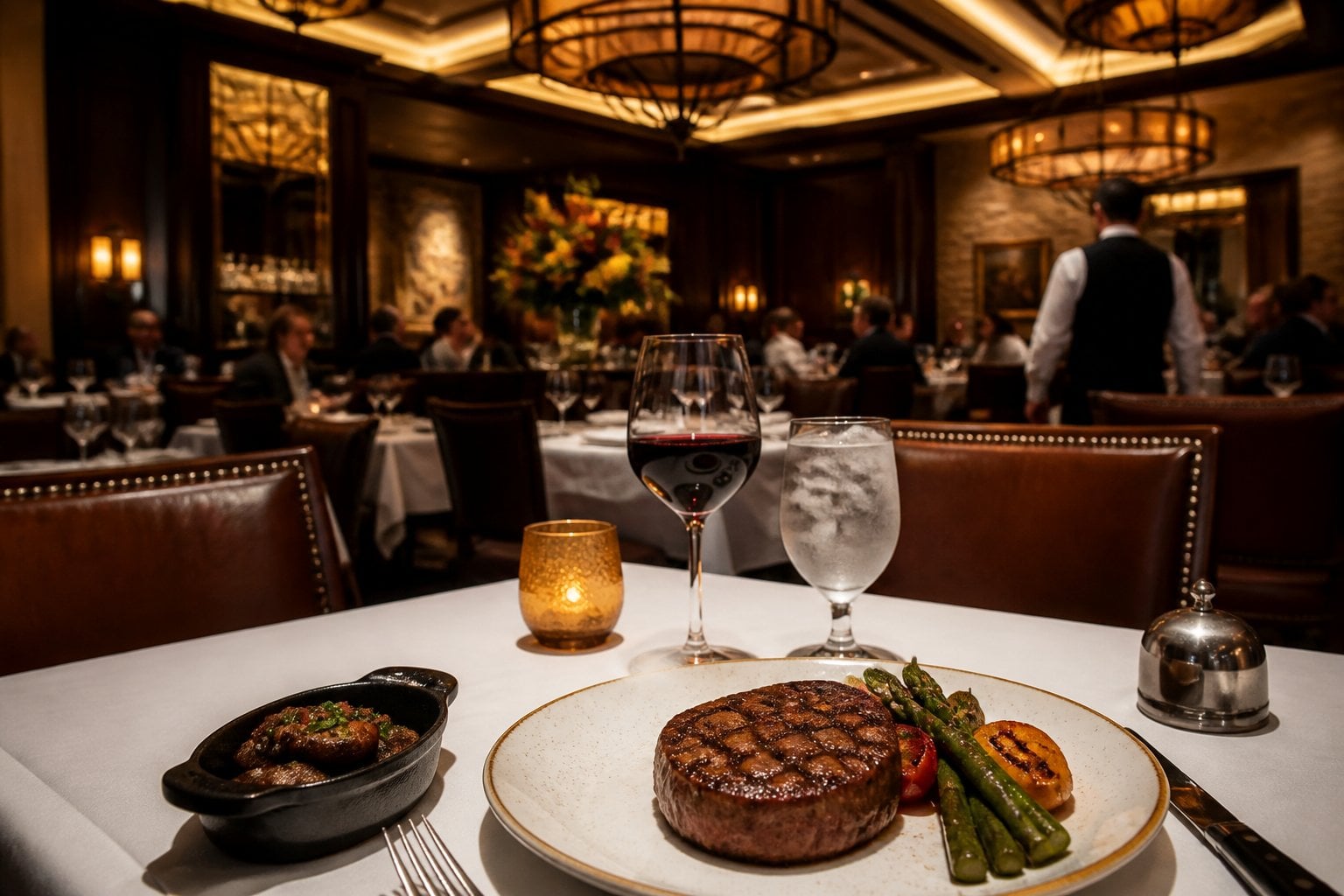
You’ll find Pappas Bros. Steakhouse in Houston’s Galleria area, where it has operated since 1995. A second location opened downtown in 2015.
The restaurant dry-ages its beef in-house, including a 22-ounce bone-in ribeye and a 16-ounce New York strip. You’ll pay premium prices for cuts prepared with attention to detail, from proper searing to consistent seasoning.
The wine program sets this steakhouse apart. Pappas Bros. holds a Wine Spectator Grand Award, a distinction held by only 100 restaurants worldwide and the only one in Texas. You can choose from thousands of selections if wine is part of your dining budget.
Expect classic sides like creamed spinach and onion rings alongside your steak. The atmosphere leans traditional, with dim lighting and formal service that matches the price point. You’re paying for both the beef and the decades of consistency behind it.
30. Le Jardinier, Houston
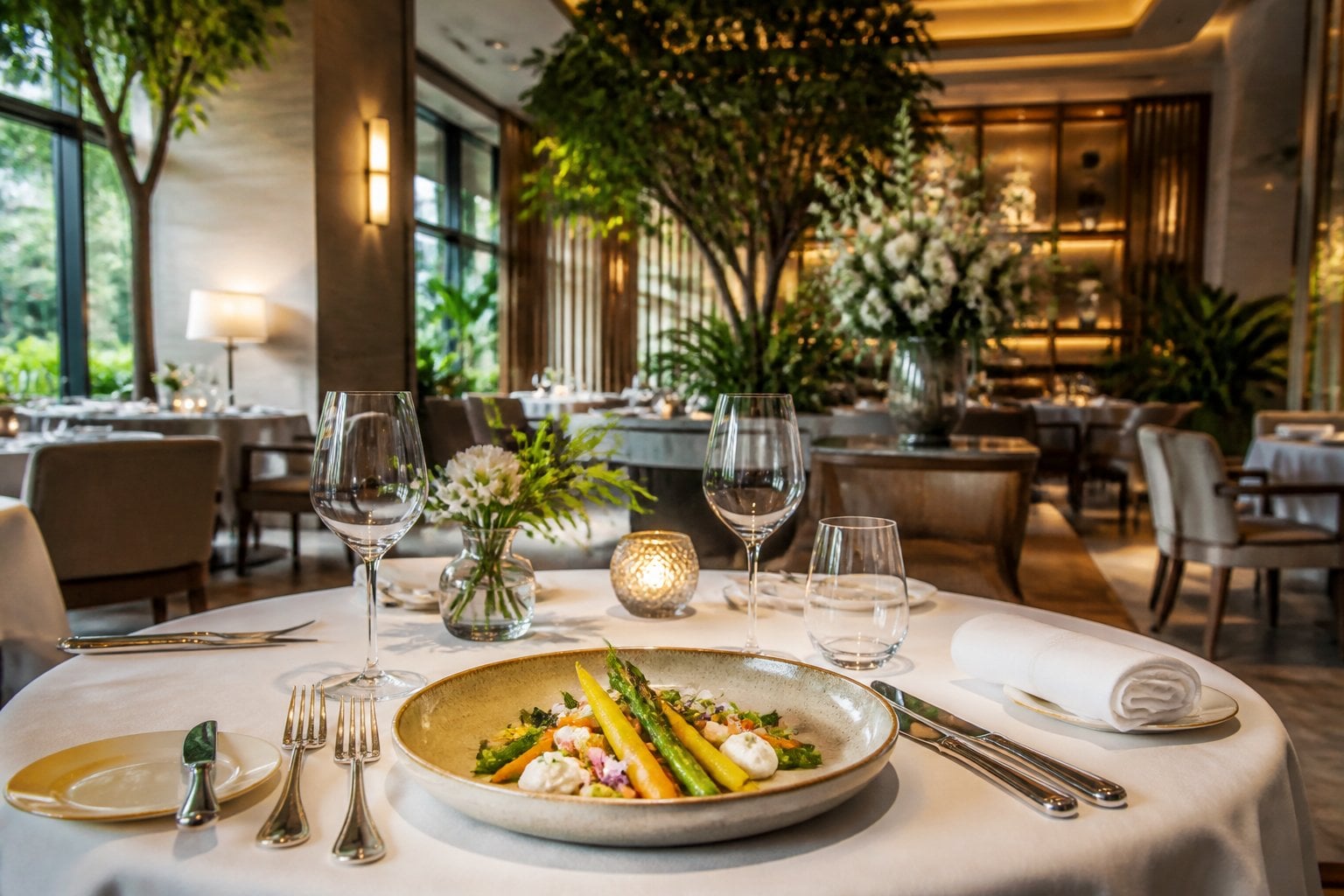
You’ll find Le Jardinier inside the Museum of Fine Arts Houston’s Kinder Building, a setting that shapes the entire experience. Chef Alain Verzeroli brings his French cooking style here, with locations also in Manhattan and Miami.
The menu leans on seasonal vegetables, refined sauces, and dishes that mirror the artistic surroundings. You can expect standout plates like squab pithivier and corn risotto, alongside a $130 turbot meuniere that ranks among the city’s priciest single dishes.
Le Jardinier holds a Michelin star, one of only six Houston restaurants to carry that distinction. You’ll pay accordingly, with prices marked at the top tier ($$$$) for lunch, brunch, and dinner service.
If you’re visiting during Houston Restaurant Weeks, prix fixe menus run from August 1 through September 7, giving you a more accessible entry point into this fine dining spot.
What Drives Fine-Dining Prices in Texas
Several factors combine to push menu prices into premium territory at Texas’s top restaurants. You’ll find that sourcing decisions, service structure, and mandatory fees all contribute to the final bill.
Ingredient Sourcing and Seasonal Menus
You’re paying for quality when you order at a high-end Texas restaurant. Chefs often import Japanese Wagyu, fresh seafood flown in daily, or rare truffles, and these costs get passed directly to you.
Seasonal menus also affect pricing. When a restaurant builds dishes around limited-availability produce or game, you’re covering the premium tied to scarcity and short harvest windows.
Sourcing practices you’ll commonly see include:
- A5 Wagyu beef imported from Japan
- Fresh oysters and seafood flown in from coastal regions
- Locally sourced Texas produce tied to specific growing seasons
- Rare or foraged ingredients, such as truffles or wild mushrooms
These choices directly shape what you pay, since rarity and freshness carry a cost that standard ingredients don’t.
Tasting Menus, Wine Pairings, and Service
Multi-course tasting menus represent one of the largest price drivers you’ll encounter. A chef’s tasting menu can run $150 to $300 per person before add-ons, reflecting the labor and precision behind each course.
Wine pairings add another layer of expense. You’ll often pay $75 to $200 extra for curated pairings, especially if the list includes rare vintages or imported selections.
Service level matters too. Restaurants with extensive staff-to-guest ratios, tableside preparation, or sommelier consultations build those labor costs into your total price.
Taxes, Gratuities, and Additional Fees
Your final bill often includes more than the menu price suggests. Texas imposes a state sales tax on prepared food, and many cities add local taxes on top of that.
Gratuities also factor in. Some restaurants automatically add an 18-22% service charge for parties above a certain size, while others leave tipping to your discretion.
You may also encounter additional fees, such as:
- Corkage fees if you bring your own wine
- Reservation deposits required for high-demand tables
- Private dining surcharges for exclusive seating areas
These charges can raise your total cost well beyond the listed menu prices, so it’s worth checking a restaurant’s policies before you book.
Planning a Special-Occasion Dining Experience
Booking a table at one of Texas’ priciest restaurants takes more preparation than a typical dinner out. You’ll need to secure your reservation well in advance, understand what to wear, and budget for costs that extend past the printed menu prices.
Reservations and Cancellation Policies
At restaurants like Tatsu Dallas or Monarch in Houston, tables can book out weeks or even months ahead, especially for weekend evenings. You should reserve as soon as you settle on a date, particularly around holidays or anniversaries.
Many high-end restaurants now require a credit card to hold your reservation. Some charge a cancellation fee if you cancel with less than 24 or 48 hours’ notice.
Tasting menu restaurants often collect a deposit per person at booking, which gets applied to your final bill. Read the fine print before confirming, since policies vary widely between properties. If your plans could change, ask about the cancellation window directly when you call or book online.
Dress Codes and Dining Etiquette
Most restaurants on this list enforce a business casual or upscale dress code. Some steakhouses and chef’s counters, like Tatsu’s omakase seating, request jackets for men or discourage jeans and sneakers entirely.
Check the restaurant’s website or call ahead if you’re unsure, since standards differ between a Dallas steakhouse and an Austin tasting-menu spot.
Etiquette matters as much as attire. Arrive on time, since many kitchens time courses around your seating. Turn off phone ringers, and avoid photographing other diners. At omakase counters especially, follow the chef’s pacing rather than requesting substitutions or rushing through courses.
Budgeting Beyond the Menu Price
The listed price per person rarely reflects your final bill. Wine pairings, specialty cocktails, and add-on courses like caviar or wagyu upgrades can raise your total by 30% to 50% or more.
Gratuity at fine dining establishments typically runs 20% or higher, and some restaurants automatically add a service charge for large parties. Check your bill for this before tipping separately.
Here’s what to factor in when budgeting:
- Tasting menu supplements (wine pairing, premium ingredients)
- Corkage fees if bringing your own bottle
- Service charges or automatic gratuity
- Valet parking, common at upscale downtown locations
- Pre-dinner drinks or dessert add-ons
Setting aside 25-40% above the base menu price gives you a more realistic total for the evening.


