The 30 Most Peaceful Places to Live in the U.S.: A Comprehensive Guide
Finding a peaceful place to live has become increasingly important for Americans seeking a slower pace of life, stronger community connections, and reduced daily stress.
The United States ranks 128 out of 163 countries on the Global Peace Index, yet numerous cities and towns across the nation offer tranquil environments with low crime rates, natural beauty, and close-knit communities.
Peace means different things to different people, whether that involves quiet neighborhoods, minimal traffic, abundant green spaces, or simply a sense of safety and belonging.
This article examines thirty cities and towns across the United States that consistently rank among the most peaceful places to live based on factors like crime rates, population density, community engagement, and quality of life.
From mountain towns in Colorado to coastal communities in Maine, these locations span diverse regions and climates. The article also explores what makes a community peaceful and the benefits residents experience when they choose tranquility over the hustle of urban centers.
Here are the 30 most peaceful places to live in the U.S.
1. Fort Collins, Colorado
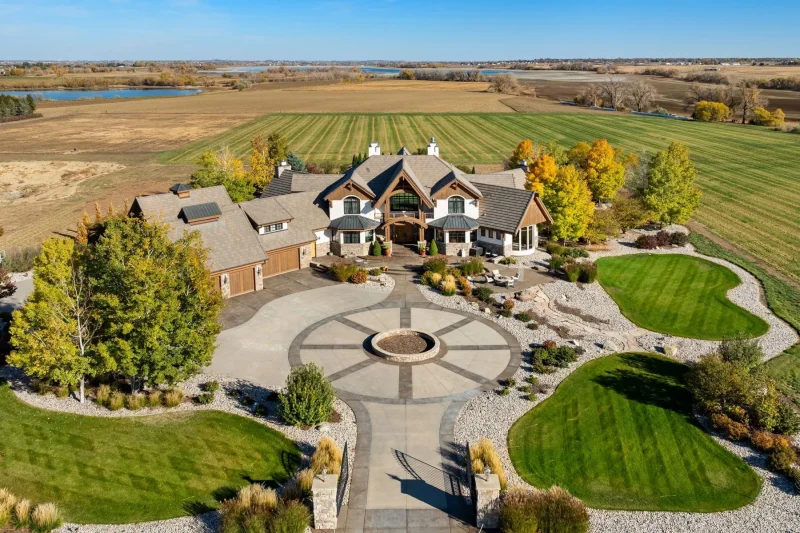
Fort Collins stands out as one of America’s most tranquil cities, earning recognition for its exceptionally low noise pollution levels. Located about an hour north of Denver against the Rocky Mountains, this city of approximately 170,000 residents balances urban amenities with peaceful living.
The city’s noise pollution averages compare to leaves rustling or a whisper, contributing significantly to its peaceful reputation. Fort Collins offers extensive access to parks and outdoor spaces, allowing residents to enjoy nature without traveling far from home.
With a median age around 30 and a vibrant community atmosphere, Fort Collins proves that peaceful living appeals to all generations, not just retirees. The city combines safe neighborhoods, walkable streets, and a strong sense of community with proximity to natural landscapes.
Residents benefit from a relaxed pace of life while maintaining access to cultural amenities, breweries, and recreational activities throughout the year.
2. Asheville, North Carolina
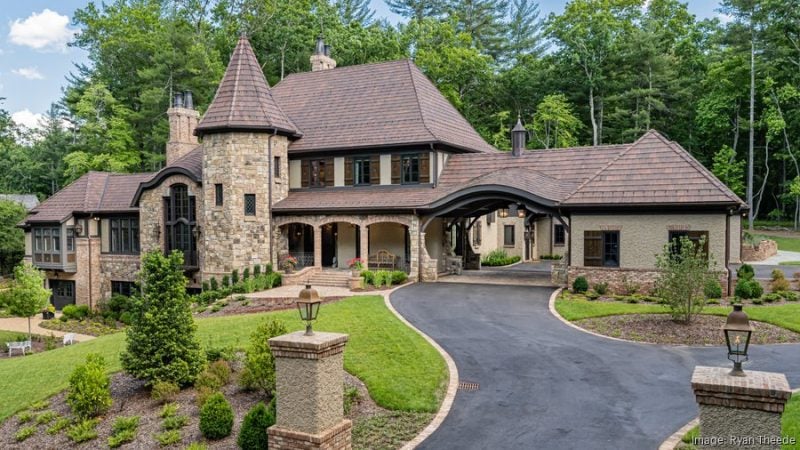
Asheville sits nestled in the Blue Ridge Mountains, offering residents a serene environment surrounded by natural beauty. The city combines peaceful mountain living with access to cultural amenities and outdoor recreation.
North Asheville provides a quiet residential atmosphere while remaining close to downtown activities. The area features tree-lined streets and proximity to hiking trails. Montford showcases historic Victorian homes in a walkable neighborhood setting.
Biltmore Forest offers an upscale residential experience near the famous Biltmore Estate. West Asheville attracts those seeking a laid-back community with local shops and cafes.
The Arden and Fletcher areas south of the city provide suburban tranquility between Asheville and Hendersonville. These communities offer peaceful living while maintaining convenient access to city resources. The surrounding mountains create natural barriers that contribute to the region’s calm atmosphere.
3. Burlington, Vermont
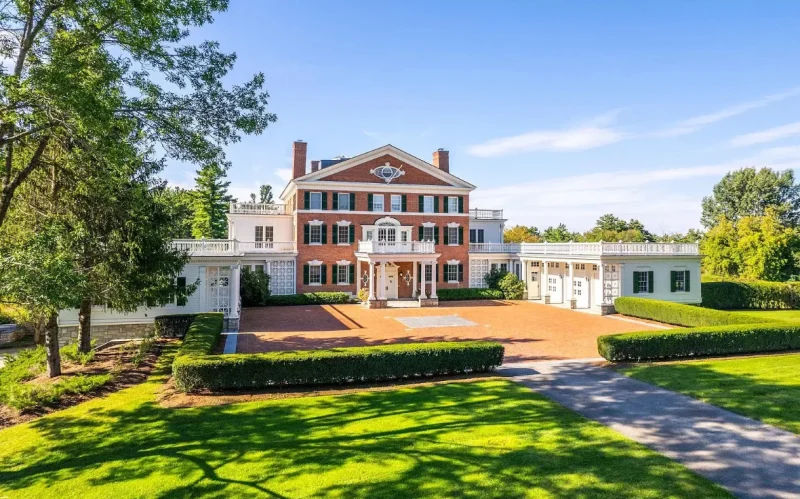
Burlington offers residents a rare combination of small-city charm and natural tranquility. Nestled along Lake Champlain’s eastern shore, this Vermont city provides easy access to waterfront paths, nearby hiking trails, and protected green spaces like Centennial Woods.
The city’s neighborhoods maintain a peaceful character while supporting a vibrant local community. Areas near the University of Vermont feature classic New England architecture and tree-lined streets that encourage walking and outdoor activity.
With Vermont being the second-least populated state, Burlington benefits from minimal traffic congestion and lower noise levels than comparable urban centers. The city’s compact size allows residents to reach most destinations quickly without the stress of lengthy commutes.
Local amenities include farmers markets, independent shops, and cultural venues that foster community connections. The surrounding landscape provides year-round opportunities for quiet recreation, from lake activities in summer to peaceful winter scenes across the region.
4. Bend, Oregon
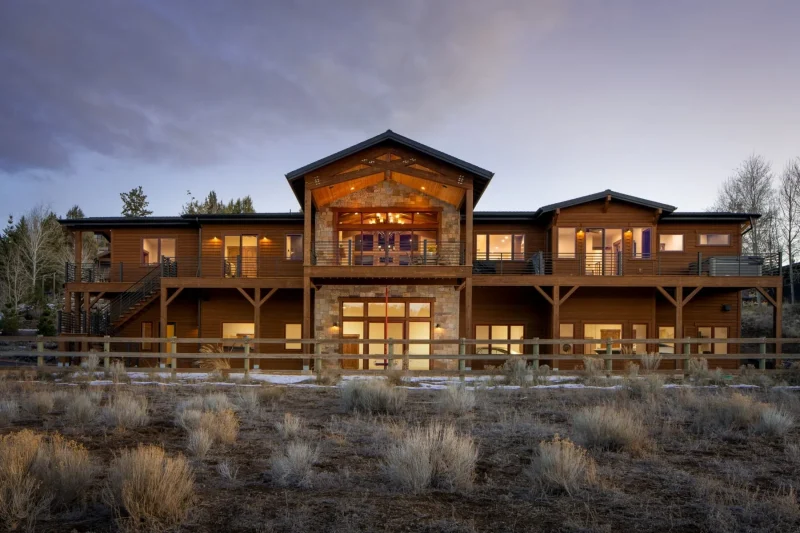
Bend offers a peaceful lifestyle nestled in the high desert of Central Oregon. The city attracts residents seeking tranquility alongside access to natural beauty and outdoor recreation.
The community maintains a relaxed atmosphere while providing modern amenities and services. Downtown Bend features locally-owned shops and restaurants without the congestion common in larger metropolitan areas.
Bend’s neighborhoods each offer distinct characteristics. Northwest Crossing provides walkable streets and community gathering spaces. The Old Bend area showcases historic charm near the city center. Southeast Bend offers more affordable options while maintaining access to parks and trails.
The city’s population of around 100,000 creates a manageable size where traffic remains light and community connections form naturally. Residents benefit from over 300 days of sunshine annually and proximity to the Cascade Mountains.
5. Boise, Idaho
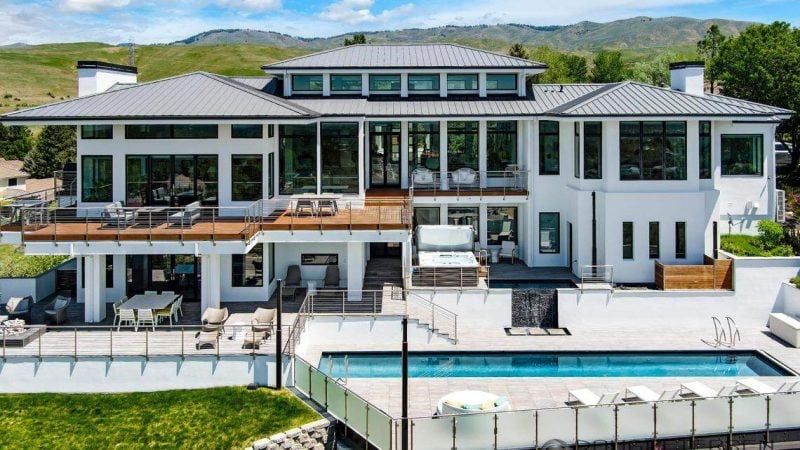
Boise stands out as one of the most peaceful cities in the United States, combining low crime rates with a family-friendly atmosphere. The Idaho capital offers residents a relaxed lifestyle amid natural surroundings, with easy access to outdoor recreation and mountain scenery.
The city has earned recognition for its quality of life, ranking 15th among the best places to live in the United States. Boise maintains an affordable cost of living compared to many metropolitan areas while providing good employment opportunities.
Located in the Treasure Valley along the Snake River Plain, Boise attracts those seeking a quieter pace of life without sacrificing urban amenities. The city’s reputation for safety and community-oriented neighborhoods makes it particularly appealing to families and retirees alike.
6. Santa Fe, New Mexico
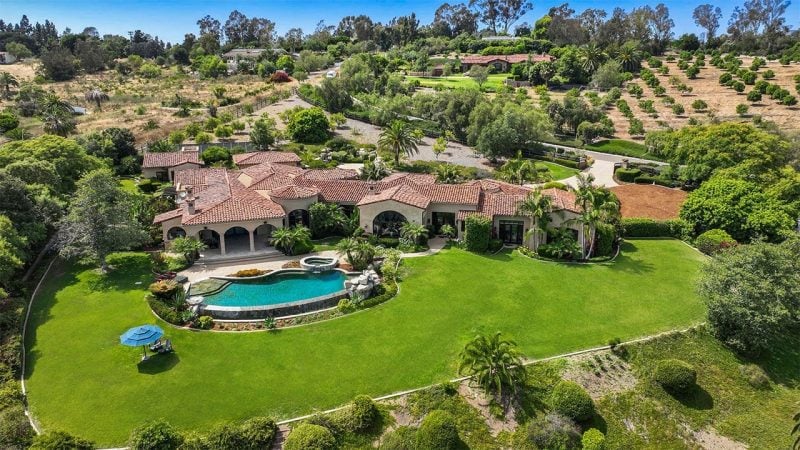
Santa Fe offers residents a serene mountain setting tucked against the Sangre de Cristo foothills. The city’s Pueblo-style architecture and artistic heritage create a distinct atmosphere that sets it apart from typical American cities.
The neighborhoods here prioritize quiet living and cultural richness over urban hustle. Most areas feature low traffic and spacious properties that buffer noise. Housing costs run approximately 6.5% above the national average, though other living expenses tend to fall below it.
The city blends Native American, Hispanic, and Anglo cultures into a cohesive community where art galleries and museums anchor daily life. Residents enjoy access to hiking trails and natural landscapes while maintaining proximity to downtown amenities.
Santa Fe’s commitment to preserving its historic character means strict building codes and careful urban planning. This creates consistent architectural harmony throughout residential areas and limits disruptive development.
7. Charleston, South Carolina
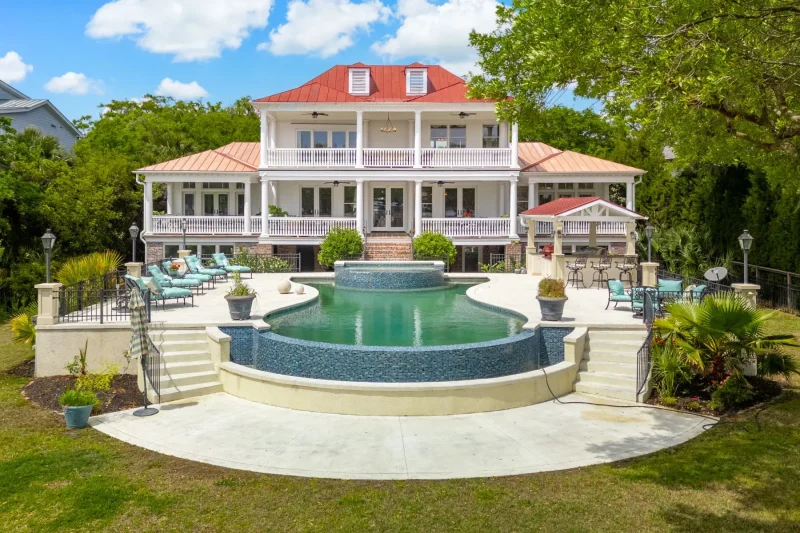
Charleston offers residents a unique combination of historic charm and coastal tranquility. The city’s tree-lined streets and well-preserved architecture create a calming atmosphere that appeals to those seeking a slower pace of life.
The downtown peninsula features quiet residential areas south of Broad Street, where historic homes sit alongside peaceful gardens. These neighborhoods provide refuge from urban noise while maintaining walkability to local amenities.
Charleston’s proximity to beaches and waterways gives residents easy access to natural spaces. The Ashley and Cooper Rivers frame the city, offering opportunities for peaceful activities like kayaking and waterfront walks.
The area has seen significant growth in recent years, yet many neighborhoods retain their residential character. Mount Pleasant and James Island provide suburban alternatives with lower density and family-friendly environments. The city’s strong sense of community and preservation efforts help maintain its peaceful qualities despite expansion.
8. Camden, Maine
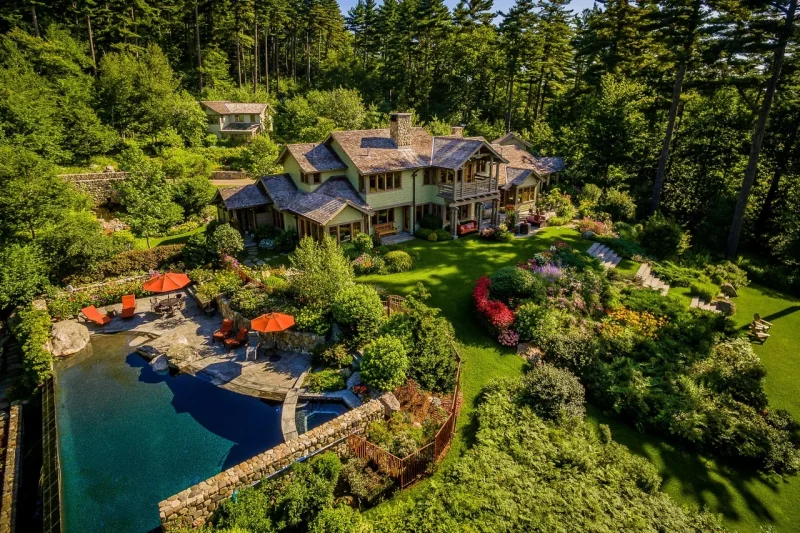
Camden sits where the Camden Hills meet Penobscot Bay, creating a natural setting that encourages a slower pace of life. The harbor anchors the town’s character, lined with working sailboats and local shops that serve a population of just over 6,000 residents.
Mount Battie provides accessible hiking trails and overlooks of the coastline. The waterfront remains walkable year-round, with local restaurants and businesses maintaining a community focus rather than tourist-driven operations.
Safety ranks as a notable feature, with Camden recording crime rates well below national averages. The town combines coastal access with mountain proximity, giving residents varied outdoor options within minutes of home.
Winter brings a quieter atmosphere as seasonal visitors depart, leaving the town to its residents. This seasonal rhythm contributes to Camden’s reputation as a place where community ties strengthen and daily life maintains a steady, unhurried quality.
9. Ithaca, New York
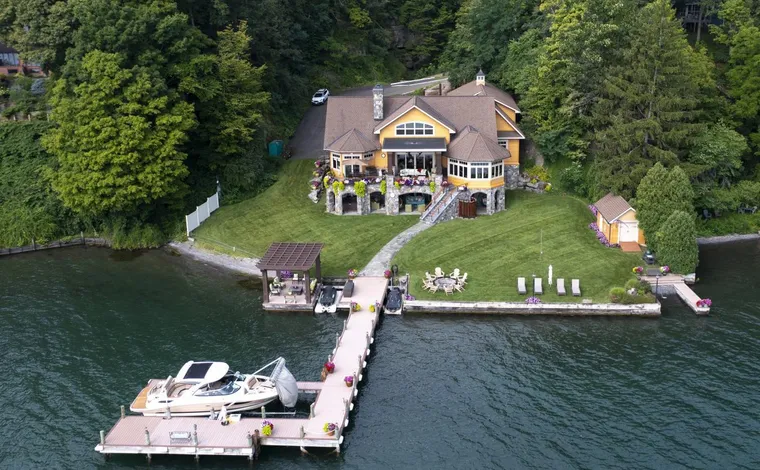
Ithaca sits in the Finger Lakes region of New York, about 200 miles northwest of Manhattan. This college town serves as home to Cornell University and Ithaca College, creating a vibrant cultural atmosphere within a natural setting.
The city offers a unique combination of urban amenities and rural tranquility. Residents enjoy access to numerous waterfalls and gorges that characterize the landscape. Buttermilk Falls State Park provides opportunities for hiking and outdoor recreation just minutes from downtown.
The downtown Commons area functions as a social gathering place, featuring local shops and restaurants. The community maintains a population of over 30,000 people, large enough to support diverse activities while remaining manageable in scale.
Home prices in Ithaca are considerably lower than New York State’s average, making it an accessible option for those seeking peaceful living in an educated, nature-focused community.
10. Naples, Florida
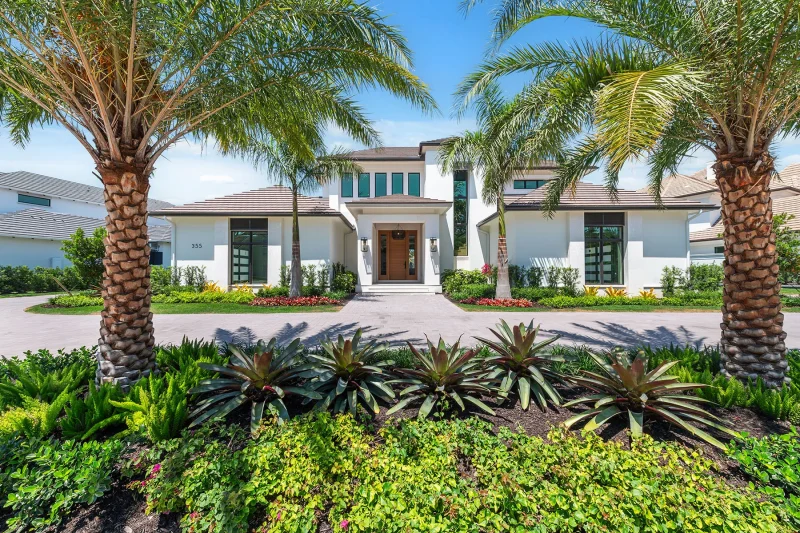
Naples earned recognition as the top-ranked place to live in the U.S. News Best Places to Live 2024-2025 ranking. This Gulf Coast city attracts residents seeking a tranquil lifestyle with natural beauty and refined amenities.
The area features pristine white sand beaches, including Vanderbilt Beach and the Naples Pier. With over 250 days of sunshine annually, residents enjoy consistent access to outdoor activities like boating and kayaking in calm waters.
The city balances peaceful residential neighborhoods with cultural offerings. High-end shopping districts and sophisticated dining options provide convenience without overwhelming the relaxed atmosphere. Well-maintained golf courses and parks contribute to the serene environment.
Naples appeals to those prioritizing a quiet coastal lifestyle. The combination of natural surroundings, low-key recreational opportunities, and stable weather patterns creates conditions favorable for peaceful living.
11. Madison, Wisconsin
Madison offers residents a distinctive combination of natural surroundings and cultural amenities that contribute to its peaceful atmosphere. The city sits near five large lakes, providing scenic water views and outdoor recreation opportunities throughout the year.
Home to the University of Wisconsin-Madison, the city maintains a vibrant intellectual community without sacrificing its calm residential character. Many neighborhoods feature tree-lined streets and well-maintained parks that encourage quiet outdoor activities.
The metropolitan area consistently ranks among the best places to live in the United States due to its balanced lifestyle. Housing costs exceed the Wisconsin state average, reflecting demand for the city’s quality of life.
Madison’s size allows residents to access urban conveniences while avoiding the intensity of larger metropolitan areas. The combination of natural beauty, educational resources, and manageable population density makes it an appealing choice for those seeking tranquility.
12. Flagstaff, Arizona
Flagstaff offers residents a peaceful mountain town atmosphere at 7,000 feet elevation in northern Arizona. The city combines small-town charm with access to outdoor recreation and natural beauty.
The community maintains a relaxed pace compared to Arizona’s larger metropolitan areas. Pine forests and proximity to the San Francisco Peaks create a distinctive setting that differs from typical desert landscapes.
Flagstaff features diverse neighborhoods that accommodate various budgets and lifestyles. The cost of living runs higher than the national average, but residents gain access to quality schools and community amenities.
The city’s location provides convenient access to national parks and outdoor activities year-round. Flagstaff experiences four distinct seasons, including snowy winters that appeal to those seeking cooler temperatures in Arizona.
Local culture centers around outdoor pursuits, family-friendly activities, and a university presence that adds educational and cultural opportunities.
13. Eugene, Oregon
Eugene stands as Oregon’s second-largest city, offering residents a blend of natural beauty and cultural vitality. The city provides access to outdoor recreation while maintaining a strong arts community that attracts those seeking a balanced lifestyle.
The neighborhoods in Eugene cater to different preferences, with areas like Crest Drive consistently ranking among the most desirable places to establish residence. Tree-lined streets and green spaces contribute to the city’s tranquil atmosphere.
Crime statistics and safety metrics are available for those researching specific areas within Eugene. The city’s proximity to wine country and the Pacific coast adds to its appeal without overwhelming daily life with tourist crowds.
Eugene’s population size allows for urban amenities while preserving a more relaxed pace compared to larger metropolitan areas. The combination of educational institutions, parks, and community engagement creates an environment conducive to peaceful living.
14. Fairbanks, Alaska
Fairbanks offers a unique form of tranquility shaped by its remote northern location and sparse population density. The city provides residents with vast stretches of unspoiled wilderness and minimal urban congestion.
The community maintains a slower pace of life compared to major metropolitan areas. Neighborhoods in Fairbanks are known for their friendly atmosphere and strong sense of community connection. The city’s isolation from larger population centers contributes to reduced traffic and noise pollution.
Housing costs in Fairbanks remain below Alaska’s state average, making it accessible for those seeking peaceful living. The surrounding natural environment provides extensive opportunities for solitude and outdoor recreation.
Winter brings the aurora borealis, while summer offers nearly continuous daylight. These natural phenomena create a distinctive living experience defined by dramatic seasonal changes and connection to the Arctic landscape.
15. Portland, Maine
Portland offers a rare blend of urban amenities and coastal tranquility that attracts those seeking a peaceful lifestyle. The city maintains a low crime rate while providing access to cultural attractions, historic architecture, and a thriving arts scene. Residents benefit from a strong sense of community and shared commitment to preserving natural beauty.
The waterfront location provides year-round recreational opportunities without the overwhelming crowds found in larger metropolitan areas. Portland’s neighborhoods feature tree-lined streets and historic homes that contribute to the city’s calm atmosphere. Local parks and nearby beaches offer quiet spaces for relaxation and outdoor activities.
The city’s manageable size allows residents to avoid lengthy commutes and traffic congestion common in larger urban centers. Portland maintains small-town charm while offering restaurants, galleries, and entertainment options that enhance quality of life without sacrificing serenity.
16. Ann Arbor, Michigan
Ann Arbor ranks among the most peaceful places to live in the United States, consistently appearing in national quality-of-life rankings. The city of approximately 120,000 residents offers a manageable scale where most destinations lie within a 20-minute drive.
The community benefits from abundant green spaces and low noise levels, key factors in its peaceful designation. West Park and other preserved natural areas provide residents with quiet outdoor retreats throughout the city.
Ann Arbor’s location in southeast Michigan combines accessibility with tranquility. The city features award-winning school systems and a vibrant cultural scene anchored by the University of Michigan.
The community’s commitment to environmental stewardship contributes to its calm atmosphere. Mature trees line streets and parks, creating natural buffers that enhance the sense of serenity residents experience daily.
17. Durango, Colorado
Durango sits at the foot of the San Juan Mountains with a population just over 19,000 residents. The small city offers natural beauty and a close-knit community atmosphere that appeals to those seeking tranquility.
The town’s manageable size contributes to its peaceful character while still providing cultural attractions and historical sites. Residents enjoy access to outdoor recreation without the crowds found in larger Colorado cities.
The median home price in Durango is $530,300, reflecting higher costs than the state average of $541,803. The housing market has shown appreciation of 20.9% over the past year.
Multiple neighborhoods offer different lifestyles, from nature-surrounded areas to downtown locations. The community ranks favorably among Colorado living destinations, particularly for those drawn to mountain environments. Durango balances outdoor adventure opportunities with the calm of small-town living.
18. Lexington, Kentucky
Lexington offers a tranquil lifestyle in Kentucky’s Bluegrass region, combining Southern hospitality with scenic countryside. The city consistently ranks as one of the safer metropolitan areas in the United States, with crime rates below the national average for cities of similar size.
The median home price sits just over $370,000, making it an accessible option compared to other mid-sized cities. Neighborhoods range from historic areas like Ashland Park to quiet suburban communities with renovated Neocolonial and Craftsman homes.
The city’s equestrian heritage and thoroughbred farms contribute to its peaceful atmosphere. Rolling bluegrass hills surround the urban center, providing residents with easy access to natural scenery. Downtown Lexington maintains a manageable scale while offering cultural amenities and local shops.
The blend of affordable housing, low crime rates, and natural beauty makes Lexington an appealing choice for those seeking a calmer pace of life.
19. Chattanooga, Tennessee
Chattanooga offers residents a tranquil lifestyle nestled among the scenic Tennessee River and surrounding mountains. The city combines natural beauty with urban convenience, creating an environment that feels removed from the stress of larger metropolitan areas.
The cost of living remains reasonable, with home prices hovering around the state average of $285,087. This affordability allows residents to enjoy a comfortable lifestyle without financial strain.
Neighborhoods like East Brainerd and St. Elmo provide family-friendly atmospheres with access to parks and local amenities. The Northshore area attracts those seeking a more vibrant community feel while maintaining a peaceful residential character.
Outdoor recreation opportunities abound, from hiking trails to river activities. The city’s compact size means shorter commutes and less traffic congestion than major urban centers. Chattanooga’s blend of natural surroundings and manageable urban development makes it an appealing choice for those prioritizing peace and quality of life.
20. Bedford, Massachusetts
Bedford sits in Middlesex County as a peaceful suburb of Boston with a population of around 14,000 residents. The town spans 16 square miles and is known for its natural beauty and quiet neighborhoods.
Clean air and low crime rates contribute to Bedford’s reputation as one of Massachusetts’ safest communities. The town features numerous parks and green spaces that enhance its tranquil suburban character.
Residents appreciate the convenient location that provides quick access to Boston and Cambridge while maintaining a distinctly peaceful atmosphere. Bedford offers local coffee shops, parks, and trails that support a relaxed lifestyle. The town’s dense suburban feel means most residents own their homes in this well-established community.
The area balances historical heritage with modern amenities, making it an attractive option for those seeking a calm residential environment near major urban centers.
21. Marquette, Michigan
Marquette sits on the shores of Lake Superior in Michigan’s Upper Peninsula, offering residents a peaceful lifestyle centered around natural beauty. The city has a population of approximately 20,000 people and provides a dense suburban atmosphere where most residents rent their homes.
The community attracts outdoor enthusiasts with access to hiking, skiing, and snowmobiling opportunities. Outside Magazine recognized Marquette as one of the “10 Best Towns for Outdoor Enthusiasts.”
Downtown Marquette features numerous bars and parks, creating spaces for community connection without urban congestion. The city balances cultural attractions with its natural surroundings, providing residents with both recreational activities and quieter living.
Marquette has appeared on multiple national rankings for livability and quality of life. The affordable cost of living combined with access to Lake Superior’s coastline makes it an appealing choice for those seeking tranquility.
22. Corvallis, Oregon
Corvallis sits in the Willamette Valley, approximately 50 miles inland from the Pacific coast. The city offers mild weather throughout the year and access to natural surroundings that appeal to outdoor enthusiasts.
The community maintains a quiet atmosphere while providing the amenities of a university town. Home to Oregon State University, Corvallis blends academic culture with residential neighborhoods that cater to families, professionals, and retirees.
Northwest Corvallis features established homes near McDonald-Dunn Forest. Timberhill offers newer construction with valley views. South Corvallis is known for community gardens and environmentally conscious living.
Housing costs in Corvallis align closely with Oregon’s state average of $472,135. The city provides a balance between affordability and quality of life compared to larger Pacific Northwest cities. Residents benefit from low crime rates and a welcoming community atmosphere that supports those seeking a peaceful environment.
23. Nashua, New Hampshire
Nashua stands as New Hampshire’s second-largest city, offering residents a peaceful blend of urban convenience and suburban tranquility. Located in southern New Hampshire near the Massachusetts border, the city provides easy access to major metropolitan areas while maintaining its quiet character.
The city consistently ranks among the best places to live in the state, drawing families and young professionals seeking a calmer lifestyle. Its revitalized downtown features a walkable environment with local shops and restaurants, while surrounding residential neighborhoods offer tree-lined streets and well-maintained parks.
Crime rates remain relatively low compared to many American cities of similar size. The community hosts regular events that bring neighbors together without the noise and congestion found in larger urban centers. Housing options range from historic homes to modern developments, accommodating various preferences and budgets.
24. Decatur, Georgia
Decatur offers a peaceful suburban lifestyle just outside Atlanta, consistently ranking as one of Georgia’s top communities. The city of approximately 24,000 residents provides an urban-suburban mix with tree-lined streets and walkable neighborhoods.
The community features numerous parks, local coffee shops, and restaurants that create a relaxed atmosphere. Residents benefit from strong public schools and low crime rates compared to nearby metropolitan areas.
Home ownership is common in Decatur, with many families choosing to settle in established neighborhoods. The city’s compact downtown area encourages community interaction while maintaining a calm environment.
Property values reflect the area’s desirability, with homes priced above Georgia’s state average. Decatur attracts those seeking a peaceful alternative to city living without sacrificing access to Atlanta’s amenities and job opportunities.
25. Traverse City, Michigan
Traverse City sits along Grand Traverse Bay on Lake Michigan’s eastern shore, offering residents a tranquil environment away from major metropolitan areas. With a population of approximately 15,500, the city maintains a manageable size while providing essential urban amenities.
The area features numerous parks and natural spaces that contribute to its peaceful atmosphere. Residents enjoy access to lakefront recreation without the congestion found in larger cities.
The community attracts young professionals seeking a quieter lifestyle, with many choosing to own homes in neighborhoods that reflect a dense suburban character. Crime rates remain low compared to national averages, adding to the sense of security.
Traverse City balances small-town calm with practical conveniences, making it appealing to those prioritizing a peaceful living environment. The location between Detroit and Milwaukee provides sufficient distance from major urban centers while maintaining regional connectivity.
26. Great Falls, Montana
Great Falls offers a peaceful lifestyle anchored by its location along the Missouri River and surrounded by Montana’s expansive landscapes. Known as the “Electric City” for its hydroelectric heritage, the community maintains a laid-back atmosphere that appeals to those seeking tranquility.
The city provides access to outdoor recreation without the crowds found in larger Montana destinations. Housing costs remain below the state average of $369,656, making it an accessible option for various budgets.
Neighborhoods like Fox Farm offer established residential areas with diverse housing options, while Riverview provides views of the river. Sun River Valley attracts those wanting larger properties in more rural settings.
The Great Falls area combines small-town living with adequate healthcare and essential services. Its Montana setting delivers the natural beauty and open spaces that define peaceful living in Big Sky Country.
27. Olympia, Washington
Olympia serves as Washington’s capital city and offers residents a calmer alternative to the bustle of Seattle. The city combines small-town accessibility with the natural beauty of the Pacific Northwest.
Located along Puget Sound, Olympia provides easy access to parks, trails, and waterfront areas for outdoor recreation. The surrounding landscapes include forests and mountains that appeal to nature enthusiasts seeking tranquility.
The community maintains a manageable size while offering urban amenities like local restaurants, cultural activities, and educational institutions. Neighborhoods range from quiet residential areas to more active districts near downtown.
Olympia’s position as the state capital brings stability without the intensity of larger metropolitan areas. Families and retirees often choose the area for its balanced lifestyle and proximity to both natural spaces and city conveniences. The region serves as a practical base for those valuing peaceful living with reasonable access to larger cities when needed.
28. Bellingham, Washington
Bellingham offers residents a tranquil Pacific Northwest lifestyle nestled between the Cascade Mountains and Bellingham Bay. The city’s moderate population provides a calm atmosphere while maintaining access to modern amenities and cultural offerings.
Neighborhoods like Sehome and South Hill attract those seeking peaceful residential environments. South Hill features elevated views overlooking the bay, while areas such as Fairhaven provide historic charm with walkable streets. Columbia is known for its family-friendly character and quiet residential blocks.
The surrounding natural environment contributes significantly to the area’s serene quality of life. Residents enjoy proximity to hiking trails, waterfront parks, and outdoor recreational opportunities without the congestion of larger metropolitan areas.
Bellingham’s housing costs remain comparable to Washington state averages at approximately $577,850. The city balances small-town tranquility with practical conveniences, making it appealing for families and professionals seeking a slower-paced lifestyle in the Pacific Northwest.
29. Sedona, Arizona
Sedona offers residents a serene lifestyle surrounded by striking red rock formations and natural beauty. This small city of just over 10,000 people has earned recognition as one of Arizona’s most peaceful destinations.
The town provides an escape from urban noise while maintaining essential amenities. Residents enjoy access to numerous hiking trails and outdoor recreation opportunities throughout the year.
Sedona’s compact size creates a tight-knit community atmosphere. The absence of major industrial development helps preserve the area’s tranquil character.
While tourism brings seasonal visitors to experience the landscape, established neighborhoods maintain their quiet appeal. The surrounding Coconino National Forest provides additional buffer from development and noise.
The combination of natural surroundings, manageable population size, and distance from major metropolitan areas makes Sedona an attractive option for those seeking peaceful living in Arizona.
30. Shorewood, Wisconsin
Shorewood is a suburb of Milwaukee with a population of approximately 13,700 residents. The community offers an urban-suburban blend that appeals to those seeking peaceful living near a major city.
The village features numerous parks, tree-lined streets, and access to Lake Michigan’s shoreline. These natural amenities provide residents with quiet outdoor spaces for recreation and relaxation.
Shorewood has earned recognition as one of Wisconsin’s better places to live. The area maintains a walkable layout with local coffee shops, restaurants, and independently owned businesses that foster a neighborhood atmosphere.
The community’s location allows residents to enjoy suburban tranquility while maintaining proximity to Milwaukee’s cultural and employment opportunities. Most residents rent their homes, and the area attracts individuals and families looking for a balanced lifestyle between urban convenience and residential calm.
Key Factors That Create a Peaceful Community
A truly peaceful place to live depends on measurable safety indicators, access to natural surroundings, and the strength of local community bonds. These elements work together to create environments where residents experience lower stress levels and higher quality of life.
Low Crime Rates and Safety
Crime statistics serve as the foundation for measuring community peace. Cities with violent crime rates 30-40 percent below the national average consistently rank among the most peaceful places to live in America. Property crime rates matter equally, as residents need security in their homes and neighborhoods.
Law enforcement presence and response times directly impact how safe people feel in their daily lives. Communities with well-funded police departments and neighborhood watch programs report higher satisfaction with local safety. Emergency services accessibility also plays a role, particularly in suburban and rural areas where response times can vary significantly.
Safe communities typically feature well-lit streets, maintained public spaces, and active crime prevention programs. These visible security measures reduce both actual crime and the fear of crime. Traffic safety regulations and pedestrian-friendly infrastructure contribute to overall community safety beyond traditional crime metrics.
Natural Environment and Green Spaces
Access to parks, trails, and natural areas provides residents with stress-reducing outdoor environments. Studies show that proximity to green spaces correlates with better mental and physical health outcomes. Cities with abundant parks and recreational areas give residents options for exercise, relaxation, and social activities.
Noise pollution levels significantly affect perceived peacefulness. Communities with lower decibel readings from traffic, industry, and urban density create calmer living conditions. Residential zoning that separates industrial areas from neighborhoods helps maintain quieter environments.
Air quality and environmental cleanliness also contribute to peaceful living conditions. Areas with minimal industrial pollution and well-maintained public spaces feel more tranquil. Water features like lakes, rivers, and coastlines add natural elements that many residents find calming.
Community Engagement and Programs
Strong social connections between neighbors create supportive environments where people feel connected. Communities with active neighborhood associations, volunteer groups, and local events foster these relationships. Residents who know their neighbors report feeling safer and more satisfied with their living situations.
Local government responsiveness to citizen concerns builds trust and reduces frustration. Towns with accessible city councils and transparent decision-making processes give residents voices in shaping their communities. Regular town halls and public forums strengthen these democratic connections.
Community programs for different age groups ensure everyone has opportunities for engagement. Libraries, recreation centers, and cultural organizations provide gathering spaces beyond commercial venues. These public resources create shared experiences that unite diverse populations.
Benefits of Living in a Peaceful Place
Living in a peaceful environment delivers measurable improvements to daily life through reduced stress exposure, better sleep quality, and stronger community connections. These advantages extend beyond simple comfort to create lasting positive effects on physical wellness, mental clarity, and personal development.
Physical and Mental Health Advantages
Peaceful locations typically feature lower noise pollution levels, which directly correlates with reduced cardiovascular stress and improved sleep patterns. Studies have shown that chronic noise exposure elevates cortisol levels and blood pressure, while quiet environments allow the body’s stress response systems to function normally.
Access to natural spaces in tranquil communities encourages regular physical activity. Residents can walk, hike, or bike without navigating heavy traffic or crowded sidewalks. This increased movement supports cardiovascular health, maintains healthy weight levels, and strengthens immune function.
Mental health benefits manifest through decreased anxiety and depression rates. The absence of constant urban stimulation allows for better cognitive rest and emotional regulation. Quiet surroundings also improve concentration and productivity, as the brain expends less energy filtering out disruptive background noise.
Enhanced Quality of Life
Lower crime rates in peaceful communities create an environment where residents feel secure in their neighborhoods. This security translates to practical freedoms like evening walks, children playing outdoors unsupervised, and reduced spending on home security measures.
Strong social bonds develop more readily in tranquil settings. Smaller populations and slower paces allow for meaningful interactions with neighbors and local business owners. These connections build support networks that prove valuable during personal challenges or emergencies.
Economic stability often accompanies peaceful areas, with reliable local economies and good educational institutions. Residents benefit from consistent property values and access to quality schools without the financial burden of major metropolitan areas.
Opportunities for Personal Growth
Peaceful environments provide the mental space necessary for creative pursuits and self-reflection. Artists, writers, and entrepreneurs often seek quiet locations specifically because reduced distractions enable deeper focus on projects and goals.
The natural settings common in tranquil areas offer opportunities for developing new hobbies and skills. Residents can learn outdoor activities like kayaking, birdwatching, gardening, or photography with readily available resources and space.
Time becomes more flexible in peaceful communities. Without lengthy commutes or constant social obligations, residents gain hours each week to invest in personal interests, family relationships, or skill development that enhances career prospects and life satisfaction.