The 30 Richest College Towns in the U.S.: Where Academic Excellence Meets Extraordinary Wealth
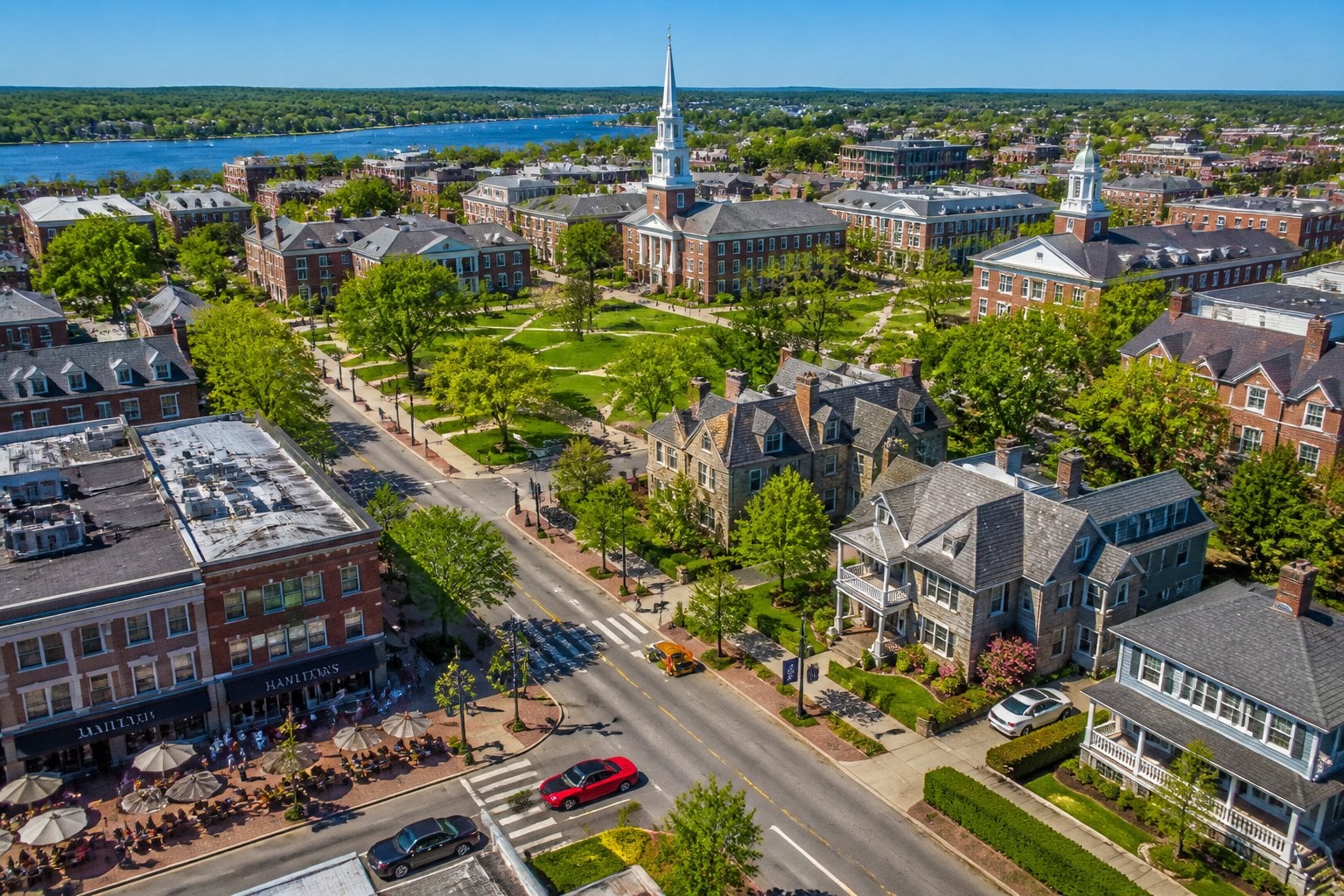
College towns across America vary dramatically in their economic profiles, with some communities combining academic excellence with exceptional levels of wealth and prosperity.
These affluent college towns exist where prestigious universities intersect with thriving local economies, high property values, and residents who enjoy elevated standards of living.
Understanding which college communities rank among the nation’s wealthiest reveals important patterns about education, economics, and opportunity in the United States.
The wealthiest college towns in America span from historic Ivy League communities in the Northeast to technology-driven university cities on the West Coast, each offering unique combinations of academic prestige and economic prosperity.
You’ll find that these communities often feature world-renowned research institutions, robust job markets beyond the university sector, and demographics that include both accomplished faculty and successful professionals drawn to university-adjacent living.
The concentration of wealth in these towns shapes everything from local real estate markets to cultural amenities and community resources.
1. Princeton, New Jersey
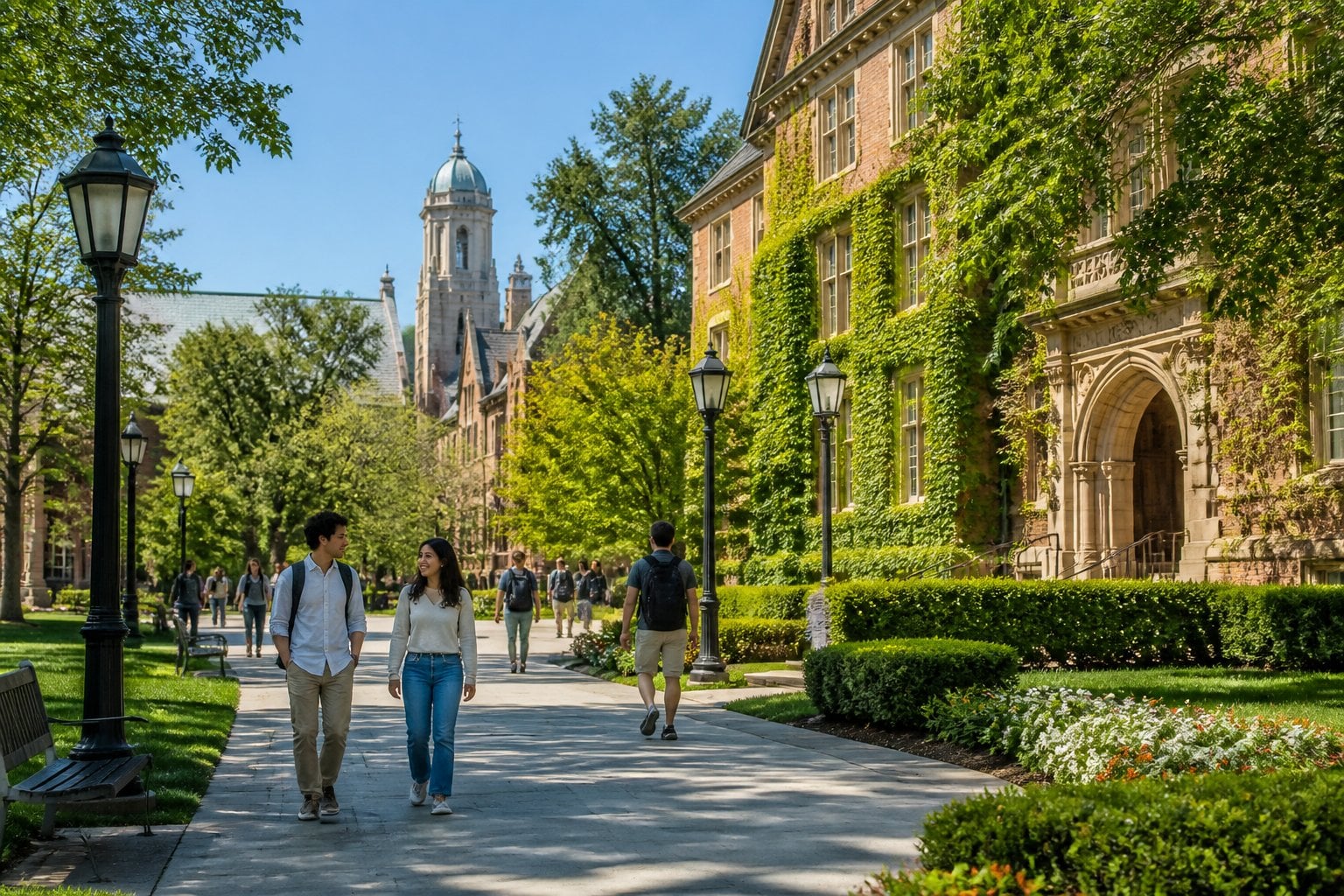
Princeton stands as one of America’s wealthiest college towns, anchored by the prestigious Ivy League university that bears its name. The town’s median household income significantly exceeds the national average, reflecting its status as both an academic hub and affluent community.
You’ll find Princeton’s wealth extends beyond its world-renowned university. The town attracts accomplished professionals, researchers, and executives who contribute to its economic prosperity. Its proximity to both New York City and Philadelphia adds to its appeal for high-earning residents.
Princeton University shapes the town’s character while driving local economic activity. The institution brings distinguished faculty, talented students, and substantial research funding to the area.
The community offers exceptional schools, cultural amenities, and well-maintained public spaces. You’ll encounter historic architecture, upscale dining, and boutique shopping throughout the downtown area.
2. Stanford/Palo Alto, California
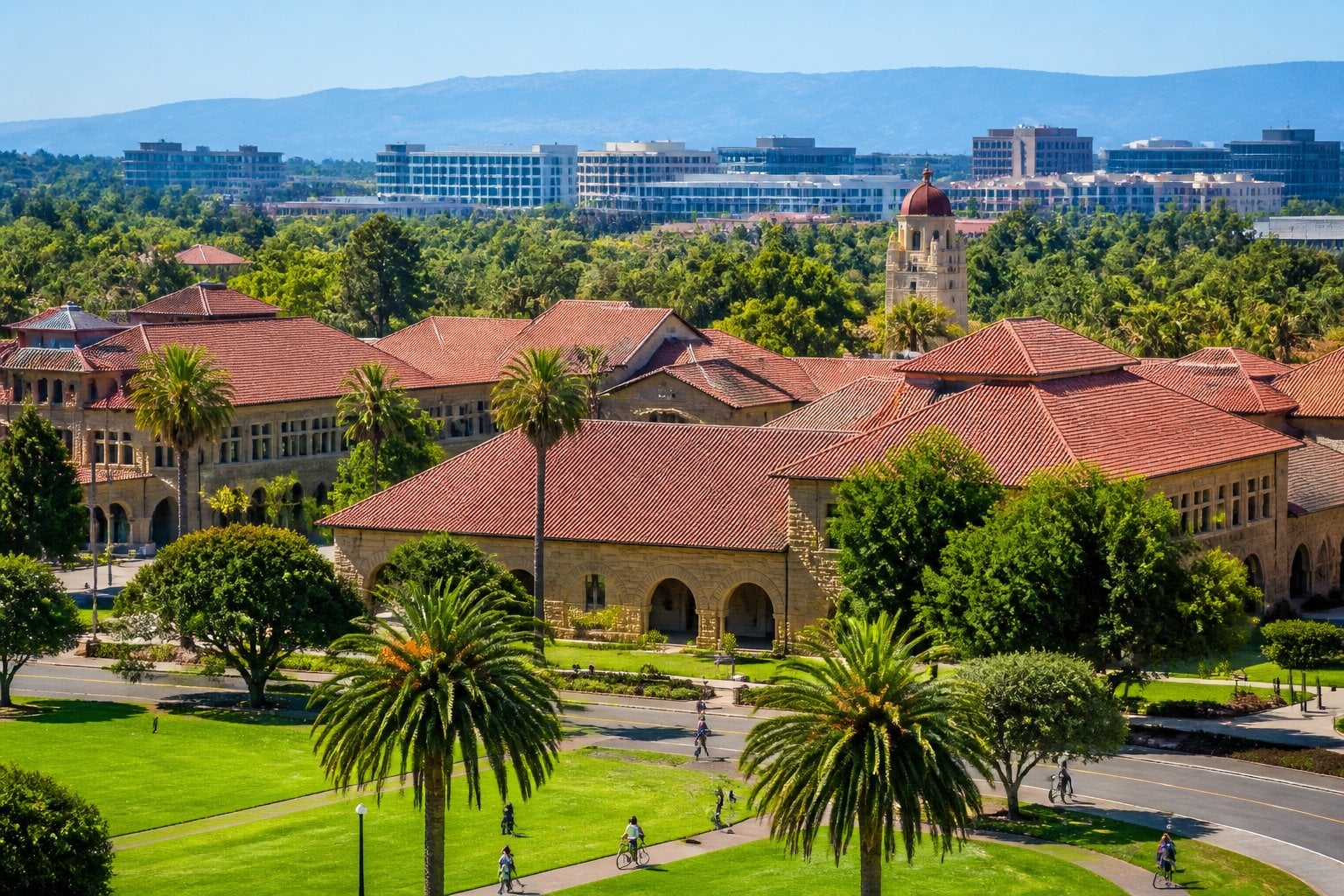
Palo Alto ranks among America’s wealthiest college towns with a median household income exceeding $195,000. The city sits at the heart of Silicon Valley, where proximity to tech giants and venture capital firms drives exceptional economic prosperity.
Stanford University anchors this affluent community, attracting top-tier students and world-renowned faculty. You’ll find the university’s influence extends far beyond campus, as many graduates launch startups or join leading technology companies in the area.
The combination of academic prestige and tech industry concentration creates a unique economic ecosystem. When you explore Palo Alto, you’ll discover luxury homes, upscale shopping districts, and high-end dining establishments that cater to the community’s affluent residents.
This college town consistently appears in rankings of California’s wealthiest ZIP codes. The area’s sustained economic success reflects decades of innovation and entrepreneurship centered around Stanford’s campus.
3. Cambridge, Massachusetts
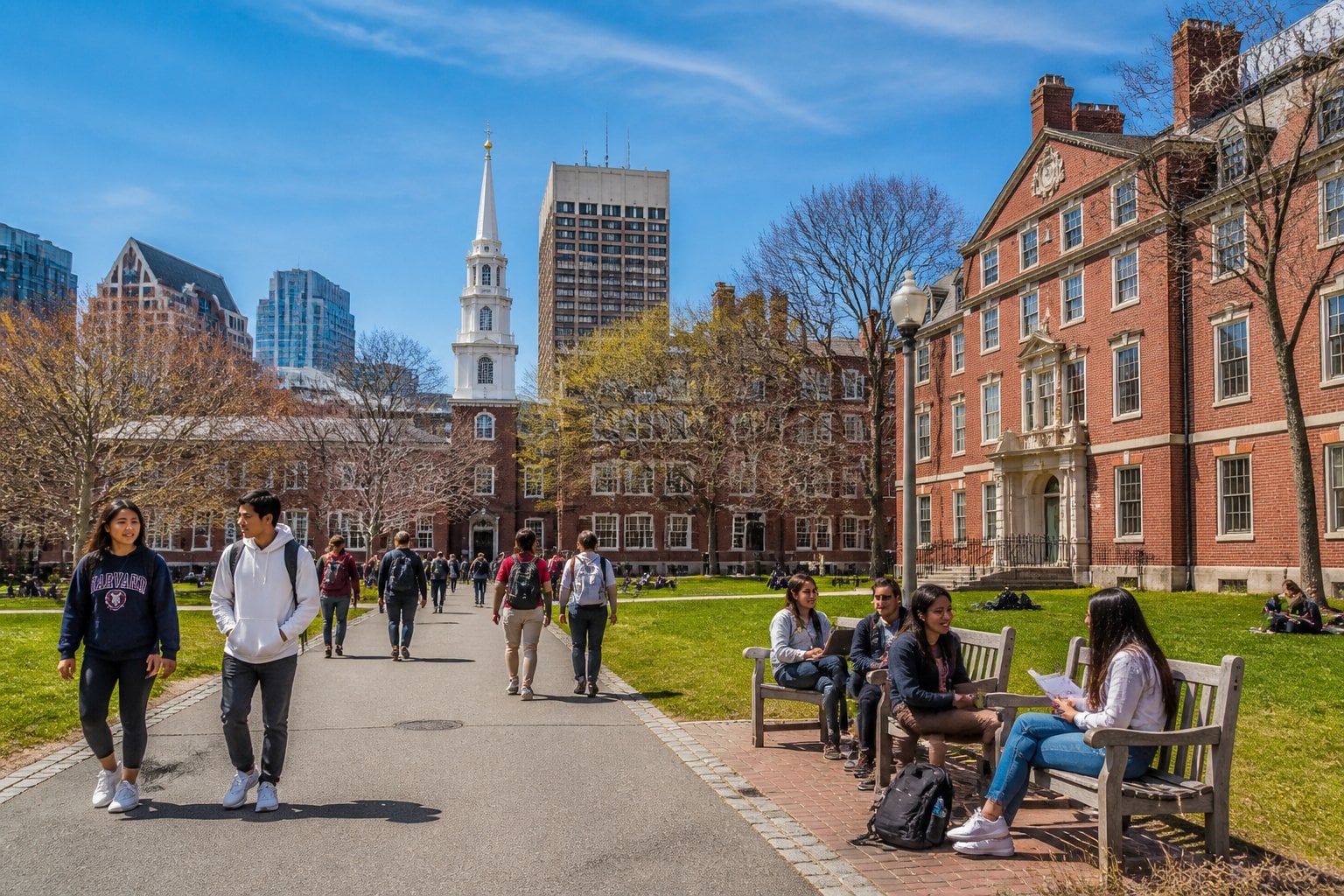
Cambridge sits directly across the Charles River from Boston, housing a population of 118,403 as of the 2020 census. The city ranks among Massachusetts’ wealthiest communities, benefiting from its status as home to two prestigious institutions: Harvard University and MIT.
The concentration of academic excellence drives Cambridge’s prosperity. MIT alone stands as the wealthiest college in Massachusetts and contributes significantly to the local economy. This educational powerhouse attracts high-earning professionals, researchers, and faculty members to the area.
You’ll find median household incomes in Cambridge well above the national average, supported by the city’s tech industry and academic employment sectors. The real estate market reflects this wealth, with property values remaining consistently high.
Cambridge represents a unique blend of intellectual capital and financial success, making it one of America’s most affluent college towns.
4. Santa Barbara, California
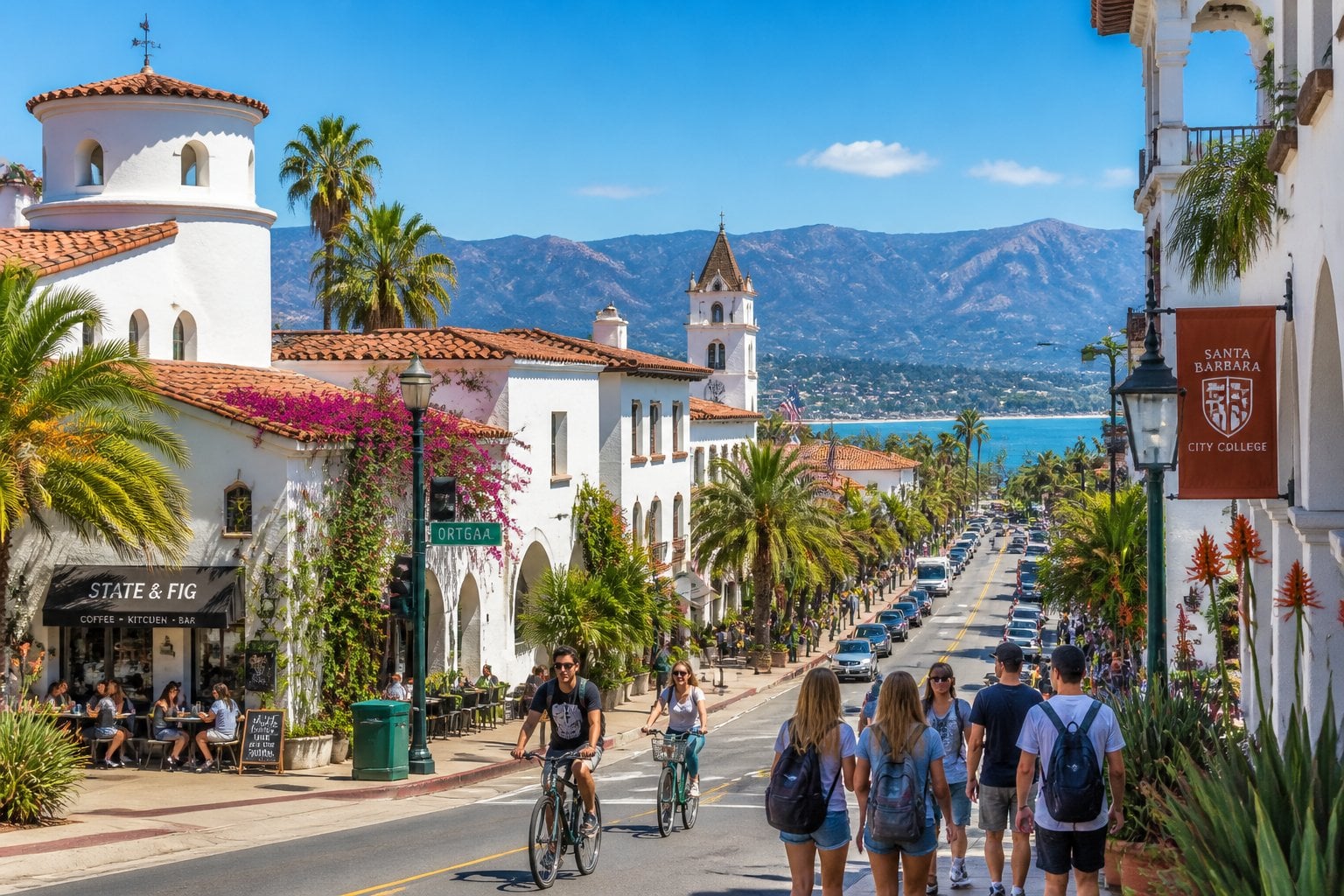
Santa Barbara stands as the most expensive college town in America. Home to the University of California, Santa Barbara, with approximately 26,000 students, this coastal community commands a median home sale price of nearly $2 million.
The town’s pristine oceanfront location and top-tier amenities drive real estate values significantly higher than other college towns across the nation. Housing costs in the area, including the student-dense neighborhood of Isla Vista, reflect the premium nature of this Southern California market.
You’ll find that Santa Barbara’s real estate prices have continued their upward trajectory, with recent data showing a 4% increase compared to the previous year. The combination of desirable coastal living and a prestigious university creates unique market conditions that set this college town apart from all others nationwide.
5. Boulder, Colorado
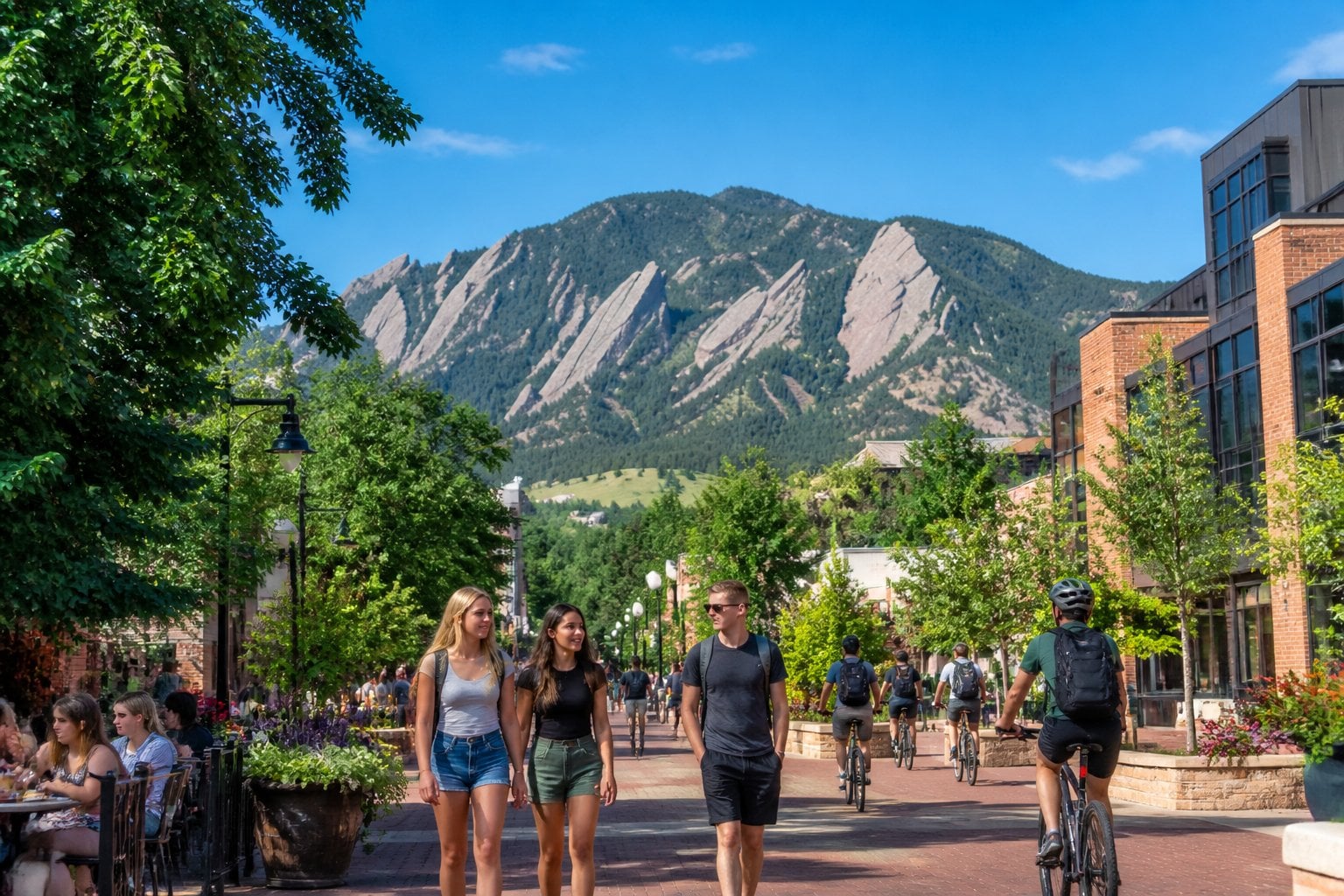
Boulder stands out as one of America’s wealthiest college towns, home to the University of Colorado. The city’s prosperity reflects in its average rent of $2,995, ranking it among the most expensive college towns in the nation.
You’ll find Boulder’s affluence stems from multiple factors. The town attracts high-earning professionals and entrepreneurs drawn to its thriving industries and natural beauty. The presence of thousands of households earning over $200,000 annually contributes significantly to the local economy.
The University of Colorado’s national reputation enhances Boulder’s status as a premier college destination. You’ll discover a vibrant cultural scene paired with exceptional amenities throughout the community.
Boulder’s combination of academic excellence, economic prosperity, and quality of life creates a unique environment. The town successfully balances its identity as both an educational hub and one of Colorado’s wealthiest communities.
6. Ann Arbor, Michigan
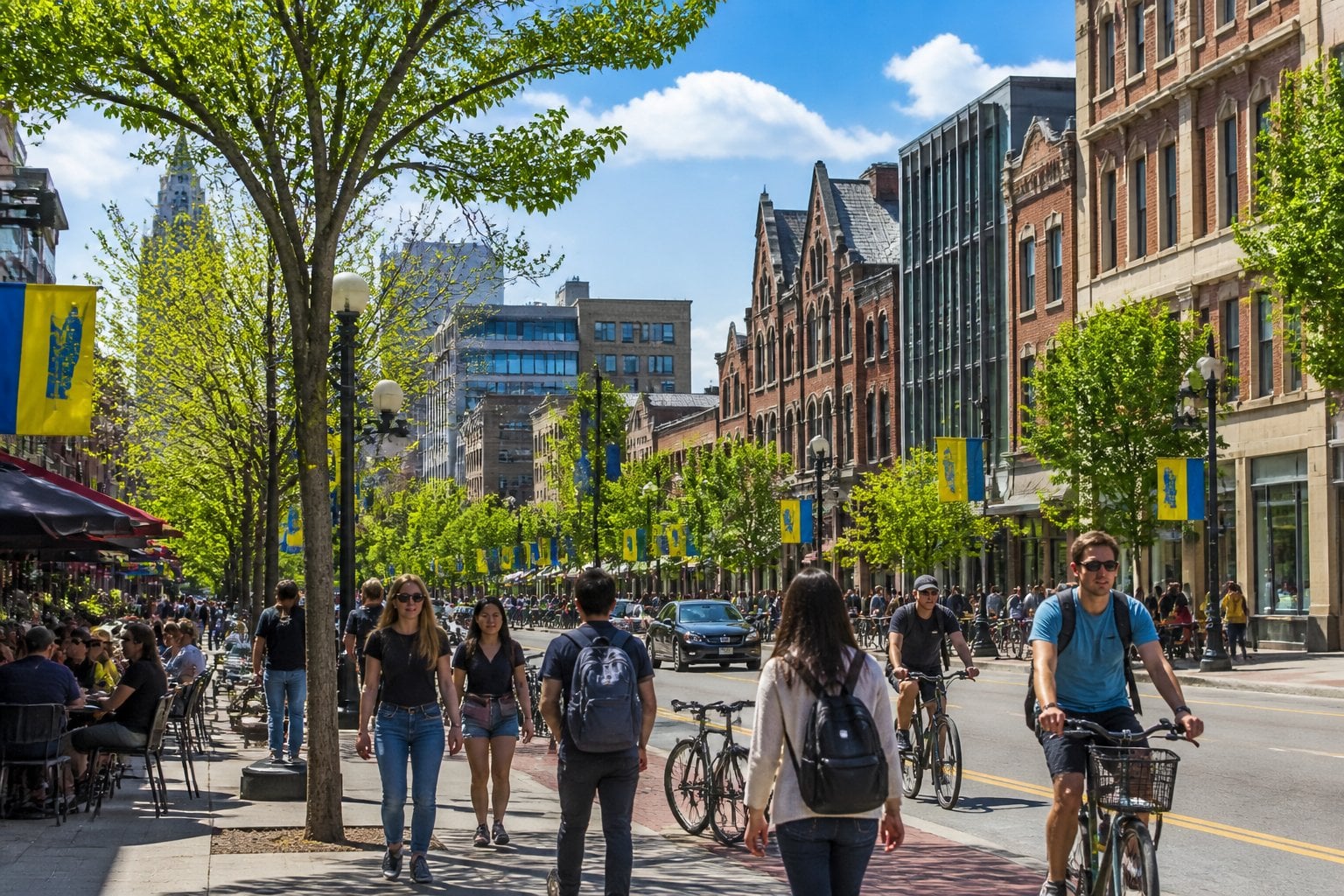
Ann Arbor stands out as one of the wealthiest college towns in America, anchored by the prestigious University of Michigan. The city attracts affluent families and professionals drawn to its combination of academic excellence and high quality of life.
The presence of the university drives significant economic activity and creates diverse employment opportunities beyond academia. You’ll find a thriving tech sector, healthcare industry, and research enterprises that contribute to the area’s prosperity.
Ann Arbor consistently ranks among the best places to live in Michigan and nationally. The city offers cultural amenities including museums, theaters, and music venues that rival much larger metropolitan areas.
Housing values remain strong due to sustained demand from university faculty, healthcare professionals, and technology workers. The community benefits from excellent schools, low crime rates, and abundant recreational spaces that appeal to wealthy residents seeking a balanced lifestyle.
7. Providence, Rhode Island
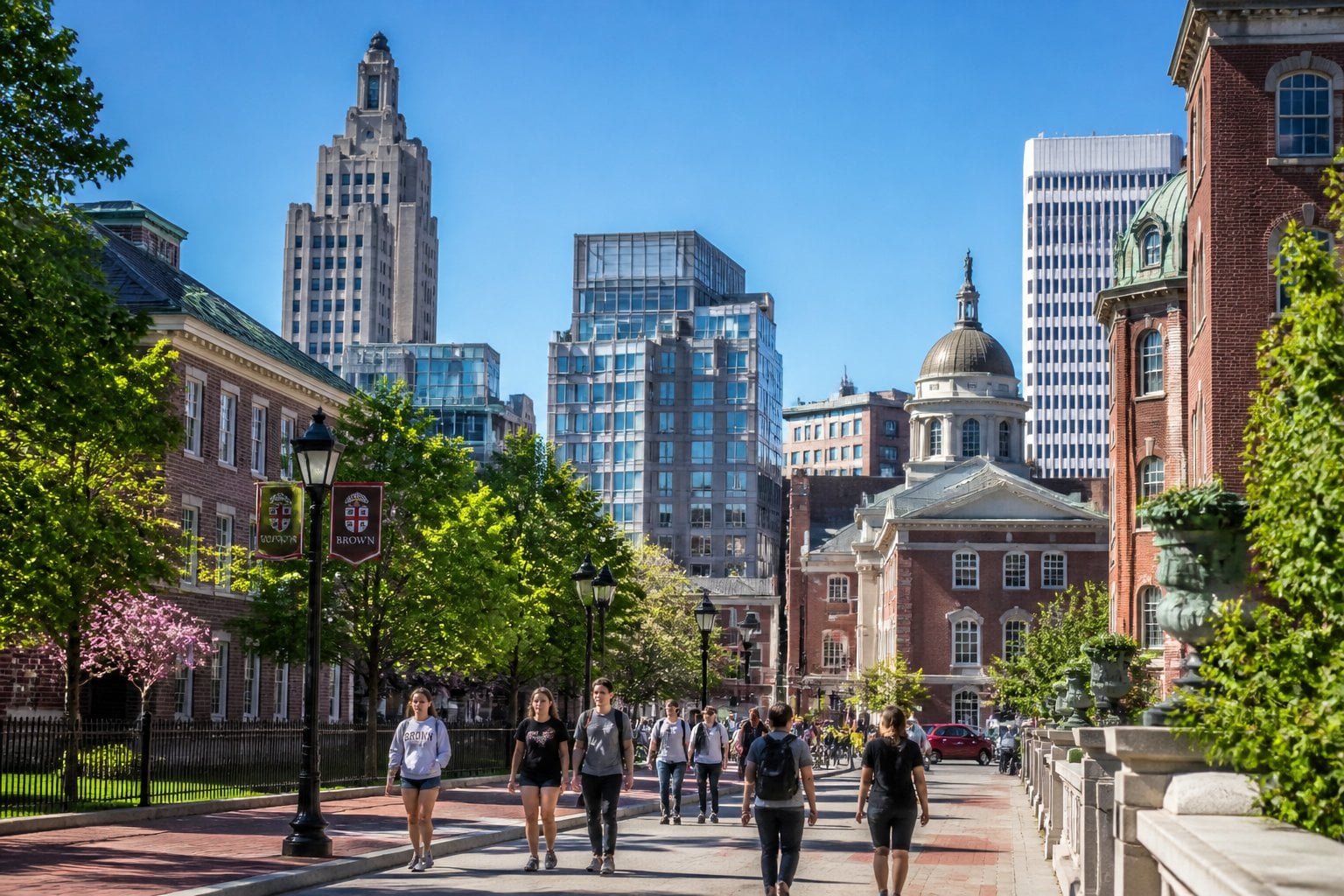
Providence stands as Rhode Island’s capital and educational center, home to prestigious Brown University and the Rhode Island School of Design. The city’s academic institutions contribute significantly to its economic profile, drawing students and faculty from across the nation.
Your experience in Providence combines historic architecture with modern urban amenities. The college presence shapes the local economy, with education, healthcare, and professional services forming primary employment sectors.
The median household income in Rhode Island reflects a stable economic environment, though Providence itself shows variation across neighborhoods. The East Side, where Brown University is located, features some of the city’s most affluent residential areas.
Providence offers cultural attractions including museums, theaters, and acclaimed restaurants. The city’s compact layout makes it accessible for students and residents alike, with distinct neighborhoods providing varied living options within this New England college town.
8. Ithaca, New York
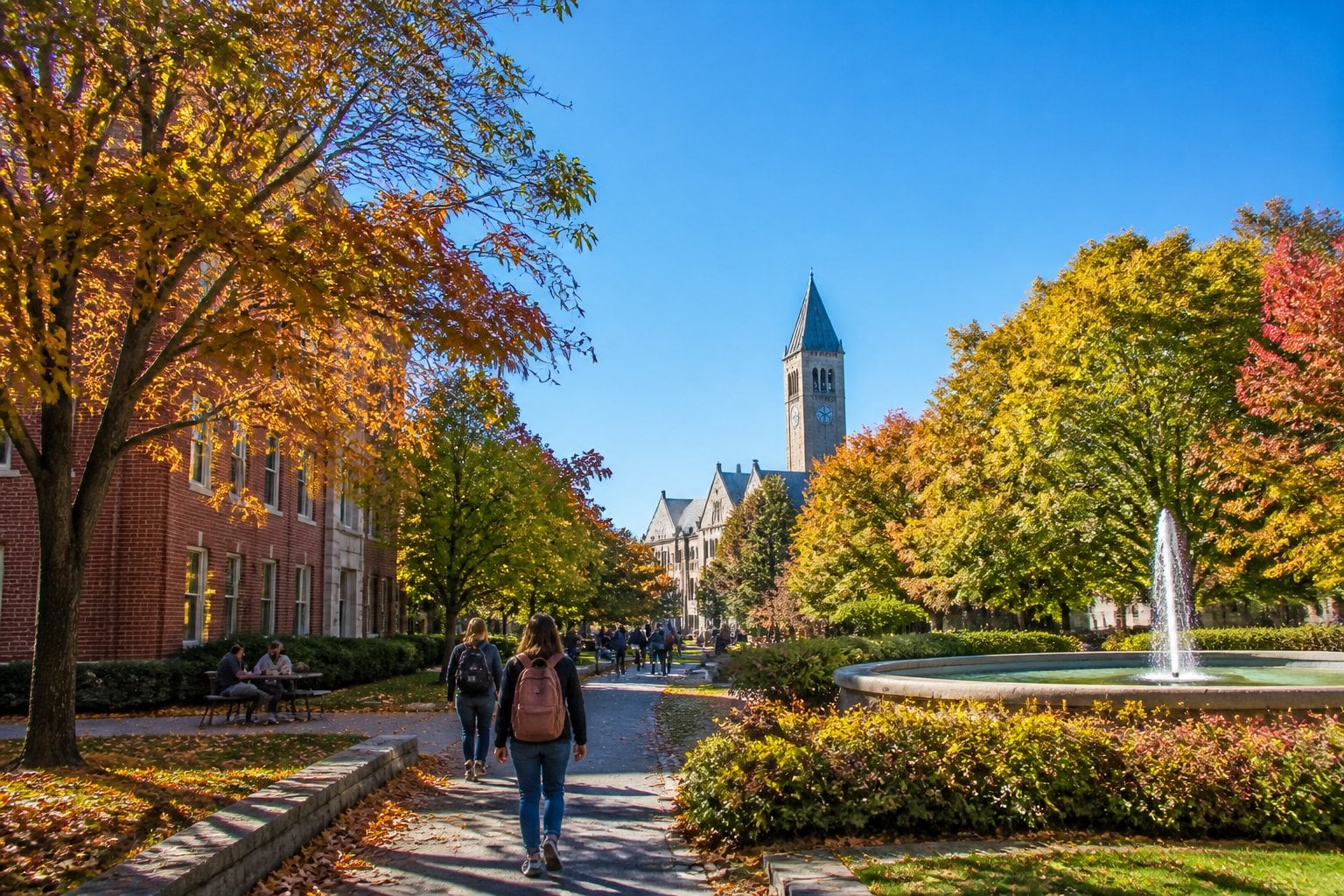
Ithaca stands out as one of America’s most prosperous college towns, anchored by Cornell University and Ithaca College. The presence of these prestigious institutions has created a robust local economy with median household incomes well above the national average.
Cornell University, an Ivy League institution, attracts substantial research funding and employs thousands of high-earning faculty and staff. This academic wealth flows throughout the community, supporting upscale restaurants, boutique shops, and premium real estate.
The town’s natural beauty, nestled at the southern tip of Cayuga Lake in the Finger Lakes region, adds to its appeal among affluent residents. You’ll find a sophisticated cultural scene despite the town’s relatively small size, with theaters, galleries, and fine dining establishments.
Property values in Ithaca remain strong due to consistent demand from university faculty, researchers, and professionals in the education and technology sectors.
9. Berkeley, California
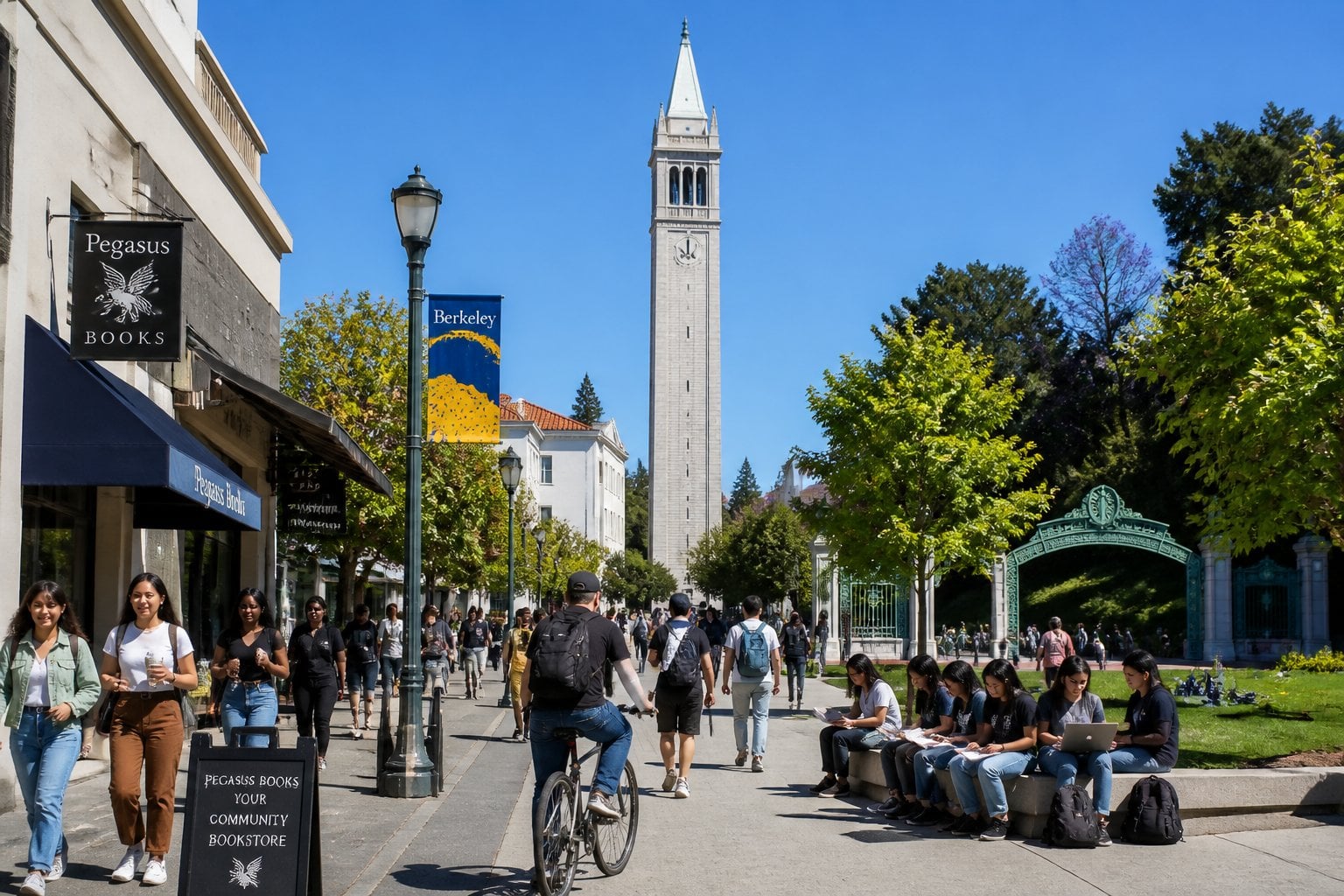
Berkeley stands as one of America’s most affluent college towns, anchored by the prestigious University of California, Berkeley. The city’s wealth stems from its prime location on the Bay Area’s eastern shore, where property values reflect the region’s economic prosperity.
You’ll find a community with high median household incomes and substantial real estate assets. The presence of UC Berkeley, with its world-class academic reputation, attracts affluent families and contributes to the area’s economic stability.
The town blends college town charm with sophisticated urban amenities. You have access to premium cultural institutions, upscale dining establishments, and proximity to San Francisco’s financial hub. This combination of educational excellence and economic opportunity creates one of California’s wealthiest college communities.
Berkeley’s educated population includes accomplished professionals, academics, and entrepreneurs who have built considerable wealth in the region’s technology and innovation sectors.
10. Chapel Hill, North Carolina
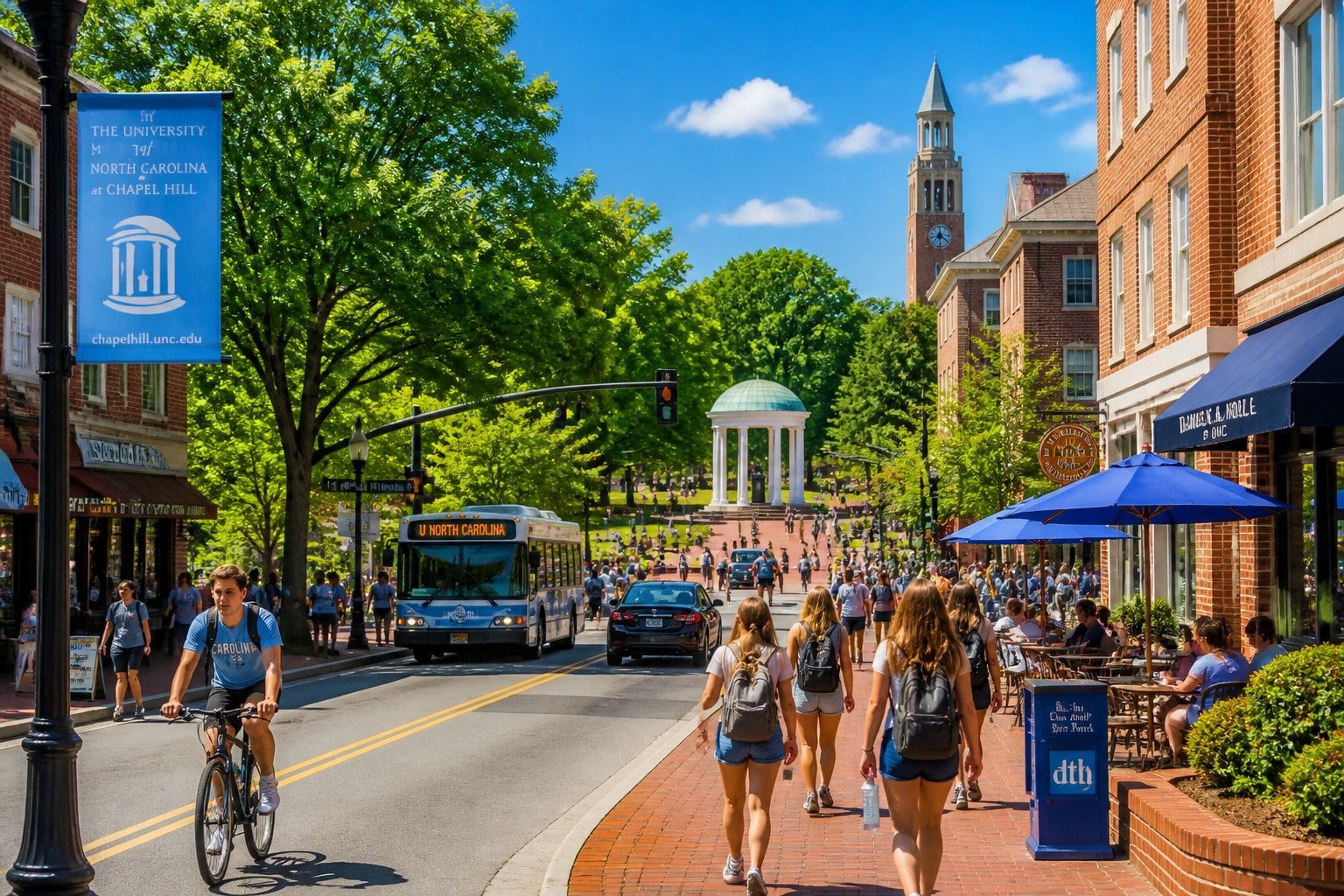
Chapel Hill stands among America’s most prestigious college towns, anchored by the University of North Carolina at Chapel Hill. This affluent community benefits from its position within Research Triangle Park, one of the nation’s premier research and technology hubs alongside Duke University and NC State.
You’ll find Chapel Hill consistently ranks as one of the top college towns in the country. The town’s prosperity stems from its highly educated population, with bachelor’s degree attainment rates well above the national average of 33.7%.
The community blends Southern charm with academic excellence and substantial wealth. You’ll discover the town offers robust cultural amenities, dining options, and recreational activities that attract both students and affluent residents.
Chapel Hill’s economy thrives on education, research, and technology sectors. The presence of UNC-Chapel Hill, with over 32,000 students, drives significant economic activity while maintaining the town’s distinctive character.
11. Madison, Wisconsin
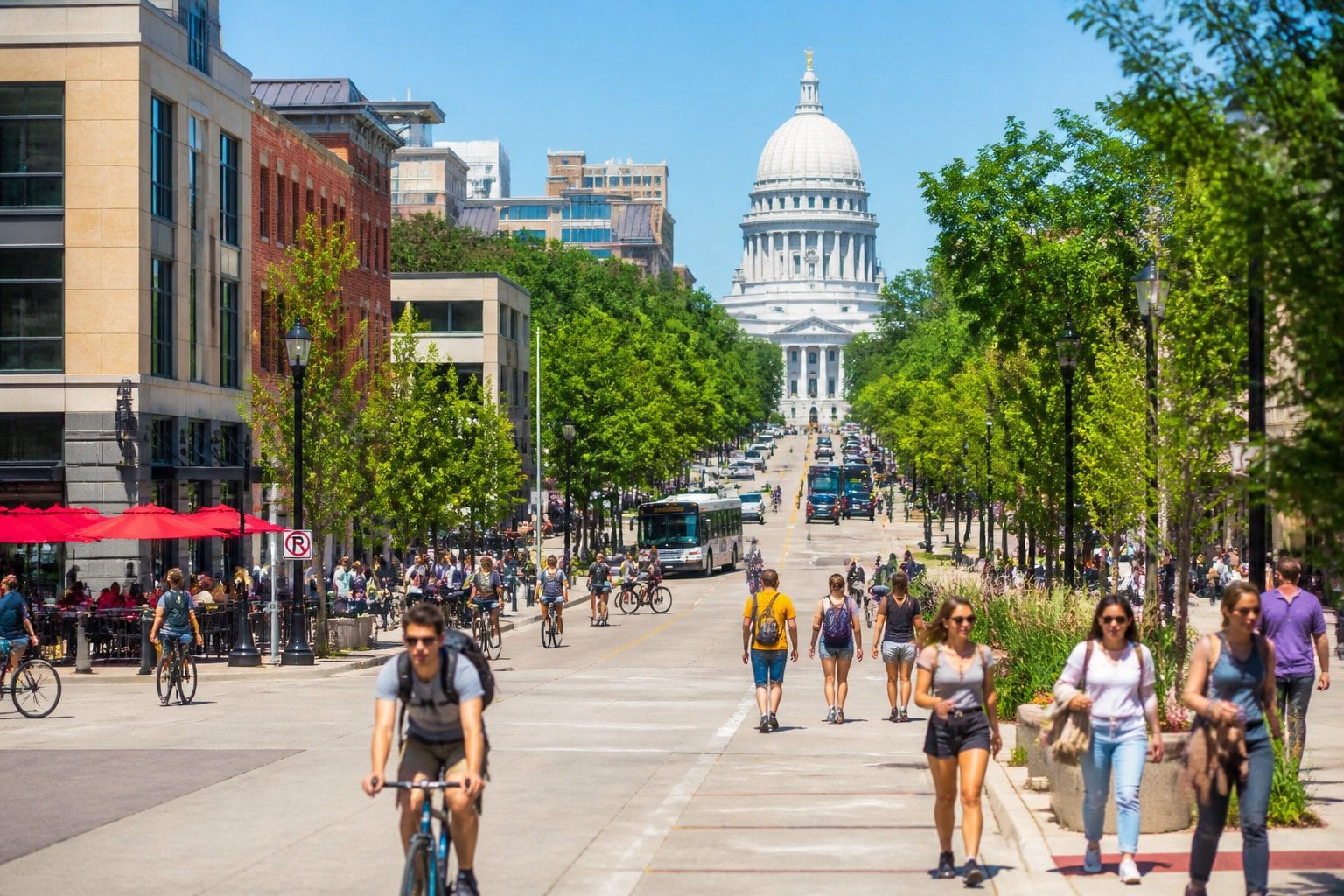
Madison stands as one of the nation’s premier college towns, anchored by the University of Wisconsin-Madison. The city’s economy benefits substantially from its educational institutions, contributing to above-average household incomes in the surrounding areas.
You’ll find Madison ranked among the top college towns nationally, with CollegeRank.net placing it at number one for student experience and community offerings. The presence of a major research university has attracted high-paying jobs in technology, healthcare, and education sectors.
Your investment in Madison real estate reflects the area’s economic strength, with property values consistently elevated compared to state averages. The city’s lakefront neighborhoods and near-campus districts command premium prices.
Madison’s combination of academic prestige and economic vitality creates a stable housing market. You benefit from the diverse income streams generated by both university employment and the thriving private sector that surrounds it.
12. Durham, North Carolina
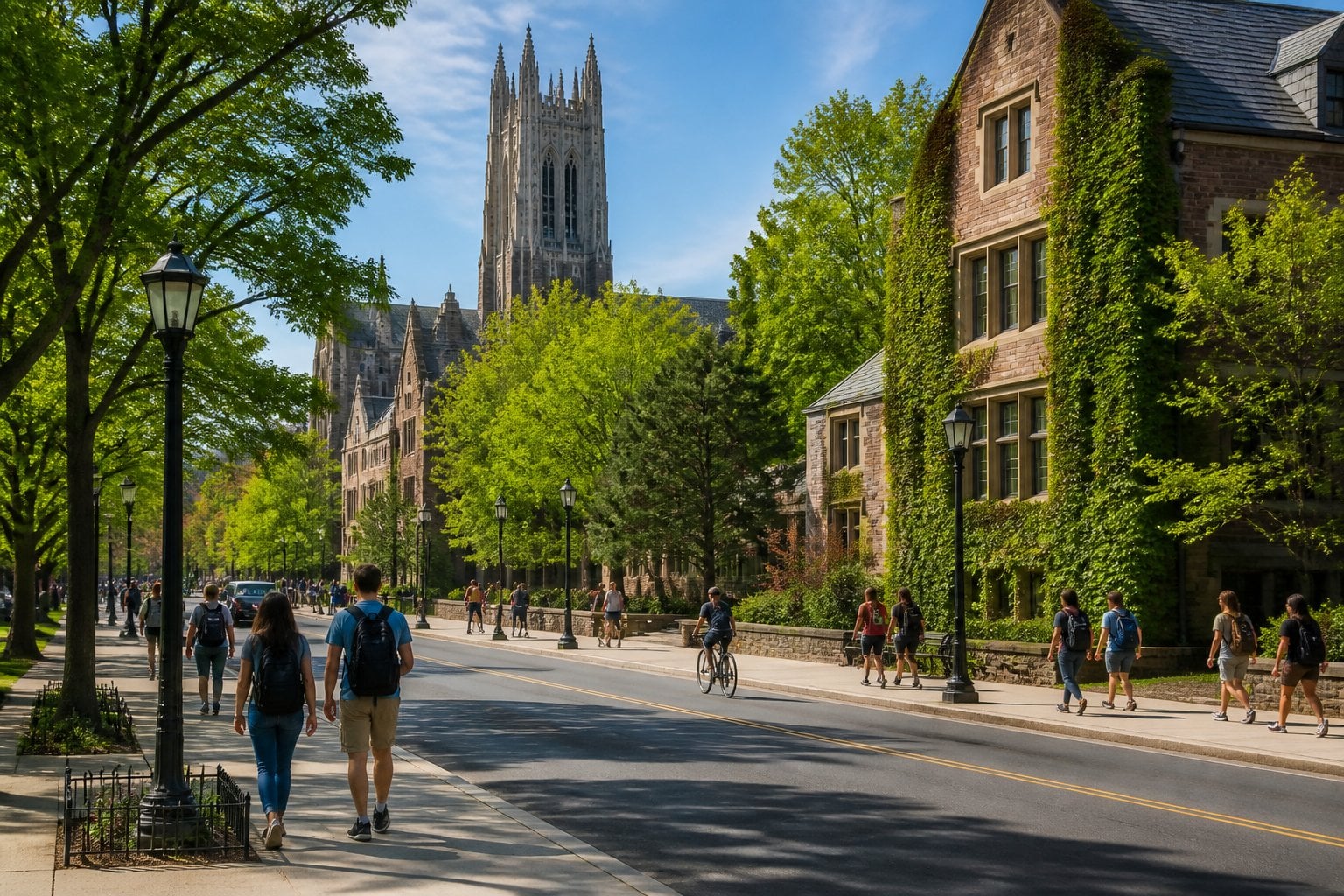
Durham stands out as one of America’s wealthiest college towns, anchored by Duke University’s prestigious presence. The city’s economy benefits significantly from the Research Triangle Park, which attracts high-paying jobs in biotechnology, pharmaceuticals, and technology sectors.
You’ll find that Durham’s median household income exceeds the national average, driven by its educated workforce and robust job market. The concentration of Duke University faculty, healthcare professionals, and research scientists contributes to the town’s affluence.
The downtown area has experienced substantial revitalization in recent years. Historic tobacco warehouses now house upscale restaurants, boutiques, and tech startups.
Durham offers you a blend of academic excellence and economic opportunity. The city’s cultural amenities, including performing arts venues and museums, reflect its prosperous community while maintaining a more affordable cost of living compared to other wealthy college towns along the East Coast.
13. Palo Alto (Stanford area), California
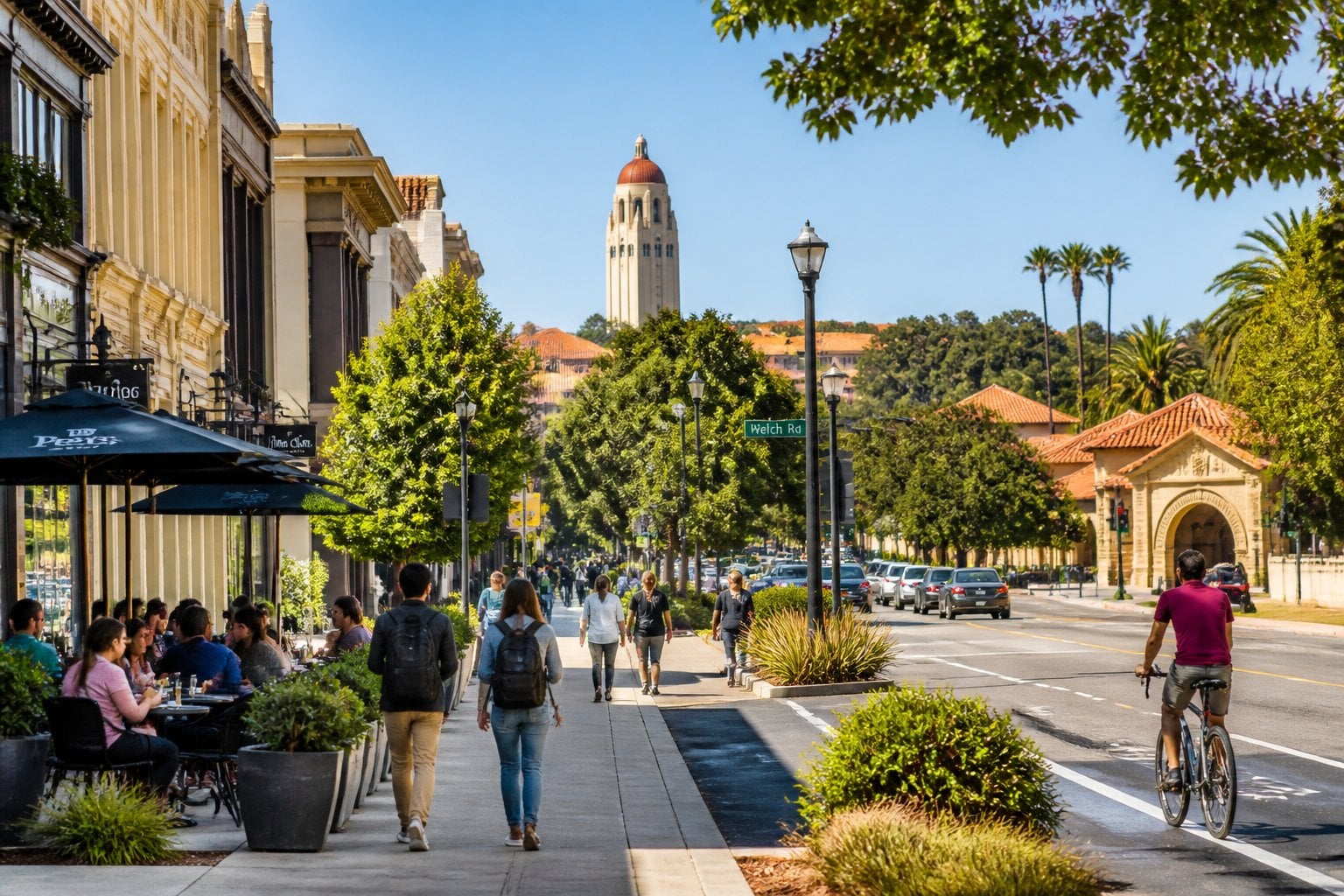
Palo Alto ranks among America’s wealthiest college towns, with a median household income exceeding $195,000. The city’s prosperity stems largely from its location at the heart of Silicon Valley and its relationship with Stanford University.
Stanford’s presence attracts top talent and maintains an intellectual atmosphere that defines the community. You’ll find the university serves as both an educational institution and an economic driver for the region.
The area offers luxury homes, quality parks, and extensive shopping and dining options. Palo Alto’s ZIP code 94301 stands as Silicon Valley’s wealthiest, reflecting the concentration of tech industry success in this college town.
The combination of academic prestige and proximity to major technology companies creates a unique environment where education and innovation intersect daily.
14. Charlottesville, Virginia
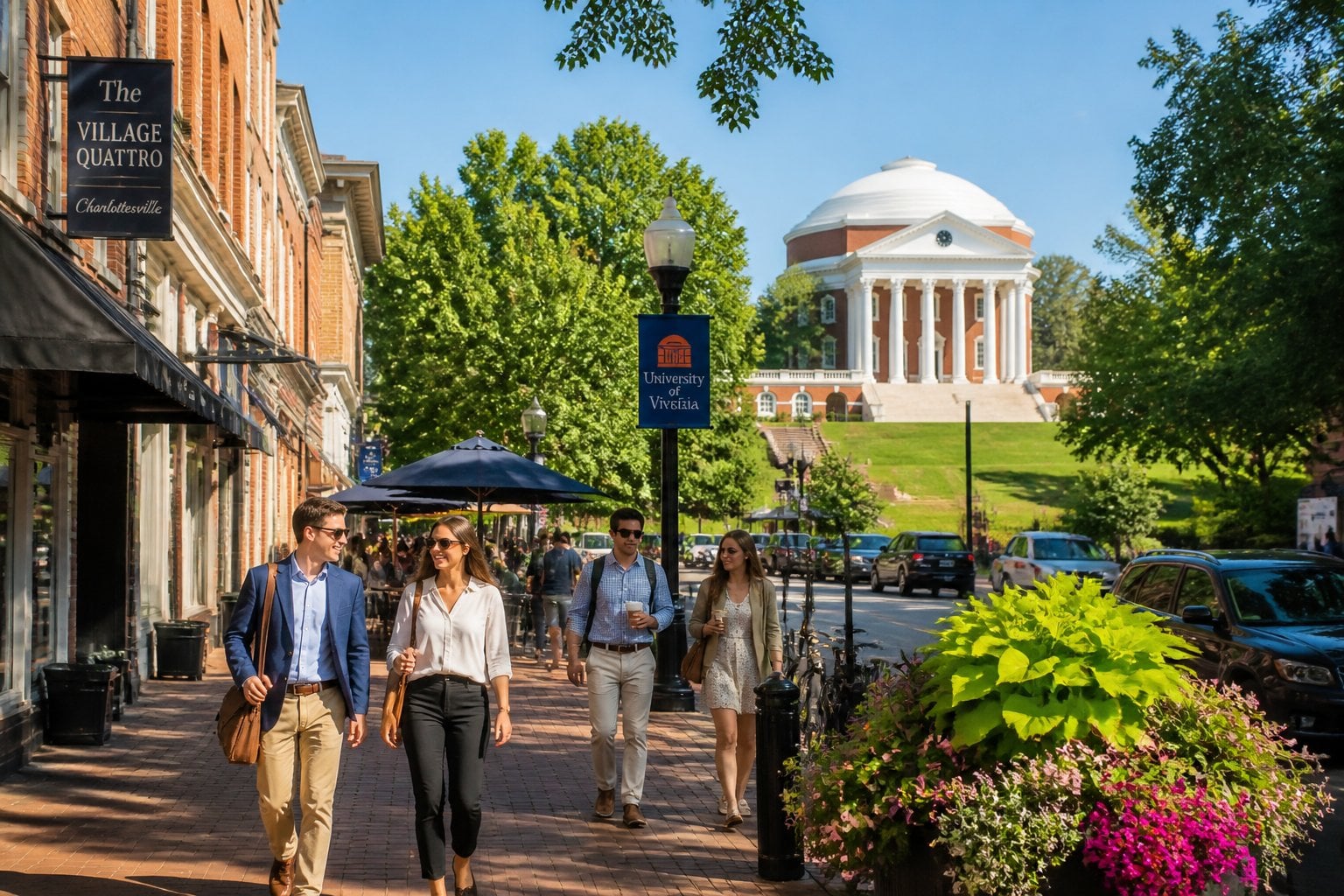
Charlottesville combines academic prestige with substantial wealth, anchored by the University of Virginia. The city’s proximity to Washington, D.C. attracts high-earning professionals who value its cultural amenities and historic charm.
Your income potential here benefits from a diverse economy that extends beyond the university. Technology companies, healthcare systems, and research institutions provide well-compensated career opportunities.
The real estate market reflects the area’s affluence, with established neighborhoods commanding premium prices. You’ll find that housing costs align with those in Virginia’s wealthier communities near the capital region.
Historic downtown Charlottesville offers upscale dining, boutique shopping, and cultural venues that cater to educated, affluent residents. The surrounding Albemarle County provides additional luxury living options with scenic mountain views and vineyard estates.
Your educational investment at UVA places you in a community where wealth and intellectual capital intersect meaningfully.
15. Newton (near Boston College), Massachusetts
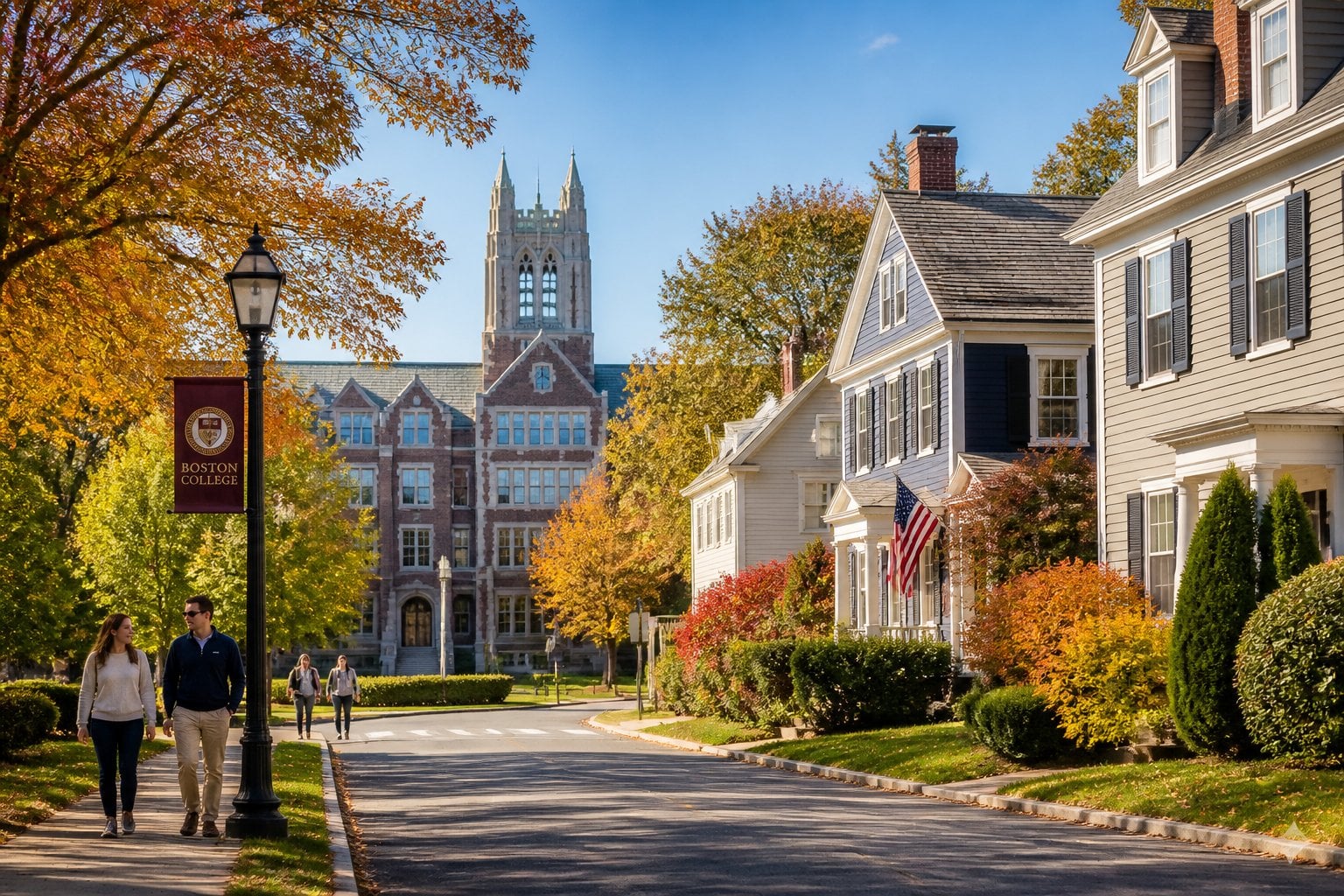
Newton ranks as the wealthiest city in Massachusetts with a median household income of $190,304. This Boston suburb sits just minutes from Boston College’s campus and has established itself as one of the state’s most affluent communities.
You’ll find median home values in Newton reaching $875,214, significantly higher than the statewide average. The city maintains a remarkably low poverty rate of just 4.5%, reflecting its economic prosperity.
Newton’s proximity to multiple prestigious universities, including Boston College, creates a vibrant academic atmosphere. The city attracts professionals and faculty members who value both educational excellence and suburban amenities.
Your experience in Newton combines historic New England charm with modern conveniences. The community offers highly rated public schools, well-maintained parks, and easy access to Boston’s economic center through reliable public transportation connections.
16. Evanston, Illinois
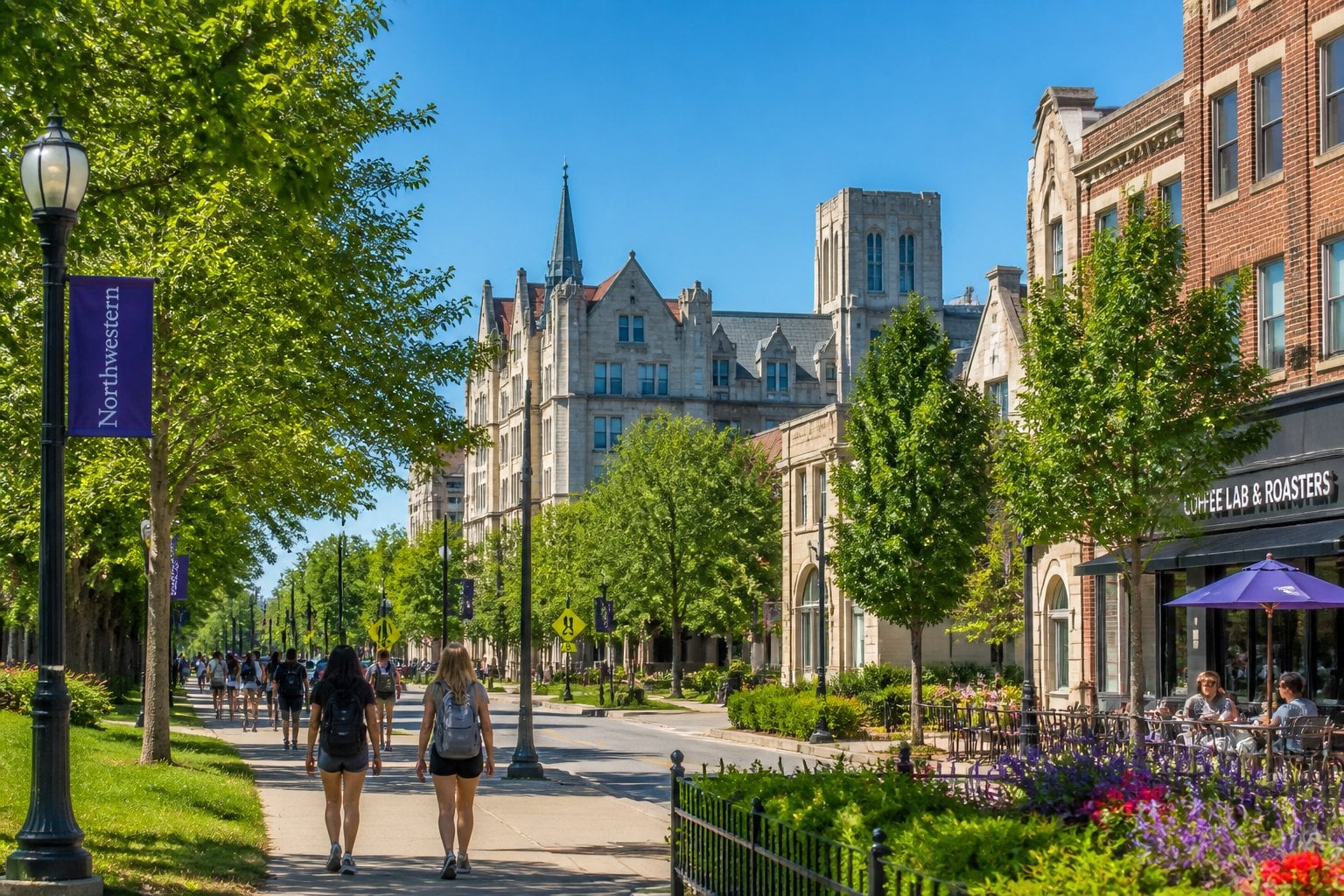
Evanston stands out as one of Illinois’s most prosperous college towns, anchored by Northwestern University’s prestigious campus along Lake Michigan’s shoreline. You’ll find this community consistently ranked among the best places to live in the country, combining academic excellence with substantial household wealth.
The city offers you access to exceptional cultural amenities, from theaters and museums to diverse dining options that rival major metropolitan areas. Your proximity to Chicago provides additional opportunities while maintaining a distinct suburban character.
Housing values in Evanston reflect the area’s desirability, with well-established neighborhoods featuring both historic architecture and modern developments. The community attracts affluent families seeking top-rated schools and professionals drawn to the town’s intellectual atmosphere.
You’ll benefit from Evanston’s walkable downtown district, comprehensive public transportation, and vibrant year-round events that create a dynamic college town environment.
17. New Haven, Connecticut
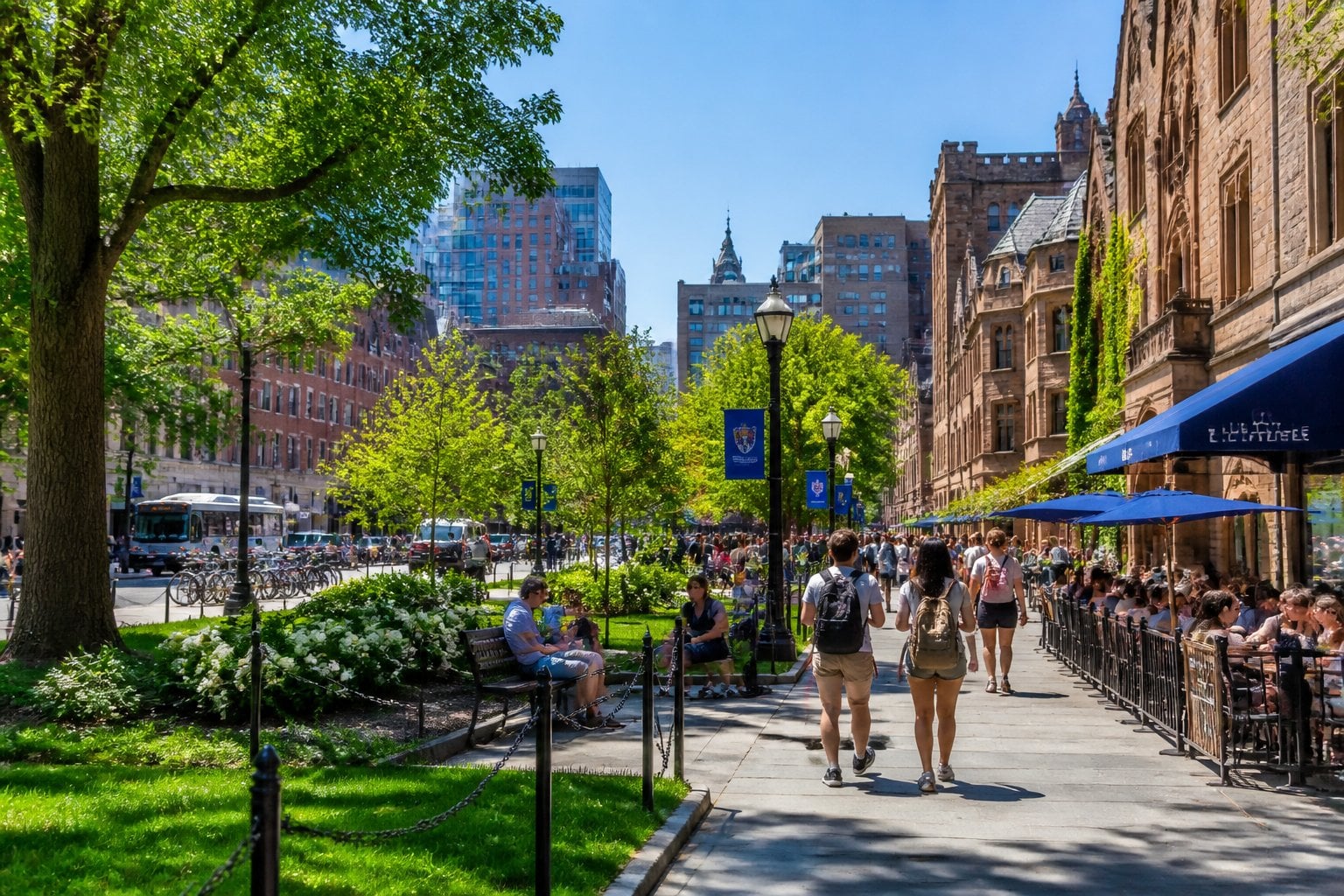
New Haven stands out as one of Connecticut’s premier college towns, anchored by the prestigious Yale University. The city benefits from the economic impact of Yale’s presence, which attracts accomplished faculty, researchers, and students from around the world.
Your experience in New Haven reflects a blend of academic excellence and cultural offerings. The university’s influence extends throughout the local economy, creating opportunities in education, healthcare, and research sectors.
The town’s median household income sits above many traditional college communities, partly due to Yale’s position as one of the largest employers in the region. You’ll find that New Haven’s wealth is concentrated among university-affiliated professionals and established residents.
Connecticut’s overall affluence as a state contributes to New Haven’s economic standing. The city recently earned recognition as a top college town in America, ranking within the top 50 nationally for its combination of academic resources and community amenities.
18. College Station, Texas
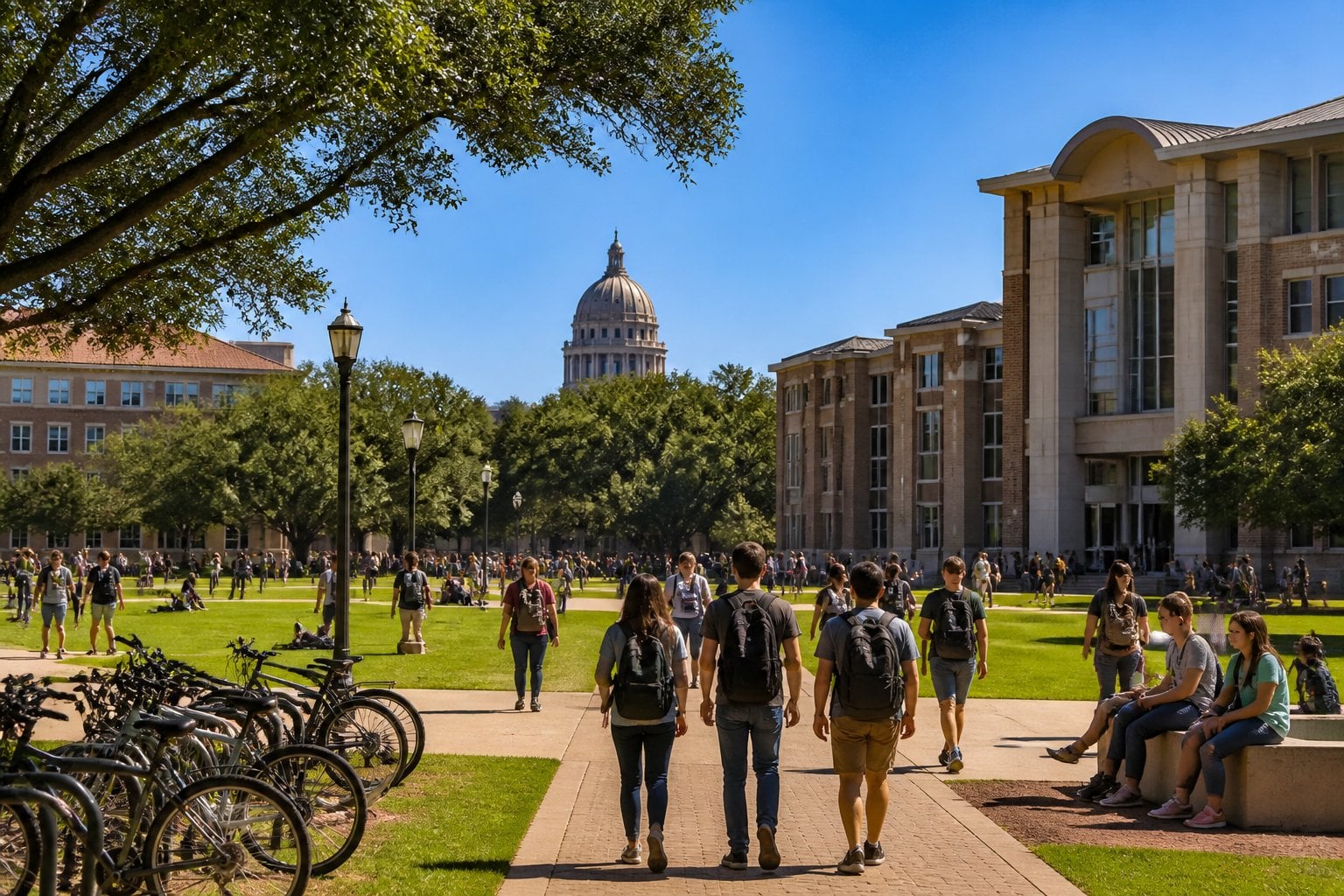
College Station’s wealth is closely tied to Texas A&M University, one of the largest universities in the United States. The city benefits from a stable economy driven by education, research, and technology sectors that support higher-than-average household incomes.
You’ll find that 41.4% of the population is enrolled in college, creating a unique demographic profile that attracts substantial investment and development. The presence of Texas A&M brings significant research funding and creates employment opportunities in specialized fields.
The local economy extends beyond the university, with growing sectors in healthcare, technology, and professional services. Your cost of living remains moderate compared to other affluent college towns, making it accessible while maintaining strong economic indicators.
College Station has earned national recognition for quality of life and economic stability. The city’s consistent rankings reflect its blend of academic resources, economic opportunity, and community amenities.
19. Gainesville, Florida
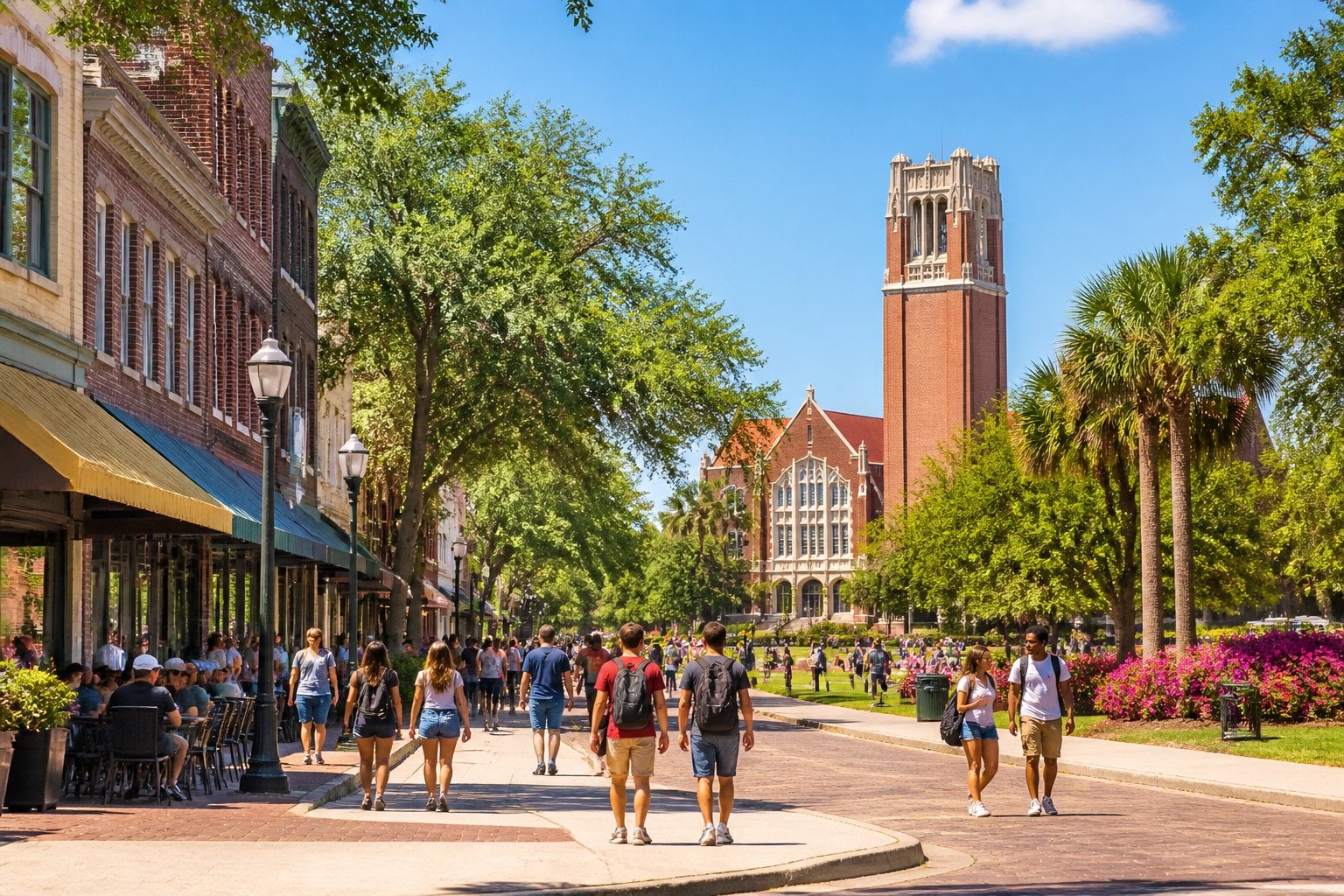
Gainesville stands out as a prosperous college town anchored by the University of Florida, one of the nation’s largest research institutions. The city’s economy benefits significantly from the steady influx of students, faculty, and university-related businesses that drive local commerce and real estate values.
Your financial prospects in Gainesville are supported by a diverse economic base that extends beyond academics. The presence of well-compensated professionals in education, healthcare, and research contributes to higher household incomes compared to typical college towns.
Property values in established neighborhoods near campus have shown consistent appreciation, particularly in areas favored by faculty and graduate students. You’ll find that Gainesville ranks among Florida’s top college cities for both academic opportunity and quality of life.
The city offers you a balanced mix of affordability and earning potential, making it an attractive option for those seeking wealth-building opportunities in a vibrant college environment.
20. Bloomington, Indiana
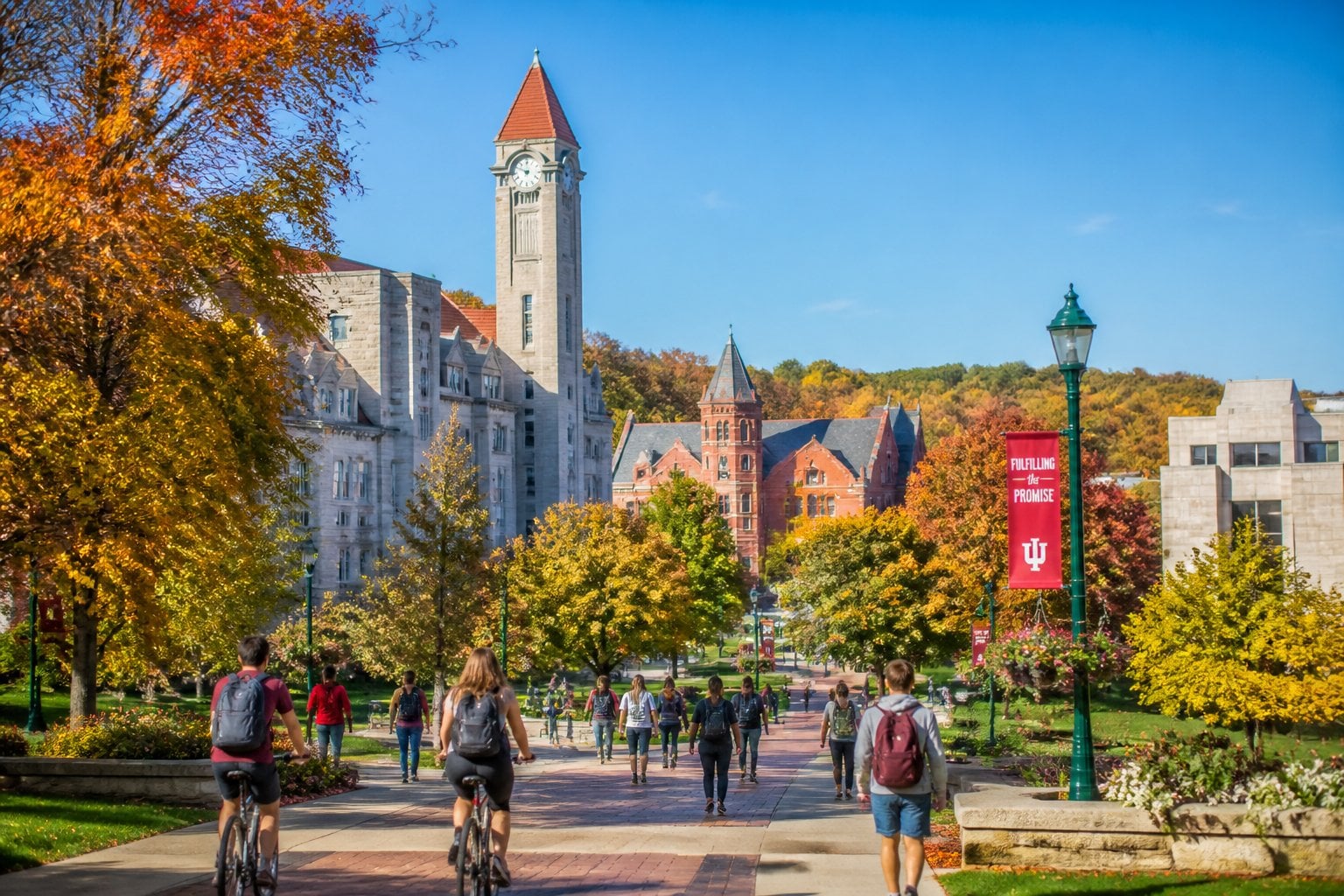
Bloomington stands out as one of Indiana’s most prosperous college towns, anchored by Indiana University’s significant economic presence. The town’s median household income reflects the stability brought by university employment and a well-educated workforce, with 60% of residents holding higher education degrees.
Your cost of living in Bloomington averages around $3,575 per month, which positions it above many Midwestern college towns while remaining accessible compared to coastal markets. The local economy benefits from a diverse mix of university operations, healthcare, and technology sectors.
The town’s affluence shows in its well-maintained neighborhoods, strong real estate values, and robust local amenities. You’ll find that Bloomington’s combination of academic culture and economic stability creates a unique environment where educational investment translates into sustained community wealth.
21. Lawrence, Kansas
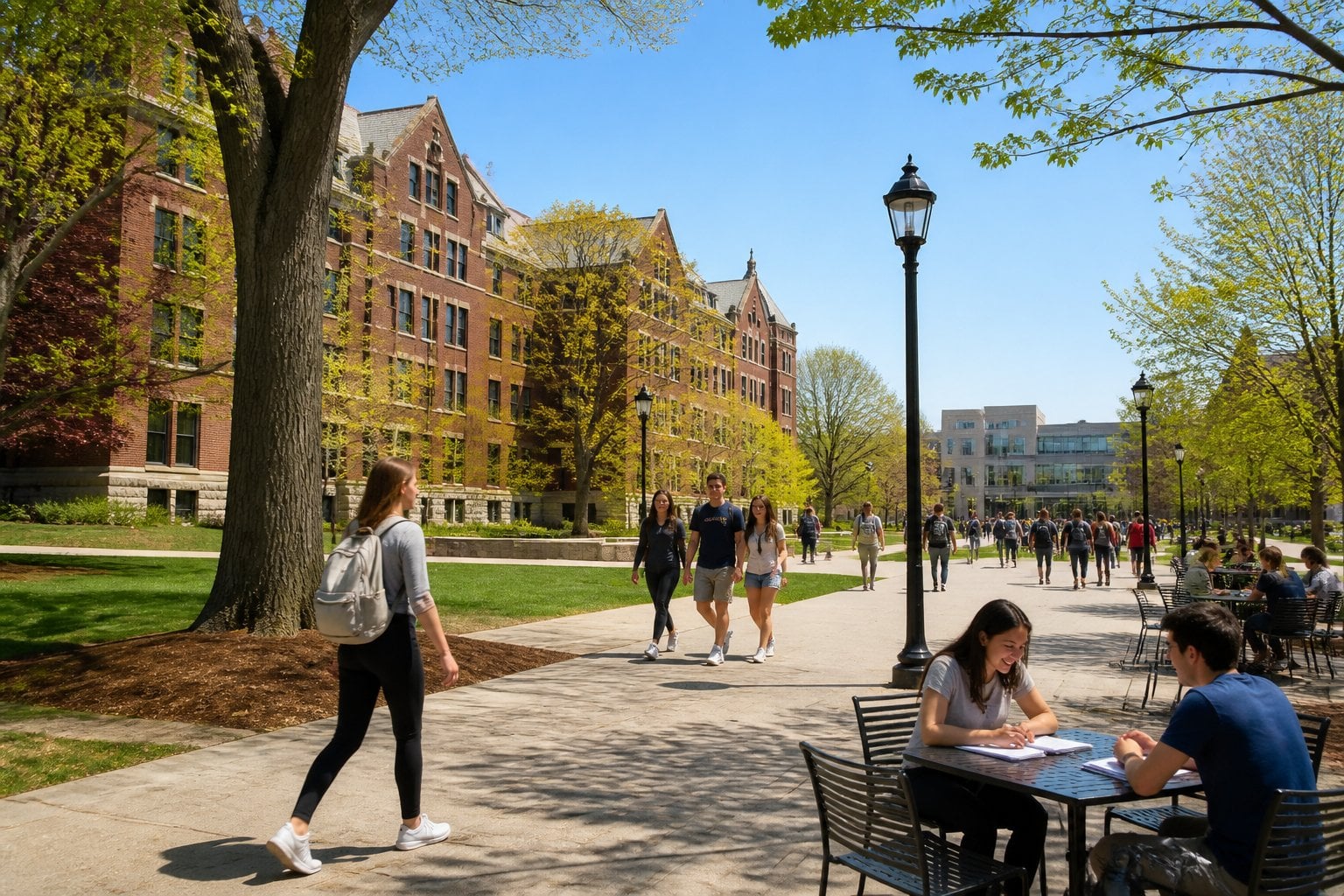
Lawrence stands out as a prominent college town anchored by the University of Kansas, the state’s largest university. The city hosts four postsecondary institutions that contribute significantly to its economic landscape and cultural vitality.
Your experience in Lawrence combines traditional Midwestern values with a vibrant student-driven economy. The presence of thousands of university students and faculty members supports a diverse range of businesses, from specialized bookstores to tech startups.
The town’s wealth stems partly from its educational institutions’ stable employment base and the professional community they attract. You’ll find higher education creates sustained demand for housing, retail, and services throughout the year.
Lawrence ranks among the top 20 college towns nationally, reflecting its successful integration of academic excellence with quality of life. The city maintains strong property values and economic stability compared to similarly sized Kansas communities.
22. Corvallis, Oregon
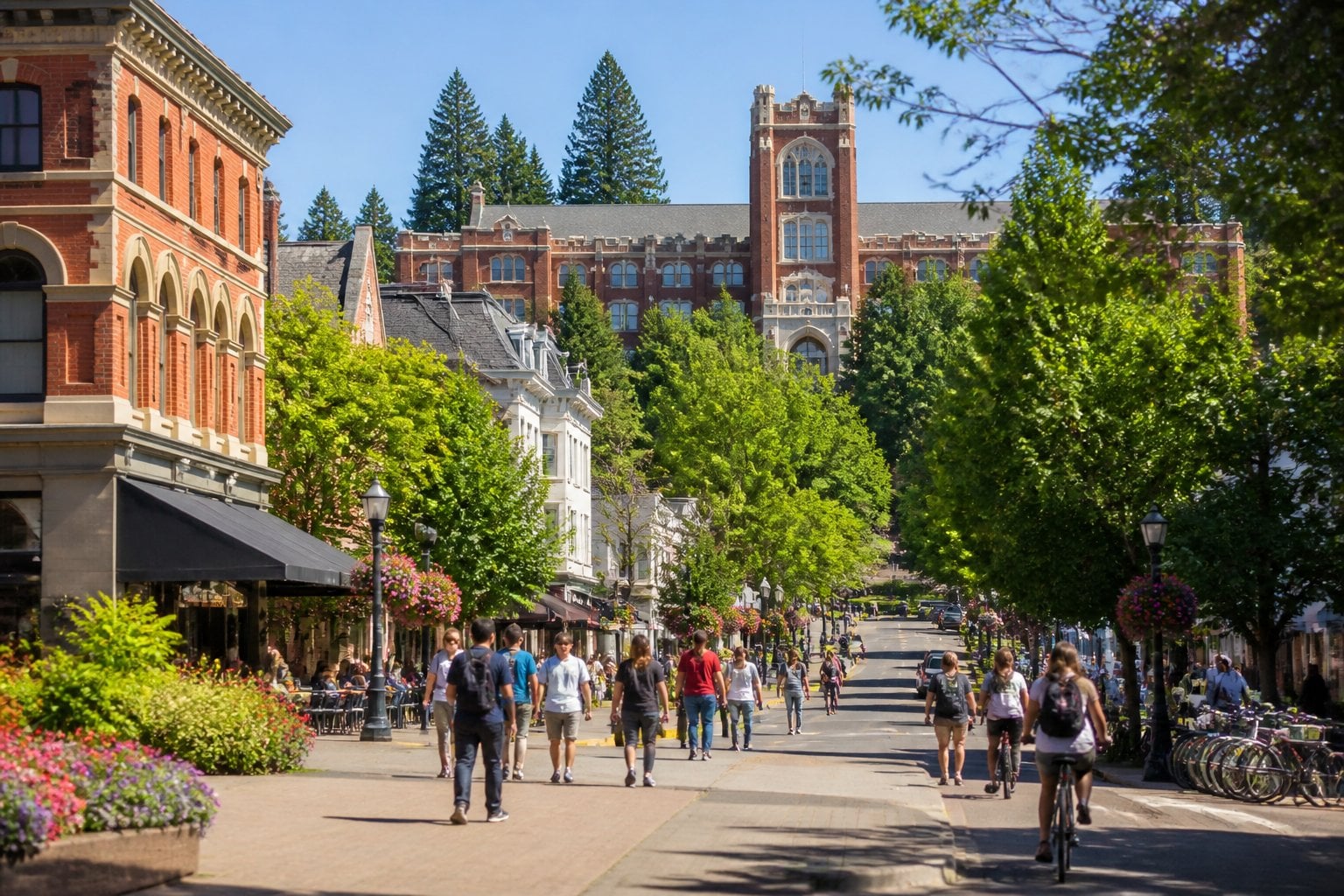
Corvallis stands out as Oregon’s premier college town, home to Oregon State University. The community benefits from strong economic ties between the university and local businesses, creating a stable financial foundation for residents.
You’ll find that Corvallis combines academic excellence with a thriving cultural scene. The town’s economy is supported by both the university and a growing tech sector, contributing to higher median incomes compared to other Oregon college towns.
The cost of living remains relatively moderate despite the town’s prosperity. You can access quality schools, parks, and community amenities that appeal to families and professionals alike.
Corvallis offers natural beauty alongside economic opportunity. The town attracts educated professionals and university staff, creating a community with strong earning potential and financial stability.
23. Fort Collins, Colorado
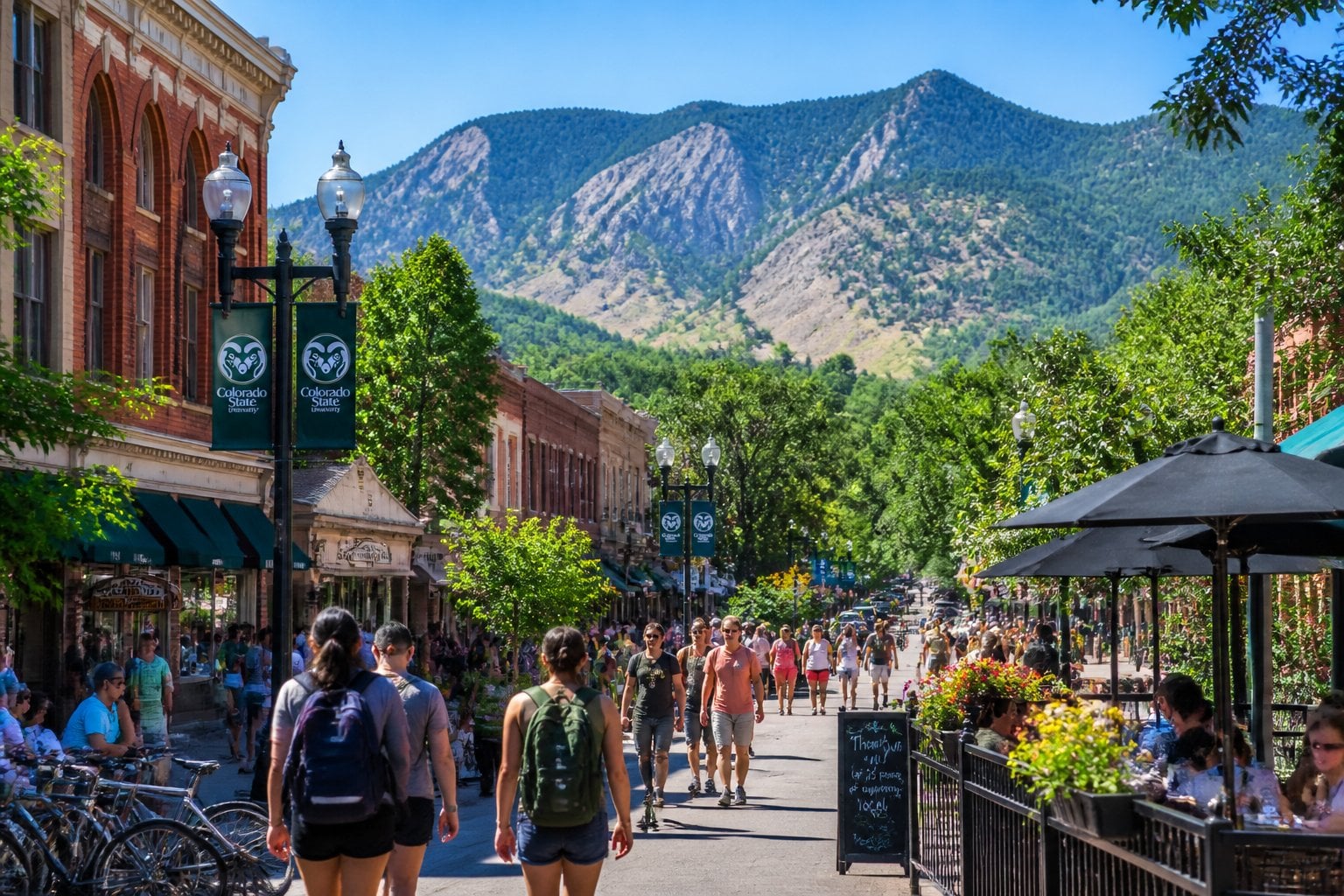
Fort Collins stands out as a prosperous college town anchored by Colorado State University and Front Range Community College. The city has experienced significant economic growth, with over 3,000 residences valued above $200,000. This wealth increase reflects broader trends across Colorado communities.
The presence of multiple higher education institutions creates a stable economic foundation while attracting educated professionals and their families. Fort Collins combines academic opportunities with a strong job market, contributing to higher household incomes compared to many college towns.
You’ll find that Fort Collins balances affordability challenges typical of college towns with economic prosperity. Recent studies have recognized it as one of Colorado’s top college towns, despite cost of living concerns. The city’s growth in high-income households mirrors the state’s overall economic expansion over the past decade.
24. Lexington, Kentucky
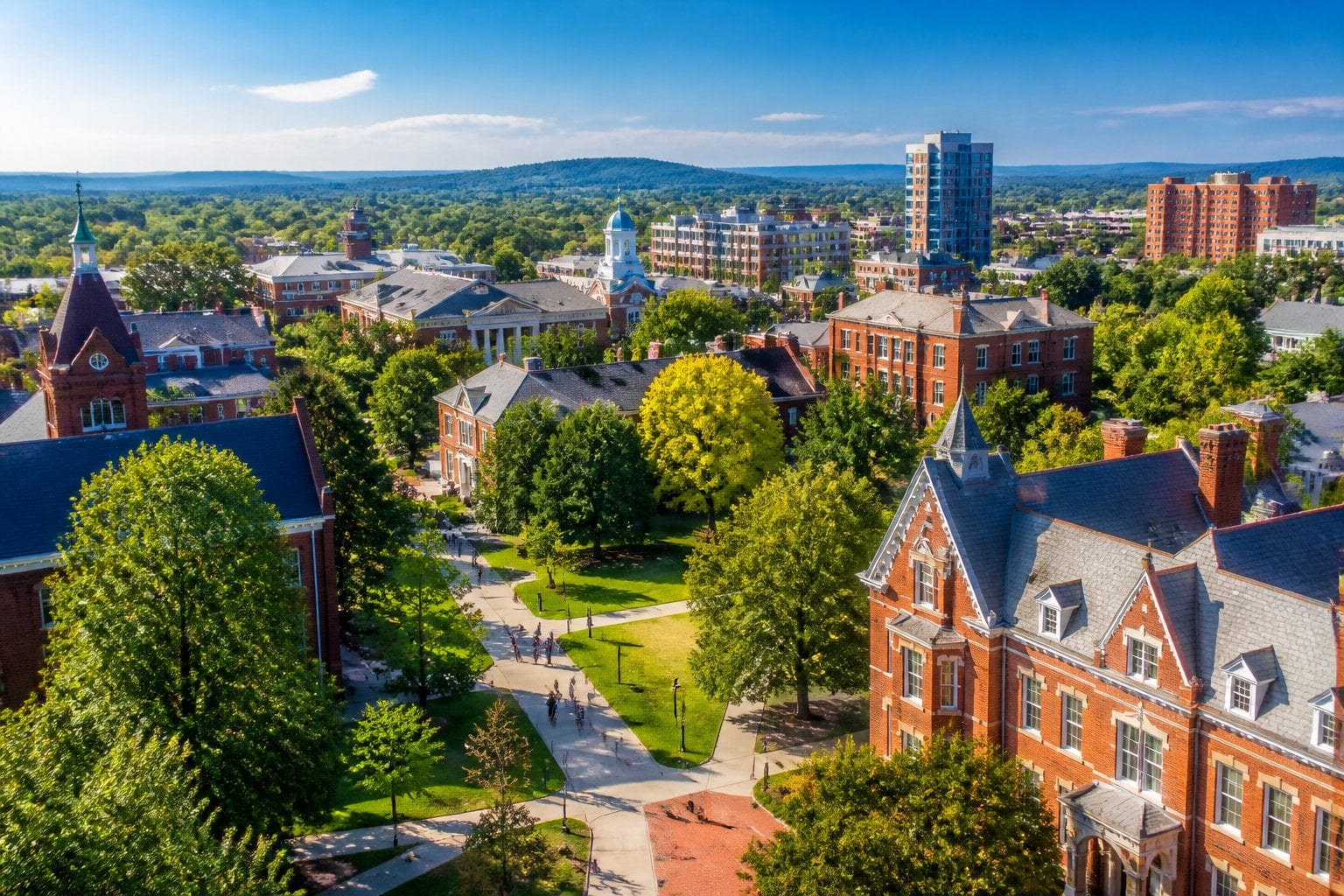
Lexington stands as Kentucky’s second-largest city and serves as home to the University of Kentucky, one of the state’s premier educational institutions. The city combines its college town atmosphere with a thriving equine industry that contributes significantly to local wealth.
You’ll find that Lexington’s economy extends beyond its academic roots. The horse racing and breeding industry attracts substantial investment and creates high-paying jobs in veterinary services, farm management, and equestrian tourism.
The presence of the University of Kentucky brings over 30,000 students to the area, supporting a robust service economy. Professional opportunities in healthcare, technology, and education provide residents with diverse career paths.
While Kentucky ranks fortieth among U.S. states in per capita income at $26,779, Lexington’s metropolitan area performs above this state average. The city’s blend of educational institutions, agricultural heritage, and growing professional sectors creates a unique economic profile among college towns.
25. Flagstaff, Arizona
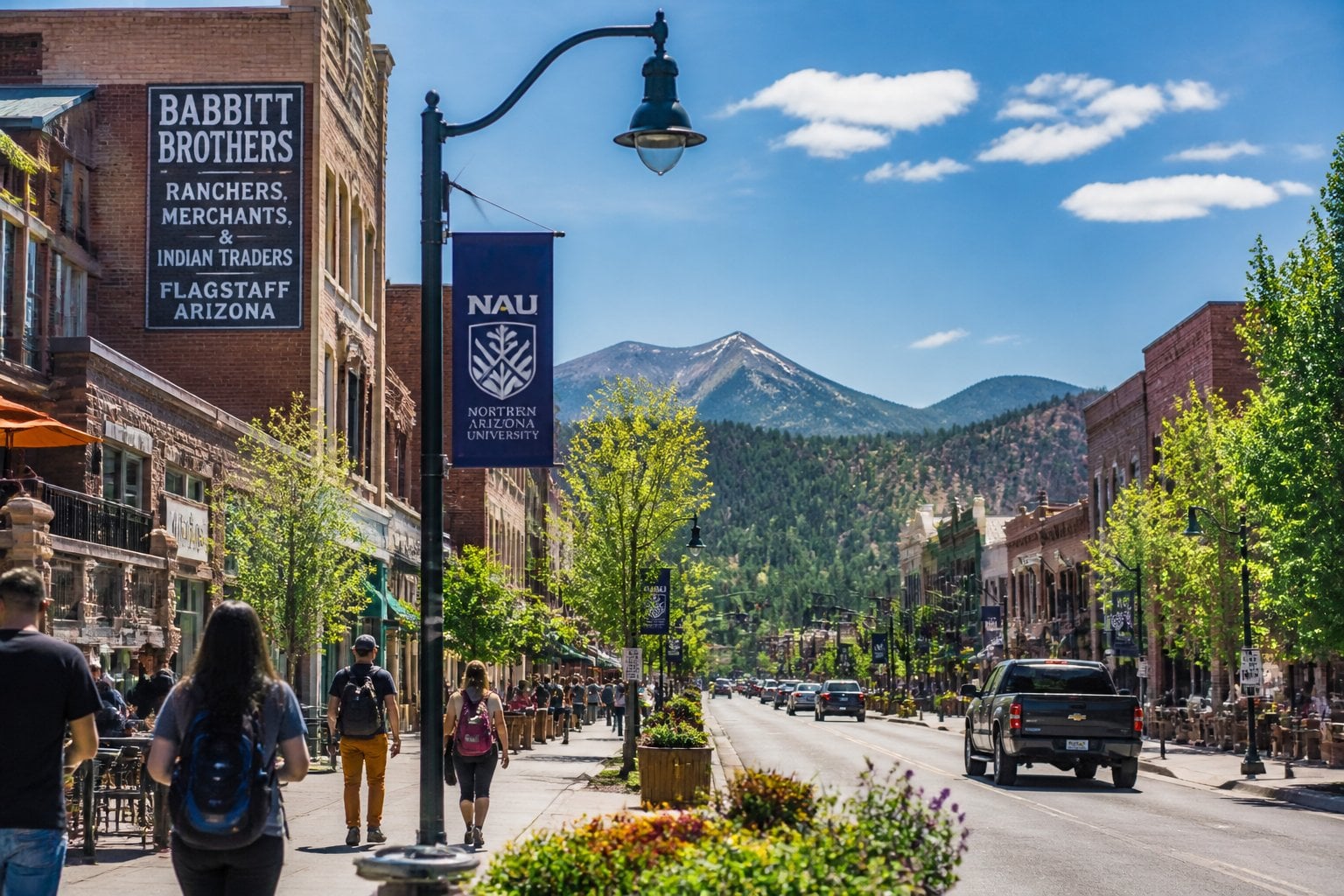
Flagstaff earns its place among America’s wealthiest college towns through a combination of high property values and strong economic fundamentals. Home to Northern Arizona University, this mountain city has seen its median home price reach $695,902 as of 2026, reflecting a 6.3% increase from the previous year.
The town’s prosperity stems from limited housing inventory and high demand driven by its unique appeal. Situated at approximately 7,000 feet above sea level, Flagstaff attracts both students and affluent residents seeking a mountain lifestyle.
Northern Arizona University anchors the local economy, but the city’s wealth extends beyond its academic institutions. You’ll find that Flagstaff’s elevated cost of living reflects its desirability as both a college destination and a premium residential location in northern Arizona.
26. Missoula, Montana
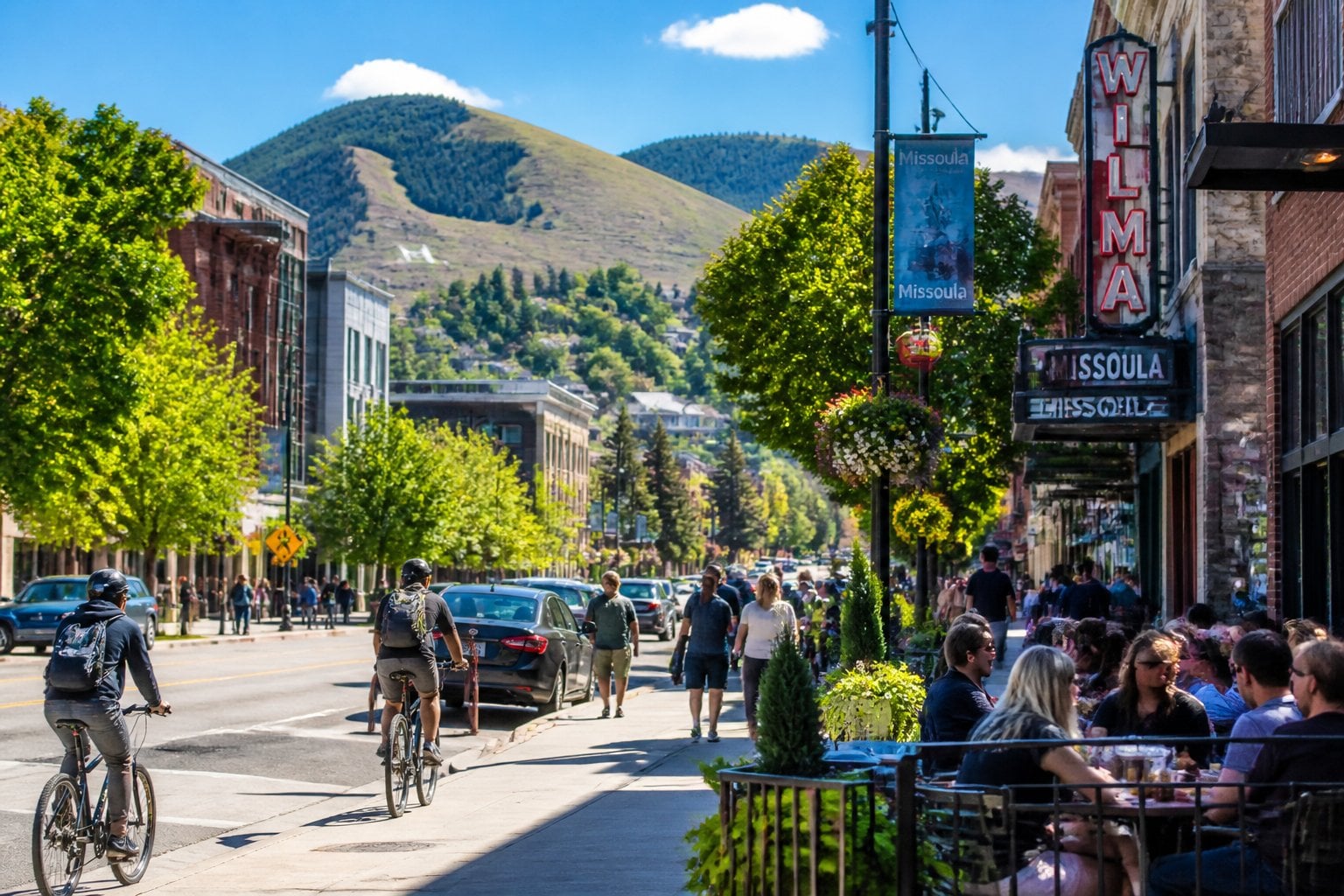
Missoula combines academic excellence with outdoor recreation as home to the University of Montana. The city ranks as the ninth best college town in America according to the American Institute for Economic Research, recognized for its strong concentration of arts, entertainment, and recreation establishments.
You’ll find Missoula nestled in the “Hub of Five Valleys,” offering access to mountain trails and rivers while maintaining a vibrant cultural scene. The town demonstrates notable “brain gain,” with graduates choosing to stay and contribute to the local economy after completing their studies.
The combination of university resources and natural amenities creates economic stability in this western Montana community. Student life benefits from affordable living costs compared to larger metropolitan areas, while the downtown area provides restaurants, shops, and entertainment venues that serve both students and residents.
27. Iowa City, Iowa
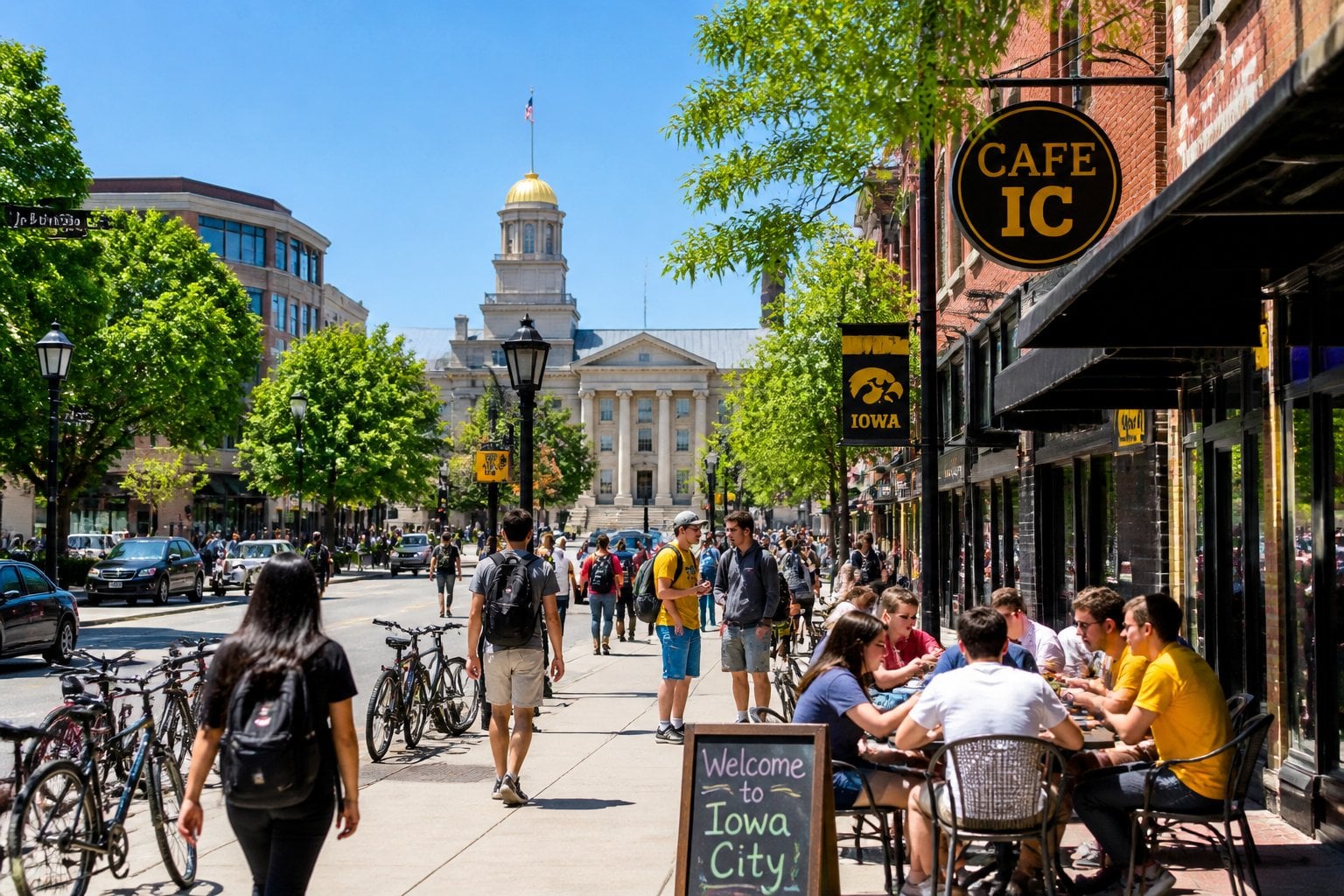
Iowa City stands out as a prosperous college town anchored by the University of Iowa. The city’s economy benefits significantly from the university’s presence, with 33.7% of the population enrolled in college programs. This creates a stable economic foundation that supports both academic and residential communities.
You’ll find that Iowa City offers a higher median household income compared to many traditional college towns. The presence of the University of Iowa Hospitals and Clinics, one of the largest teaching hospitals in the country, contributes substantially to the local economy and employment opportunities.
The town provides strong economic conditions while maintaining the cultural amenities you’d expect from a university community. With three colleges and universities in the area, Iowa City maintains a diverse academic environment that attracts educated professionals and supports sustained economic growth.
28. Ann Arbor (University of Michigan area), Michigan
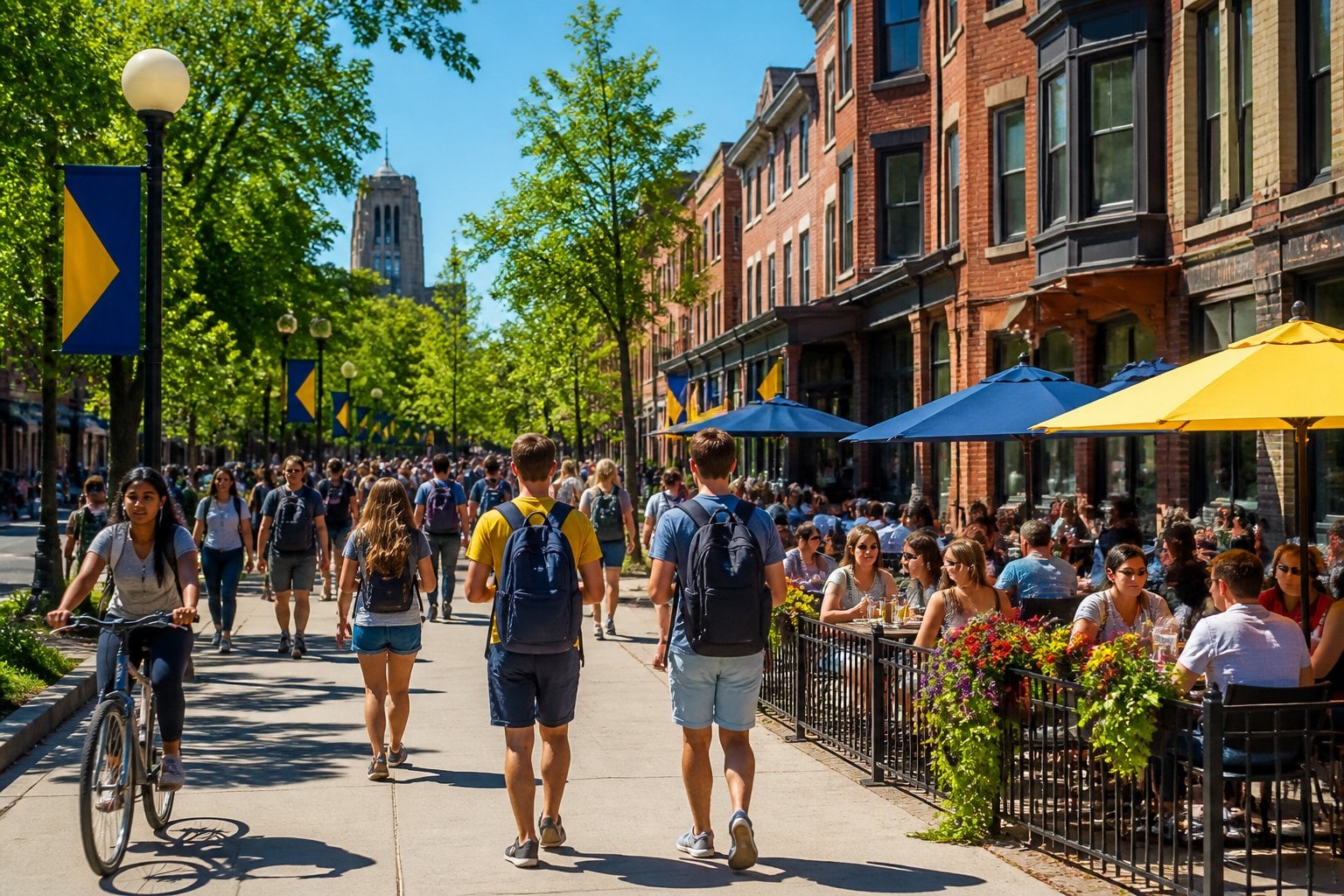
Ann Arbor stands out as one of the most affluent college towns in America, anchored by the University of Michigan. The city’s median household income reaches $73,276, while the average household income climbs to $107,368, reflecting significant economic prosperity among residents.
You’ll find a robust job market here, supported largely by the university’s presence as one of the nation’s largest higher education institutions. The area attracts high-earning professionals and faculty members who contribute to its wealth profile.
The vibrant downtown offers you an eclectic mix of bookstores, coffee shops, and restaurants that create a distinctive community atmosphere. Property values remain strong, with the surrounding suburbs including some of Michigan’s wealthiest communities.
Big Ten sports culture, particularly football at Michigan Stadium, adds to the town’s dynamic character while maintaining its economic stability.
29. Oxford, Ohio
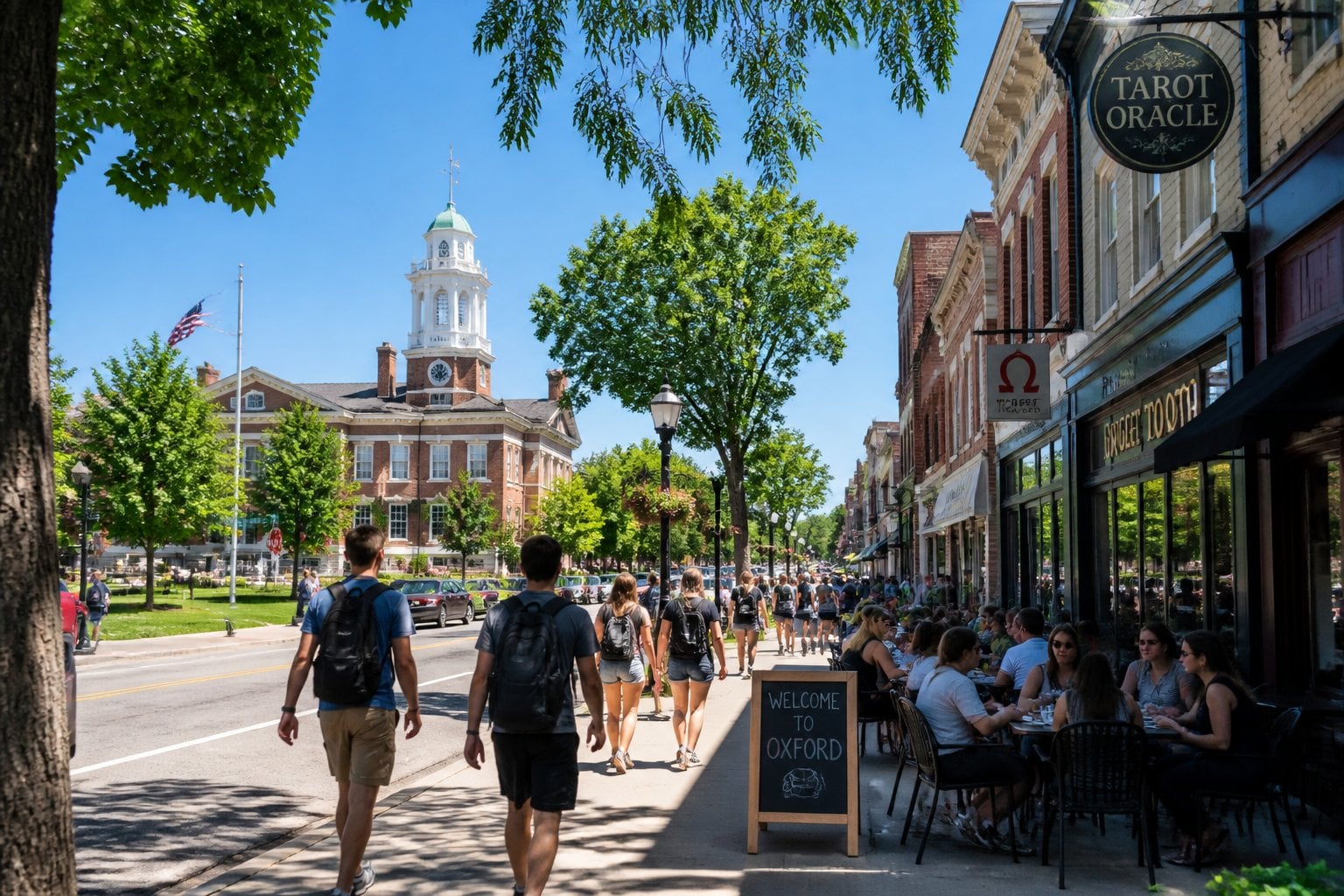
Oxford stands as one of Ohio’s quintessential college towns, home to Miami University and its approximately 20,000 students. The town’s economy centers heavily around the university, which serves as the primary employer and economic driver for the community.
You’ll find that Oxford’s median household income sits above the national average for college towns, though it varies significantly between permanent residents and student populations. The town features well-maintained historic architecture and an upscale downtown district along High Street with boutique shops and restaurants.
The presence of Miami University has created a stable real estate market with strong property values. Oxford offers a mix of historic homes and newer developments that attract faculty, administrators, and professionals. The community maintains a classic college town atmosphere while supporting a comfortable standard of living for its year-round residents.
30. Salem (near Willamette University), Oregon
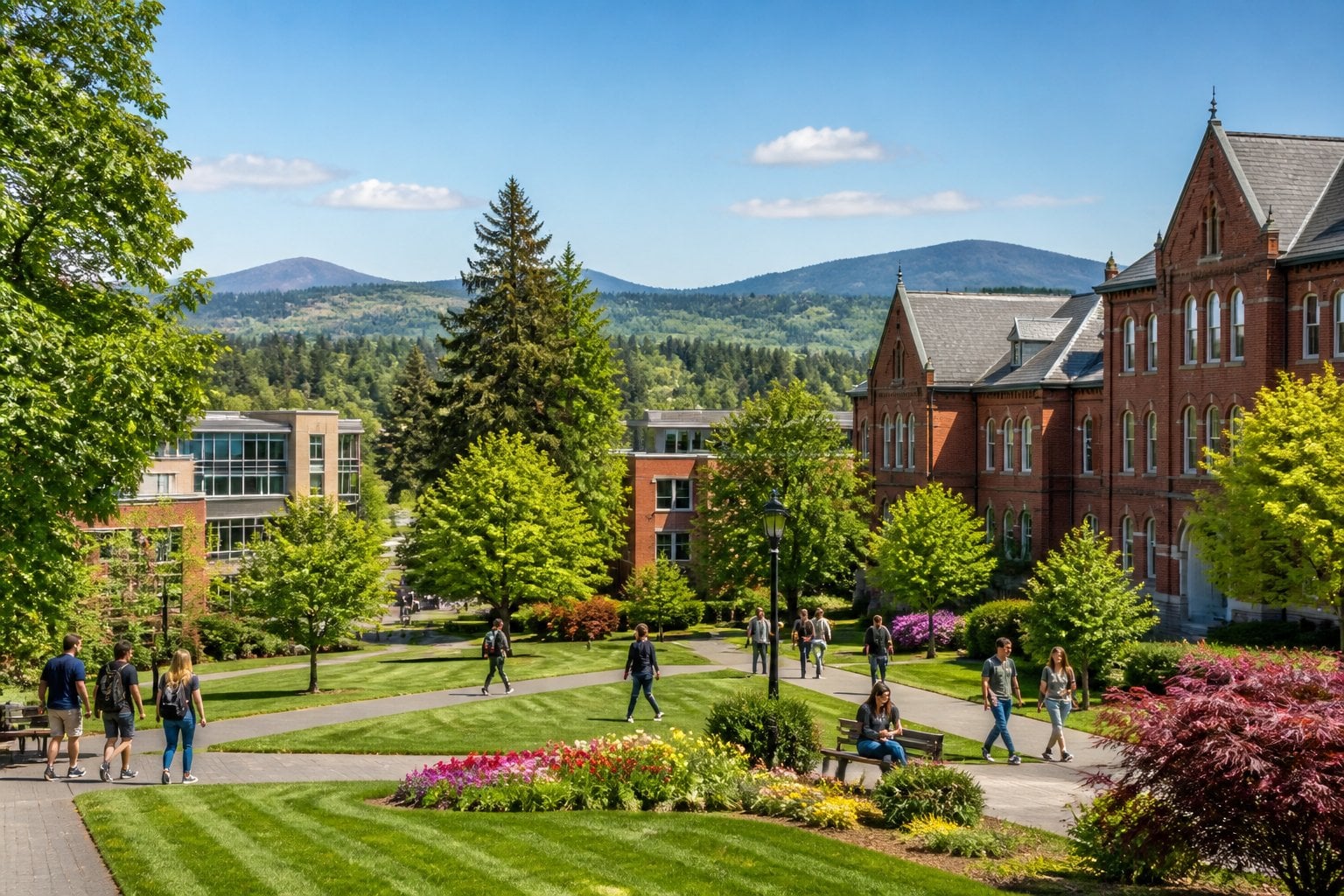
Salem serves as Oregon’s capital city and home to Willamette University, a private liberal arts institution with nearly $250 million in funding. The city offers you a blend of government sector stability and educational resources that contribute to its economic foundation.
Willamette University provides over 75 academic programs to its student population of approximately 2,400. The institution maintains campuses in both Salem and Portland, strengthening the area’s academic presence.
You’ll find Salem’s economy supported by state government employment, education, and healthcare sectors. The city’s position in the Willamette Valley gives you access to agricultural industries and growing wine country tourism.
The presence of Willamette University adds cultural amenities and educational opportunities to Salem’s community. Students and residents benefit from the college town atmosphere while enjoying the advantages of living in a state capital.
Economic Impact of Wealth in College Towns
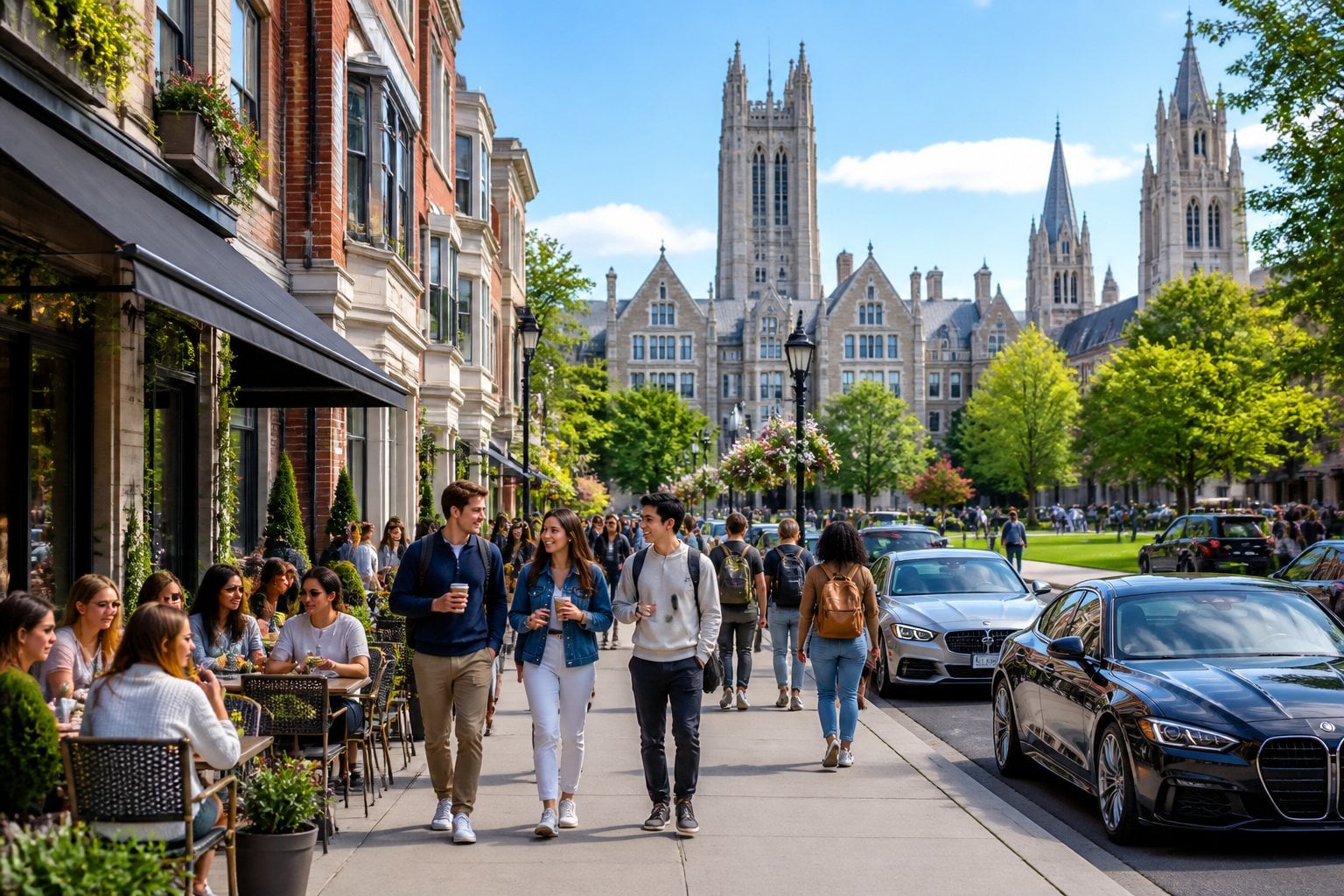
Wealthy college towns generate distinct economic patterns through elevated property valuations, thriving commercial sectors, and enhanced public infrastructure investments. The concentration of affluence in these communities creates measurable effects across multiple economic indicators.
Real Estate Trends and Property Values
Property values in affluent college towns consistently outpace regional averages. You’ll find that communities hosting prestigious universities command premium prices for both residential and commercial real estate.
The presence of high-income faculty, administrators, and educated professionals drives demand for upscale housing. Single-family homes in these markets often appreciate 15-20% faster than comparable properties in non-college towns within the same state.
Key factors influencing property values:
- Proximity to campus facilities and cultural amenities
- Quality of local school districts serving university-adjacent neighborhoods
- Rental income potential from student housing demand
- Limited developable land creating supply constraints
Your investment in these markets benefits from built-in stability. Universities provide consistent employment regardless of economic cycles, which insulates property values during downturns.
Local Business Growth and Investment
Affluent college towns support diverse commercial ecosystems beyond typical student-oriented establishments. You’ll observe higher concentrations of specialty retailers, upscale dining, and professional services catering to educated populations with disposable income.
Research institutions attract technology startups and corporate research facilities. These innovation hubs generate high-wage employment and venture capital investment that multiplies through local economies.
Small business formation rates in wealthy college towns exceed national averages by 25-30%. The educated workforce, access to university research resources, and affluent consumer base create favorable conditions for entrepreneurship.
Influence on Municipal Infrastructure
Wealthy college towns maintain superior public infrastructure compared to similarly sized communities. Your tax base benefits from substantial property tax revenues generated by high-value real estate and university-affiliated economic activity.
These communities invest heavily in transportation networks, public utilities, and recreational facilities. Streets receive regular maintenance, broadband infrastructure supports modern connectivity needs, and parks feature well-maintained amenities.
Universities themselves contribute infrastructure investments that serve broader communities. Libraries, medical facilities, and cultural venues built for academic purposes become regional resources. Municipal budgets allocate more per capita toward quality-of-life improvements when revenue streams remain stable and robust.
Social and Cultural Dynamics Shaped by Affluence
Wealth concentration in college towns creates distinct social patterns that extend beyond campus boundaries. These communities benefit from enhanced educational infrastructure, active civic participation, and premium lifestyle amenities that reflect their economic status.
Educational Opportunities and Academic Resources
Affluent college towns provide exceptional educational resources that benefit both students and permanent residents. You’ll find well-funded public school systems with low student-to-teacher ratios, advanced placement programs, and comprehensive extracurricular activities. These districts often spend significantly more per student than the national average.
Local libraries in these communities offer extensive digital collections, maker spaces, and specialized research materials. Many wealthy college towns feature partnerships between universities and K-12 schools, giving younger students access to university laboratories, mentorship programs, and dual-enrollment opportunities.
The presence of university faculty creates a highly educated adult population that supports enrichment programs, tutoring services, and academic competitions. Your children gain exposure to diverse intellectual pursuits through university-sponsored science fairs, writing workshops, and music programs that would be financially unfeasible in less affluent areas.
Community Engagement and Volunteerism
You’ll notice higher rates of civic participation in affluent college towns compared to national averages. Residents have more discretionary time and resources to dedicate to volunteer work, nonprofit boards, and community improvement projects.
These towns support numerous cultural institutions including art galleries, historical societies, and environmental conservation groups. University-community partnerships facilitate service learning programs where students address local needs while residents mentor young adults.
Common volunteer opportunities include:
- Food banks and meal delivery programs
- Youth mentorship and tutoring
- Environmental cleanup initiatives
- Arts education and museum docent programs
- Community garden projects
The combination of university resources and resident wealth enables sophisticated fundraising for local causes. You benefit from well-maintained public spaces, comprehensive social services, and cultural programming that smaller or less affluent communities struggle to sustain.
Lifestyle Amenities and Entertainment
Affluent college towns offer premium dining, shopping, and entertainment options that cater to educated, sophisticated tastes. You’ll find farm-to-table restaurants, specialty food markets, independent bookstores, and boutique retailers that reflect both student culture and permanent resident preferences.
These communities typically feature performing arts centers hosting touring Broadway productions, symphony orchestras, and internationally recognized speakers. Your access to cultural events rivals that of major metropolitan areas without the associated urban density.
Recreational facilities include well-maintained parks, extensive trail systems, yoga studios, fitness centers, and country clubs. Many towns invest in public amenities like farmers markets, outdoor concert venues, and botanical gardens that enhance quality of life for all residents.