The Real Cost of Heating a Pool, and the Cheapest Way to Cut It
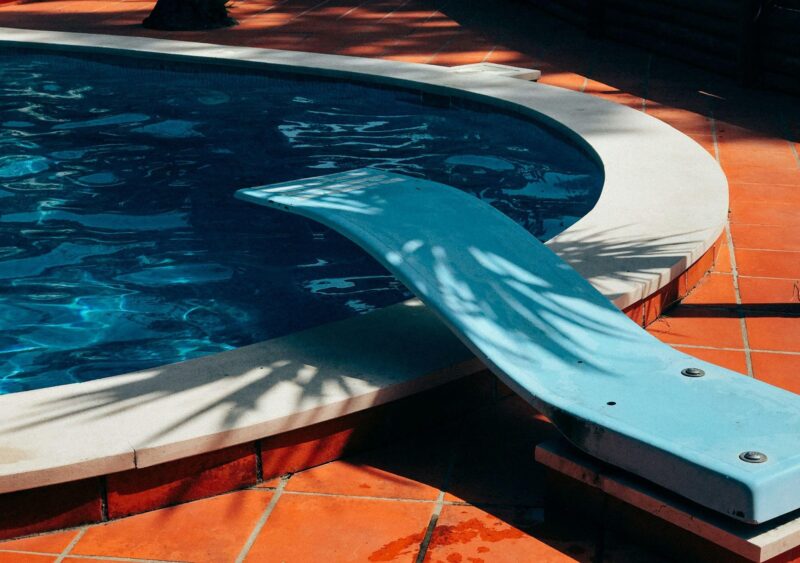
A backyard pool is one of the few home upgrades that keeps generating bills long after the installation invoice is paid. Between pumps, chemicals, and heating, pool ownership carries a real recurring cost, and heating is usually the single biggest line item on that list. The good news: it’s also the easiest one to cut down, and the fix costs a fraction of what most homeowners assume.
Here’s what’s driving your pool heating bill, and the one upgrade with the best return on investment.
Where Your Pool Heating Dollars Are Going
Most homeowners assume their heater is the main expense. It’s not, at least not directly. According to the U.S. Department of Energy, evaporation is the single largest source of energy loss in both indoor and outdoor pools. Every gallon of water that evaporates takes a significant amount of heat energy with it, energy your heater then has to replace, night after night.
That means an uncovered pool isn’t just losing water. It’s actively burning through the heating dollars you’ve already spent, on a loop, every single day it sits open overnight.
The Efficiency Math Behind an Uncovered Pool
Think of it like running your air conditioner with the windows open. You can install the most efficient heater on the market and still watch your energy costs climb if the heat has an easy way to escape. The heater isn’t the inefficiency. The open water surface is.
The Fix With the Best ROI in Pool Ownership
Of every upgrade a pool owner can make, from variable-speed pumps to premium heaters, a pool cover consistently delivers the best return relative to its cost.
The Department of Energy states that covering a pool when it’s not in use is the single most effective way to reduce pool heating costs, with savings of 50 to 70 percent possible. That’s not a marginal efficiency gain, it’s a structural change to how much heat your pool loses in the first place. The EPA’s WaterSense program adds that a properly used cover can prevent up to 95 percent of pool water evaporation, which compounds the savings by also cutting the water and chemicals needed to keep the pool balanced.
Compare that to a heater upgrade, which typically costs thousands of dollars and improves efficiency incrementally, and the math favors the cover every time.
Solar Covers Specifically Pull Double Duty
Not all covers are built the same, and for homeowners focused specifically on heating costs, solar covers are worth a closer look. Beyond blocking evaporation like a standard cover, a solar cover is designed to actively capture and transfer solar heat into the water during the day, meaning it works to both retain existing heat and add new heat at the same time.
For pool owners looking to reduce pool heating costs without upgrading their entire heating system, a solar cover is typically the lowest-cost, highest-impact place to start.
Running the Numbers: Cover vs. No Cover
Over a full swim season, the gap between a covered and uncovered pool adds up fast. A heater working to replace 50 to 70 percent more lost heat every single night isn’t a rounding error, it’s a materially different monthly bill, month after month, for the entire season.
Unlike a heater upgrade or a pump replacement, a cover typically pays for itself within a single season of consistent use, and continues generating savings every season after that with no additional cost beyond routine care and eventual replacement.
A Practical Framework for Cutting Pool Costs
If you’re evaluating where to put your money as a pool owner, here’s a reasonable order of operations:
- Start with a cover. It’s the lowest upfront cost with the highest percentage impact on your heating bill.
- Use it consistently. The savings only materialize if the cover is on the pool overnight, every night, not just during the off-season.
- Then evaluate your heater and pump. Once evaporation loss is under control, a more efficient heat pump or variable-speed pump becomes a smarter next investment, since it’s no longer compensating for an open water surface.
Frequently Asked Questions
What’s the biggest driver of pool heating costs? Evaporation. The U.S. Department of Energy identifies it as the largest source of energy loss in pools, since evaporating water carries a large amount of heat with it, heat your heater then has to replace.
How much can a pool cover save on heating costs? The Department of Energy states that consistent use of a pool cover can reduce heating costs by 50 to 70 percent, making it the single most effective way to lower pool energy expenses.
Are solar pool covers worth the cost compared to standard covers? For homeowners focused specifically on cutting heating costs, solar covers offer an added advantage: they help retain existing heat while also capturing additional solar heat during the day, rather than simply acting as a barrier.
Should I upgrade my pool heater or buy a cover first? A cover generally offers a better return on investment first, since it’s a lower upfront cost with an immediate, significant impact on heat loss. A heater or pump upgrade becomes more valuable once evaporation loss is already under control.
Pool ownership will always come with real, recurring costs. But heating doesn’t have to be the runaway expense it often becomes. The fix isn’t a bigger heater or a more expensive system, it’s simply keeping the heat you’ve already paid for where it belongs: in the pool.