
Why Maintenance Management Is So Hard to Get Right in Mining
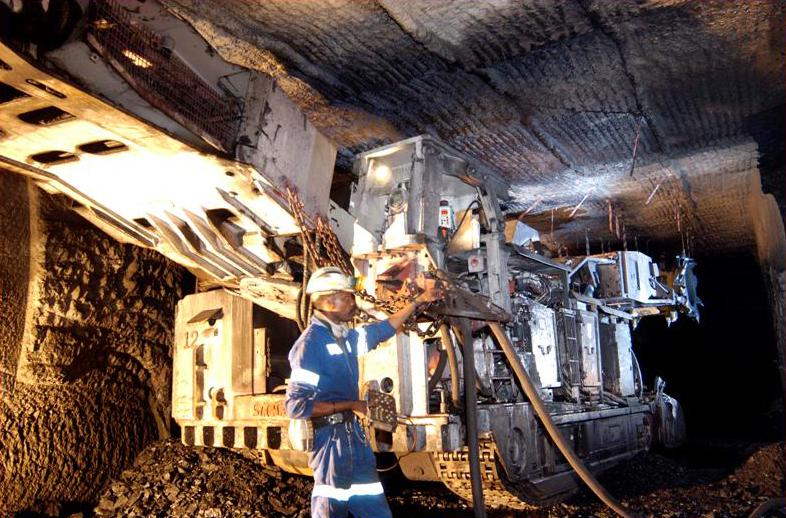
Mining is one of the most unforgiving environments for maintenance operations. Equipment operates 24 hours a day, seven days a week, in harsh conditions that accelerate wear in ways that standard maintenance schedules simply cannot anticipate. Dust, vibration, extreme heat, corrosive materials, and remote locations combine to create a maintenance challenge fundamentally different from those faced in most other industries, and the consequences of getting it wrong are immediate and expensive.
Industry data puts a number on that exposure. The average equipment failure in a mining operation costs around $180,000 per incident, and high-production assets generate losses of $130,000 per hour during downtime. Those are not background costs that get absorbed quietly; they hit production targets, delay projects, and show up directly on the bottom line.
For operations still managing maintenance through spreadsheets, paper checklists, and manual reporting, the question is not whether something will go wrong. It is how much it will cost when it goes. This is why mining maintenance software has moved from a convenience to an operational necessity for serious mining operations.
The Unique Challenge of Mining Maintenance
Most industries manage maintenance across a stable set of assets in a controlled environment. Mining does not have that luxury. A haul truck operating 600-plus hours per month experiences the equivalent of two years of consumer vehicle use in a single month. Conveyors, crushers, drill rigs, and excavators are exposed to extreme abrasion and load conditions that make component wear highly unpredictable when organizations rely only on calendar-based maintenance intervals.
The remoteness of most mining sites compounds every problem. When a critical component fails, you cannot run to the nearest supplier. Lead times on specialized mining equipment can stretch into months. Safety is the other dimension that sets mining maintenance apart. When equipment fails and crews are under pressure to restore production quickly, the risk of improvised fixes is among the most common contributors to serious incidents on mining sites.
What Breaks Down First Without the Right Systems
The root cause of most mining maintenance problems is not a lack of effort. It is a lack of visibility. When maintenance records are kept in different places, work orders are tracked on paper, and spare parts inventory relies on tribal knowledge rather than a system, information gaps become dangerous. Maintenance managers cannot see which assets are trending toward failure.
Planners cannot confidently schedule preventive work during shift changes without accurate equipment history. Procurement cannot optimize parts orders because consumption data is scattered. Every decision becomes a judgment call, and in mining, judgment calls about equipment condition are costly when wrong.
According to a comprehensive analysis, unplanned disruptions are among the costliest blind spots in mining operations, with lead times on specialized components sometimes stretching for months or years. The organizations that navigate this best have maintenance systems that provide real-time visibility into potential failures.
What Good Maintenance Management Actually Looks Like
Effective mining maintenance is built on a few interconnected capabilities that good software brings together.
- Asset lifecycle tracking provides a complete history for every piece of equipment, including maintenance performed, parts consumed, failures recorded, and costs incurred. With that history in place, you can make informed decisions about when to refurbish versus replace equipment based on real data.
- Preventive maintenance scheduling tied to actual operating hours and condition data, rather than fixed calendar intervals, stops teams from over-maintaining equipment that is performing well and catches deteriorating assets that would otherwise fail before the next scheduled inspection.
- Work order management built for the field means technicians receive assignments on mobile devices, update job status in real time, access equipment manuals and safety procedures on-site, and close out jobs with the data attached without returning to a desktop to complete paperwork.
- Parts inventory integration connects parts consumption to work orders automatically, so procurement has accurate consumption data and reorder points are triggered before critical spares run out. In remote operations where restocking takes days or weeks, that buffer is not optional.
- Compliance and inspection documentation keep safety records organized, audit-ready, and connected to the assets they relate to. Mining operations face significant regulatory scrutiny, and manual record-keeping creates gaps in risk management that auditors and incidents eventually expose.
The Shift That Separates High-Performing Sites
The mining operations that consistently hit production targets and control maintenance costs share one characteristic: they treat maintenance as a data problem, not just a labor problem. They invest in systems that give their teams visibility across every asset, every site, and every work order, and they use that visibility to plan rather than react.
That shift is available to operations of any size. It starts with replacing disconnected systems with a single source of truth for maintenance data and compounds in value every quarter as that data improves decisions downstream, helping teams optimize performance, reduce risk, and improve reliability.


