
Best Used SUVs Under $30,000 That Are Reliable: Top Picks for Smart Buyers in 2026
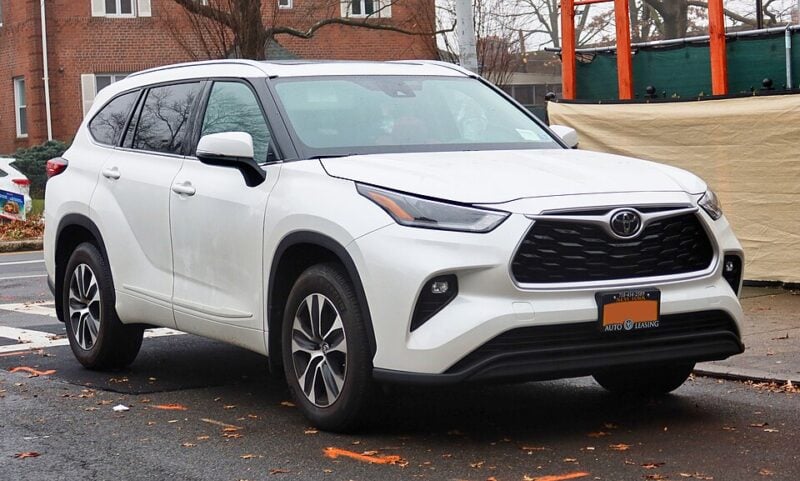
Shopping for a used SUV with a $30,000 budget opens up excellent options that combine space, capability, and modern features without the steep depreciation of buying new.
The market offers everything from fuel-efficient compact crossovers to three-row family haulers, giving you flexibility to match your specific needs.
The most reliable used SUVs under $30,000 include the Toyota Highlander, Honda CR-V, Mazda CX-5, and Subaru Forester, which consistently earn top marks for dependability while offering low maintenance costs and strong resale value.
These vehicles typically have fewer than 60,000 miles and come equipped with advanced safety features, updated infotainment systems, and warranties that provide peace of mind.
Your choice depends on whether you prioritize fuel economy, cargo space, off-road capability, or luxury amenities. This guide breaks down the top options across different categories, helping you understand reliability ratings, ownership costs, and what to inspect before making a purchase.
Top Picks for the Best Used SUVs Under $30,000
Several standout models consistently deliver reliability, practicality, and value in the used SUV market. The Toyota RAV4 leads with proven durability, while the Honda CR-V offers spacious interiors and efficiency, the Mazda CX-5 brings upscale refinement, and the Subaru Outback provides all-weather capability.
Toyota RAV4
The Toyota RAV4 ranks among the most reliable used SUVs you can find under $30,000. You’ll appreciate its well-deserved reputation for longevity, with many models easily surpassing 200,000 miles with proper maintenance.
Model years from 2016-2019 typically fall within this price range and offer features like Toyota Safety Sense, which includes adaptive cruise control and lane departure warning. The RAV4’s 2.5-liter four-cylinder engine produces 176 horsepower and delivers around 26 mpg combined.
Interior space accommodates five passengers comfortably, with 38.4 cubic feet of cargo space behind the rear seats. You’ll find the cabin well-built with straightforward controls, though materials may feel basic compared to luxury competitors.
Key Benefits:
- Exceptional reliability ratings
- Strong resale value
- Available all-wheel drive
- Low maintenance costs
Honda CR-V
The Honda CR-V stands out as one of the best compact SUVs available in this price bracket. The 2017-2020 models provide excellent value with Honda’s reputation for dependability backing every purchase.
You get a spacious cabin that outclasses many competitors, with 39.2 cubic feet of cargo room and clever storage solutions throughout. The turbocharged 1.5-liter engine in newer models produces 190 horsepower while achieving approximately 29 mpg combined.
Honda’s suite of safety features, known as Honda Sensing, comes standard on many trim levels. This includes collision mitigation braking, road departure mitigation, and adaptive cruise control. The CR-V’s low step-in height and wide-opening doors make access easy for all passengers.
Reliability ratings consistently earn top marks from consumer reports and automotive publications. You’ll find parts readily available and repair costs reasonable compared to luxury brands.
Mazda CX-5
The Mazda CX-5 delivers a more premium experience than its price suggests. Models from 2017-2020 bring upscale materials and sporty handling that make daily driving enjoyable.
You’ll notice the refined interior immediately, with soft-touch surfaces and intuitive infotainment controls that rival luxury brands. The 2.5-liter four-cylinder engine provides 187 horsepower with responsive acceleration and approximately 26 mpg combined.
Mazda’s focus on driving dynamics sets the CX-5 apart from competitors. The steering offers precise feedback, and the suspension balances comfort with cornering capability. Standard safety features on most trims include blind-spot monitoring, rear cross-traffic alert, and smart brake support.
Cargo space measures 30.9 cubic feet behind the rear seats, slightly less than competitors but still adequate for most needs. The CX-5’s quiet cabin and comfortable seating make it ideal for longer trips.
Subaru Outback
The Subaru Outback combines SUV capability with wagon practicality. You get standard all-wheel drive on every model, making it exceptional for challenging weather conditions and light off-road adventures.
Model years 2015-2018 fit comfortably within a $30,000 budget. The 2.5-liter four-cylinder boxer engine produces 175 horsepower and achieves around 28 mpg combined. You’ll appreciate the symmetrical all-wheel-drive system’s superior traction in snow, rain, and gravel.
Ground clearance of 8.7 inches exceeds most crossovers, allowing you to tackle rough roads and trails confidently. The spacious interior offers 35.5 cubic feet of cargo space with excellent headroom thanks to the wagon-style roof.
Subaru’s EyeSight driver assistance system comes standard on many trims, providing adaptive cruise control, pre-collision braking, and lane keep assist. Reliability proves solid, though you should verify regular maintenance of the head gasket, which can be a concern on older models.
Key Factors to Consider When Buying a Reliable Used SUV
A thorough inspection of maintenance records and vehicle history helps identify potential issues before purchase. Understanding the differences between certified pre-owned and standard used vehicles, along with available warranty options, can significantly impact your long-term ownership costs and peace of mind.
Vehicle History and Maintenance Records
You should always request a complete vehicle history report through services like Carfax or AutoCheck before making any purchase decision. These reports reveal critical information including accident history, title status, previous ownership, and odometer readings.
Documented maintenance records demonstrate how well the previous owner cared for the vehicle. Look for evidence of regular oil changes, tire rotations, brake inspections, and manufacturer-recommended service intervals. Missing or incomplete service records often indicate neglect that could lead to expensive repairs down the road.
Pay close attention to any reported accidents or damage claims. Even minor collisions can affect structural integrity and lead to mechanical problems later. Frame damage is particularly concerning and should typically disqualify a vehicle from consideration.
Verify the odometer reading matches the vehicle history report to avoid purchasing a car with rolled-back mileage. Reliability should be your top priority when evaluating a pre-owned SUV to prevent unexpected breakdowns and costly repairs.
Certified Pre-Owned vs. Standard Used
Standard used vehicles are sold as-is with no manufacturer backing, while certified pre-owned (CPO) models undergo rigorous inspection processes and come with extended warranties. The price difference between these options typically ranges from $1,000 to $3,000, depending on the make and model.
CPO vehicles must meet strict age and mileage requirements, usually under six years old with fewer than 80,000 miles. They pass multi-point inspections covering mechanical components, safety systems, and cosmetic condition. Any worn or damaged parts get replaced with genuine manufacturer components before sale.
Standard used vehicles offer lower upfront costs but carry more risk. You’re responsible for any repairs needed after purchase unless you negotiate a separate warranty. This option works best when you have mechanical knowledge or access to a trusted independent mechanic who can perform a pre-purchase inspection.
Certified Pre-Owned Programs
Manufacturer CPO programs vary significantly in coverage and benefits between brands. Luxury manufacturers like BMW, Mercedes-Benz, and Audi typically offer the most comprehensive programs with longer warranty periods and more extensive roadside assistance.
Most CPO programs include powertrain warranties covering the engine, transmission, and drive components for 6-12 months or 100,000 miles total vehicle mileage. Some manufacturers add complimentary maintenance services like oil changes and tire rotations during the warranty period.
Inspection checklists for CPO programs commonly include 100-200 individual checkpoints. These cover everything from brake pad thickness and tire tread depth to electronic system diagnostics and interior component functionality. Failed items must be repaired or replaced before certification.
Additional CPO benefits often include trip interruption reimbursement, rental car coverage, and 24-hour roadside assistance. These perks add real value if you plan to take road trips or depend on your SUV for daily transportation.
Warranty and After-Sale Support
Factory warranties on new vehicles typically transfer to subsequent owners with limitations based on time and mileage remaining. You need to verify exactly what coverage remains and whether it’s transferable before finalizing your purchase.
Extended warranty options from third-party providers range from basic powertrain coverage to comprehensive bumper-to-bumper protection. Read the fine print carefully, as many policies exclude common failure points or require you to use specific repair facilities. Deductibles can range from $0 to $250 per visit.
Consider the cost of extended warranties against the vehicle’s reliability ratings and your financial situation. Setting aside monthly payments into a dedicated repair fund sometimes proves more economical than purchasing extended coverage, especially for models with strong reliability track records.
Dealership support matters when problems arise after purchase. Ask about their service department capabilities, whether they employ manufacturer-certified technicians, and their typical wait times for appointments.
Reliability Ratings and Consumer Reports Insights
Professional reliability scores and real-world owner experiences reveal which used SUVs under $30,000 deliver the dependability you need. Independent testing organizations and consumer feedback platforms provide measurable data on long-term performance and common maintenance issues.
J.D. Power Reliability Scores
J.D. Power measures vehicle dependability through comprehensive surveys of actual owners, tracking problems per 100 vehicles (PP100). Lower scores indicate better reliability. The Toyota RAV4 consistently scores in the 80-90 range, placing it among the top compact SUVs.
The Honda CR-V earns similar marks, with recent model years scoring between 85-95 PP100. The Mazda CX-5 has improved significantly, achieving scores in the low 90s. These ratings reflect problems reported during the first three years of ownership, giving you insight into what to expect from vehicles now entering the used market.
Luxury models like the Lexus RX achieve exceptional scores, often below 80 PP100. The Toyota Highlander maintains reliability ratings competitive with smaller SUVs despite its larger size and complexity.
Consumer Reviews and Owner Feedback
Consumer Reports tests and evaluates used SUVs based on member surveys covering hundreds of thousands of vehicles. Their reliability ratings incorporate 17 trouble areas including engine, transmission, and electronics.
The Honda CR-V receives particularly strong marks from owners for minimal unexpected repairs. Many CR-V owners report trouble-free operation beyond 150,000 miles. The Toyota Highlander earns praise for its durability, with owners frequently keeping these SUVs for 10+ years.
Ford’s SUV lineup receives mixed feedback. The Ford Escape shows average reliability in owner surveys, while the Explorer has improved in recent years after addressing earlier transmission concerns.
Common Issues and Longevity
The Toyota RAV4 experiences occasional oil consumption issues in 2010-2012 models but generally maintains strong longevity potential. The Honda CR-V’s most common complaint involves minor air conditioning problems in pre-2015 models. These issues rarely affect long-term reliability.
The Mazda CX-5 may require earlier brake replacements than competitors, but experiences few major mechanical failures. The Ford Escape’s EcoBoost engines sometimes develop turbocharger issues after 100,000 miles, though proper maintenance minimizes this risk.
Expected Longevity by Model:
- Toyota Highlander: 250,000+ miles
- Honda CR-V: 200,000+ miles
- Mazda CX-5: 200,000+ miles
- Ford Escape: 150,000-180,000 miles
Transmission durability varies significantly. Toyota and Honda models rarely need transmission work before 200,000 miles, while some Ford models may require service sooner.
Best Used Compact SUVs Under $30,000
The compact SUV segment offers exceptional value in the used market, with models like the Toyota RAV4, Honda CR-V, and Mazda CX-5 delivering proven reliability, practical cargo space, and fuel-efficient engines that make them ideal daily drivers.
Toyota RAV4
The Toyota RAV4 stands as one of the most reliable used small SUVs you can find under $30,000. Models from 2018-2021 typically fall within this price range and offer Toyota’s renowned build quality.
You’ll find the RAV4 comes standard with Toyota Safety Sense, which includes adaptive cruise control, lane departure warning, and automatic emergency braking. The 2.5-liter four-cylinder engine produces 203 horsepower and delivers around 28 mpg combined.
Key Features:
- 37.6 cubic feet of cargo space behind the rear seats
- Available all-wheel drive on most trims
- Apple CarPlay and Android Auto compatibility (2019+)
- Excellent resale value retention
The interior offers comfortable seating for five adults and straightforward controls that make daily use simple. Maintenance costs remain low compared to competitors, and parts availability is excellent nationwide.
Honda CR-V
The Honda CR-V competes directly with the RAV4 and matches it in reliability while offering slightly more interior space. You can find 2017-2020 models with reasonable mileage under $30,000.
Honda’s 1.5-liter turbocharged engine provides 190 horsepower with an EPA-estimated 30 mpg combined in front-wheel-drive models. The CVT transmission operates smoothly and contributes to the CR-V’s fuel efficiency.
The CR-V’s cabin provides 39.2 cubic feet of cargo room behind the second row, making it one of the most spacious options in the compact class. Build quality is solid throughout, with soft-touch materials on the dashboard and door panels.
Reliability Highlights:
- Proven powertrain with minimal reported issues
- Low-cost maintenance schedule
- Strong safety ratings across all model years
- Honda Sensing suite standard from 2018 onward
You’ll appreciate the CR-V’s comfortable ride quality and quiet cabin at highway speeds. The rear seats slide and recline for added passenger comfort on longer trips.
Mazda CX-5
The Mazda CX-5 brings a more upscale feel and engaging driving dynamics to the compact SUV segment. Models from 2017-2020 offer premium materials and sharp handling at used prices well under $30,000.
Mazda’s 2.5-liter four-cylinder engine produces 187 horsepower in base form, while Touring and Grand Touring trims received a 250-horsepower turbocharged version starting in 2019. The six-speed automatic transmission provides quicker responses than CVT-equipped competitors.
The interior quality surpasses most compact SUVs in this price range. You’ll find soft leather-like surfaces, intuitive controls, and a refined aesthetic that rivals luxury brands. Cargo space measures 30.9 cubic feet, slightly less than the RAV4 and CR-V but still adequate for most needs.
The CX-5 earned Top Safety Pick+ awards from the IIHS for multiple model years. Standard i-Activsense safety features include blind-spot monitoring, rear cross-traffic alert, and smart brake support on 2018 and newer models.
Best Used Midsize SUVs Under $30,000
Midsize SUVs provide three-row seating capacity and versatile cargo space while remaining accessible for buyers seeking proven reliability. The Toyota Highlander, Honda Pilot, and Ford Edge represent strong value propositions in this category.
Toyota Highlander
The Toyota Highlander stands out as the best used 3rd-row SUV under $30,000 for buyers prioritizing long-term dependability. Models from 2019-2021 typically fall within budget constraints while offering seating for up to eight passengers.
You’ll find the Highlander delivers consistent performance through Toyota’s reputation for durability. The 3.5-liter V6 engine produces 295 horsepower, providing adequate power for highway merging and family road trips.
Interior quality remains competitive even in used examples. The second-row seats offer captain’s chairs or a bench configuration depending on trim level. Storage compartments throughout the cabin accommodate family gear efficiently.
Fuel economy averages around 21 mpg city and 27 mpg highway, which is reasonable for the midsize SUV class. Safety features include Toyota Safety Sense, which provides pre-collision warning, adaptive cruise control, and lane departure alert on most model years within this price range.
Honda Pilot
The Honda Pilot competes directly with the Highlander by offering similar passenger capacity with a more engaging driving experience. You can find 2016-2019 models under $30,000 with reasonable mileage.
Honda’s 3.5-liter V6 generates 280 horsepower paired with either a six-speed or nine-speed automatic transmission. The Pilot handles curves better than many competitors while maintaining comfortable ride quality for daily commuting.
The interior layout maximizes passenger space across all three rows. Adults can sit in the third row for short trips without excessive discomfort. The second row slides forward easily for third-row access.
Standard features on most used examples include a backup camera, Bluetooth connectivity, and tri-zone automatic climate control. Higher trims add leather upholstery, navigation, and Honda Sensing safety technology. Reliability ratings consistently rank above average for the midsize SUV segment.
Ford Edge
The Ford Edge offers a sportier alternative if you don’t need third-row seating. Recent model years from 2019-2022 frequently appear under $30,000, providing more contemporary technology than comparably priced three-row competitors.
Multiple engine options give you flexibility based on your performance preferences. The base 2.0-liter turbocharged four-cylinder produces 250 horsepower, while the available 2.7-liter EcoBoost V6 delivers 335 horsepower in Sport trim.
Cargo space measures 39.2 cubic feet behind the second row, expanding to 73.4 cubic feet with seats folded. This configuration works well for buyers who prioritize storage over passenger count.
Ford’s SYNC 3 infotainment system comes standard on most recent used models, featuring an 8-inch touchscreen with Apple CarPlay and Android Auto compatibility. Available Co-Pilot360 provides blind-spot monitoring, rear cross-traffic alert, and automatic emergency braking for enhanced safety.
Best Used Three-Row SUVs Under $30,000
Three-row SUVs in this price range deliver family-friendly seating for up to seven or eight passengers while maintaining strong reliability ratings. Models from Korean and domestic manufacturers offer the best value with modern features and proven durability.
Kia Sorento
The Kia Sorento stands out as a practical choice for families needing three rows without breaking the budget. You’ll find 2018-2020 models well within the $30,000 range, offering a comfortable ride and user-friendly technology.
The Sorento seats seven passengers across three rows, though the third row works best for children or shorter trips. Standard features on most used models include an 8-inch touchscreen, Apple CarPlay, Android Auto, and blind-spot monitoring. The 2.4-liter four-cylinder engine produces 185 horsepower, while the available 3.3-liter V6 delivers 290 horsepower for those who need more towing capacity.
Reliability proves strong with the Sorento, backed by Kia’s reputation for building durable vehicles. You’ll benefit from any remaining coverage under Kia’s 10-year/100,000-mile powertrain warranty when buying used. Cargo space measures 11.3 cubic feet behind the third row, expanding to 73.5 cubic feet with both rear rows folded.
Hyundai Santa Fe
The Hyundai Santa Fe shares mechanical components with the Sorento but offers distinct styling and features. You can find 2017-2019 three-row Santa Fe models comfortably under $30,000, providing excellent value for money.
Your passengers will appreciate the spacious first and second rows, though the third row remains tight for adults. Standard safety features include forward collision warning, automatic emergency braking, and lane-keeping assist on newer models. The 3.3-liter V6 engine produces 290 horsepower and handles highway merging with confidence.
Build quality matches the Sorento with Hyundai’s strong warranty coverage transferring to subsequent owners. The interior materials feel upscale for the segment, with available leather seating and heated front seats. You’ll get 13.5 cubic feet of cargo space behind the third row, which expands significantly when you fold the rear seats down.
Chevrolet Traverse
The Chevrolet Traverse offers the most interior space in this segment, with genuinely usable third-row seating for adults. You’ll find 2018-2019 models available under $30,000, providing American-sized comfort and capability.
This full-size SUV seats up to eight passengers with a standard second-row bench seat or seven with optional captain’s chairs. The 3.6-liter V6 engine delivers 310 horsepower, giving you strong acceleration and a maximum towing capacity of 5,000 pounds. Standard features include an 8-inch touchscreen, six USB ports, and tri-zone automatic climate control.
Best Used Hybrid SUVs Under $30,000
Hybrid SUVs combine fuel efficiency with practicality, making them excellent choices for budget-conscious buyers. The Toyota RAV4 Hybrid and Ford Escape Hybrid stand out as reliable options that deliver strong mpg numbers without sacrificing cargo space or versatility.
Toyota RAV4 Hybrid
The Toyota RAV4 Hybrid consistently ranks among the best used hybrid SUVs under $30,000 thanks to its proven reliability and impressive fuel economy. You can expect combined fuel economy ratings around 40 mpg in most model years, significantly better than the gas-only RAV4.
Earlier model years from 2016-2019 typically fall within the $30,000 budget with reasonable mileage. These vehicles feature Toyota’s dependable hybrid powertrain that pairs a 2.5-liter four-cylinder engine with electric motors for a combined 194 horsepower.
Key features include:
- Standard all-wheel drive on all hybrid models
- Spacious cargo area with 37.6 cubic feet behind rear seats
- Toyota Safety Sense suite of driver assistance features
- Low maintenance costs compared to luxury hybrids
The RAV4 Hybrid’s strong resale value reflects its reputation for longevity, with many examples easily exceeding 200,000 miles with proper maintenance.
Ford Escape Hybrid
The Ford Escape Hybrid offers an affordable entry into hybrid ownership with model years from 2020-2022 available within your budget. The newer generation Escape Hybrid delivers up to 41 mpg combined, making it one of the most efficient compact SUVs in its class.
You’ll find front-wheel drive as standard, with all-wheel drive available on higher trims. The 2.5-liter four-cylinder engine combined with an electric motor produces 200 horsepower, providing adequate acceleration for daily driving.
The Escape Hybrid provides 33.5 cubic feet of cargo space behind the rear seats and 60.8 cubic feet with seats folded. Its compact size makes it easier to maneuver in tight parking situations compared to larger SUVs.
Ford’s Co-Pilot360 safety suite comes standard on most trim levels, including automatic emergency braking and blind-spot monitoring. The interior features an 8-inch touchscreen with Ford’s SYNC 3 infotainment system on most models.
Best Used Luxury SUVs Under $30,000
The luxury SUV segment offers exceptional value in the used market, with models like the Lexus RX, Acura RDX, and Volvo XC60 delivering premium features, refined interiors, and strong reliability at accessible price points.
Lexus RX
The Lexus RX consistently ranks among the most reliable used luxury SUVs you can purchase under $30,000. This midsize SUV combines Toyota’s proven reliability with upscale materials and a quiet, comfortable cabin that handles highway trips with ease.
You’ll find 2015-2017 models within this budget, featuring the dependable 3.5-liter V6 engine that produces 295 horsepower. The RX offers smooth ride quality and excellent build quality that holds up well over time.
Key features include:
- Available hybrid RX 450h for better fuel economy
- Spacious interior with comfortable seating for five
- Lexus Safety System+ on newer models
- Low maintenance costs compared to German rivals
The RX typically comes well-equipped with leather seats, dual-zone climate control, and a premium audio system. While it doesn’t offer the sportiest handling, the RX excels at providing a serene driving experience with minimal repair concerns.
Acura RDX
The Acura RDX stands out as a sporty yet practical luxury SUV option that fits comfortably under the $30,000 threshold. Your budget will get you a 2015-2018 model with Honda’s reliable engineering and Acura’s attention to detail.
The second-generation RDX (2013-2018) features a 279-horsepower 3.5-liter V6 engine paired with a six-speed automatic transmission. You’ll appreciate the engaging driving dynamics and available all-wheel drive for improved traction.
Standard features on most used RDX models include:
- Power liftgate
- Leather upholstery
- Multi-angle rearview camera
- Bluetooth connectivity
The RDX provides more cargo space than many competitors and includes thoughtful storage solutions throughout the cabin. Acura’s reputation for reliability means you’ll face fewer unexpected repair bills, though maintenance costs remain reasonable for the luxury segment.
Volvo XC60
The Volvo XC60 brings Scandinavian design and industry-leading safety features to the used luxury SUV market. Your $30,000 budget covers 2014-2016 models of the first-generation XC60, which offers distinctive styling and advanced safety technology.
Most XC60 models feature the turbocharged 2.0-liter four-cylinder engine producing 240 horsepower, though you may find T6 versions with a more powerful turbocharged inline-six. The interior showcases Volvo’s minimalist aesthetic with high-quality materials and comfortable seats designed for long-distance comfort.
Safety features include:
- City Safety collision avoidance system
- Blind spot monitoring
- Available adaptive cruise control
- Lane departure warning
The XC60 earned top safety ratings and includes Volvo’s commitment to occupant protection as standard. While repair costs can be higher than Japanese brands, the XC60’s safety technology and refined driving experience make it a compelling choice for families prioritizing protection.
Cost of Ownership for Reliable Used SUVs
When evaluating used SUVs with low maintenance costs, you need to consider more than just the purchase price. Fuel expenses and insurance premiums significantly impact your total ownership costs over time.
Fuel Economy and Efficiency
Fuel costs represent one of your largest ongoing expenses when owning an SUV. Compact and midsize crossovers typically deliver better fuel economy than traditional body-on-frame SUVs, with many modern models achieving 25-30 mpg combined.
Hybrid SUVs offer the best efficiency, though they often cost more upfront. The Toyota RAV4 Hybrid and Honda CR-V Hybrid frequently achieve over 35 mpg combined, potentially saving you $500-800 annually compared to conventional models.
Engine size matters significantly. A four-cylinder turbocharged engine usually provides better fuel economy than a V6 while still delivering adequate power for most drivers. All-wheel drive systems reduce fuel efficiency by 1-2 mpg compared to front-wheel drive variants.
You can estimate annual fuel costs by dividing your expected mileage by the vehicle’s combined mpg rating, then multiplying by your local fuel price. For example, driving 12,000 miles annually in a vehicle getting 28 mpg with $3.50 gas costs approximately $1,500 per year.
Insurance and Registration Costs
Insurance premiums vary based on your SUV’s safety ratings, theft rates, and repair costs. Models with advanced safety features and strong crash test scores typically qualify for lower premiums.
Compact SUVs generally cost less to insure than larger models. You can expect to pay $1,200-1,800 annually for comprehensive coverage on most reliable used SUVs, though rates depend heavily on your location, driving history, and coverage levels.
Registration fees depend on your state’s rules and the vehicle’s value or weight. Heavier SUVs may incur higher registration costs in states using weight-based fee structures. Property taxes on vehicles also apply in some states, calculated as a percentage of the SUV’s assessed value.
How to Inspect a Used SUV for Reliability
A thorough inspection involves checking critical mechanical components and evaluating the vehicle’s performance during a test drive. You need to examine both visible systems and underlying issues that could affect long-term reliability.
Mechanical Inspection Checklist
Start by examining the engine bay for signs of leaks, corrosion, or worn belts and hoses. Check the oil dipstick for proper levels and look for a dark, sludgy appearance that indicates poor maintenance. You should also inspect the transmission fluid, which should be bright red and not smell burnt.
Look underneath the SUV for rust, especially on the frame and suspension components. Pay attention to the exhaust system for holes or excessive corrosion. Check all four tires for uneven wear patterns, which can indicate alignment issues or suspension problems.
Inspect the brake system by looking at the brake pads through the wheel spokes if possible. You need to verify that the battery terminals are clean and free of corrosion. Pop the hood and examine the radiator and coolant reservoir for proper fluid levels and any signs of mixing with oil.
Key items to check:
- Engine oil condition and level
- Transmission fluid color and smell
- Brake pad thickness
- Tire tread depth and wear patterns
- Frame and undercarriage rust
- Fluid leaks (oil, coolant, transmission)
- Battery condition
Test Drive Evaluation
Begin the test drive by listening for unusual noises during startup, including knocking, ticking, or grinding sounds. Pay attention to how the engine idles, it should be smooth without excessive vibration or rough running.
During acceleration, the transmission should shift smoothly without hesitation or jerking. Test the brakes at various speeds to ensure they respond consistently without pulling to one side or making grinding noises. You should drive on different road surfaces to evaluate the suspension’s performance and listen for clunks or rattles.
Check all electrical systems including the air conditioning, heating, power windows, locks, and infotainment system. Turn the steering wheel through its full range to detect any binding or unusual noises from the power steering system. Monitor the dashboard for warning lights that remain illuminated or appear during the drive.
Where to Find the Best Deals on Used SUVs
Finding the right deal on a used SUV requires knowing where to look. Several platforms and dealership programs offer competitive pricing and financing options for buyers shopping under $30,000.
Online Marketplaces
Major automotive websites provide comprehensive search tools to compare prices across thousands of listings. CarGurus analyzes hundreds of thousands of used cars daily to help you identify well-priced vehicles. You can also browse 465,987 SUVs with free CARFAX Reports, many of which are accident-free and single-owner vehicles.
Certified Pre-Owned Programs
Automakers currently offer special financing on certified pre-owned SUVs. The best used SUV deals in April 2026 include low-rate financing options from manufacturers. CPO vehicles come with extended warranties and thorough inspections, giving you added peace of mind.
Key Shopping Strategies
- Compare prices across multiple platforms before making an offer
- Check vehicle history reports for accident records and ownership details
- Look for end-of-month sales when dealerships want to meet quotas
- Consider models that are one or two years old for better depreciation values
Used compact SUVs in good condition from reliable brands typically range from $20,000 to $38,000 depending on mileage and model year. You should research expert rankings and real-world value data to ensure you’re getting fair market pricing for your chosen vehicle.


