
Common Problems With the Porsche Panamera After 70,000 Miles
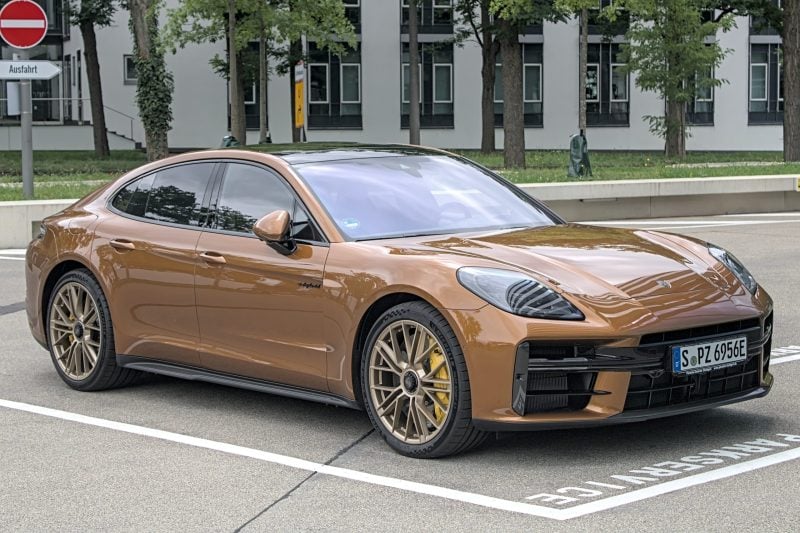
The Porsche Panamera delivers impressive performance and luxury, but once your odometer crosses 70,000 miles, certain reliability issues tend to surface.
After 70,000 miles, Panamera owners commonly face cooling system failures, transmission malfunctions, air suspension problems, and electrical issues that can lead to repair bills ranging from hundreds to several thousand pounds.
Understanding these problems before they occur helps you budget appropriately and maintain your vehicle properly.
Your Panamera’s high-performance engineering requires diligent attention as mileage accumulates. Components that seemed bulletproof during the first few years begin showing wear, particularly in the engine cooling system and electronic modules.
The early warning signs are often subtle but ignoring them leads to more expensive failures down the road.
This guide examines the specific issues you’re likely to encounter after 70,000 miles, from engine and transmission concerns to suspension wear and electrical gremlins. You’ll learn what causes these problems, how to spot them early, and what preventive measures keep your Panamera running reliably for years to come.
Engine Reliability Concerns
The Panamera’s engine faces several recurring problems once mileage reaches the 70,000-mile mark. Oil consumption rates increase, timing chain components show wear, and coolant system failures become more frequent across multiple model years.
Oil Consumption Issues
Your Panamera may burn through oil faster than expected, particularly if you own a 2010-2013 model with the 4.8-liter V8 engine. Some owners report adding a quart of oil every 1,000-1,500 miles, which exceeds normal consumption rates.
The issue stems from worn piston rings and cylinder bore glazing. High-performance driving accelerates this wear pattern. You’ll need to check your oil level regularly between service intervals to avoid engine damage.
Porsche initially classified consumption rates up to one quart per 1,200 miles as “within specification,” though this creates additional maintenance costs. Addressing the problem requires engine disassembly and piston ring replacement, which costs between £3,500-£6,000 at independent shops. Some cases need complete engine rebuilds if cylinder scoring has occurred.
Timing Chain Wear
The timing chain tensioners and guide rails deteriorate after 70,000 miles, creating a rattling sound on cold starts. This affects both V6 and V8 engines across the first-generation Panamera models.
Failed tensioners allow the timing chain to develop slack, which produces a distinctive metallic rattle that lasts 5-10 seconds after starting. Ignoring this sound leads to chain failure and catastrophic engine damage. The repair involves replacing tensioners, guides, and often the chain itself, costing £2,500-£4,500 depending on engine type.
You should address timing chain noise immediately rather than waiting for your next scheduled service. The V8 engines require more labor hours due to tighter engine bay packaging, pushing repair costs toward the higher end of the range.
Coolant Leaks
Coolant system components fail regularly after 70,000 miles, with plastic pipe connections and expansion tanks cracking from heat cycles. The 2010-2016 models experience the highest failure rates in these components.
You’ll notice coolant puddles under your vehicle or a sweet smell from the engine bay. The coolant warning light may illuminate intermittently at first, then remain on as leaks worsen. Low coolant levels cause overheating, which damages cylinder head gaskets and warps metal components.
Common failure points include the crossover pipes behind the engine, expansion tank seams, and water pump housings. Replacement costs range from £800-£2,200 depending on which components need replacing. You should inspect all coolant hoses and connections during regular service, replacing any that show cracks or brittleness.
Transmission and Drivetrain Challenges
Higher-mileage Panameras frequently develop issues within the transmission and drivetrain components, particularly in the PDK gearbox and associated mechanical linkages. Worn flex discs and differential bearing deterioration become increasingly common as the odometer climbs past 70,000 miles.
PDK Transmission Faults
The Porsche Doppelkupplung (PDK) dual-clutch transmission can develop rough shifting patterns and hesitation between gear changes after extended use. You may notice jerking during low-speed maneuvers or delayed responses when accelerating from a stop.
Mechatronic unit failures represent one of the most expensive PDK-related repairs. This electronic control module manages clutch engagement and gear selection, and its failure often manifests as warning lights, limp mode activation, or complete transmission shutdown. The mechatronic unit contains numerous solenoids and sensors that deteriorate with heat cycling and fluid contamination.
Clutch pack wear becomes measurable around the 70,000-mile mark, though driving style significantly impacts longevity. You’ll experience slipping during acceleration or difficulty engaging gears when clutch material degrades beyond acceptable tolerances. Transmission fluid quality plays a crucial role in clutch lifespan, making regular fluid changes essential for extending component life.
Driveshaft Flex Disc Wear
The rubber flex discs connecting driveshaft sections deteriorate from age and mileage-related fatigue. These components absorb vibrations and allow for slight misalignment between drivetrain components, but the rubber compound hardens and cracks over time.
You’ll typically hear clunking sounds during acceleration or deceleration when flex discs fail. Vibrations felt through the cabin floor at highway speeds also indicate advanced deterioration. Visual inspection reveals cracks, tears, or separation between the rubber and metal mounting points. Replacement intervals vary based on driving conditions, but inspection at 70,000 miles is advisable.
Differential Noise
Rear differential bearing wear produces a humming or whining noise that increases with vehicle speed. The sound typically becomes most noticeable during highway driving and may change pitch during cornering as load shifts between bearings.
Limited-slip differential clutches can also wear, causing chattering during tight turns. You may need to replace the differential fluid and friction modifier additives before considering mechanical repairs. Bearing failure requires differential disassembly and replacement of worn components, including seals and gaskets.
Electrical System Malfunctions
After 70,000 miles, Porsche Panamera owners frequently encounter electrical issues ranging from infotainment freezes to unexplained battery drain and faulty sensors. These problems often stem from aging control modules and software conflicts that become more prevalent as the vehicle accumulates mileage.
PCM Infotainment Glitches
Your Panamera Communication Management (PCM) system may freeze, restart unexpectedly, or experience complete screen blackouts. The touchscreen can become unresponsive to inputs, and audio systems may cut out intermittently. Navigation features sometimes fail to load or display incorrect routing information.
Software corruption in the control modules causes most of these malfunctions. The system’s complexity increases the likelihood of conflicts between different software components. You’ll need to visit a Porsche dealership for diagnostic testing and software updates.
Dealerships can flash updated firmware to resolve many PCM issues. In severe cases, the entire control module requires replacement, which costs between $2,000 and $4,000 including labor. Regular software updates help prevent these problems from developing.
Battery Drain Problems
Your battery may discharge completely after sitting for just a few days, even when all systems appear properly shut down. The 12-volt battery that powers the electrical system is particularly vulnerable to parasitic drain issues. Warning lights may illuminate on your dashboard indicating low voltage levels.
Faulty control modules continue drawing power after you’ve turned off the ignition. Door lock mechanisms, entertainment systems, and various sensors can remain partially active. The battery itself may also lose capacity after years of service.
Testing requires specialized equipment to measure current draw when the vehicle is off. Technicians isolate the problematic circuit by removing fuses systematically. Battery replacement costs approximately $300-500, while tracking down parasitic drain issues adds $200-600 in diagnostic fees.
Sensor Failures
Multiple sensors throughout your Panamera deteriorate with age and exposure to heat cycles. Parking sensors provide false warnings or stop functioning entirely. Tire pressure monitoring sensors lose communication with the central system. Lane departure and adaptive cruise control sensors become unreliable.
Common sensor failures include:
- Oxygen sensors (triggering check engine lights)
- Wheel speed sensors (affecting stability control)
- Camshaft position sensors (causing rough running)
- Coolant temperature sensors (incorrect readings)
Individual sensor replacements range from $150 to $800 depending on location and type. Some sensors require recalibration through dealer-level diagnostic tools after installation.
Suspension and Ride Quality Issues
The Panamera’s air suspension system becomes a liability after 70,000 miles, with air leaks and worn control arm bushings affecting ride comfort and handling. These issues require attention to maintain the vehicle’s performance characteristics.
Air Suspension Leaks
Air suspension failure is nearly inevitable as your Panamera accumulates miles. The air bellows develop cracks and tears from constant flexing and exposure to road debris, causing the system to leak air and lower your vehicle’s ride height. You’ll notice the car sitting unevenly or sagging at one corner when parked overnight.
The compressor works overtime trying to compensate for these leaks, which accelerates its wear and eventual failure. Warning lights on your dashboard will alert you to suspension faults, and you may lose access to selectable ride height settings. The ride becomes noticeably rougher over bumps and through corners as the system loses its ability to maintain proper air pressure.
Replacement costs through Porsche are significant, with individual air struts ranging from $1,200 to $2,000 each plus labor. The compressor adds another $1,500 to $2,500 if it fails from overwork.
Control Arm Bushing Wear
Your Panamera’s control arm bushings deteriorate from constant suspension movement and stress. These rubber components connect the control arms to the chassis, and their degradation creates clunking noises during turns or when driving over uneven surfaces.
Worn bushings allow excessive movement in the suspension geometry, which affects your steering precision and tire wear patterns. You’ll feel increased steering vagueness and notice the vehicle tracking less accurately on the highway. The front lower control arm bushings typically wear first due to their position and load-bearing responsibilities.
Inspect the bushings visually for cracking or splitting rubber. Replacement involves installing complete control arm assemblies in most cases, costing $800 to $1,200 per side with labor. Addressing this wear maintains your Panamera’s handling characteristics and prevents accelerated tire degradation.
Brake System Problems
High-performance braking components face accelerated wear on the Panamera, particularly after 70,000 miles. ABS system electronics also develop faults that compromise braking reliability.
Premature Brake Wear
The Panamera’s substantial curb weight of 4,100 to 4,400 pounds places significant stress on brake components. Your front brake pads typically require replacement between 30,000 and 50,000 miles under normal driving conditions. After 70,000 miles, you’ll likely be on your third set of front pads.
Brake rotors develop heat-related warping issues around the 60,000 to 80,000-mile range. You’ll notice steering wheel vibration during braking or a pulsing sensation through the brake pedal. The rotors often exceed minimum thickness specifications before reaching 100,000 miles, requiring full replacement rather than resurfacing.
Common brake wear indicators include:
- Squealing or grinding noises during braking
- Increased stopping distances
- Brake dust accumulation on wheels
- Warning light illumination on the dashboard
Replacement costs for front brake pads and rotors range from $800 to $1,400 at independent shops. Rear brake service typically costs $600 to $1,000.
ABS Module Malfunctions
The Anti-lock Braking System control module experiences electronic failures in Panameras approaching 70,000 miles. Your ABS warning light may illuminate intermittently or remain constant on the instrument cluster. The system may fail to activate during emergency braking situations, eliminating the pulsing feedback you expect from ABS engagement.
Internal sensor failures within the ABS module create false wheel speed readings. This triggers traction control interventions when none are needed. You might experience unexpected brake activation during normal driving conditions, particularly in wet weather.
ABS module replacement costs between $1,200 and $2,500 including programming. Some modules can be rebuilt for $400 to $800, though availability varies by model year.
Interior and Comfort Wear
As your Panamera crosses 70,000 miles, the cabin materials that initially impressed you begin showing their age. Two specific areas demand attention: the leather seat bolsters that suffer from repeated entry and exit, and climate control systems that can develop electronic faults.
Seat Bolster Deterioration
The driver’s seat bolster takes significant abuse from sliding in and out of the vehicle thousands of times. You’ll notice the outer edge of the seat bottom and the side support cushions developing wrinkles, cracks, or complete splits in the leather surface.
This issue affects Panameras with both standard and upgraded leather packages. The sport seats with more aggressive bolstering show wear patterns faster than comfort seats due to their pronounced side supports. Once the protective coating breaks down, the leather deteriorates rapidly.
Porsche dealers charge between £800-£1,500 per seat for professional leather repair or re-bolstering. Some owners opt for leather conditioners and protective treatments around 50,000 miles to slow the degradation. Aftermarket upholstery shops offer repairs starting at £400, though color matching can be challenging with Porsche’s specific leather dyes.
Climate Control Failures
The automatic climate control system develops faults after extended use, typically manifesting as inconsistent temperature regulation or complete failure of specific zones. You might experience one side blowing hot air while the other remains cold, regardless of your settings.
The climate control module itself can fail, requiring replacement at £600-£900 for the part alone. Blend door actuators, which control airflow direction and temperature mixing, commonly seize or break. Each actuator costs £150-£300, and the Panamera uses multiple units throughout the HVAC system.
Refrigerant leaks from aging seals or the AC condenser also become more frequent. A full system recharge runs £150-£250, but if components need replacement, costs escalate quickly. The AC compressor replacement reaches £1,200-£1,800 including labor.
Body and Exterior Concerns
After 70,000 miles, your Panamera may show signs of wear on its exterior components. Paint degradation and mechanical door handle issues are the two most prevalent concerns affecting the body.
Paint Fading
The Panamera’s paintwork can experience premature fading, particularly on horizontal surfaces like the hood, trunk lid, and roof. This issue is most common on vehicles manufactured between 2010 and 2014, where certain paint formulations have proven less resistant to UV exposure.
Black and darker metallic colors show the most noticeable degradation. You’ll typically see a chalky appearance or loss of gloss rather than complete color change. The problem stems from the clear coat breaking down rather than the base color itself.
If you notice early signs of fading, professional paint correction and ceramic coating can slow the progression. Severe cases require panel repainting, which costs between £500-£1,200 per affected panel at Porsche-approved body shops. Regular washing and covered parking help preserve the finish, though they won’t reverse existing damage.
Door Handle Malfunctions
The Panamera features flush-mounted door handles that extend electronically when you approach with the key. After 70,000 miles, these mechanisms frequently fail due to worn micro-switches, seized motors, or damaged wiring.
You’ll experience handles that don’t deploy reliably, get stuck in the extended position, or make grinding noises during operation. Cold weather exacerbates these problems as moisture enters the handle assembly and freezes.
Replacement handles cost £300-£500 per unit plus labor. The repair requires removing the door card and replacing the entire handle assembly rather than individual components. Some owners report multiple failures across different doors, which significantly increases repair costs.
Exhaust and Emissions Issues
The Panamera’s exhaust and emissions system becomes more prone to failures after 70,000 miles, particularly affecting catalytic converters and oxygen sensors. These components work under extreme heat and stress, leading to degradation that triggers warning lights and impacts performance.
Catalytic Converter Efficiency Loss
Your Panamera’s catalytic converters can lose efficiency around the 70,000 to 100,000 mile mark. The check engine light illuminates when the on-board diagnostics detect converter efficiency below acceptable thresholds.
You’ll notice reduced power output and potentially hear rattling noises from underneath the vehicle. The heat cycles from aggressive driving accelerate catalyst substrate breakdown. V8 models require multiple converters, with replacement costs ranging from £1,200 to £2,500 per unit depending on location in the exhaust system.
Pre-catalytic converters mounted close to the engine fail more frequently than main converters. Your vehicle may still run but will fail emissions testing until replaced.
Oxygen Sensor Failures
Oxygen sensors deteriorate from carbon buildup and exposure to combustion byproducts. Your Panamera uses multiple sensors before and after each catalytic converter to monitor air-fuel ratios and catalyst efficiency.
Failed sensors cause the engine management system to default to less efficient fuel mapping. You’ll experience decreased fuel economy, rough idling, and sluggish acceleration. The check engine light stores specific fault codes identifying which sensor circuit has failed.
Replacement costs run between £150 and £400 per sensor including labor. Upstream sensors fail more frequently than downstream units due to higher exhaust temperatures. Your vehicle requires sensor replacement in pairs when one fails to maintain consistent readings across banks.
Long-Term Maintenance Considerations
After 70,000 miles, your Panamera requires more strategic attention to maintain its performance and reliability. The costs will increase compared to early ownership, but proper planning helps you avoid expensive surprises.
Service intervals become more critical as components age. You’ll need to address fluids, filters, and wear items more frequently. The PDK transmission fluid should be changed if you haven’t already done so, and brake fluid needs replacement every two years regardless of mileage.
Budget considerations shift significantly past 70,000 miles. Here’s what you should anticipate:
| Maintenance Category | Expected Focus |
|---|---|
| Suspension components | Bushings, control arms, air suspension repairs |
| Engine systems | Coolant pipes, water pump, ignition coils |
| Transmission | Fluid service, potential mechatronic issues |
| Electrical systems | Battery replacement, module updates |
Your maintenance schedule should follow Porsche’s factory intervals while incorporating preventive inspections. Finding a qualified independent specialist can reduce costs by up to 50% compared to dealer pricing without sacrificing quality.
Keep detailed service records for every procedure performed. Documentation proves proper maintenance to future buyers and helps you track recurring issues. Early model years (2009-2011) typically require more frequent attention than newer generations.
The relationship between maintenance and longevity is direct. Panameras that receive consistent care routinely exceed 150,000 miles. Skipping services or delaying repairs accelerates wear across multiple systems simultaneously.
Reserve a maintenance fund of $2,000-4,000 annually for routine services and unexpected repairs. This realistic budget accounts for the vehicle’s complexity and premium parts pricing.
Tips for Preventing Major Problems
Regular maintenance is your most effective defense against costly repairs after 70,000 miles. Following the factory-recommended service intervals prevents minor issues from escalating into major failures.
Check and replace fluids on schedule. Engine oil, transmission fluid, coolant, and brake fluid all degrade over time. Fresh fluids protect critical components from excessive wear and overheating.
Monitor your cooling system closely. Inspect hoses, connections, and the radiator for leaks or damage every few months. Cooling system failures can cause catastrophic engine damage if left unaddressed.
Address warning lights immediately. The Panamera’s complex electronics provide early alerts to potential problems. Ignoring dashboard warnings allows small issues to compound into expensive repairs.
Your suspension and steering components need regular inspection at this mileage. Look for signs of worn bushings, leaking air struts, or loose connections during routine maintenance visits.
Keep your battery and electrical system in good condition. A weak battery stresses the alternator and other electrical components. Test your battery annually and replace it before it fails completely.
Use quality parts and fluids. Your Panamera was engineered with specific tolerances and requirements. OEM or equivalent parts maintain the performance and reliability Porsche designed into the vehicle.
Find a qualified technician who understands Porsche systems. Specialized knowledge of these vehicles ensures proper diagnosis and repair. Independent Porsche specialists often provide expert service at lower costs than dealerships.
Document all maintenance and repairs. Complete service records help you track patterns and anticipate future needs while maintaining resale value.


