How Much Can a Home Inspection Business Make Per Year? Income Potential and Revenue Factors
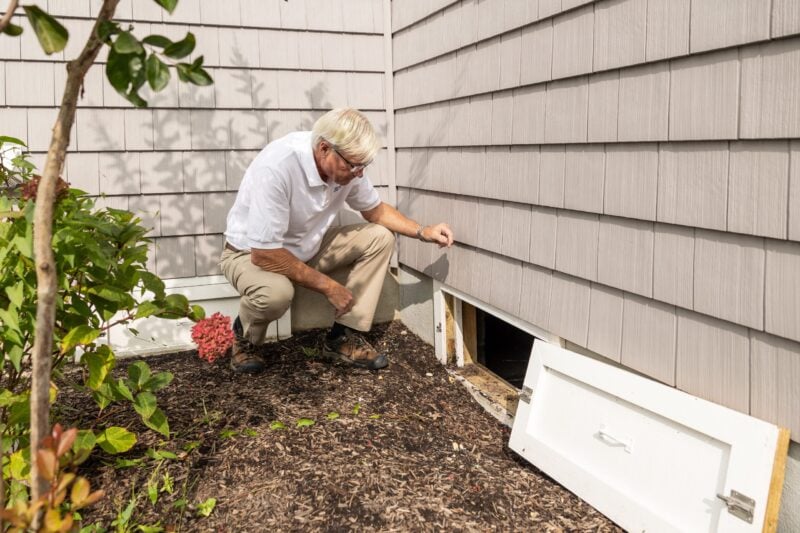
A home inspection business can generate widely varying annual income depending on how you structure and scale your operations.
Solo home inspection business owners typically earn between $60,000 and $100,000 per year, while owners of multi-inspector firms often report significantly higher personal income, with some businesses reaching nearly $2 million in annual earnings by their fifth year.
The range reflects differences in business model, market conditions, and operational efficiency. Your earning potential depends on several interconnected factors that extend beyond simply completing inspections.
The number of inspections you perform annually, your pricing strategy, and whether you offer additional services all play crucial roles in determining profitability. Location, experience level, and credentials also significantly influence your income trajectory.
Understanding the financial realities of this industry helps you set realistic expectations and develop effective growth strategies. This article examines the specific factors that impact earnings, explores supplementary revenue opportunities, and outlines the costs and investments required to build a profitable home inspection business.
Average Annual Earnings in the Home Inspection Industry
Home inspection businesses generate widely varying income levels based on how you structure your operation, where you work, and how many inspections you complete annually. Individual inspectors and business owners face different financial realities depending on these core factors.
Typical Revenue Ranges
Solo home inspectors operating as independent contractors typically earn between $60,000 and $100,000 per year. If you’re just starting out, your first-year income will likely fall on the lower end of this spectrum as you build your client base and reputation.
The median annual wage for construction and building inspectors is $72,120 according to Bureau of Labor Statistics data. However, average independent home inspector salaries sit around $64,000 annually across the United States.
Your earning potential increases substantially if you operate beyond a one-person operation. Multi-inspector firms with proper management systems can generate significantly higher revenues through volume and efficiency gains.
Influence of Location on Income
Your geographic market directly impacts your earning potential in the home inspection industry. Income for home inspectors ranges from $50,000 to $150,000+ depending on experience, location, and business model.
High-cost metropolitan areas typically support higher inspection fees due to elevated home prices and increased demand. You can charge premium rates in markets where real estate transactions happen frequently and property values exceed national averages.
Rural or less populated regions often present fewer inspection opportunities and lower price points. Market demand fluctuates with housing inventory, mortgage interest rates, and local economic conditions that affect real estate activity.
Variances by Business Model
Your business structure plays a critical role in determining annual income. If you manage a multi-inspector firm, you can reach between $150,000 and $200,000 or more through increased inspection volume and operational leverage.
All home inspectors’ incomes average at nearly $123,000 per year when including both solo operators and multi-inspector firm owners. Business owners who scale their operations see annual earnings ranging from $132,000 in year one to nearly $2 million by year five, though reaching the upper end requires significant growth and efficient scaling.
Your revenue model matters significantly. Adding specialized services like radon testing, mold inspections, or thermal imaging increases your per-inspection revenue and annual earnings potential beyond standard visual inspections.
Factors Impacting Home Inspection Business Profitability
The amount your home inspection business earns depends on how many inspections you complete, what you charge per service, and how well you manage your overhead costs. These three elements work together to determine your annual take-home income.
Inspection Volume
The number of inspections you perform directly affects your annual revenue. A sole proprietor completing 300 to 500 inspections per year represents a typical workload for someone working full-time in the business.
Your inspection volume depends on local real estate market activity. During active housing markets, you’ll have more opportunities for work. Geographic location matters significantly, inspectors in areas with higher home sales naturally complete more jobs.
Building relationships with real estate agents drives consistent referrals. Many successful inspectors get 60% to 80% of their business from agent networks. Your marketing efforts and online reputation also influence how many clients contact you directly.
Multi-inspector firms can handle substantially higher volumes. By hiring additional certified inspectors, you scale beyond your personal capacity and increase total business revenue.
Service Pricing Strategies
Most home inspectors charge between $300 and $500 per inspection, though your specific pricing depends on property size, location, and service scope. Larger homes or properties requiring more time justify higher fees.
Additional services can boost revenue by 20% to 40%. These include radon testing, mold inspections, thermal imaging, sewer scope inspections, and pest evaluations. Each add-on service increases your average transaction value.
You can price competitively or position yourself as a premium provider. Premium pricing works when you offer superior reporting, faster turnaround times, or specialized certifications that competitors lack.
Operating Expenses
Your overhead significantly impacts net profitability. Initial costs include inspection equipment, professional liability insurance, business licensing, and certification fees. Annual insurance premiums typically range from $1,500 to $3,000 depending on coverage levels.
Vehicle expenses represent a major ongoing cost. You’ll pay for fuel, maintenance, and mileage as you travel to properties. These costs vary based on your service area size and gas prices.
Software subscriptions for scheduling, reporting, and customer management run $50 to $200 monthly. Marketing expenses including website hosting, advertising, and lead generation affect your bottom line. Home inspection businesses achieve break-even within five months due to high gross margins and relatively low overhead compared to other service businesses.
Role of Experience and Credentials
Your qualifications and years in the field directly affect your earning potential as a home inspection business owner. Inspectors with professional certifications and extensive experience typically command higher fees and attract more clients than those just starting out.
Impact of Professional Certifications
Professional certifications significantly increase your credibility and allow you to charge premium rates for your services. Inspectors certified by organizations like the American Society of Home Inspectors (ASHI) or the International Association of Certified Home Inspectors (InterNACHI) often earn 15-30% more per inspection than non-certified competitors.
These credentials demonstrate your commitment to industry standards and ongoing education. Many real estate agents and clients specifically seek certified inspectors, which expands your referral network and client base. Additional specialized certifications in areas like mold inspection, radon testing, or thermal imaging create new revenue streams through add-on services.
The initial investment in certification training and exam fees typically ranges from $500 to $2,000. This cost pays for itself within months through higher per-inspection fees and increased booking rates.
Influence of Industry Experience
Your years in the business directly correlate with your income potential and client retention rates. Part-time home inspectors may earn around $47,600 annually, while full-time inspectors can earn up to $97,000 or more with established reputations.
New inspectors typically charge $250-$350 per inspection as they build their portfolios and client base. After 3-5 years of experience, you can justify fees of $400-$600 per inspection based on your track record and expertise.
Experienced inspectors complete inspections faster without sacrificing quality, allowing you to schedule more appointments per day. Your reputation also generates repeat business and referrals, reducing your marketing costs while maintaining a steady flow of clients. Seasoned professionals often develop specializations in luxury homes or commercial properties, which command significantly higher inspection fees.
Regional Considerations and Market Demand
Location significantly impacts revenue potential for home inspection businesses, with market density and climate patterns creating distinct earning opportunities across different regions. Your income can vary by tens of thousands of dollars depending on where you operate and when.
Urban vs. Rural Markets
Urban markets typically offer higher earning potential due to greater transaction volume and property density. You can complete more inspections per week when properties are closer together, reducing drive time between appointments. Metropolitan areas also tend to have higher home prices, which often correlates with higher inspection fees.
Rural markets present different advantages and challenges. Competition is often less intense, allowing you to capture a larger market share in your service area. However, you’ll spend more time traveling between properties, limiting the number of inspections you can perform daily. Rural inspection fees may be lower to match local income levels and property values.
Home inspector earnings range from $50,000 to $150,000+ annually, with location playing a major role in where you fall within that spectrum. Some inspectors offset rural challenges by charging travel fees for properties beyond a certain radius or by offering specialized services that command premium rates.
Seasonal Fluctuations
Real estate activity follows predictable seasonal patterns that directly affect your inspection volume. Spring and summer months typically see peak home sales, with May through August representing your busiest and most profitable period. You may book 20-30 inspections per month during these peak seasons.
Winter months, particularly December through February, often bring slower business. Your inspection count might drop to 10-15 per month in many regions. This steady demand continues year-round but at varying intensities.
You should plan financially for these fluctuations by saving surplus income from busy months to cover slower periods. Some inspectors diversify with additional services like radon testing or thermal imaging to maintain revenue during off-peak seasons.
Supplementary Revenue Opportunities
Additional services can boost gross revenue by 20% to 40% beyond standard inspection fees. These supplementary offerings allow you to maximize income from each client visit while providing more comprehensive property assessments.
Offering Specialized Inspections
Specialized inspections target specific property concerns that standard home inspections don’t typically cover in depth. Radon testing is one of the most common add-ons, as this radioactive gas poses health risks that buyers want to identify before purchase. Mold inspections help detect potentially hazardous fungal growth in areas prone to moisture problems.
Thermal imaging uses infrared cameras to identify heat loss, moisture intrusion, and electrical hotspots invisible to the naked eye. This technology-driven service commands premium pricing due to the equipment investment required. Pest inspections, particularly termite evaluations, represent another specialized niche that many home inspectors add to their service menu.
Sewer scope inspections involve inserting a camera into drain lines to assess pipe condition. Pool and spa inspections cater to properties with these amenities, requiring specific knowledge of pumps, filters, and safety features.
Ancillary Services and Add-Ons
Beyond property-specific inspections, you can offer services that support the broader real estate transaction. Home warranty plans provide commissions when you refer clients to warranty providers. Some inspectors partner with repair contractors and earn referral fees, though this requires careful disclosure to avoid conflicts of interest.
Re-inspection services allow you to verify that requested repairs were completed properly before a sale closes. Maintenance inspections for existing homeowners create recurring revenue from past clients who want annual property checkups. These typically cost less than pre-purchase inspections but require minimal marketing since you’re serving established relationships.
Educational workshops for first-time homebuyers or real estate agents position you as an expert while generating leads. Digital report upgrades, expedited delivery options, and extended consultation time represent simple add-ons that increase your average transaction value without significant additional labor.
Costs and Investments for Startup and Operations
Starting a home inspection business requires an initial investment between $2,500 and $25,000, with ongoing expenses for equipment, software, and professional development that impact your annual profitability.
Initial Business Setup Costs
Starting a home inspection business typically requires $2,500 to $25,000 depending on your state requirements and equipment choices. Your largest upfront expense is training and certification, which ranges from $500 to $3,000 for comprehensive home inspection courses.
You’ll need to budget for business licensing and insurance, with general liability coverage costing $500 to $1,500 annually. Professional errors and omissions insurance adds another $1,200 to $2,500 per year. Total startup costs for launching include a 5-month cash buffer to sustain operations until you reach consistent profitability.
Essential inspection tools represent a significant initial investment. Basic equipment like moisture meters, electrical testers, and ladders cost $1,000 to $3,000. Advanced tools such as thermal imaging cameras and radon testing equipment add $2,000 to $5,000 to your startup budget.
Ongoing Tools and Technology Expenses
Your annual operating expenses include software subscriptions for inspection reporting, typically costing $300 to $1,200 per year. These platforms allow you to create professional reports and manage client relationships efficiently.
Equipment maintenance and replacement become ongoing costs as tools wear out or technology advances. Budget $500 to $1,500 annually for tool upgrades and repairs. You’ll also need continuing education credits to maintain your certification, costing $200 to $600 per year.
Marketing expenses vary based on your growth strategy but typically range from $1,000 to $5,000 annually for website hosting, online advertising, and local marketing efforts. Vehicle expenses including fuel, maintenance, and insurance add $3,000 to $6,000 to your yearly operating costs.
Growth Strategies and Scaling Potential
Strategic expansion through geographic reach and team building can transform a solo operation into a multi-inspector firm earning over $1 million annually, though success depends on implementing proven business systems rather than inspection skills alone.
Expanding Service Areas
Geographic expansion allows you to tap into new markets without fundamentally changing your service model. You can start by targeting neighboring cities within a 30-50 mile radius of your current location, which keeps travel costs manageable while increasing your potential client base.
Market research becomes critical when identifying expansion opportunities. Look for areas with active real estate markets, population growth, and limited competition from established inspection firms. Some inspectors find success in underserved rural markets where demand exists but few competitors operate.
You’ll need to adjust your marketing approach for each new territory. Building relationships with local real estate agents, establishing a Google Business Profile for each service area, and running targeted ads specific to those zip codes helps establish credibility. The investment in building business systems pays off when you can replicate your success across multiple markets efficiently.
Building a Team of Inspectors
Hiring additional inspectors represents the most direct path to scaling revenue beyond $100,000 annually. Each inspector you add can generate $300-600 per inspection, allowing you to complete multiple jobs simultaneously rather than being limited by your personal schedule.
Your first hire should handle straightforward residential inspections while you focus on complex jobs, business development, and training. You’ll need to budget for competitive wages, typically $45,000-65,000 annually for experienced inspectors, plus insurance, licensing, and equipment costs.
Quality control systems protect your reputation as you scale. Implement standardized inspection checklists, peer reviews, and client feedback loops. Many multi-inspector firms use inspection software to ensure consistency across their team and maintain the quality standards that drive referrals from real estate professionals.
Long-Term Outlook and Industry Trends
The home inspection industry shows promising growth potential for your business planning. The residential home inspection market is projected to reach $5 billion by 2025 with a compound annual growth rate of 2.3%.
More optimistic projections suggest the home inspector services market is growing at a CAGR of 10.4% from 2026 to 2033. This variance reflects different market segments and geographic regions you might serve.
Technology integration is reshaping how you’ll conduct inspections. Currently, 49% of digital reports include photo attachments per section, and this trend will continue expanding. You’ll need to adapt to smart home technology and solar panel inspections as these features become standard.
Specialized services represent your strongest growth opportunities:
- Environmental hazard assessments
- Energy efficiency evaluations
- Smart home system inspections
- Solar installation reviews
The demand for specialized inspections is growing as homeowners prioritize long-term sustainability and safety. You can command higher fees for these niche services compared to standard inspections.
Your revenue potential will benefit from increasing homeownership rates and heightened awareness of home safety needs. Pre-listing inspections are becoming more common, expanding your client base beyond traditional buyer-side inspections.
Digital tools and enhanced reporting systems are becoming industry standard. Your investment in these technologies will differentiate your services and justify premium pricing in competitive markets.