
Best Luxury SUVs for Empty Nesters in 2026: Top Picks for Comfort and Style
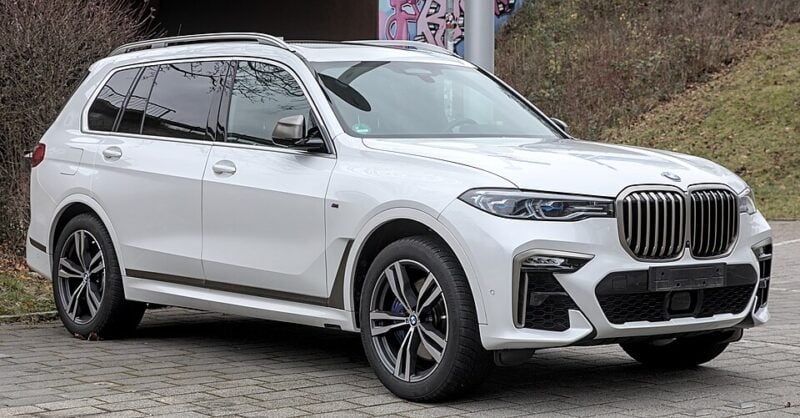
Empty nesters entering 2026 have unique automotive needs that differ significantly from families with children at home. The best luxury SUVs for 2026 combine refined comfort, advanced technology, and practical versatility without the excess cargo space that growing families require.
Your priorities have shifted toward enjoying the driving experience, accessing premium features, and selecting a vehicle that supports an active lifestyle.
The luxury SUV market offers compelling options that balance performance with comfort, from compact luxury crossovers to full-size models with spacious interiors.
You’ll find vehicles equipped with cutting-edge safety technology, whisper-quiet cabins, and connectivity features that enhance every journey. The right choice depends on how you plan to use your vehicle, whether for daily errands, weekend getaways, or long-distance travel.
This guide examines the factors that matter most to empty nesters, from driving dynamics and interior appointments to ownership costs and customization possibilities.
You’ll discover how different models perform in real-world scenarios and which features deliver genuine value for your lifestyle and budget.
Key Considerations for Empty Nesters
Selecting a luxury SUV requires evaluating priorities that shift significantly once children leave home. Your focus naturally moves toward personal comfort, safety features that protect you on longer road trips, and practical concerns like fuel costs and easy entry.
Driving Comfort and Ergonomics
Luxury SUVs designed for empty nesters prioritize cabin comfort during extended drives. You’ll want seats with multiple adjustment options, including lumbar support and cushion extension, which reduce fatigue on trips lasting several hours. Memory settings allow you to save your preferred seating position and mirror angles.
Climate control becomes more important when you’re not accommodating various passenger preferences. Heated and ventilated front seats maintain comfort across seasons, while heated steering wheels add convenience during cold mornings. Look for models with adjustable suspension systems that let you choose between sportier handling and a softer, more comfortable ride.
Noise insulation separates premium models from standard offerings. Acoustic glass, additional sound deadening materials, and active noise cancellation create a quiet cabin environment that makes conversation easier and reduces driver fatigue. Quality audio systems enhance this peaceful environment for music or podcasts during your travels.
Advanced Safety Technologies
Modern luxury SUVs include safety features that provide extra protection and reduce stress while driving. Adaptive cruise control maintains safe following distances automatically, particularly useful during highway travel. Lane keeping assist and blind spot monitoring help prevent accidents caused by distraction or visibility limitations.
Essential Safety Features:
- Forward collision warning with automatic emergency braking
- Rear cross-traffic alert for parking lot situations
- 360-degree camera systems for easier maneuvering
- Parking sensors front and rear
Advanced systems now include evasive steering assist and intersection collision avoidance. Night vision systems, available on some luxury models, detect pedestrians and animals beyond your headlight range. These technologies become increasingly valuable as reaction times naturally slow with age.
Fuel Efficiency and Emissions
Empty nesters often drive less daily but take more frequent road trips, making fuel efficiency financially significant. Hybrid luxury SUVs deliver substantial savings, with some models achieving over 30 mpg combined compared to 20-22 mpg for traditional engines. This difference adds up to hundreds of dollars annually depending on your driving patterns.
Plug-in hybrid options offer electric-only range for daily errands while maintaining gasoline backup for longer journeys. You can complete most local trips without burning fuel if you charge regularly at home. Full electric luxury SUVs eliminate fuel costs entirely but require planning around charging infrastructure for longer trips.
Consider total ownership costs beyond the pump. Hybrid and electric powertrains typically require less maintenance since they experience reduced brake wear and have fewer moving parts. Some states offer tax incentives or HOV lane access for low-emission vehicles.
Ease of Access and Egress
Getting in and out of your vehicle becomes more important as mobility changes over time. Luxury SUVs with air suspension can lower automatically when parked, reducing the step-up height by several inches. This feature makes entry significantly easier without compromising ground clearance while driving.
Look for models with wide door openings and grab handles positioned at natural heights. Running boards or power-deploying steps assist entry, though some find them unnecessary if the vehicle sits at an appropriate height. Avoid models requiring large steps up or awkward climbing motions.
Power liftgates with adjustable height settings prevent the need to reach high when loading groceries or luggage. Hands-free operation, activated by waving your foot under the rear bumper, proves useful when carrying items. Consider seat height relative to your hip level—you should slide in rather than drop down or climb up.
Performance and Driving Experience
Empty nesters prioritize a refined driving experience that balances power with comfort, seeking vehicles that deliver smooth acceleration, composed handling, and a serene cabin environment. Modern luxury SUVs excel in these areas through advanced powertrains, sophisticated suspension systems, and extensive sound dampening.
Engine Options and Powertrains
You’ll find three primary powertrain categories in today’s luxury SUV market: traditional gasoline engines, hybrid systems, and fully electric platforms. Most models offer turbocharged inline-six or V8 engines that produce between 300 and 600 horsepower, providing ample acceleration for highway merging and confident passing.
Hybrid powertrains combine gasoline engines with electric motors to deliver improved fuel efficiency without sacrificing performance. The BMW X7 achieves 16-21 MPG city and 20-25 MPG highway, making it one of the most fuel-efficient options in the large luxury segment.
Electric luxury SUVs deliver instant torque and whisper-quiet operation. These vehicles eliminate traditional engine maintenance while offering ranges that typically exceed 250 miles per charge. You can expect 0-60 mph times under 5 seconds in most electric luxury models.
Eight-speed and ten-speed automatic transmissions are standard across the segment. These gearboxes shift smoothly and intelligently adapt to your driving style, whether you’re cruising on the highway or navigating winding roads.
Ride Quality and Handling
Air suspension systems are increasingly common in luxury SUVs, allowing you to adjust ride height and firmness based on driving conditions. You can raise the vehicle for off-road clearance or lower it for improved aerodynamics and easier entry.
Adaptive dampers continuously adjust shock absorber firmness to balance comfort and control. When you encounter rough pavement, the system softens to absorb impacts. During spirited cornering, it firms up to reduce body roll.
Most luxury SUVs now offer multiple driving modes:
- Comfort Mode: Prioritizes ride smoothness and relaxed throttle response
- Sport Mode: Sharpens steering feel and quickens transmission shifts
- Individual Mode: Lets you customize specific parameters to your preferences
The balance between comfort and performance has improved significantly as manufacturers refine suspension tuning. You’ll notice that even large three-row models handle more like sedans than traditional body-on-frame SUVs.
Noise Insulation
Advanced acoustic engineering creates the quiet cabins you expect in a luxury vehicle. Manufacturers use laminated glass, foam-filled body panels, and active noise cancellation technology to isolate you from road, wind, and engine noise.
Double-pane side windows block high-frequency sounds particularly well. You’ll appreciate this feature during highway cruising when wind noise would otherwise intrude into the cabin.
Active noise cancellation systems use microphones to detect unwanted sounds and emit counter-frequencies through the audio system speakers. This technology is especially effective at eliminating low-frequency drone from the engine and tires. Some models also include acoustic windshields and underbody panels that reduce turbulence.
Electric luxury SUVs naturally provide superior noise insulation since they lack combustion engines. You’ll only hear tire noise and minor wind sounds at speed, creating an exceptionally peaceful environment for long-distance travel.
Interior Luxury and Features
Modern luxury SUVs prioritize premium materials, sophisticated technology, and customizable comfort that appeals to empty nesters seeking refinement without unnecessary bulk. The best luxury SUVs combine elegant design with advanced features that enhance every drive.
Seating Materials and Adjustability
Premium leather upholstery remains standard in most luxury SUVs, with Nappa leather appearing in higher trims. You’ll find semi-aniline leather in ultra-luxury models, offering exceptional softness and natural grain patterns. Some manufacturers now offer sustainable alternatives like synthetic leather that rivals genuine hides in quality.
Multi-contour seats with up to 20-way power adjustment let you fine-tune every aspect of your seating position. Massage functions typically include multiple programs, from gentle rolling motions to more intensive kneading patterns. Heated and ventilated front seats are essentially universal in this segment, with many models extending these features to rear passengers.
Memory settings for two or three drivers ensure you never lose your preferred configuration. Look for seats with extendable thigh support and adjustable lumbar support that moves both vertically and horizontally for optimal back comfort during long trips.
Ambient Lighting and Cabin Atmosphere
Customizable ambient lighting systems now feature 30 to 64 color options that you can adjust through the infotainment screen. The lighting extends beyond footwells to include door panels, dashboard accents, and even the headliner in some models. Dynamic lighting modes can change colors based on drive mode selection or music tempo.
High-end audio systems from brands like Bang & Olufsen, Bowers & Wilkins, and Mark Levinson transform your cabin into a concert hall. These systems typically include 15 to 30 speakers strategically positioned throughout the interior. Four-zone climate control allows precise temperature management for driver, passenger, and both rear seating areas.
Infotainment Systems
Modern luxury SUVs feature dual or triple screen configurations, with displays ranging from 10 to 17 inches. Touchscreen responsiveness matches smartphone quality, with haptic feedback confirming your selections. Wireless Apple CarPlay and Android Auto connectivity is now standard across most models.
Voice recognition systems understand natural language commands for navigation, climate, and entertainment functions. Head-up displays project speed, navigation, and safety information directly onto the windshield at eye level. Premium models include passenger entertainment screens with independent streaming capabilities and wireless headphone connectivity.
Digital instrument clusters offer customizable layouts that prioritize the information most relevant to your driving style. Cloud-based navigation systems provide real-time traffic updates and can suggest alternative routes automatically.
Convenience and Practicality
Empty nesters benefit from luxury SUVs that prioritize ease of use through thoughtful cargo configurations, accessible storage compartments, and advanced climate systems that maintain comfort during extended drives.
Cargo Space and Flexibility
The best luxury SUVs for 2026 offer between 30 and 40 cubic feet of cargo space behind the rear seats. When you fold the second row down, many models expand to over 70 cubic feet.
Look for vehicles with power-folding rear seats that activate via buttons in the cargo area or through the key fob. This feature eliminates the need to manually adjust heavy seat backs when loading larger items.
Key Features to Consider:
- Hands-free power liftgates that open with a foot swipe under the bumper
- Adjustable cargo floors that create hidden compartments
- 60/40 or 40/20/40 split-folding configurations for mixed cargo and passenger needs
- Low load heights (typically 30-32 inches) for easier lifting
Models like the Acura MDX and BMW X3 provide flat load floors when seats fold down. This design prevents items from rolling around and maximizes usable space.
Smart Storage Solutions
Premium SUVs include multiple storage areas beyond standard cup holders and door pockets. You’ll find center consoles large enough to hold a tablet, purse, or small cooler bag.
Many 2026 models feature refrigerated compartments in the center console to keep beverages cold during trips. Wireless charging pads eliminate cable clutter for your phones.
Common Storage Locations:
- Under-floor cargo compartments for valuables
- Rear seat center armrests with pass-through access
- Overhead sunglass holders
- Front passenger seatback pockets
The Volvo XC90 and other luxury crossovers integrate USB ports throughout the cabin, typically offering 4-6 charging points.
Climate Control Systems
Dual-zone or tri-zone automatic climate control comes standard in most luxury SUVs. You can set different temperatures for driver and passenger areas without affecting each other’s comfort.
Heated and ventilated front seats activate quickly, reaching full temperature within two minutes. Many models now include heated rear seats and heated steering wheels as standard equipment.
Advanced systems use air quality sensors that automatically switch to recirculation mode when detecting external pollutants. Remote climate pre-conditioning through smartphone apps lets you cool or warm the cabin before entering the vehicle, which proves valuable in extreme weather conditions.
Technology and Connectivity
Modern luxury SUVs deliver sophisticated technology systems that simplify daily driving and keep you connected. Empty nesters benefit from intuitive interfaces, advanced safety monitoring, and seamless smartphone integration that enhances both short trips and long-distance travel.
Driver Assistance Features
The best luxury SUVs for 2026 include comprehensive driver assistance packages that reduce fatigue and enhance safety. Adaptive cruise control maintains your set speed and distance from traffic, while lane-keeping assist gently steers you back if you drift. Blind spot monitoring with rear cross-traffic alert proves particularly valuable when backing out of parking spaces.
Many models now offer automated lane changes on highways, where the vehicle changes lanes with a tap of the turn signal after verifying it’s safe. Parking assistance has evolved beyond simple cameras to include 360-degree views and automated parallel parking that handles steering while you control the pedals. Night vision displays can detect pedestrians and animals beyond your headlight range.
Traffic sign recognition reads speed limits and no-passing zones, displaying them on your instrument cluster. Emergency braking systems detect potential collisions and apply maximum braking force if you don’t react in time. These features work together to create a more relaxed driving experience, especially on long highway journeys.
Smartphone Integration
Apple CarPlay and Android Auto come standard in virtually all luxury SUVs, allowing you to access your phone’s apps through the vehicle’s touchscreen. Wireless connectivity eliminates the need for cables, automatically connecting when you enter the vehicle. You can send messages, make calls, and access music libraries using voice commands.
Multiple USB ports and wireless charging pads accommodate both driver and passenger devices simultaneously. Some luxury models offer dedicated apps that let you remotely start the engine, check fuel levels, and lock doors from your smartphone. Over-the-air updates download new features and improvements without requiring a dealership visit.
Premium audio systems from brands like Bang & Olufsen, Bowers & Wilkins, and Mark Levinson deliver concert-quality sound through strategically placed speakers.
Navigation and Voice Control
Built-in navigation systems in luxury SUVs provide real-time traffic updates and automatic rerouting around congestion. These systems display clearly on large touchscreens, typically ranging from 10 to 15 inches, with crisp graphics and intuitive menus. Split-screen displays allow you to view navigation maps alongside audio controls or climate settings.
Voice control systems respond to natural language commands, letting you adjust temperature, change radio stations, or find destinations without taking your hands off the wheel. Systems like Mercedes-Benz MBUX and BMW’s Intelligent Personal Assistant learn your preferences over time. You can say “I’m cold” rather than specifying exact temperature adjustments.
Head-up displays project navigation directions and speed information onto the windshield directly in your line of sight. This reduces the need to glance down at the dashboard, keeping your attention on the road ahead.
Top Models to Consider in 2026
The luxury SUV market offers compelling options across new releases, proven favorites, and electrified powertrains that align with empty nester priorities like comfort, technology, and refined driving dynamics. Your choice depends on whether you value cutting-edge innovation, established reliability, or environmental consciousness.
Latest Market Entrants
The 2026 model year brings fresh faces to the luxury SUV segment that deserve your attention. These newly ranked luxury SUVs incorporate advanced hybrid powertrains and updated safety technologies specifically designed for discerning drivers.
The Genesis GV80 continues to impress with its value proposition in the luxury space. It delivers premium materials and advanced driver assistance features at a more accessible price point than German competitors.
BMW’s updated X7 represents another strong contender with tech-forward cabin designs. The vehicle emphasizes connectivity and digital interfaces that appeal to buyers transitioning from larger family vehicles to more sophisticated transportation.
Cadillac’s refreshed Escalade maintains its position as an American luxury icon. You’ll find spacious seating and commanding road presence, though its size may exceed what many empty nesters require for daily driving.
Established Luxury Favorites
Proven models continue to dominate the best luxury SUV rankings through refined execution and reliable performance. The BMW X5 starts at $67,600 and delivers 23 mpg overall according to Consumer Reports, making it a practical choice for long-distance travel.
Mercedes-Benz GLE offers exceptional ride quality and interior craftsmanship. Its balanced approach to comfort and handling makes it suitable for both highway cruising and occasional spirited driving.
The 2026 Range Rover Long Wheelbase provides 1,014 mm of front legroom and exemplifies traditional luxury. You’ll appreciate its commanding seating position and genuine off-road capability, even if you rarely venture beyond paved roads.
Volvo XC90 emphasizes Scandinavian design and safety innovation. Its understated elegance and comprehensive safety systems appeal to buyers who prioritize substance over status.
Electric and Hybrid SUVs
Electrified luxury SUVs deliver reduced operating costs and environmental benefits without compromising premium experiences. The Lamborghini Urus SE represents the ultra-luxury hybrid segment, though its performance focus may not align with typical empty nester priorities.
More practical hybrid options integrate electric motors with traditional engines for improved efficiency. These powertrains reduce fuel consumption during city driving while maintaining range for extended trips.
Full electric luxury SUVs eliminate fuel costs entirely and provide silent operation. You’ll need to consider charging infrastructure at your home and typical destinations before committing to a fully electric model.
Battery technology continues advancing, with 2026 models offering extended range compared to earlier generations. Many luxury manufacturers now provide electric variants of their established SUV platforms, allowing you to maintain brand loyalty while transitioning to electrified transportation.
Ownership and Maintenance Insights
Premium SUVs designed for empty nesters balance luxury with practical ownership costs, featuring comprehensive warranty coverage and strong reliability predictions. Understanding these factors helps you make an informed decision that protects your investment over the long term.
Warranty and Service Packages
Most luxury SUV manufacturers offer competitive warranty coverage that typically includes four years or 50,000 miles of bumper-to-bumper protection. Genesis stands out with a 10-year/100,000-mile powertrain warranty and three years of complimentary scheduled maintenance.
BMW and Mercedes-Benz provide four-year/50,000-mile basic warranties with included maintenance for the first three years or 36,000 miles. Lexus offers four years/50,000 miles of basic coverage plus six years/70,000 miles for the powertrain, though complimentary maintenance isn’t standard across all models.
Acura and Infiniti match the industry standard with four-year/50,000-mile basic warranties, while Audi includes four years/50,000 miles of coverage with one year of complimentary scheduled maintenance. You should verify whether maintenance packages cover all routine services or just basic items like oil changes.
Predicted Reliability Ratings
Reliability ratings for luxury SUVs are calculated based on analyzing hundreds of millions of vehicles to assess long-term durability. Lexus consistently ranks among the highest-rated brands, with models like the RX and GX earning top marks for dependability.
The Genesis GV80 and BMW X5 offer a superior balance of comfort and reasonable maintenance costs. Acura’s MDX benefits from Honda’s engineering reliability, while the Mercedes-Benz GLE has shown improved dependability in recent model years.
You’ll find that some luxury SUVs combine premium comfort with affordable maintenance, breaking the stereotype of expensive repair bills. Electric and hybrid powertrains often require less frequent service due to fewer moving parts.
Long-Term Value Retention
Lexus models typically retain 55-60% of their original value after five years, making them among the best performers in the luxury segment. The RX and GX hold value particularly well due to their reputation for reliability and strong buyer demand.
BMW X5 and Mercedes-Benz GLE models retain approximately 45-50% of their value over the same period, which is competitive for European luxury SUVs. Genesis vehicles are newer to the market but show promising early retention figures between 48-52%, supported by their extensive warranty coverage.
Acura MDX maintains around 50-55% of its value after five years, benefiting from lower maintenance costs and Honda’s reliability reputation. Your choice of color, trim level, and options package can impact resale value by 3-5%, with neutral colors and popular features performing best.
Personalization and Customization Options
Empty nesters shopping for luxury SUVs in 2026 have access to extensive personalization options that allow you to create a vehicle tailored to your preferences. Manufacturers now offer choices ranging from performance-oriented trim packages to bespoke interior materials.
Luxury Trim Packages
Most luxury SUV manufacturers offer multiple trim levels that bundle desirable features together. Base luxury trims typically include leather seating, advanced driver assistance systems, and premium audio. Mid-level packages add adaptive suspension, upgraded interior materials, and enhanced technology features.
Top-tier trims provide the most comprehensive experience. These often include massage seats, upgraded sound insulation, and advanced air suspension systems. You’ll also find exclusive exterior design elements and premium wheel options.
Performance-oriented packages are available on many models. These include sport-tuned suspension, upgraded brakes, and more powerful engine options. Some manufacturers offer separate luxury and sport packages, letting you choose between comfort-focused or dynamic driving characteristics.
Exterior Styling Choices
Paint options extend well beyond basic colors for luxury SUVs. Standard palettes typically include 8-12 colors, while premium paint programs offer metallic, pearlescent, and multi-coat finishes. Some brands provide custom color matching services for an additional fee.
Wheel selections range from 19 to 23 inches depending on the model. You can choose between different designs, finishes, and materials. Options include polished aluminum, matte black, and forged lightweight designs that reduce unsprung weight.
Exterior trim packages let you customize chrome accents, grille finishes, and window surrounds. Blacked-out styling packages have become popular, replacing chrome with dark or body-colored elements. Some manufacturers offer carbon fiber exterior accents for a sportier appearance.
Interior Finishes
Leather remains the standard upholstery material, but you’ll find diverse options beyond traditional hides. Semi-aniline and full-aniline leathers provide softer, more natural textures. Sustainable materials like recycled fabrics and vegan leather alternatives are increasingly available.
Wood trim selections vary from traditional burl walnut to modern open-pore finishes. You can also choose aluminum, carbon fiber, or ambient lighting-integrated trim pieces. Some brands offer up to 15 different interior trim combinations.
Seat configurations include standard arrangements or individual rear seats for increased comfort. Piping, contrast stitching, and embossed patterns add visual interest. Premium headliner materials and custom floor mat options complete your personalized cabin environment.
Travel and Leisure Applications
Luxury SUVs designed for empty nesters excel at extended journeys with advanced comfort systems and spacious cargo areas that accommodate everything from golf clubs to camping gear. Modern models integrate technology that transforms long drives into relaxing experiences while offering the versatility needed for spontaneous weekend adventures.
Road Trip Features
The best luxury SUVs for 2026 include adaptive cruise control systems that maintain safe distances on highways, reducing driver fatigue during multi-hour trips. Premium models offer massaging front seats with heating and ventilation, which prove valuable during drives exceeding three hours.
You’ll find advanced navigation systems that suggest rest stops and charging stations along your route. Many luxury SUVs now include heads-up displays that project speed and directions onto the windshield, allowing you to keep your eyes on the road.
Storage solutions matter for extended travel. Look for models with underfloor compartments, adjustable cargo floors, and seat-back pockets designed for tablets. Climate control zones let you and your passenger maintain different temperature preferences, which becomes important during trips through varying weather conditions.
Wi-Fi hotspots keep you connected at campgrounds or remote locations. Premium audio systems with 15+ speakers create an immersive listening environment for podcasts, audiobooks, or music during long stretches of highway driving.
Weekend Getaway Suitability
The cargo capacity in luxury midsize SUVs typically ranges from 35 to 45 cubic feet behind the second row, expanding to 75+ cubic feet with seats folded. This space accommodates luggage for two people plus recreational equipment like bicycles, kayaks, or ski gear.
Power liftgates with hands-free operation simplify loading when your arms are full of shopping bags or supplies. Split-folding rear seats create flexible configurations, you can carry four people with extra cargo or fold everything flat for antique furniture or golf bags.
All-wheel drive systems handle varied terrain from beach sand to mountain roads. Ground clearance between 7 and 9 inches allows you to access campgrounds and trailheads without worrying about undercarriage damage.
Quick charging capabilities in plug-in hybrid models let you recharge during lunch stops, extending your electric-only range for quieter, more efficient travel around resort towns or scenic areas.
Cost of Ownership and Financing
Luxury SUVs command premium prices, but understanding the full financial picture helps you make an informed decision. Empty nesters should evaluate upfront costs, monthly payment structures, and ongoing insurance expenses to find the best value for their lifestyle.
MSRP and Market Pricing
Most luxury SUVs in 2026 start between $50,000 and $75,000, with premium models exceeding $100,000. The Genesis GV80 and BMW X5 are among the expert-tested top picks for reliability and value, offering strong feature sets at competitive price points.
You’ll find that dealer inventory levels are rising in 2026, creating negotiation opportunities. Three-year-old luxury SUVs are experiencing steep depreciation curves, which affects new vehicle pricing as dealers compete with used alternatives.
Mid-range luxury SUVs typically include:
- Standard leather interiors
- Advanced driver assistance systems
- Premium audio systems
- Heated and ventilated front seats
Premium trims add features like massaging seats, upgraded sound systems, and enhanced technology packages that can increase prices by $10,000 to $20,000.
Lease vs. Purchase Comparisons
Leasing often appeals to empty nesters who drive fewer miles and prefer switching vehicles every three years. Luxury SUV lease deals in June 2026 vary significantly by manufacturer, with some brands offering competitive money factors and residual values.
Typical lease terms include:
- 36-month contracts
- 10,000 to 12,000 annual mileage limits
- Down payments of $3,000 to $5,000
- Monthly payments 30-40% lower than purchase financing
Purchasing makes financial sense if you plan to keep your vehicle beyond five years. You build equity and avoid mileage restrictions that can result in costly overage fees at lease end.
Finance rates for qualified buyers typically range from 4.5% to 6.5% for 60-month terms. Shorter loan periods reduce total interest paid but increase monthly obligations.
Insurance Considerations
Luxury SUV insurance costs 15-25% more than mainstream vehicles due to higher repair costs and replacement values. Your annual premium depends on your driving record, location, and coverage limits.
Most insurers charge $1,800 to $3,000 annually for comprehensive coverage on luxury SUVs. Advanced safety features like automatic emergency braking and blind-spot monitoring can qualify you for modest discounts.
You should request quotes from multiple carriers before purchasing. Some insurers specialize in luxury vehicles and offer better rates for drivers with clean records and low annual mileage, which many empty nesters maintain.
Environmental Impact and Sustainability
Luxury SUVs in 2026 increasingly incorporate sustainable materials and meet stringent emissions requirements, addressing environmental concerns without compromising comfort or performance.
Eco-Friendly Materials
Modern luxury SUVs feature interiors crafted from recycled and renewable materials that maintain premium quality. You’ll find seats upholstered in leather alternatives made from plant-based sources, recycled ocean plastics woven into carpeting, and trim panels constructed from reclaimed wood or recycled metals.
Many manufacturers now offer vegan leather options that replicate the look and feel of traditional leather while reducing environmental impact. These materials often prove more durable and easier to maintain than conventional options. Dashboard components and door panels frequently incorporate recycled plastics and natural fibers like hemp or kenaf.
Automakers are adopting renewable material use and carbon-neutral manufacturing processes as part of their broader sustainability commitments. The paint finishes on many 2026 models use water-based formulations that eliminate harmful solvents. Acoustic insulation materials derived from recycled textiles provide the quiet cabin experience you expect from a luxury vehicle while diverting waste from landfills.
Emissions Standards Compliance
Consumer Reports awards Green Choice designations to vehicles with the lowest emissions, helping you identify the cleanest luxury SUVs available. All 2026 luxury SUVs meet or exceed federal emissions standards, with many models achieving California’s more stringent requirements.
Hybrid powertrains in luxury SUVs reduce emissions by 30-50% compared to traditional gasoline engines. Plug-in hybrid variants offer all-electric ranges of 30-50 miles for daily commutes with zero tailpipe emissions. Fully electric luxury SUVs produce no direct emissions during operation and become increasingly carbon-neutral as electrical grids incorporate more renewable energy sources.
Advanced catalytic converters and particulate filters ensure that even gasoline-powered luxury SUVs emit minimal pollutants. You can verify specific emissions data through EPA ratings and manufacturer disclosures before making your purchase decision.


