
Mercedes GLE vs BMW X5: Which Is Better for Long-Term Ownership? A Comprehensive Reliability and Cost Analysis
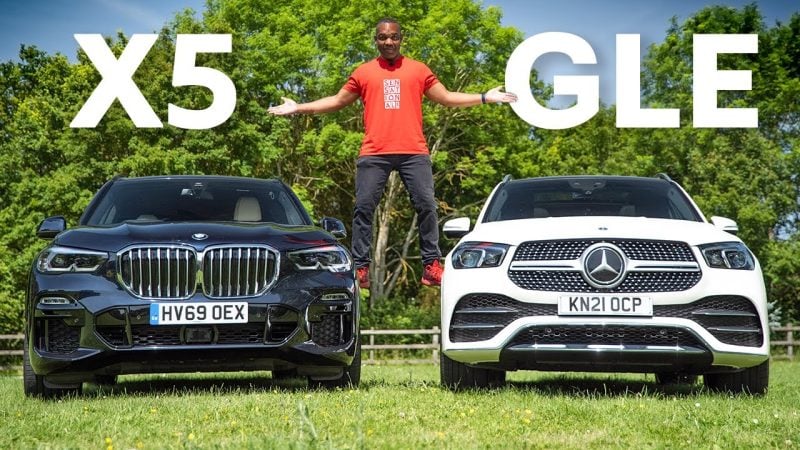
The Mercedes-Benz GLE and BMW X5 are classic rivals in the luxury midsize SUV segment, and choosing between them for long-term ownership requires looking beyond initial impressions.
Both vehicles offer premium experiences, but they differ in maintenance costs, reliability ratings, comfort philosophies, and how well they retain their value over years of ownership.
For long-term ownership, the Mercedes GLE typically excels in comfort and everyday livability, while the BMW X5 offers a more engaging driving experience with comparable reliability.
Your decision should align with whether you prioritize a refined, relaxed daily driver or a more dynamic SUV that emphasizes performance.
This comparison examines the critical factors that matter most when you plan to keep your luxury SUV for several years.
You’ll discover how these vehicles perform in real-world ownership scenarios, from routine maintenance expenses to cargo space, and which one better suits your specific needs and budget over the long haul.
So which one is better? Let’s find out!
Overview of Mercedes GLE and BMW X5
The Mercedes GLE and BMW X5 represent two flagship entries in the midsize luxury SUV segment, each bringing distinct engineering philosophies and brand identities to the table. Both vehicles offer premium materials, advanced technology, and powerful engine options that cater to buyers seeking luxury and capability.
Model Histories and Generations
The BMW X5 debuted in 1999 as one of the first luxury SUVs to prioritize on-road driving dynamics over traditional off-road capability. It established the Sports Activity Vehicle category and has evolved through four generations, with the current generation launching in 2019.
The Mercedes GLE has a slightly longer history, starting in 1997 as the M-Class before being renamed GLE in 2015. This naming change aligned it with Mercedes’ sedan lineup, positioning it as the SUV equivalent of the E-Class. The current GLE generation arrived in 2019, matching the X5’s timeline for major updates.
Both vehicles receive regular updates and refreshes. The 2026 model year continues the refinement of their respective platforms with technology upgrades and minor styling changes.
Market Positioning and Target Audience
The BMW X5 targets buyers who prioritize driving engagement and sporty handling characteristics. You’ll find it appeals to those who want an SUV that feels more like a performance sedan from behind the wheel. Its marketing emphasizes the “Ultimate Driving Machine” philosophy applied to the SUV format.
The Mercedes GLE positions itself as a comfort-focused luxury cruiser. You’ll appreciate its emphasis on ride quality, cabin refinement, and advanced safety features. Mercedes markets the GLE toward buyers seeking a more relaxed, executive-oriented driving experience with cutting-edge technology.
Both vehicles command similar price points and compete for the same luxury SUV buyers. Your choice often comes down to whether you value BMW’s sportier character or Mercedes’ comfort-first approach.
Key Differences at a Glance
Driving Character
- BMW X5: Sport-tuned suspension, sharper steering response, more engaging handling
- Mercedes GLE: Softer ride quality, air suspension standard on many trims, prioritizes comfort
Interior Philosophy
- BMW X5: Driver-focused cockpit layout, sport-oriented seating position
- Mercedes GLE: Lounge-like ambiance, dual-screen dashboard layout, emphasis on passenger comfort
Technology Approach
- BMW X5: iDrive infotainment system with rotary controller and touchscreen
- Mercedes GLE: MBUX system with voice control and gesture recognition
When comparing these luxury SUVs, you’ll notice both offer similar capability and size, but their execution reflects each brand’s core values.
Ownership Experience Over Time
The BMW X5 typically offers a more engaging driving experience while the Mercedes GLE prioritizes comfort, but their ownership trajectories differ significantly in depreciation rates, repair frequencies, and long-term satisfaction metrics.
Initial Purchase and Value Retention
The Mercedes GLE generally starts at a higher base price than the BMW X5, with entry-level GLE models commanding approximately $2,000-$4,000 more than comparable X5 trims. Your initial investment matters because both vehicles experience substantial depreciation in their first three years.
The BMW X5 historically retains 52-55% of its original value after three years, while the Mercedes GLE retains approximately 48-51%. This difference translates to roughly $3,000-$5,000 in your favor if you choose the X5 and plan to sell or trade within this timeframe.
Lease residual values reflect this pattern as well. BMW’s financial services typically set higher residual percentages, which can result in lower monthly lease payments despite similar starting prices.
If you plan to keep your vehicle beyond five years, depreciation curves flatten considerably for both models, making the initial value retention less critical to your total ownership costs.
Long-Term Reliability
Both vehicles require careful maintenance planning beyond their warranty periods. The BMW X5 faces common issues with its air suspension system, water pump failures, and electrical gremlins that typically emerge between 60,000-80,000 miles. These repairs can cost $1,500-$3,500 depending on the specific component.
The Mercedes GLE experiences its own reliability challenges, particularly with its Airmatic suspension and transmission issues. The reliability ratings between these two luxury SUVs show both vehicles scoring similarly in predicted reliability metrics, though specific problem areas differ.
Your maintenance costs will likely increase significantly after 50,000 miles for either vehicle. Budget approximately $1,200-$1,800 annually for routine maintenance, with potential spikes of $3,000-$5,000 when major components need replacement.
Owner Satisfaction Data
Current owner feedback reveals distinct preferences based on priorities. The BMW X5 appeals more to drivers prioritizing performance, with owners consistently praising its handling dynamics and sportier character. Mercedes GLE owners typically rate their vehicles higher for ride comfort and interior refinement.
Long-term satisfaction scores from industry surveys show both vehicles maintaining approximately 7.5-8.0 out of 10 ratings after three years of ownership. Your satisfaction will likely depend on whether you value dynamic driving characteristics or luxury comfort more heavily in your daily use.
Cost of Ownership
The BMW X5 typically starts between $79,386 and $92,001, while the Mercedes-Benz GLE is priced between $76,852 and $91,225. Beyond the purchase price, the GLE generally offers lower maintenance costs and better reliability ratings, while the X5 may present higher repair expenses over time.
Depreciation Trends
Luxury SUVs experience significant value loss in their first five years, but the rate varies between these models. The Mercedes-Benz GLE tends to hold its value slightly better than the X5 in most markets, partly due to Mercedes’ stronger brand perception in the luxury segment.
You can expect both vehicles to lose approximately 40-50% of their value within the first three years. The X5’s sportier appeal attracts enthusiast buyers initially, but this doesn’t always translate to stronger resale values. Market demand fluctuates based on model year updates and feature changes.
Your trim level and option packages significantly impact depreciation. Base models typically lose value faster than well-equipped variants with desirable features like advanced driver assistance systems and premium audio packages.
Maintenance and Repairs
The BMW X5 excels in performance but may come with higher repair costs, particularly after the warranty expires. BMW’s complex engineering and performance-oriented components often require specialized service and more expensive parts.
Mercedes-Benz GLE owners report better long-term reliability and lower average repair bills. Routine maintenance costs run similar between both brands for basic services, but BMW’s parts and labor rates tend to edge higher at independent shops and dealerships.
Extended warranty options deserve serious consideration for either vehicle. You’ll face repair bills ranging from $1,000 to $3,000 for common issues like air suspension repairs or electronic system failures once the factory coverage ends.
Insurance Expenses
Insurance premiums for both SUVs fall into the higher brackets due to their luxury status and repair costs. The BMW X5 typically commands slightly higher insurance rates because of its performance capabilities and historically higher theft rates.
Your annual insurance costs will range from $2,000 to $3,500 depending on your location, driving record, and coverage levels. The GLE’s advanced safety features may qualify you for modest discounts with some insurers, potentially offsetting $100-200 annually.
Now we know the costs, but how do these cars perform? Let’s take a drive!
Performance and Driving Dynamics
The BMW X5 delivers a sportier driving experience with sharper handling, while the Mercedes-Benz GLE prioritizes comfort and refinement. Your choice depends on whether you value engaging dynamics or a smoother, more relaxed ride.
Engine Options and Efficiency
The BMW X5 offers turbocharged inline-six and V8 engines that provide strong acceleration and responsive power delivery. The base X5 xDrive40i features a 3.0-liter turbocharged inline-six producing 375 horsepower, while the X5 M60i uses a 4.4-liter twin-turbo V8 generating 523 horsepower. You can also opt for the X5 xDrive50e plug-in hybrid, which combines a turbocharged inline-six with an electric motor for improved fuel economy around town.
The Mercedes-Benz GLE comes with similar powertrain options. The GLE 450 uses a 3.0-liter turbocharged inline-six with mild-hybrid technology producing 375 horsepower. The GLE emphasizes luxury and interior refinement while offering comparable performance figures to the X5.
Both SUVs deliver adequate fuel efficiency for their class, though neither excels in this area. The plug-in hybrid variants provide the best efficiency if you can charge regularly and keep trips within electric range.
Ride Quality and Handling
The X5 stands out with smooth handling and sporty driving dynamics that make it feel more agile than its size suggests. You’ll notice sharper steering response and better body control through corners compared to the GLE. The adaptive suspension keeps the X5 composed during spirited driving while maintaining reasonable comfort.
The GLE takes a different approach by prioritizing passenger comfort over athletic handling. Its suspension absorbs road imperfections more effectively, making it better suited for long highway trips. You’ll experience less body roll in the X5, but the GLE provides a more cushioned ride that reduces fatigue during extended drives.
Interior Comfort and Features
Both SUVs deliver premium cabins with distinct philosophies: the Mercedes-Benz GLE emphasizes serene luxury and ambient atmosphere, while the BMW X5 focuses on driver-centric design and sporting refinement.
Material Quality and Cabin Space
The Mercedes-Benz GLE surrounds you with soft-touch materials and offers 64-color ambient lighting that creates a sophisticated atmosphere throughout the cabin. The seats provide excellent support for long drives, and the second row offers generous legroom for adult passengers.
The BMW X5 counters with premium leather upholstery and high-quality trim materials that feel substantial to the touch. The refined interior materials create a more driver-focused environment compared to the GLE’s lounge-like feel.
Both vehicles provide comparable passenger space, though the GLE offers better cargo capacity when you need to haul luggage or equipment. The GLE’s more flexible interior configuration gives you additional versatility for various loading scenarios.
Infotainment and Technology Integration
The GLE features the advanced MBUX system with voice control activated by saying “Hey Mercedes.” The high-quality infotainment system includes a touchpad controller integrated into the center console for intuitive operation. You can upgrade to the optional Burmester audio system for exceptional sound quality.
The X5 showcases BMW’s Curved Display technology that combines the instrument cluster and central touchscreen into one sweeping unit. The iDrive system responds quickly to inputs and offers wireless Apple CarPlay and Android Auto.
Both systems provide excellent smartphone integration and navigation, though the MBUX interface tends to be more conversational while iDrive emphasizes precision control.
Safety and Advanced Driver Assistance
Both vehicles deliver comprehensive protection through modern safety technologies, though they differ in standard equipment levels and the proven reliability of their assistance systems over time.
Standard and Optional Safety Features
The BMW X5 includes Active Driving Assistant as standard equipment, which provides lane departure warning, frontal collision warning, and automatic emergency braking. You can upgrade to the Extended Driving Assistant Pro package for active lane-keeping assistance, traffic jam assist, and evasive steering support.
The Mercedes-Benz GLE comes standard with Active Brake Assist, Attention Assist, and crosswind stabilization. Optional safety packages add active steering assist, blind spot monitoring, and Pre-Safe Impulse Side, which moves front occupants away from the impact zone during side collisions.
Both luxury SUVs offer adaptive cruise control, lane-keeping assist, and automatic emergency braking as part of their advanced driver assistance systems. The Mercedes GLE distinguishes itself with its available E-Active Body Control suspension that can raise the vehicle before a side impact, while the BMW X5 features intersection collision warning in higher trim levels.
Long-Term Dependability of Safety Systems
Safety technology reliability matters significantly during extended ownership periods. BMW’s camera and radar systems have shown consistent performance, though some owners report recalibration needs after windshield replacements, which can cost $500 to $800.
Mercedes-Benz safety sensors generally maintain accuracy over time, but the GLE’s more complex Pre-Safe systems may require specialized diagnostics at authorized service centers. You should budget for potential software updates every 2-3 years to keep assistance features functioning optimally.
Both manufacturers provide over-the-air updates for certain safety features, reducing service visit requirements. Extended warranty coverage for electronic safety components typically costs $2,000 to $3,500 and can protect you from expensive repairs to parking assist cameras, radar units, and automated braking components.
Practicality and Everyday Usability
The Mercedes GLE offers more generous cargo space and passenger room, while the BMW X5 provides a driver-focused layout with competitive storage capabilities.
Cargo Capacity and Storage
The Mercedes GLE provides 33.3 cubic feet of cargo space behind the third row in three-row configurations, expanding to 74.9 cubic feet with rear seats folded. The BMW X5 offers 33.9 cubic feet behind the second row and up to 72.3 cubic feet with seats down.
You’ll find the GLE’s cargo area feels more spacious for everyday loading and unloading. Both SUVs feature power-folding rear seats and hands-free liftgate operation as standard or available features.
The GLE includes more small-item storage throughout the cabin, including larger door pockets and a deeper center console. The X5 counters with a configurable cargo floor and more tie-down points for securing items during transport.
Key Storage Features:
- GLE: Larger underfloor storage compartments, adjustable cargo rails
- X5: Split-folding rear seats with 40/20/40 configuration, cargo management system
Family-Friendly Features
Both SUVs accommodate five passengers comfortably in standard configurations, with optional third-row seating available. The GLE’s rear seats offer more legroom at 39.3 inches compared to the X5’s 38.9 inches.
You get easier child seat installation in both vehicles thanks to LATCH anchors on outboard positions. The GLE provides slightly wider door openings for simpler access to rear seats.
Climate control zones vary by trim level, but both offer quad-zone automatic climate control on higher trims. The X5 includes panoramic moonroof as standard on most trims, while the GLE offers it as an option. Rear-seat entertainment systems are available on both, though the GLE’s system integrates more seamlessly with multiple device types.
Long-Term Resale Value
The BMW X5 tends to retain value slightly better than the Mercedes GLE due to strong enthusiast demand, though both vehicles experience typical luxury SUV depreciation. Your choice between these two will impact how much money you recover when it’s time to sell or trade in.
Historical Resale Trends
BMW X5 models have consistently demonstrated stronger resale performance in the luxury midsize SUV segment. The X5 typically retains 45-50% of its original value after five years, while the Mercedes GLE holds approximately 42-47% during the same period.
This difference translates to roughly $2,000-$4,000 more in your pocket when selling a five-year-old X5 compared to an equivalent GLE. The X5 benefits from a dedicated enthusiast community that maintains steady demand in the used market.
Both vehicles depreciate most rapidly during the first three years of ownership. You can expect to lose 30-35% of the purchase price within 36 months regardless of which model you choose.
Factors Impacting Future Value
Mileage and condition remain the primary drivers of resale value for both vehicles. You should aim to keep annual mileage below 12,000 miles and maintain complete service records to maximize returns.
Specific trim levels perform differently in the used market. BMW’s xDrive40i and Mercedes’ GLE 450 hold value better than base models due to their desirable feature sets. Optional packages like premium sound systems and advanced driver assistance add minimal resale value despite their high initial costs.
Market conditions for luxury SUVs favor the X5’s sportier driving dynamics, which appeals to a broader buyer base. The GLE’s comfort-focused design attracts families but commands less premium pricing in secondary markets.
Community and Support Networks
Both Mercedes-Benz and BMW maintain extensive dealership networks across North America, though their coverage density varies by region. The enthusiast communities for each brand offer different levels of activity and resources for long-term owners.
Dealership and Service Coverage
Mercedes-Benz operates approximately 380 dealerships across the United States, with particularly strong coverage in major metropolitan areas and coastal regions. You’ll find authorized service centers in most cities with populations over 100,000, making routine maintenance and warranty work accessible for most GLE owners.
BMW maintains around 350 dealerships nationwide, with similar concentration patterns in urban markets. The X5’s service network includes both dedicated BMW centers and authorized independent specialists, giving you more flexibility for maintenance as your vehicle ages. Wait times for appointments tend to be shorter at BMW dealerships during peak seasons, though this varies significantly by location.
Both brands offer mobile service programs in select markets, where technicians come to your home or office for basic maintenance. Mercedes-Benz’s mobile coverage extends to about 30 major metro areas, while BMW’s reaches approximately 25 markets.
Owner Forums and Enthusiast Communities
The BMW X5 community on Reddit actively discusses ownership experiences, with over 15,000 members sharing maintenance tips and troubleshooting advice. Multiple dedicated forums like Xbimmers and X5Board provide detailed DIY guides and model-specific technical information that can save you hundreds on minor repairs.
Mercedes GLE owners have active communities on MBWorld and BenzWorld forums, though these tend to focus more on luxury features and modifications rather than DIY maintenance.
The communities are slightly smaller but offer well-organized information about common issues and dealer service experiences. Facebook groups for both models provide regional networking opportunities where you can find recommended independent mechanics and share real-world ownership costs.
Conclusion
When choosing between these two luxury SUVs for long-term ownership, your decision depends on what you prioritize most. The Mercedes GLE stands out for reliability and comfort, making it particularly suitable if you value dependable daily transportation and family-friendly features.
The BMW X5 delivers superior driving dynamics and performance. You’ll appreciate its engaging handling if you prioritize spirited driving, though you should prepare for potentially higher repair costs over time.
Key Decision Factors:
- For reliability: Mercedes GLE typically shows better long-term dependability
- For driving enjoyment: BMW X5 offers more engaging performance
- For technology: Both provide advanced features, with GLE focusing on comfort tech
- For maintenance costs: GLE generally requires less expensive upkeep
Your budget for maintenance matters significantly. The X5 may come with higher repair costs as it ages, which affects total ownership expenses beyond the initial purchase price.
Consider how you’ll use the vehicle daily. Long commutes and family transportation favor the GLE’s comfort-oriented approach. Weekend driving enthusiasts who want more engagement from their SUV will find the X5 more rewarding.
Both vehicles offer strong resale value and premium build quality. Your personal preferences regarding driving feel, interior ambiance, and brand loyalty will ultimately guide your choice between these closely matched luxury SUVs.


