
How Profitable Is a Small Boutique Hotel Business? Revenue Insights and Success Factors
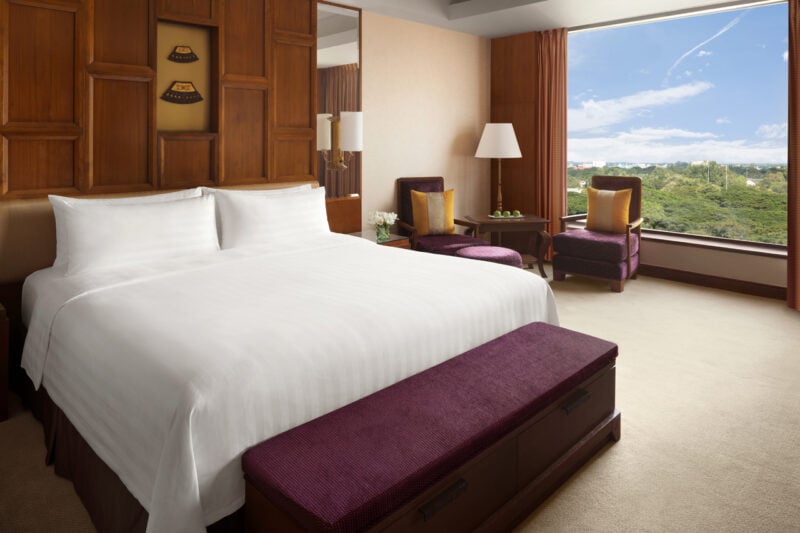
Small boutique hotels can be highly profitable ventures when managed strategically, though success depends on multiple interconnected factors.
The average profit margin for a small hotel business typically ranges from 10% to 30% of gross revenue, with boutique hotels often achieving margins exceeding 20% when operated efficiently.
These figures reflect the reality that boutique properties frequently command higher room rates and revenue per available room compared to traditional hotels.
Your potential earnings as a boutique hotel owner can vary significantly based on location, operational efficiency, and market positioning. Boutique hotel owners typically earn between $150,000 and $480,000 in EBITDA during the first year, with income scaling substantially as occupancy rates increase.
Understanding how to maximize these returns requires careful attention to revenue generation, expense management, and strategic positioning within your local market.
The profitability equation for your boutique hotel extends beyond simple room bookings to encompass diverse revenue streams, operational costs, technology investments, and long-term growth planning.
From pricing strategies that capture your unique value proposition to digital marketing that drives bookings, each decision impacts your bottom line.
This article examines the financial realities of running a small boutique hotel and provides practical insights into building a sustainable, profitable hospitality business.
Revenue Streams in Boutique Hotels
Boutique hotels generate income through multiple channels, with room sales typically forming the foundation while food, beverage, events, and additional services create substantial supplementary revenue. Understanding how each stream contributes to total revenue helps property owners optimize pricing and operational strategies.
Room Sales and Occupancy Rates
Room revenue represents your primary income source as a boutique hotel owner. Your success depends on balancing occupancy rates with average daily rates through dynamic pricing strategies that adjust based on demand, local events, and competitor pricing.
Revenue Per Available Room (RevPAR) serves as your key performance metric. Implementing hotel revenue management software can increase your RevPAR by 5-10% annually through real-time rate optimization.
Your occupancy rate directly impacts profitability since fixed costs remain constant regardless of how many rooms you fill. Each additional booking at properties with smaller inventories materially affects your margin performance.
Strategic rate adjustments allow you to capture premium pricing during peak periods while maintaining competitive rates during slower seasons. You need to monitor booking patterns, seasonal trends, and local market conditions to maximize room revenue throughout the year.
Food and Beverage Services
Food and beverage operations provide significant ancillary income beyond room bookings. In well-operated boutique properties, F&B can contribute 25 to 35 percent of total revenue, making it a substantial profit center.
You can develop multiple F&B offerings including on-site restaurants, bars, room service, and minibar sales. Each option creates touchpoints for guest spending while enhancing the overall experience.
Your F&B strategy should align with your brand positioning. Curated menus featuring local ingredients or craft beverages appeal to travelers seeking authentic experiences while commanding premium pricing.
Breakfast service alone can be packaged as an add-on or included in room rates to increase perceived value. Evening offerings like cocktail hours or wine tastings create additional revenue opportunities without requiring full restaurant operations.
Event Hosting and Conferences
Private events generate concentrated revenue during specific periods. Intimate weddings and corporate away days suit boutique properties particularly well due to their unique character and personalized service capabilities.
You can monetize event hosting through venue rental fees, catering packages, accommodation blocks, and audiovisual equipment rentals. These bundled offerings typically yield higher margins than standard room bookings.
Corporate meetings and small conferences provide midweek business when leisure travel slows. Your property’s distinctive atmosphere often appeals to companies seeking alternatives to generic convention spaces.
Event revenue helps smooth seasonal fluctuations in occupancy. Building relationships with wedding planners, corporate event coordinators, and local businesses creates consistent booking pipelines throughout the year.
Ancillary Services and Upsells
Diversifying revenue streams beyond rooms unlocks additional profitability through services that enhance guest experiences. Spa treatments, guided local tours, airport transfers, and curated experiences appeal to travelers seeking comprehensive packages.
You can partner with local vendors to offer activities like wine tastings, cooking classes, or adventure excursions. These arrangements generate commission income without requiring you to operate the services directly.
In-room upsells including premium amenities, early check-in, late checkout, and room upgrades provide immediate margin improvements. Late checkout fees alone can generate revenue from inventory that would otherwise sit vacant.
Retail opportunities through boutique gift shops or branded merchandise create additional touchpoints. Selling locally crafted goods or property-branded items extends your revenue potential while reinforcing your unique positioning.
Key Factors Impacting Profit Margins
Profit margins in boutique hotels depend heavily on three interconnected elements: where you operate, how you price rooms relative to expenses, and your ability to navigate demand fluctuations throughout the year.
Location and Market Demand
Your hotel’s location determines both your potential revenue and your baseline costs. Urban boutique hotels in high-demand areas can command premium rates but face higher property costs, taxes, and labor expenses. Suburban or rural properties typically have lower operating costs but may struggle to maintain consistent occupancy.
Market demand shapes your pricing power. Properties in established tourist destinations or business districts can achieve occupancy rates above 60% with strong daily rates. You need to assess local competition, nearby attractions, and accessibility to transportation hubs.
The surrounding area’s economic health directly affects your revenue potential. Markets with growing tourism, convention centers, or corporate activity provide more booking opportunities. Properties in declining or oversaturated markets face constant rate pressure.
Average Daily Rate Versus Operational Costs
Your average daily rate (ADR) must exceed your per-room operating costs by a sufficient margin to cover fixed expenses and generate profit. Boutique hotels targeting ADR above $300 can achieve healthier margins if they control costs effectively.
Labor represents your largest operational expense, typically consuming 30-40% of revenue. Boutique properties require higher staff-to-room ratios than budget hotels due to personalized service expectations. Utilities, maintenance, amenities, and housekeeping add another 15-25% to your cost structure.
Your property size affects efficiency. Smaller properties face higher per-room fixed costs for management, technology, and marketing. You need to balance intimate experiences with operational leverage to maintain competitive margins.
Seasonality and Local Events
Seasonal demand swings directly impact your annual profitability. Hotels in beach destinations or ski resorts experience dramatic occupancy shifts between peak and off-seasons. You must generate sufficient revenue during high-demand periods to offset slower months.
Local events create revenue spikes when managed strategically. Conferences, festivals, sporting events, and concerts allow you to implement dynamic pricing and achieve near-full occupancy at elevated rates. These events can contribute disproportionately to annual profits.
Your ability to attract off-season business determines baseline profitability. Boutique hotels that develop corporate accounts, special packages, or local partnerships maintain steadier cash flow. Properties overly dependent on seasonal tourism face cash flow challenges and may require larger capital reserves.
Operational Expenses and Cost Control
Managing operational expenses effectively determines whether your boutique hotel generates profit or struggles to break even. Labor typically represents your largest variable cost, while utilities and supplies require careful monitoring to prevent budget overruns.
Labor Costs and Staffing Models
Labor costs consume the largest portion of your operating budget, often accounting for 35-50% of total revenue. Your staffing model directly impacts both guest experience and profitability.
For a small boutique property, you’ll need core positions including front desk staff, housekeeping, maintenance personnel, and potentially concierge services. Salaries for these roles can range significantly based on location and experience level. A lean staffing approach works well for properties under 30 rooms, where cross-trained employees handle multiple responsibilities.
You can reduce labor expenses by implementing flexible scheduling based on occupancy forecasts. Part-time staff and on-call workers help you scale up during peak seasons without maintaining high payroll during slower periods. Technology solutions like automated check-in systems and digital concierge services also minimize staffing requirements while maintaining service quality.
Utilities and Maintenance
Utility costs including electricity, water, gas, and internet typically represent 5-8% of your total operating budget. These expenses fluctuate with occupancy rates and seasonal demands.
Energy-efficient HVAC systems, LED lighting, and smart thermostats reduce monthly utility bills substantially. Water conservation measures like low-flow fixtures and towel reuse programs cut costs while appealing to environmentally conscious guests. Maintenance and rapid-repair budgets often require $15,000 monthly for a 30-unit property.
Preventive maintenance protects you from expensive emergency repairs. Regular HVAC servicing, plumbing inspections, and equipment checks identify issues before they escalate into costly problems.
Supplies and Guest Amenities
Guest amenities and supplies balance cost control with maintaining your boutique hotel’s unique appeal. This category includes linens, toiletries, cleaning supplies, and the distinctive touches that differentiate your property.
You should negotiate bulk purchasing agreements with suppliers for recurring items like towels, sheets, and basic toiletries. However, your signature amenities, specialty soaps, unique room features, or curated local products, justify higher per-unit costs because they drive bookings and command premium rates.
Inventory management prevents waste and over-ordering. Track usage patterns to order appropriate quantities and rotate stock effectively. Quality matters more than quantity for boutique properties, where guests expect thoughtful details rather than generic hotel supplies.
Start-Up Investment and Financing Options
Launching a boutique hotel requires substantial upfront capital, typically ranging from $500,000 to several million dollars depending on property size and location. Understanding your financing options and budgeting accurately for renovations will determine whether your project succeeds financially.
Initial Capital Requirements
You’ll need to secure between $500,000 and $5 million for most small boutique hotel projects. The actual amount depends on whether you’re purchasing an existing property or building from scratch, your target market positioning, and your location’s real estate costs.
Your initial capital must cover the property acquisition, which typically represents 40-60% of total startup costs. You’ll also need funds for licensing, permits, initial inventory, and working capital to sustain operations during the first 6-12 months before reaching stable occupancy rates.
Most lenders require you to contribute 20-30% of the total project cost as a down payment. This equity stake demonstrates your commitment and reduces their risk exposure. If you’re converting an existing building, inspection costs and feasibility studies will add $15,000-$50,000 to your budget.
Renovation and Design Budgeting
Renovation costs for boutique hotels average $150-$400 per square foot depending on the property’s current condition and your design ambitions. A 10-room boutique hotel with 5,000 square feet could require $750,000-$2 million in renovation expenses alone.
Your design budget should prioritize guest-facing areas that generate revenue and create memorable experiences. Allocate roughly 35-40% of renovation funds to guest rooms, 25-30% to common areas and lobbies, and 15-20% to food and beverage spaces if applicable.
Thorough documentation of your financial metrics helps you justify renovation expenses to lenders. Include detailed line items for:
- Structural improvements and building systems
- Interior finishes and furnishings
- Technology infrastructure and booking systems
- Kitchen equipment and dining facilities
- Outdoor spaces and amenities
Loan Structures and Interest Rates
SBA 7(a) and 504 loans offer favorable terms for boutique hotel financing, with interest rates typically 2-3% above prime and repayment periods extending to 25 years for real estate. These government-backed programs require strong personal credit scores (680+) and demonstrated hospitality experience.
Conventional commercial mortgages provide another path, though they demand larger down payments (25-35%) and shorter amortization periods. Interest rates currently range from 6.5-9% depending on your creditworthiness and the property’s projected cash flow.
Bridge loans and construction financing serve as short-term solutions during renovation phases, with rates of 8-12% and terms of 12-36 months. You’ll refinance into permanent financing once the property becomes operational and generates revenue.
Different financing options carry varying credit requirements and repayment structures that you must align with your revenue projections. Consider debt service coverage ratios carefully, lenders typically require your net operating income to exceed debt payments by at least 1.25 times.
Pricing Strategies and Market Positioning
Setting the right price point while establishing your boutique hotel’s market position directly impacts your revenue potential and profit margins. Your pricing strategies and brand positioning work together to define how guests perceive your property’s value.
Target Audience and Niche Appeal
You need to identify your ideal guest profile before establishing pricing tiers. Boutique hotels typically attract travelers seeking personalized experiences, unique design elements, or specific amenities that larger chains don’t offer.
Your pricing should reflect the niche you occupy. If you cater to luxury travelers, premium pricing reinforces exclusivity and quality expectations. Budget-conscious boutique seekers require competitive rates that still communicate value through distinctive features.
Understanding your market and customers allows you to set prices that both attract your target demographic and sustain profitability. Consider factors like:
- Guest demographics: Age, income level, travel purpose
- Experience preferences: Cultural immersion, design-focused stays, wellness retreats
- Booking patterns: Length of stay, seasonal preferences, advance booking timeline
Your niche positioning justifies higher rates when you deliver specialized experiences that resonate with your target audience’s specific desires and expectations.
Competitive Benchmarking
You must analyze comparable properties in your market to establish competitive yet profitable rates. Research other boutique hotels within your area that share similar size, amenities, and guest experience levels.
Hotel pricing strategies require examining historical data, current occupancy rates, and real-time market demand. Track your competitors’ pricing across different seasons and booking windows to identify opportunities for rate optimization.
Compare these key metrics:
- Average Daily Rate (ADR): What competitors charge per night
- Revenue Per Available Room (RevPAR): Their overall revenue efficiency
- Occupancy rates: How often rooms are filled at various price points
You should position your rates based on your unique value proposition rather than simply undercutting competitors. If your property offers superior design, location, or service, your pricing can exceed market averages while maintaining strong occupancy.
Technology and Digital Marketing Influence
Digital tools directly affect your boutique hotel’s ability to attract guests and generate revenue, while your online presence determines whether travelers discover and book your property over competitors.
Online Booking Platforms
Your choice of booking platforms shapes your profit margins through commission structures and guest acquisition costs. Direct bookings through your website yield the highest profitability since you avoid third-party commission fees that typically range from 15-25% per reservation.
Online travel agencies like Booking.com and Expedia provide visibility but reduce your per-room profit. You need to balance these channels strategically. Many successful boutique hotels use OTAs for initial exposure while investing in digital marketing strategies to drive direct bookings over time.
Your booking engine technology matters for conversion rates. A mobile-optimized system with real-time availability, transparent pricing, and seamless payment processing converts more browsers into bookers. Properties with user-friendly direct booking systems report 20-30% higher direct reservation rates compared to those with outdated platforms.
Commission costs eat into your revenue, so tracking your booking channel mix helps you understand true profitability. Calculate your net revenue per channel monthly to identify where adjustments improve your bottom line.
Social Media and Reputation Management
Your online reputation directly influences booking decisions and the rates you can command. Digital marketing for boutique hotels has become essential for survival as travelers rely on reviews and social proof before making reservations.
Review scores on platforms like TripAdvisor and Google affect your visibility in search results and booking platforms. Properties with ratings above 4.5 stars typically achieve 10-15% higher average daily rates than comparable hotels with lower scores. You need to respond to reviews promptly and professionally to demonstrate guest care.
Instagram and other visual platforms allow you to showcase your property’s unique character without paying traditional advertising costs. Hotels using social media effectively reach global audiences that larger chains struggle to engage with personalized content. Your distinct design elements, local partnerships, and guest experiences become marketing assets when shared strategically online.
Long-Term Growth and Expansion Opportunities
Strategic partnerships and premium service additions create pathways for boutique hotels to increase revenue per guest while building stronger market positions that attract repeat visitors and referrals.
Brand Partnerships and Affiliations
Joining a boutique hotel collection or soft brand affiliation expands your distribution network without sacrificing your property’s unique identity. These partnerships provide access to global reservation systems, loyalty programs, and corporate travel accounts that independent properties struggle to reach alone.
Soft brands like Autograph Collection or Curio by Hilton charge fees between 2-4% of room revenue but deliver booking volume increases of 15-25% for member properties. You retain operational control and design autonomy while gaining brand recognition and marketing support.
Strategic alliances with local businesses create non-room revenue opportunities. Partnering with nearby restaurants, tour operators, wineries, or wellness centers generates commission income from guest referrals while enhancing the guest experience. Some boutique hotels earn $50-150 per room annually through these referral arrangements.
Effective business growth strategies for hospitality properties increasingly emphasize collaborative partnerships over isolated expansion efforts.
Upscale Amenities Integration
Adding premium amenities justifies higher room rates and attracts affluent travelers willing to pay for enhanced experiences. In-room upgrades like luxury bedding, rainfall showers, smart room controls, and curated minibars increase your average daily rate by $30-75 per room.
On-site food and beverage programs generate substantial ancillary revenue. A small restaurant or craft cocktail bar produces $40,000-120,000 in annual profit for properties with 15-25 rooms. Breakfast service alone adds $15-25 to your rate while costing $6-10 per guest to deliver.
Wellness amenities like spa services, fitness facilities, or yoga classes create differentiation in competitive markets. Even modest spa operations generate $200-400 per treatment with 40-50% profit margins. These services attract leisure travelers during traditionally slow periods and extend average length of stay by 0.3-0.7 nights.
Risk Management and Profit Sustainability
Small boutique hotels face unique vulnerabilities that can quickly erode profitability margins, making proactive risk management essential for long-term financial health. Your ability to anticipate economic shifts and prepare crisis response strategies directly impacts whether your property survives market disruptions.
Economic Fluctuations
Economic downturns hit small boutique hotels harder than larger chains because you typically operate with tighter cash reserves and less pricing flexibility. Your occupancy rates can drop 20-40% during recessions as both leisure and business travelers reduce spending.
You need to maintain a cash reserve covering at least 3-6 months of operating expenses to weather economic storms. This buffer allows you to continue paying staff, utilities, and essential maintenance even when bookings decline sharply.
Key protection strategies include:
- Diversifying your revenue streams beyond room rentals
- Building a loyal customer base that books directly
- Maintaining flexible staffing arrangements
- Negotiating variable cost structures with suppliers
Dynamic pricing becomes critical during economic uncertainty. You should adjust rates based on real-time demand rather than maintaining fixed pricing, which helps maximize revenue per available room even when overall occupancy falls.
Crisis Response Planning
Your crisis response plan must address specific threats that could shut down operations or severely damage your reputation within hours. Health emergencies, natural disasters, and unpredictable market conditions require documented procedures that your staff can execute immediately.
You should identify critical business functions that must continue during any crisis, such as guest communication, payment processing, and essential maintenance. Designate backup staff for key roles and establish clear decision-making authority.
Essential plan components:
- Emergency contact lists for staff, vendors, and local authorities
- Communication templates for guests and stakeholders
- Financial protocols for accessing emergency funds
- Insurance coverage verification and claim procedures
Test your crisis plan quarterly through tabletop exercises with your management team. Document lessons learned and update procedures based on new threats or operational changes that emerge.
Legal and Regulatory Considerations
Operating a boutique hotel requires navigating multiple legal frameworks that directly impact your profitability through compliance costs and operational constraints. Your ability to secure proper zoning approval and understand tax obligations determines whether your boutique hotel can legally operate and maintain healthy profit margins.
Zoning and Licensing
You need to verify that your property is zoned for commercial hospitality use before purchasing or leasing. Local zoning laws dictate where hotels can operate, and rezoning applications can take months and cost thousands in legal and administrative fees.
Your boutique hotel requires multiple permits and licenses to operate legally. These typically include a business license, occupancy permit, health department certification, and fire safety approval. If you plan to serve alcohol, you need a liquor license, which can cost between $12,000 and $400,000 depending on your state and license type.
Building codes and accessibility standards require compliance with ADA regulations, ensuring your property accommodates guests with disabilities. Fire safety permits mandate proper sprinkler systems, smoke detectors, emergency exits, and regular inspections. Food service permits become necessary if you operate a restaurant or serve breakfast.
Each license carries renewal fees and compliance requirements that affect your annual operating budget.
Taxation Implications
Your boutique hotel faces multiple tax obligations that reduce your net profit. You must collect and remit occupancy taxes, also called hotel taxes or transient lodging taxes, which range from 5% to 15% depending on your jurisdiction. These taxes apply per room night and require regular reporting to state and local authorities.
Property taxes represent a significant fixed cost, often higher for commercial properties than residential ones. Your assessed value determines your annual tax bill, which can fluctuate based on improvements or market conditions.
You also handle sales tax on amenities like spa services, gift shop purchases, and food and beverage sales. Employment taxes include payroll withholding, unemployment insurance, and workers’ compensation insurance for your staff. If you collect guest information for reservations and marketing, you must comply with data privacy laws like GDPR or state-specific regulations.
Self-employment tax applies if you operate as a sole proprietor or partnership, while corporate structures face different tax rates and filing requirements.
Exit Strategies and Return on Investment
Planning your exit strategy should begin the day you purchase your boutique hotel property. This approach ensures you maximize value throughout ownership while positioning the asset for an optimal sale when the time comes.
Hotels represent a complex asset class because they include both real estate and an operating business. You need to consider multiple factors when timing your exit, including market conditions, property performance, and your investment goals.
Common Exit Strategies Include:
- Selling to another independent operator
- Marketing to hotel chains seeking unique properties
- Converting to alternative hospitality uses
- Passing to family members or partners
The boutique hotel sector offers strong growth prospects, with projections showing expansion of $11.36 billion between 2024 and 2029 at a 7.1% compound annual growth rate. This growth enhances your potential exit value.
Your return on investment depends on maintaining profitability throughout ownership. Boutique hotels can achieve profit margins exceeding 20% when managed effectively, which directly impacts your sale price. Properties with established revenue streams and strong occupancy rates command premium valuations.
You should maintain detailed financial records and document all improvements made during ownership. These records demonstrate value to potential buyers and justify your asking price. Working with hospitality-specialized brokers helps you identify qualified buyers and negotiate favorable terms aligned with your investment timeline.


