Is Boise, Idaho Expensive to Live In Compared to Other Idaho Cities? A Cost of Living Analysis
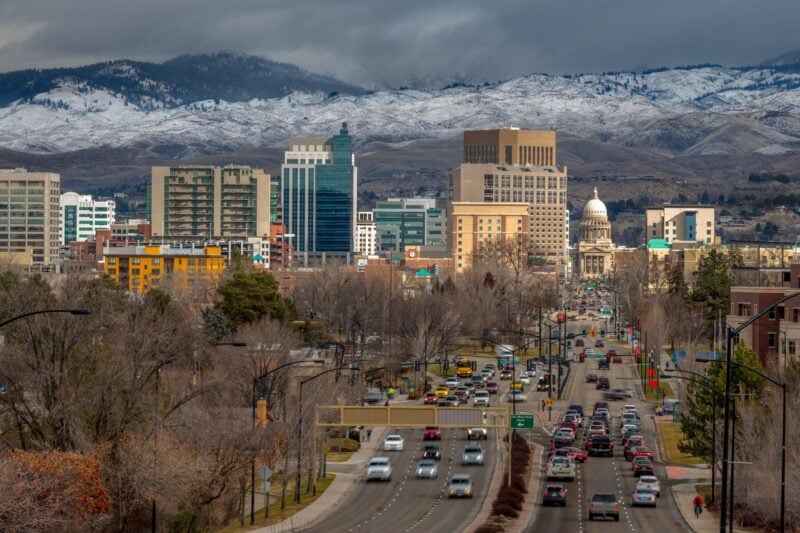
Boise has earned a reputation as Idaho’s economic and cultural hub, but this prominence comes with higher living costs than most other cities in the state.
While Boise ranks as the most expensive city in Idaho, it remains more affordable than many major Western cities, though housing prices have increased significantly in recent years.
The cost of living in Boise is 19.6% higher than the U.S. average, making it notably pricier than smaller Idaho communities. Understanding how Boise compares to other Idaho cities requires looking beyond simple price tags.
Housing, groceries, transportation, and utilities all vary considerably across the state, and your actual expenses will depend on your lifestyle and income level.
This comparison examines the financial realities of living in Boise versus other Idaho cities. You’ll discover specific cost differences across major expense categories, employment opportunities that affect your budget, and quality of life factors that influence long-term affordability in Idaho’s capital city.
Understanding the Cost of Living Index
Cost of living indexes translate local prices into comparable numbers that help you evaluate whether Boise fits your budget relative to other Idaho cities. These indexes measure housing, groceries, utilities, transportation, and healthcare costs to create baseline comparisons.
How Cost of Living Is Calculated
Cost of living calculations start with a baseline value, typically set at 100 to represent the national average. Cities with indexes above 100 cost more than average, while those below 100 cost less. Idaho has a cost of living index of 87, meaning the state is 13% less expensive than the national average.
Researchers collect pricing data from multiple sources including grocery stores, utility companies, rental listings, and gas stations. They track specific items like a gallon of milk, a pound of chicken, or average apartment rent. This data gets weighted based on typical household spending patterns, where housing usually carries the heaviest weight since it represents the largest expense for most families.
The final index number represents a composite score across all categories. You can use this number to estimate how your current expenses might change if you relocate from one city to another.
Key Metrics Used for Comparison
Housing dominates cost of living calculations because it typically consumes 30-40% of household budgets. This category includes both home prices and rental rates across different property types.
The other primary metrics include:
- Transportation: Gas prices, vehicle insurance, public transit costs
- Groceries: Food and household supplies at local retailers
- Utilities: Electricity, natural gas, water, internet service
- Healthcare: Insurance premiums, doctor visits, prescription costs
Each metric receives a weighted percentage based on average consumer spending. Changes in any single category can shift your overall expenses, but housing fluctuations create the most significant impact on your budget.
Regional Influences on Expenses
Geographic location within Idaho affects prices through population density, proximity to metro areas, and local housing markets. Cities near Boise typically show higher costs due to employment opportunities and urban amenities.
Climate impacts utility expenses, with colder northern Idaho cities requiring more heating fuel than southern locations. Transportation costs vary based on public transit availability and average commute distances. Rural areas often have lower housing costs but higher transportation expenses due to limited services and longer travel distances.
Local tax rates, wage levels, and economic development also influence regional price differences across Idaho cities.
Housing Market Trends in Boise Versus Other Cities
Boise’s housing market commands significantly higher prices than most Idaho cities, with median home values around $499,492 as of recent data. Rental rates and property tax structures also vary considerably across the state’s urban centers.
Median Home Prices
Boise’s median sale price sits at approximately $575K as of late 2025, representing about a 7% increase from the previous year. This makes Boise substantially more expensive than smaller Idaho cities like Pocatello, Twin Falls, and Idaho Falls, where median home prices typically range from $250,000 to $350,000.
As Idaho’s capital and largest housing market, Boise leads state real estate trends. Homes in the Treasure Valley sell quickly, averaging just 12 days on market. The competitive nature of Boise’s market reflects strong demand from both in-state and out-of-state buyers.
Coeur d’Alene and Meridian represent the closest competitors to Boise in pricing, though both still trail behind. The price differential between Boise and rural Idaho communities can exceed $300,000 for comparable properties.
Rental Rates Comparison
You’ll find Boise rental rates considerably higher than other Idaho cities. A two-bedroom apartment in Boise typically rents for $1,400 to $1,800 per month, while similar units in Pocatello or Twin Falls range from $900 to $1,200.
The rental market in Boise remains tight due to population growth and limited inventory. Idaho Falls and Nampa offer more affordable rental options, with average rates 20-30% below Boise’s pricing. Coeur d’Alene represents an exception, with rental costs approaching Boise levels due to similar demand pressures.
Property Tax Differences
Idaho taxes capital gains as ordinary income with a flat 5.8% income tax rate, which applies statewide. However, property tax rates vary by county and city across Idaho.
Boise homeowners in Ada County face effective property tax rates around 0.6-0.7% of assessed home value. This translates to higher dollar amounts due to elevated home values, even though the rate itself remains competitive. Cities like Lewiston and Coeur d’Alene have similar percentage rates, but your actual tax bill will be lower due to reduced property values.
Daily Expenses and Consumer Costs
Boise’s average monthly cost of living reaches $2,193, with daily expenses like groceries, transportation, and utilities contributing significantly to this total. These routine costs vary across Idaho cities and can impact your budget differently depending on your location within the state.
Grocery Prices Variation
You’ll find grocery prices in Boise generally align with other major Idaho cities, though they tend to run slightly higher than in smaller towns. The pricing differences stem from transportation costs and market demand in urban areas.
Food expenses vary based on your shopping habits and dietary preferences. Chain grocery stores like Fred Meyer, Albertsons, and WinCo offer competitive pricing throughout the Boise metro area. Local farmers markets provide seasonal produce options that can sometimes reduce your food costs during summer and fall months.
When comparing Boise to other Idaho cities, you’ll notice moderate grocery price differences. Smaller towns like Twin Falls and Pocatello may offer slightly lower prices on basic items, while resort communities like Ketchum and Sun Valley typically have higher grocery costs than Boise.
Transportation and Fuel Expenses
Your transportation costs in Boise depend on whether you own a vehicle or use public transit. The city’s public transportation system, Valley Regional Transit, offers limited coverage compared to larger metropolitan areas.
Most Boise residents rely on personal vehicles for daily commuting. Fuel prices fluctuate seasonally but generally match statewide averages. Vehicle insurance rates in Ada County typically run higher than in rural Idaho counties due to increased traffic density.
Parking in downtown Boise requires payment in most areas, with monthly parking passes ranging from $50 to $150. You’ll spend less on parking in suburban areas and neighboring cities like Meridian or Nampa.
Utilities and Internet Bills
Your utility expenses in Boise include electricity, natural gas, water, sewer, and trash services. The Boise metropolitan area has experienced shifts in utility rates over the past decade due to population growth and infrastructure demands.
Electricity costs vary by season, with summer cooling and winter heating driving higher bills. Idaho Power serves most of Boise, with average monthly electricity bills ranging from $80 to $150 depending on home size and usage patterns.
Internet service through providers like Sparklight and CenturyLink typically costs between $50 and $100 monthly for standard broadband speeds. Natural gas heating proves more economical than electric heating during Idaho’s cold winters, reducing your overall energy expenses.
Employment Opportunities and Average Wages
Boise’s job market provides competitive wages and diverse employment sectors, though income levels vary significantly across different Idaho cities. The median household income in Boise was $81,102 in 2024, closely matching the statewide median of $81,166.
Industry Landscape
Boise’s economy spans multiple sectors, with transportation and material moving representing a significant portion of local employment. The city had 34,260 jobs in transportation and material moving, accounting for 8.9 percent of local area employment.
Workers in this sector earn an average hourly wage of $24.07, slightly higher than the national average of $23.44. However, you’ll find that Boiseans are still being paid less than the national average across many occupations due to factors including the cost of living differences.
The average salary in Boise is $77k, though recent trends show wages decreased by 2.3 percent in Q4 2024. Your per capita income in Boise reached $49,839 in 2024, representing a 54.5 percent increase compared to 2000.
Income Disparities Among Cities
Income levels across Idaho cities show notable variation based on local economies and job availability. Boise ranks as the most expensive city within Idaho, sitting 7th out of 13 Idaho cities for cost of living.
Smaller Idaho markets typically offer lower wages but also reduced living expenses. Boise provides better job market opportunities and wage growth potential compared to these smaller cities, where your earning power may be limited by fewer high-paying positions.
Job Growth and Unemployment Rates
Boise’s labor market continues to evolve with changing economic conditions. Your employment prospects benefit from the city’s diverse economic base, which includes government, healthcare, technology, and manufacturing sectors.
The median after-tax salary of $4,177 provides enough to cover living expenses for 1.9 months, indicating you’ll need steady employment to maintain financial stability. Regional economic patterns suggest that while Boise faces higher costs than other Idaho cities, the expanded job opportunities often justify the difference.
Quality of Life Factors Affecting Affordability
Boise provides strong healthcare access, diverse recreational opportunities, and reliable infrastructure that contribute to its overall value proposition. These quality of life elements help explain why the city attracts residents despite housing costs that exceed some neighboring Idaho communities.
Access to Healthcare and Education
Boise offers multiple hospital systems including St. Luke’s Health System and Saint Alphonsus Regional Medical Center, giving you access to specialized care without traveling to larger metropolitan areas. The city’s healthcare infrastructure supports a range of services from routine medical care to advanced treatment options.
The Boise School District serves the majority of the city’s students, while neighboring communities like Meridian and Eagle maintain their own district systems. You’ll find Boise State University anchors the higher education landscape, providing both undergraduate and graduate programs within city limits. The presence of these educational institutions affects property values in surrounding neighborhoods, particularly those with highly rated elementary schools.
Educational Resources Available:
- Public K-12 schools across multiple districts
- Private and charter school options
- Boise State University and satellite campuses of other institutions
- Community college programs through the College of Western Idaho
Recreation and Entertainment Costs
The Boise Greenbelt stretches 25 miles along the Boise River, offering free recreational access for walking, cycling, and outdoor activities year-round. You can access the Boise Foothills trail system without fees, providing hundreds of miles of hiking and mountain biking terrain directly from city neighborhoods.
Dining and entertainment in Boise is considered affordable, with restaurant prices lower than comparable western cities. The city maintains public parks, community pools, and recreation centers with modest admission fees. Idaho’s ski resorts sit within 90 minutes of downtown, though lift tickets and equipment rentals add to winter recreation budgets.
Cultural attractions like the Boise Art Museum and Idaho State Museum charge admission fees ranging from $5 to $15 for adults.
Safety and Community Infrastructure
Boise maintains lower crime rates compared to similarly sized cities across the western United States. The city’s police and fire departments provide coverage across established neighborhoods and newer developments alike.
Your utility costs in Boise include services from Idaho Power, Suez Water Idaho, and Intermountain Gas. The city manages snow removal, road maintenance, and public transportation through ValleyRide, though bus routes remain limited compared to larger metropolitan areas. You’ll find that most residents rely on personal vehicles for daily transportation.
Infrastructure improvements continue across the Treasure Valley as population growth strains existing roads and services. New schools, fire stations, and road expansions are funded through property taxes and development fees that affect your overall cost of ownership.
Demographic and Population Trends
Boise’s population has grown steadily to reach 238,923 residents in 2026, with consistent annual growth of 0.2% reflecting the city’s appeal as Idaho’s capital and economic center. In 2023 alone, 81,708 people moved to Idaho, with a significant portion settling in the Boise metropolitan area.
Population Growth Impact
The population increased by 1.22% since 2020, adding nearly 3,000 new residents to Boise’s housing market and infrastructure. This growth has created upward pressure on housing costs, with Ada County’s median sales price reaching $535,990 by January 2026.
Your experience as a Boise resident reflects this expansion through increased traffic, new commercial development, and rising demand for services. The city’s population has grown from 205,671 in 2010 to nearly 239,000 today, representing a 16% increase over 16 years.
Boise maintains the lowest unemployment rate among America’s 100 largest cities, attracting workers and families seeking economic stability.
Migration Patterns Within Idaho
Migration to Boise comes from both out-of-state relocations and movement from smaller Idaho communities. You’ll find that many residents migrate from rural Idaho areas seeking better job opportunities and urban amenities available in the state’s largest city.
The influx has positioned Boise as the 7th most expensive city in Idaho among 13 cities analyzed. This ranking reflects how migration concentrates in urban centers, driving costs higher than in smaller Idaho towns.
Your housing costs in Boise will likely exceed what you’d pay in most other Idaho cities, though the cost of living remains 31.7% less expensive than New York on a national comparison scale.
Policy and Taxation Differences
Idaho maintains a middle-of-the-road tax position nationally, and Boise follows the same state tax structure as other Idaho cities. The primary differences you’ll encounter relate to local tax rates and available government incentives rather than dramatic policy variations between municipalities.
Local Tax Rates
Idaho has a progressive state income tax system that applies uniformly across all cities, including Boise. Your income tax rate ranges from 1% to 5.8% depending on your earnings bracket, and this applies whether you live in Boise, Idaho Falls, or Pocatello.
Property tax rates vary by location and county. In Boise and Ada County, you’ll typically pay property taxes calculated on assessed values that reflect market conditions. Your exact rate depends on local levies for schools, fire districts, and other services.
Idaho does not impose a general sales tax at the local level beyond the 6% state rate. This means you pay the same sales tax percentage in Boise as you would in Coeur d’Alene or Twin Falls. According to Idaho’s tax burden studies, the state consistently maintains a middle-of-the-road position for combined state and local tax burdens.
Government Incentives
Idaho offers several tax credits and deductions that benefit residents statewide. You can access these incentives regardless of which Idaho city you choose as your home.
Property tax reduction programs exist for qualifying homeowners, including exemptions for seniors and disabled veterans. These programs operate under state law with consistent eligibility requirements across all Idaho municipalities.
Business incentives in Boise may differ slightly from smaller Idaho cities due to urban renewal districts and development zones. If you’re relocating for work or starting a business, you should research specific local economic development programs in your target city.
Long-Term Affordability Outlook
Boise’s long-term affordability depends on several interconnected factors that will shape the housing market over the next few years. Employment growth in the technology sector and continued migration from higher-cost states will likely maintain upward pressure on home prices.
The supply situation remains a key concern. Idaho faces limited housing inventory that continues to drive prices higher across the state. Until construction catches up with demand, you can expect competitive market conditions.
Key factors affecting future affordability:
- Technology sector expansion creating higher-paying jobs
- In-migration patterns from California, Washington, and Oregon
- New housing development timelines
- Interest rate fluctuations
- Wage growth relative to housing costs
A household needs approximately $150,000 in annual income to afford half the homes currently on Idaho’s market. This income threshold sits well above what most families earn, creating affordability challenges for local residents.
Boise’s housing market in 2026 still offers value compared to surrounding Western states, though it remains expensive within Idaho. Your ability to afford Boise long-term will depend heavily on your income trajectory and whether local wages keep pace with housing appreciation.
The market shows signs of stabilization rather than dramatic price drops. If you’re planning to move to Boise, expect gradual price adjustments rather than significant corrections that would drastically improve affordability in the near term.
Conclusion
Boise stands as Idaho’s most expensive city, with costs running approximately 11.69% higher than the state average. However, this doesn’t mean living in Boise is unaffordable or comparable to major metropolitan areas across the country.
When you evaluate housing, transportation, and daily expenses, Boise maintains a reasonable cost structure. The cost of living in Idaho overall remains 1.06 times less expensive than the U.S. average, and Boise reflects this affordability despite being the state’s priciest city.
Your choice between Boise and other Idaho cities depends on your priorities. If you prefer urban amenities, job opportunities, and cultural attractions, the premium you pay in Boise may be worthwhile. Smaller Idaho cities offer lower costs but fewer career options and entertainment venues.
The Boise metro area’s cost of living sits 13.2% above the national average yet remains competitive with similar-sized cities nationwide. You’ll find that utilities, transportation, and healthcare costs stay manageable across the city.
Consider your income, lifestyle needs, and long-term goals when deciding where to settle in Idaho. Boise commands higher prices, but many residents find the investment justified by employment prospects and quality of life. Other Idaho cities provide viable alternatives if you prioritize lower monthly expenses over metropolitan conveniences.