The Marvel that is Murano, Italy
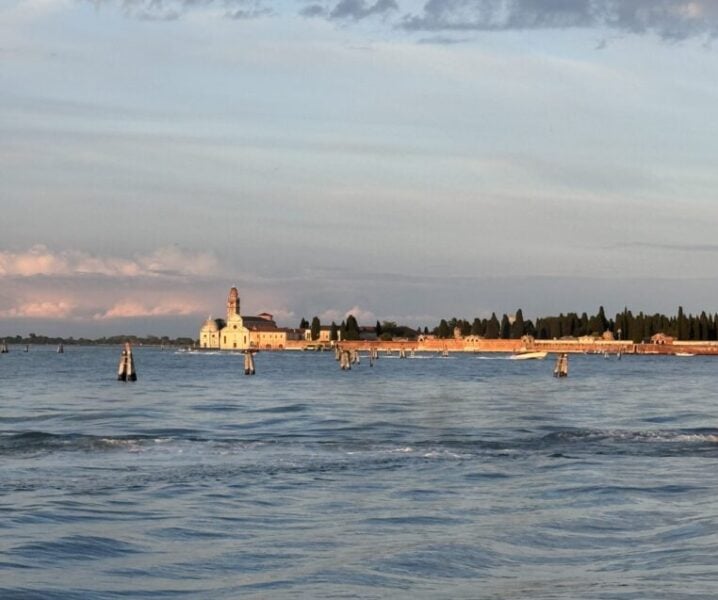
If you head to Venice for inspiring art, opulent architecture, and of course gondola rides, not to mention a few dozen scoops of gelato, but tire of the crowds and wish for a more peaceful, artistic, and interesting couple of days close by, you’ll want to go to nearby Murano.
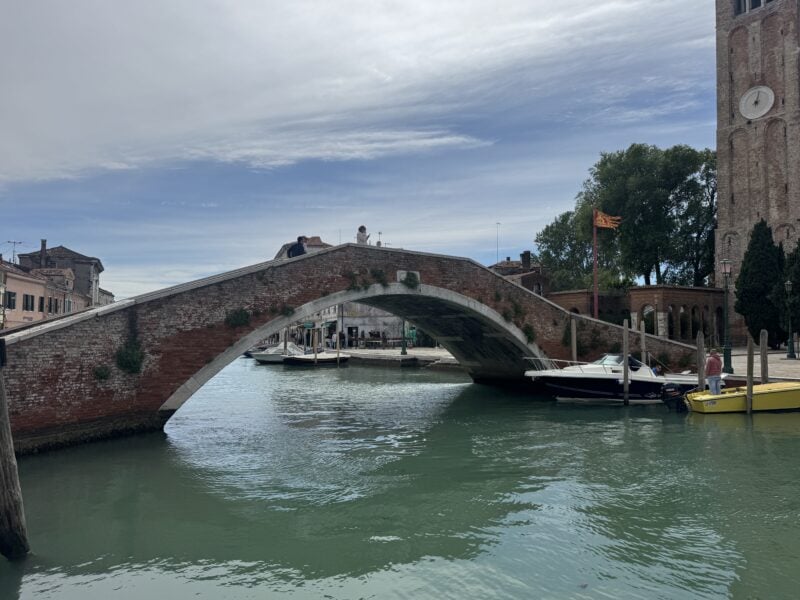
Artistic glass in all of its many forms is synonymous with the name Murano. While the production of Venetian glass dates back to 1291, edict orders forced the relocation of furnaces to Murano to prevent fire risk in Venice. Thus, for a spell, Murano became sort of an industrial prison. It was here that the first glass mirror was created and Murano ultimately became a symbol of renaissance.
Production of course ceased during both World Wars and then recommenced in earnest in the late 1940s. Though at one time there were more than 200 factories, currently there are around 30. Even those who think they aren’t fans of Murano glass will be after a short while here. Not just because it’s inherently beautiful, but also because its very genesis and continuity tells the story, both economic and social, of this part of Italy.
The Bed
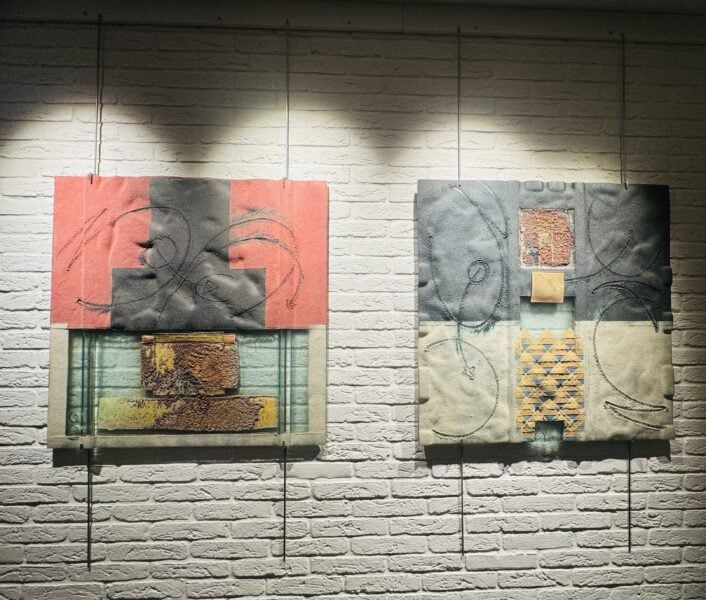
The NH Collection Murano Villa is a truly unique property on the island of Murano. This gorgeously repurposed former glass factory with 104 rooms and suites, is perched in an enviable location, right on the water about 20-minutes by water taxi across the picturesque Venice Lagoon. There are many great art pieces and plenty of stylish Murano glass to enjoy, all in a refined ambiance.
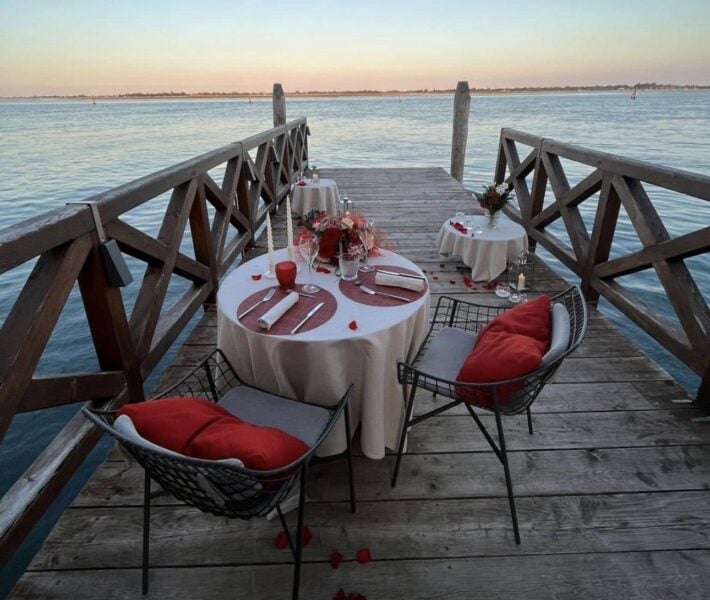
Large pane glass entry doors led to my suite, and the suite felt even larger given the high beam ceilings. The suite’s floor-to-ceiling windows created a maritime sense of buoyancy as the suite overlooked the Venice Lagoon.
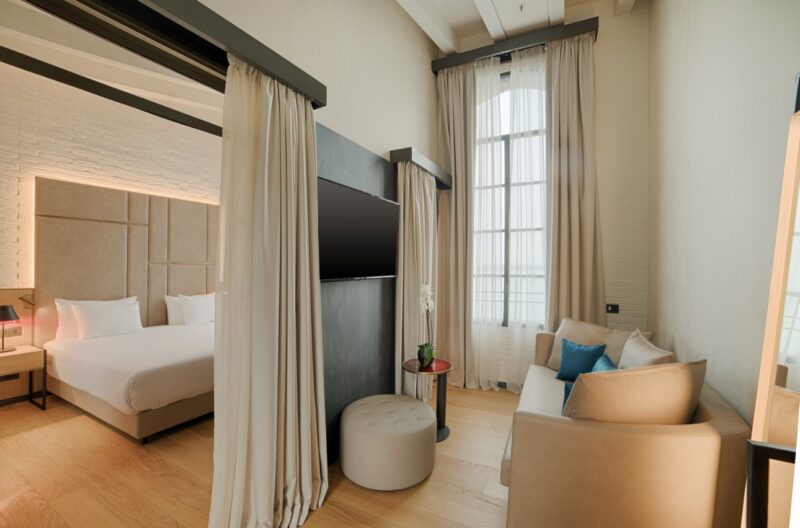
The living room had painted brick walls, and a light suede fabric wallpaper, all instilling a calming atmosphere. There was also a comfortable working desk, plenty of USB ports and electrical outlets, a 50-inch flatscreen television, a three-seater leather sofa, abundant closet space, and mini bar with the crucial Lavazza coffee maker.
The bedroom boasted a fabulous king-size bed, luscious pillows, dreamy soft high-count cotton sheets, likewise had 30-foot ceilings, a massive window overlooking the water, and another 50-inch flatscreen television.
The bathroom had a large bathtub/shower combination, plush robes, environmentally friendly NH Collection green tea amenities, and naturally, red Murano glass accent pieces.
The Meals
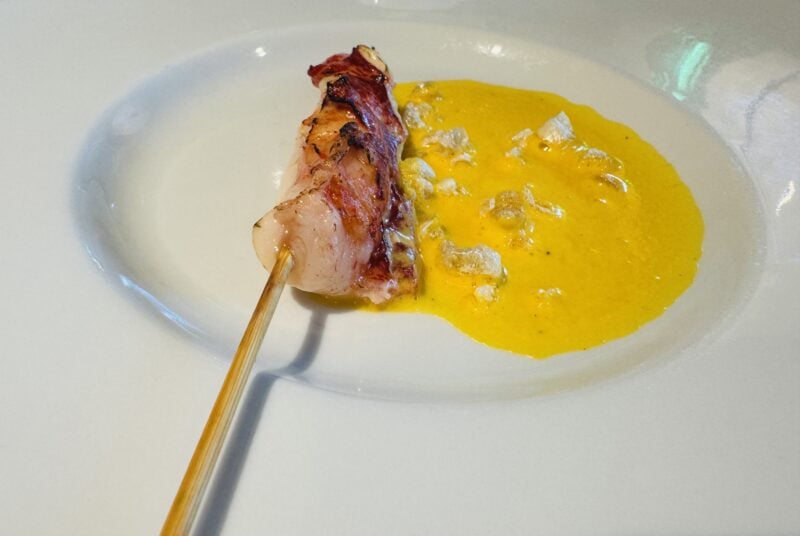
NH Collection Murano Villa’s Executive Chef is the uber-talented Federico Ravot who originally hails from Sardinia. Ravot presides over Antica Fornace de Majo, its signature restaurant, that serves Venetian fare with a Japanese twist.
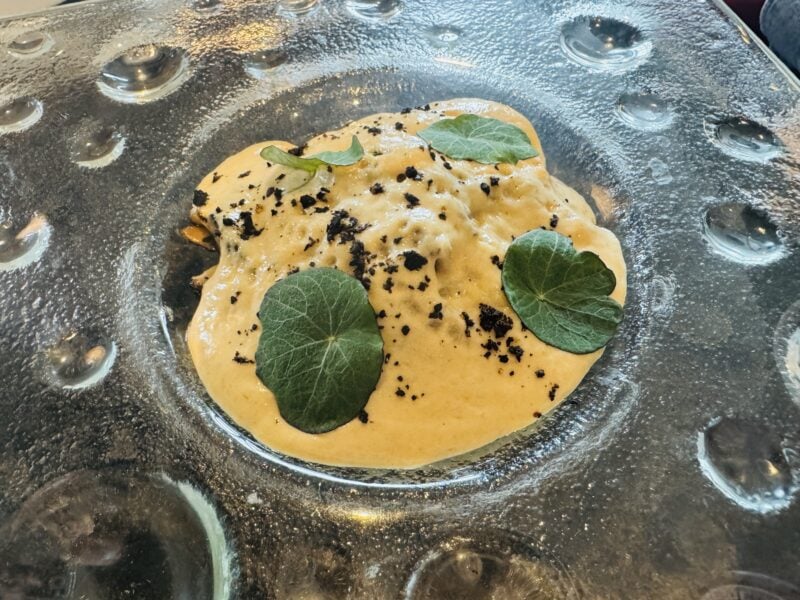
Overlooking the water, dining here is a truly memorable experience. Succulent Puglia langoustines with Béarnaise sauce, was followed by marvelous cabbage and asparagus yakitori drizzled with ponzu sauce. The crispy saffron risotto with duck ragout and truffle espuma was delightful, and the grilled portobello, shiitake, and cordon cello mushrooms under a beret of mushroom foam could easily turn one into a vegetarian, even for the committed carnivores among us. Though sated, one simply couldn’t turn away from the perfect Matcha tiramisu. Just impossible.
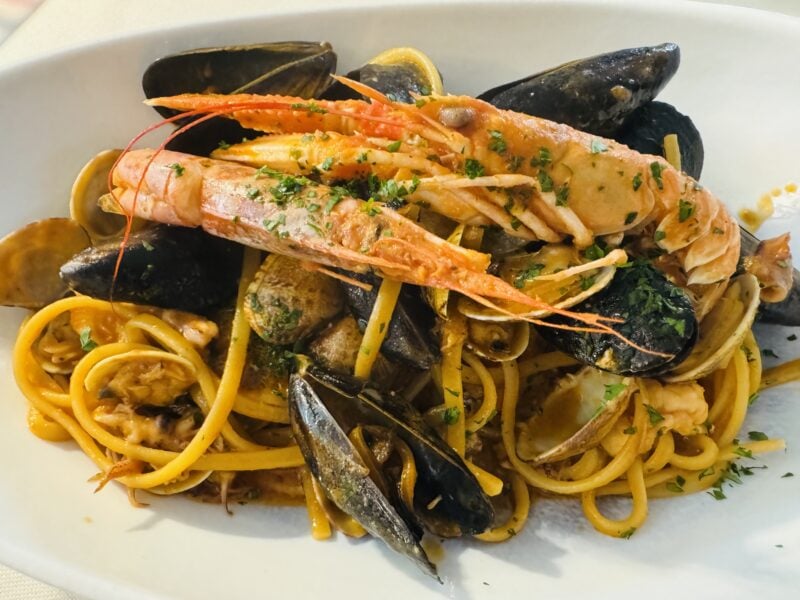
At Trattoria Valmarana, the food competes with its location on the canal and warm Italian service. A perennial favorite among locals and visitors alike, it’s a neighborhood gem harmoniously providing artistic ambiance with its many Murano’s glass pieces and convivial atmosphere. Fresh and locally sourced seafood provided delicious grilled octopus, seafood pasta, and creamy risotto.
Venturing into Venice one evening we went to NH Collection Grand Hotel Palazzo Dei Dogi. This 17th century beauty has 64 rooms and suites with massive gardens perfect for a pre- or post-dinner stroll. We started at La Voga Bar where creative mixologists poured perfection in a glass such as Herbarium Spritz and Earl Grey Punch that changed our minds altogether on herbs and tea.
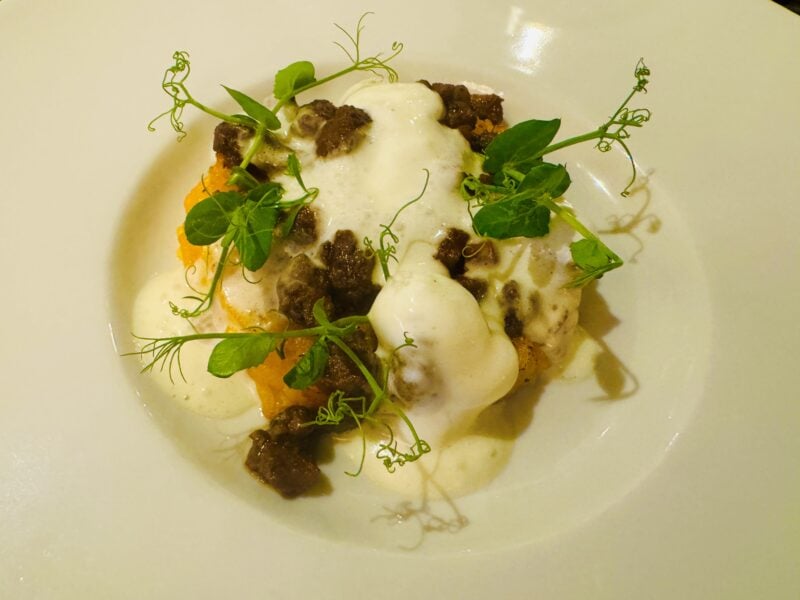
There at Da Lorenzo-Al Giardino Segreto, Michelin-starred Chef Paulo Airaudo and his team, including Chef Salvatore Paladino, prepared edible art in a seven-course tasting menu on beautiful Seletti China. Frankly, these are not mere chefs, these are actual artists whose medium just happens to be the flavor of food. Our luck. The Jerusalem artichoke consommé with coffee oil was unique and fantastic. Next up was scallops in champagne sauce. Fresh amberjack crudo was followed by fagottello housing tender grilled eel and pumpkin in a kabayaki sauce and mushroom risotto with celery root. The apple with caramel ice cream was excellent, and the too-pretty-to-eat petit fours were of course quickly devoured, reminding us that diet is a very, very bad four-letter word.
The Finds
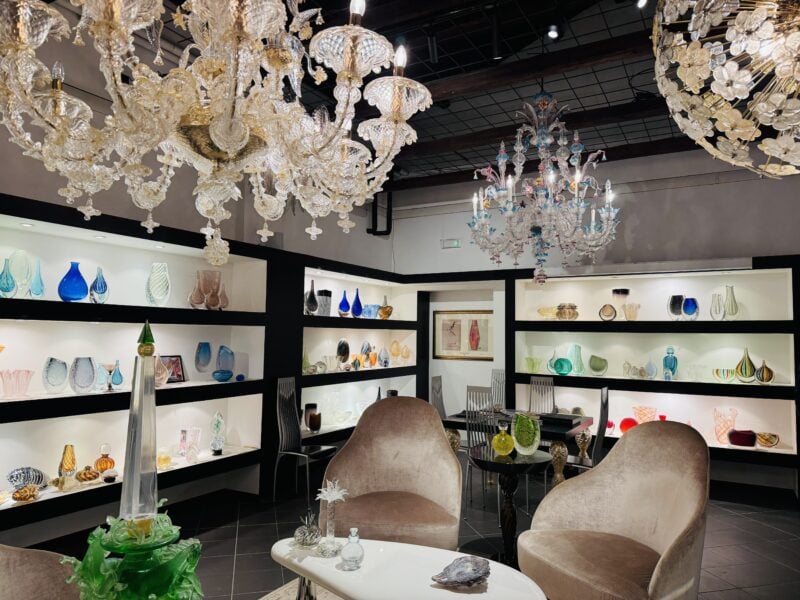
If you do nothing else in Murano, make a reservation for a guided tour of Seguso Vetri d’Arte factory and showroom. The Seguso family has been involved in glass works since 1397, now with the family’s 23rd generation at the helm. Its pieces are in over 100 museums worldwide, including the lighting for N.Y.’s reopened Frick Museum.
In 1605 noble titles were given to historic families of glassmakers, and in 1609 Galileo Galilei came to the region to perfect the first telescope lens. In 1867 Antonio Seguso linked his name to rebirth of glass, commenced signing his pieces, and in 1875 Isadoro Seguso reproduced the famous Guggenheim cup.
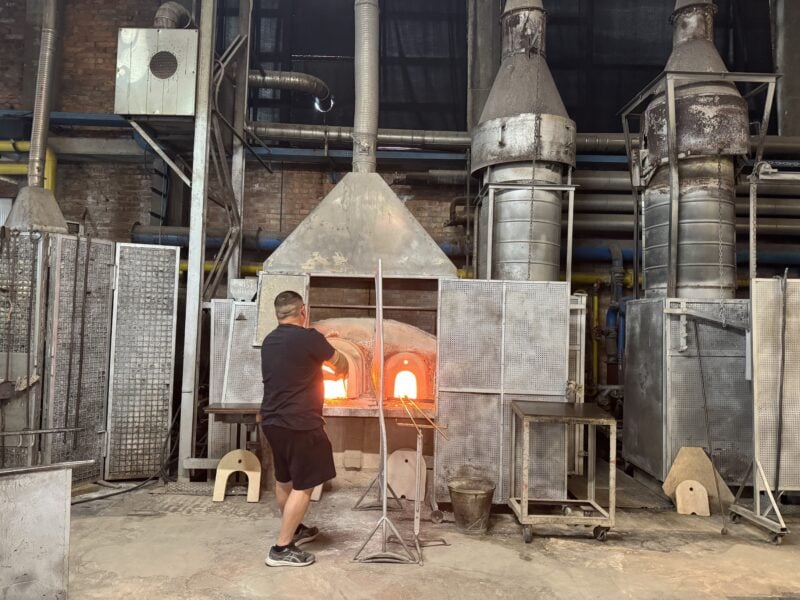
Seguso was one of the first glass companies to create modern – non-baroque – chandeliers and in 2023 the Ministry of Culture declared Seguso a heritage entity. In the factory you can also see the trade masters ply the glass using lengthy rods resembling a 15th century lance used by armored knights amid the kiln’s blazing fires into cylinders turning the elements into undeniable beauty. The showroom is in a word, breathtaking.
At the Glass Museum (Fondamenta Giustinian 8) there are guided tours in English at 2:30pm on Tuesdays and Thursdays where a local expert will take you through the museum’s very rich collection including unique works from the ancient Roman era to the present.
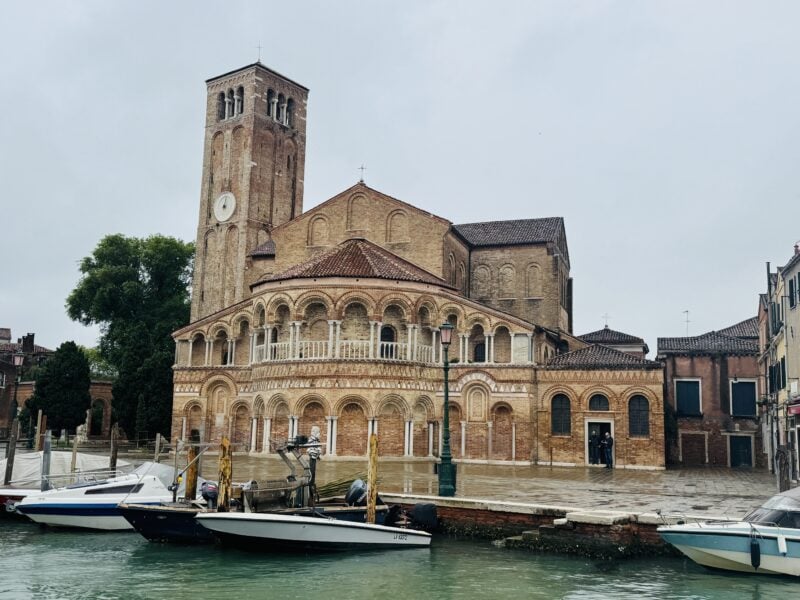
Pop into Cathedral Basilica of Saints Mary & Donato that opens at 10am to see its exquisite mosaic floors, and if you’re lucky, meet the charming and rather hip, English-speaking priest. Nearby is Parco Degli Angeli for walkers and joggers.
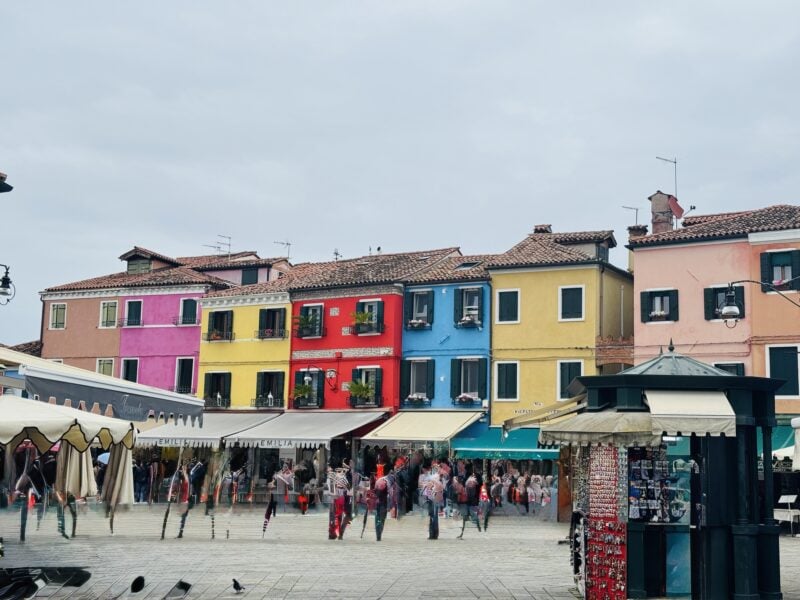
The other great aspect about Murano is its proximity to other interesting islands. We hopped on a boat excursion to Burano, famous for its multicolored houses – the genesis of which came about as regional heavy fog made it impossible for fisherman to find their way home – and intricate lace making. For those seeking exquisite linens and other home items, head to Atelier Martina Vidal.
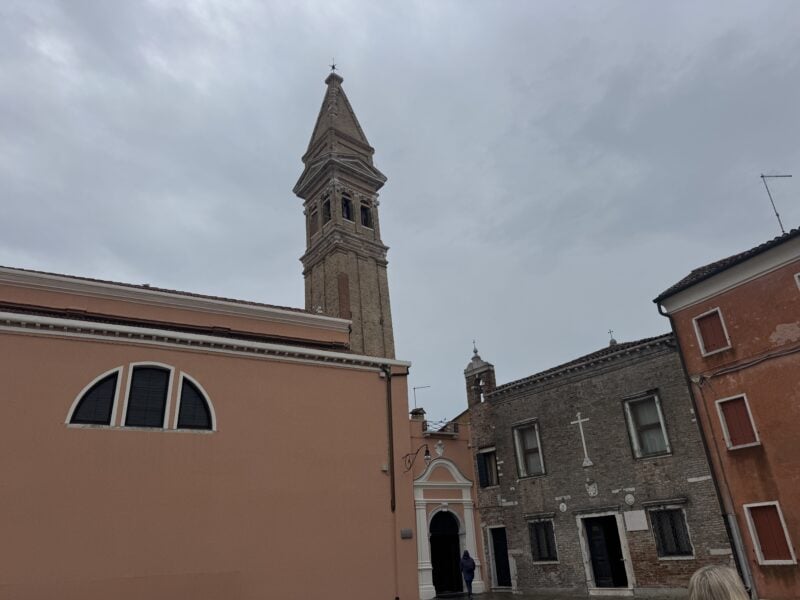
Interestingly, Burano has its own extremely leaning tower: the 160-foot bell tower of the 16th century St. Martin Church, with a pitch appearing far greater than that of Italy’s more famous Pisa. Continuing onward we stopped at the lushTorcello island, with just a handful of residents, and the Basilica di Santa Maria Assunta with its Venetian-Byzantine mosaics.
Of course there are other great places nearby to visit: Padua for architecture and academia enthusiasts, Verona for Romeo & Juliette fans, Ferrara for wines, and Bologna for foodies and automotive enthusiasts, specifically Lamborghinis.
After all of those activities, restoration will be yours with a fabulous massage at NH Collection Murano Villa Spa. Opt for the deep tissue/sports massage with a side of lymphatic drainage. You can thank me later.
The Lesson Learned
Whether you come to the region for the great food, the beautiful surrounds, the warm Italian hospitality, or to learn about and purchase or commission production of gorgeous Murano glass that is steeped in craft, artistry, and history, a stay at NH Collection Murano Villa will be the place you want to call home for a wonderful stay, great dining, and fabulous massage therapists.