Is the Tesla Model Y Reliable for Long-Term Ownership? Analysis of Durability and Maintenance Costs
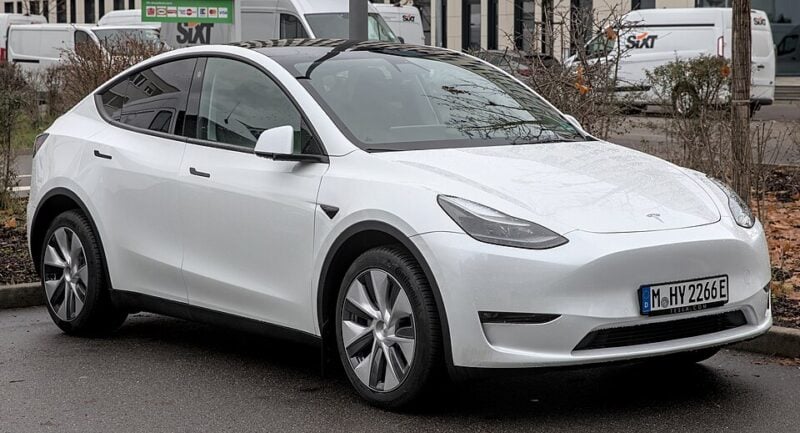
The Tesla Model Y has become one of America’s best-selling electric SUVs, but potential buyers rightfully question whether it can deliver dependable performance over years of ownership.
The Model Y demonstrates strong long-term reliability in key areas like battery health and drivetrain durability, though early production years experienced more quality control issues with build materials and interior components than later models.
Understanding what to expect from this electric SUV requires looking beyond the initial purchase price. Real-world ownership data from drivers who’ve logged thousands of miles reveals patterns about which systems hold up well and which require attention.
The Model Y’s reliability story involves trade-offs between cutting-edge technology and traditional automotive quality standards. Factors like battery degradation rates, maintenance requirements, and software stability all play crucial roles in determining your total cost of ownership.
This comprehensive analysis examines the Model Y’s performance across multiple years of production, common problems owners encounter, and how it compares to other electric SUVs in its class.
You’ll learn about warranty protection, typical repair expenses, and whether this Tesla maintains its value better than conventional vehicles.
Is the Tesla Model Y worthy of your purchase? Let’s find out!
Overview of Tesla Model Y Reliability
The Model Y’s reliability track record shows mixed results, with some years performing better than others and Tesla’s broader quality reputation influencing owner experiences. The electric SUV faces distinct challenges compared to traditional vehicles while competing against an expanding field of EV alternatives.
Manufacturer Reputation
Tesla’s reputation for reliability remains inconsistent across its vehicle lineup. The company has faced criticism for build quality issues, including panel gaps, paint defects, and interior fit-and-finish problems that have affected customer satisfaction scores.
Your Model Y benefits from Tesla’s over-the-air software update capability, which allows the manufacturer to fix bugs and improve functionality without requiring service center visits. This represents a significant advantage over traditional automakers. However, software glitches remain a common complaint among owners.
The company’s service network has expanded but still struggles to meet demand in some regions. You may experience longer wait times for appointments and parts compared to established manufacturers with more extensive dealer networks.
Model Y Historical Performance
The Model Y averages 55/100 reliability across all model years, indicating moderate performance. Early production units from 2020-2021 encountered more frequent issues as Tesla worked through manufacturing challenges at new facilities.
One report shows the Model Y achieved a 99.3% reliability score, with vehicles rarely experiencing breakdowns. When problems occurred, they typically involved minor software issues rather than major mechanical failures. This suggests improving consistency as production matured.
Common problems you might encounter include touchscreen malfunctions, door handle failures, and HVAC system issues. Battery degradation concerns appear minimal, with most owners reporting acceptable range retention after several years of use.
Comparison to Other Electric SUVs
Your Model Y competes against vehicles like the Ford Mustang Mach-E, Hyundai Ioniq 5, and Volkswagen ID.4. These competitors often receive higher initial quality ratings from organizations like J.D. Power due to better build quality and fewer manufacturing defects.
The Model Y offers superior charging infrastructure through Tesla’s Supercharger network, which provides more reliable and widespread fast-charging access than competing networks. This practical advantage offsets some reliability concerns for long-distance travel.
Traditional luxury brands entering the EV market, such as BMW and Mercedes-Benz, typically deliver better fit and finish but charge premium prices and offer less extensive charging networks.
Build Quality and Engineering
Tesla’s Model Y has experienced notable evolution in construction quality since launch, with early production units showing inconsistencies that later model years addressed through manufacturing refinements.
Materials and Assembly
The Model Y uses a combination of aluminum and high-strength steel in its body structure, with a focus on weight reduction and crash safety. The interior features synthetic leather seats, a minimalist dashboard with a 15-inch touchscreen, and polymer trim pieces throughout the cabin.
Build quality has improved since the initial release, with many owners noting better fit and finish in their vehicles. Early production models from 2020-2021 exhibited more panel gap variations and trim alignment issues compared to 2023-2024 units.
The paint thickness can vary between panels, which sometimes leads to visible inconsistencies in certain lighting conditions. Tesla uses a water-based paint system at most facilities, which is more environmentally friendly but requires precise application to avoid texture differences.
Design Improvements Over Time
Tesla implemented significant engineering changes between model years to address manufacturing complexity. The rear underbody evolved from a complex assembly of roughly 70 stamped and welded parts in earlier versions to more streamlined construction methods.
These manufacturing refinements reduced build variance, meaning newer Model Y units tend to have more consistent quality between individual vehicles. The 2023 and 2024 models offer better technology upgrades and build quality, making them preferable choices if you’re considering used options.
Tesla also refined door seals, window regulators, and hatch mechanisms in later production runs to reduce squeaks and rattles that affected some early units.
Common Fit and Finish Concerns
Panel gaps remain the most frequently mentioned quality concern, particularly around doors, trunk, and hood areas. While improved from early production, you may still encounter slight variations in gap spacing between body panels.
Paint imperfections including orange peel texture, thin spots, or minor chips from the factory appear in some owner reports. Long-term testing revealed consistent complaints about cabin quality during extended ownership periods exceeding 30,000 miles.
Interior rattles can develop over time, especially from the rear cargo area, center console, or dashboard components. Wind noise around door seals becomes noticeable at highway speeds in some units. These issues don’t typically affect the vehicle’s functionality but can diminish the premium feel you might expect at this price point.
Battery Longevity and Performance
Tesla Model Y batteries demonstrate strong retention capabilities, with most vehicles experiencing minimal capacity loss during the first 100,000 miles. Real-world data shows battery degradation patterns that vary based on charging habits and usage patterns.
Battery Degradation Rates
Your Model Y battery will typically lose between 5-10% of its capacity during the first 100,000 miles of operation. Real-world testing confirms that degradation occurs most rapidly in the initial years before stabilizing.
The rate of capacity loss depends on several factors including climate, charging frequency, and how often you use fast charging. Most owners report that degradation slows significantly after the first 20,000-30,000 miles.
Tesla provides an 8-year or 120,000-mile battery warranty that guarantees at least 70% capacity retention. This coverage protects you from excessive degradation during the warranty period.
Charging Habits and Their Effects
Fast charging at Superchargers does not significantly increase battery degradation compared to home charging, according to recent studies on high-mileage vehicles. This finding contradicts earlier concerns about rapid charging damage.
You should maintain your battery charge between 20-80% for daily use to maximize longevity. Charging to 100% occasionally for road trips will not harm your battery, but avoiding regular full charges helps preserve capacity.
Extreme temperatures affect battery performance more than charging speed. Preconditioning your battery before charging in cold weather reduces stress on the cells.
Range Retention Over Years
Your Model Y’s usable range will remain relatively stable after the initial degradation period. Most vehicles retain 90-95% of their original range after three years of typical use.
Battery capacity varies by model year and trim, affecting your baseline range expectations. Long Range variants maintain their range advantage over Standard Range models throughout their lifespan.
You can expect your Model Y to deliver practical range for well over 200,000 miles based on current data. The battery pack typically outlasts other vehicle components, making it a reliable choice for long-term ownership.
Drivetrain and Mechanical Durability
The Model Y’s electric drivetrain requires minimal maintenance compared to traditional vehicles, with electric motors designed to last hundreds of thousands of miles and regenerative braking systems that extend brake pad life significantly.
Electric Motor Lifespan
Tesla’s electric motors in the Model Y are built for longevity, with most units expected to last 300,000 to 500,000 miles under normal driving conditions. The motors contain fewer moving parts than combustion engines, which reduces wear and eliminates common failure points like timing belts or spark plugs.
You won’t need oil changes or transmission services since the single-speed reduction gearbox uses a sealed lubrication system. The motors are generally maintenance-free throughout the vehicle’s life. However, some owners have reported motor whine or bearing noise after high mileage, though these cases remain relatively uncommon.
The dual-motor configuration in Performance and Long Range variants provides redundancy, allowing you to continue driving even if one motor experiences issues. Tesla covers the drive unit under an 8-year, 120,000-mile warranty for Long Range models and 8-year, 100,000-mile warranty for Standard Range variants.
Suspension and Chassis Reliability
The Model Y uses a fairly conventional suspension setup with MacPherson struts in front and a multi-link rear suspension. Build quality issues have affected some early production vehicles, with owners reporting complaints about ride comfort and cabin quality during extended testing.
Your suspension components typically hold up well, though the added weight from the battery pack can accelerate wear on bushings and control arms. Some owners have experienced premature wear on upper control arm bushings around 40,000 to 60,000 miles.
The chassis demonstrates solid structural integrity with minimal reports of frame or body structure issues. You should inspect suspension components during routine service intervals to catch worn parts early.
Brake System Longevity
Your Model Y’s regenerative braking system significantly extends traditional brake life by using the electric motor to slow the vehicle during most driving situations. Many owners report original brake pads lasting 100,000 miles or more with minimal wear.
The brake rotors can develop surface rust if you don’t use the friction brakes regularly, which is common in electric vehicles. Tesla recommends occasional harder braking to clean the rotors and maintain optimal performance.
Brake fluid still requires replacement every two years regardless of mileage, as it absorbs moisture over time. The brake calipers and hydraulic components have shown reliable performance with few reported failures across the model range.
Software Reliability and Over-the-Air Updates
Tesla’s software ecosystem delivers regular updates wirelessly, but this convenience comes with occasional stability concerns and integration challenges that affect daily usability.
Update Stability
Tesla’s over-the-air updates allow your Model Y to receive new features and improvements without visiting a service center. Most owners download these updates at home using Wi-Fi for reliable installation.
However, not all updates roll out smoothly. Some releases introduce bugs that affect existing features, from minor glitches in the infotainment system to temporary issues with climate controls or navigation. Tesla typically addresses these problems quickly with follow-up patches, but you may experience disruptions between the initial update and the fix.
The update process itself requires your vehicle to be parked and connected to power for optimal results. Installation times vary from 25 minutes to over an hour depending on the update size. You should plan accordingly if you need your vehicle early in the morning, as updates scheduled overnight may not complete in time.
System Integration Issues
Software glitches represent common reliability concerns reported by Model Y owners. Your touchscreen controls nearly every vehicle function, so software problems can affect critical systems beyond entertainment.
Integration issues sometimes emerge after updates when new features conflict with existing systems. You might encounter frozen screens, unresponsive climate controls, or connectivity problems with your phone. While many issues can be fixed through subsequent OTA updates, some require manual resets or service appointments.
The reliance on software for basic functions means that when problems occur, they can feel more disruptive than mechanical issues in traditional vehicles. Tesla’s vertical integration allows faster fixes compared to other manufacturers, but you remain dependent on timely software patches for resolution.
Maintenance and Repair Costs
The Tesla Model Y requires significantly less maintenance than traditional vehicles, with average costs of $400-$600 per year during the first decade. Over 10 years, you can expect to spend around $3,978 on maintenance and repairs, which is substantially lower than gas-powered luxury SUVs.
Routine Service Requirements
Your Model Y eliminates many conventional maintenance tasks since it has no oil changes, transmission services, or spark plug replacements. The primary routine services include tire rotations every 6,250 miles, brake fluid checks every two years, and cabin air filter replacements annually.
Tesla recommends replacing the air conditioning desiccant bag every six years for optimal performance. You’ll also need to monitor tire wear and replace tires as needed, though regenerative braking extends brake pad life considerably. Battery coolant replacement may be necessary around the 100,000-mile mark.
The maintenance schedule is simpler than traditional vehicles because electric drivetrains have fewer moving parts. You can perform some basic tasks yourself, like replacing cabin air filters, to reduce costs further.
Parts Availability
Tesla parts are available through the company’s service centers, mobile service fleet, and authorized body shops. You may experience longer wait times for certain components compared to mainstream brands due to Tesla’s direct-sales model and fewer service locations.
Body panels and specialized components sometimes require ordering directly from Tesla. The company has expanded its parts distribution network, but availability varies by region. Mobile service technicians can handle many repairs at your location, which offsets some inconvenience from limited service center locations.
Third-party repair shops are increasingly capable of servicing Model Y vehicles as the EV market matures.
Cost Comparison With Gas-Powered Vehicles
The Model Y costs about $8,475 less to maintain than the average luxury SUV over 10 years. You’ll save on oil changes alone, which typically cost $75-$125 several times per year for comparable gas vehicles.
Charging costs are also lower than fuel expenses. You’ll spend approximately $450-$600 annually on electricity for 15,000 miles, compared to $1,500-$2,500 for gasoline in similar-sized SUVs. Brake maintenance costs are minimal due to regenerative braking, which can extend brake pad life to over 100,000 miles.
However, tire replacement can be more expensive since electric vehicles are heavier and performance tires wear faster.
User Experiences and Owner Feedback
Owner reports from extended use periods reveal consistent patterns in both strengths and frustrations, while professional testing programs have documented specific reliability metrics over thousands of miles.
Long-Term Owner Reports
Owners who have driven their Model Y vehicles for extended periods report a mix of satisfaction and concerns. One owner who drove 19,000 miles in a year highlighted the vehicle’s appeal despite various challenges.
Real-world charging costs and comfort experiences from one-year ownership reviews show that daily usability varies significantly based on your charging access and driving conditions. Range performance tends to meet expectations for most drivers, though winter conditions can reduce efficiency.
A detailed long-term driving experience review examines performance, range, and everyday usability based on actual user experiences in the United States. Common owner praise focuses on the powertrain reliability and charging network access. Frequent complaints center on ride comfort, interior material quality, and build inconsistencies between vehicles.
Independent Reliability Studies
Professional reviewers who completed a two-year test on the Model Y covered over 30,000 miles and documented consistent issues. Their findings showed reliable range performance and good charging infrastructure access as clear advantages.
The same testing program logged repeated complaints about ride comfort, cabin quality, and usability features. MotorTrend’s two-year long test of a 2023 Model Y revealed persistent flaws that remained throughout the ownership period. One owner’s four-year, 45,000-mile report on a 2020 Model Y all-wheel drive provided insights into extended ownership patterns and maintenance needs.
Warranty Coverage and Customer Support
Tesla provides a comprehensive warranty package for the Model Y, though your experience with service centers may vary based on location and demand.
Tesla Warranty Policies
The Model Y comes with a New Vehicle Limited Warranty that covers basic repairs for 4 years or 50,000 miles, whichever comes first. Your battery and drive unit receive extended protection for 8 years or 120,000 miles, with a minimum 70% retention of battery capacity guaranteed during that period.
Tesla’s warranty is competitive within the electric vehicle segment. You won’t pay for most mechanical failures during the coverage period, and the battery warranty specifically addresses one of the primary concerns for EV buyers.
However, the warranty excludes certain items like tire wear, brake pads, and cosmetic damage. Common warranty-related issues include disputes over what qualifies as a manufacturing defect versus normal wear. You’ll need to document problems carefully and report them promptly to ensure coverage.
Quality of Service Centers
Your access to quality service depends heavily on your proximity to Tesla service centers. In areas with established Tesla presence, you can typically schedule mobile service visits for minor repairs and software updates at your home or workplace.
Service center experiences vary significantly by location. Some owners report quick turnaround times and knowledgeable technicians, while others face extended wait times for appointments and parts. Urban areas generally have better service availability than rural regions.
Tesla’s service model differs from traditional dealerships since the company owns all service centers directly. You can’t choose between competing service providers, which means your options are limited if you encounter poor service quality at your local center.
Resale Value and Depreciation Trends
The Tesla Model Y experiences significant depreciation in its first few years, with rates that exceed many traditional vehicles but vary compared to other electric vehicles. Understanding these patterns helps you make informed decisions about long-term ownership costs.
Market Perception
The Model Y faces substantial value loss during initial ownership. After three years, the Model Y depreciates approximately 54.8 percent, leaving a resale value around $20,343 based on certain pricing assumptions.
Your first-year retention remains relatively strong. The vehicle holds roughly 75 percent of its value after one year, but this drops to about 51 percent after three years. Five-year depreciation reaches 61 percent, with the vehicle retaining only 39 percent of its original purchase price.
Several factors drive this depreciation pattern:
- Aggressive pricing changes by Tesla on new models
- Rapid technology updates that make older versions less desirable
- Battery longevity concerns among used car buyers
- Introduction of updated models like the refreshed 2025 Model Y
Your Model Y’s condition, mileage, and maintenance history significantly impact resale value. Well-maintained examples with lower miles command higher prices in the used market.
Comparison With Other Electric Vehicles
Tesla’s used vehicles depreciate faster than traditional and EV rivals, signaling potential challenges for your long-term investment. The Model Y’s depreciation exceeds industry averages for both conventional cars and competing electric vehicles.
Your Model Y typically loses value more quickly than alternatives like the Ford Mustang Mach-E or Hyundai Ioniq 5. These competitors benefit from more stable pricing strategies and less frequent major updates. The rapid innovation cycle Tesla maintains, while exciting for new buyers, creates uncertainty in the used market that affects your resale prospects.
Other manufacturers’ electric vehicles often retain higher percentages of their original value at the three and five-year marks. This difference stems partly from Tesla’s direct-to-consumer pricing model, which allows immediate price adjustments that impact existing owners’ equity.
Environmental and Technological Considerations
The Model Y’s long-term value depends partly on how well its components age and whether the vehicle can adapt to evolving technology standards. Battery longevity and software updates play critical roles in maintaining relevance over time.
Sustainability of Components
The battery pack represents the most significant environmental and financial consideration for long-term ownership. Tesla’s lithium-ion batteries typically retain 80-90% of their capacity after 100,000 miles, with real-world testing showing minimal degradation in properly maintained vehicles.
Battery replacement costs range from $12,000 to $15,000 for the entire pack, though individual module replacements may cost less. Tesla offers an 8-year, 120,000-mile battery warranty that covers degradation below 70% capacity.
Your Model Y’s battery management system actively monitors cell health and temperature to extend lifespan. Avoiding frequent charging to 100% and minimizing rapid charging when unnecessary helps preserve capacity. The vehicle’s thermal management system protects cells from extreme temperatures that accelerate wear.
Tesla recycles batteries through its Nevada facility, recovering approximately 92% of battery materials including lithium, cobalt, and nickel. This closed-loop system reduces environmental impact compared to traditional vehicle disposal.
Future-Proofing and Upgradability
Tesla delivers over-the-air software updates that add features and improve performance without dealer visits. Your Model Y receives regular updates for navigation, entertainment, safety systems, and driving dynamics.
Hardware limitations determine which features your vehicle can receive. Older Model Y units may lack cameras or processors needed for full self-driving capabilities, creating functional gaps over time. Tesla periodically upgrades hardware specifications, meaning newer models gain features unavailable to earlier buyers.
The charging infrastructure continues evolving toward higher voltage systems. Your Model Y supports the current Supercharger network but may charge slower than future vehicles designed for next-generation charging standards. Tesla’s NACS connector is becoming the North American standard, ensuring compatibility with expanding charging networks.
Conclusion
The Tesla Model Y proves to be a reliable choice for long-term ownership based on real-world testing and owner experiences. Two-year tests covering over 30,000 miles demonstrate that the vehicle delivers consistent performance, though you should be aware of some trade-offs.
Key strengths you can expect:
- Strong battery range that holds up over time
- Reliable charging infrastructure access
- Low maintenance requirements compared to gas vehicles
- Good performance and safety features
Areas requiring consideration:
- Cabin quality concerns reported by some owners
- Ride comfort complaints in long-term tests
- Build quality variations depending on model year
Your actual ownership costs will differ from traditional vehicles due to lower fuel and maintenance expenses. The Model Y RWD starts around $44,990, with federal incentives potentially reducing your purchase price.
Owner feedback after one year generally indicates satisfaction with daily usability and reliability. You should research which model years perform best before making your purchase decision.
The vehicle suits your needs if you prioritize electric efficiency, technology features, and practicality. Your experience will depend on selecting the right model year and setting appropriate expectations for cabin refinement and ride quality.