Is the Tesla Model 3 a Good Daily Driver for Commuting? Performance, Range, and Cost Analysis
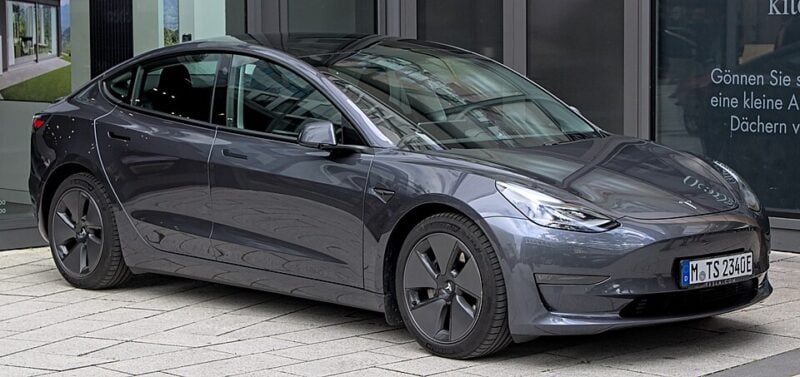
The Tesla Model 3 has become one of the most popular electric vehicles on the road, but does it truly excel as a daily commuter? Many drivers considering an electric vehicle want to know if this sedan can handle everything from short city drives to lengthy highway commutes.
The Tesla Model 3 makes an excellent daily driver for most commuters, offering strong range, low running costs, advanced technology, and a comfortable driving experience that works well for both urban and highway use.
Your daily commute involves specific needs that go beyond just getting from point A to point B. You need a vehicle that’s reliable, comfortable during rush hour traffic, economical to operate, and practical enough to handle your daily routine.
The Model 3 addresses these requirements in ways that differ significantly from traditional gas-powered cars. This guide examines every aspect of owning a Tesla Model 3 for daily commuting, from its driving dynamics and interior comfort to charging convenience and long-term ownership costs.
You’ll learn how it performs in real-world commuting scenarios, what technology features benefit daily drivers, and how it compares to other vehicles in its class.
Let’s take it for a test drive!
Tesla Model 3 Overview
The Model 3 delivers a minimalist design focused on efficiency and technology, with multiple configurations to match different commuting needs and budgets. Its electric powertrain eliminates gas station stops while providing quick acceleration and a spacious cabin layout optimized for daily use.
Key Features for Urban and Suburban Commuters
The Model 3’s compact dimensions make it easy to maneuver through city traffic and fit into tight parking spaces. You get instant torque from the electric motor, allowing quick merges onto highways and confident passing in suburban areas.
The 2025 Model 3 offers excellent acceleration paired with capable handling that makes it responsive on both city streets and winding roads. Its regenerative braking system slows the car when you lift off the accelerator, reducing brake wear and adding energy back to the battery. This one-pedal driving style becomes second nature after a few days of commuting.
You can precondition the cabin temperature through the Tesla app before entering the vehicle. The Autopilot driver assistance system helps reduce fatigue on highway commutes by maintaining speed and lane position. Navigation includes real-time traffic data and automatic route adjustments to avoid delays.
Interior Space and Comfort
The Model 3 seats five adults with 42.7 inches of front legroom and 35.2 inches in the rear. You’ll find the design balances comfort and technology with a 15-inch center touchscreen controlling nearly all vehicle functions.
Front seats offer heating and ventilation with multiple adjustment positions for different body types. Rear passengers get dedicated air vents and two USB-C charging ports. The glass roof extends from front to back, creating an open feeling without a traditional sunroof mechanism.
Cargo space measures 23 cubic feet in the trunk plus an additional 3.1 cubic feet in the front trunk. You can fold the rear seats down for longer items like furniture or sporting equipment. The cabin stays quiet at highway speeds thanks to acoustic glass and minimal wind noise.
Driving Comfort and Interior Experience
The Model 3 provides a minimalist cabin with supportive seating and effective climate systems, though cabin noise levels vary depending on road conditions and speed.
Seat Quality and Adjustability
The Tesla Model 3 features synthetic leather seats with eight-way power adjustment for the driver’s seat. You get manual lumbar support and the ability to save driver profiles that remember your preferred seating position along with mirror and steering wheel settings.
The seats offer decent bolstering for daily commuting, with firm cushioning that holds up well during longer drives. The Model 3 design balances comfort and technology for regular use. Taller drivers typically find adequate headroom thanks to the glass roof, while the rear seats accommodate adults reasonably well for shorter trips.
Seat heating comes standard on all trims, warming up quickly in cold weather. The front seats lack ventilation on base models, which some drivers miss during hot commutes.
Cabin Noise and Sound Insulation
Road noise becomes noticeable on rough pavement, particularly with the optional 19-inch sport wheels. Highway speeds bring wind noise around the door seals and mirrors, though the 2024 model improved insulation compared to earlier versions.
The absence of engine noise means you hear more tire hum and road texture than in gas-powered vehicles. Smooth pavement keeps the cabin quiet, but coarse surfaces transmit more sound into the interior. Some owners report that cabin noise varies significantly based on road surface quality.
The upgraded sound system helps mask ambient noise during your commute when playing music or podcasts.
Climate Control Systems
The climate control operates through the central touchscreen with automatic temperature management. You can direct airflow by dragging your finger across the screen display, adjusting vent direction without physical vents.
Pre-conditioning through the mobile app lets you heat or cool the cabin before entering the vehicle, using battery power while plugged in or drawing from the battery if away from a charger. The system maintains your set temperature effectively once stabilized.
The heat pump on newer models improves cold weather efficiency compared to resistive heating in older versions. Heated seats warm faster than cabin air, providing quick comfort in winter conditions.
Performance in Daily Commuting
The Model 3 delivers quick acceleration and responsive handling that makes merging onto highways and navigating city traffic straightforward. The ride quality adapts well to urban roads, while driver assistance features help reduce fatigue during rush hour conditions.
Acceleration and Handling
The Model 3 offers instant torque from its electric motor, allowing you to merge confidently onto highways and pass slower vehicles with ease. Even the base rear-wheel drive version accelerates from 0-60 mph in approximately 5.8 seconds, which exceeds what most commuters need for daily driving.
The low center of gravity from the floor-mounted battery pack contributes to stable cornering and minimal body roll when navigating highway on-ramps or winding roads. You’ll notice precise steering response that makes the car feel planted during lane changes.
The Model 3 Performance includes an Adaptive Damping system that adjusts in real time based on driving conditions and your inputs. This technology optimizes both comfort and handling without requiring manual adjustments. The system receives improvements through over-the-air software updates, which means performance can enhance over time.
Ride Quality on City Streets
The Model 3 maintains a firm but controlled ride on typical city streets and highways. You won’t experience the floaty sensation common in traditional sedans, but the suspension absorbs most road imperfections adequately for daily use.
Rougher pavement and potholes transmit some feedback into the cabin, particularly on models with larger wheels and lower-profile tires. The 18-inch wheel option provides better cushioning over broken pavement compared to the 19-inch or 20-inch alternatives.
Cabin noise remains minimal at highway speeds due to the absence of engine vibration. Wind noise around the door seals becomes noticeable above 65 mph but doesn’t interfere with normal conversation. The glass roof doesn’t add excessive heat or noise when you’re driving during sunny conditions.
Adaptive Cruise Control for Stop-and-Go Traffic
The Autopilot system includes adaptive cruise control that maintains a set distance from the vehicle ahead, automatically adjusting speed as traffic slows and accelerates. This feature reduces the physical demand of repeatedly pressing the accelerator and brake during congested commutes.
The system brings the car to a complete stop when traffic halts and resumes motion when the vehicle ahead moves forward. You need to apply slight pressure to the steering wheel periodically to confirm you’re monitoring the road, which the car prompts through visual and audible alerts.
The Model 3’s design balances comfort and technology for commuting scenarios. Lane centering keeps the vehicle positioned within marked lanes on highways, though you remain responsible for steering and must stay attentive at all times.
Range and Charging Convenience
The Tesla Model 3 delivers practical range for daily commuting and offers multiple charging options that eliminate traditional gas station stops. Most variants provide enough battery capacity for typical workday drives, while home charging transforms your routine.
Real-World Commuter Range
The Model 3’s battery range varies by trim level but generally handles daily commutes without issue. The Standard Range Plus model provides approximately 240-260 miles of real-world range, while Long Range variants extend that to 310-330 miles under typical driving conditions.
Real-world efficiency averages around 4.1 miles per kilowatt-hour, which translates to about 240 miles in practical use for the base model. This capacity easily covers most daily commutes, even those reaching 100-125 miles per day.
Weather conditions affect range performance. Cold temperatures can reduce range by 20-30% due to battery chemistry and cabin heating demands. Hot weather also impacts efficiency but typically to a lesser degree than cold conditions.
Your driving style influences daily range significantly. Aggressive acceleration and high-speed highway driving consume more energy than moderate city driving with regenerative braking.
Home Charging Setup
Charging at home eliminates the need for gas station visits during your regular commute. You can use a standard 120V outlet, though this adds only 3-5 miles of range per hour.
A 240V outlet or Tesla Wall Connector provides 25-30 miles of range per hour, fully replenishing your battery overnight. Overnight charging on a Tesla Wall Plug handles daily commutes of 125-160 miles without difficulty.
Installation costs for a 240V charging setup typically range from $500-1,500 depending on your electrical panel’s location and capacity. Most commuters find they can plug in when they arrive home and wake up to a full charge.
Supercharger Access During Longer Commutes
Tesla’s Supercharger network provides fast charging for commutes that exceed your daily range or for unexpected detours. Superchargers deliver 170-200 miles of range in approximately 15-20 minutes.
The network covers major highways and urban areas across North America and Europe. You can locate Superchargers through the vehicle’s navigation system, which also calculates charging stops for longer trips.
Supercharging costs vary by location but generally run $0.25-0.50 per kWh. Home charging remains more economical and convenient for daily commuting, while Superchargers serve as backup or supplement your routine when needed.
Technology and Connectivity
The Model 3 centers its technology around a 15.4-inch touchscreen that controls nearly all vehicle functions, offering real-time updates and seamless smartphone connectivity. Navigation includes live traffic data and route optimization specific to electric vehicle needs.
Infotainment System Usability
The central touchscreen manages climate control, seat adjustments, media playback, and vehicle settings. You’ll find the interface responsive and relatively intuitive once you learn the menu structure. The 2025 Model 3 receives over-the-air updates that add new features and improve existing functions without requiring a service visit.
The learning curve exists because physical buttons are minimal. Critical functions like windshield wipers and glove box access require touchscreen interaction, which can distract while driving. The screen’s size and resolution make text and graphics clear, though bright sunlight can sometimes cause glare.
Voice commands handle many tasks, reducing the need to navigate menus while moving. The system recognizes natural language for climate adjustments, navigation inputs, and phone calls with reasonable accuracy.
Smartphone Integration
Tesla’s app lets you precondition the cabin, check charging status, and locate your vehicle from your phone. You can unlock doors, open the trunk, and monitor security cameras remotely. The app also shows real-time battery percentage and estimated range.
Bluetooth audio streaming works reliably with both iOS and Android devices. However, the Model 3 does not support Apple CarPlay or Android Auto. You must rely on Tesla’s native apps for music streaming, which include Spotify, Apple Music, and other services built directly into the infotainment system.
Navigation and Traffic Prediction
The navigation system factors in current battery level, terrain, weather, and traffic conditions when calculating routes. It automatically includes Supercharger stops on longer trips and estimates charging time needed at each location. The Supercharger network offers reliable and fast charging compared to other public charging options.
Live traffic data updates continuously, suggesting alternate routes when delays occur. The system learns your common destinations and can predict where you’re heading based on time and day. Route planning accounts for elevation changes that affect energy consumption, providing more accurate arrival predictions than standard GPS systems.
Safety Features for Commuters
The Tesla Model 3 includes multiple layers of protection through driver assistance technology, structural design validated by independent testing, and visibility aids that help you navigate traffic safely. These features work together to reduce accident risk during daily commutes.
Autopilot and Driver Assistance
The Model 3 comes with active safety features including speed assist, lane assist, and collision avoidance systems as standard equipment. Autopilot, the driver assistance package, helps manage steering, acceleration, and braking within your lane during highway commutes. The system requires you to keep your hands on the wheel and maintain attention to the road at all times.
Driver assistance in the Model 3 has been evaluated by independent safety organizations, showing where the technology performs well and where you need to provide oversight. The features can reduce fatigue during long or traffic-heavy commutes by handling repetitive driving tasks. Automatic emergency braking activates when the system detects potential frontal collisions, while lane departure warnings alert you if the vehicle drifts without signaling.
Crash Test Ratings
The Model 3 has received top safety ratings from major testing organizations. The National Highway Traffic Safety Administration (NHTSA) awarded it a 5-star overall safety rating, with 5 stars in every subcategory. The Insurance Institute for Highway Safety (IIHS) named it a Top Safety Pick.
The vehicle’s combination of passive and active safety features includes a rigid passenger compartment and crumple zones designed to absorb impact energy. The battery pack’s low center of gravity reduces rollover risk compared to higher vehicles. Side-impact protection and reinforced pillars provide additional occupant protection in multi-vehicle accidents.
Visibility and Blind Spot Monitoring
The Model 3 features a low dashboard and large windshield that provide clear forward visibility. The absence of a traditional instrument cluster behind the steering wheel eliminates visual obstructions. Side mirrors are supplemented by blind spot warnings that appear on the central display when vehicles enter your blind zones.
The backup camera activates automatically when you shift into reverse, displaying guidelines on the touchscreen. Rear cross-traffic alerts warn you of approaching vehicles when backing out of parking spaces. The 360-degree camera system, available on certain trim levels, helps you navigate tight parking situations and urban environments during your commute.
Ownership Costs
The Model 3’s total cost picture shifts significantly from traditional vehicles, with lower energy and maintenance expenses offsetting higher upfront and insurance costs. One owner who drove 144,000 miles over six years saved roughly $20,000 in fuel expenses compared to a gas vehicle.
Energy Versus Fuel Savings
Your electricity costs for charging will typically run between $3 to $5 weekly for 300 miles of driving when charging at home. Some owners report spending about $3.50 per week to charge while driving around 300 miles.
If you have access to workplace charging, your costs could drop to zero. Even a standard 110-volt outlet provides enough charge during an eight-hour workday for your return commute. Tesla’s Supercharger network offers fast charging for longer trips, though public charging typically costs more than home electricity rates.
Your actual savings depend on local electricity rates and your previous vehicle’s fuel efficiency. The annual cost of ownership breakdown varies based on your yearly mileage and charging habits.
Maintenance and Repairs
You won’t need oil changes, transmission service, or spark plug replacements. The Model 3 requires minimal routine maintenance compared to gas vehicles. Your main recurring costs include tire rotations, brake fluid checks, and cabin air filter replacements.
Regenerative braking significantly extends brake pad life since the electric motor handles most deceleration. You’ll replace tires based on your driving habits and conditions. Tesla recommends tire rotation every 6,250 miles.
Battery degradation remains minimal for most owners during typical ownership periods. The drive unit and battery carry an 8-year warranty with specific mileage limits depending on your model variant.
Insurance Considerations
Your insurance premiums will likely run higher than comparable gas sedans. Repair costs can exceed traditional vehicles due to specialized parts and aluminum body construction. Some insurers lack experience with electric vehicle claims, leading to higher rates.
You should obtain quotes from multiple carriers before purchasing. Some insurance companies offer specific electric vehicle policies with better rates. Your premiums also depend on your driving record, location, coverage levels, and chosen deductibles.
Practicality for Everyday Use
The Model 3 handles typical daily tasks with a trunk that fits most grocery runs and gym bags, though rear seat access requires some bending. Its compact dimensions make it suitable for tight parking spots and standard garage clearances.
Cargo Space for Work and Errands
The Model 3 offers 18.88 cubic feet of trunk space, which accommodates several bags of groceries, a couple of suitcases, or standard work equipment. The trunk opening sits relatively high, making it easy to load items without excessive bending.
You gain additional storage in the front trunk, which provides 3.1 cubic feet of space. This frunk works well for charging cables, smaller shopping bags, or items you want to keep separate from the main cargo area.
The rear seats fold in a 60/40 split configuration when you need to transport longer items like furniture boxes or sports equipment. With the seats down, you can fit items up to several feet in length. The Model 3’s thoughtful design includes underfloor storage compartments that keep smaller items organized and prevent them from rolling around during drives.
Ease of Entry and Exit
The Model 3 sits at a standard sedan height, which requires you to lower yourself into the seat rather than step in like an SUV. This positioning works well for most adults but may present challenges for passengers with mobility limitations.
The frameless door design creates a wide opening, giving you clear access to the front seats. Rear passengers need to duck slightly when entering due to the sloping roofline, and taller individuals may find the headroom in back seats somewhat limited.
Door handles on 2024 and newer models use a push-button mechanism, while earlier versions featured flush handles that require a learning curve for first-time passengers.
Compatibility With Parking Structures
At 184.8 inches long and 72.8 inches wide, the Model 3 fits comfortably in standard parking spaces with room to spare on each side. You can navigate tight parking garage aisles and multi-level structures without concern.
The vehicle stands 56.8 inches tall, well below the typical parking structure clearance of 7 feet (84 inches). This height allows you to use virtually any underground parking facility, airport garage, or covered parking area.
The turning radius measures approximately 19.7 feet, enabling you to make tight turns in parking lots and navigate spiral ramps in parking garages. The 360-degree camera system and parking sensors help you position the car precisely in narrow spaces.
Environmental Impact
The Model 3 produces zero direct tailpipe emissions and achieves exceptional efficiency ratings in independent environmental testing. Battery production does create initial environmental costs, but the vehicle’s operational efficiency helps offset this impact over its lifetime.
Emission Reductions
The Tesla Model 3 operates without producing direct greenhouse gas emissions during use. The Model 3 earned a near-perfect 9.8 out of 10 rating in Green NCAP’s greenhouse gas evaluations thanks to its low energy consumption.
Independent testing shows the vehicle’s environmental credentials are among the best available. The latest Model 3 RWD variant achieved a 98% score in Green NCAP environmental tests, earning a 5-star rating from the organization.
Your actual emissions depend on your local electricity grid’s energy sources. When you charge using renewable energy, you eliminate nearly all operational emissions. Even with grid charging in most regions, your total emissions remain significantly lower than gasoline-powered vehicles throughout your daily commute.
Battery Life and Sustainability
Battery production requires mining lithium, cobalt, and nickel, which creates environmental impact during manufacturing. The extraction of these raw materials often occurs in regions with varying environmental standards.
Tesla designs the Model 3 battery for longevity, typically lasting 300,000 to 500,000 miles with gradual capacity degradation. This extended lifespan means you won’t need replacement during normal ownership periods.
According to Tesla’s 2019 Impact Report, Model 3 vehicles used for ridesharing with solar charging show negligible emissions compared to personal-use vehicles relying on grid power. Your charging method significantly influences the vehicle’s total environmental footprint over time.
Resale Value and Long-Term Reliability
The Model 3 holds its value reasonably well compared to other electric vehicles, though depreciation remains a factor you should consider. According to data, a Tesla Model 3 depreciates 54.5 percent after five years, which aligns with the luxury electric compact car category average.
Your actual resale value depends on several key factors. Mileage, battery condition, and overall vehicle maintenance all play significant roles in determining what you’ll get when selling. The best used Model 3 years are 2020 through 2022, offering a strong combination of range, features, and resale value.
Battery health remains exceptionally reliable over time. Real-world data shows that after six years and 85,000 miles, most Model 3s retain 85-90% battery health, especially when you keep daily charging around 70-80%. High-voltage battery issues are extremely rare.
The Model 3’s long-term reliability makes it suitable for daily commuting over extended ownership periods. You’ll benefit from fewer moving parts than traditional vehicles, which typically translates to lower maintenance needs. The vehicle’s proven track record demonstrates consistent performance across high-mileage examples.
Your decision to purchase should factor in the initial depreciation hit during the first few years. However, Tesla’s resale values remain competitive within the electric vehicle market, and the reduced maintenance costs help offset the depreciation impact over your ownership period.
Comparing the Tesla Model 3 to Other Commuter Cars
When you’re evaluating the Model 3 against other daily drivers, you’ll find it holds several advantages in the electric vehicle segment. The Model 3 boasts top-tier safety ratings from NHTSA and IIHS, which puts it ahead of many competitors in crash protection.
Your charging experience differs significantly from traditional gas-powered commuter cars. While conventional vehicles require frequent gas station stops, the Model 3 lets you charge at home overnight. You can also take advantage of Tesla’s extensive Supercharger network for faster charging on longer trips.
Key Comparison Factors:
- Operating costs: Lower fuel costs compared to gas vehicles
- Maintenance: Fewer moving parts mean less frequent service visits
- Performance: Instant torque provides quicker acceleration than most gas sedans
- Technology: Advanced driver assistance features standard on most trims
The EV company car market offers numerous rivals you should consider. Competitors like the BMW i4, Polestar 2, and Mercedes EQE provide alternative options with different feature sets and pricing structures.
However, rivals are closing in on Tesla’s once-dominant position. Other manufacturers now offer comparable range, charging speeds, and technology packages. You’ll need to weigh factors like brand preference, available incentives, and local charging infrastructure when making your decision.
The Model 3’s minimalist interior and reliance on touchscreen controls may not appeal to everyone who prefers traditional button layouts found in conventional commuter cars.
Conclusion
The Tesla Model 3 proves to be a strong choice for daily commuting when you have reliable charging access. Its combination of low operating costs, quick acceleration, and one-pedal driving makes it well-suited for city traffic.
You’ll benefit from minimal maintenance requirements since electric motors need far less upkeep than traditional engines. The comfortable interior and advanced technology features help make longer commutes more enjoyable. Regenerative braking reduces wear on brake components while extending your range.
Key benefits for commuters:
- Cost savings – Lower fuel and maintenance expenses
- Convenience – Home charging eliminates gas station stops
- Technology – Autopilot and over-the-air updates
- Performance – Quick acceleration for merging and passing
Your charging situation matters most when evaluating this vehicle. If you can charge at home overnight, your daily driving experience becomes seamless. Without home charging, you’ll need to plan around public charging stations.
The Model 3 handles both short city trips and longer highway drives effectively. Its range options accommodate various commute distances, though you should choose your battery size based on your specific needs.
If cutting-edge technology and reduced operating costs align with your priorities, the Model 3 delivers a compelling package for regular commuting. Your decision should weigh charging accessibility against the practical benefits this electric sedan offers for your particular driving routine.