The 30 Best School Districts in Tennessee: Rankings and Performance
Tennessee offers a diverse educational landscape with school districts that vary significantly in size, resources, and academic performance.
Whether you’re relocating to the state or seeking the best educational opportunities for your children, understanding which districts excel can help you make an informed decision about where to establish your family.
This guide examines the top 30 school districts in Tennessee based on factors such as academic achievement, student outcomes, available resources, and community support.
From large urban districts serving thousands of students to smaller community-focused systems, Tennessee’s educational options reflect the state’s geographic and demographic diversity.
Each district brings unique strengths to the table, whether through specialized programs, experienced teaching staff, or strong community engagement.
You’ll find information about districts across Tennessee’s major metropolitan areas and suburban communities, along with insights into what makes each district stand out.
The rankings consider measurable data points and the elements that contribute to educational quality, helping you understand what different districts offer students and families.
Here are the 30 best school districts in Tennessee:
1. Metro Nashville Public Schools
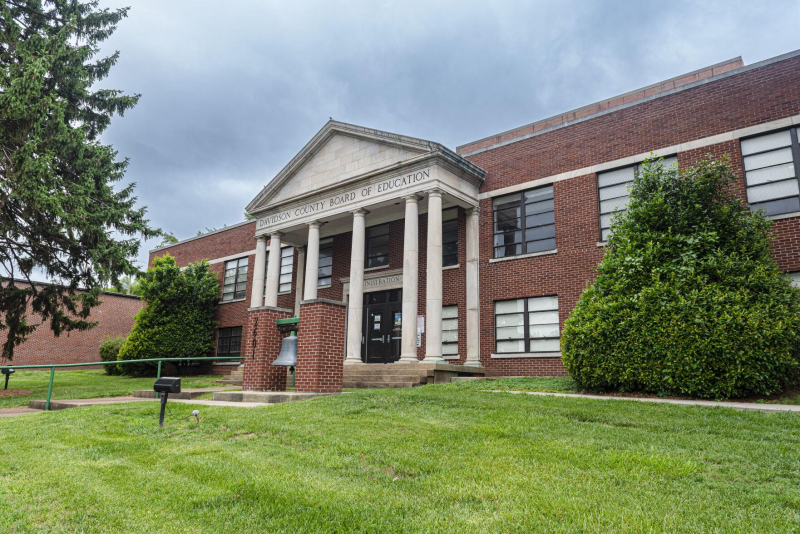
Davidson County School District, also known as Metro Nashville Public Schools (MNPS), serves Nashville and the surrounding Davidson County area. The district educates over 80,000 students across 162 schools, making it one of Tennessee’s largest school systems.
You’ll find 232 schools total in Davidson County, including 64 high schools, 41 middle schools, and 123 elementary schools. The district ranks as one of the most diverse in Tennessee, placing in the top 1% for student body diversity.
Davidson County currently ranks #126 out of 147 school districts in Tennessee based on combined math and reading proficiency scores. Notable schools within the district include Lockeland Elementary School, Meigs Middle School, and Hume-Fogg High School, which consistently receive high ratings from families and education evaluators.
2. Memphis-Shelby County Schools

Memphis-Shelby County Schools serves over 111,000 students across 225 public schools, making it one of Tennessee’s largest districts. The district covers the entire Shelby County area and provides comprehensive public education options for families throughout the region.
Recent performance data shows the district ranks in the bottom 50% of Tennessee public schools based on testing metrics. However, the 2024-2025 school year brought encouraging developments, with nearly 30 schools improving from C and D letter grades to A and B ratings.
You’ll find notable schools within the district including Crosswind Elementary School, Bailey Station Elementary School, and Farmington Elementary School. The district maintains an official website where you can access resources, enrollment information, and school-specific data to help you make informed decisions about your child’s education.
3. Arlington Community Schools
Arlington Community Schools serves nearly 4,500 Pre-K through 12th grade students across four campuses in Arlington, Tennessee. The district is located just 30 miles from downtown Memphis.
ACS has earned Tennessee’s Exemplary designation, the state’s highest accountability rating. This recognition reflects strong performance across achievement metrics, student growth, graduation rates, and readiness indicators. The district received an overall score of 3.2, placing it firmly within the Exemplary range.
The district operates two elementary schools, one middle school, and one high school. Since its formation in 2014, ACS has received multiple awards for outstanding schools and services.
Your children would attend a district that was voted the #1 Top Workplace in the Memphis-Metro region for two consecutive years. The district has built a reputation for dedicated staff and strong academic records that attract families throughout the region.
4. Williamson County Schools
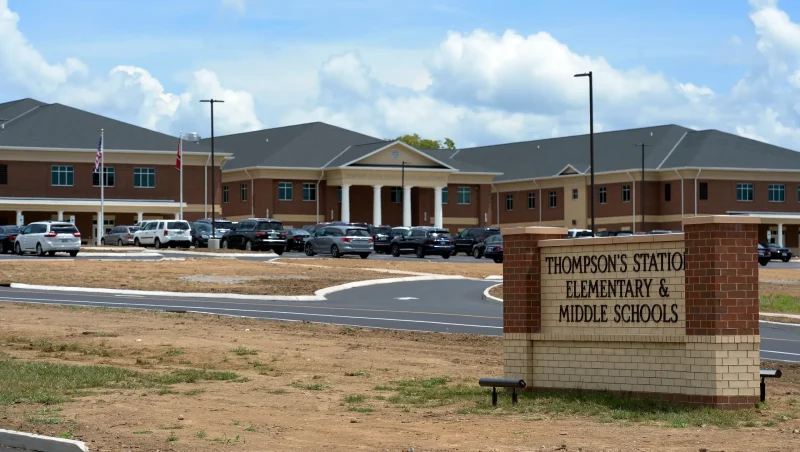
Williamson County Schools operates 52 schools across the district, serving over 41,000 students in communities like Franklin, Brentwood, Nolensville, Thompson’s Station, and Spring Hill. The district ranks third among all Tennessee school districts and consistently places among the state’s top performers.
Academic achievement remains strong across grade levels. Elementary students in grades 3-5 show a 75.5% success rate on state assessments. Several schools rank at the top statewide, including Clovercroft Elementary, Jordan Elementary, and Crockett Elementary.
The district maintains Tennessee’s highest graduation rate at 85.6%. Most graduates continue their education, with the same percentage enrolling in college the following year.
You’ll find 30 elementary schools, 11 middle schools, and 11 high schools throughout Williamson County. This concentration of high-performing schools makes the district a primary draw for families relocating to the area.
5. Knox County Schools
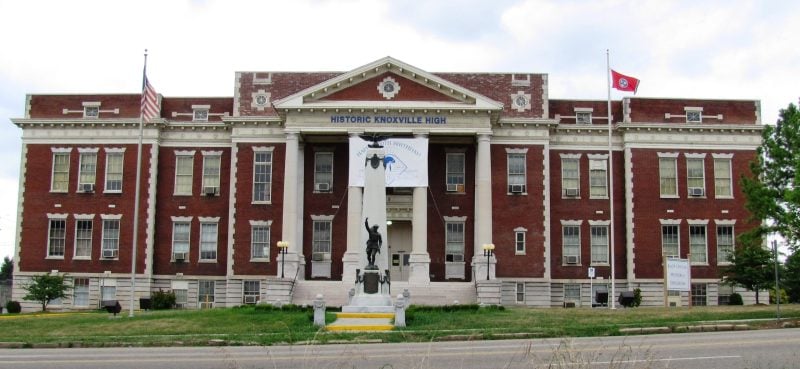
Knox County Schools operates 94 public schools serving over 60,000 students across the district. You’ll find 81 elementary schools, 18 middle schools, and 37 high schools, including virtual learning options.
The district ranks in the top 50% of Tennessee public schools with an average testing ranking of 7/10. Recent rankings show Knox County has improved its position among Tennessee districts, making it a competitive choice for families in the Knoxville area.
The middle school program focuses on fostering exploration and creativity while preparing students for high school. Several schools within the district have earned recognition for college readiness and student success.
Knox County Schools emphasizes both academic achievement and student development. The district provides diverse educational pathways across its comprehensive network of schools throughout the county.
6. Hamilton County Schools
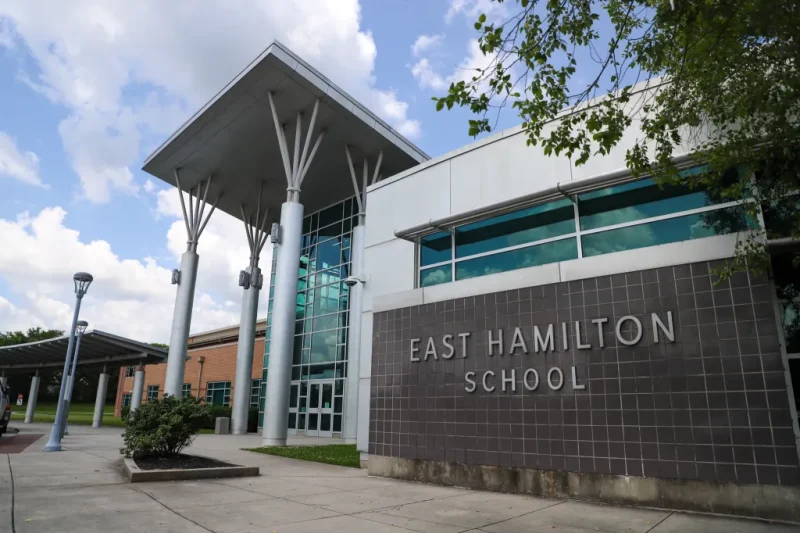
Hamilton County Schools operates 81 schools across the Chattanooga area, serving a diverse student population. The district includes 42 elementary schools, 15 middle schools, 22 high schools, and 2 alternative schools.
Schools in this district have an average ranking of 8/10, placing them in the top 30% of Tennessee public schools. Fifteen Hamilton County schools ranked among the state’s top performing public schools for the 2023-24 academic year.
The district’s minority enrollment stands at 54% of the student body, which exceeds the state average of 43%. You’ll find significant variation in academic performance across the district’s schools, with some demonstrating exceptional results while others work to meet proficiency standards.
The district serves families across a range of socioeconomic backgrounds throughout Hamilton County.
7. Brentwood City Schools
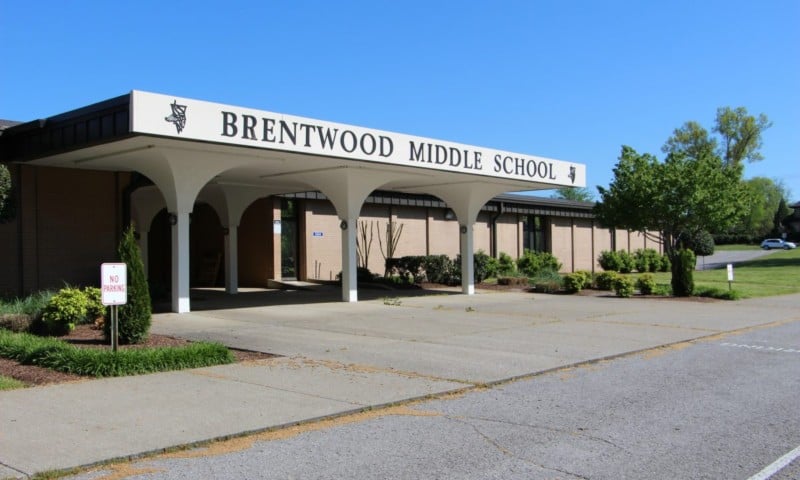
Brentwood City Schools serves the affluent community of Brentwood, Tennessee, offering your family access to highly-rated educational programs. The district operates within Williamson County Schools, which administers eight public elementary schools, three middle schools, and two high schools within Brentwood’s city limits.
Your children will benefit from strong academic performance, with schools in Brentwood achieving an average proficiency score of 75% on standardized tests. The district maintains high graduation rates, with 97% of students completing high school.
Brentwood schools receive consistent recognition from national publications for their educational quality. You’ll find additional opportunities through specialized programs like the Elementary World Language Program, which introduces language instruction at early grade levels. The district combines rigorous academics with a range of extracurricular activities to support your child’s development.
8. Franklin Special School District
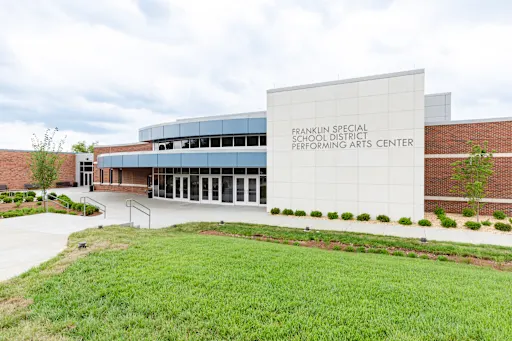
Franklin Special School District serves pre-kindergarten through eighth-grade students across eight schools in the historic community of Franklin. The district consistently ranks in the top 10 among Tennessee public school districts for student achievement.
With approximately 3,200 students enrolled, Franklin Special District earned a 5-star rating from SchoolDigger and ranks 9th out of 139 districts statewide. The district’s 2024-25 TCAP assessment results placed it in the top 10% of all Tennessee public school districts across English language arts, math, science, and social studies.
Established in 1906 by the City of Franklin, the district primarily serves zoned students but also offers tuition-based enrollment for families living outside district boundaries. If you’re looking for a high-performing district with strong test scores and low chronic absenteeism rates, Franklin Special District delivers exceptional programming and comprehensive student support.
9. Rutherford County Schools
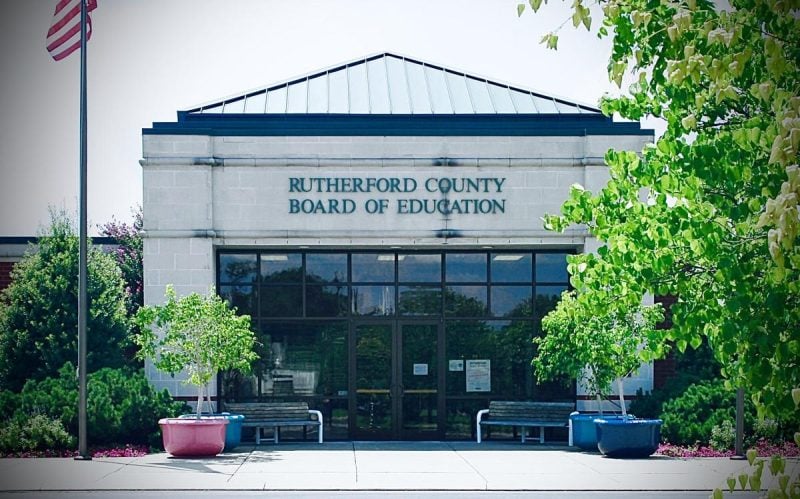
Rutherford County Schools serves over 51,000 students across 51 public schools, making it one of Tennessee’s largest districts. The district consistently earns recognition for academic excellence, maintaining a testing ranking in the top 30% of public schools statewide.
RCS achieved the highest possible composite score on the Tennessee Value-Added Assessment System (TVAAS), which measures student growth from year to year. This Level 5 ranking demonstrates strong academic progress across grade levels.
Your children will find notable programs at schools like Central Magnet School, McFadden School of Excellence, and Thurman Francis Arts Academy. The district excels in multiple areas including academics, fine arts, and athletics.
Despite rapid county growth, Rutherford County Schools maintains its position among Tennessee’s top-performing districts. The system has become a model for other districts throughout the state.
10. Sumner County Schools
Sumner County Schools serves over 30,000 students across 52 public schools in the district. The district ranks 30th out of 139 districts statewide and holds a 4-star rating, indicating strong performance across its schools.
Your children will find 34 elementary schools, 12 middle schools, and 17 high schools throughout the county. The district’s average testing ranking places it in the top 10% of public schools in Tennessee.
Notable schools include Merrol Hyde Magnet School, Indian Lake Elementary School, and T.W. Hunter Middle School. The district encompasses communities like Hendersonville and Gallatin, serving Pre-K through 12th grade students.
Sumner County Schools focuses on preparing students for life beyond graduation with practical skills and experiences. The district performs better than approximately 78% of districts across Tennessee.
11. Maury County Public Schools
Maury County Public Schools serves over 13,000 students across 23 schools in Southern Middle Tennessee. The district operates 10 elementary schools, 5 middle schools, 4 high schools, and several specialized programs including a virtual academy and alternative learning options.
You’ll find that MCPS employs over 900 teachers and 500 staff members working throughout the district. The system is based in Columbia and covers the educational needs of the broader Maury County area.
The district’s testing performance ranks in the middle range among Tennessee public schools. MCPS has established academic calendars through the 2027-2028 school year, pending final state approval.
If you’re considering Maury County schools, you should explore individual school performance data and visit campuses to determine the best fit for your family’s needs.
12. Montgomery County Schools
Montgomery County Schools serves approximately 39,345 students across 44 public schools in the Clarksville area. The district includes 25 elementary schools, 8 middle schools, 10 high schools, and 1 alternative school.
You’ll find the district has earned recognition for academic achievement, with nine schools named as Reward Schools by the Tennessee Department of Education for the 2024-25 school year. Additionally, 30 schools in the district received an A or B rating.
The district’s average testing ranking places it in the top 50% of public schools statewide. Top-performing schools include Spanish Immersion Barksdale, Sango Elementary School, and Rossview Elementary School.
Your children will benefit from a district that serves diverse academic needs while maintaining competitive performance standards across multiple schools.
13. Blount County Schools
Blount County Schools operates 22 public schools serving over 10,000 students across the district. You’ll find the district maintains an average testing ranking of 7/10, placing it in the top 50% of public schools in Tennessee.
The district includes 11 high schools, 10 middle schools, and 23 elementary schools spread throughout Blount County. Top-ranked institutions in the area include Sam Houston Elementary School, Montgomery Ridge Intermediate School, and Foothills Elementary School.
Your children will have access to Career & Technical Education (CTE) programs and comprehensive curriculum offerings. The district serves approximately 18,577 students across three school districts in the county.
You can find the main administrative office at 831 Grandview Drive in Maryville. The district emphasizes accessible information for families and encourages community involvement through volunteer opportunities.
14. Sevier County Schools
Sevier County Schools operates 30 schools across Tennessee, serving communities from Gatlinburg to more rural areas of the county. The district includes 14 elementary schools, 9 middle schools, 6 high schools, and 1 alternative school.
You’ll find notable performance variation across the district’s schools. Catons Chapel Elementary, Prospect Elementary, and Boyds Creek Elementary rank among the top-performing schools. Seymour Junior High also stands out with strong statewide rankings.
The district serves a diverse range of communities, from tourist-centered areas to quieter rural locations. Several schools have earned recognition for preparing students for college success, particularly in helping students from various economic backgrounds.
When researching Sevier County Schools, you can access detailed performance data through the Tennessee Department of Education’s transparency tools. The district provides comprehensive information about individual school performance, test scores, and student outcomes to help you make informed decisions.
15. Wilson County Schools
Wilson County Schools operates 25 schools serving over 20,000 students in the Lebanon area. The district includes 13 elementary schools, 4 middle schools, 7 high schools, and 1 alternative school.
You’ll find significant variation in academic performance across the district’s schools. Top-performing institutions like Springdale Elementary School, Lakeview Elementary School, and Gladeville Middle School consistently rank among the best in the county.
The district serves a diverse student population, with minority enrollment at 30%. Wilson County Schools has earned recognition for its standout educators and support staff, including recent state-level award finalists.
If you’re considering Wilson County, you should research individual schools within the district. Performance metrics vary considerably between campuses, so visiting schools and reviewing their specific data will help you make an informed decision.
16. Georgia-Cumberland Academy
Georgia-Cumberland Academy is a Seventh-day Adventist private boarding high school located in Calhoun, Georgia, serving students in grades 9-12. While technically situated across the state line in Georgia, the school serves both Georgia and Tennessee students as part of its regional mission.
The academy ranks within the top 20% of private schools in Georgia and currently serves 288 students. GCA offers an Accrediting Association of Seventh-day Adventist Schools high school diploma program, providing you with both spiritual and academic preparation for your future.
The school is part of the Seventh-day Adventist education system, which operates as the world’s second-largest Christian school network. You’ll find the campus at 397 Academy Drive in Calhoun, where the school maintains its commitment to preparing students through its motto: “To Know. To Love. To Serve.”
17. Collierville Schools
Collierville Schools operates as a municipal public school district serving students in Collierville, Tennessee. The district includes 10 schools: 6 elementary schools, 2 middle schools, 1 high school, and 1 alternative school.
With approximately 9,367 students enrolled for the 2026 school year, the district maintains a strong academic reputation. The district’s average testing ranking places it in the top 1% of public schools across Tennessee.
If you’re considering this district, you’ll find schools like Crosswind Elementary School, Bailey Station Elementary School, and Tara Oaks Elementary School among the top-ranked institutions. The district emphasizes college readiness, with programs designed to prepare students for post-secondary success.
You can access detailed performance data through the Tennessee Department of Education and district websites to make informed decisions about your family’s educational needs.
18. Germantown Municipal School District
Germantown Municipal School District serves approximately 6,028 students across seven public schools. The district has earned recognition from the Tennessee Department of Education as an exemplary school district, placing it among just 14 districts statewide to receive this distinction.
Your children will benefit from facilities that reflect over $108 million in campus updates and renovations. The district’s average testing ranking stands at 10/10, positioning it in the top 5% of public schools across Tennessee.
When you explore school options in Germantown, you’ll find a system that ranks better than 97.8% of districts in the state. The district emphasizes academic excellence while providing a well-rounded educational experience. Each school in the district offers a multi-faceted learning environment designed to help students reach their fullest potential in academics and athletics.
19. Oak Ridge Schools
Oak Ridge Schools serves approximately 5,000 students across eight public schools in this historic Tennessee city. The district includes five elementary schools, two middle schools, and one high school.
Your children will benefit from the district’s exceptional academic performance, with an average testing ranking of 9/10, placing it in the top 20% of Tennessee public schools. Oak Ridge Schools holds a unique distinction as the first district in the state to achieve complete Cognia STEM certification from kindergarten through 12th grade.
The district was established in 1943 during the Manhattan Project era and has maintained its commitment to preparing students for college and career success. You’ll find strong academic programs throughout the district, with particular strength in STEM subjects that build on the community’s scientific heritage.
20. Loudon County Schools
Loudon County Schools serves approximately 5,011 students across 9 public schools in the district. The district ranks in the top 30% of Tennessee public schools with an average testing ranking of 8 out of 10.
The district earned a Level 5 rating on the Tennessee Value-Added Assessment System (TVAAS), placing it among the top-performing school districts in East Tennessee. Notably, 78% of schools in the district demonstrated at least a year’s worth of academic growth, achieving an overall composite score of Level 3 or higher.
Loudon High School stands out as the top high school in the county for student academic growth, earning a Level 4 composite score. The district’s minority enrollment is 29% of the student body, with Hispanic students representing the majority of this population.
If you’re considering schools in this region, Loudon County Schools offers strong academic performance and consistent student growth.
21. Cheatham County Schools
Cheatham County School District serves students across 14 public schools in the Kingston Springs and Ashland City area. The district educates approximately 5,629 students and maintains an average testing ranking in the top 50% of Tennessee public schools.
You’ll find the district has made notable progress in recent statewide rankings, moving up one slot and performing better than 54% of districts across Tennessee. The district includes a mix of elementary, middle, and high schools throughout the county.
Cheatham County Schools recently earned recognition as a “Best for All” district from the Tennessee Department of Education. This designation comes with an additional $250,000 in funding and requires participation in the TN ALL Corps tutoring grant program, which provides students with high-dosage, low-ratio tutoring opportunities.
The district operates with 15 campuses serving 6,869 students across various educational levels.
22. Dickson County Schools
Dickson County Schools operates multiple educational institutions serving students throughout the county. The district has shown consistent performance, ranking better than approximately 74.8% of school districts across Tennessee.
Schools in this district maintain an average ranking of 8 out of 10, placing them in the top 30% of Tennessee public schools. This reflects the district’s commitment to providing quality education for its students.
The student population shows minority enrollment at 21%, with Hispanic students representing the majority of that demographic. This is notably lower than the state average of 43% minority enrollment.
When you’re evaluating educational options in Middle Tennessee, Dickson County Schools offers a stable academic environment. The district continues to serve families in the region with established programs and experienced educators who contribute to student success.
23. Lincoln County Schools
Lincoln County Schools serves students across 17 schools in the district, including 4 high schools, 8 middle schools, and 3 elementary schools. The district maintains an average ranking of 8/10, placing it in the top 30% of Tennessee public schools.
You’ll find that minority enrollment stands at 22% of the student body, which is below the state average of 43%. The district focuses on preparing students through comprehensive educational programs and safety initiatives.
When you’re evaluating schools in Lincoln County, you can access detailed performance data through the Tennessee Department of Education. The district provides families with accessible information about test scores, rankings, and school performance indicators to help you make informed decisions about your child’s education.
24. Carter County Schools
Carter County School District serves students across 16 schools in the Elizabethton area. The district is part of a county system that includes 23 schools total, serving approximately 8,072 students throughout the region.
You’ll find a comprehensive range of educational options here, from elementary through high school levels. The district operates as a public school system with multiple locations spanning different communities in Carter County.
When evaluating schools in this district, you can review performance indicators, test scores, and enrollment data through the Tennessee Department of Education’s resources. The Carter County Board of Education maintains equal opportunity policies across all its facilities.
Notable schools in the district include West Side Elementary School, Valley Forge Elementary School, and T A Dugger Junior High School. These institutions serve various grade levels across the county’s educational system.
25. Bradley County Schools
Bradley County Schools serves over 10,000 students across 18 schools in Southeast Tennessee. The district has shown steady improvement in recent years, jumping 12 slots in statewide rankings and now performing better than 67.6% of districts in Tennessee.
Schools in the district have an average ranking of 7 out of 10, placing them in the top 50% of Tennessee public schools. You’ll find the district maintains a focus on academic excellence, student safety, and community partnerships.
The district features award-winning teachers and nationally recognized programs alongside championship-level athletics. Minority enrollment stands at 30% of the student body, with Hispanic students representing the majority of that demographic.
If you’re considering Bradley County Schools, you’ll discover a district committed to preparing students for college success while serving families throughout the Cleveland area.
26. Hendersonville City Schools
Hendersonville’s public schools operate under the Sumner County school district rather than an independent city system. The area serves students through 16 schools, including 9 elementary schools, 4 middle schools, 2 high schools, and 1 alternative school.
You’ll find several highly-rated institutions in the area. Merrol Hyde Magnet School, Indian Lake Elementary School, and T.W. Hunter Middle School consistently rank among the top performers. Beech Senior High School leads at the high school level with strong academic achievement.
The community shows impressive educational attainment, with over 90% of Hendersonville residents holding a high school diploma. More than 27% have earned a bachelor’s or advanced degree.
School performance varies across the district. Test score averages place Hendersonville schools around 58% proficiency. You’ll want to research individual schools in your neighborhood to find the best fit for your family’s needs.
27. Maryville City Schools
Maryville City Schools has earned recognition as one of Tennessee’s top-performing districts. The district serves 5,711 students across 8 public schools and maintains an average testing ranking of 10/10, placing it in the top 5% statewide.
When you explore this district, you’ll find Maryville High School as a flagship institution, ranked 25th out of 389 Tennessee high schools with a 5-star rating. The district emphasizes academic excellence through updated facilities and a range of extracurricular activities.
Your children will benefit from a dedicated teaching staff with a track record of strong graduation rates. Multiple schools within the district rank among the best in Tennessee, including Sam Houston Elementary School and Montgomery Ridge Intermediate School.
The district’s consistent performance across grade levels demonstrates its commitment to providing quality education throughout your child’s academic journey.
28. Clarksville-Montgomery County Schools
Clarksville-Montgomery County School System serves approximately 39,345 students across 44 public schools throughout the district. You’ll find 23 elementary schools, 7 middle schools, 9 high schools, and 1 alternative school providing educational options for families in the area.
The district has earned recognition for its commitment to student success. Nine schools received Reward School designations from the Tennessee Department of Education for the 2024-25 school year. The district’s average testing ranking stands at 6 out of 10, placing it in the top 50% of public schools statewide.
CMCSS operates under the mission to educate and empower students to reach their potential through its 100% Graduation Project. Top-performing schools in the district include Spanish Immersion Barksdale, Sango Elementary School, and Rossview Elementary School, which consistently rank among the area’s best institutions.
29. Union County Schools
Union County Schools serves students across multiple grade levels in rural East Tennessee. The district operates 17 schools, including 8 high schools, 2 middle schools, and 7 elementary schools throughout the county.
You’ll find that the district focuses on providing educational access across its geographic area. Schools like Luttrell Elementary School and Sharps Chapel Elementary School have received recognition in state rankings.
The district maintains a non-discrimination policy covering race, color, national origin, sex, disability, and age. Rankings are determined by comparing actual test scores against projected scores, along with various performance metrics.
If you’re considering Union County Schools, you should review individual school ratings and test scores. The district serves families seeking public education options in this Tennessee region, with schools distributed to accommodate the county’s rural layout.
30. Coffee County Schools
Coffee County Schools serves over 4,500 students across the district with a staff of more than 630 professionals. The district’s central office is located in Manchester, Tennessee, under the direction of Mr. Scott Hargrove.
The district operates with a student-focused approach. Their mission centers on preparing students to become good citizens, excellent communicators, and individuals ready for post-secondary education.
Coffee County encompasses three school districts with 18 schools total, serving approximately 9,325 students throughout the county. If you’re considering schools in this area, you’ll find options including North Coffee Elementary School, College Street Elementary School, and Robert E Lee Elementary School among the district’s offerings.
The district emphasizes providing education through well-trained teachers in safe and inviting environments for all students.
How School Districts Are Ranked
School district rankings in Tennessee rely on quantifiable academic metrics, financial investments per student, and the range of support services available to learners. These factors combine to paint a picture of how well districts prepare students for future success.
Academic Performance Criteria
Standardized test scores form the foundation of most Tennessee school district rankings. Mathematics and English proficiency assessments determine how students perform against state benchmarks, with districts evaluated based on the percentage of schools placing in the top tiers statewide.
SAT and ACT scores also factor heavily into rankings for districts with high schools. These college readiness indicators show how well schools prepare students for post-secondary education. Rankings platforms compare actual test performance against projected scores based on demographics and funding levels.
State proficiency tests measure grade-level competency across core subjects. Districts where larger percentages of students meet or exceed standards typically rank higher than those with lower proficiency rates. The Tennessee Department of Education releases annual accountability designations that identify which districts need improvement based on these academic measures.
School Funding and Resources
Per-student spending reveals how much financial investment districts make in education. This metric includes operational costs, instructional materials, technology infrastructure, and facility maintenance. Higher spending doesn’t automatically guarantee better outcomes, but adequate resources enable districts to offer quality programs.
Teacher salaries directly impact a district’s ability to attract and retain experienced educators. Competitive compensation packages help districts maintain stable, qualified teaching staffs. Average teacher pay varies significantly across Tennessee’s 131 school districts.
Facility quality and access to modern learning tools also distinguish top-performing districts. Updated buildings, well-stocked libraries, science labs, and technology resources support diverse learning styles and advanced coursework opportunities.
Student Support Services
Extracurricular activities expand learning beyond the classroom through athletics, arts programs, academic clubs, and vocational training. Districts offering robust activity portfolios provide students with opportunities to develop leadership skills and explore interests.
Counseling services, special education programs, and intervention support help struggling students succeed academically. Districts with comprehensive support systems address learning disabilities, mental health needs, and academic challenges before students fall behind.
Class sizes and student-to-teacher ratios affect the individual attention students receive. Smaller ratios typically allow for more personalized instruction and stronger relationships between educators and learners.
Factors Influencing Tennessee School District Quality
Tennessee’s accountability system evaluates districts on achievement growth, success rates across grade bands, chronic absenteeism, and English language proficiency. Strong districts combine qualified educators, active community participation, and comprehensive programs beyond core academics.
Community Engagement
Your involvement as a parent or community member directly impacts district performance. Tennessee districts with higher achievement levels typically maintain active parent-teacher organizations, regular communication channels between families and schools, and volunteer programs that bring community resources into classrooms.
School districts that facilitate family participation through flexible meeting schedules, translated materials for non-English speakers, and accessible feedback systems see stronger student outcomes. You’ll find that districts encouraging parental involvement in curriculum decisions and school improvement planning create environments where students feel more supported.
Community partnerships with local businesses, universities, and nonprofit organizations expand resources available to students. These relationships provide mentorship opportunities, facility improvements, and funding for programs that might otherwise face budget constraints. Districts prioritizing transparency through easily accessible performance data and open board meetings build trust with families.
Teacher Qualifications
Teacher quality stands as one of the most critical factors in district performance rankings. Tennessee requires educators to hold proper licensure in their subject areas, but top districts go further by recruiting teachers with advanced degrees and specialized training.
You’ll notice that high-performing districts invest in continuous professional development, keeping teachers current with evidence-based instructional strategies. These districts often provide mentorship programs for new teachers and competitive compensation packages that retain experienced educators. The student-to-teacher ratio matters significantly—districts maintaining smaller class sizes allow teachers to provide more individualized attention.
Districts prioritizing teacher quality implement regular evaluation systems tied to student growth data rather than single test scores. Strong districts also support teachers with adequate planning time, instructional materials, and classroom technology. Teacher retention rates serve as a reliable indicator of district quality, as frequent turnover disrupts student learning and institutional knowledge.
Extracurricular Opportunities
Access to programs beyond core academics shapes student development and college readiness. Tennessee’s top districts offer diverse extracurricular options including competitive athletics, performing arts programs, academic competitions, and career-technical education pathways.
Your child’s exposure to activities like robotics teams, debate clubs, music ensembles, and vocational training develops skills that standardized tests don’t measure. Districts with comprehensive extracurricular programs report higher graduation rates and improved student engagement. These programs also help students explore potential career interests before college.
Key extracurricular indicators include:
- Number of Advanced Placement and dual enrollment courses offered
- Availability of fine arts programs (band, choir, theater, visual arts)
- Variety of athletic teams and competitive clubs
- Career-technical education certifications available to students
Districts allocating adequate funding for these programs demonstrate commitment to whole-student development. Transportation options and fee assistance programs ensure students from all economic backgrounds can participate.