
The 30 Most Expensive Vacation Destinations in the United States: Where Luxury Travel Costs the Most
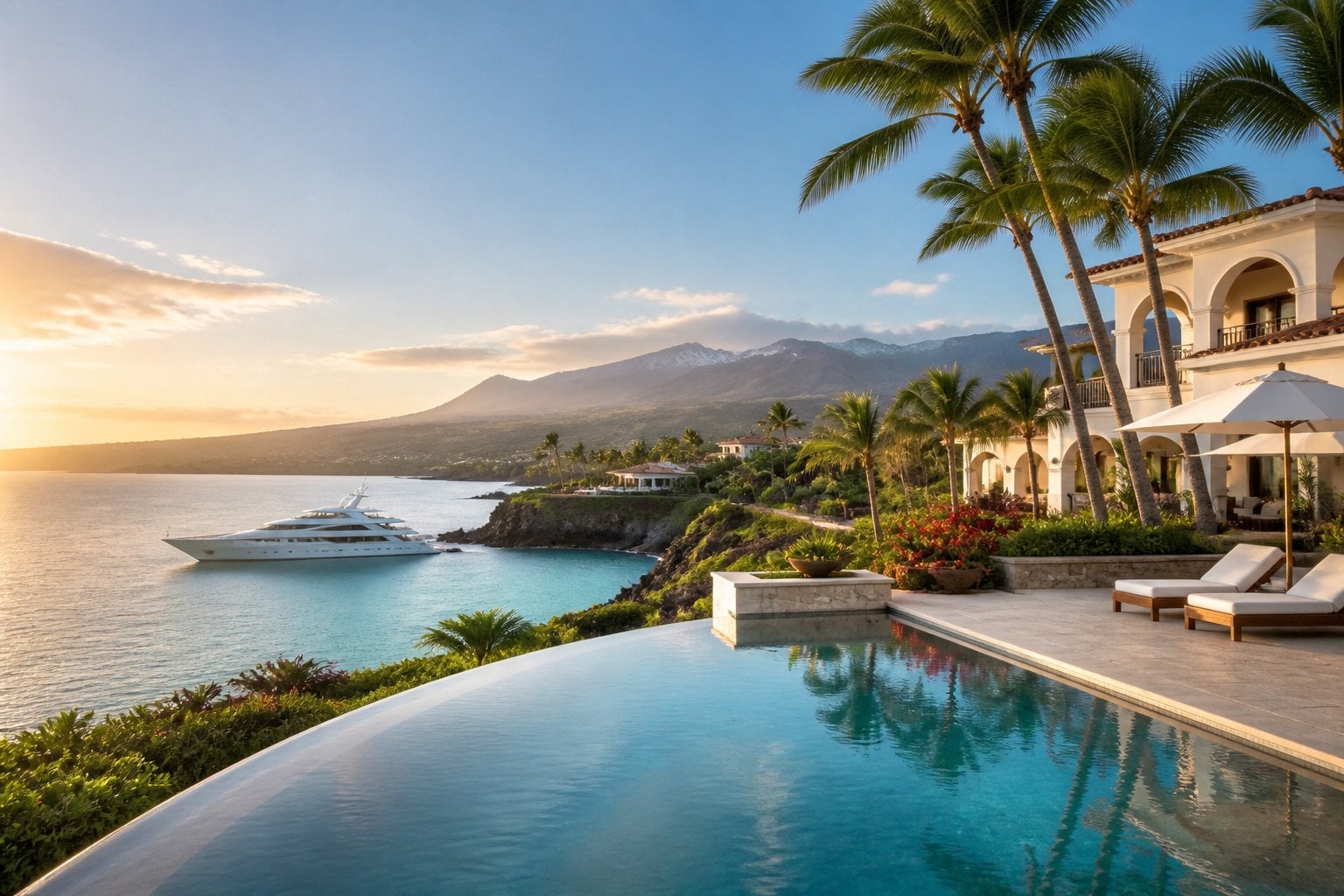
Planning a trip often means balancing your desire for a memorable experience with the reality of your budget. Some destinations across the United States carry a much higher price tag than others, driven by factors like location, seasonal demand, and local cost of living.
Understanding which destinations cost the most can help you set realistic expectations and plan your travel budget accordingly. From mountain resort towns to coastal getaways, certain spots consistently rank among the priciest options for travelers.
This overview looks at the destinations where you can expect to spend significantly more on accommodations, dining, and activities.
1. Aspen, Colorado
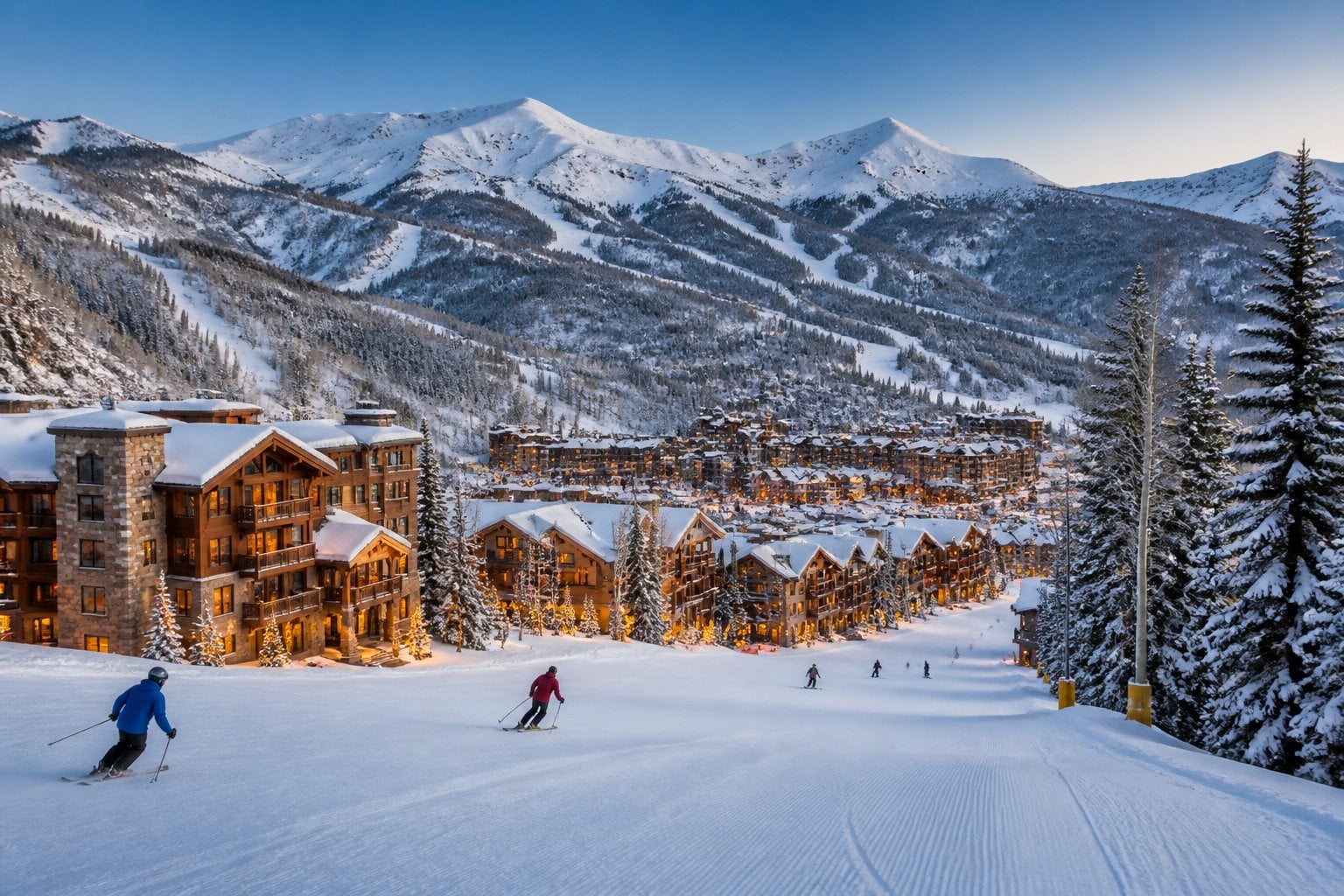
Aspen holds the top spot as the most expensive vacation destination in the United States. You’ll spend around $761 per day here, which adds up to roughly $5,300 for a week-long trip.
Located in Colorado’s Roaring Fork Valley, Aspen draws visitors year-round with its ski slopes and mountain scenery. Winter brings skiers to its renowned resorts, while summer attracts hikers and outdoor enthusiasts.
Your costs will come from multiple sources. Lodging rates here rank among the highest in the country, and dining and shopping options cater to a luxury market.
If you’re planning a trip to Aspen, expect to pay a premium at every turn. Even shorter stays can strain your budget significantly, so you’ll want to plan your finances carefully before booking.
2. Vail, Colorado
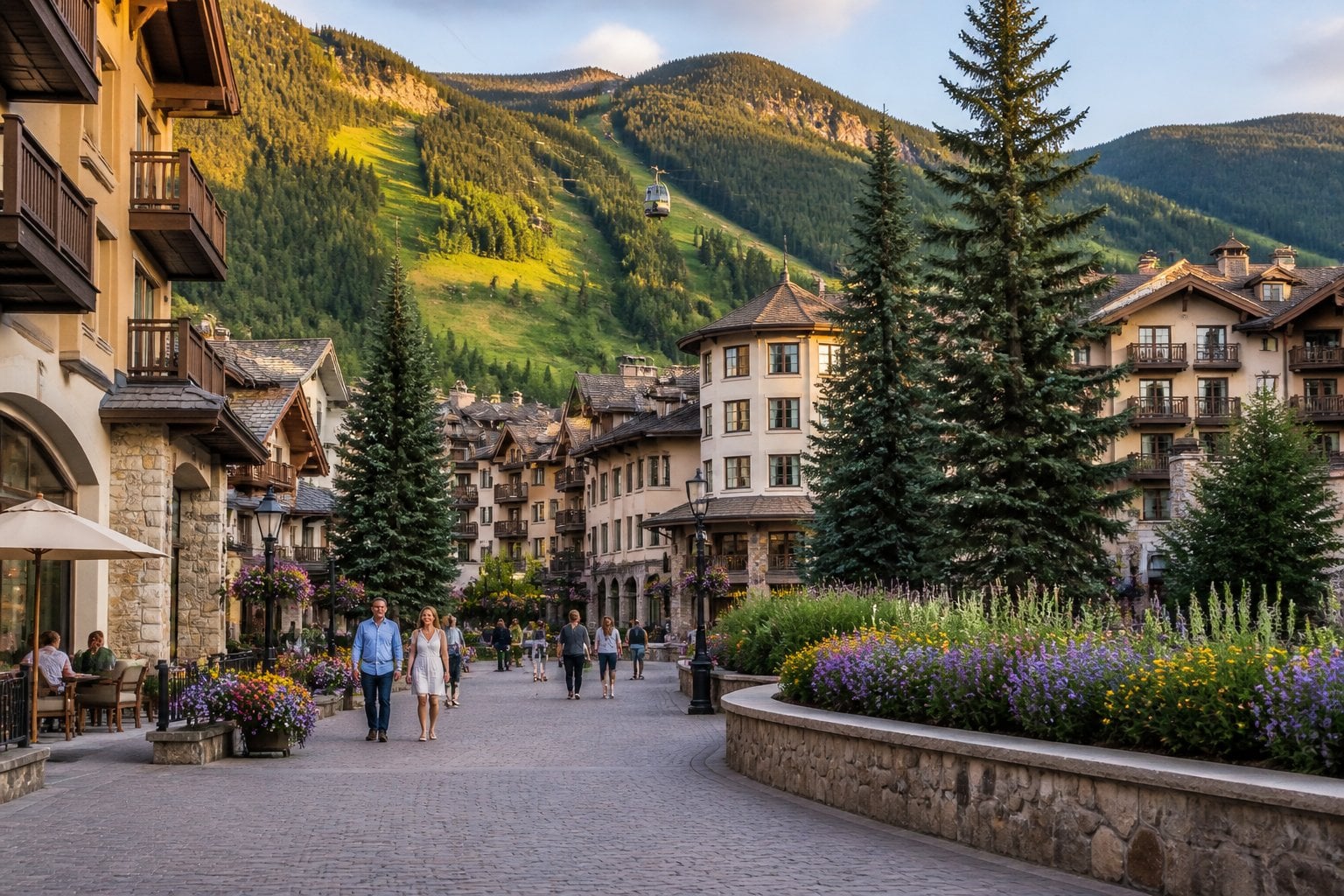
Vail is one of the most expensive ski destinations in the country. You can expect to pay $250 to $300 per day for lift tickets alone.
The resort spans over 5,300 skiable acres, including its well-known Back Bowls. This size and terrain variety comes with a premium price tag across lodging, dining, and equipment rentals.
Hotel rates often exceed $1,000 per night during peak winter months. If you’re planning a couple’s getaway, daily costs including lodging, meals, and lift access can reach $1,800 or more.
Fine dining in Vail typically starts around $200 per person, reflecting the town’s upscale hospitality scene. Housing and general living costs here rank among the highest in the Rocky Mountain region.
You’ll find that Vail’s pricing reflects its reputation for extensive terrain, well-maintained facilities, and a polished mountain village atmosphere.
3. Telluride, Colorado
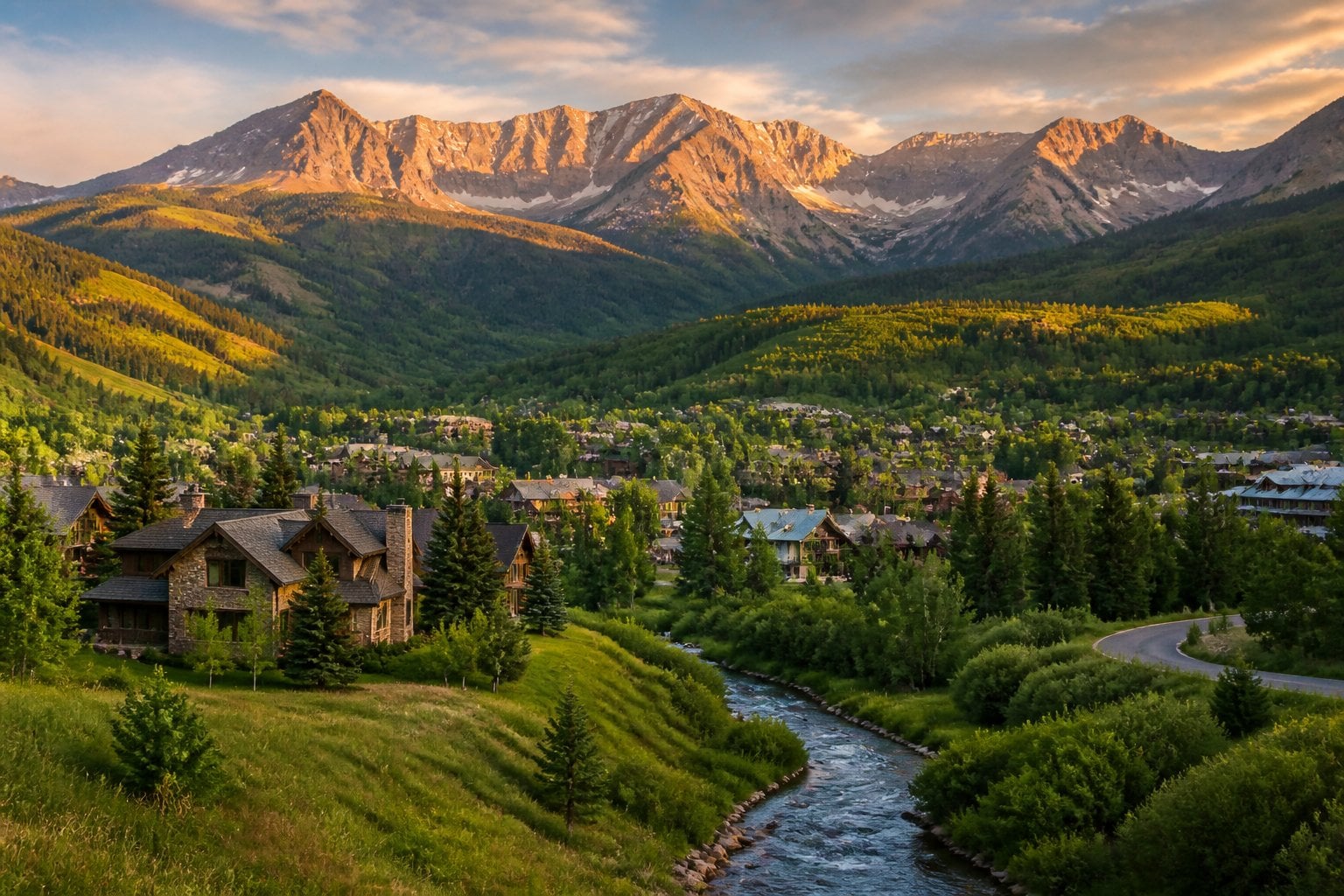
Telluride sits in a remote box canyon in southwestern Colorado, and that isolation adds to its price tag. You’ll pay a premium just to get there, since the closest major airport is hours away and regional flights carry higher fares.
Real estate tells the real story here. More than a third of listings in Telluride exceed $5 million, putting it ahead of both Aspen and Vail in luxury housing data.
If you’re staying for a ski trip, expect lift tickets, upscale lodging, and dining to reflect that same high-end market. The town’s small size limits inventory, so accommodations stay expensive even during shoulder seasons.
You’re not just paying for skiing, either. Telluride’s historic downtown, surrounded by 13,000-foot peaks, draws visitors year-round for festivals and hiking, which keeps demand—and prices—consistently high.
4. Breckenridge, Colorado
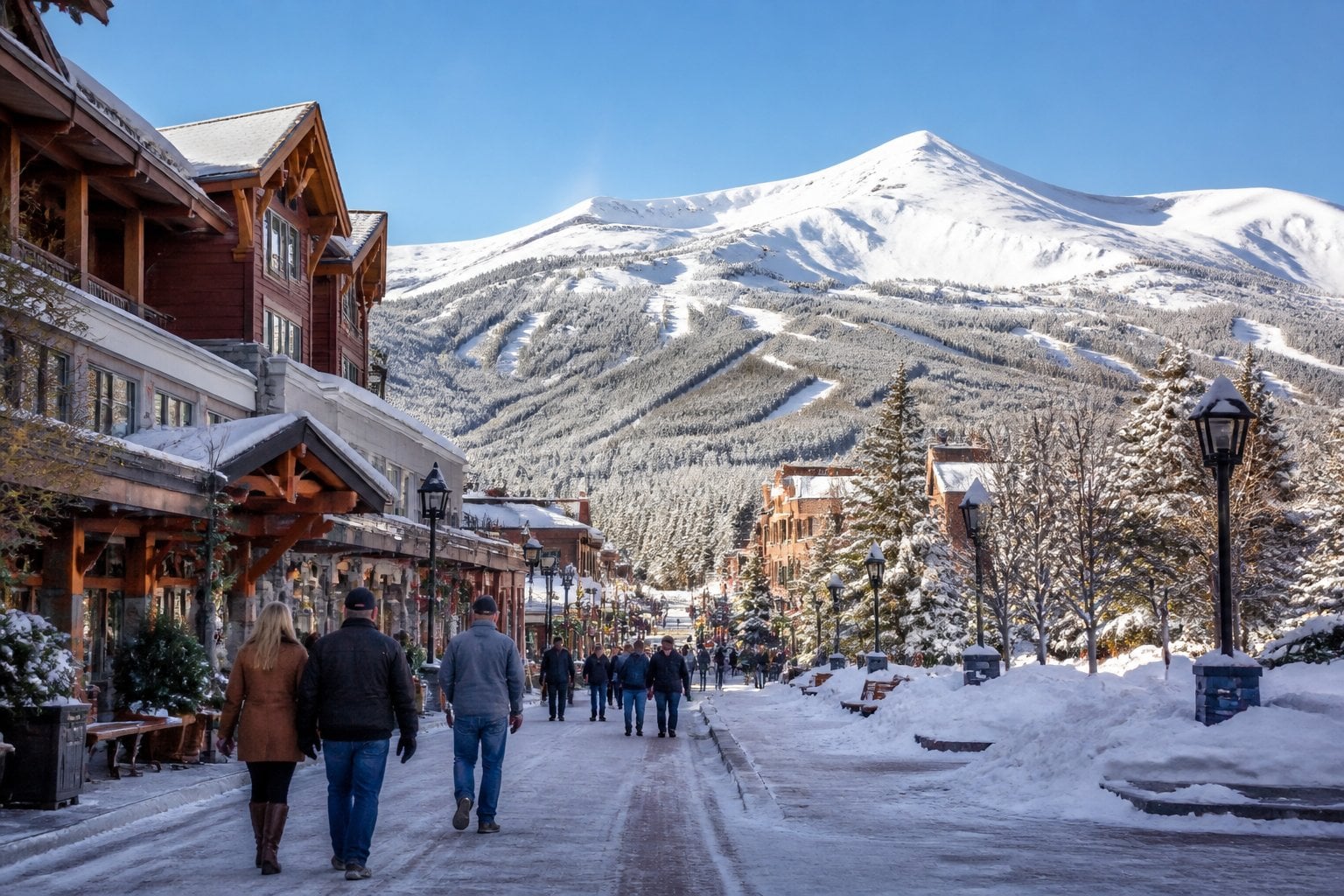
Breckenridge sits at 9,600 feet in Summit County, making it one of the highest towns in the country. Founded as a mining settlement in the 1800s, it has grown into one of the world’s premier ski destinations.
Your average daily cost here runs around $301, placing Breckenridge in the top 25% of North American destinations for travel expenses. You’ll pay comparable rates to cities like Los Angeles or Fairbanks.
Lodging, lift tickets, and dining all contribute to this cost. During peak winter season, you can expect prices to climb further as demand increases.
While not as expensive as Aspen or Vail, Breckenridge still requires a solid budget. You’ll want to plan for accommodations, meals, and activities separately, since each category adds up quickly in a resort town like this.
5. Jackson Hole, Wyoming
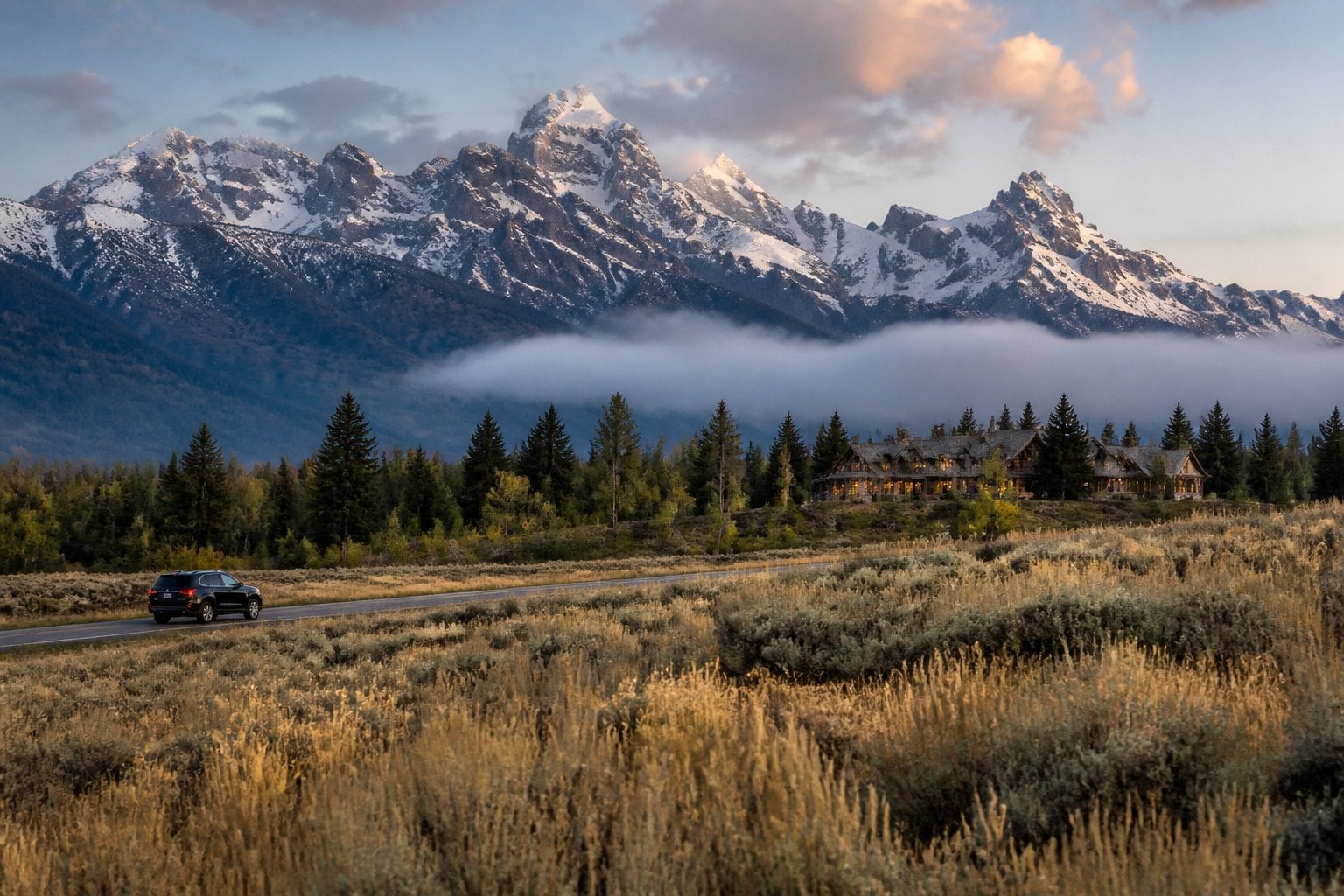
You’ll find Jackson Hole in Teton County, the wealthiest county in the United States by per capita personal income. This mountain valley draws billionaires, celebrities, and affluent visitors seeking privacy and outdoor access.
Wyoming’s lack of state income tax attracts high-net-worth residents to build estates here. You’ll see this reflected in the area’s luxury real estate and remote ranch-style properties.
Accommodations in Jackson run high year-round. Top luxury hotels average around $1,500 per night, with high-season rates climbing past $2,800.
You can expect five-star resorts, upscale dining, and premium spa services throughout the area. The town’s proximity to Grand Teton National Park and Jackson Hole Mountain Resort adds to its appeal for skiing, hiking, and wildlife viewing.
Your visit here means paying for exclusivity. Limited housing supply and high demand from wealthy part-time residents keep prices elevated across lodging, dining, and services.
6. Park City, Utah
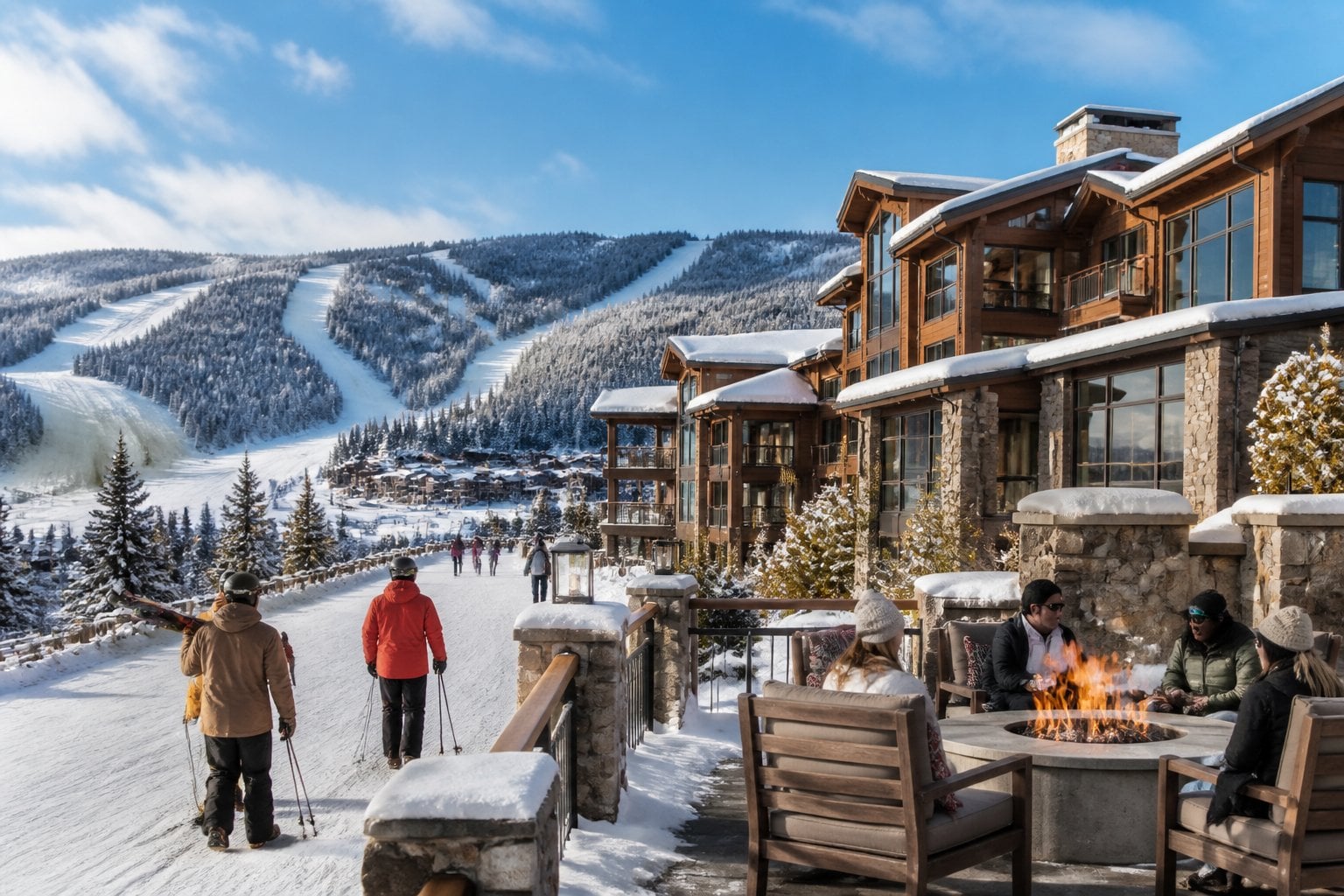
Park City ranks among the most expensive vacation destinations in the country, with recent data placing it just behind Aspen. You can expect to spend over $700 per day here, and a week-long trip for one person often exceeds $4,900.
Luxury lodging drives much of this cost. Rates at top hotels can top $1,600 a night, especially during peak ski season or the Sundance Film Festival in January.
You’ll find world-class ski resorts, upscale boutiques, and ski-in, ski-out properties throughout town. The Wasatch Range provides the backdrop, and high-end dining options add to the overall expense.
If you’re traveling with family, budget carefully. A family of four visiting Park City can expect to pay around $12,600 for a week, according to recent industry estimates. Booking early and avoiding peak dates can help you manage some of these costs.
7. St. Moritz-inspired Lake Tahoe, California
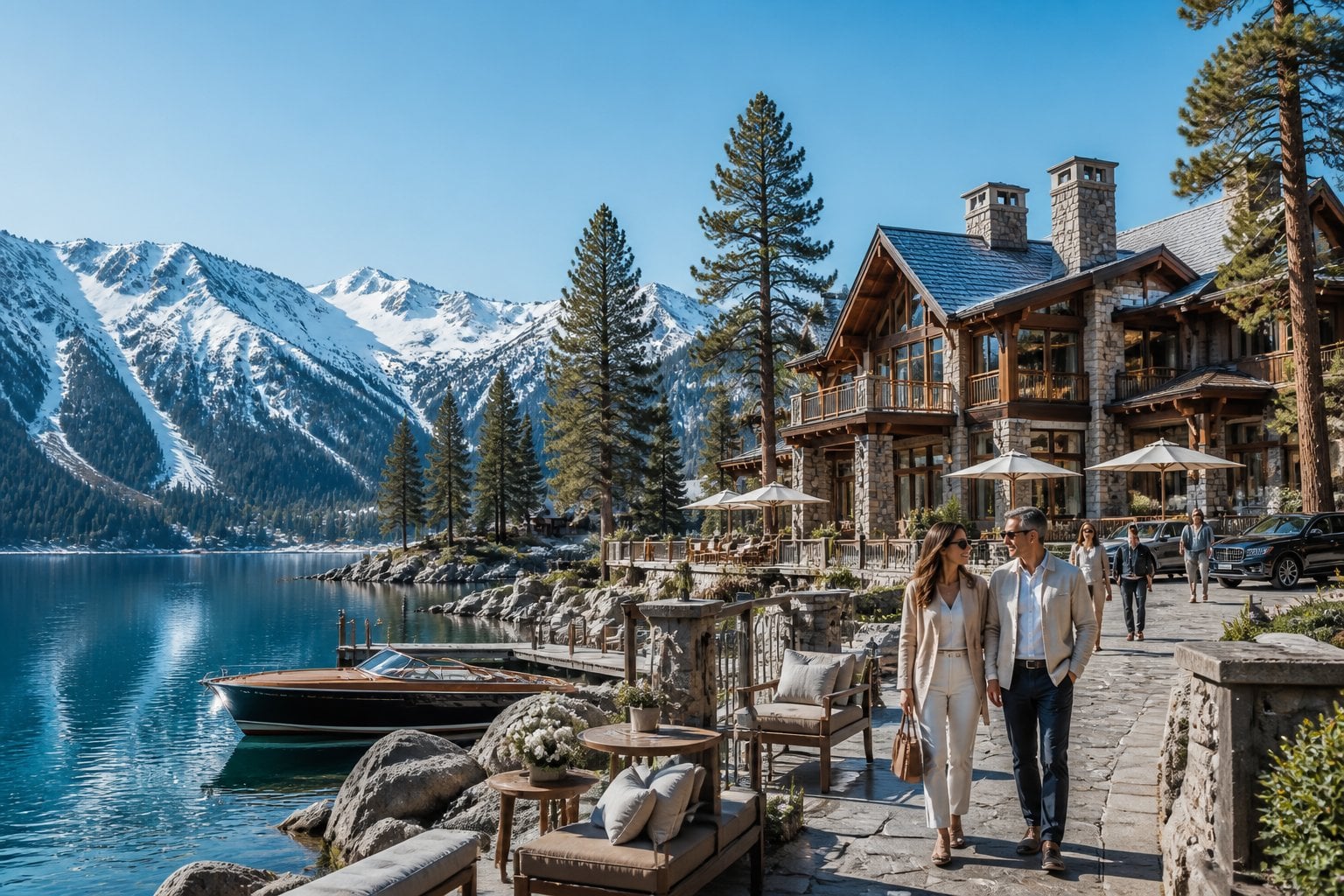
Lake Tahoe sits at 6,225 feet, making it the highest alpine lake in the country. You’ll find the setting draws comparisons to European mountain resort towns, with pine forests framing clear, deep-blue water.
Your options for high-end lodging include The Ritz-Carlton, Lake Tahoe, which offers slope-side access and a full-service spa. If you prefer the south shore, The Landing Resort and Spa gives you lake views paired with upscale amenities.
You can fill your days with skiing and snowboarding in winter, then switch to hiking, golfing, or windsurfing once summer arrives. Swimming is an option too, though you’ll want a wetsuit given the lake’s consistently cold temperatures.
Property values here reflect the exclusivity of the area. Whether you’re visiting for a weekend or staying longer, you’ll pay a premium for the combination of alpine scenery and luxury service.
8. Napa Valley, California

Napa Valley ranks among the priciest wine destinations in the country. A typical stay, including a hotel room, a wine tasting, and a bottle of wine, runs close to $395 for a single day.
You’ll find the highest concentration of luxury resorts in Yountville and St. Helena. These towns offer high-end amenities like spa treatments, fine dining, and curated wine experiences.
Room rates at the valley’s top hotels often reflect five-star service standards. You’re paying for elevated comforts, from premium linens to personalized concierge service.
Beyond lodging, wine tastings add up quickly. Many wineries charge per-person fees just to sample their offerings, and reserve tastings cost more.
If you want to explore beyond the tasting rooms, the Napa Valley Wine Train gives you a scenic way to see the region. Calistoga’s mud baths and mineral springs offer another way to spend your budget while visiting.
9. Monterey and Big Sur, California
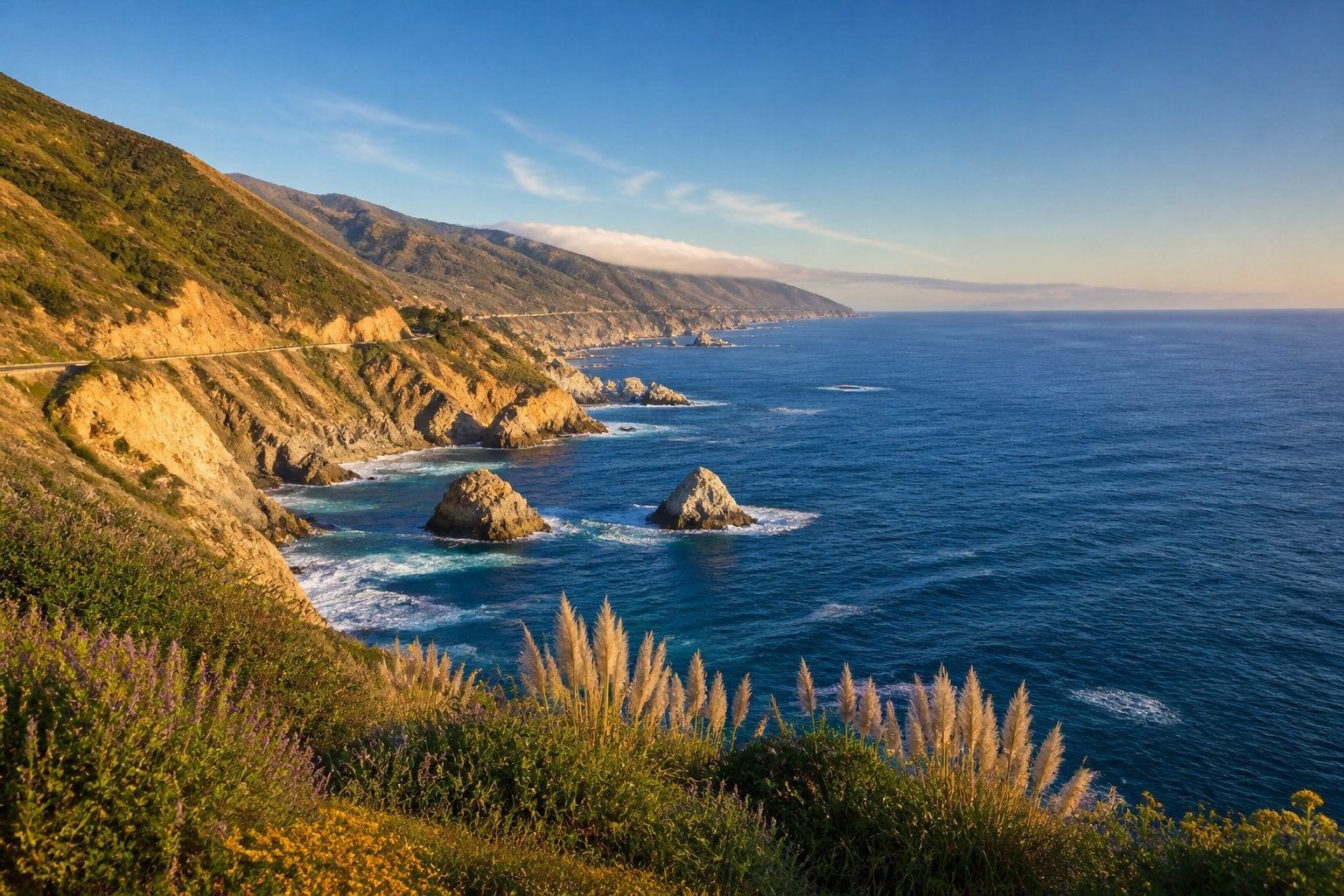
You’ll pay a premium to experience this stretch of California’s Central Coast. Monterey and Big Sur combine dramatic ocean views, upscale golf courses, and acclaimed restaurants that drive up costs throughout the area.
Big Sur’s remote setting adds to its exclusivity. You’ll find luxury cabins and cliffside retreats here, but limited lodging options keep rates high, especially during peak season.
In Monterey, you can expect to spend more on wine tastings, seafood dining, and boutique hotels near the coastline. Historic resorts and modern lodges cater to travelers willing to pay for scenic views and proximity to attractions like the aquarium and 17-Mile Drive.
Your travel budget should account for pricier gas and grocery costs too, since both areas are somewhat isolated. If you’re visiting during summer or holiday weekends, book accommodations well in advance, as availability shrinks while prices climb.
10. Santa Barbara, California
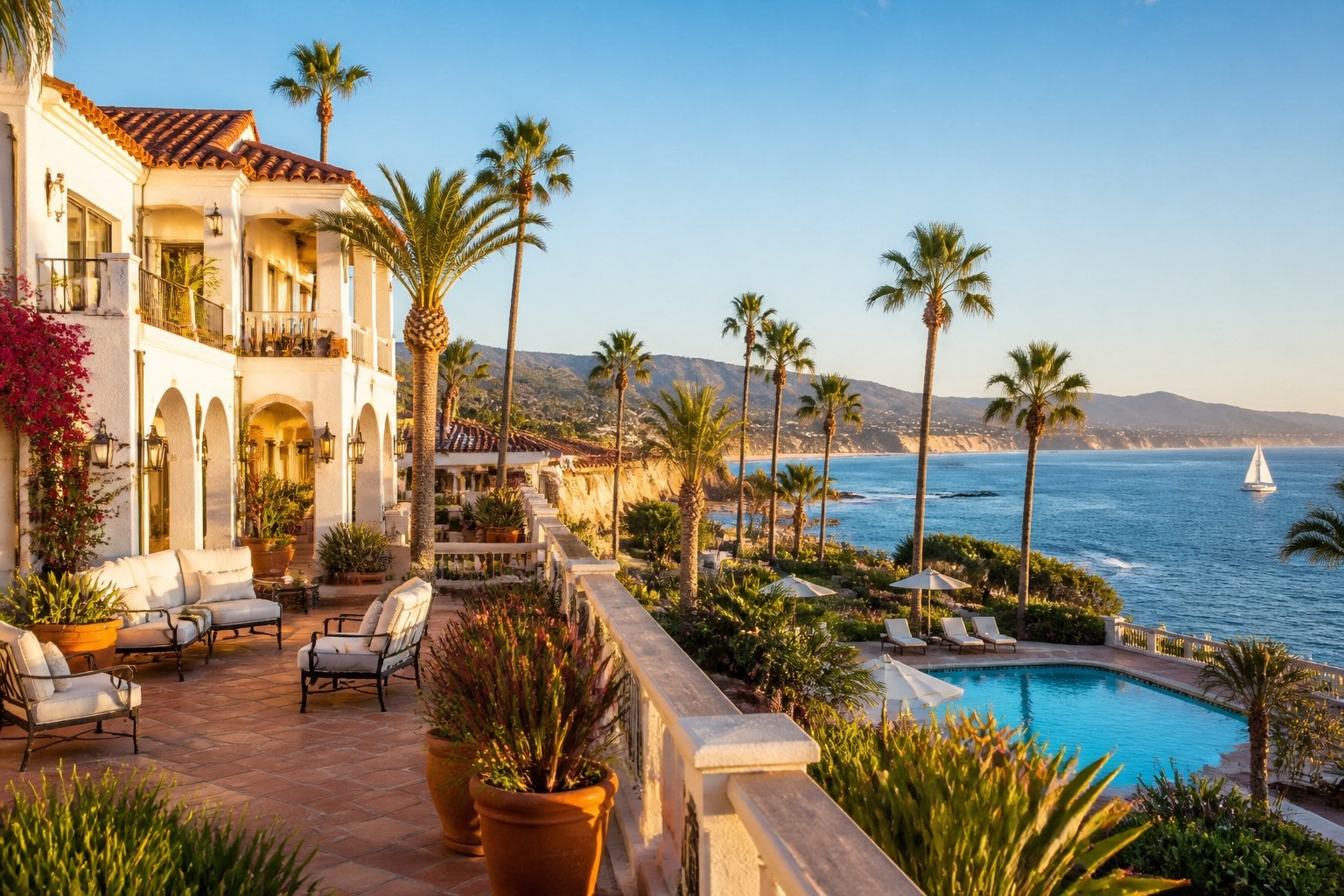
Santa Barbara sits along the Central Coast, and you’ll pay a premium for its ocean views and Spanish-style architecture. Hotel rates here have climbed sharply in recent years, with some surveys placing this city among the fastest-growing costs in the state.
You should expect to pay upwards of $200 a night at minimum, even for modest accommodations. Many properties along the waterfront charge well beyond that figure, especially during peak summer months.
Dining and activities add to your total bill. Wine tasting, coastal excursions, and restaurant meals here tend to run higher than in comparable California destinations.
If you’re planning a visit, book early. Demand stays consistently high throughout the summer season, and prices reflect that steady interest from travelers seeking a coastal getaway without straying too far from Los Angeles.
11. San Francisco, California
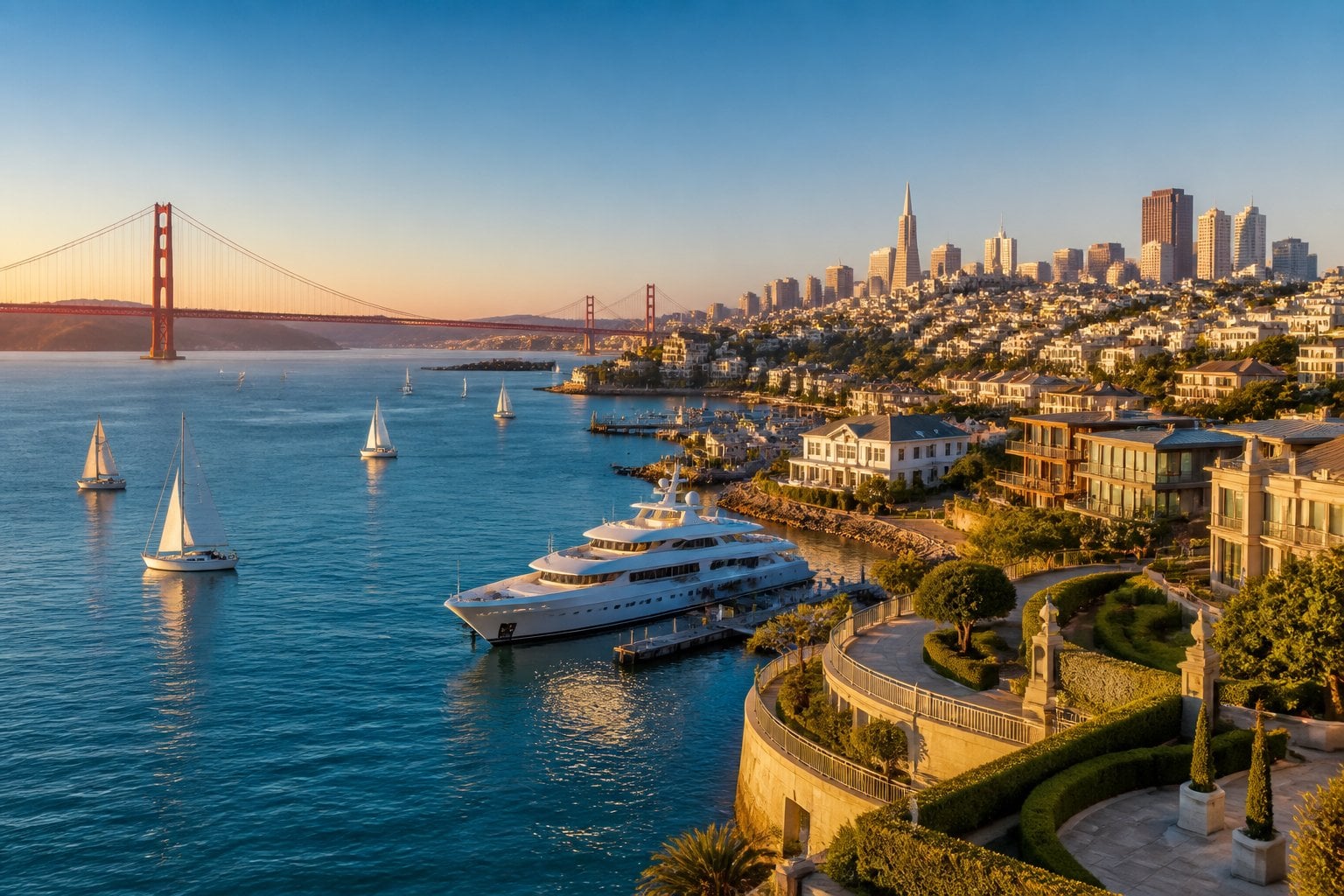
San Francisco carries a reputation for high travel costs, though it’s less expensive than some California competitors like Santa Barbara. You’ll find average nightly hotel rates hovering around $124 to $150, depending on the season, with prices climbing during peak summer months.
Your dining budget will need attention here, since San Francisco’s restaurant scene reflects the city’s overall high cost of living. Expect to pay premium prices for meals, especially near tourist areas like Fisherman’s Wharf and Union Square.
Getting around adds to your expenses too. Public transit fares, rideshare costs, and parking fees in this hilly city can accumulate quickly.
Despite these costs, you’re getting access to iconic attractions: the Golden Gate Bridge, Alcatraz Island, and diverse neighborhoods. Your money goes toward experiencing a city with distinct character, though careful planning helps you avoid unnecessary overspending during your visit.
12. Los Angeles, California
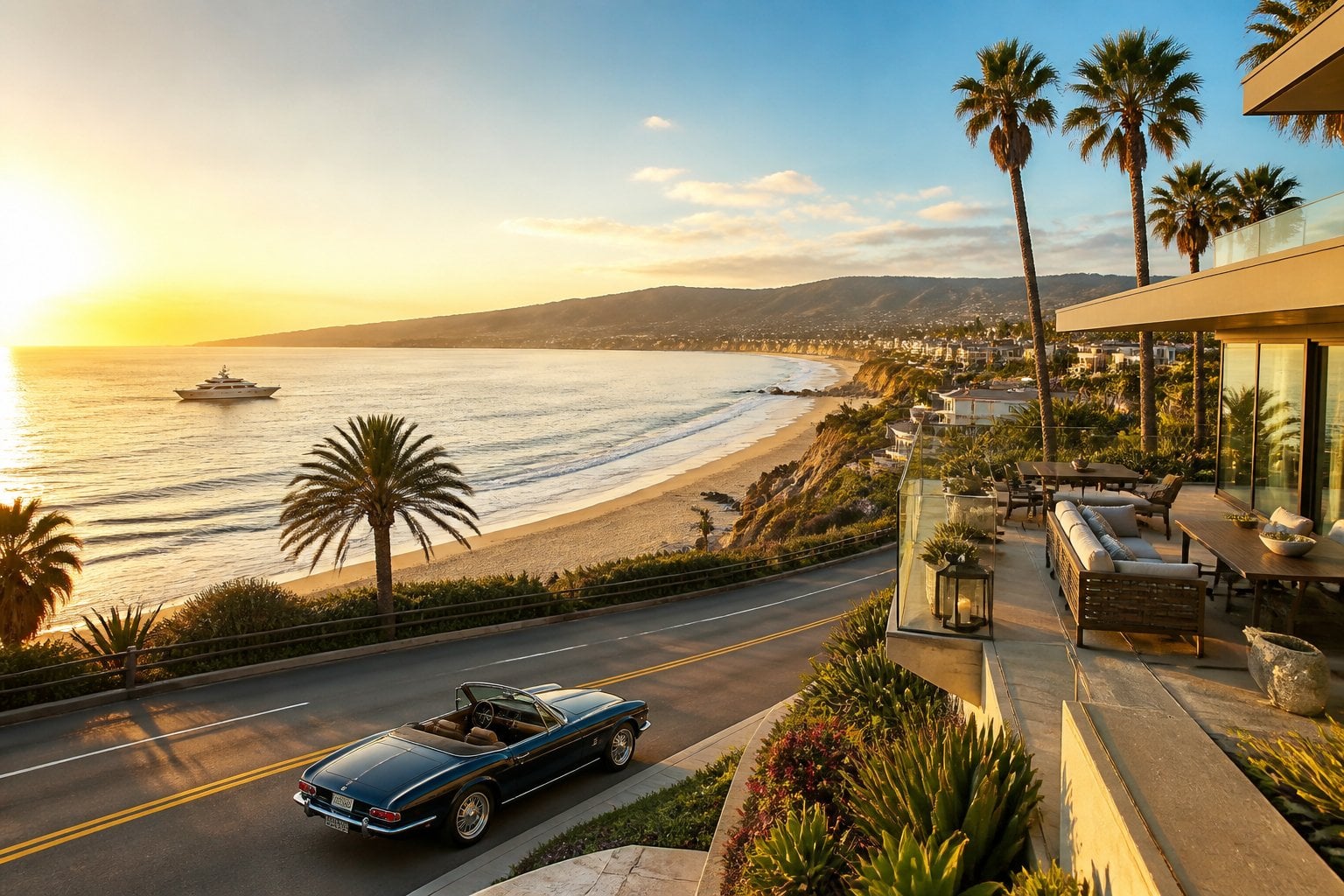
Los Angeles offers a wide range of experiences, but visiting comes at a real cost. You’ll find that hotel rates vary significantly by neighborhood, with areas like Beverly Hills and West Hollywood commanding premium prices.
Dining out adds up quickly here. Restaurants across the city cater to every budget, but the well-known spots tied to entertainment industry culture tend to charge accordingly.
Transportation is another factor you need to plan for. The city’s size means you’ll likely rely on rideshares or rental cars, and traffic can extend trip times and costs.
Popular attractions, including studio tours and theme parks, carry admission fees that add up over a multi-day stay. If you’re traveling with family, these expenses multiply fast.
Your total spending in Los Angeles depends heavily on where you stay and how you get around. Choosing your neighborhood carefully can help manage overall costs.
13. Carmel-by-the-Sea, California

You’ll find this small beach city on the Monterey Peninsula, where limited development and strict local ordinances have kept the town’s character intact for decades.
Hotel prices here run high. Recent surveys have ranked Carmel-by-the-Sea among the most expensive summer destinations in California, with average rates for even basic double rooms often exceeding $300 per night.
You can expect a mix of historic bed-and-breakfasts, boutique inns, and upscale resorts throughout the town. Many properties sit within walking distance of the beach, art galleries, and downtown shops, which adds to their appeal and their price tags.
Dining and wine tasting options add to your overall costs. The town’s one-square-mile footprint means everything is condensed, so you’ll pay a premium for convenience as much as for luxury.
Your visit will likely cost more than comparable trips to larger coastal cities nearby.
14. Maui, Hawaii
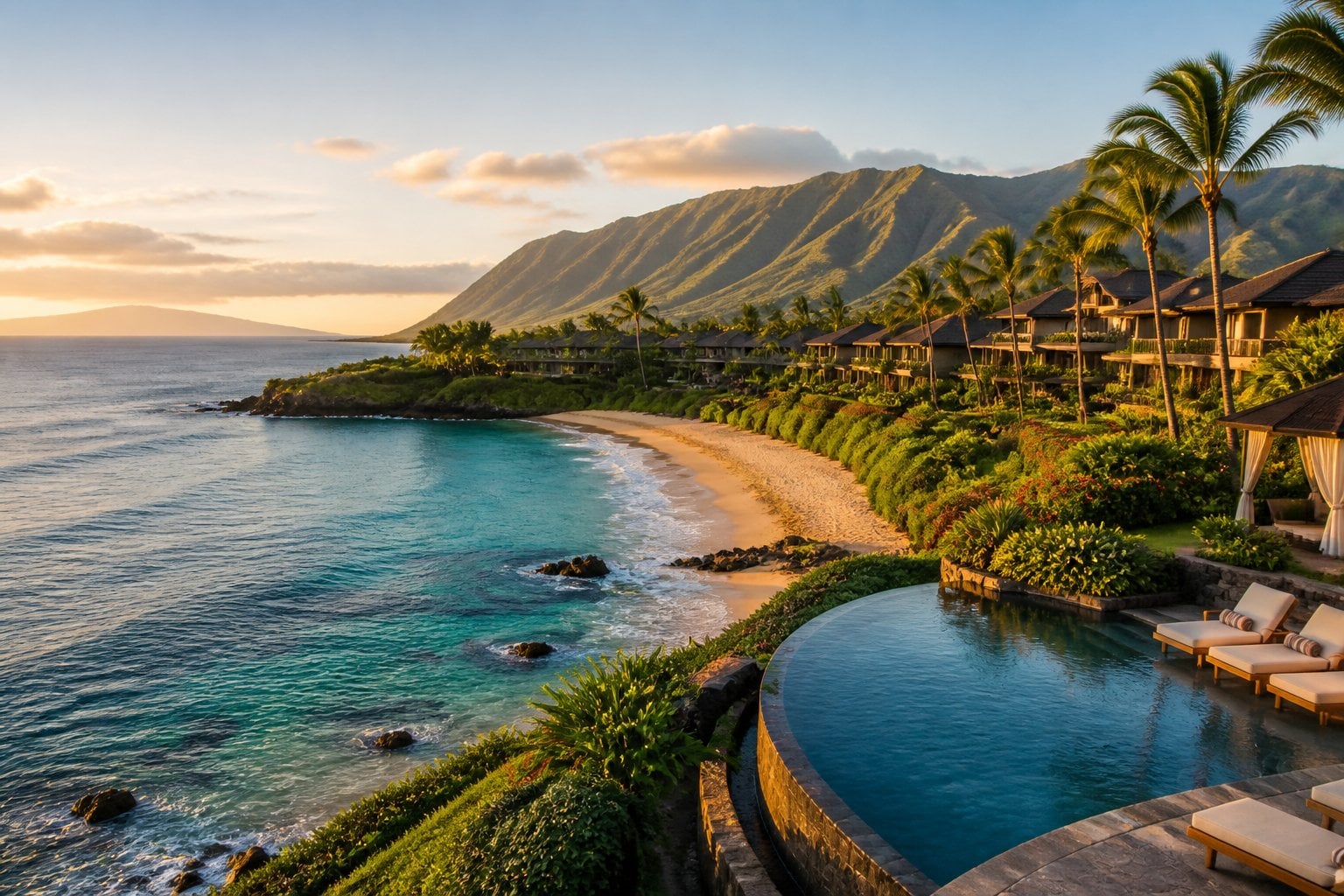
Maui ranks among the most expensive destinations you can choose in the United States. Its isolated location means most food and consumer goods arrive by ship or plane, which raises prices across the board.
You’ll typically pay $400 to $600 per night for a mid-range hotel room. If you stay in areas like Wailea or Kapalua, expect luxury resort rates to exceed $1,000 per night.
Hawaii’s General Excise Tax adds another layer of cost to nearly every purchase you make, from meals to activities. Flights alone often run over $300, even when you book the cheapest available fares.
For a mid-range trip, you should budget roughly $350 to $500 per day. This covers lodging, food, transportation, and basic activities without extravagant spending.
Maui’s high costs reflect its popularity and limited resources, so planning your budget ahead of time helps you avoid surprises.
15. Kauai, Hawaii
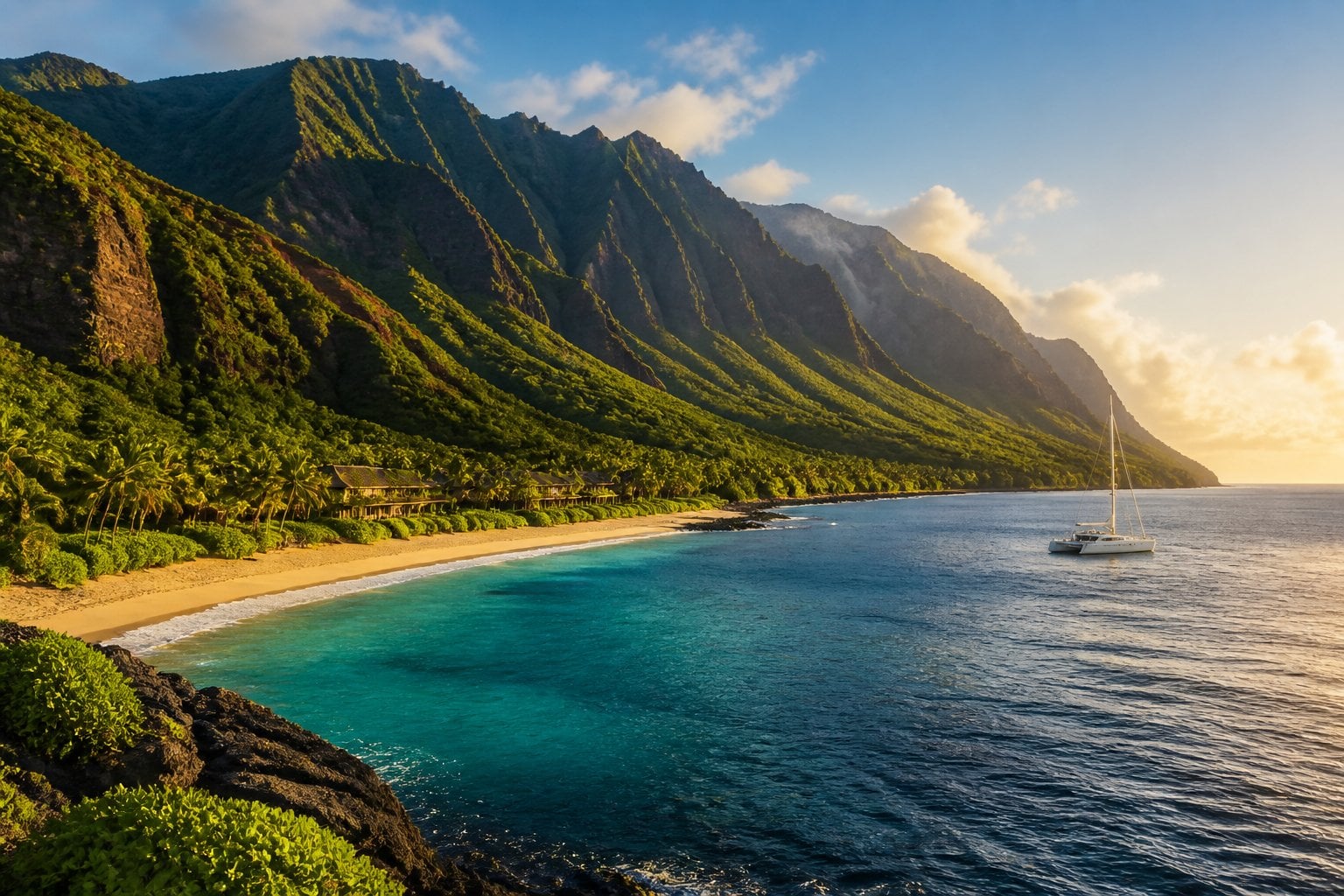
Kauai gives you a quieter, greener alternative to Oahu and Maui, but it still carries a high price tag. Average hotel rates run between $370 and $490 per night, and combined lodging taxes add nearly 19% on top of that.
You’ll find both budget-friendly stays and high-end resorts along the north and south shores, so your total cost depends heavily on where you choose to base yourself. Luxury properties dominate areas like Princeville and Poipu, drawing visitors who want secluded beaches and upscale amenities.
Food, rental cars, and activities like helicopter tours or boat trips to the Na Pali Coast add up quickly. If you’re watching your budget, visiting in fall, particularly September, tends to bring lower rates before the winter crowds arrive.
Rain is also a factor you should plan around, since the north shore receives significantly more precipitation than drier regions of the island.
16. Oahu, Hawaii
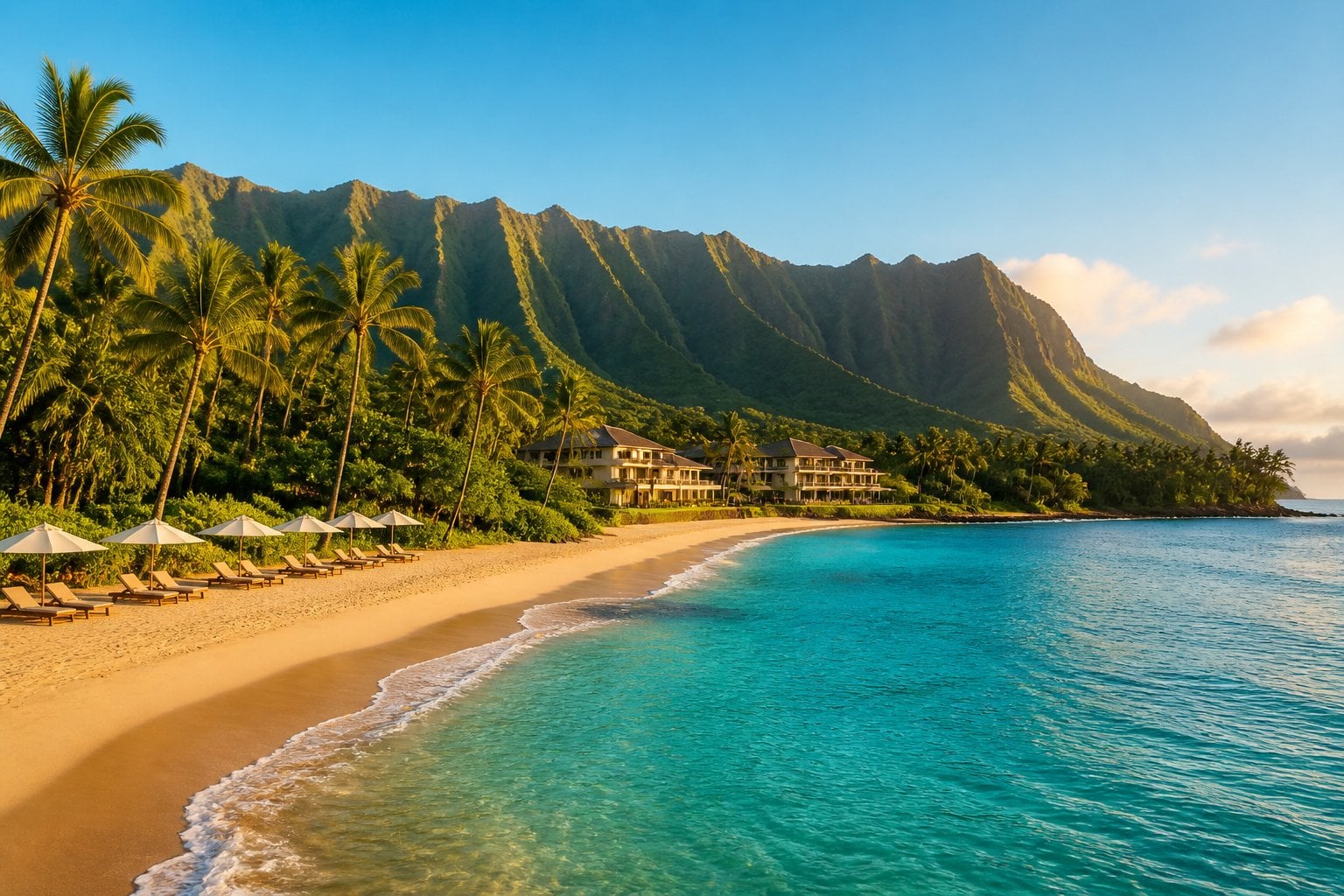
Oahu costs you around $371 per day on average, placing it firmly among the pricier US destinations. Waikiki hotels, restaurants, and activities all carry premium price tags.
You’ll pay more here than in most mainland cities. Honolulu, Oahu’s main hub, charges the highest tourist tax of any city in the world, adding another layer of expense to your trip.
If you want beachfront access in Waikiki, expect nightly rates that rival major metropolitan areas. Ko Olina and Turtle Bay offer quieter, resort-style alternatives, but these come with their own luxury pricing.
Flights to Oahu also add significant cost, since you’re traveling to an island in the middle of the Pacific. Food and drink prices reflect the expense of importing most goods.
Your total trip budget should account for accommodation, dining, transportation, and activities—all of which run higher than typical US vacation spots.
17. The Big Island, Hawaii

The Big Island’s Kohala Coast has become one of Hawaii’s priciest places to stay, thanks to renovated resorts and rising demand from travelers seeking fewer crowds than Oahu or Maui. Isolation drives much of the expense here: nearly everything you buy, from groceries to building materials, arrives by ship or plane.
Expect resort rates along South Kohala to rival or exceed those on other islands, especially at properties with private beaches and full-service spas. A week-long stay, once you factor in food, activities, and a rental car, can easily run several thousand dollars per person.
You’ll also pay a premium for volcano tours, ocean excursions, and dining, since the island’s tourism economy caters heavily to high-end travelers. Even modest vacation rentals carry costs shaped by limited housing supply and steady visitor interest.
18. New York City, New York

New York City is one of the most expensive destinations in the country, and you’ll notice it immediately at check-in. Hotel rooms often start around $300 a night, with rates climbing much higher in Manhattan during peak seasons.
Dining costs add up quickly. A meal at a well-regarded restaurant can run $50 to $100 per person, before drinks or tips.
Getting around isn’t cheap either. Taxis and rideshares carry premium fares, and even a casual night out for drinks can strain your budget.
You’ll find that attraction tickets, from Broadway shows to major landmarks, come with steep price tags as well. Combined with the daily cost of food, transportation, and lodging, a New York trip requires careful budgeting.
Despite the expense, the city’s cultural offerings, dining scene, and landmarks continue to draw travelers who are willing to pay for the experience.
19. The Hamptons, New York
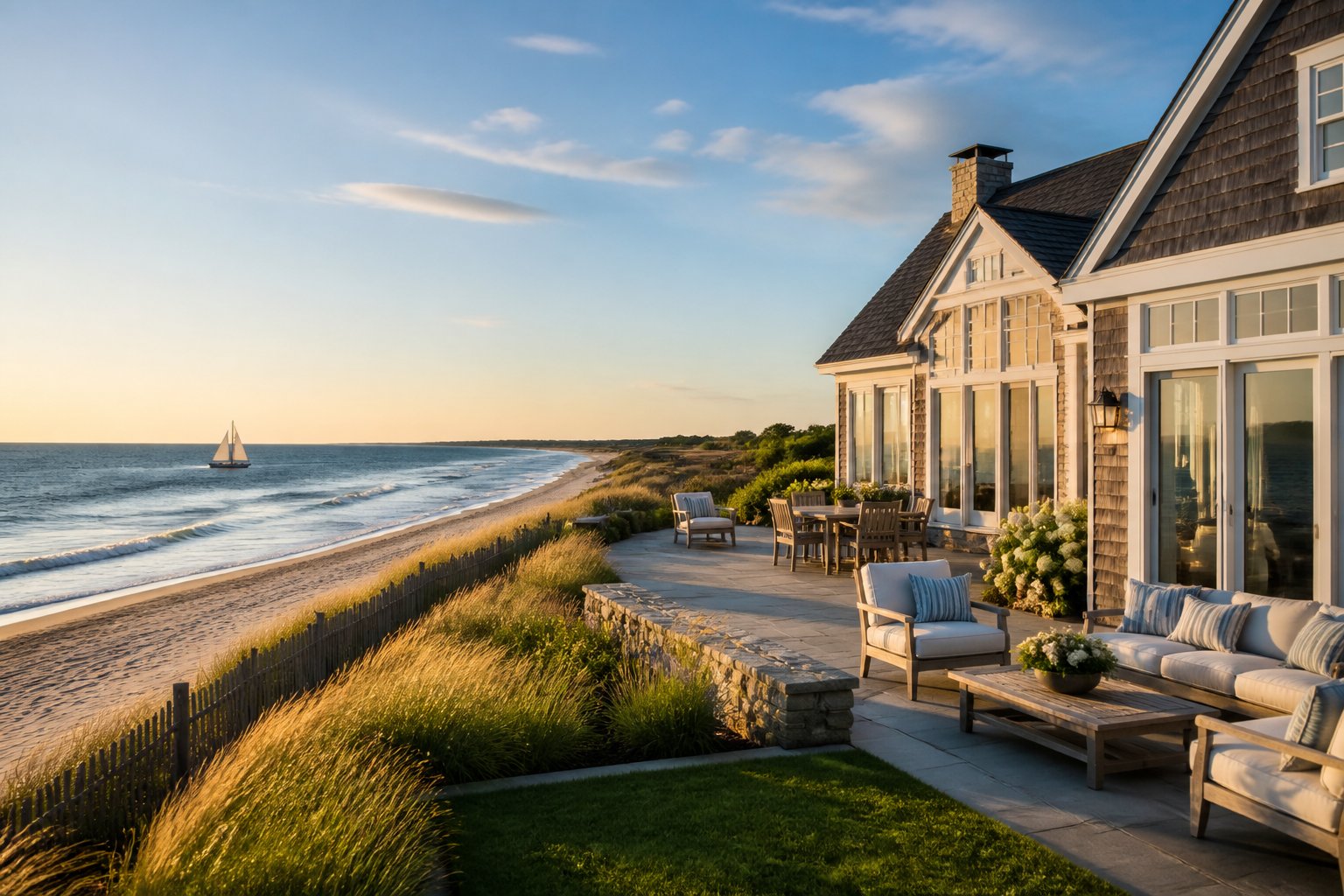
The Hamptons stretch across Long Island’s South Fork, covering towns like East Hampton, Southampton, and Montauk. You’ll find this region ranks among the most costly summer destinations in New York State, with lodging prices climbing sharply during peak season.
Vacation home rentals average over $1,200 per night in Montauk, while hotel rates there run around $639 nightly. Southampton offers colonial-era architecture alongside modern estates, drawing wealthy second-home owners and seasonal visitors year after year.
You can expect steep prices at every turn here, from oceanfront properties to local dining. Since the pandemic, real estate values have risen further, with some of the country’s priciest property sales occurring in this area in recent years.
Transportation options include the Hampton Jitney, a coach service connecting New York City to various Hamptons towns. Many hotels also provide shuttle services for guests seeking to explore the area’s beaches and villages without arranging their own transport.
20. Miami Beach, Florida
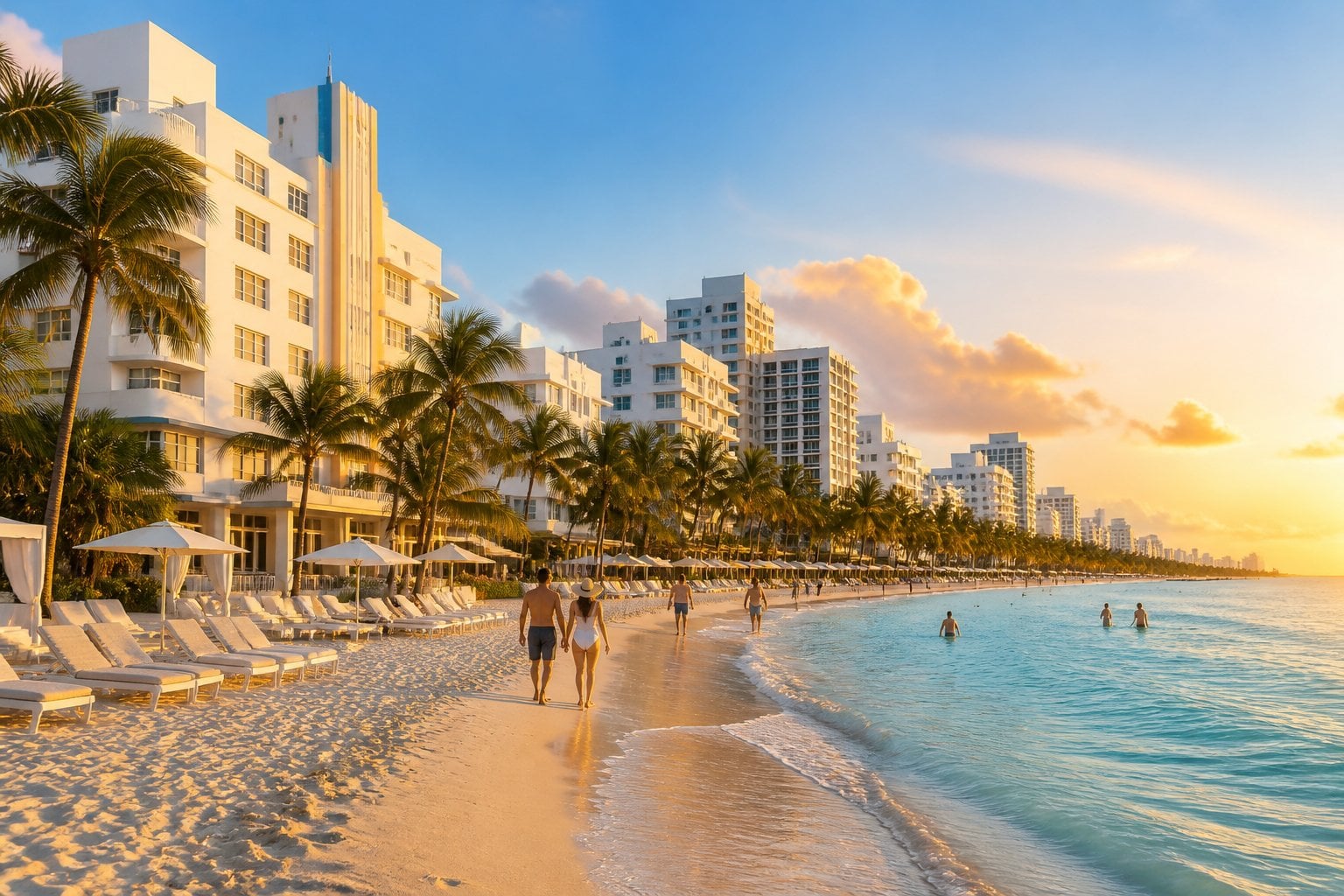
You’ll pay a premium to stay in Miami Beach, especially along Ocean Drive and Collins Avenue. Hotel rates often run $300 to $500 per night during peak winter season, and rooftop bars or beach clubs add further cost.
Your dining budget disappears quickly here too. South Beach restaurants charge tourist-driven prices, and valet parking or resort fees can add $30 to $50 daily to your bill.
You’re also dealing with seasonal demand swings. Art Basel in December and spring break months push prices higher than you’d find in summer.
If you want beachfront access without a private club, you’ll still pay for beach chair and umbrella rentals. Miami Beach’s appeal lies in its nightlife, architecture, and oceanfront setting, but you should expect costs that reflect its status as one of Florida’s most recognized destinations.
21. Palm Beach, Florida
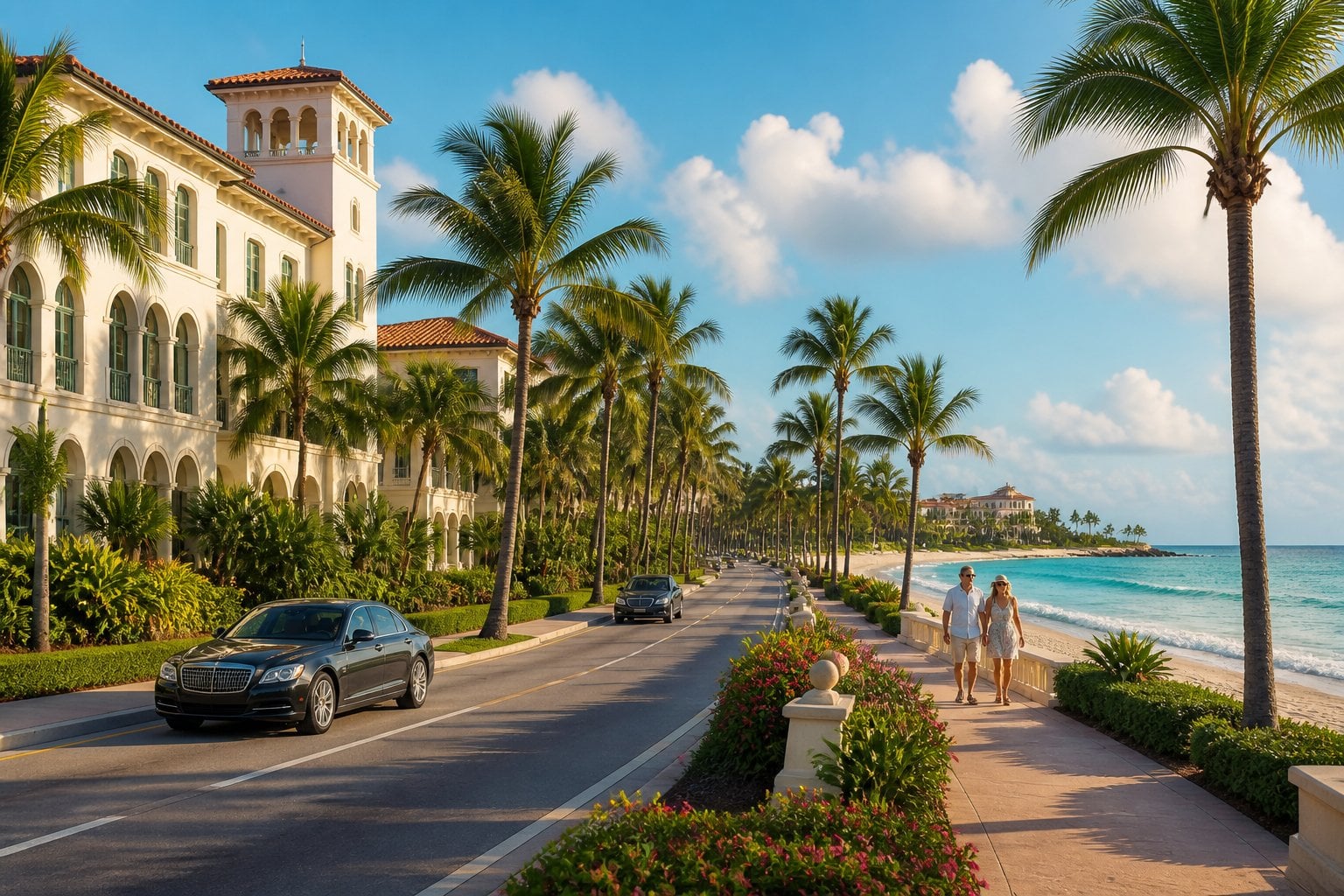
You’ll find one of the wealthiest communities in the country on this barrier island. Average household incomes here reach over $356,000, and median home values exceed $10 million. It has one of the highest concentrations of millionaires in the United States.
Your trip will likely center on Worth Avenue, where designer boutiques line the street. The town also has award-winning golf courses and several Forbes Five-Star-rated hotels and spas.
Hotel rates place West Palm Beach among Florida’s priciest destinations, with average nightly rates often exceeding $400. You’ll pay a premium for dining and accommodations here compared to most other Florida cities.
If you’re planning a visit, expect costs comparable to other elite coastal destinations. Palm Beach caters to travelers seeking a polished, upscale experience rather than budget-friendly options.
22. Key West, Florida
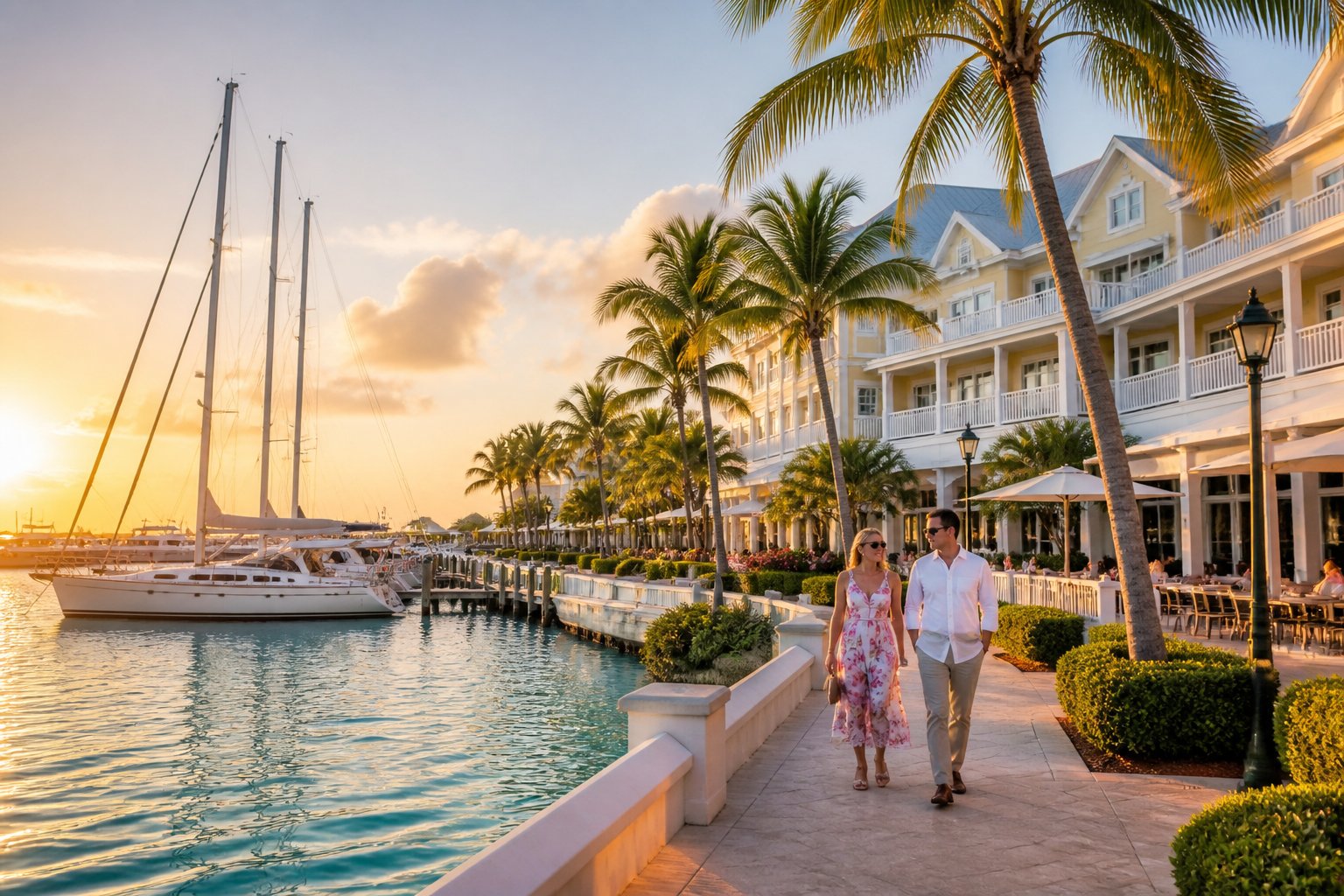
Key West sits at the southernmost tip of the continental United States, and its geography drives its cost. Limited land means limited housing and hotel supply, which pushes prices upward year-round.
You’ll find that accommodations, dining, and activities here cost noticeably more than in mainland Florida cities like Miami or Tampa. A mid-range trip typically runs between $280 and $350 per day. If you’re after luxury resorts and fine dining, expect daily costs to climb past $700.
Peak season intensifies these prices further, especially around winter holidays and spring break. You’re paying not just for a bed, but for access to a small island with high demand and few alternatives.
The colorful architecture, sunset celebrations, and waterfront dining draw steady crowds despite the expense. You should plan your budget with these seasonal swings in mind before booking.
23. Naples, Florida
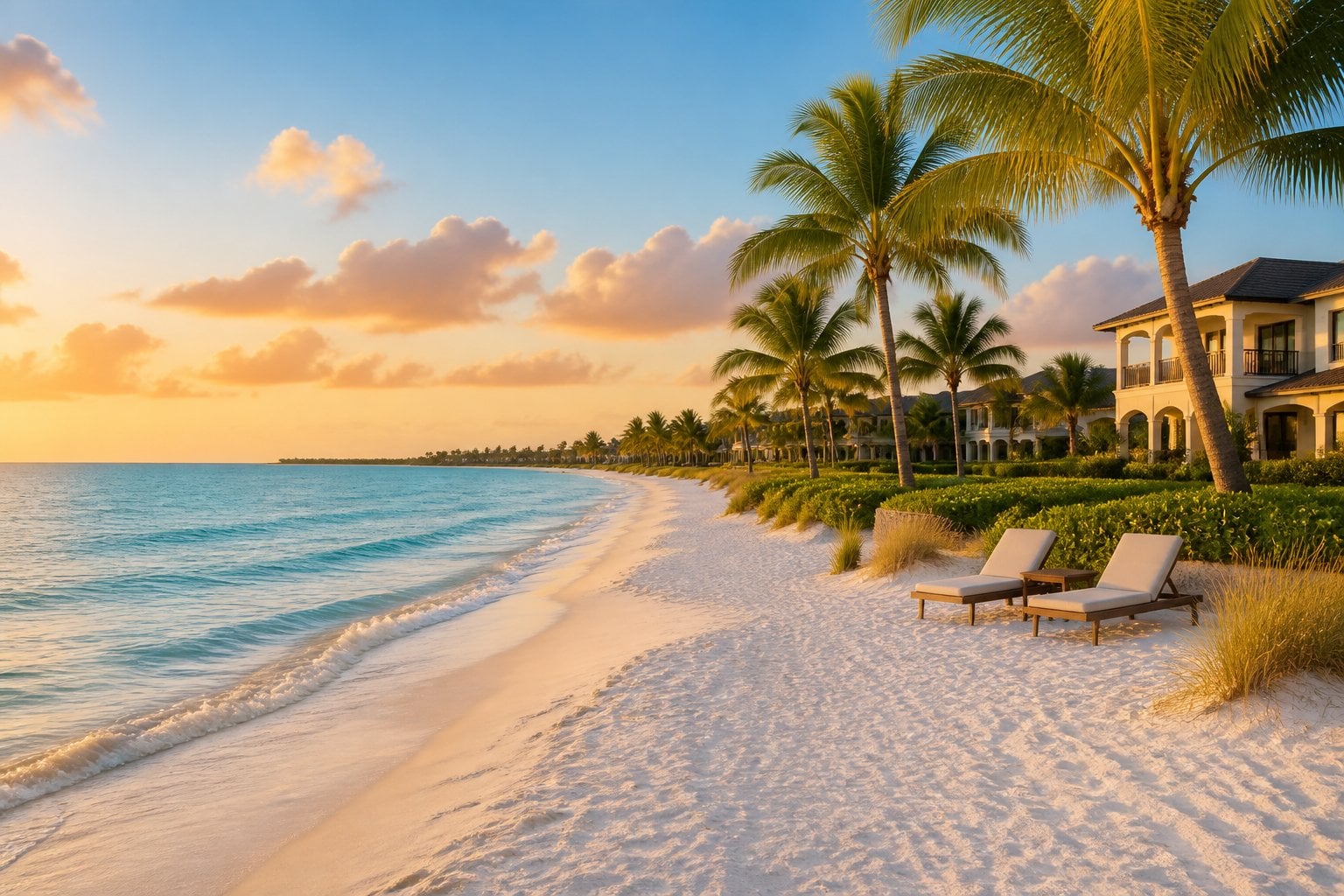
Naples sits on Florida’s Gulf Coast and ranks among the state’s pricier destinations. You’ll find average hotel rates that climb well above many other Florida cities, particularly during the winter high season.
The area draws visitors with its beaches, upscale shopping on Fifth Avenue South, and proximity to Everglades National Park. This appeal keeps demand steady, which supports higher prices for lodging and dining.
You should expect nightly hotel rates to run higher than budget-friendly spots like Clearwater. Restaurants in Naples also tend toward the upscale side, reflecting the city’s reputation as a retirement and vacation destination for those with disposable income.
If you’re planning a trip, booking outside peak winter months can help you manage costs. Rates typically ease during the summer, though humidity and heat increase during that stretch.
24. Orlando, Florida
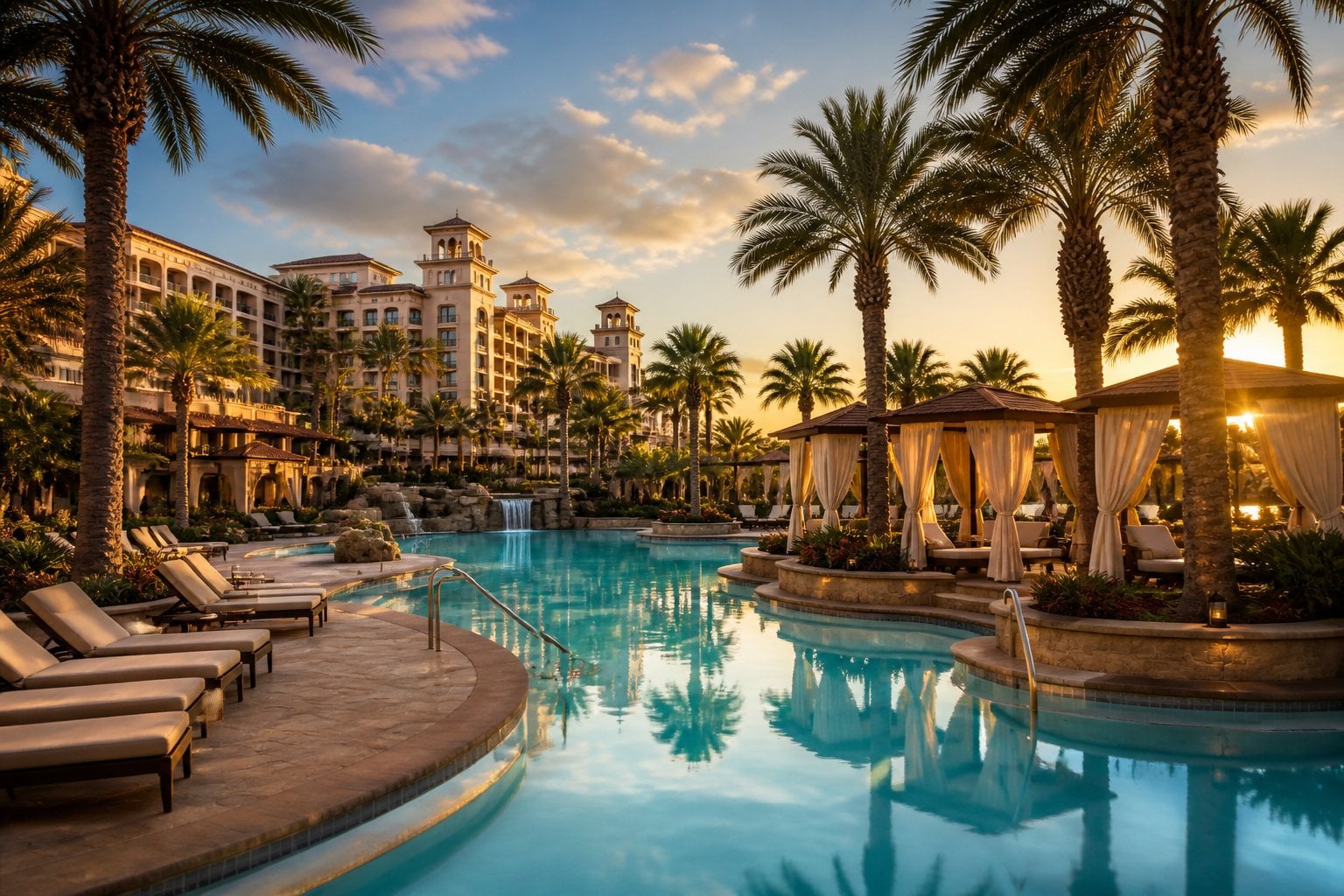
Orlando ranks among the more expensive vacation destinations in the country, largely because of theme parks. If you’re visiting Walt Disney World or Universal Studios, expect ticket prices, on-site hotels, and dining costs to add up quickly.
A budget trip runs around $100 per day, but that figure rises sharply once you factor in park admission. Mid-range travelers often spend $400 or more daily, and luxury visitors can pay upwards of $1,700 per day for premium resorts and exclusive experiences.
Airfare and lodging outside the parks tend to be more reasonable than the on-site options. You’ll find better value by booking hotels farther from the parks and budgeting separately for tickets and meals.
Orlando’s overall cost depends heavily on how much time you spend inside the parks versus exploring the surrounding area.
25. Charleston, South Carolina
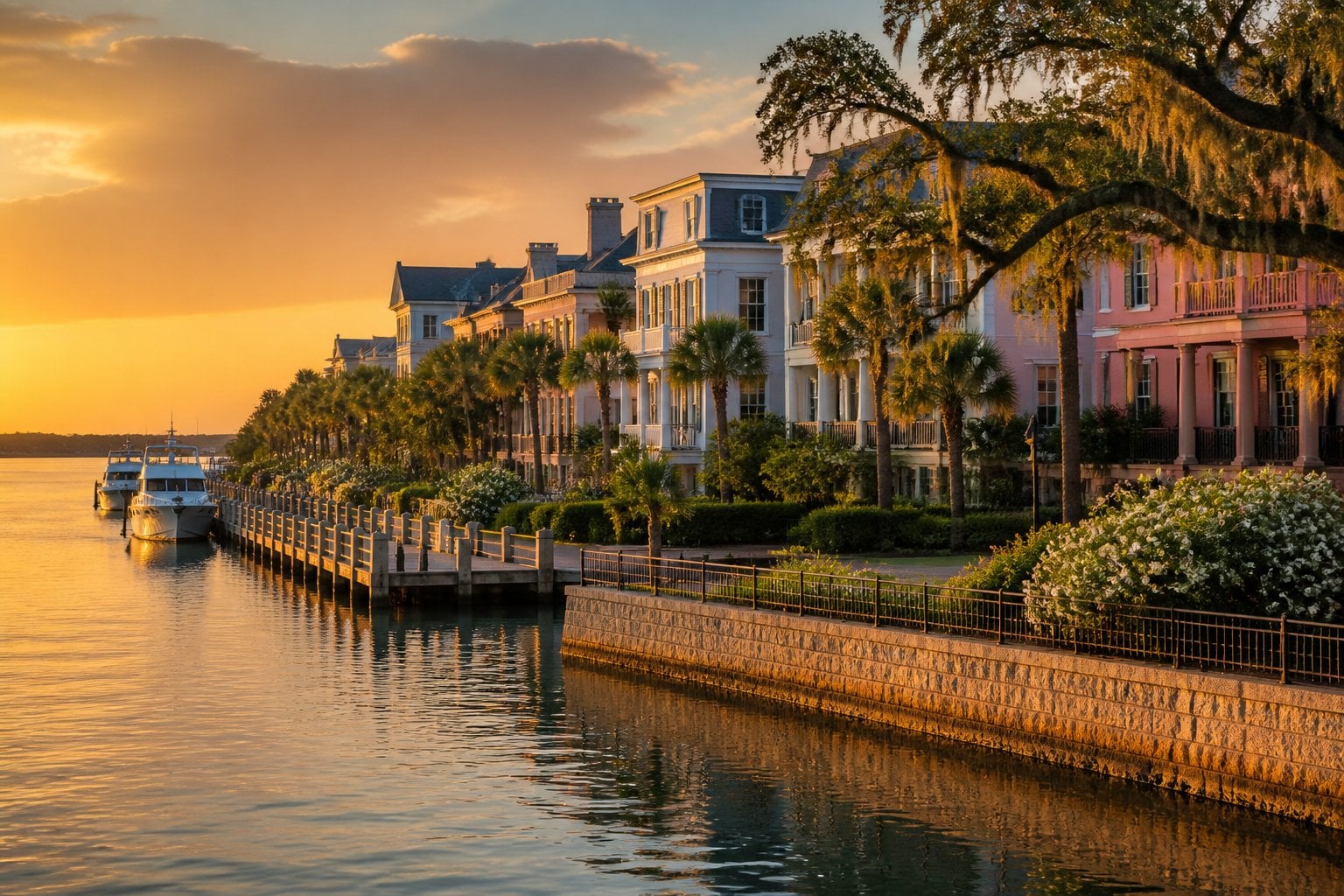
Charleston consistently ranks among the priciest travel destinations in the country. You’ll find that historic inns and upscale hotels drive much of this cost, with properties like The Dewberry and Hotel Bennett charging well above $500 per night during peak seasons.
The city’s appeal lies in its historic architecture, cobblestone streets, and coastal charm. You’re paying for access to some of the most significant historic sites in the country, including the Charles Pinckney National Historic Site.
Beyond lodging, your expenses add up through museum admissions, dining, and airfare. Seasonal demand affects pricing significantly. Spring rates have shown some fluctuation, with room costs varying year to year, though Charleston remains firmly positioned among the most expensive US cities to visit.
If you’re planning a trip here, expect premium pricing across accommodations, especially in the historic district where demand stays consistently high.
26. Hilton Head Island, South Carolina
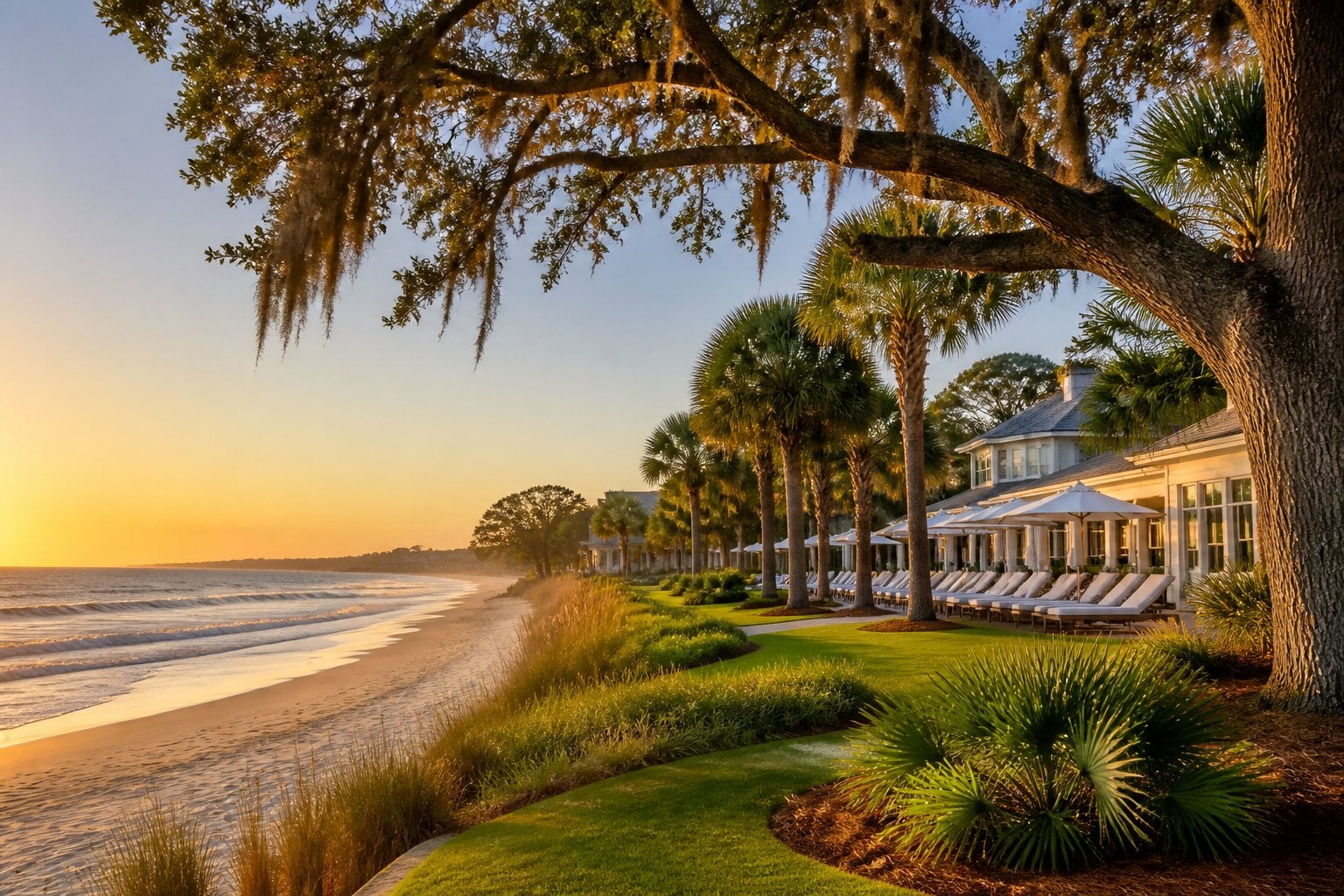
Hilton Head Island ranks among South Carolina’s most expensive coastal destinations. Its beaches, golf courses, and resort properties draw visitors willing to pay a premium for the setting.
Luxury hotel prices reflect this demand. You can expect to pay over $1,000 per night on average at top-tier properties, with high-season rates climbing close to $2,000.
Vacation ownership resorts, such as Marriott’s SurfWatch, offer villa-style accommodations with full kitchens and oceanfront views, but these come with their own cost premiums.
Your overall trip budget matters too. Average vacation costs on Hilton Head Island run around $1,700, placing it among the priciest travel spots in the state alongside Charleston.
If you’re planning a visit, expect championship golf courses, day spas, and fine dining to factor into your expenses. The island’s appeal to affluent travelers keeps prices elevated across accommodations, dining, and recreational activities year-round.
27. Savannah, Georgia
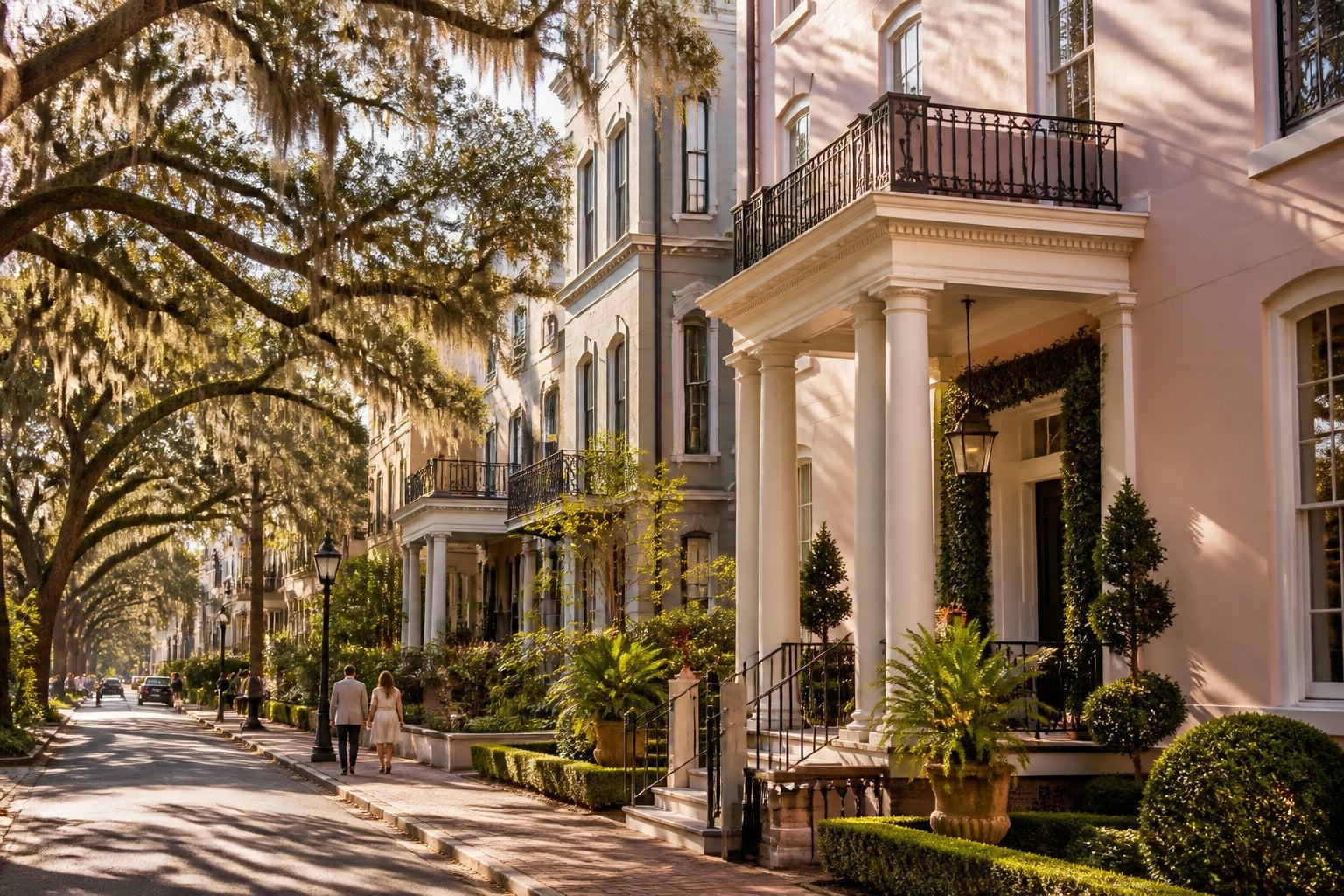
You’ll find Savannah offers a mix of historic charm and coastal appeal, with costs that fall in the moderate-to-high range for U.S. destinations. Your average daily spending here lands around $202, covering lodging, meals, and local transportation.
Hotel rates in the historic district tend to run higher than in surrounding areas, especially if you book near River Street or the downtown squares. You can expect nightly rates to climb further during peak seasons like spring and early fall.
Dining adds up quickly if you stick to the well-known restaurants in the tourist core. You’ll pay a premium for waterfront views or seats near landmark sites.
Nearby coastal spots like Tybee Island push regional costs even higher, with average nightly rates exceeding $160. If you’re budgeting for a Savannah trip, plan for accommodations and dining to account for most of your expenses.
28. Martha’s Vineyard, Massachusetts
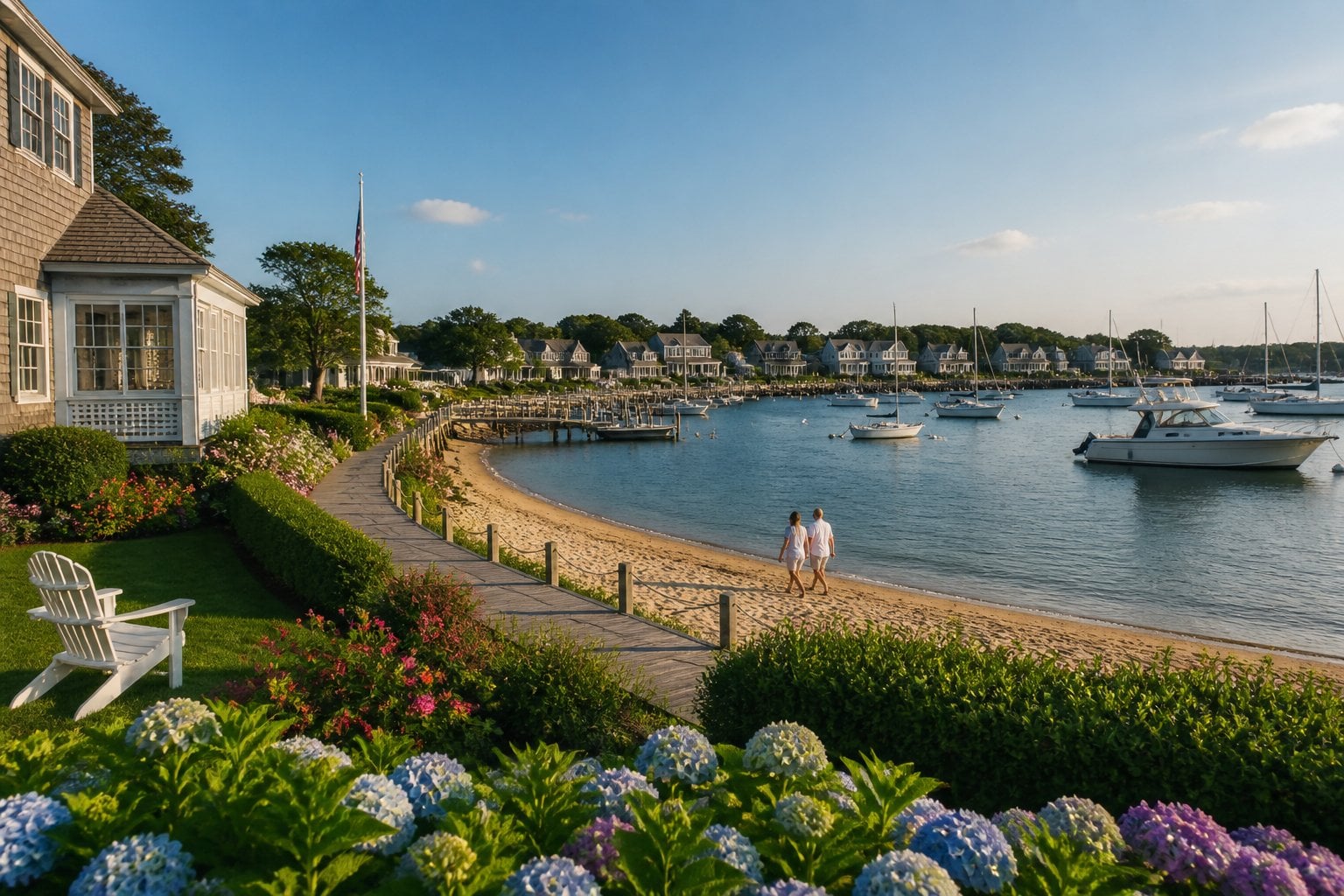
You’ll find Martha’s Vineyard among the most expensive summer destinations in the country. A recent survey by CheapHotels.org ranked this Massachusetts island at the top of the list for hotel rates in August 2025.
Your budget matters here, since the island’s popularity drives prices up significantly during peak season. Demand spikes as visitors seek out the six distinct towns, each with its own character, from the gingerbread cottages of Oak Bluffs to the quiet elegance of Edgartown.
You should book accommodations well in advance if you’re planning a trip. Limited lodging supply on the island, combined with high seasonal demand, keeps rates elevated throughout the summer months.
Your options extend beyond hotels, though. You can also explore the island’s beaches, lighthouses, and harbor towns without spending on lodging, which helps offset the overall cost of your visit.
29. Nantucket, Massachusetts
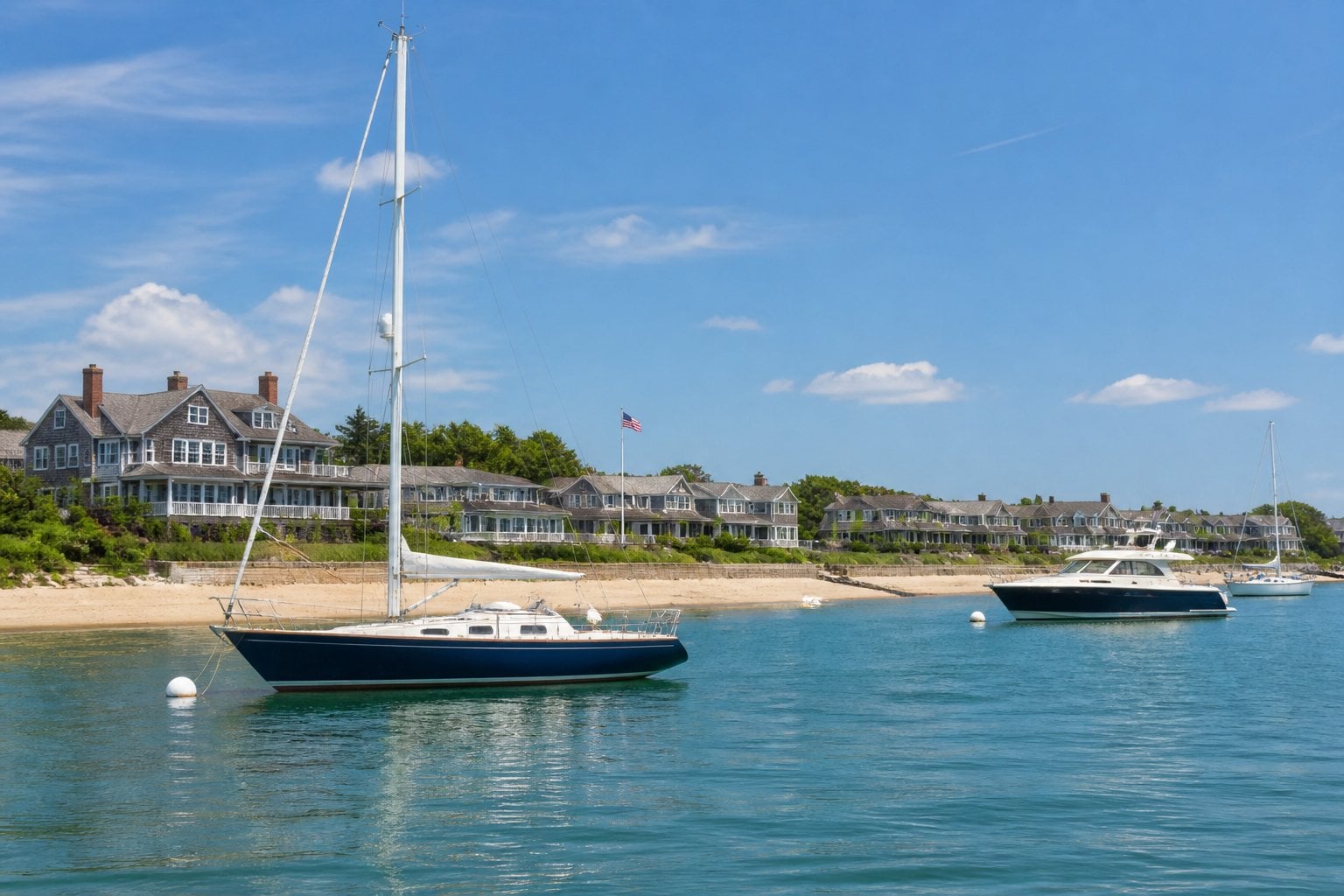
Nantucket sits off the coast of Cape Cod, and it consistently ranks among the priciest destinations in the country. Recent surveys put average nightly hotel rates above $600, with some reports citing figures closer to $700 depending on the season and property type.
You’ll find limited lodging options here, since the island’s small size restricts development. This scarcity keeps prices elevated, especially during peak summer months when demand spikes.
Ferry access adds another layer of cost and planning to your trip. You can’t simply drive onto the island, so transportation expenses factor into your overall budget.
Dining and retail on Nantucket reflect the same upscale positioning as its hotels. You’ll notice this pattern extends across most services, from restaurants to boutique shops.
If you’re considering a visit, expect August rates to reach their highest point, making shoulder-season travel a more budget-friendly alternative.
30. Boston, Massachusetts
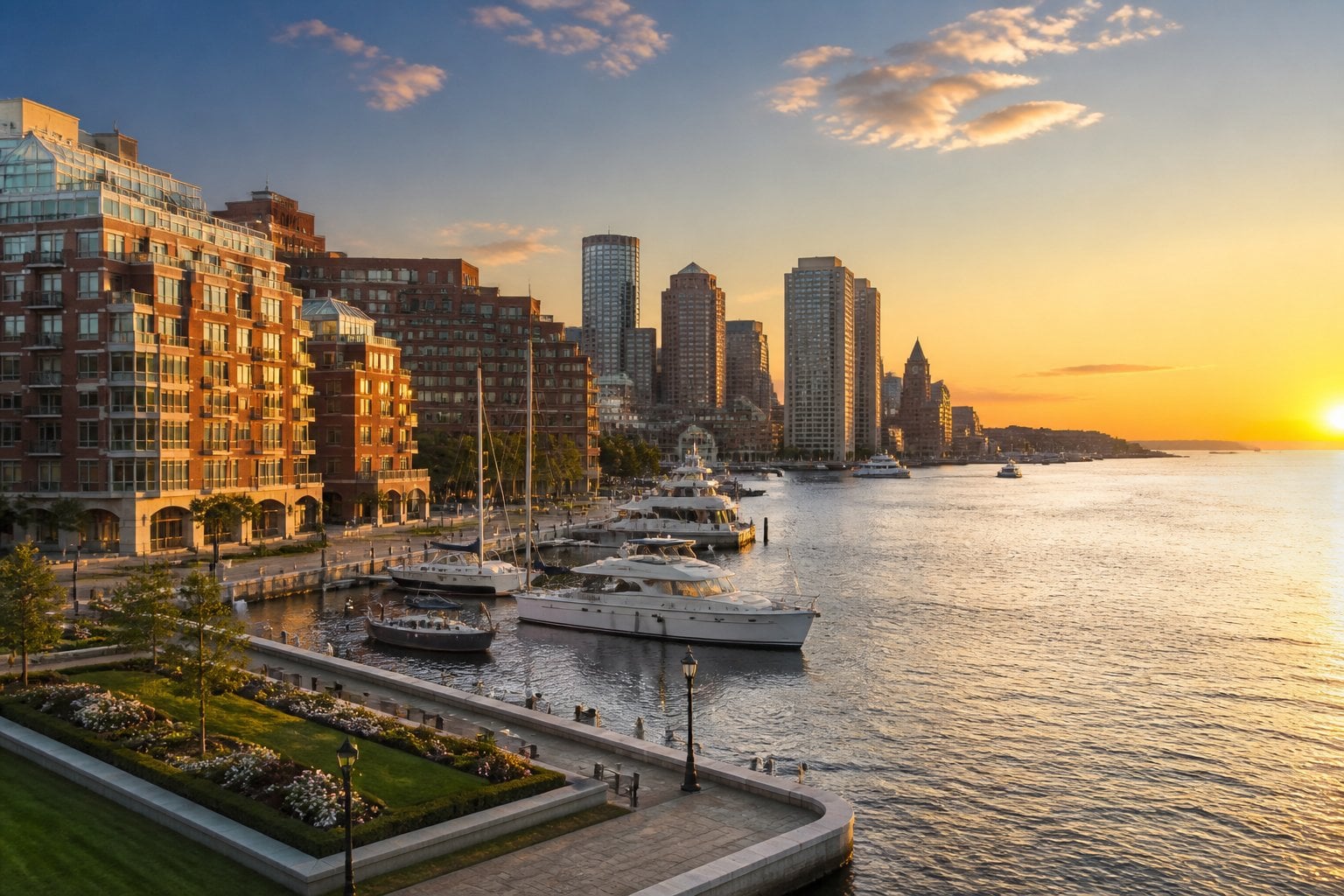
Boston earns a spot on this list largely because of its hotel rates. Average nightly rates hit around $320, among the highest in the country, and that figure has climbed roughly 5% over the past year.
You’ll pay a premium here for a combination of factors: limited hotel inventory, steady business travel, and constant demand from students, families, and tourists visiting the city’s historic sites. Neighborhoods near Back Bay, Beacon Hill, and the Seaport District tend to carry the highest room rates.
Dining costs add to the expense. Seafood restaurants and upscale eateries throughout the city charge prices that rival those in New York or San Francisco.
If you’re planning a visit, expect your accommodation budget to stretch further than in most other U.S. cities, even during off-peak seasons.
What Drives Luxury Travel Costs
Your travel budget is shaped by two main forces: when you book your trip and where your money goes once you arrive. Understanding both helps you anticipate why certain destinations command premium prices.
Seasonality And Peak-Demand Pricing
You’ll pay more when you travel during a destination’s peak season. Hotel rates, flight prices, and even restaurant reservations climb sharply during holidays, summer months, or local events.
In ski towns like Aspen, winter months bring the highest rates. Coastal spots like the Hamptons see costs surge in summer.
You can expect these patterns:
- Holiday weekends: Prices often increase by 30-50% compared to regular weekdays
- Local festivals or events: Hotel availability drops, pushing nightly rates higher
- School breaks: Family-friendly destinations see demand spikes that affect all price categories
If you shift your travel dates by even a few weeks, you’ll often find significantly lower costs at the same destination.
Accommodation, Dining, And Activity Expenses
Your lodging choice typically represents the largest portion of your trip cost. Luxury destinations often average hotel rates above $180 per night, with high-end resorts and boutique properties reaching much higher.
Dining costs vary based on your choices. A casual meal might cost you $20-30 per person, while fine dining experiences in destinations like Napa Valley or Martha’s Vineyard can exceed $150 per person.
Activities and attractions add another layer of expense:
You’ll notice that entry fees for popular attractions have risen steadily, particularly at national parks, theme parks, and ticketed experiences in tourist-heavy areas.
How To Plan A High-End U.S. Getaway
A luxury trip to a premium destination requires more planning than a standard vacation, since prices for lodging, dining, and activities can shift dramatically by season and location. Knowing your spending limits and where to find genuine value will help you avoid overpaying while still enjoying a high-quality experience.
Setting A Realistic Travel Budget
Start by identifying your total trip cost, including flights, accommodations, meals, activities, and incidentals like resort fees or gratuities.
Luxury destinations often carry hidden costs. A five-star hotel room rate may not include daily resort fees, parking, or spa access, which can add $50 to $150 per day.
Break your budget into categories:
- Lodging: 35-45% of total budget
- Dining: 20-25%
- Activities and experiences: 15-20%
- Transportation: 10-15%
- Miscellaneous and tips: 5-10%
Book flights and accommodations at least three to four months in advance for peak seasons. This gives you access to better rates before prices climb closer to your travel dates.
Finding Value Without Sacrificing Experience
You can access luxury without paying peak rates by traveling during shoulder seasons, typically the weeks just before or after a destination’s busiest months.
Aspen and Jackson Hole, for example, see lower hotel rates in late spring and early fall compared to ski season or summer peak months.
Consider these strategies:
- Book a high-end hotel for one or two nights, then choose a moderately priced property for the remainder of your stay
- Use hotel loyalty programs for room upgrades or complimentary breakfast
- Look for package deals that bundle lodging with activities like spa treatments or golf
- Dine at acclaimed restaurants for lunch instead of dinner, since prices are often 20-30% lower
Research destination-specific discount periods, such as restaurant weeks or off-peak museum passes, which allow you to experience top attractions at reduced cost.


