
The Wellness Retreat: A Journey Into Restoration, Stillness, and the Art of Coming Home to Yourself
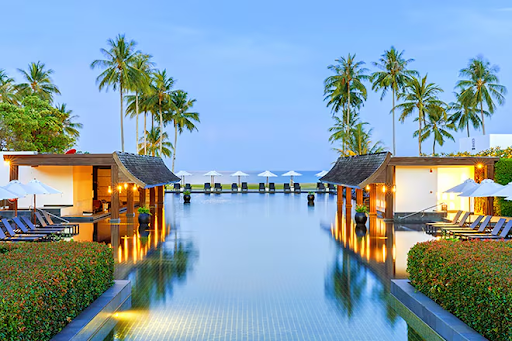
Somewhere between the relentless ping of notifications and the quiet ache of a body that has forgotten what rest feels like, a question begins to surface for the modern traveler. What if the most luxurious thing in the world is not opulence, but silence? What if the rarest amenity is not a thread count or a Michelin star, but the permission to slow down?
This is the question driving a profound shift in the hospitality industry. A growing number of travelers are no longer searching for vacations that exhaust them with itineraries. Instead, they seek sanctuaries that restore them, destinations where wellness is not an afterthought but the foundational design principle, where natural beauty is not a backdrop but a participant in the healing, and where the staff understand that the most meaningful service often comes in the form of giving guests their time back.
Across Marriott International’s wellness-forward portfolio, three extraordinary properties answer this call in deeply distinct ways. One floats in the warm embrace of the Indian Ocean. One nestles in the spiritual heart of Bali. One has reimagined what mindfulness looks like inside one of the world’s busiest megacities. Together, they represent a quiet revolution in luxury travel, one where the journey inward has finally become as celebrated as the journey outward.
The New Definition of Luxury
For decades, luxury travel was measured in superlatives. The biggest suite. The most elaborate dining. The longest list of amenities checked off on a brochure. But something shifted as the world grew louder, faster, and more demanding. The travelers who could afford anything began to crave what money cannot easily buy: deep sleep, unhurried mornings, conversations with no agenda, meals eaten slowly, water clear enough to see your own reflection in.
The properties featured in this article have built their entire philosophies around delivering exactly this. They understand that true wellness is not a spa menu. It is a culture. It permeates the architecture, the lighting, the ingredients, the soundscape, the staff training, and even the structure of a guest’s day. From the moment of arrival to the final farewell, every detail has been considered with one question in mind. Will this restore the guest, or deplete them?
What follows is a journey through three sanctuaries where that question is answered, beautifully, every single day.
The Westin Maldives Miriandhoo Resort: Where Wellness Meets the Indian Ocean
The journey begins, as all great journeys often do, with a moment of suspended disbelief. After a thirty-minute seaplane glide from Malé, the capital of the Maldives, the resort reveals itself as a constellation of overwater villas circled by impossibly clear water. The Westin Maldives Miriandhoo Resort sits within the UNESCO Biosphere Reserve in Baa Atoll, one of the most ecologically protected and biodiverse regions in the entire Indian Ocean, and the setting is so cinematic that even seasoned travelers find themselves genuinely speechless during the descent.
But what makes this resort extraordinary is not merely where it sits. It is the philosophy that animates every corner of the property. The Westin brand has long built its identity around a holistic approach to traveler well-being, organized around six pillars that include sleeping well, eating well, moving well, feeling well, working well, and playing well. At Miriandhoo, these pillars find their fullest expression, transforming a beautiful island resort into something closer to a complete restoration program disguised as a vacation.
The accommodations themselves are designed to dissolve stress on contact. Overwater villas come with private decks, infinity pools, and direct ocean access, and select accommodations feature glass floor panels that allow guests to observe marine life directly beneath their feet. The brand’s iconic Heavenly Bed experience anchors every room, a sleep system so renowned for its restorative properties that guests famously inquire about purchasing one to take home. Each evening, turndown service includes a small but telling gesture, a Sleep Well lavender balm placed on the bed to support the night’s rest. It is the kind of detail that separates a hotel from a true wellness retreat.
The Heavenly Spa by Westin sits as the centerpiece of the property’s restorative offerings. Surrounded by ocean vistas, the spa offers an extensive menu of treatments including body scrubs, body wraps, couples massages, facials, scalp treatments, and natural beauty therapies. In-suite massages are available for those who prefer to receive their treatments in the privacy of their own villa, with the sound of the ocean as the only soundtrack. The spa also offers fitness counseling services and instruction in the art of massage, allowing guests to take elements of the experience home with them.
Movement and fitness are equally elevated. The WestinWORKOUT Fitness Studio operates 24 hours a day, seven days a week, and includes personal instructor support, sauna and steam rooms, and complete cardiovascular and strength equipment. The infinity pool, framed by aerial views of the atoll, offers spaces for both contemplative laps and lazy floating afternoons.
Eating well at Miriandhoo is treated with the seriousness it deserves. Five exceptional restaurants and bars provide a culinary journey across cuisines and moods. The Pearl offers refined Japanese dining including freshly caught seafood and traditional Kaiseki multi-course menus. Island Kitchen features the brand’s signature Eat Well menu with light, healthy creations crafted from natural ingredients designed to energize rather than weigh down. Hawker brings vibrant Asian street food to a casual beachside setting with live cooking stations, while Sunset Bar and Beach Bar provide ocean-view spaces for cocktails and lighter bites.
The natural environment surrounding the resort is itself a wellness amenity. Baa Atoll is home to over 250 species of coral and one of the world’s largest concentrations of manta rays and whale sharks. The iconic Hanifaru Bay, located eighteen kilometers from the resort, offers seasonal manta ray snorkeling between June and October, an experience that wellness travelers consistently describe as among the most awe-inspiring of their lives.
What ties everything together is the property’s deep commitment to environmental stewardship. The installation of 650 solar panels has saved an estimated 129,000 kilograms of CO2 emissions by February 2025, the equivalent of planting 3,800 trees. Organic farming at Green Delight provides fresh produce, while marine protection initiatives at Hanifaru Bay support ongoing conservation. The resort has earned Green Globe Certification in recognition of these efforts, and it offers guests over 100 curated experiences through the Good Travel with Marriott Bonvoy program, focusing on environmental protection, community engagement, and marine conservation. Restoration here, it turns out, is not just for the guest. It is for the planet that holds them.
Mandapa, a Ritz-Carlton Reserve: A Sanctuary in the Spiritual Heart of Bali
Twelve hundred miles southeast, in the cultural and spiritual center of Bali, an entirely different but equally profound wellness experience awaits. Mandapa, a Ritz-Carlton Reserve sits in Ubud, where the lush tropical jungle gently meets the sacred Ayung River, and the property’s name itself, drawn from the entrance of a traditional Hindu temple, signals immediately that this is a place of passage, threshold, and quiet transformation.
The Ritz-Carlton Reserve collection represents the apex of the entire global Marriott Bonvoy portfolio. Only a handful of these intimate properties exist worldwide, and they are unified by exceptionally low room counts, anticipatory service so refined it seems almost telepathic, and deep, considered integration with their natural and cultural surroundings. At Mandapa, this translates to just 35 suites and 25 private pool villas, ensuring that even at full occupancy the property feels not like a resort but like a private estate, a hidden village known only to those fortunate enough to discover it.
The setting is otherworldly. Rolling hills frame the property on every side, working rice paddies stretch out in geometric beauty, ancient temples stand majestic against the backdrop of green terraces, and the Ayung River winds peacefully along the property’s edge. Every accommodation has been thoughtfully designed by Jeffrey Wilkes of DESIGNWILKES to magnify and embrace this tropical landscape while honoring traditional Balinese aesthetics. Local artisans and providers have infused every space with natural materials that blend effortlessly into the surroundings, creating accommodations that feel less like hotel rooms and more like dwellings borrowed from the landscape itself.
A defining element of the Mandapa experience is the dedicated personal Patih, a butler whose role is drawn from the traditional position of attendant to a king. Available 24 hours a day, the Patih ensures that every aspect of a guest’s stay flows with effortless grace, from arranging private rice paddy meditations at sunrise to preparing in-villa massages, from coordinating river-side dining to recommending the most meaningful cultural experiences. This level of personalized attention transforms the wellness journey from a series of bookings into a continuous conversation between guest and place.
The wellness program at Mandapa is among the most sophisticated and holistic in the world. Built on three core pillars of wellness, gastronomy, and sustainability, the property offers individually tailored spiritual, well-being, and health programs designed to address each guest’s unique needs. The Mandapa Spa and Wellness Center features holistic treatments rooted in centuries-old Balinese traditions, incorporating local ingredients and ancient healing practices. The hydrothermal experience includes an open-air vitality pool, sauna, steam room, and ice fountain, allowing guests to experience the full restorative power of contrast bathing in a setting that few destinations on earth can rival.
Yoga sessions take place in a river-facing pavilion or, even more memorably, on platforms set among the rice paddies, where the only sounds are the rustle of stalks and the distant calls of tropical birds. A meditation temple offers a sacred space for inner reflection, and the resort’s offerings extend to bespoke detox programs, nutrition counseling, and lifestyle resets designed to be carried home and integrated into everyday life.
Gastronomy at Mandapa elevates wellness from concept to delicious practice. Four unique dining concepts include exclusive dining beyond experiences within the Reserve, where chefs create personalized menus in extraordinary settings throughout the property. An on-site organic garden and farm supplies many of the kitchens, ensuring ingredients arrive at the plate having traveled mere meters rather than miles. Traditional Balinese cuisine sits comfortably alongside Mediterranean and international fare, all prepared with the property’s signature emphasis on healthful sourcing and mindful preparation.
The philosophy underlying everything at Mandapa is Tri Hita Karana, the traditional Balinese concept of harmony between people, nature, and spirit. This is not a marketing language. It is a lived ethic that influences every operational decision, from sustainability initiatives to staff training to guest programming. At Mandapa, mindfulness is not taught in a class. It is transmitted through the very fabric of the property, absorbed by guests as naturally as breath.
JW Marriott Hotel Tokyo: Slow Travel in the Heart of a Megacity
The final destination might initially seem to contradict the premise of a wellness journey. Tokyo is, after all, one of the world’s most densely populated and famously fast-moving cities. Yet JW Marriott Hotel Tokyo has done something genuinely extraordinary, proving that mindfulness can flourish anywhere when intentional design meets visionary hospitality. Located in the new Takanawa Gateway City, this property has positioned itself at the forefront of an emerging movement, one that recognizes urban travelers need restoration even more than their leisure-focused counterparts.
In early 2026, JW Marriott Hotel Tokyo unveiled a hospitality milestone that captured global attention, the launch of Asia’s first Mindful Floor. Located on the 28th floor of the property, this dedicated wellness sanctuary represents the most ambitious in-room wellness offering ever designed for an urban hotel and signals what may well become the new standard for luxury city stays.
The Mindful Floor features nine specially designed Mindful Rooms and Suites, each thoughtfully crafted to support a complete spectrum of wellness intentions. The rooms have been designed with natural light, soothing color palettes, and tech-considered environments that allow guests to genuinely unplug. This is a significant departure from the standard urban hotel room with its abundance of screens, devices, and visual noise. Here, the design itself becomes an invitation to slow down.
What truly sets these accommodations apart, however, is the depth of in-room wellness programming. Guests find an extensive collection of fitness and meditation tools at their fingertips, including yoga mats, yoga blocks, Pilates rings, dumbbells, massage guns, and meditation cushions. Crystal singing bowls and aroma diffusers complete the sensory environment, allowing guests to create ritual practices that fit their schedules and needs. The intention is clear. Wellness should not require leaving the room or finding the time. It should be available the moment a guest decides they need it.
The bath rituals demonstrate equal consideration. Luxurious bath oils from the renowned UK brand Aromatherapy Associates and body care from ISUN, known for its natural and eco-conscious formulations, transform the bathroom into a personal spa. A curated trio of organic herbal teas from partner Art of Tea elevates the simple act of brewing into a sensory experience that engages taste, aroma, and visual beauty in equal measure.
Beyond the rooms, the Mindful Floor includes a private spa lounge for personalized arrival and departure experiences, ensuring that the wellness journey begins the moment a guest steps off the elevator. A dedicated Serene Space meditation room on the 30th floor offers a quiet sanctuary for daily practice, while complimentary morning yoga sessions allow guests to begin their days with movement and intention. The Spa by JW provides a full menu of treatments incorporating the same Aromatherapy Associates and ISUN products that appear in the rooms, creating a seamless wellness experience throughout the property.
The dining program supports the same mindful philosophy. The optional Ichiju Sansai breakfast course at Kakō introduces guests to a refined Japanese culinary tradition built around one soup, three sides, and a foundational understanding that food itself can be a meditation. This thoughtful approach to nutrition, paired with Tokyo’s incredible culinary culture beyond the hotel, allows wellness travelers to maintain their practice without ever feeling restricted.
What makes JW Marriott Hotel Tokyo particularly powerful for the slow-travel traveler is the city it occupies. Despite Tokyo’s fast-moving reputation, the metropolis is filled with extraordinary spaces of contemplation that pair beautifully with a mindful stay. The serene Meiji Shrine, the peaceful gardens of Shinjuku Gyoen National Garden, and the timeless beauty of Senso-ji Temple in Asakusa all sit within easy reach of the hotel, allowing guests to design days that move between active exploration and quiet reflection. The hotel’s concierge team specializes in recommending wellness experiences throughout the city, including spa visits, mindfulness retreats, and tranquil zen gardens that most visitors never discover on their own.
A Portfolio Built for the Inner Journey
What unites these three remarkable sanctuaries is a shared understanding that the most valuable thing a hotel can offer the modern traveler is restoration. Whether that restoration arrives via the gentle lapping of waves against an overwater villa in the Maldives, the ancient rhythms of Balinese ceremony along the Ayung River, or the carefully curated stillness of a 28th-floor sanctuary above Tokyo, each property has been designed with a radical and beautifully simple premise. The guest’s wellbeing is not an amenity. That is the entire point.
For travelers ready to step off the conveyor belt of modern life, even briefly, these three Marriott properties offer something genuinely rare. They offer time. Time to sleep deeply. Time to eat slowly. Time to breathe consciously. Time to remember the version of yourself that exists when the noise finally stops.
The retreat is no longer something you postpone. The sanctuary is already prepared. The journey home to yourself begins the moment you arrive.
Disclaimer: This article may contain affiliate links, and we may earn a commission if you make a purchase through these links.


