
The Best Sport Touring Motorcycles for Long Highway Trips: Top Picks for Comfort and Performance
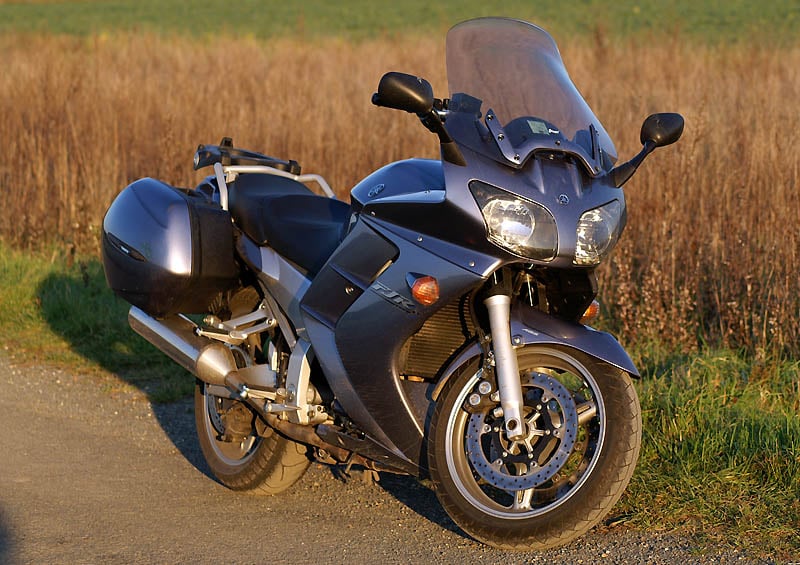
Sport touring motorcycles represent the ideal balance between athletic performance and long-distance comfort, making them perfect companions for extended highway journeys.
These versatile machines combine the agility of sport bikes with the practical features needed for covering hundreds of miles in a single day.
The best sport touring motorcycles for highway trips feature powerful engines for confident passing, comfortable ergonomics that reduce fatigue, generous fuel tanks for extended range, and ample storage capacity for your gear.
When you’re planning multi-day rides or regular long-distance commutes, choosing the right bike makes the difference between arriving refreshed and ready to ride again versus feeling exhausted and sore.
Understanding what separates exceptional sport tourers from merely adequate ones helps you select a motorcycle that matches your specific riding style and journey requirements.
From cutting-edge electronic features to proven mechanical reliability, the current sport touring motorcycle market offers options for riders with varying budgets and preferences.
Ready to take a ride? Let’s go!
What Defines a Sport Touring Motorcycle?
Sport touring motorcycles merge performance-oriented handling with features designed for extended highway travel, creating machines that excel at both spirited riding and comfortable long-distance cruising.
These bikes typically include wind protection, luggage capacity, and ergonomics that support multi-hour rides without sacrificing the power and agility you’d expect from a sportbike.
Core Features and Capabilities
Sport touring motorcycles blend comfort and range with the responsive handling of sportbikes. You’ll find engines typically ranging from 650cc to 1300cc that deliver strong passing power on highways while maintaining fuel efficiency for extended range.
Wind protection comes standard through full or sport fairings that deflect air away from your torso and helmet. These fairings reduce fatigue during long highway stretches compared to naked bikes.
Luggage capacity separates sport tourers from pure sportbikes. Most models offer integrated hard panniers or mounting points for cases. The Kawasaki Versys 1000 SE LT includes 60-liter panniers that hold substantial gear for multi-day trips.
Your seating position sits between upright touring bikes and aggressive sportbikes. Footpegs position slightly rearward while handlebars offer moderate reach, allowing you to shift your weight during canyon riding without compromising comfort during straight highway runs.
Differences from Touring and Sport Bikes
Pure touring motorcycles prioritize comfort above all else with plush seats, extensive weather protection, and heavy chassis designed for stability rather than agility. You’ll sacrifice cornering ability and responsive handling for maximum passenger amenities and cargo space.
Sport tourers give you more aggressive geometry with sportier suspension tuning. You can attack twisty roads with confidence while still covering 300+ miles per day comfortably.
Sportbikes focus entirely on performance with racing-derived ergonomics that force you into a hunched position. These bikes lack wind protection, storage options, and seat comfort needed for highway trips beyond a few hours. Your wrists bear significant weight, and the firm suspension transmits every road imperfection directly to your body.
Sport touring machines auto-adjust suspension for luggage weight on advanced models, maintaining handling characteristics whether you’re riding solo or fully loaded.
Ideal Rider Profiles
You’re a good candidate for sport touring if you regularly take weekend trips covering 200-500 miles while wanting bikes that handle well on your favorite back roads. These motorcycles suit riders who refuse to choose between performance and practicality.
Commuters covering 50+ miles daily benefit from the weather protection and comfort sport tourers provide. You’ll arrive less fatigued than on a sportbike while enjoying more engaging handling than a cruiser offers.
If you plan multi-state tours but want agile chassis and responsive performance, sport tourers deliver the versatility you need. You can explore technical mountain passes one day and cover interstate miles the next without switching motorcycles.
Key Considerations for Long Highway Trips
Highway touring demands motorcycles that excel in specific areas: rider comfort over extended periods, sufficient fuel capacity to minimize stops, adequate protection from wind and weather, and practical cargo solutions for multi-day journeys.
Comfort and Ergonomics
Your riding position directly impacts how many miles you can cover before fatigue sets in. Sport touring motorcycles typically feature slightly forward-leaning ergonomics that balance control with comfort, unlike aggressive sportbikes that force extreme crouch positions.
Look for adjustable handlebars, footpegs, and seats that allow you to customize fit. A quality seat with proper cushioning and support prevents numbness and pressure points during rides exceeding three hours. Many manufacturers offer different seat heights and foam densities.
Handlebar position should allow relaxed arm positioning without reaching too far forward. Wind protection from the fairing should direct airflow over your helmet rather than hitting your chest directly. Vibration dampening through bar-end weights and engine mounts reduces hand and arm fatigue on highway slabs.
Fuel Capacity and Range
Tank size determines how far you can ride between fuel stops. Most sport touring motorcycles carry 5-6 gallon tanks, providing 200-250 miles of range depending on riding style and engine size.
Larger displacement engines consume more fuel but offer effortless highway cruising. A 1000cc bike might average 40-45 mpg on the highway, while 650cc models often achieve 50-55 mpg. Calculate your expected range by multiplying tank capacity by realistic fuel economy figures.
Typical Sport Touring Fuel Specifications:
- Tank Capacity: 4.5-6.0 gallons
- Highway MPG: 38-52 mpg
- Effective Range: 180-280 miles
- Reserve Capacity: 0.8-1.2 gallons
Plan fuel stops before reaching reserve levels, especially in rural areas where stations may be sparse.
Weather Protection
Wind protection becomes critical during multi-hour highway rides. Full fairings deflect wind around your body, reducing buffeting and rider fatigue significantly compared to naked bikes.
Adjustable windscreens allow you to fine-tune airflow based on your height and riding speed. Higher positions work better for taller riders or cold weather, while lower settings improve airflow in summer heat. Quality fairings create a pocket of calm air that protects your torso and legs.
Hand guards shield your controls and fingers from rain and cold air. Heated grips add comfort during early morning or late season rides when temperatures drop.
Luggage and Load Options
Hard-sided panniers offer weatherproof storage and security for electronics, clothing, and gear. Many touring motorcycles include integrated luggage systems with 50-70 liters of combined capacity.
Top cases add 30-40 liters of easily accessible storage for items you need during stops. Look for quick-release mounting systems that allow removal when not needed. Weight distribution matters, pack heavier items low and centered, lighter items in the top case.
Tank bags provide convenient access to phones, wallets, and snacks without stopping. Magnetic or strap-mounted options work on most sport tourers. Ensure your total load stays within the manufacturer’s maximum weight rating, typically 400-450 pounds including rider and passenger.
Top-Rated Sport Touring Motorcycles for 2026
The 2026 model year brings refined updates to established favorites, with each machine offering distinct advantages for highway touring. These four motorcycles represent different approaches to sport touring, from pure-bred distance eaters to performance-focused mile munchers.
Yamaha FJR1300ES
The FJR1300ES continues as Yamaha’s flagship sport tourer with its proven 1,298cc inline-four engine producing 145 horsepower. You get electronic suspension adjustment that automatically adapts to load and riding conditions, making this bike particularly well-suited for two-up touring with luggage.
The standard cruise control and heated grips come standard on the ES model. Your riding position strikes a balance between upright comfort and wind protection, with a windscreen that adjusts electronically through multiple positions.
Hard-sided panniers provide 57 liters of lockable storage, and the linked braking system with ABS offers confident stopping power. The bike weighs 639 pounds wet, which provides stability at highway speeds but requires some muscle at parking lot speeds.
Fuel capacity sits at 6.6 gallons, giving you approximately 200 miles between fill-ups depending on your riding style. The shaft drive requires minimal maintenance compared to chain-driven alternatives.
BMW R 1250 RT
The R 1250 RT uses BMW’s 1,254cc boxer twin engine with ShiftCam variable valve timing technology, delivering 136 horsepower and 105 lb-ft of torque. This engine configuration provides a low center of gravity and distinctive character that sets it apart from inline-four competitors.
BMW equips the RT with adaptive headlights that pivot into corners, improving visibility on twisty roads. You get standard features including dynamic traction control, multiple riding modes, and electronically adjustable suspension.
Key Storage & Comfort Features:
- 37-liter integrated panniers (expandable with top case)
- Heated seats and grips (standard)
- TFT display with navigation preparation
- Electronically adjustable windscreen
The RT’s 6.3-gallon fuel tank provides excellent range for covering serious highway miles. At 573 pounds dry weight, it feels lighter than the FJR1300ES while maintaining highway stability.
Kawasaki Ninja H2 SX SE
The H2 SX SE brings supercharged performance to the sport touring category with its 998cc inline-four producing 197 horsepower in road trim. This represents the performance-oriented end of the spectrum, sacrificing some pure comfort for thrilling acceleration and top-end power.
You’ll find Kawasaki’s KIBS braking system with cornering ABS and traction control that monitors lean angle. The SE model includes electronic suspension adjustment through Showa’s Skyhook system, adapting damping in real-time based on road conditions.
Hard panniers come standard and provide reasonable storage capacity, though not as generous as dedicated touring machines. The 4.9-gallon fuel tank means more frequent stops compared to larger-displacement tourers.
Your seating position leans slightly more aggressive than traditional sport tourers, but still accommodates all-day rides. The supercharger whine adds character while delivering massive midrange thrust for effortless highway passing.
Honda NT1100
The NT1100 offers practical sport touring at a more accessible price point than flagship models. Its 1,084cc parallel-twin engine produces 100 horsepower, which proves adequate rather than exciting but delivers smooth, linear power delivery.
Honda includes cruise control, traction control, and multiple riding modes as standard equipment. You get a 5.3-gallon fuel tank that balances range with overall weight management.
The DCT (Dual Clutch Transmission) option eliminates clutch and shift duties, reducing fatigue on long highway stretches. Manual transmission remains available if you prefer traditional control.
Storage capacity includes:
- 33-liter integrated panniers
- Optional top case available
- 12V power outlet
- Multiple luggage mounting points
At 545 pounds wet, the NT1100 handles nimbly while providing composed highway manners. Your upright seating position and generous wind protection support comfortable all-day riding without aggressive ergonomics.
Up-and-Coming Models to Watch
Several manufacturers have introduced innovative sport touring motorcycles that push the boundaries of performance and comfort. These models incorporate advanced electronics, improved ergonomics, and refined powertrains that address the specific demands of long-distance highway riding.
Suzuki GSX-S1000GT+
The Suzuki GSX-S1000GT+ builds on the standard GSX-S1000GT platform with enhanced touring features. You get a 999cc inline-four engine producing approximately 152 horsepower, which provides strong acceleration for highway passing and merging.
The GT+ variant adds a larger 6.5-inch TFT display with Bluetooth connectivity and smartphone integration. You’ll find heated grips, a center stand, and panniers included as standard equipment. The bike features Suzuki’s Intelligent Ride System with multiple riding modes, traction control, and a bi-directional quickshifter.
The adjustable windscreen offers improved wind protection compared to the base model. Your riding position benefits from a slightly raised handlebar and a seat height of 32.3 inches, making it accessible for various rider heights. The 19-liter fuel tank gives you a realistic range of over 200 miles between fill-ups.
Ducati Multistrada V4 S
The Ducati Multistrada V4 S uses a 1,158cc V4 Granturismo engine that delivers 170 horsepower while maintaining Ducati’s signature character. You get a 15,000-mile service interval, which is exceptional for a high-performance engine and reduces long-term maintenance costs.
Ducati equips this model with radar-assisted adaptive cruise control and blind spot detection. The electronic suspension adjusts automatically based on riding conditions, load, and your selected riding mode. You have access to four riding modes plus four customizable power modes.
The bike includes a 6.5-inch TFT display with turn-by-turn navigation. Your comfort on extended trips benefits from the adjustable seat, heated grips, and comprehensive wind protection. The Multistrada V4 S weighs 487 pounds dry, making it relatively manageable despite its advanced technology and touring capabilities.
Triumph Tiger 1200 GT Explorer
The Triumph Tiger 1200 GT Explorer features a reengineered 1,160cc triple engine producing 150 horsepower with 96 lb-ft of torque. You’ll notice the engine’s revised character focuses on midrange delivery rather than peak power, which suits highway cruising and overtaking maneuvers.
Triumph has reduced the wet weight to 551 pounds, significantly lighter than the previous generation. Your handling benefits from this weight reduction, especially during low-speed maneuvering at rest stops. The bike comes with semi-active suspension, cornering ABS, and cornering traction control.
The GT Explorer variant includes full aluminum panniers with a combined 70-liter capacity. You get a heated seat, heated grips, and a premium sound system integrated into the 7-inch TFT display. The 20-liter fuel tank provides a range exceeding 250 miles, and the adjustable seat accommodates heights from 32.7 to 34.6 inches.
Performance and Reliability on Long Rides
Sport touring motorcycles need consistent power delivery for highway cruising and passing maneuvers, while maintaining fuel efficiency across hundreds of miles. The best models combine dependable engines with minimal maintenance needs and stable handling characteristics that inspire confidence during extended riding sessions.
Engine Power and Efficiency
You need an engine that delivers between 100-140 horsepower for confident highway performance on a sport touring motorcycle. This power range lets you merge into traffic safely, pass slower vehicles without strain, and maintain cruising speeds of 70-80 mph while carrying luggage and a passenger.
Inline-four engines provide smooth power delivery across the rev range, making them ideal for all-day riding. Parallel-twin configurations offer better fuel economy, typically achieving 45-55 mpg on the highway compared to 40-48 mpg from larger displacement engines.
The Kawasaki Versys 1000 SE LT produces 133 hp and delivers 240+ miles between fuel stops with its 5.5-gallon tank. BMW’s R 1250 RT uses a 1,254cc boxer twin that generates 136 hp while maintaining excellent fuel efficiency through variable valve timing technology.
Electronic fuel injection systems adjust automatically for altitude changes during mountain passes, ensuring consistent performance without manual carburetor adjustments. Variable valve timing and ride modes let you optimize power delivery for loaded touring versus spirited solo riding.
Maintenance Requirements
Modern sport touring motorcycles feature extended service intervals that reduce downtime during long trips. Most models require valve adjustments every 15,000-26,000 miles, with oil changes needed every 6,000-8,000 miles depending on riding conditions.
Shaft drive systems eliminate chain maintenance entirely, requiring only periodic gear oil changes every 12,000-15,000 miles. Chain-driven models need lubrication every 500-600 miles and adjustment every 1,000 miles, though modern O-ring chains last 20,000-25,000 miles with proper care.
Key maintenance intervals for sport touring bikes:
- Oil changes: 6,000-8,000 miles
- Brake fluid: Every 2 years
- Coolant: Every 2-3 years
- Air filter: 12,000-15,000 miles
- Spark plugs: 15,000-20,000 miles
You should check tire pressure before each long ride, as properly inflated tires improve fuel economy by 3-5% and prevent premature wear. Sport touring tires typically last 8,000-12,000 miles when loaded with luggage.
Road Handling and Stability
Sport touring motorcycles use longer wheelbases (58-62 inches) compared to pure sport bikes, which increases straight-line stability at highway speeds. This geometry reduces the twitchy feeling that makes sport bikes tiring during extended highway riding.
Electronic suspension systems automatically adjust damping based on speed, lean angle, and luggage weight. Semi-active systems make 200-500 adjustments per second to maintain optimal wheel contact with the pavement during changing road conditions.
Wind protection plays a critical role in reducing fatigue on long rides. Adjustable windscreens let you fine-tune airflow to direct wind pressure away from your helmet and chest, typically offering 2-4 inches of height adjustment.
Stability features for highway riding:
- Traction control prevents wheel spin during wet conditions or aggressive throttle application
- ABS with cornering awareness maintains braking performance during emergency stops while leaned over
- Cruise control reduces right-hand fatigue during interstate travel
- Center stands simplify roadside maintenance and tire checks
Weight distribution affects handling characteristics significantly. Sport touring bikes balance comfort and performance by positioning riders in an upright posture that doesn’t overload the wrists during all-day riding sessions.
Advanced Technology and Safety Features
Modern sport touring motorcycles incorporate sophisticated electronics that actively prevent accidents and reduce rider fatigue during extended highway journeys. These systems work together to provide measurable improvements in both safety margins and riding comfort across varying road conditions.
Electronic Rider Aids
Traction control systems monitor wheel speed dozens of times per second to prevent rear wheel slip during acceleration, particularly valuable when encountering wet pavement or painted road markings at highway speeds. Most sport touring motorcycles now include multiple riding modes that adjust throttle response, ABS intervention, and traction control settings simultaneously.
Cornering ABS represents a significant advancement over traditional systems by maintaining braking effectiveness while the motorcycle is leaned over. This technology uses an inertial measurement unit to calculate lean angle and adjust brake pressure accordingly, preventing the front wheel from tucking during emergency stops mid-corner.
Electronic suspension adjustment allows you to modify damping characteristics without tools, adapting to cargo weight or rider preference instantly. Some systems feature semi-active suspension that automatically adjusts compression and rebound damping based on road conditions and riding style, delivering optimal comfort and handling throughout your journey.
Integrated Navigation Systems
Built-in GPS navigation eliminates the need for handlebar-mounted devices that create wind resistance and clutter your cockpit. These factory systems integrate directly with the motorcycle’s display, showing turn-by-turn directions alongside critical riding data like speed, gear position, and fuel range.
Bluetooth connectivity enables smartphone pairing for hands-free calling, music streaming, and access to navigation apps through your helmet’s communication system. You can receive route guidance through your headset while maintaining visual attention on traffic conditions ahead.
Weather radar integration on premium models provides real-time precipitation data along your planned route, allowing you to make informed decisions about route changes or gear adjustments before encountering adverse conditions.
Adaptive Cruise Control
Radar-based adaptive cruise control maintains a preset following distance from vehicles ahead, automatically adjusting your speed to match traffic flow without constant throttle or brake input. This technology significantly reduces hand and mental fatigue during long interstate stretches with moderate traffic density.
The system typically offers adjustable following distances ranging from two to four seconds, giving you control over how aggressively the motorcycle closes gaps. When traffic clears, the system accelerates smoothly back to your set speed without manual intervention.
Advanced touring motorcycles feature technologies that include collision warning systems paired with adaptive cruise control, providing audio and visual alerts when closing speeds exceed safe parameters. Some implementations can apply partial braking force if you don’t respond to warnings, though full autonomous emergency braking remains rare on motorcycles due to stability considerations.
Customizing Your Sport Touring Motorcycle
Personalizing your sport touring motorcycle transforms it from a capable platform into a machine perfectly suited to your riding style and physical needs. Strategic upgrades to seating, storage capacity, and suspension tuning directly impact your ability to maintain comfort and control during extended highway rides.
Comfort Upgrades
The factory seat on most sport touring bikes prioritizes broad appeal over individual fit. Aftermarket seats from manufacturers like Sargent, Corbin, or Russell Day-Long offer custom foam density and shaping that redistributes pressure points during 400-mile days.
Heated grips provide essential comfort when temperatures drop below 50°F. They allow you to use thinner gloves that maintain better throttle control compared to bulky winter gloves.
Windscreen height makes a substantial difference in upper body fatigue. Adding 2-4 inches with an aftermarket windscreen from Puig or MRA redirects wind blast over your helmet instead of directly into your chest. Some riders prefer adjustable screens that you can modify based on weather conditions.
Handlebar risers that increase height by 20-30mm reduce shoulder strain by bringing controls closer to your natural arm position. Vibration-dampening bar ends further decrease hand numbness on bikes with parallel-twin or V-twin engines that transmit more buzz than inline-fours.
Luggage Systems
Hard luggage systems provide weather-sealed storage that soft bags cannot match. Sport touring motorcycles benefit from cases that mount directly to frame points rather than passenger grab rails, which improves stability when loaded.
Side cases in the 30-35 liter range balance capacity with maintaining your bike’s lean angle clearance. A 40-50 liter top case adds enough volume for a full-face helmet plus rain gear.
Suspension Modifications
Factory suspension on sport touring bikes typically uses spring rates and damping suited to a 170-pound rider with minimal luggage. If you weigh significantly more or less, or regularly ride two-up with full bags, you need different settings.
Preload adjustment is your first step. Increase rear preload until you achieve 30-35mm of sag with your typical load. Front preload should maintain a balanced rake angle that doesn’t make steering feel heavy.
Aftermarket cartridge kits from Traxxion Dynamics or Andreani replace your stock fork internals with adjustable compression and rebound damping. This upgrade costs $800-1200 but provides control over how your suspension responds to highway expansion joints versus smooth sweepers.
Rear shock replacement with an Öhlins or Nitron unit gives you independent adjustment of high-speed and low-speed compression. High-speed damping controls how the shock handles sharp bumps, while low-speed compression affects how the bike settles under braking and acceleration.
Riding Tips for Extended Highway Journeys
Highway touring demands proper preparation, disciplined riding habits, and awareness of your physical limits. These fundamentals separate enjoyable long-distance rides from exhausting or dangerous experiences.
Pre-Trip Preparation
Check your tire pressure, tread depth, and sidewalls for cracks or damage before departure. Tires should match your bike manufacturer’s specifications for loaded touring conditions.
Inspect your chain tension and lubrication, brake pad thickness, and fluid levels including oil, coolant, and brake fluid. Replace worn components rather than gambling on their reliability hundreds of miles from home.
Pack essential tools specific to your motorcycle model, including the correct size wrenches and sockets. Add a tire repair kit, portable air compressor, and spare fuses to handle common roadside issues.
Plan your fuel stops based on your bike’s realistic highway range, leaving a 50-mile buffer for headwinds or detours. Download offline maps or carry physical backups in case you lose cell service.
Arrange your luggage to maintain proper weight distribution, keeping heavier items low and centered. Secure all bags and gear with redundant straps, checking tension after the first 30 minutes of riding.
Safe Riding Techniques
Maintain a three-second following distance from vehicles ahead, increasing to four seconds in poor weather or heavy traffic. This buffer gives you adequate reaction time at highway speeds.
Position yourself in the left third of your lane on multi-lane highways to maximize visibility and escape routes. Move to the center third when passing or when vehicles merge from entrance ramps.
Use your high beam during daylight hours on rural highways where oncoming traffic is sparse. The increased visibility helps drivers judge your distance and speed more accurately.
Scan 12-15 seconds ahead while checking mirrors every 5-7 seconds to track surrounding traffic patterns. Watch for vehicles drifting between lanes, sudden brake lights, and road debris.
Key Highway Hazards:
- Wind gusts from passing trucks
- Grooved pavement causing handlebar wobble
- Oil deposits in center lane positions
- Debris accumulation on shoulders
Managing Rider Fatigue
Stop every 90-120 minutes to stretch, hydrate, and rest your mind from sustained concentration. Even brief 10-minute breaks significantly reduce accumulated fatigue.
Perform simple stretches targeting your neck, shoulders, lower back, and legs at each stop. Roll your shoulders backward 10 times and do 5-10 standing quad stretches per leg.
Drink water consistently rather than waiting until you feel thirsty, as dehydration impairs reaction time and decision-making. Consume 8 ounces every hour in moderate temperatures, more in heat.
Avoid large meals that divert blood flow to digestion and cause drowsiness. Eat smaller portions of protein and complex carbohydrates every 2-3 hours to maintain stable energy.
Recognize fatigue warning signs including delayed reactions, wandering attention, tight shoulders, or difficulty maintaining speed. Pull over immediately rather than pushing through, most accidents happen when riders ignore these signals.
Conclusion
Selecting the right sport touring motorcycle for highway trips depends on your specific needs and riding style. The bikes covered represent the strongest options available, each offering distinct advantages for different riders.
Key factors to prioritize:
- Fuel capacity for extended range between stops
- Adjustable windscreen for wind protection at highway speeds
- Luggage capacity for multi-day trips
- Seat comfort for all-day riding
- Electronic aids like cruise control and traction control
Your budget will naturally influence your decision. Sport-touring motorcycles that deliver comfort without breaking the bank exist across multiple price points, from mid-range options to premium models.
Consider test riding multiple models before committing. What feels comfortable in a parking lot may reveal different characteristics after several hours on the highway. Pay attention to vibration levels, wind protection, and how the bike handles when fully loaded with luggage.
The best motorcycles for long-distance riding share common traits: reliable engines, comfortable ergonomics, and adequate weather protection. These elements matter more than peak horsepower or aggressive styling when you’re covering hundreds of miles in a day.
Your ideal sport tourer should balance performance with practicality. The right choice will make highway miles enjoyable rather than exhausting, allowing you to arrive at your destination ready to explore rather than desperate for a chiropractor.


