
Common Problems With the BMW X5 After 80,000 Miles
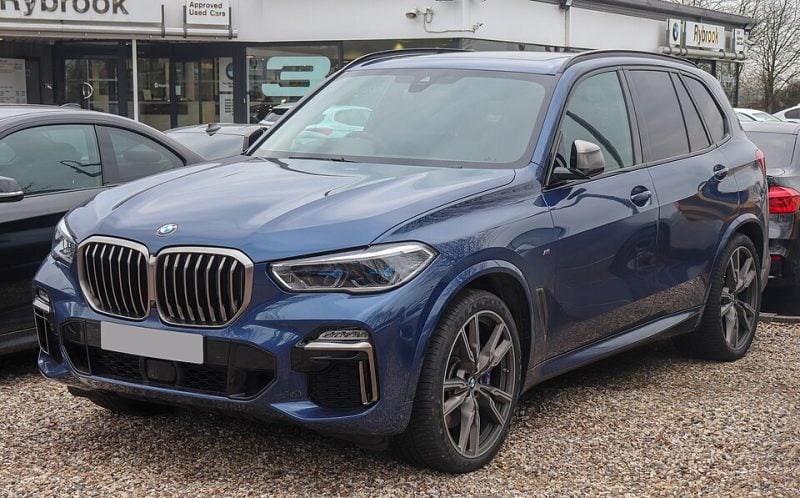
The BMW X5 has earned its reputation as a capable luxury SUV, but reaching 80,000 miles often marks a turning point where specific mechanical and electrical issues begin to surface.
If you’re going to take the plunge and purchase one of these, there are some things you need to know.
After 80,000 miles, BMW X5 owners commonly experience engine oil leaks, cooling system failures, transmission problems, and suspension wear that require immediate attention to prevent costly damage.
Understanding these patterns helps you prepare for maintenance needs and avoid being caught off guard by expensive repairs.
Your X5’s complexity means that high-mileage issues can range from minor inconveniences to major system failures. The vehicle’s advanced technology and performance-oriented design create unique vulnerabilities as components age and accumulate wear.
Certain systems like the cooling network and electrical architecture become particularly prone to problems once you pass the 80,000-mile threshold.
This guide examines the most common BMW X5 problems that emerge at higher mileage and provides practical information about what you should monitor.
From engine complications to interior concerns, you’ll learn which issues demand urgent attention and how to maintain your X5’s performance and reliability.
Let’s take a ride.
Engine Complications After 80,000 Miles
High-mileage BMW X5 engines typically encounter oil seepage from aging gaskets, timing chain stretch that affects performance, and turbocharger degradation in forced induction models. These issues become more prevalent as components experience normal wear from extended use.
Oil Leaks and Gasket Failures
Your valve cover gaskets will likely deteriorate after 80,000 miles, creating visible oil seepage around the engine’s upper section. The oil filter housing gasket is another common failure point that leaves puddles beneath your vehicle.
The oil pan gasket can develop cracks from heat cycling and road debris impacts. You’ll notice oil accumulation on your driveway or garage floor when this component fails. Common problems with the BMW X5 include these oil leaks across multiple generations.
Valve cover gasket replacement typically costs between $500 and $800 depending on engine configuration. The oil filter housing gasket repair runs $300 to $600, while oil pan gasket replacement ranges from $400 to $900 due to labor complexity.
Timing Chain Issues
Your timing chain experiences gradual elongation after 80,000 miles, particularly in N55 and N63 engines. This stretch creates rattling noises during cold starts that may disappear once the engine warms up.
Worn timing chain guides compound the problem by allowing excessive chain movement. You might hear a grinding or metallic sound from the front of your engine bay. Identifying common BMW problems by mileage reveals that serious issues like transmission failures occur in the 80,000 to 100,000 mile range.
Ignoring timing chain problems can lead to catastrophic engine damage if the chain jumps teeth or breaks. The repair costs between $2,500 and $5,000 due to extensive disassembly requirements.
Turbocharger Wear in xDrive35i Models
The N55 engine in your xDrive35i model uses a single twin-scroll turbocharger that experiences bearing wear after extended use. You’ll notice reduced acceleration, increased oil consumption, or blue smoke from the exhaust.
Wastegate actuator failures cause boost control issues that trigger check engine lights. Your turbo may produce a high-pitched whining sound when the internal bearings deteriorate. Turbocharger replacement costs $2,000 to $3,500 including parts and labor for your xDrive35i.
Transmission and Drivetrain Challenges
High-mileage BMW X5 models frequently develop transmission-related issues that affect shifting quality and overall drivability, while components like the transfer case and driveshaft experience increased wear beyond 80,000 miles.
Transmission Slippage or Rough Shifting
The ZF 6-speed automatic transmission used in many X5 models from 2007 to 2013 is particularly prone to developing issues at higher mileages. You may notice hesitation during gear changes, delayed engagement when shifting from Park to Drive, or jerking motions during acceleration.
Low transmission fluid levels are a common culprit behind these symptoms. The transmission fluid degrades over time and loses its ability to lubricate and cool internal components properly. Worn clutch packs and valve body issues also contribute to rough shifting behavior.
Regular transmission fluid flushes and filter replacements can help prevent many of these problems. If you’ve neglected this maintenance, your transmission may require more extensive repairs including valve body replacement or clutch pack overhauls. Some owners report repair costs ranging from $2,000 to $5,000 depending on the severity of the damage.
Transfer Case Malfunctions
The transfer case distributes power between your X5’s front and rear axles, and it experiences significant stress in all-wheel-drive operation. After 80,000 miles, the transfer case actuator motor commonly fails, causing a malfunction light on your dashboard.
You might hear grinding noises from underneath the vehicle or experience difficulty engaging different drive modes. In some cases, the transfer case gets stuck in one mode, limiting your vehicle’s capability in various road conditions.
The actuator motor is an electromechanical component that wears out from constant adjustments during driving. Internal bearings and seals within the transfer case can also deteriorate, leading to fluid leaks. Addressing transfer case issues promptly prevents damage to other drivetrain components and maintains your X5’s all-wheel-drive functionality.
Driveshaft and Differential Wear
Your X5’s driveshaft contains universal joints and center support bearings that wear down with accumulated mileage. You’ll typically notice vibrations at highway speeds or clunking sounds during acceleration and deceleration when these components fail.
The rear differential, which splits power between the rear wheels, can develop leaks from worn seals or experience internal gear wear. Differential problems often manifest as whining noises that increase with vehicle speed or a humming sound during turns.
Common wear indicators include:
- Vibration between 50-70 mph
- Clunking when shifting gears
- Visible grease or oil around driveshaft joints
- Whining or howling from the rear axle
Replacing worn center support bearings and universal joints before they fail completely prevents more expensive damage to surrounding components. Differential repairs range from simple seal replacements to complete rebuild depending on the extent of internal wear.
Cooling System Vulnerabilities
The BMW X5’s cooling system becomes increasingly prone to failure after 80,000 miles, primarily due to plastic components that deteriorate with age and heat cycles. Water pump leaks and thermostat malfunctions represent the most critical vulnerabilities you’ll encounter.
Water Pump and Thermostat Failures
Your X5’s water pump typically begins showing signs of wear between 60,000 and 100,000 miles. The pump housing uses plastic construction that becomes brittle over time, leading to coolant seepage around the gasket areas. You’ll notice small puddles of coolant under your vehicle or a sweet smell from the engine bay when the pump starts failing.
The electric water pump can also fail internally without visible leaks. Your dashboard may display a low coolant warning even when fluid levels appear normal. This happens because the pump cannot circulate coolant effectively through the system.
Thermostat failures occur with similar frequency after 80,000 miles. A stuck-open thermostat prevents your engine from reaching optimal operating temperature, while a stuck-closed unit causes rapid overheating. Multiple cooling system leaks often appear simultaneously on higher mileage vehicles, making comprehensive inspection essential when addressing water pump issues.
Radiator and Coolant Hose Leaks
Plastic cooling system components crack and become brittle as your X5 ages, particularly affecting the radiator end tanks and expansion tank. The radiator’s plastic side tanks separate from the aluminum core, creating leaks that range from minor seepage to catastrophic failures. You’ll find dried coolant residue or active dripping around these junction points.
Coolant hoses deteriorate from constant temperature cycling and pressure changes. The upper and lower radiator hoses develop soft spots, cracks, or bulges that indicate imminent failure. Smaller bypass hoses and heater hoses also become porous, causing slow coolant loss that’s difficult to trace.
Your expansion tank cap seal degrades over time, allowing pressure loss and coolant evaporation. The tank itself develops stress cracks at mounting points and seams. Running low on coolant due to these leaks causes your engine to overheat, potentially resulting in severe engine damage including warped cylinder heads or blown head gaskets.
Electrical System Faults in High-Mileage X5s
Your BMW X5’s electrical system becomes increasingly prone to failures after crossing the 80,000-mile threshold. Multiple components from the iDrive interface to basic sensors often begin experiencing intermittent or complete failures during this phase.
iDrive System Malfunctions
The iDrive controller and display screen commonly develop issues in high-mileage X5 models. You may notice the screen freezing, going completely black, or becoming unresponsive to touch or controller inputs.
Software glitches account for many of these problems, but physical wear on the controller knob and its internal components also contributes to failures. The controller’s rotary encoder wears out from repeated use, causing delayed responses or incorrect input registration.
Electronics and cooling-system faults appear earlier in the X5’s lifecycle compared to mechanical problems. You’ll need to update your iDrive software regularly to address known bugs. If software updates don’t resolve the issue, replacement of the controller unit or display screen typically costs between $500 and $1,500 depending on your model year.
Battery and Alternator Problems
Your X5’s battery typically lasts 4-6 years, which means vehicles with 80,000+ miles have likely experienced at least one battery replacement. The original batteries in older models deteriorate faster due to the vehicle’s extensive electrical demands.
Alternator failures become more common after 100,000 miles but can occur earlier. Warning signs include dimming headlights, battery warning lights, or electrical accessories functioning intermittently. Your alternator works harder in X5 models equipped with more electronic features.
A failing alternator puts additional strain on your battery, creating a cycle of electrical problems. Battery replacement costs $200-$400, while alternator replacement ranges from $500-$1,000 including labor.
Faulty Sensors and Warning Lights
Your X5 contains dozens of sensors that monitor everything from tire pressure to parking assistance. These sensors degrade over time, triggering false warning lights or causing system malfunctions.
The most problematic sensors include parking sensors, tire pressure monitoring sensors, and oxygen sensors. Parking sensors get damaged by road debris or fail internally, causing constant beeping or system errors. BMW X5 owners have reported 443 electrical system problems, with sensor failures representing a significant portion.
Your oxygen sensors typically need replacement between 80,000-100,000 miles. Failed O2 sensors trigger check engine lights and reduce fuel efficiency. Individual sensor replacements cost $100-$300, but you may need multiple sensors replaced simultaneously.
Suspension and Steering Wear
The BMW X5 experiences premature wear of suspension components as mileage climbs past 80,000 miles, with air suspension systems and control arms being particularly vulnerable. These failures manifest as clunking noises, uneven tire wear, and diminished ride quality.
Air Suspension Leaks and Compressor Failure
Your X5’s air suspension system relies on rubber air springs and a compressor to maintain ride height. After 80,000 miles, the rubber bladders develop cracks and tears from constant inflation cycles and exposure to road debris.
When leaks occur, you’ll notice your vehicle sagging on one corner or the entire rear end sitting lower than normal. The compressor runs excessively to compensate for air loss, leading to premature compressor burnout. You may hear the compressor cycling frequently even when parked.
Common symptoms include:
- Vehicle sitting unevenly or too low
- Compressor running continuously
- Warning lights on the dashboard
- Rough or bouncy ride quality
Replacing failed air springs typically costs $800-$1,200 per corner, while compressor replacement adds another $1,500-$2,000 to your repair bill.
Control Arm and Bushing Degradation
The front suspension components of the X5 include multiple control arms with rubber bushings that deteriorate with age and mileage. These bushings crack and tear, creating excessive play in the suspension geometry.
You’ll feel this degradation through steering wheel vibration, wandering at highway speeds, and clunking sounds over bumps. Your alignment settings become impossible to maintain as worn bushings allow components to shift position. This misalignment accelerates tire wear and compromises handling precision.
Affected components typically include:
- Upper control arms
- Lower control arms
- Tension struts
- Sway bar links
Ball joints also wear out around this mileage, requiring complete control arm replacement rather than individual bushing service. Expect to replace multiple arms simultaneously, with costs ranging from $1,200-$2,500 for comprehensive front suspension refresh.
Brake System Aging and Failure Points
After 80,000 miles, your BMW X5’s brake system experiences accelerated wear that affects both friction components and electronic sensors. The brake pads and rotors degrade faster than expected, while ABS sensors become increasingly prone to failure due to exposure and corrosion.
Premature Brake Pad and Rotor Wear
Your X5’s brake pads typically wear unevenly after 80,000 miles, often requiring replacement between 30,000 and 50,000-mile intervals depending on driving conditions. The front brake pads wear faster due to the vehicle’s weight distribution and the added stress from the X5’s substantial curb weight.
Brake rotors on high-mileage X5 models develop warping and scoring that causes pulsation during braking. You’ll notice vibration through the steering wheel or brake pedal when this occurs. The factory rotors measure between 12.3mm and 12.7mm thick when new, but they reach the minimum thickness specification of 10.5mm relatively quickly on vehicles driven in stop-and-go traffic.
Common brake problems in the X5 include squeaking, grinding noises, and reduced stopping power. Your brake fluid also absorbs moisture over time, which lowers its boiling point and reduces braking efficiency. BMW recommends brake fluid replacement every two years, but many owners skip this service, leading to internal corrosion in brake calipers and master cylinders.
ABS System Sensor Problems
Your X5’s ABS wheel speed sensors fail frequently after 80,000 miles due to their location near the brake rotors where they’re exposed to heat, moisture, and road debris. These sensors monitor individual wheel speeds and send data to the ABS control module dozens of times per second.
When an ABS sensor fails, you’ll see the ABS warning light illuminate on your dashboard, and ABS failure makes it harder to control your vehicle during heavy braking on slippery surfaces. The rear sensors tend to fail more often than the front ones because of increased exposure to road salt and water splash.
Corrosion builds up on the sensor connector pins and the tone ring attached to the wheel bearing hub. You may experience intermittent ABS warning lights that come and go, especially in wet conditions. Replacement requires removing the wheel and sometimes the wheel bearing assembly, with sensor costs ranging from $50 to $150 per wheel plus labor.
Interior and Comfort System Issues
Interior components in the BMW X5 begin showing wear after 80,000 miles, particularly in electrically controlled comfort features. Power seat mechanisms and climate control systems develop functional problems that affect daily usability.
Electronic Seat Adjustment Failures
Your X5’s power seat adjustments typically fail due to worn motor gears or broken cable mechanisms. The driver’s seat motor experiences the most stress from frequent position changes and develops grinding noises before complete failure.
The seat adjustment switches on the door panel accumulate debris and moisture over time. This causes intermittent operation where only certain directional movements work while others become unresponsive. You may find the forward-backward adjustment functions while lumbar support remains stuck.
Common failure points include:
- Seat track motors (particularly driver’s side)
- Lumbar support pumps and valves
- Door-mounted control switches
- Wiring harness connections under the seat rails
Memory seat functions often fail independently from manual adjustments. The module storing position settings develops corrupted data or loses power supply connections. You’ll notice the seat moves to incorrect positions or fails to recall saved settings when you use your key fob.
Climate Control Function Loss
Your climate control system develops multiple issues after 80,000 miles, starting with the final stage resistor that controls blower speed. When this component fails, you lose all fan speeds except maximum setting or experience complete blower shutdown.
The IHKA (integrated heating and air conditioning) control unit malfunctions and displays incorrect temperature readings. Your system may blow hot air when set to cold or fail to maintain consistent cabin temperature across different zones.
Blend door actuators create clicking sounds from behind the dashboard as their plastic gears strip. These actuators control air direction and temperature mixing, so failure results in air flowing from wrong vents or stuck at single temperature regardless of your adjustments.
Typical symptoms:
- Clicking or tapping noises during temperature changes
- Air stuck blowing from defrost vents only
- One side blows hot while other blows cold
- Fan operates at high speed only
The automatic climate control sensors mounted in the headliner accumulate dust and provide false readings to the system computer. This causes your climate control to cycle unnecessarily or maintain uncomfortable cabin temperatures.
Exterior and Body Concerns
The BMW X5’s exterior typically shows wear around the 80,000-mile mark, particularly affecting the paint finish and mechanical components like window regulators. These issues range from cosmetic deterioration to functional failures that require immediate attention.
Paint and Clear Coat Deterioration
Your X5’s paint system may begin breaking down after 80,000 miles, especially on models from the E53 and E70 generations. The clear coat often peels or flakes on horizontal surfaces like the hood, roof, and trunk lid where UV exposure is most intense.
White and lighter-colored X5s frequently develop a chalky appearance as the clear coat oxidizes. Darker colors show more visible peeling and delamination. Rusting of exterior panels can occur on vehicles driven in salt-exposed climates, particularly around wheel arches and lower door edges.
The issue stems from BMW’s paint application process during certain production years rather than owner neglect. You’ll notice small bubbles forming under the clear coat before larger sections begin lifting away from the base paint layer.
Repainting affected panels costs between $500 and $1,500 per panel at professional shops. Full vehicle resprays can exceed $5,000 depending on your location and paint quality selected.
Door and Window Regulator Defects
Window regulators represent one of the most frequent failure points in BMW X5 models after 80,000 miles. You’ll first notice slower window operation or hear clicking sounds when raising or lowering the glass.
The plastic components within the regulator assembly wear out from repeated use and temperature cycling. Your window may become stuck in the down position, tilt at odd angles, or drop into the door panel unexpectedly. These failures occur most often on driver and front passenger doors due to higher usage frequency.
Replacement regulators cost $200 to $400 per door for parts alone. Labor adds another $150 to $300 depending on which door requires service. Rear door regulators typically fail less frequently but cost similar amounts to repair when they do malfunction.
Preventative Maintenance Best Practices
You need to follow BMW’s Condition Based Service system to maintain your X5 properly after crossing the 80,000-mile mark. This system monitors your vehicle’s actual condition and alerts you when service is required rather than relying on fixed mileage intervals.
Your maintenance routine should include regular checks of critical components. You should inspect the cooling system for leaks and flush the coolant according to BMW’s specifications. Check your transmission fluid even though BMW lists it as “lifetime”—replacing it at 60,000 to 80,000 miles can prevent costly failures.
Critical maintenance tasks include:
- Oil changes every 7,500 to 10,000 miles with BMW-approved synthetic oil
- Brake fluid replacement every two years
- Spark plug replacement at recommended intervals
- Air filter and cabin filter inspections
- Tire rotations every 5,000 to 7,500 miles
You should address worn suspension components promptly since they affect handling and tire wear. Inspect bushings, control arms, and shock absorbers regularly for signs of deterioration.
Your electrical system requires attention too. Have your battery tested annually and check for software updates at the dealership. Keeping up with your maintenance schedule helps prevent small issues from becoming expensive repairs.
You’ll benefit from maintaining detailed service records. Document all work performed, parts replaced, and any unusual symptoms you notice. This information helps mechanics diagnose problems faster and adds value if you decide to sell.


