
How Profitable Is a Small Car Wash Business Per Month? Average Revenue and Profit Margins Explained
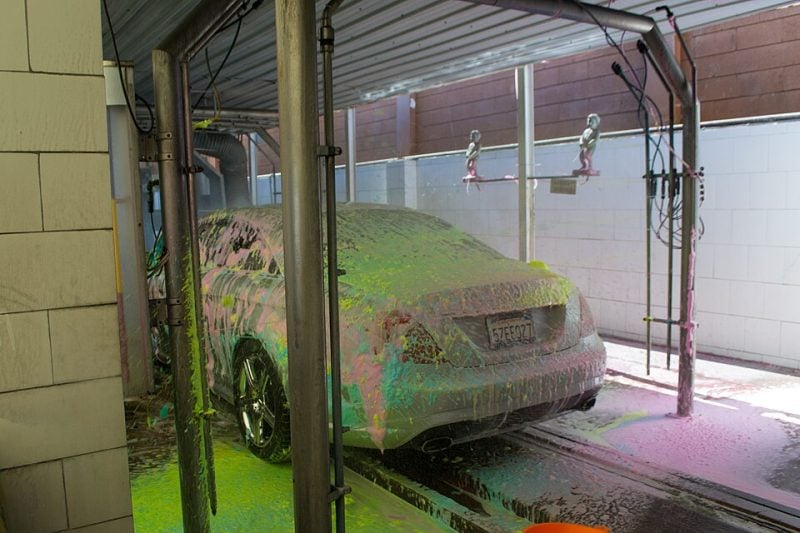
Are you thinking of the song “At the Car Wash?” We are. The next best thing? Running one! If you’re thinking of owning a small car wash, how much can you really make?
Small car wash businesses can generate anywhere from $21,000 to over $100,000 in monthly revenue, but your actual profit depends heavily on your business model, location, and operational efficiency.
Car wash businesses typically achieve net profit margins between 20% and 67%, with self-service operations generally earning higher margins due to lower labor costs.
Understanding these numbers helps you set realistic expectations and plan your entry into this industry.
The difference between revenue and profit matters significantly when you’re evaluating whether a car wash makes financial sense for you.
While some operators see impressive monthly income, your bottom line gets shaped by factors like equipment maintenance, utilities, labor expenses, and local competition.
The type of car wash you choose, whether self-service, automatic, or full-service, directly impacts both your startup costs and your ongoing profitability.
This guide breaks down what you can realistically expect to earn from a small car wash operation each month. You’ll learn about the various revenue streams available, the costs that eat into your profits, and proven strategies for maximizing your monthly earnings while building a sustainable business.
Let’s get soaked!
Average Monthly Profit for Small Car Wash Businesses
Small car wash operations typically generate between $1,750 and $11,875 in monthly net profit, though this range varies considerably based on your business model and operational efficiency. Your revenue potential and expense structure will determine where you fall within this spectrum.
Typical Revenue Range
Small self-service car wash operations generate approximately $3,400 in monthly revenue based on annual figures. If you operate a small automatic car wash, you can expect monthly revenue ranging from $21,000 to $142,500 depending on your location and customer volume.
Your actual revenue depends on several factors. The number of wash bays you operate, your pricing structure, and your local market conditions all influence your monthly income. Self-service formats typically generate lower revenue per location but require less overhead, while automatic systems can process more vehicles per hour.
Traffic patterns affect your earnings significantly. You’ll likely see higher revenue during spring and summer months when customers wash their vehicles more frequently. Weekend traffic often exceeds weekday volume by 30-50% for most small operations.
Common Expense Categories
Labor costs consume 20-40% of your revenue, making it your largest operating expense if you employ staff. Self-service operations can minimize this cost by requiring minimal staffing.
Your utility expenses will account for approximately 5% of revenue. Water, electricity, and heating costs remain consistent regardless of customer volume, creating a fixed cost baseline you must cover each month.
Additional expenses include:
- Equipment maintenance and repairs
- Cleaning agents and chemicals
- Insurance and permits
- Rent or mortgage payments
- Marketing and advertising
Equipment maintenance requires regular attention. You should budget for unexpected repairs, as mechanical failures can halt operations and reduce your monthly income.
Net Profit Expectations
Small self-service car washes average just over $40,000 per year in profit, translating to approximately $3,333 monthly. Well-managed operations achieve net profit margins between 20-40%, though your specific margin depends on cost control and operational efficiency.
Your profit margin improves as you increase customer volume without proportionally increasing costs. Fixed expenses like rent and insurance remain constant, so additional revenue flows more directly to your bottom line.
Operating profit margins for car wash businesses average 14-26% based on verified data from 235 franchise operations. Self-service models typically achieve higher margins due to lower labor requirements, while automated systems generate more total profit through higher volume despite increased operating costs.
Key Factors Affecting Car Wash Profitability
Multiple elements determine how much money your car wash generates each month, from where you set up shop to the services you decide to offer. Understanding these variables helps you make informed decisions that directly impact your bottom line.
Location Impact on Earnings
Your car wash’s location ranks as one of the most critical determinants of monthly revenue. High-traffic areas with strong visibility generate more customers than tucked-away locations, even if rent costs more upfront.
Population density matters significantly. Urban areas typically provide a larger customer base, while suburban locations may offer less competition and lower operating costs. You need to evaluate the volume of customers and competition in your area when selecting a site.
Demographics play a substantial role in pricing power. Affluent neighborhoods often support premium pricing for detailing and specialty services. Middle-income areas may favor volume-based models with competitive pricing.
Accessibility affects daily customer counts. Locations near major intersections, shopping centers, or commuter routes capture more spontaneous visits. Poor access or limited parking reduces potential earnings regardless of other favorable factors.
Business Model Types
The car wash format you choose fundamentally shapes your profit potential and operating requirements. Different types of car wash businesses cater to distinct customer segments and require varying capital investments.
Full-Service Operations offer the highest per-transaction revenue but require significant labor costs. You handle everything from exterior washing to interior detailing, allowing premium pricing of $25-$75 per service.
Express Exterior Washes prioritize volume over individual transaction value. These automated facilities process more vehicles per hour with minimal staff, generating revenue through high throughput and membership programs.
Self-Service Bays minimize labor expenses entirely. Customers pay $3-$10 per wash using your equipment, giving you lower revenue per customer but also dramatically reduced operational costs.
Service Offerings Variation
The range of services you provide directly impacts both your average ticket size and customer retention rates. Basic exterior washes generate steady traffic but limited margins.
Adding premium services creates upsell opportunities. Interior detailing, waxing, ceramic coating, and headlight restoration command higher prices with profit margins often exceeding basic wash services. These specialized offerings differentiate your business from competitors.
Monthly unlimited wash memberships have become increasingly important for profitability. Subscription plans typically priced between $30 and $40 per month create predictable recurring revenue instead of relying solely on one-time transactions.
Package bundling encourages customers to spend more per visit. Offering tiered service levels (basic, deluxe, premium) at $10, $20, and $35 price points increases average transaction values compared to single-service pricing.
Seasonal Fluctuations
Your monthly earnings will vary throughout the year based on weather patterns and customer behavior. Seasonal trends significantly affect income and require planning for cash flow management.
Winter months typically bring reduced traffic in cold climates as snow and road salt make frequent washing seem futile. Spring sees a surge as customers remove winter grime, often representing peak revenue periods.
Summer maintains steady business with regular maintenance washing. Fall experiences moderate activity as customers prepare vehicles for winter conditions. These patterns create revenue swings of 30-50% between peak and slow months.
Membership models help stabilize seasonal variations. Subscribers continue paying monthly fees regardless of weather, providing baseline revenue during traditionally slow periods. This recurring income smooths out the financial peaks and valleys inherent in pay-per-wash operations.
Monthly Revenue Sources for Car Washes
Car washes generate income through three primary channels: the base wash service model you choose, additional services customers purchase during their visit, and recurring membership fees that create predictable cash flow.
Self-Service vs. Automated Lane Income
Self-service car washes typically generate lower monthly revenue but require minimal staffing costs. These facilities earn approximately $40,000 annually, which translates to roughly $3,300 per month. You charge customers $3 to $8 per wash session, and they control the entire cleaning process themselves.
In-bay automatic systems produce significantly higher revenue at around $85,000 per year or $7,000 monthly. These operations handle one vehicle at a time through an automated washing bay where customers remain in their cars. Your pricing ranges from $7 to $15 per wash depending on the package selected.
Conveyor-style exterior car washes represent the highest revenue potential among automated options. These operations can generate between $21,000 to $84,000 per month based on volume and location. The conveyor system allows you to process multiple vehicles simultaneously, dramatically increasing throughput during peak hours.
Add-On Services Revenue
Additional services beyond the basic wash create substantial profit opportunities with minimal extra labor. Waxing, tire shine, undercarriage cleaning, and interior vacuuming typically add $3 to $10 per transaction to your base wash price.
Detailing services generate the highest margins among add-ons, with full interior and exterior details priced between $100 and $300. You can offer express details for $50 to $75 that take 30 minutes or less. These premium services often carry profit margins exceeding 60% since they require mainly labor and minimal chemical costs.
Vending machines for air fresheners, microfiber towels, and cleaning supplies provide passive income streams. Pet wash stations represent another growing add-on service that can generate $500 to $2,000 monthly at high-traffic locations.
Membership and Subscription Programs
Monthly unlimited wash memberships have transformed car wash economics by creating predictable recurring revenue. You typically price these programs between $30 and $40 per month, which encourages frequent visits and builds customer loyalty.
Membership programs significantly improve your cash flow stability compared to transaction-based models. Members visit an average of 3 to 4 times monthly, though you profit because operational costs per wash decrease with volume. The predictable income allows you to better manage inventory, staffing, and equipment maintenance schedules.
Retention rates for well-managed membership programs range from 70% to 85% annually. You benefit from members who pay monthly fees but don’t visit regularly, which can represent 20% to 30% of your membership base during certain months.
Major Operating Costs and Their Impact
Operational costs in a car wash divide into fixed expenses like rent and insurance, plus variable costs tied to each vehicle serviced. Labor typically represents 25-35% of revenue, while water and chemical costs add another 5-10% depending on your wash type and local utility rates.
Labor and Staffing Expenses
Your labor costs will vary dramatically based on your business model. Self-service facilities may need only 1-2 attendants for maintenance and customer assistance, while full-service operations require teams of washers, detailers, and cashiers.
Expect to pay $12-18 per hour for entry-level wash attendants in most markets. A manager typically earns $40,000-60,000 annually. Automatic car washes offer lower labor costs compared to full-service models because they require fewer employees per car.
Part-time staffing helps you adjust to peak hours without overspending during slow periods. Benefits, payroll taxes, and worker’s compensation insurance add roughly 20-30% on top of base wages.
Utilities and Water Consumption
Water consumption ranges from 15-40 gallons per vehicle depending on your equipment and reclamation systems. At typical commercial rates of $3-8 per 1,000 gallons, water costs add $0.05-0.32 per wash.
Electricity powers pumps, dryers, and automated equipment. Your monthly electric bill may reach $800-2,500 for a single-bay automatic wash, with multiple-bay operations spending significantly more.
Modern reclaim systems reduce fresh water usage by 50-80%, cutting both utility bills and environmental impact. The upfront investment typically pays back within 18-24 months through lower operating costs.
Maintenance and Supplies
Chemical costs average $0.30-0.75 per vehicle for soap, wax, and tire cleaner. Buying in bulk from wholesale suppliers keeps these expenses manageable as volume increases.
Equipment maintenance requires budgeting $500-1,500 monthly for repairs, replacement brushes, and preventive servicing. Conveyor systems, pumps, and dryers all need regular attention to avoid costly breakdowns.
You’ll also spend on cleaning supplies, signage replacement, and miscellaneous items. Setting aside 3-5% of gross revenue for maintenance reserves protects you from unexpected repair bills that could otherwise disrupt cash flow.
Pricing Strategies and Market Positioning
Your pricing approach determines both your customer base and profit margins, while strategic bundling can increase average transaction values by 30-50% compared to single-service sales.
Competitive Pricing Analysis
You need to research what nearby car washes charge for comparable services before setting your rates. Basic exterior washes typically range from $8 to $15, while full-service packages can command $25 to $50 or more depending on your market.
Value-based pricing aligns with customer perception rather than just matching competitor rates. If you offer superior equipment, faster service, or better results, you can justify premium pricing. Mid-tier positioning often works best for new operators, placing you 10-15% below luxury washes while maintaining quality above budget options.
Your location impacts what customers will pay. Urban areas with higher income levels support $20-30 base prices, while suburban or rural markets may require $10-18 starting points. You should monitor competitor pricing monthly and adjust your rates based on demand patterns and seasonal factors.
Service Bundles and Upselling
Bundled packages increase your revenue per customer while simplifying purchase decisions. Create three to four clearly differentiated tiers, basic, deluxe, premium, and ultimate, with each level adding specific services like tire shine, undercarriage wash, or interior vacuuming.
You can boost profits through strategic add-ons positioned at the point of sale. Common upsells include:
- Wax protection ($5-12 extra)
- Rain repellent treatment ($6-10)
- Wheel cleaning ($8-15)
- Pet hair removal ($10-20)
Monthly unlimited membership plans drive consistent revenue and customer loyalty. Price these at 2.5 to 3 times your basic wash cost, encouraging subscribers who visit twice monthly or more. You’ll benefit from predictable cash flow while members perceive significant value from frequent visits.
Customer Volume and Retention Effects
The number of customers you serve daily and your ability to keep them coming back directly determines your monthly profitability. A car wash serving 50 customers per day at $10 per wash generates $15,000 monthly, while doubling that volume to 100 customers yields $30,000.
Traffic Patterns and Peak Times
Your busiest periods typically occur on weekends, particularly Saturday mornings and Sunday afternoons when customers have time for vehicle maintenance. Weekday traffic concentrates during lunch hours (11 AM to 1 PM) and after work (4 PM to 6 PM).
Understanding these patterns allows you to staff appropriately and maximize throughput during high-demand windows. If you operate a self-service car wash generating $10,500-$26,500 monthly, capturing peak-time customers becomes essential for reaching the higher end of that range.
Weather significantly impacts daily volume. Sunny days following rain or snow create demand spikes, while extended rainy periods can reduce traffic by 30-40%. Seasonal variations matter too—spring and summer typically bring 20-25% more customers than winter months in most regions.
Loyalty Programs Impact
Membership programs transform one-time customers into predictable monthly revenue. A customer paying $25 monthly for unlimited washes represents stable income compared to sporadic $10 visits.
Well-managed car washes with strong membership bases achieve higher net margins because recurring revenue reduces income volatility. You gain financial predictability while customers enjoy convenience and savings.
Digital punch cards, mobile apps, and tiered membership levels encourage repeat visits. Even simple programs like “buy 5 washes, get 1 free” increase customer lifetime value. The key metric is retention rate, keeping 80% of monthly members versus 60% can mean thousands in additional revenue.
Common Challenges Facing Small Car Wash Owners
Small car wash businesses face obstacles that directly impact monthly profitability, with competition and economic fluctuations presenting the most significant hurdles to consistent revenue generation.
Local Competition
Your profitability depends heavily on how many other car washes operate within your service area. When multiple facilities compete for the same customer base, you face pressure to lower prices or offer promotions that cut into your margins.
Competitors offering membership plans or subscription models can lock in customers for months at a time, making it harder for you to attract new business. You need to differentiate your services through superior customer experience, specialized offerings, or convenient locations that competitors don’t provide.
The presence of automatic car washes, self-service bays, and mobile detailing services all compete for your potential customers. Understanding your target market and offering unique services helps you stand out in crowded markets.
Your pricing strategy must balance competitiveness with profitability. Setting prices too low to undercut competitors erodes your margins, while pricing too high drives customers to alternatives.
Economic Conditions
Economic downturns directly affect car wash revenue since vehicle cleaning is often viewed as a discretionary expense. During recessions or periods of high inflation, customers reduce the frequency of car wash visits or switch to cheaper self-service options.
Fuel prices influence customer behavior significantly. When gas prices rise, people drive less and perceive less need for regular washing, reducing your transaction volume.
Rising operational costs for water, electricity, and supplies squeeze your profit margins during inflationary periods. Labor costs typically increase during tight employment markets, further impacting your bottom line even when revenue remains steady.
Seasonal weather patterns create revenue fluctuations throughout the year. Winter months in cold climates see reduced demand, while rainy seasons in any region can slow business for weeks at a time.
Ways to Improve Monthly Profit
Small car wash owners can increase monthly profits through three primary levers: cutting unnecessary costs, adding higher-value services, and reaching more local customers through targeted marketing efforts.
Expense Reduction Techniques
Water and chemical costs typically represent your largest variable expenses. Installing reclaim systems can reduce water usage by 50-80%, cutting utility bills substantially each month. Switching to concentrated chemical formulas and buying in bulk from wholesale suppliers can lower detergent costs by 20-30%.
Labor costs require careful management since they often consume 25-35% of revenue. Cross-training employees to handle multiple tasks reduces the need for specialized staff during slower periods. Automated payment kiosks and self-service options minimize staffing requirements during off-peak hours.
Equipment maintenance prevents expensive emergency repairs. Creating a monthly preventive maintenance schedule for pumps, motors, and pressure washers extends their lifespan and reduces unexpected downtime. Negotiating annual service contracts with equipment vendors often costs less than paying for individual service calls.
Energy efficiency upgrades deliver ongoing savings. LED lighting uses 75% less electricity than traditional bulbs, while variable frequency drives on motors adjust power consumption based on demand. These investments typically pay for themselves within 12-24 months through lower utility bills.
Enhancing Service Value
Monthly unlimited wash memberships generate predictable recurring revenue, typically priced between $30 and $40 per month. Members visit more frequently than one-time customers, creating stable cash flow that improves financial planning.
Tiered pricing packages allow customers to choose service levels that match their budgets and needs. Offering basic, premium, and deluxe options at $8, $15, and $25 respectively increases average transaction values. Each tier should include progressively more services like tire shine, undercarriage wash, or interior vacuuming.
Add-on services boost revenue per vehicle without requiring additional time. Selling air fresheners, protectants, or microfiber towels at the point of sale adds $2-5 per transaction. Interior detailing services command premium prices of $50-150 and utilize existing bay space during slower periods.
Fleet contracts with local businesses provide guaranteed volume. Partnering with delivery services, taxi companies, or rental agencies creates steady weekday traffic when individual customer volume drops.
Effective Local Marketing
Google Business Profile optimization ensures your car wash appears in local search results when potential customers search for “car wash near me.” Posting photos of clean vehicles, updating business hours, and responding to reviews improves visibility and credibility.
Loyalty programs encourage repeat visits through punch cards or digital apps that reward customers after every 5-10 washes. These programs cost little to implement but significantly increase customer retention rates.
Partnering with nearby businesses creates mutual referral opportunities. Auto dealerships, gas stations, and quick-lube shops serve similar customer bases and can display your promotional materials in exchange for reciprocal advertising.
Seasonal promotions drive traffic during slower months. Winter salt removal packages or spring cleaning specials give customers specific reasons to visit. Promoting these through targeted local marketing strategies on social media and email reaches customers when they’re most receptive.
Long-Term Profitability and Business Expansion
Small car wash businesses that achieve consistent monthly profits often consider expansion strategies to increase their long-term value. Your decision to expand should balance immediate profitability with future growth potential.
Key expansion options include:
- Adding service bays or wash tunnels to increase capacity
- Incorporating detailing services or fleet contracts
- Opening additional locations in underserved areas
- Upgrading to automated systems that reduce labor costs
Balancing profitability and growth is essential for sustained business success. You need to maintain healthy cash flow while investing in improvements that attract more customers.
Research shows that car wash businesses report operating profit margins between 14-26% on average. These margins provide room for reinvestment without jeopardizing your financial stability.
Your expansion timeline matters significantly. Rushing growth without adequate capital reserves can strain operations and reduce service quality. Many successful operators wait until they achieve 12-18 months of consistent profitability before pursuing expansion.
Short-term profitability versus long-term growth presents a fundamental challenge. You might sacrifice some immediate earnings to fund equipment upgrades or marketing campaigns that build your customer base.
Technology investments often yield substantial long-term returns. Modern payment systems, customer loyalty apps, and water reclamation equipment require upfront costs but improve efficiency and reduce operating expenses over time. Your monthly profitability becomes more predictable as you build a loyal customer base and optimize operations.


