
How Profitable Is a Small Storage Unit Business Per Month? Revenue Analysis and Investment Returns
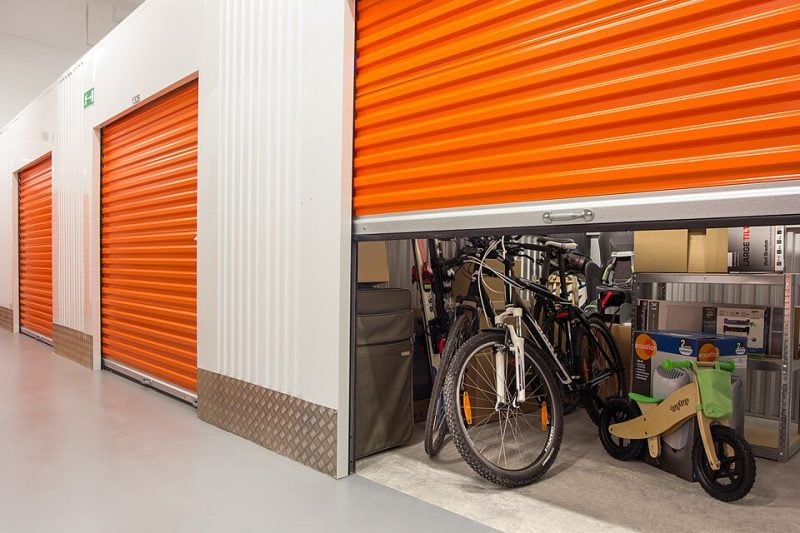
Have you ever considered owning a small storage unit? If so, what do you think these businesses generate? Well, we’re here to tell you.
Small storage unit businesses can generate monthly profits ranging from $2,000 to $10,000 or more, depending on location, occupancy rates, and operational efficiency.
The self-storage industry attracts investors because it offers relatively predictable income with lower maintenance demands compared to other real estate ventures.
Monthly profitability depends heavily on your occupancy rate, pricing strategy, facility size, and ability to control operating expenses while maximizing revenue from each unit.
Understanding these variables helps you forecast realistic returns and make informed decisions about entering this market.
The path to consistent monthly profits involves balancing startup investments against ongoing costs while building occupancy through effective marketing.
You’ll need to consider how operational expenses and maintenance impact your bottom line, along with seasonal demand shifts and competitive pressures in your local market.
This guide breaks down the financial realities of running a small storage facility so you can evaluate whether this business model aligns with your investment goals.
Let’s get started:
Average Monthly Profit for Small Storage Unit Businesses
Small storage unit businesses typically generate between $15,000 and $50,000 in monthly profit, though actual figures depend heavily on location, facility size, and operational efficiency.
Profit margins in this industry remain stable compared to other real estate ventures, with regional variations reflecting local market conditions and demand patterns.
Typical Profit Margins
Self-storage facilities generally maintain profit margins between 30% and 40% after accounting for operating expenses. Your net profit margin will vary based on occupancy rates, which ideally should reach 85% to 90% for optimal profitability.
Operating costs typically consume 35% to 45% of gross revenue. These expenses include property taxes, insurance, maintenance, utilities, and staff salaries. Marketing and administrative costs add another 5% to 10% to your monthly overhead.
A small facility with 100 to 200 units can expect different margin profiles than larger operations. Your debt service will significantly impact your bottom line, especially during the first five to seven years of operation. Facilities without mortgage payments often achieve margins exceeding 50%.
National and Regional Profit Comparisons
Monthly profits vary substantially across different regions. Urban markets in high-demand areas like California, New York, and Florida command higher rental rates, with units averaging $150 to $250 per month. Rural and suburban locations typically see rates between $50 and $100 monthly.
A facility with 500 units rented at $100 per unit generates $50,000 in monthly revenue, though this represents gross income before expenses. Smaller facilities with 150 units at similar rates would produce $15,000 monthly in gross revenue.
Regional occupancy rates also affect profitability. Sunbelt states maintain higher occupancy due to population growth and frequent relocations. Midwestern facilities often experience seasonal fluctuations that impact monthly cash flow.
Profit Trends Over Recent Years
The self-storage industry has shown consistent growth through 2026, with demand driven by remote work transitions and housing market shifts. Monthly profits have increased 8% to 12% annually in most markets since 2023.
Inflation has impacted both revenue and expenses. While you can adjust rental rates to match market conditions, property taxes and insurance premiums have risen 15% to 20% in some regions. Labor costs have also increased, affecting facilities that employ on-site managers.
Construction costs for new facilities have risen sharply, making existing operations more valuable. This trend has improved profitability for established small storage businesses, as limited new competition allows for rate optimization without significant occupancy loss.
Key Factors Influencing Monthly Profitability
Monthly earnings from storage units depend heavily on where your facility sits, how many units stay rented, and how you structure your pricing across different unit types.
Location and Market Demand
Your facility’s location directly determines how much revenue you generate each month. Urban areas with high population density typically support higher rental rates and faster occupancy growth.
Suburban locations near residential neighborhoods attract homeowners downsizing or renovating, while facilities near college campuses benefit from student demand during specific seasons.
Market demand varies significantly based on local conditions. Areas with limited existing storage options allow you to charge premium rates. You should research local competition within a 3-5 mile radius to understand pricing standards.
Demographics matter considerably. Neighborhoods with aging populations often need storage during life transitions. Business districts create demand from small companies needing document or inventory storage. You’ll see stronger monthly performance in locations where people have fewer basement or garage alternatives.
Occupancy Rates
Your occupancy rate represents the percentage of units currently rented. Facilities maintaining 85-95% occupancy generate consistent monthly income. Empty units produce zero revenue while still requiring maintenance and property taxes.
Seasonal fluctuations affect occupancy patterns. Summer months typically see increased activity from people moving or college students storing belongings. Winter often brings slower rental activity. You need strategies to minimize vacancy periods during off-peak months.
Customer retention directly impacts your monthly cash flow. Long-term tenants provide stable, predictable income. New customer acquisition costs money through advertising and administrative work. Focusing on keeping existing renters reduces these expenses while maintaining occupancy.
Unit Sizes and Pricing Structure
Your revenue per month depends on your mix of unit sizes and corresponding prices. Smaller units (5×5 or 5×10 feet) rent quickly but generate less individual income. Larger units (10×20 or 10×30 feet) command higher monthly rates but take longer to fill.
Well-run facilities operate with 40% to 60% profit margins when pricing matches local market rates. You should offer climate-controlled units at 20-40% premium pricing over standard units. Vehicle storage spaces often justify rates comparable to larger units.
Dynamic pricing adjusts rates based on demand, similar to hotel pricing models. You can charge more during peak moving seasons or when occupancy reaches certain thresholds. Online rate comparison helps ensure your pricing remains competitive while maximizing revenue potential.
Startup Costs and Ongoing Expenses
Starting a storage unit business typically requires an initial investment of $500,000 to $2 million, with monthly operating expenses adding another layer of financial commitment. Your profitability depends on balancing these upfront investments with recurring costs like utilities, maintenance, and staffing.
Property Acquisition or Leasing
You’ll face one of your largest expenses when acquiring land or an existing facility. The average startup cost for a self-storage business ranges from $1.5 million to $2.4 million, with property costs varying significantly based on location and market demand.
Urban areas command premium prices but offer higher occupancy potential. Rural or suburban locations reduce your initial investment but may limit your customer base. You can lease property instead of purchasing to lower upfront costs, though this reduces your long-term equity building.
Zoning requirements and local regulations affect which properties you can use. You need to verify the land is zoned for commercial storage use before committing to any purchase or lease agreement.
Construction and Facility Build-Out
A standard facility averages 50,000 square feet, which serves as a benchmark for construction planning. Your build-out costs include site preparation, unit construction, climate control systems, security infrastructure, and paving.
Building new construction gives you design flexibility but costs more upfront. Converting existing warehouses or commercial buildings can reduce expenses by 30-40% compared to ground-up development. You’ll need to install security features like cameras, electronic gates, and alarm systems.
Climate-controlled units cost more to build but command 20-30% higher rental rates. Your facility needs proper drainage, lighting, and access roads to meet code requirements and provide customer convenience.
Maintenance and Utilities
Your monthly operating costs include utilities, repairs, and property upkeep. Electricity for lighting, climate control, and security systems typically runs $2,000-$5,000 monthly depending on facility size.
Water and sewer services add another $200-$500 per month. You’ll spend $500-$1,500 monthly on routine maintenance like landscaping, snow removal, pest control, and general repairs. Property insurance costs $1,000-$3,000 monthly based on your coverage level and facility value.
Property taxes vary by location but typically range from $1,500-$4,000 monthly. Monthly operating costs can reach $20,000 excluding depreciation and amortization for a full-scale facility.
Staffing and Security
You need to decide between hiring on-site staff or using remote management systems. A full-time manager costs $3,000-$4,500 monthly including benefits, while part-time staff runs $1,500-$2,500 monthly.
Many smaller facilities operate with minimal staff by implementing self-service kiosks and automated gate systems. Security monitoring services cost $200-$800 monthly depending on the level of coverage you choose. You’ll also need management software subscriptions ranging from $100-$300 monthly for billing, access control, and customer management.
Remote monitoring allows you to reduce staffing costs while maintaining security. Your labor needs increase if you offer additional services like moving truck rentals or packing supplies.
Revenue Streams in Small Storage Facilities
Small storage facilities generate income through multiple channels beyond basic rent collection. Monthly revenue typically combines rental fees with various add-on services and product sales that enhance profitability.
Standard Unit Rentals
Your primary revenue source comes from monthly rental fees charged to tenants who occupy storage units. Storage unit owners typically earn a yearly profit of $184,500, with annual income ranging from $365,000 to $800,000 depending on facility size and location.
Rental rates vary based on unit dimensions, with common sizes including 5×5, 10×10, and 10×20 foot spaces. You’ll need to adjust pricing based on local market demand, competition, and occupancy rates. Most facilities charge between $50 and $300 per unit monthly, though premium locations command higher rates.
Your occupancy rate directly impacts monthly revenue. A facility with 80% occupancy generates significantly more income than one at 60%, making tenant retention and marketing crucial to maintaining steady cash flow.
Premium Features and Services
Climate-controlled units allow you to charge premium rates, typically 20-50% above standard units. These temperature-regulated spaces attract customers storing sensitive items like electronics, documents, and antiques.
You can offer insurance coverage to tenants, creating diverse revenue streams that enhance profitability. Security features like individual unit alarms generate additional monthly fees. The Jenkins Organization manages over 31,000 units and sells security features at $12 per unit monthly with a 68% opt-in rate.
24-hour access, enhanced lighting, and covered parking spaces justify higher monthly charges. These upgrades differentiate your facility from competitors while improving your profit margins.
Ancillary Sales and Upselling
Selling packing supplies on-site creates immediate revenue opportunities. You can stock boxes, tape, bubble wrap, locks, and moving blankets with markup rates between 30-100% above wholesale costs.
Truck rental partnerships or moving equipment loans generate commission income without requiring significant inventory investment. You can also sell merchandise through vending machines or on-site retail displays.
Administrative fees supplement monthly income through late payment charges, lock replacement fees, and auction proceeds from abandoned units. These smaller revenue additions accumulate throughout the month, contributing meaningfully to your bottom line.
Strategies to Increase Storage Unit Profit Per Month
Implementing targeted pricing adjustments, maintaining high occupancy rates, and retaining existing customers form the foundation of maximizing self-storage profitability.
Dynamic Pricing and Promotional Offers
You should adjust your rental rates based on demand, seasonality, and local market conditions rather than maintaining static pricing year-round. During peak moving seasons like summer, you can charge premium rates for high-demand unit sizes.
Offering promotional incentives for new tenants helps fill vacant units quickly. Consider these effective approaches:
- First month free for long-term lease commitments
- Discounted rates for referrals from existing customers
- Move-in specials during slower months to maintain occupancy
You need to monitor competitor pricing regularly and position your rates strategically. If your facility offers climate control or enhanced security features, you can justify higher pricing than basic facilities in your area.
Optimizing Occupancy
Maintaining occupancy rates above 85% directly impacts your monthly profitability since fixed costs remain constant regardless of how many units you rent. You should focus on customer segmentation strategies to target students, small business owners, and families with tailored marketing messages.
Your online presence needs optimization to capture local search traffic. List your facility on Google Business Profile and storage-specific directories with accurate pricing and availability information.
You can reduce vacancy periods by implementing waitlists for popular unit sizes and proactively contacting interested prospects when units become available. Creating different unit size options allows you to accommodate more customers rather than losing them to competitors.
Customer Retention Tactics
Keeping existing tenants costs significantly less than acquiring new ones. You should implement automatic payment systems that offer small discounts for autopay enrollment, reducing late payments and administrative work.
Regular communication builds loyalty. Send maintenance reminders, security updates, and seasonal storage tips to demonstrate you value their business beyond rent collection.
You can increase storage unit revenue by selling moving supplies, offering truck rentals, and providing packing services on-site. These ancillary revenue streams boost your monthly income per customer while adding convenience that encourages longer tenancy periods.
Address maintenance issues promptly and keep your facility clean and well-lit. Tenants who feel their belongings are secure and accessible will renew their leases rather than search for alternatives.
Seasonality and Market Fluctuations
Storage unit revenue varies significantly throughout the year, with demand peaking during warmer months and slowing in winter. Understanding these patterns helps you anticipate cash flow changes and adjust pricing strategies to maintain profitability.
Peak and Off-Peak Rental Periods
March through August represents the highest leasing activity in the self-storage industry. During this window, residential moves increase as families relocate while school is out, college students transition between housing, and warmer weather makes moving more practical.
Your occupancy rates typically climb 10-15% during these months compared to winter. You can charge higher rental rates during peak season without significant pushback from customers who need immediate storage solutions.
Off-peak periods from November through February see reduced demand as fewer people move during cold weather and holidays. Your revenue may dip 15-25% during these months unless you implement promotional pricing or offer incentives to maintain occupancy levels. Operators who understand these cycles and optimize their revenue strategies can significantly outperform competitors who use static pricing year-round.
Impact of Local Events and Trends
Your storage facility’s monthly profitability depends heavily on micro-market demand specific to your location. College towns experience rental spikes in May and August when students move in and out. Military base communities see demand surges during permanent change of station season, typically May through September.
Local housing market conditions directly affect your business. Rising home prices push people toward downsizing, which increases storage needs. Construction booms create contractor demand for equipment storage throughout project durations.
Weather events like hurricanes or floods generate temporary demand spikes as residents need emergency storage. You should monitor local economic indicators, population growth, and development projects to anticipate demand shifts in your specific market area.
Risks and Profitability Challenges
Small storage unit businesses face several obstacles that can significantly impact monthly profits. Market competition, unpaid rent, and changing local regulations each require careful planning and financial reserves to manage effectively.
Competition and Market Saturation
Your monthly profitability depends heavily on the competitive landscape in your area. The United States has over 52,301 self-storage facilities, creating intense competition in many markets. In saturated areas, you’ll need to lower prices to attract tenants, which directly reduces your monthly revenue per unit.
New facilities entering your market can force you to offer promotional discounts or free first-month deals. These incentives cut into your profit margins even as your operational costs remain fixed. Urban markets typically face more saturation than rural locations, though urban facilities often command higher rental rates when they maintain occupancy.
You should research existing facilities within a three-mile radius before investing. Storage unit ROI can be significantly impacted by the number of competitors and their pricing strategies. Markets with limited competition allow you to maintain premium pricing and achieve occupancy rates above 85%, which maximizes monthly profits.
Delinquencies and Bad Debts
Unpaid rent creates immediate cash flow problems that reduce your monthly profitability. Storage facilities typically experience delinquency rates between 3% and 8% of gross revenue, depending on tenant screening practices and local economic conditions.
You’ll spend time and money pursuing overdue payments through phone calls, late notices, and potential legal action. Each delinquent account costs you the monthly rent plus administrative expenses for collections. While you can eventually auction unit contents to recover some losses, the process takes months and rarely covers the full amount owed.
Bad debts affect your ability to pay monthly expenses like utilities, insurance, and property taxes. You should maintain a cash reserve equal to at least three months of operating expenses to handle periods of higher-than-expected delinquencies. Implementing automated payment systems and requiring autopay can reduce delinquency rates by 40% or more.
Regulatory and Zoning Changes
Local governments can alter zoning laws that affect your operational costs and expansion plans. New regulations might require security upgrades, lighting improvements, or changes to access hours that increase your monthly expenses without generating additional revenue.
Property tax reassessments can significantly impact your monthly profitability. If your local government increases your property’s assessed value, your monthly tax obligation rises accordingly. Some jurisdictions have implemented special taxes or fees on storage facilities, viewing them as revenue sources.
Building code updates may force you to retrofit your facility with enhanced fire suppression systems, improved drainage, or accessibility features. Understanding these challenges is critical for sustained success in the storage business. You should budget 5% to 10% of annual revenue for compliance-related expenses and monitor local planning commission meetings to anticipate regulatory changes before they affect your bottom line.
Long-Term Profit Outlook for Small Storage Unit Businesses
The self-storage industry continues to show strong investment potential as urbanization and downsizing trends persist. Your long-term profitability depends on location, operational efficiency, and your ability to adapt pricing strategies to market conditions.
Key factors influencing long-term profits include:
- Occupancy rates – Maintaining 85-90% occupancy ensures steady cash flow
- Rental rate increases – Annual adjustments of 3-5% help offset inflation and operating costs
- Property appreciation – Real estate value typically grows over time
- Scalability potential – Adding units or acquiring additional facilities increases revenue streams
With first-year business closure rates at 20%, your success requires proper planning and management systems. Storage facilities that survive the initial years typically establish stable customer bases and predictable income patterns.
Your long-term profitability hinges on market demand and competition in your area. Markets with growing populations and limited storage options provide better profit margins than saturated locations. You should research local demographics and existing supply before committing to long-term investments.
Revenue growth opportunities over time:
| Year Range | Growth Strategy |
|---|---|
| Years 1-3 | Build occupancy, establish reputation |
| Years 3-5 | Optimize pricing, reduce operating costs |
| Years 5+ | Expand facility, add premium services |
Your ability to leverage technology and automation will impact profit margins significantly. Modern management software reduces labor costs while improving customer experience and retention rates.
Conclusion
A small storage unit business can generate reliable monthly profits when you manage it effectively. Your earnings depend on factors like occupancy rates, pricing strategy, location, and operational efficiency.
Key profitability drivers include:
- Maintaining high occupancy rates above 85%
- Controlling operational expenses and maintenance costs
- Implementing competitive pricing for your market
- Minimizing vacancy periods between tenants
The first-year business closure rate stands at 20%, which means proper planning is essential. You need to account for property costs, insurance, utilities, and marketing when calculating your net monthly income.
Your success requires understanding that operational expenses significantly impact profit margins. Monthly costs include property taxes, maintenance, security systems, and staff wages if applicable. These expenses can vary widely based on your facility size and location.
Storage facilities benefit from month-to-month lease agreements, providing flexibility in pricing and consistent cash flow. You can increase profitability by offering climate-controlled units, vehicle storage, or business inventory solutions at premium rates.
Your monthly profit potential ranges from a few thousand dollars for smaller operations to significantly higher amounts for larger, well-managed facilities. The business model works because people consistently need additional space for their belongings.
Calculate your specific situation by subtracting all monthly expenses from your gross rental income. This gives you an accurate picture of your net monthly profit and helps you make informed decisions about expanding or optimizing your storage unit business.


