
How Much Does It Cost to Start a Roofing Business in 2026? Complete Startup Investment Breakdown
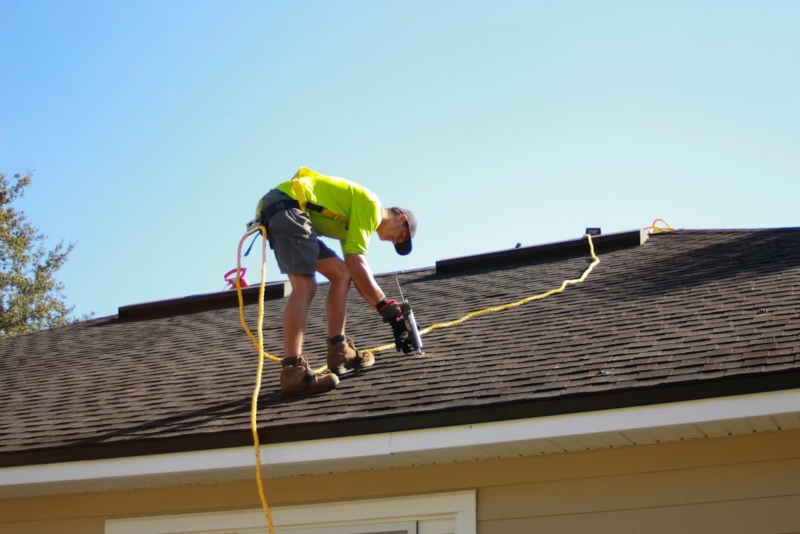
Have you ever considered being a roofer? You’ll have to have some funds first. Starting a roofing business costs between $10,000 and $50,000 in 2026, depending on your location, business scale, and whether you lease or purchase equipment.
The roofing industry offers significant profit potential, with the U.S. market valued at over $76 billion in 2025 and residential re-roof projects generating $5,000 to $20,000 or more per job.
Understanding where your capital will go helps you make smarter decisions from day one. Your budget will need to cover essential categories like tools and equipment, insurance and licensing, vehicle acquisition, employee wages, and initial marketing efforts.
This guide breaks down each expense category so you can build an accurate startup budget for your roofing company. You’ll learn about one-time costs versus ongoing operational expenses, discover financing options available to new contractors, and find strategies to reduce overhead while maintaining quality and safety standards.
Core Startup Expenses
Before you can install your first roof, you need to satisfy regulatory requirements and protect your business with proper insurance. Starting a roofing company costs $10,000 to $50,000 on average, with licensing, legal setup, and insurance forming the foundation of your initial investment.
Contractor Licensing and Certification Fees
You’ll need a contractor’s license in most states before you can legally operate a roofing business. License fees vary significantly by location, ranging from $200 to $1,500 depending on your state and local jurisdiction.
Some states require you to pass a written exam covering building codes, safety regulations, and business practices. Exam preparation courses cost $300 to $800, while the exam itself typically runs $100 to $400.
Additional certifications from manufacturers like GAF, CertainTeed, or Owens Corning can enhance your credibility. These programs cost $500 to $2,000 per certification and often require proof of insurance and a minimum number of completed installations.
Budget an additional $200 to $500 annually for license renewals and continuing education requirements that many states mandate.
Business Registration and Legal Costs
You’ll need to register your business entity with your state, which costs $50 to $500 depending on whether you form an LLC, corporation, or sole proprietorship. An LLC offers liability protection and is the most common choice for roofing contractors.
Your business also requires an Employer Identification Number (EIN) from the IRS, which is free to obtain. You’ll need this for tax purposes, hiring employees, and opening business bank accounts.
Legal fees for contract templates, operating agreements, and initial consultations with an attorney typically run $500 to $2,500. These documents protect you when bidding jobs and working with subcontractors.
Don’t forget local business permits and trade name registration, which add another $100 to $400 to your startup costs.
General Liability and Workers’ Compensation Insurance
Insurance represents one of your largest ongoing expenses. General liability insurance protects you against property damage and injury claims, costing $2,500 to $8,000 annually for a new roofing business.
Workers’ compensation insurance is mandatory in most states once you hire employees. Your rates depend on your state, payroll size, and claims history, but expect to pay $8,000 to $15,000 per year for a small crew.
Commercial auto insurance for your work vehicles adds $1,200 to $3,000 per vehicle annually. You’ll also want commercial umbrella coverage for an additional $750 to $1,500 per year, which provides extra liability protection beyond your primary policies.
Many roofing startup cost breakdowns show insurance consuming 20-30% of your first-year operating budget.
Equipment and Tools Investment
Equipment represents one of the largest upfront expenses when launching a roofing business. Essential roofing equipment costs vary based on whether you purchase new or used items and the scope of services you plan to offer.
Essential Roofing Tools
Your basic tool inventory includes ladders, nail guns, hammers, utility knives, chalk lines, tape measures, and pry bars. A professional-grade air compressor typically costs $300 to $800, while pneumatic nailers run $150 to $400 each.
You’ll need multiple extension ladders ranging from $200 to $600 apiece depending on length and material. Roofing-specific tools like shingle cutters, roofing shovels, and seam rollers add another $500 to $1,000 to your budget.
Power tools including circular saws, drills, and reciprocating saws cost $800 to $1,500 for a complete set. Budget an additional $1,000 to $2,000 for hand tools, measuring devices, and miscellaneous supplies that crews need daily.
Vehicle Purchase or Lease Options
A reliable work truck is essential for transporting crews, tools, and materials to job sites. New trucks cost $35,000 to $60,000, while quality used vehicles range from $15,000 to $30,000.
Leasing offers lower monthly payments of $400 to $700 but provides no equity. Purchasing builds business assets but requires larger down payments of $5,000 to $15,000 typically.
You’ll also need ladder racks ($300 to $800) and tool storage systems ($500 to $1,500) for proper equipment organization and security.
Safety Gear and Compliance Equipment
OSHA-compliant fall protection systems are mandatory for roofing work. Personal fall arrest systems cost $200 to $500 per worker, while guardrail systems run $800 to $2,000 per project.
Hard hats, safety glasses, work gloves, and steel-toed boots for each crew member total $150 to $300 per person. You’ll need fire extinguishers, first aid kits, and warning signs adding another $300 to $500.
Roof anchors, safety harnesses, and lifelines require regular inspection and replacement, creating ongoing costs of $500 to $1,000 annually per crew.
Labor and Workforce Considerations
Your workforce represents one of your largest ongoing expenses, with initial crew costs ranging from $8,000 to $15,000 monthly depending on team size and location. Setting realistic payroll projections and budgeting for proper training ensures you build a capable team without overspending during your startup phase.
Initial Hiring and Payroll Projections
You’ll need to hire at least 2-3 crew members to start taking on residential projects efficiently. Entry-level roofers earn between $15 and $22 per hour depending on your region, while experienced crew members command $25 to $35 per hour.
Your initial monthly payroll for a small crew typically breaks down as follows:

Beyond base wages, you need to account for payroll taxes (7.65% FICA), workers’ compensation insurance (typically 15-30% of payroll for roofing), and unemployment insurance. These additions can increase your actual labor costs by 25-35% above the hourly wages you pay.
Roofers typically charge homeowners 2-3 times the hourly wage they pay employees when you factor in overhead and material costs. This markup helps cover your insurance, equipment, and business expenses while maintaining profit margins.
Training Programs and Costs
You should budget $500 to $1,500 per employee for initial safety training and certification programs. OSHA 10 or OSHA 30 construction safety courses cost $50 to $200 per person and are essential for compliance and liability protection.
Manufacturer certifications for specific roofing systems (GAF, CertainTeed, Owens Corning) range from $200 to $800 per certification. These credentials allow you to offer extended warranties and differentiate your services from competitors.
Plan for 40-80 hours of on-the-job training time during your first month, where productivity will be lower than normal. This reduced efficiency means you’ll complete fewer jobs initially while your crew develops proper techniques and safety protocols. The lost productivity during training can cost you $2,000 to $4,000 in reduced billable hours.
Office Setup and Administrative Costs
Administrative expenses for a roofing business typically range from $1,000 to $5,000 for initial setup, with monthly costs varying based on whether you operate from home or lease commercial space. Your choice of office arrangement and technology infrastructure will significantly impact both startup and recurring expenses.
Physical Office Versus Home Office
Starting from a home office keeps your initial overhead minimal. You’ll save on rent, utilities, and commute costs while maintaining a professional operation through virtual communication tools.
A dedicated commercial office space costs $500 to $2,000 monthly depending on your location and size requirements. Commercial leases often require first and last month’s rent plus a security deposit, creating an immediate expense of $1,500 to $6,000.
Home-based operations work well when you’re primarily in the field meeting clients at job sites. You can designate a room for paperwork, storage of samples, and client meetings when necessary. Commercial space becomes valuable when you need room for larger inventory, multiple administrative staff, or want to project a more established image to commercial clients.
Office Technology and Software
Your roofing business requires computers, phones, and specialized software to manage operations efficiently. Essential office technology costs between $1,000 and $3,000 for initial setup.
Basic technology needs include:
- Computer or laptop: $500 to $1,500
- Business phone system: $100 to $500 for basic setup
- Printer/scanner: $150 to $400
- Estimating software: $50 to $200 monthly
- Accounting software: $15 to $70 monthly
- CRM system: $25 to $150 monthly
Roofing-specific software helps you create estimates, manage schedules, track materials, and handle invoicing. Cloud-based solutions eliminate the need for expensive servers and allow field access from mobile devices.
Utilities and Ongoing Office Expenses
Monthly administrative costs continue beyond your initial setup investment. Budget for recurring expenses that keep your office operational.
Home office utilities add $50 to $150 monthly to your existing bills. A commercial space requires $200 to $500 monthly for electricity, water, internet, and climate control.
Additional ongoing costs include:
- High-speed internet: $60 to $120 monthly
- Business phone lines: $30 to $100 monthly
- Office supplies: $50 to $150 monthly
- Cloud storage: $10 to $50 monthly
Internet service deserves priority since you’ll upload photos, send estimates, and communicate with clients daily. Reliable connectivity prevents delays in responding to inquiries and submitting bids.
Marketing and Customer Acquisition Budget
Initial marketing investments typically range from $2,000 to $10,000 during your first few months, with ongoing monthly costs between $1,000 and $5,000 depending on your market size and growth goals. Your marketing budget allocation directly impacts how quickly you can generate leads and convert them into paying customers.
Branding and Logo Design Costs
Professional branding sets the foundation for your company’s visual identity across all marketing materials. You can expect to spend between $500 and $3,000 for professional logo design and basic brand identity packages, which typically include color schemes, typography guidelines, and business card designs.
DIY logo makers offer cheaper alternatives at $50 to $200, but they often result in generic designs that don’t differentiate your business. Mid-tier branding packages from freelance designers typically cost $1,000 to $1,500 and include multiple logo variations, brand style guides, and vehicle wrap templates.
Full branding agencies charge $2,500 to $5,000 or more for comprehensive packages that include market research, competitor analysis, and complete visual identity systems. This investment makes sense if you’re planning rapid expansion or targeting premium markets where professional appearance significantly impacts customer trust.
Website Development and Hosting
Your roofing website serves as your digital storefront and requires both initial development and ongoing maintenance costs. Basic template-based websites cost $500 to $2,000 through platforms like WordPress or Wix, while custom-designed websites range from $3,000 to $10,000 depending on features and functionality.
Monthly hosting fees typically run $20 to $100, while domain registration costs approximately $10 to $20 annually. You’ll also need to budget for SSL certificates ($0 to $200 yearly), email hosting ($5 to $25 monthly), and regular content updates.
Essential website features include mobile responsiveness, photo galleries of completed projects, service area maps, online quote request forms, and customer testimonials. Professional photography of your work adds $300 to $1,000 to initial costs but significantly improves conversion rates.
Local Advertising and Digital Marketing
Customer acquisition costs vary significantly based on your chosen marketing channels and local competition levels. Google Ads for roofing services typically cost $15 to $75 per click in competitive markets, with monthly budgets starting at $1,500 to generate meaningful lead volume.
Common Digital Marketing Expenses:
- Google Local Services Ads: $50-$150 per qualified lead
- Facebook/Instagram Ads: $500-$2,000 monthly
- SEO services: $750-$3,000 monthly
- Direct mail campaigns: $0.50-$2.00 per piece
- Yard signs and door hangers: $200-$800 per 1,000 pieces
Most roofing companies spend 5-10% of gross revenue on marketing once established. During your startup phase, you’ll likely need to invest more heavily to build initial momentum and brand awareness in your service area.
Permits, Compliance, and Regulatory Expenses
Starting a roofing business requires navigating multiple regulatory layers, with permit costs ranging from a few hundred to several thousand dollars depending on your location. Compliance expenses for regulatory adherence extend beyond initial fees to include ongoing inspections, audits, and documentation requirements.
Required Local and State Permits
Your roofing business needs several permits before operating legally. Most states require a specialized contractor’s license, which typically costs between $200 and $1,000 depending on your location and the scope of work you plan to perform.
You’ll need to pass trade-specific exams and demonstrate proof of experience, often requiring 2-4 years of documented work in the roofing industry. Business licenses add another $50 to $400 annually, while building permits for individual projects range from $100 to $500 per job.
Common permit requirements include:
- General contractor’s license
- Business operation license
- Occupational license
- Sales tax permit
- Federal Employer Identification Number (EIN)
Some municipalities require separate permits for commercial versus residential roofing work. You may also need special permits for working on historic buildings or in designated preservation districts.
Environmental and Safety Standards
OSHA compliance represents a significant ongoing expense for roofing companies. You must provide fall protection equipment, safety training, and maintain proper documentation of all safety protocols.
Initial safety equipment costs typically range from $2,000 to $5,000 per crew, covering harnesses, guardrails, and personal protective equipment. Annual safety training runs $300 to $800 per employee, with some states requiring specific roofing safety certifications.
Environmental regulations govern waste disposal and material handling. You’ll pay disposal fees for old roofing materials, typically $50 to $200 per ton at certified facilities. Some states require environmental permits for handling asbestos-containing materials, adding $500 to $2,000 in certification costs.
Workers’ compensation insurance, while technically insurance rather than a permit, is mandated by law and costs 15-25% of your total payroll for roofing businesses due to the high-risk nature of the work.
Material Inventory Funding
Building an adequate material inventory requires upfront capital for supplier relationships and bulk purchasing. Most roofing contractors need between $2,000 and $15,000 to stock essential materials before taking on their first projects.
Initial Supplier Deposits
Many roofing suppliers require new contractors to establish credit terms through deposits or prepayment arrangements. You’ll typically face deposit requirements ranging from $1,000 to $5,000 when opening accounts with major distributors.
Some suppliers offer net-30 or net-60 payment terms once you’ve proven your payment history. However, expect to pay cash on delivery for your first few orders until you build credibility. Smaller operations often start with one primary supplier to concentrate purchasing power and negotiate better deposit terms.
Common deposit structures include:
- Full prepayment on first 3-5 orders
- 50% deposit with balance due on delivery
- Cash accounts with no credit extension
- Personal guarantee requirements for credit lines
Bulk Roofing Materials Procurement
Starting with sufficient inventory of shingles, underlayment, nails, sealants, and other roofing materials ensures seamless project execution. Your initial material costs depend heavily on the roofing types you offer, asphalt, metal, or tile each carry different price points.
Purchasing materials in bulk reduces per-unit costs but increases your capital requirements. A starter inventory for asphalt shingle installation typically costs $2,000 to $6,000, while metal roofing materials can push that figure to $8,000 to $15,000.
You’ll need to balance cash flow constraints against volume discounts. Many new contractors start with project-specific material orders to minimize inventory holding costs, then transition to bulk purchasing as cash reserves grow.
Financing and Funding Options
Most roofing contractors need external financing to cover startup costs ranging from $10,000 to $150,000. Roofing contractors who offer financing close 40-60% more deals than those who require cash payment upfront.
Small Business Loans
Traditional term loans from banks provide lump-sum funding with fixed repayment schedules, typically ranging from one to five years. You can expect interest rates between 6% and 12% depending on your credit score and business history.
SBA loans offer lower rates and longer terms but require extensive documentation and a lengthier approval process. The SBA 7(a) loan program allows you to borrow up to $5 million for equipment, working capital, and operational expenses.
Equipment financing lets you purchase trucks, ladders, and roofing tools while using the equipment itself as collateral. This option typically requires 10-20% down and spreads payments over the equipment’s useful life.
Loan Type Comparison:

Alternative Financing Approaches
Business lines of credit provide flexible access to funds up to a predetermined limit, allowing you to withdraw only what you need. You pay interest solely on the amount borrowed, making this ideal for managing seasonal cash flow fluctuations.
Invoice financing converts your outstanding invoices into immediate cash, advancing you 70-90% of the invoice value. This helps bridge gaps between completing jobs and receiving payment from customers.
Personal savings and credit cards remain common funding sources for smaller startups under $25,000. While using personal assets carries more risk, it avoids debt obligations and interest payments during your initial growth phase.
Industry Trends Affecting Startup Costs
The roofing industry in 2026 faces shifting material prices and tight labor markets that directly impact how much capital you need to launch. These two factors can add thousands to your initial budget or create opportunities to save if you time your launch strategically.
Material Price Fluctuations in 2026
Asphalt shingle prices have stabilized compared to the volatility of 2022-2024, but they remain 15-20% higher than pre-pandemic levels. You’ll pay between $90 and $120 per square for standard architectural shingles in most markets.
Metal roofing materials show more variance. Steel and aluminum costs fluctuate with commodity markets, and suppliers often lock in quotes for only 30-60 days. This means your material budget for initial inventory can swing by $3,000 to $8,000 depending on when you purchase.
Supply chain improvements have reduced lead times for specialty products like synthetic underlayment and ridge vents. You can now stock inventory closer to job dates rather than carrying excess working capital in materials. Regional shortages still occur for premium products, particularly in areas with high construction activity.
Bulk purchasing discounts remain available if you establish accounts with distributors early. New roofing businesses typically negotiate 5-10% off retail pricing once you demonstrate consistent ordering patterns.
Labor Market Conditions
Skilled roofer wages have increased to $22-$32 per hour in most metropolitan areas, with experienced crew leaders commanding $35-$45 per hour. This represents a 12-18% increase since 2024 and directly affects your payroll obligations during the startup phase.
Crew availability varies significantly by region. Sunbelt states face tighter labor markets due to sustained construction booms, while Midwest and Northeast markets offer more workers during off-peak seasons. You’ll need to budget for higher wages or signing bonuses if you launch in competitive markets.
Workers’ compensation insurance rates reflect these labor costs. Your premiums will run 20-40% of gross payroll depending on your state classification codes. Subcontracting work instead of hiring W-2 employees shifts this expense but reduces your control over quality and scheduling.
Apprenticeship programs and trade schools are expanding, but new graduates require 6-12 months of supervision before working independently. Factor in reduced productivity and higher supervision costs if you hire entry-level workers to control wages.
Potential Hidden and Ongoing Expenses
Beyond the initial startup investment, roofing businesses face unexpected repair costs and seasonal revenue fluctuations that can strain cash reserves. These expenses often catch new business owners off guard and require careful financial planning to manage effectively.
Unforeseen Repairs and Maintenance
Your roofing equipment and vehicles will require regular maintenance and unexpected repairs throughout the year. Trucks used for hauling materials typically need service every 3,000 to 5,000 miles, with costs ranging from $150 for oil changes to $1,500 or more for brake replacements and transmission work.
Ladders, nail guns, and safety harnesses wear down faster than anticipated, especially with daily use on job sites. A broken pneumatic nailer can cost $300 to replace, while damaged fall protection equipment must be replaced immediately for safety compliance.
You should budget 10-15% of your equipment value annually for repairs and replacements. Vehicle breakdowns during peak season can force you to rent temporary transportation at $100 to $200 per day, cutting into profit margins. Tool theft from job sites represents another hidden cost, with the average construction theft claim exceeding $5,000 according to industry data.
Seasonal Slowdowns and Cash Flow Impacts
Roofing work slows dramatically during winter months in many regions, creating significant cash flow challenges. Monthly fixed running costs for a roofing service start near $33,767, which continue even when revenue drops.
You’ll need to maintain insurance, vehicle payments, and office expenses during slow periods while generating minimal income. Many roofing businesses experience 40-60% revenue reductions in off-peak months.
Setting aside 20-30% of your peak season profits helps cover these lean periods. You may also need to offer winter services like emergency repairs or snow removal to generate income. Some contractors reduce their crew size seasonally, but unemployment insurance costs increase when you repeatedly lay off workers.
Strategies for Cost Reduction and Efficiency
Reducing expenses while maintaining quality requires strategic supplier relationships and streamlined operations. These approaches can lower your initial investment and improve long-term profitability.
Negotiating with Suppliers
Building strong relationships with material suppliers gives you leverage to reduce material costs through volume discounts and better payment terms. You should approach multiple suppliers to compare pricing on shingles, underlayment, flashing, and other materials before committing to long-term agreements.
Request quotes from at least three to five suppliers and use competitive bids to negotiate lower prices. Many suppliers offer 5-15% discounts for bulk orders or consistent monthly purchases.
You can also negotiate extended payment terms, such as net-30 or net-60, which improves your cash flow during the startup phase. Some suppliers provide seasonal discounts or promotional pricing on overstocked items that you can purchase and store if you have warehouse space.
Consider joining a purchasing cooperative or industry association that pools buying power across multiple roofing companies. This collective approach often secures pricing that individual startups cannot achieve independently.
Optimizing Operational Processes
Making use of existing resources more efficiently cuts unnecessary spending without sacrificing service quality. You should keep all contracts and warranties in one centralized digital system to avoid duplicate purchases and ensure proper equipment maintenance schedules.
Implement job tracking software to monitor labor hours, material usage, and travel time for each project. This data reveals inefficiencies like excessive fuel costs or material waste that you can address immediately.
Schedule jobs geographically to minimize drive time between locations. Batching jobs in the same neighborhood or zip code reduces fuel expenses and allows your crew to complete more work per day.
Cross-train employees to handle multiple tasks, which reduces the need for specialized crew members on every job. A versatile team adapts quickly to different project requirements without requiring additional hires.


