How Much Does It Cost to Open a Fast Food Franchise in 2026? Investment Breakdown and Fee Analysis
Opening a fast food franchise in 2026 requires careful financial planning and a realistic understanding of what you’ll need to invest.
The cost to start a fast food franchise typically ranges from $100,000 to $2,500,000, depending on the brand, location, and business model you choose.
Premium franchise locations can exceed $4,000,000, while more affordable options like Subway start around $229,000.
The initial franchise fee is just one piece of the puzzle. You’ll need to account for real estate costs, equipment purchases, inventory, staffing, and marketing expenses before you open your doors.
Understanding the difference between upfront costs and ongoing expenses will help you determine whether a franchise investment aligns with your financial capacity.
This guide breaks down everything from franchise fees and equipment costs to hidden expenses that catch new franchisees off guard.
You’ll learn how different business models affect your total investment, discover financing options available for fast food franchises, and see detailed cost comparisons across major brands to help you make an informed decision.
Initial Investment Factors
Opening a fast food franchise requires understanding three major cost categories: the franchise fee you pay to the brand owner, the equipment and construction expenses to build out your location, and the real estate costs that vary dramatically by market.
Franchise Fee Breakdown
The franchise fee represents your entry payment to join an established brand and access their business model, training, and support systems. This one-time upfront cost typically ranges from $25,000 to $50,000 for most fast food concepts, though premium brands command higher fees.
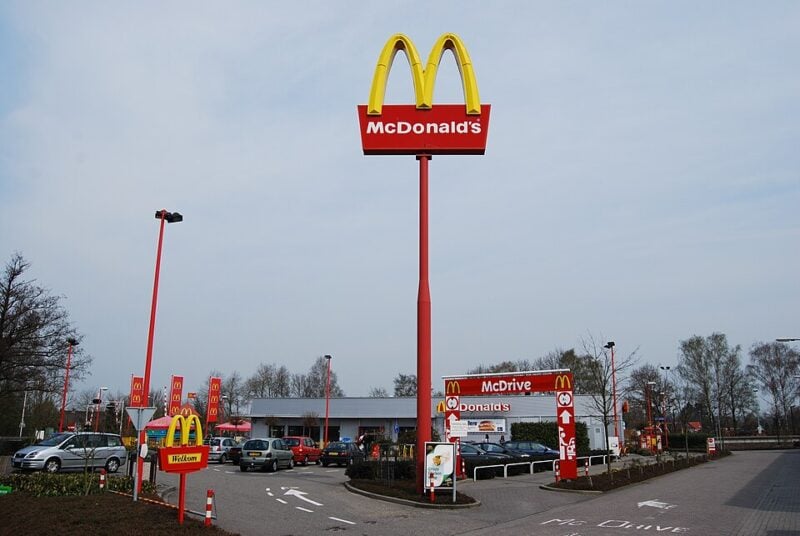
McDonald’s charges a $45,000 franchise fee, positioning itself in the mid-range despite being one of the most recognized brands globally. Beyond the initial fee, you’ll pay ongoing royalties of 4-5% of your gross sales to McDonald’s.
The franchise fee grants you the right to use the brand’s trademarks, recipes, operational procedures, and site selection assistance. Some franchisors include initial training and grand opening marketing support within this fee, while others charge separately for these services.
Equipment and Fit-Out Costs
Kitchen equipment, furniture, signage, and interior construction represent substantial portions of your initial investment for a fast food restaurant. You’ll need commercial-grade cooking equipment, refrigeration units, point-of-sale systems, and drive-through infrastructure if applicable.
Equipment costs alone typically range from $80,000 to $300,000 depending on your menu complexity and service model. A burger concept requires grills, fryers, and specialized prep stations, while a pizza franchise needs deck ovens and dough preparation equipment.
Construction and fit-out expenses add another $150,000 to $750,000 to transform a raw space into a functioning restaurant. These costs cover HVAC systems, plumbing, electrical work, flooring, lighting, and dining area furnishings that meet brand standards.
Real Estate and Location Expenses
Your location choice significantly impacts both upfront and ongoing costs. Total startup costs can range from $150,000 to over $4,000,000, with location being a primary variable.
Leasing costs vary by market, with prime locations in high-traffic areas commanding $5,000 to $15,000 monthly. You’ll typically pay first and last month’s rent plus a security deposit upfront. Some landlords require tenant improvement allowances or percentage rent based on sales.
Purchasing property requires substantially more capital but eliminates ongoing rent payments. Expect land and building acquisition costs between $500,000 and $2,000,000 in suburban markets, with urban locations costing considerably more. Many franchisors maintain specific requirements for lot size, visibility, traffic counts, and demographics that limit your location options.
Ongoing Franchise Costs
Beyond the initial investment, fast food franchises require regular financial commitments that directly impact your profitability. Ongoing royalties typically range from 4-5% of gross sales, with additional marketing fees and supply chain expenses adding to your monthly obligations.
Royalty Payments
Royalty fees represent your ongoing payment to the franchisor for the right to operate under their brand name and business system. Most fast food franchises charge between 4% and 8% of your gross sales, though some brands may charge a flat monthly fee instead.
These payments are typically due monthly and are calculated on your total revenue before expenses are deducted. You’ll pay these royalties regardless of whether your location is profitable that month.
The royalty structure varies by brand. Some franchisors charge higher royalties but provide more extensive support services, while others keep fees lower but offer minimal ongoing assistance. You need to evaluate what services you receive for these payments, including operational support, training programs, and proprietary systems access.
Marketing and Advertising Fees
Marketing fees are separate charges that fund national and regional advertising campaigns for the franchise brand. You’ll typically pay 2% to 5% of gross sales into a collective marketing fund that the franchisor manages.
These fees support television commercials, digital advertising, social media campaigns, and promotional materials that benefit all franchise locations. Some franchisors also require contributions to local or regional advertising cooperatives on top of the national fund.
You may need to spend additional money on local marketing efforts beyond the required fees. Marketing and grand opening expenses can range from $5,000 to $20,000 for initial launches, with ongoing local marketing adding to your monthly expenses.
Supply Chain and Inventory Expenses
You’ll purchase inventory, food supplies, and packaging materials either directly from the franchisor or from approved suppliers. Many franchisors negotiate bulk pricing that can lower your costs, but you’re typically locked into using specific vendors.
Food costs generally represent 25% to 35% of your revenue in fast food operations. You’ll need to maintain consistent inventory levels to meet customer demand while minimizing waste from spoilage.
Some franchisors mark up supplies sold to franchisees, creating an additional revenue stream for the parent company. You should review your franchise disclosure document to understand whether you’ll benefit from negotiated pricing or face restricted supplier options that may increase your costs compared to independent operators.
Financing and Funding Opportunities
Most franchisees need external financing to cover the substantial initial investment required for a fast food franchise. Multiple financing options exist to help you bridge the gap between available capital and total startup costs.
Traditional Loans
Banks and credit unions offer conventional business loans for franchise investments, typically requiring 20-30% down payment from your personal funds. You’ll need a strong credit score (usually 680 or higher), detailed business plan, and proven financial stability to qualify.
The Small Business Administration (SBA) provides government-backed loans through approved lenders, with SBA 7(a) loans being the most popular option for franchise financing. These loans offer favorable terms including lower down payments (10-15%) and longer repayment periods of up to 25 years. SBA loans can cover franchise fees, equipment purchases, real estate, and working capital needs.
Traditional lenders evaluate your debt-to-income ratio, liquidity, and industry experience before approval. Interest rates vary based on market conditions and your creditworthiness, ranging from 6-12% in 2026.
Franchisor Assistance
Many major fast food franchisors maintain relationships with preferred lenders who understand their business model and may offer streamlined approval processes. These franchise-specific lenders often provide faster decisions and more flexible terms than traditional banks.
Some franchisors offer direct financing programs for qualified candidates, particularly for equipment purchases or franchise fees. Others provide deferred payment options or reduced initial fees for veterans, minorities, or multi-unit operators.
Certain brands maintain in-house financing divisions that can fund portions of your startup costs. These programs typically require you to meet specific financial benchmarks and maintain strong credit.
Government Incentives
The SBA offers specialized programs beyond standard loans, including microloans up to $50,000 for smaller franchise operations and disaster recovery loans when applicable. Veterans may qualify for the SBA Veterans Advantage program, which reduces guarantee fees and provides additional support.
State and local governments provide grants, tax credits, and low-interest loans for businesses opening in designated development zones or economically distressed areas. Economic development agencies often offer incentives for businesses creating local jobs.
You should research restaurant financing options including grants specific to your location and demographic. Some municipalities waive permit fees or offer property tax abatements for new restaurant openings that meet employment targets.
Comparing Major Fast Food Brands
Investment costs, brand recognition, and support systems vary significantly across the industry’s leading franchises. Each brand offers different financial requirements and operational models that impact your potential return on investment.
McDonald’s
McDonald’s requires one of the highest initial investments in the fast food industry. Your total startup costs typically range from $1.3 million to $2.3 million, which includes the franchise fee, equipment, signage, and initial inventory.
The franchise fee alone is $45,000, but you’ll need liquid capital of at least $500,000 to qualify. McDonald’s also requires you to have total net worth of $1 million before they’ll consider your application.
You’ll pay ongoing royalty fees of 4% of gross sales plus marketing fees. The brand provides extensive training and support, including a comprehensive operational system that’s been refined over decades. McDonald’s locations benefit from strong brand recognition and proven business models.
Site selection assistance and real estate support are included, though McDonald’s often retains ownership of the property and leases it to you. This arrangement affects your long-term equity but reduces your upfront real estate costs.
Subway
Subway offers a more accessible entry point with franchise startup costs ranging from $150,000 to $328,000. Your franchise fee is $15,000, making it significantly lower than many competitors.
You’ll need liquid assets of $80,000 to $310,000 depending on your location and store format. The company requires a net worth of at least $80,000 to $310,000 to qualify as a franchisee.
Ongoing fees include an 8% royalty on gross sales plus 4.5% for advertising contributions. Subway’s smaller footprint reduces your real estate costs compared to traditional fast food restaurants. You can often operate in spaces as small as 1,000 square feet.
The simplified menu and operational model mean lower equipment costs and reduced staffing requirements. Training takes approximately two weeks at Subway headquarters.
KFC
KFC franchises require an investment between $1.4 million and $3.1 million for a traditional restaurant. Your initial franchise fee is $45,000, though this can vary based on market conditions and location.
You’ll need minimum liquid assets of $750,000 and a total net worth of $1.5 million. These requirements ensure you have sufficient capital to sustain operations during the startup phase.
The ongoing royalty fee is 5% of gross sales, with an additional 5% allocated to national advertising funds. KFC provides specialized equipment and proprietary recipes that differentiate the brand from competitors. Your investment includes pressure fryers and other specialized cooking equipment specific to KFC’s menu.
Brand recognition is strong globally, particularly in international markets. You’ll receive site selection assistance and access to established supply chain relationships that help control food costs.
Costs by Business Model
The business model you select significantly impacts your total investment, with drive-thru locations typically requiring the highest capital and food court outlets needing the least. Initial investment ranges from $100,000 to over $1 million depending on which format you choose.
Drive-Thru Locations
Drive-thru locations demand the largest initial investment, typically ranging from $500,000 to $1.5 million or more. You’ll need to account for additional land requirements to accommodate vehicle queuing lanes and circulation patterns.
The construction costs are substantially higher because you must install specialized equipment including menu boards, speaker systems, payment windows, and food pass-through areas. Your property will also require more extensive paving and potentially traffic flow modifications to meet local regulations.
Key cost factors for drive-thru locations:
- Larger land parcels (typically 0.5 to 1 acre minimum)
- Drive-thru equipment and technology ($50,000-$100,000)
- Extended parking lot construction
- Multiple service windows in some models
- Enhanced kitchen capacity for higher volume
Labor costs tend to run higher as well since you’ll need dedicated staff to manage the drive-thru lanes during peak hours.
Food Court Outlets
Food court outlets offer the most affordable entry point, with investments typically ranging from $100,000 to $400,000. You benefit from shared common areas, eliminating costs for dining room construction and maintenance.
Your rental agreement usually covers utilities, parking, and property maintenance through common area fees. The smaller footprint means reduced buildout expenses, though you’ll still need commercial kitchen equipment and point-of-sale systems.
Advantages of food court locations:
- No exterior signage costs
- Reduced HVAC requirements
- Shared restroom facilities
- Built-in foot traffic
- Lower staffing needs
The trade-off is higher rent per square foot and restricted operating hours that align with mall or facility schedules.
Stand-Alone Restaurants
Stand-alone restaurants require investments between $300,000 and $1 million, falling between drive-thru and food court models. You gain complete control over operating hours, exterior branding, and customer experience.
Your costs include full building construction or renovation, parking lot development, signage, and landscaping. You’ll need a complete dining area with seating, restrooms, and front-of-house amenities that food court locations don’t require.
This model offers the most flexibility for menu expansion and service modifications. You can add drive-thru capabilities later or convert spaces for catering operations without landlord restrictions.
Property acquisition or lease terms vary widely based on location, with prime urban areas commanding significantly higher costs than suburban or rural settings.
Hidden and Unexpected Expenses
Beyond the obvious franchise fees and equipment costs, you’ll encounter expenses that can add 15% to 25% to your initial budget projections. These hidden costs often catch new operators off guard and require careful planning to avoid cash flow problems during your launch phase.
Legal and Licensing Fees
You need to budget for franchise attorney fees to review your Franchise Disclosure Document, which typically range from $2,000 to $5,000. Consulting with a franchise attorney or accountant is essential to accurately assess the true costs in your FDD.
Your local permits and licensing fees will vary significantly by municipality. Health department permits, building permits, signage permits, and business licenses can collectively cost $3,000 to $15,000 depending on your location.
You’ll also face ongoing regulatory compliance costs that extend beyond opening day. Annual health inspections, fire safety certifications, and liquor licenses (if applicable) create recurring expenses. Some jurisdictions require separate permits for drive-thru operations or outdoor seating areas.
Pre-Opening Training Costs
Most franchisors require you and your management team to complete mandatory training programs at their corporate headquarters. Your travel expenses, accommodation, and meals during this training period typically cost $5,000 to $15,000, which isn’t always included in the franchise fee.
You’ll need to pay wages to your staff during pre-opening training sessions, even though you’re not generating revenue yet. Training typically lasts 2-4 weeks and includes both on-site preparation and practice runs. Budget approximately $10,000 to $20,000 for employee wages during this period.
Your franchisor may also charge separate fees for training materials, operations manuals, and ongoing educational programs that aren’t covered in your initial investment.
Insurance Requirements
Your franchise agreement will mandate specific insurance coverage levels that often exceed standard business policies. General liability insurance, property insurance, workers’ compensation, and commercial auto insurance collectively cost $15,000 to $40,000 annually for fast food operations.
You’ll need business interruption insurance to protect against revenue loss during unexpected closures. This coverage is particularly important during your first year when cash reserves may be limited.
Many franchisors require you to carry higher liability limits than state minimums, sometimes $2 million to $5 million in coverage. Directors and officers insurance, employment practices liability, and cyber liability insurance may also be mandatory depending on your franchise brand.
Current Market Trends Influencing Costs
The 2026 fast food franchise landscape faces significant cost pressures from construction inflation, sustainability requirements, and shifting consumer preferences toward healthier concepts. These factors directly impact your initial investment and ongoing operational expenses.
Inflation and Supply Chain Impact
Construction inflation has intensified the costs associated with building out your franchise location in 2026. Labor costs for construction have risen substantially, and material prices remain elevated compared to pre-pandemic levels.
Equipment costs now range from $50,000 to over $500,000 depending on your concept’s requirements. Supply chain disruptions continue to affect lead times for specialized kitchen equipment, which can delay your opening and increase holding costs. You may face longer wait periods for custom equipment installations.
Location costs vary significantly by market, with premium urban areas commanding higher lease rates. Real estate prices in high-traffic areas have increased due to competition from multiple franchise brands seeking the same desirable locations. Your build-out budget needs to account for these regional variations in both labor and materials.
Sustainability Initiatives
Energy-efficient equipment represents a higher upfront investment but can reduce long-term operating costs. You’ll need to budget for LED lighting systems, high-efficiency HVAC units, and Energy Star-certified kitchen appliances. These requirements add 10-15% to initial equipment costs.
Many franchisors now mandate sustainable packaging and waste management systems. Your startup costs must include composting infrastructure, recycling stations, and eco-friendly packaging inventory. Some brands require LEED certification or similar environmental standards for new locations.
Emerging Fast Food Concepts
Fast casual concepts are reshaping the franchise landscape with different cost structures than traditional quick-service restaurants. These brands typically require higher-quality finishes, open kitchen designs, and premium ingredients that increase both startup and operating expenses.
Health-focused concepts demand specialized equipment like cold-press juicers, grain bowls assembly lines, and fresh ingredient storage. Your investment in these emerging categories may exceed traditional burger or pizza franchises by 20-30%. Digital-first brands with ghost kitchen models offer lower entry points, sometimes starting under $200,000 for equipment and licensing fees.
Long-Term Financial Planning
Planning beyond your initial investment is critical for sustaining your fast food franchise. You need to account for ongoing costs that will affect your profitability for years to come.
Recurring Financial Obligations
Your franchise will require continuous financial commitments that extend well past opening day. These include:
- Monthly royalty fees (typically 4-8% of gross sales)
- Marketing fund contributions (usually 2-5% of revenue)
- Equipment replacement and maintenance costs
- Staff training and payroll increases
- Lease renewals and potential rent escalations
Building Working Capital Reserves
You should maintain a cash reserve to cover at least three to six months of operating expenses. This buffer protects you during seasonal slowdowns or unexpected business disruptions. Working capital for operational expenses is fundamental to franchise sustainability.
Growth and Expansion Considerations
Consider whether you want to open multiple locations in the future. Multi-unit ownership can provide economies of scale, but it requires substantial additional capital. You’ll need to plan for these investments years in advance.
Revenue Reinvestment Strategy
Determine what percentage of your profits you’ll reinvest into the business versus taking as personal income. Many successful franchisees allocate 15-25% of profits back into facility upgrades, technology improvements, and customer experience enhancements. This reinvestment helps you stay competitive and maintain brand standards over time.
Track your financial performance monthly and adjust your long-term plans based on actual results rather than projections alone.
Steps to Calculate Your Total Investment
You need a systematic approach to determine the complete financial picture before opening your fast food franchise. Start by identifying all franchise-specific fees and requirements from your franchisor’s disclosure documents.
Begin with these core calculations:
Initial Franchise Costs
- Franchise fee (typically $25,000-$50,000)
- Real estate and lease deposits
- Construction and build-out expenses
- Equipment and kitchen installations
- Initial inventory and supplies
Ongoing Financial Requirements
- Working capital for 3-6 months of operations
- Royalty fees (usually 4-8% of gross sales)
- Marketing and advertising contributions
- Insurance premiums
- Staff recruitment and training costs
You should use the Small Business Administration’s startup cost calculator as a baseline framework. This tool helps you itemize every expense category systematically.
Request the Franchise Disclosure Document (FDD) from your chosen brand. Item 7 of this document provides the franchisor’s estimated initial investment range. Review actual franchisee experiences listed in Item 19 to understand realistic profit potential.
Add a contingency buffer of 15-20% above the estimated total. Unexpected expenses always emerge during the opening process. Your calculation should account for delays, permit issues, or cost overruns.
Contact existing franchisees in your network to verify the accuracy of projected costs. They can provide real-world insights into hidden expenses that disclosure documents might not emphasize.